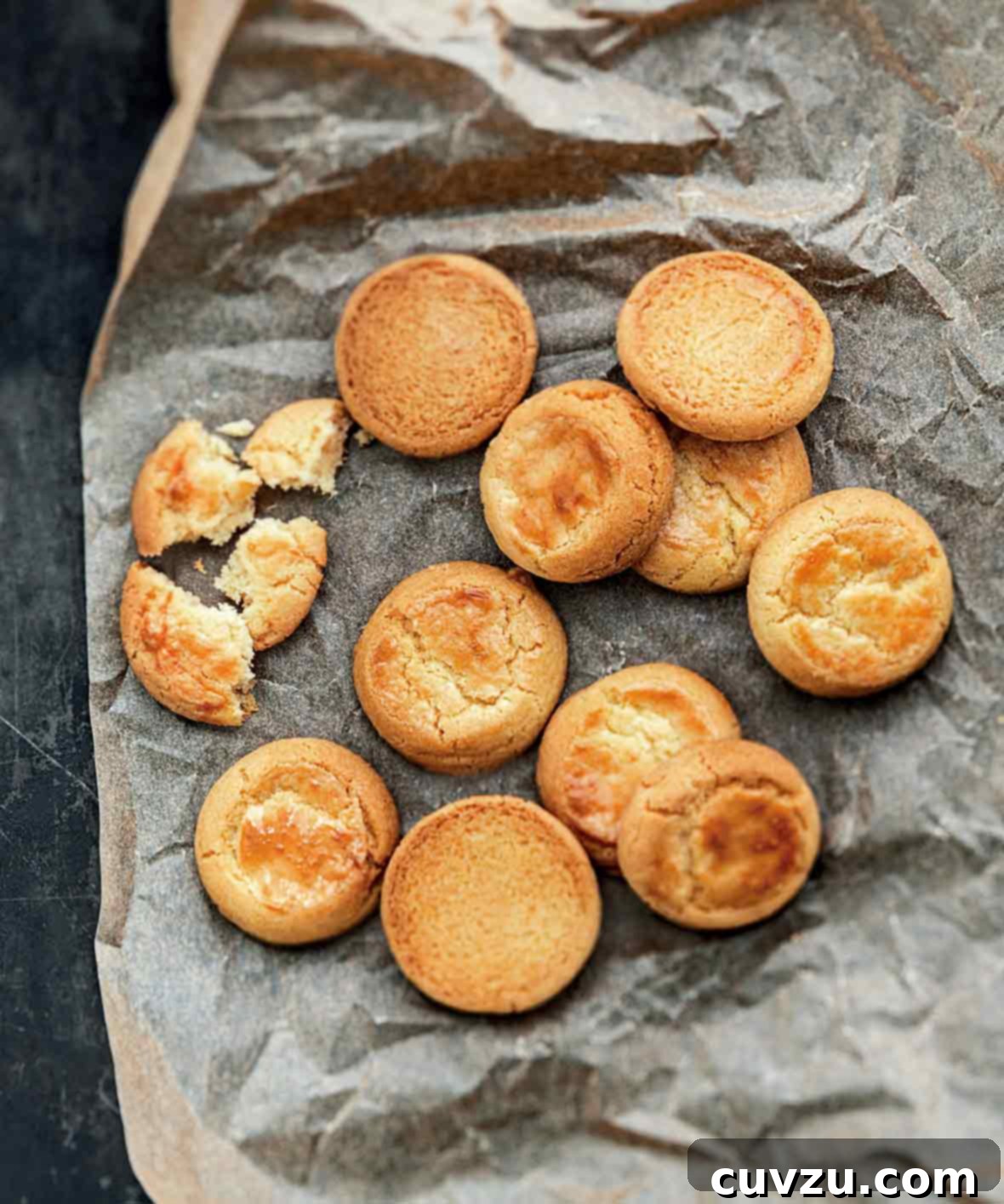
Irresistible French Butter Cookies: The Enduring Charm of Breton Sablés
Step into the delightful world of French butter cookies, affectionately known as Breton butter cookies or sablés. These iconic treats are more than just a cookie; they are a cherished classic, a testament to the simple elegance of French baking. With their easy preparation, traditional charm, incredible crispness, satisfying crunch, rich buttery flavor, and a subtle hint of sea salt, these homemade sablés are truly a revelation of taste and texture.
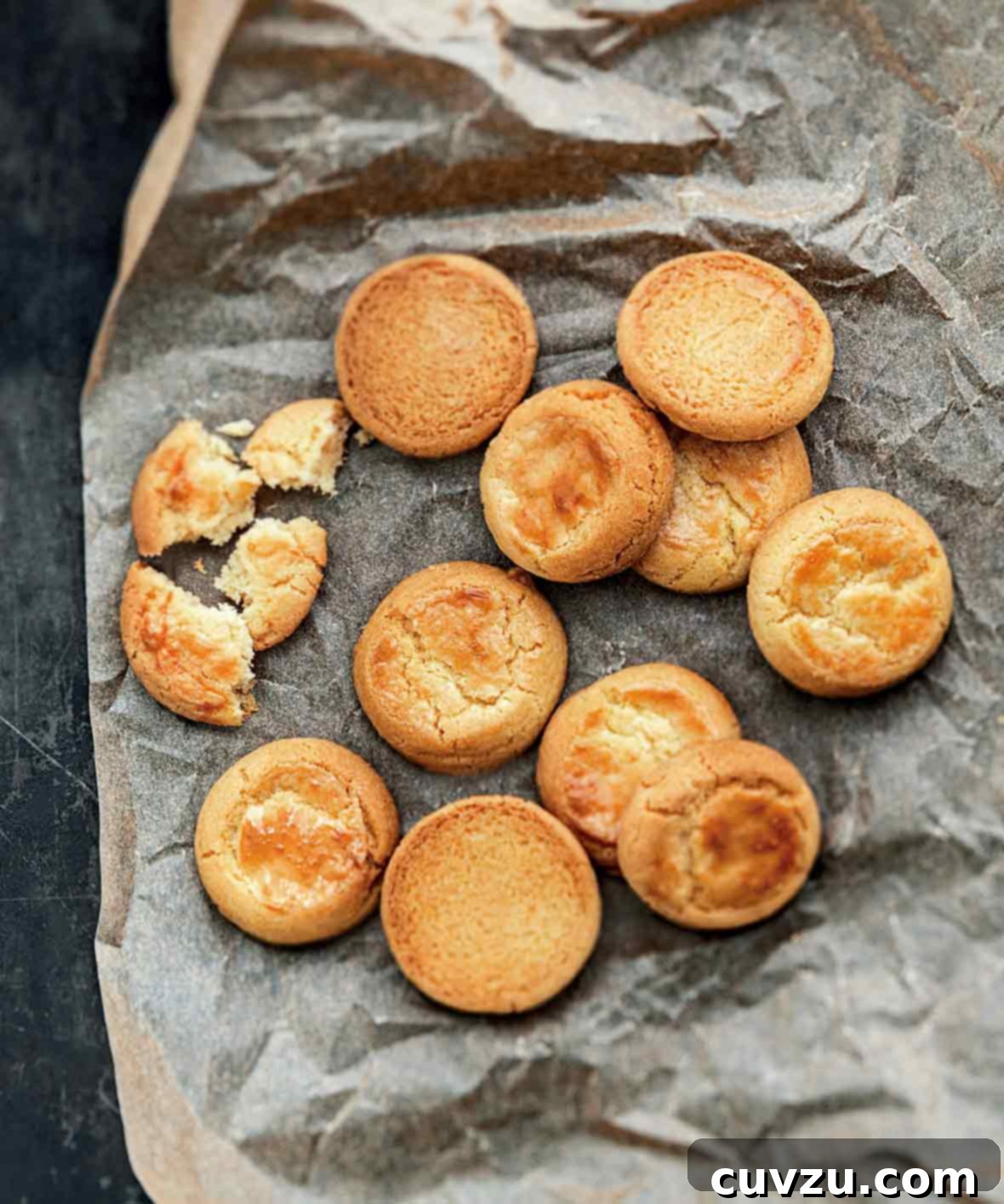
Renowned food writer Renee Schettler Rossi perfectly captures the essence of these cookies: “To emphasize only the butter in these homemade little lovelies from Brittany, or Breton, doesn’t convey the incredibly crisp, crumbly, shortbread-like texture they boast and the sparest lilt of sea salt. If anything, they should be called ‘ooh la la’ cookies. Or maybe simply ‘we find it impossible to stop noshing them’ cookies.” Indeed, these sablés transcend the ‘butter cookie’ label, offering a sensory experience that is both refined and utterly addictive, making them a perfect addition to any dessert platter or a thoughtful homemade gift.
The Allure and History of Breton Sablés: A French Culinary Gem
Hailing from the picturesque region of Brittany in northwestern France, sablés are a true culinary gem with a rich history. The name “sablé” itself, meaning “sandy” in French, perfectly describes the cookie’s signature texture – a delicate, crumbly tenderness that melts in your mouth with each bite. Unlike many shortbreads that rely solely on butter for their richness, traditional Breton sablés often incorporate egg yolks, which contribute to their distinctive richness and a slightly firmer, yet still wonderfully crumbly, structure.
The addition of fine sea salt, a characteristic ingredient from the salt-rich coastal region of Brittany, provides a crucial counterpoint to the sweetness. This delicate saltiness elevates the flavor profile to something truly extraordinary, preventing the cookie from being overly sweet and enhancing the rich butter notes. Historically, these cookies were a staple in French households, often enjoyed during festive seasons and special occasions. They embody the French philosophy of using high-quality, simple ingredients to create something profoundly delicious and elegant. It’s a testament to the fact that sometimes, the most basic recipes, executed with care and precision, can yield the most memorable and universally loved results.
Through generations, the recipe for sablés has been perfected, passed down to ensure that each cookie delivers that unmistakable crisp edge and tender crumb that defines a true Breton classic. They are more than just a cookie; they are a bite of French heritage, inviting you to savor a moment of culinary bliss.
Why These French Butter Cookies Are a Must-Bake
Beyond their traditional charm and historical significance, these French butter cookies offer a multitude of compelling reasons to make them a staple in your baking repertoire. Their simplicity is deceiving; with just a few core ingredients, you can achieve a sophisticated flavor and texture that rivals patisserie creations. The recipe is straightforward, making it accessible even for novice bakers, yet the results are consistently impressive.
- Unparalleled Texture: Each bite delivers a harmonious blend of crisp edges and a crumbly, tender center, a hallmark of a well-made sablé that distinguishes it from other butter cookies.
- Rich Buttery Flavor: The generous use of high-quality butter is not just about fat; it’s about imparting a deep, luxurious flavor that is both comforting and exquisitely indulgent. This is where the “butter” in butter cookie truly shines.
- Perfectly Balanced Sweetness: These cookies are delicately sweet without being cloying, allowing the nuanced flavors of premium butter and that critical hint of sea salt to truly shine through and create a balanced taste experience.
- Signature Hint of Sea Salt: This is the secret weapon of authentic Breton sablés. The delicate saltiness acts as a flavor enhancer, cutting through the richness of the butter and creating a more complex, addictive, and utterly satisfying taste sensation.
- Versatile Treat: Ideal for festive holiday gatherings, sophisticated afternoon tea parties, or simply as an everyday indulgence. They also make exceptionally thoughtful and beautiful homemade gifts for friends and family.
- Beginner-Friendly: Despite their gourmet appeal, the recipe is designed to be easy to follow, allowing bakers of all skill levels to achieve fantastic results.
☞ Discover More Delightful Cookie Recipes:
- Homemade Caramel-Coconut Oreos
- Key Lime Slice-and-Bake Cookies
Classic French Butter Cookies (Breton Sablés)
Recipe by David Leite
Dessert
French
20
cookies
124
kcal
30
minutes
15-20
minutes
2
hours
Equipment
- Muffin pans (standard 12-cup)
- Stand mixer or electric hand mixer
- Rolling pin
- 2-inch (5 1/2 cm) round biscuit or cookie cutter
- Parchment paper
- Wire cooling racks
Ingredients
- 10 tablespoons (1 1/4 sticks) unsalted butter, at room temperature
- 1/2 cup granulated sugar
- 3 pinches fine sea salt (about 1/4 teaspoon)
- 2 cups all-purpose flour
- 1 tablespoon baking powder
- 3 large egg yolks
Instructions
-
In a stand mixer fitted with the paddle attachment (or using a large bowl with an electric mixer), cream together the softened butter, granulated sugar, and fine sea salt until well combined and light. This initial creaming step is crucial for achieving that delicate, crumbly texture characteristic of sablés.
-
Gradually add the all-purpose flour and baking powder to the butter mixture with the mixer still running on low speed. Mix until just combined and the mixture resembles coarse, sandy crumbs. It’s important to avoid overmixing at this stage, as it can develop the gluten in the flour and result in a tough, dense cookie rather than the desired ethereal lightness.
-
Stop the mixer, add 2 of the egg yolks, and gently knead the mixture into a cohesive ball as quickly as possible. You can do this right in the mixing bowl. Be aware that the dough will appear quite dry and crumbly, but it should come together when pressed with your hands. Over-kneading will detrimentally affect the cookie’s final texture. Wrap the dough tightly in plastic wrap and refrigerate until firm, for at least 2 hours. This chilling time is essential for preventing the cookies from spreading excessively during baking and for easier handling.
-
Preheat your oven to 350°F (180°C). If your muffin pans are not nonstick, lightly grease them to ensure easy removal of the baked cookies. This recipe yields approximately 20 cookies, so ensure you have enough muffin pans on hand or plan to bake in multiple batches.
-
Remove the chilled dough from the refrigerator. If the dough feels too stiff and prone to cracking, allow it to rest at room temperature for up to 30 minutes to soften slightly, making it easier to roll. Place the dough between two sheets of parchment paper and roll it evenly until it measures approximately 3/8 inch (1 centimeter) thick. Maintaining a consistent thickness is key for uniform baking and achieving the perfect sablé texture.
-
Peel off the top layer of parchment paper. Using a 2-inch (5 1/2 centimeter) round biscuit or cookie cutter, carefully cut out circles from the rolled dough. Gently transfer each dough circle to the bottom of a cup in your prepared nonstick muffin pans. If you are baking in batches, store the remaining dough in the refrigerator until the previously used muffin pans have completely cooled to room temperature.
-
In a small bowl, lightly beat the remaining egg yolk with a tiny bit of water (about 1/2 teaspoon) to create a smooth egg wash. Gently brush this egg wash over the top surface of each cookie circle nestled in the muffin pans. This step imparts a beautiful golden sheen to the baked sablés, a signature characteristic of these French treats.
-
Bake for 15 to 20 minutes, or until the edges of the cookies are lightly golden brown and the centers appear set. Baking times can vary based on your individual oven, so keep a close watch to prevent over-browning, which can compromise the delicate texture. The goal is a subtle golden color, not a deep brown.
-
Once baked, remove the muffin pans from the oven. Allow the cookies to cool in the pans for a few minutes before attempting to remove them. This brief cooling period helps them firm up and prevents breakage. Then, carefully turn them out onto wire racks to cool completely. A small knife tip or an offset spatula can assist in gently nudging the cookies out of the muffin pans if needed. Store the fully cooled cookies in a resealable, airtight container at room temperature for up to 3 days to maintain their freshness and crispness. For comprehensive guidance on extending their shelf life, consult our detailed article on storing or freezing your cookies.
Adapted From
Better Made at Home
Buy On Amazon
Nutrition Information
Calories: 124 kcal
Carbohydrates: 15 g
Protein: 2 g
Fat: 6 g
Saturated Fat: 4 g
Monounsaturated Fat: 2 g
Trans Fat: 1 g
Cholesterol: 43 mg
Sodium: 61 mg
Fiber: 1 g
Sugar: 5 g
Nutrition information is automatically calculated and should be used as an approximation.
Tried this recipe? We’d love to see your delicious creations! Mention @leitesculinaria or tag #leitesculinaria on Instagram to share your baking success!
Insights from Our Recipe Testers: Achieving Sablé Perfection
Our dedicated team of recipe testers rigorously put these French Butter Cookies to the test, offering invaluable feedback and practical insights to help ensure your baking success. Their experiences shed light on key techniques and potential pitfalls, allowing us to refine the recipe for optimal results. Here’s what they had to say about their journey to sablé perfection:

Sarah Heend’s Baking Journey
Sarah Heend was utterly captivated by the exceptional flavor and texture of these French butter cookies, enthusiastically rating them a perfect 10. She beautifully described them as “fabulous—buttery, slightly sweet, crumbly like shortbread, with crisp edges and softer centers,” making them her ideal companion to a hot cup of tea, a cozy blanket, and an engaging book. Sarah wholeheartedly attested to their deliciousness, even humorously noting, “my tight jeans can attest to that!” confirming their irresistible nature.
However, Sarah did encounter some initial difficulties with the dough consistency. Despite her meticulous approach of carefully weighing her flour and cross-checking volume measurements, she found the dough to be quite dry. She initially added an extra 1/4 cup of flour to reach the recipe’s specified 250 grams, a decision she later concluded was unnecessary. She strongly advised against adding extra flour and highlighted that the chilled dough required approximately 30 minutes at room temperature to become sufficiently pliable for rolling. Sarah observed that the bottoms of her cookies were darker than the image provided, though the tops matched perfectly. She successfully removed the baked cookies from the muffin pans with just a little help from a table knife, confirming the removal process is straightforward with a gentle nudge.

Tammori Petty’s Assessment and Discovery
Tammori Petty found these French butter cookies to be a truly delightful treat, drawing comparisons to Lorna Doones but with an even richer buttery flavor and a more pronounced, satisfying crumb. She praised the recipe for its ease of assembly, noting that the dough, while initially dry and crumbly after mixing, came together nicely into a cohesive ball with some manual manipulation directly in the mixing bowl, aided by the warmth of her hands.
After the crucial chilling period, Tammori mentioned that the dough required a few good passes with the rolling pin to flatten effectively, and she noted that the butter softened quite quickly during this process. Her initial batch, which yielded more than 20 cookies, was unfortunately burned. She attributed this to rolling the dough slightly thinner than the recommended 3/8 inch. Learning from this experience, she rerolled the remaining dough thicker, which proved to be the “trick” for success. The subsequent batches emerged from the oven much lighter and perfectly golden brown around the edges, confirming that exactly 20 minutes was the ideal baking time for her oven conditions. Tammori also shared a helpful tip, finding that a small offset spatula made it incredibly easy to pop each cookie out of the muffin tin without damage.

Lydia Brimage’s Detailed Review and Adaptations
Lydia Brimage described the cookies as wonderfully crisp and pleasantly not too sweet, confirming that the recipe yielded approximately 20 cookies. She proactively creamed the sugar and butter until light and creamy, even though the recipe didn’t provide explicit instructions for this specific step, underscoring the importance of technique in baking. She observed that the dough’s consistency was soft and slightly gritty, and that it successfully cleaned the sides of the bowl once it came together, indicating proper moisture balance.
Similar to other testers, Lydia experienced the dough cracking significantly when attempting to work with it directly from the fridge after its 2-hour rest. This reinforced the necessity of allowing the dough to warm up slightly before rolling for easier manipulation. Interestingly, Lydia chose not to use the muffin pans as suggested, finding it an unconventional method for shaping biscuits. Resourcefully, and lacking a traditional rolling pin, she creatively rolled the dough into a log shape and then sliced it into rounds, baking these on a flat baking sheet. She baked each batch for 10 minutes at 180°C (350°F), achieving delightful light golden brown edges. Lydia noted that the egg yolk wash produced a golden, shiny top that she personally found “a bit odd,” so for her second batch, she opted to leave the cookies unglazed, demonstrating a customizable aspect of the recipe.
These insightful tester reviews collectively highlight the delicate balance required for creating perfect sablés, particularly concerning dough handling and precise baking times. While the recipe is fundamentally simple, paying close attention to these details significantly enhances the final outcome. Many testers found that allowing the dough to warm slightly before rolling was a critical step, and precise monitoring of baking times proved crucial for achieving that desired golden crispness without over-browning.
Expert Tips for Baking Perfect French Butter Cookies
Achieving the perfect Breton sablé is a delightful culinary pursuit that combines simple ingredients with precise techniques. Here are some enhanced tips, incorporating insights from our recipe testers and classic baking wisdom, to ensure your French butter cookies turn out beautifully every time:
- Invest in Quality Butter: Since butter is the unequivocal star of these cookies, using the highest quality unsalted butter you can find is paramount. European-style butter, with its typically higher fat content, will yield a richer flavor and a superior, more delicate texture. Always ensure your butter is truly at room temperature (soft but not melted) for optimal creaming.
- Do Not Overmix the Dough: After incorporating the flour, mix the dough just until it comes together and no dry streaks of flour remain. Overworking the dough is the enemy of tender sablés, as it develops gluten, which can make your cookies tough and chewy instead of wonderfully tender and crumbly. The goal is a delicate, “sandy” texture.
- Respect the Essential Chill Time: The 2-hour chilling period (or longer) is absolutely non-negotiable for success. It allows the butter to firm up completely, which is vital for preventing the cookies from spreading too much in the oven. This firm dough is also significantly easier to handle and cut cleanly.
- Allow Dough to Soften for Rolling: As several of our testers keenly observed, dough that is too cold and stiff straight from the refrigerator can be difficult to roll and prone to cracking. If your dough is excessively firm, let it sit at room temperature for 15-30 minutes until it’s pliable but still cool to the touch. Rolling it between two sheets of parchment paper is an excellent technique to prevent sticking and ensure even thickness.
- Aim for Consistent Thickness: Roll the dough to an even 3/8-inch (1 cm) thickness across the entire sheet. This consistency is crucial for uniform baking; thinner cookies will bake faster and are more susceptible to burning, as one tester discovered, while thicker ones will require more time and might not achieve the desired crispness.
- Embrace the Muffin Pan Advantage: Using standard muffin pans, as suggested in the recipe, is a clever technique. The cups gently cradle the cookies, helping them maintain their perfect round shape and contributing to their crisp edges by preventing excessive spread. If you don’t have enough pans for all your cookies, simply refrigerate the remaining dough and ensure your muffin pans are completely cooled between batches to avoid uneven baking.
- The Significance of the Egg Wash: The egg yolk wash is not merely for aesthetics; it plays a vital role in creating that characteristic beautiful golden crust and contributing to the cookie’s delicate, slightly richer texture. While experimentation, like Lydia’s unglazed batch, is always welcome, the traditional wash is highly recommended for achieving that classic sablé appearance and mouthfeel.
- Monitor Your Oven Closely: Ovens can vary significantly in temperature. Keep a close eye on your cookies, especially towards the end of the baking time. They should turn a beautiful, light golden brown around the edges, but avoid deep browning to preserve their signature tender crumb.
- Ensure Proper Cooling: Once baked, resist the urge to immediately remove the cookies from the pans. Allow them to cool slightly in the muffin pans for about 5-10 minutes. This brief cooling period helps them set and firm up before you transfer them gently to a wire rack to cool completely. This prevents them from breaking and allows them to crisp up properly.
- Optimal Storage: To retain their delightful freshness and crispness, store these delicate French butter cookies in an airtight container at room temperature for up to three days. For longer preservation, consider freezing them as detailed in our storage guide.
Sablés Beyond the Basic: Creative Flavor Variations
While the classic French butter cookie is utterly perfect in its simple elegance, these sablés also serve as an excellent and versatile canvas for creative flavor variations. Don’t hesitate to experiment and personalize your batch. Here are a few inspiring ideas to elevate your culinary exploration:
- Bright Citrus Zest: Introduce a vibrant, aromatic twist by adding 1 to 2 teaspoons of finely grated lemon, orange, or lime zest to the butter and sugar mixture during the creaming stage. The citrus notes beautifully complement the richness of the butter.
- Aromatic Vanilla Bean: For an extra touch of gourmet sophistication, scrape the seeds from half a vanilla bean directly into the butter mixture. Alternatively, use 1 teaspoon of high-quality pure vanilla extract to infuse a classic, comforting aroma.
- Warm Spiced Sablés: During the colder months or whenever you crave a comforting flavor, incorporate 1/2 teaspoon of ground cinnamon, a pinch of nutmeg, or even a touch of cardamom into the flour mixture for a warmer, more aromatic cookie.
- Decadent Chocolate Dipped: After your sablés have completely cooled, elevate them to a luxurious treat by dipping half of each cookie into melted dark or milk chocolate. For an extra touch of sophistication and flavor contrast, sprinkle with a little extra fine sea salt before the chocolate sets.
- Subtle Almond Essence: A quarter teaspoon of pure almond extract added with the egg yolks can provide a delicate, nutty undertone that exquisitely complements the buttery base, creating a more complex flavor profile.
- Elegant Herbal Infusion: For the truly adventurous baker, consider infusing the butter with a sprig of fresh rosemary or lavender. Gently warm the butter with the herbs, then strain them out before allowing the butter to cool to room temperature and proceeding with the recipe. This adds an unexpected and delightfully fragrant note.
Elegant Serving Suggestions for Your Homemade Sablés
French butter cookies are incredibly versatile and can be enjoyed in a myriad of ways, from a simple snack to an elegant dessert accompaniment. Here are some classic and creative serving suggestions to make the most of your delicious homemade sablés:
- Classic Coffee or Tea Companion: This is arguably the most traditional and utterly satisfying way to enjoy sablés. Their buttery richness and crisp texture pair perfectly with a warm cup of coffee, espresso, or a soothing cup of tea, creating an ideal moment of calm indulgence.
- Chic Dessert Platter: Elevate your dessert presentation by arranging sablés on a platter alongside fresh seasonal berries, a delicate dollop of homemade whipped cream, or a scoop of premium vanilla bean ice cream for a simple yet elegant finale to any meal.
- Delightful with Fruit: Serve these buttery cookies alongside a fresh fruit salad, a vibrant berry compote, or a tangy lemon curd for a delightful contrast in textures and flavors that balances the richness of the cookie.
- Gourmet Ice Cream Sandwich: For a truly decadent and playful twist, use two sablés to create a sophisticated ice cream sandwich with a scoop of your favorite artisan ice cream or gelato nestled in between.
- Crunchy Crumbled Topping: Crush a few cookies and sprinkle them as a delightful, buttery topping over yogurt parfaits, fresh fruit bowls, a classic crème brûlée, or even oatmeal for an added layer of texture and flavor.
- Thoughtful Homemade Gifts: Beautifully package your freshly baked sablés in an elegant tin, a decorative box, or a simple cellophane bag tied with a ribbon. They make for a truly thoughtful, much-appreciated, and deliciously personal homemade gift for any occasion.