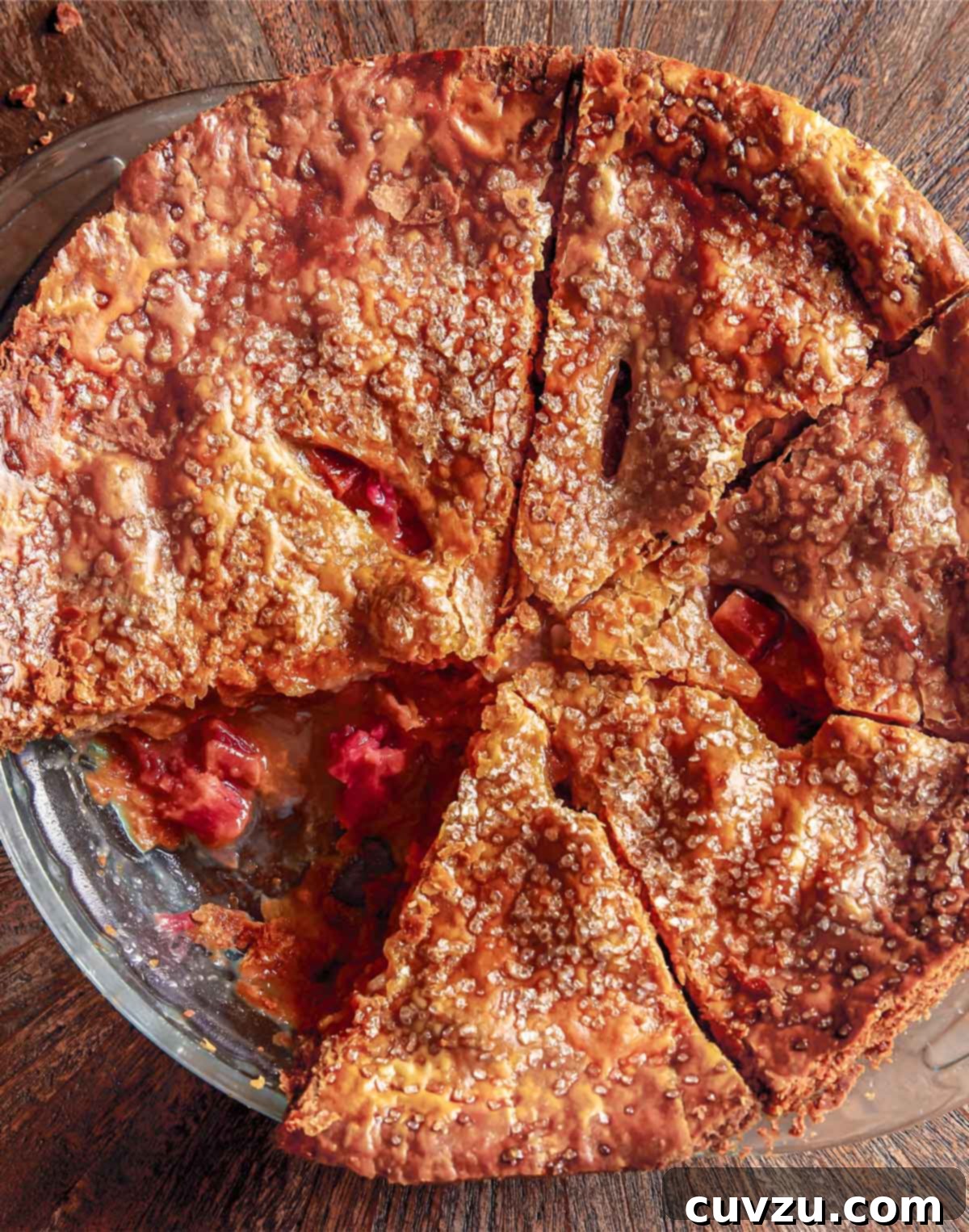
Joanne Chang’s Rhubarb Brown Sugar Pie: A Masterpiece of Sweet-Tart Perfection
Experience the quintessential taste of spring with Joanne Chang’s celebrated Rhubarb Brown Sugar Pie. This recipe is a truly divine fusion of a luscious, sweet-tart rhubarb and brown sugar filling enveloped in a perfectly golden, impossibly buttery, and flaky pie crust. It’s not just a dessert; it’s an experience—a match made in culinary heaven that promises to delight with every single bite.
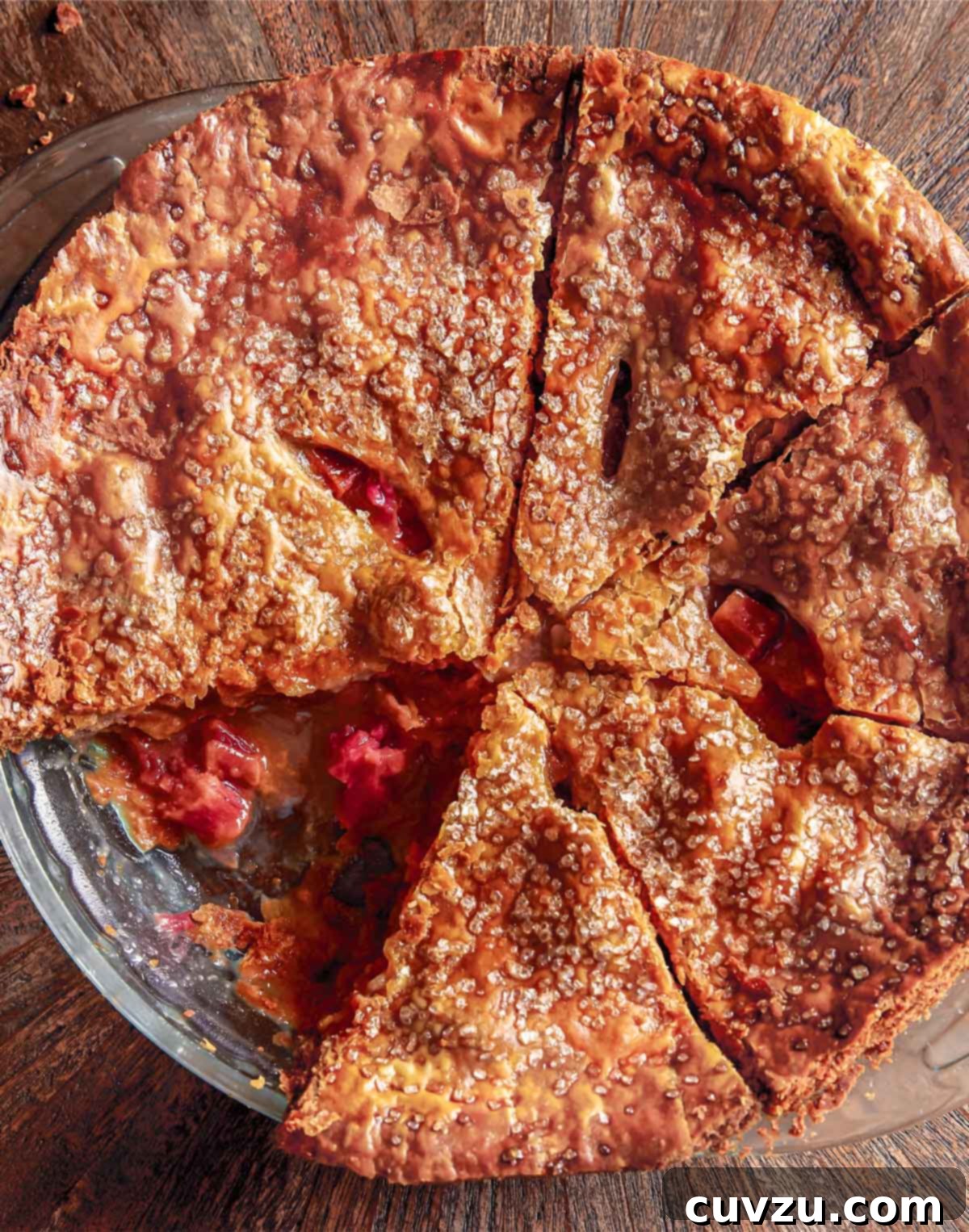
Our dedicated team of recipe testers unanimously declared this rhubarb pie nothing short of perfect. They were utterly captivated by the ethereal flakiness of the crust and the exquisite balance of sweet-tart rhubarb suspended in a rich, creamy custard filling. Their enthusiasm was so profound, they were practically shouting (in all caps, no less!) about its unparalleled quality. Prepare yourself, for you may soon find yourself joining their chorus of praise for this exceptional dessert. As Angie Zoobkoff, one of our esteemed testers, emphatically stated, “This rhubarb pie is perfect!”
Frequently Asked Questions About Rhubarb Brown Sugar Pie
Rhubarb, when tasted raw, is notably sour and tart, with a refreshing pucker reminiscent of lemon, lime, or an unripe apple. Its vibrant acidity is precisely why it pairs so beautifully with sugar and sweeter fruits like strawberries. When cooked, especially with ample sugar as in this pie, rhubarb transforms into a delightful sweet-tart component, making it one of our most cherished garden vegetables (yes, it’s botanically a vegetable!) to eagerly harvest and enjoy each spring.
Preventing a soggy pie crust is a common challenge, but culinary expert Joanne Chang offers brilliant techniques within this recipe to ensure your crust remains wonderfully flaky and crisp. The fundamental principles include maintaining a consistently cold dough throughout the preparation process, performing a crucial blind bake of the bottom crust, allowing the crust to cool completely before introducing the filling, sealing the crust edges with an egg wash, and, most importantly, letting the finished pie cool entirely before covering or storing it. Your meticulous attention to these steps will undoubtedly be rewarded with a perfectly crisp and unsoggy pie experience.
Botanically speaking, rhubarb is classified as a vegetable. It’s a perennial plant known for its edible stalks, which are typically red, pink, or light green. However, due to its tart flavor profile and common culinary applications in desserts like pies, crumbles, and jams, it is often treated as a fruit in the kitchen. Its unique versatility allows it to bridge the gap between both categories, but in the strictest botanical sense, it’s a vegetable.
Absolutely! While fresh rhubarb is always ideal, frozen rhubarb can be successfully used in this pie recipe. There are a couple of considerations: do not thaw the rhubarb before adding it to the filling. Tossing it frozen directly into the sugar and flour mixture helps absorb excess moisture. You might need to add an extra tablespoon of flour to the filling mixture and potentially increase the baking time by 5-10 minutes to account for the added moisture. Ensure the filling is set and bubbly before removing it from the oven.
This Rhubarb Brown Sugar Pie is utterly delicious on its own, but it truly shines with a few thoughtful accompaniments. Serve warm slices with a generous scoop of high-quality vanilla bean ice cream, a dollop of freshly whipped cream, or a drizzle of crème anglaise. For an extra touch of sophistication, consider a sprinkle of toasted pecans or a few fresh mint leaves. The contrast of temperatures and textures elevates this humble pie to a gourmet dessert perfect for any occasion.
To maintain optimal flavor and texture, leftover rhubarb pie should be stored at room temperature, loosely covered with plastic wrap, for up to 2 days. For longer storage, you can refrigerate the pie, well-wrapped, for up to 4-5 days. While refrigeration is an option, it may slightly affect the crispness of the crust. If you plan to enjoy it later, gently warm individual slices in a low oven or microwave for a few seconds to revive some of its fresh-baked appeal.
The Art of Pie Making: Crafting the Perfect Rhubarb Brown Sugar Pie
Pie making is a cherished culinary art, and this Rhubarb Brown Sugar Pie recipe by Joanne Chang exemplifies its finest traditions. It’s a harmonious blend of classic techniques and thoughtful ingredient selection, culminating in a dessert that is both comforting and exquisitely refined. The secret to an extraordinary pie often lies in the crust, and Chang’s method ensures an “otherworldly” flakiness that has captivated our recipe testers.
Rhubarb, with its striking ruby-red stalks and unmistakable tartness, signals the arrival of spring. When balanced with the warm, caramel notes of brown sugar and the delicate sweetness of superfine sugar, it creates a filling that is both vibrant and deeply satisfying. The addition of eggs and a touch of cake flour yields a rich, custardy texture that cradles the rhubarb perfectly, preventing a watery filling and adding an irresistible creaminess that truly sets this pie apart.
This recipe invites you to embrace the joy of baking, from the careful preparation of the dough using the traditional “fraisage” technique—a French method for achieving maximum flakiness—to the assembly of a pie that looks as good as it tastes. Every step, from chilling the dough to blind baking the crust, is designed to build layers of flavor and texture, ensuring a result that will impress even the most discerning palates.
Rhubarb Brown Sugar Pie Recipe
Recipe by David Leite, adapted from Joanne Chang.
Ingredients
For the pie crust
- 1 3/4 cups all-purpose flour, plus more for the work surface
- 1 tablespoon granulated sugar
- 1 teaspoon kosher salt
- 2 sticks (8 oz) unsalted butter, cold
- 2 large egg yolks, at room temperature
- 3 tablespoons whole milk
For the rhubarb pie filling
- 2 large eggs
- 1 tablespoon fresh lemon juice
- 1 teaspoon vanilla extract
- 1 1/4 pounds fresh rhubarb, trimmed and sliced 1/2 inch (12 mm) thick (about 4 cups)
- 2/3 cup superfine sugar (or blitz granulated sugar in a food processor or blender until finely ground but not powdery)
- 1/3 cup firmly packed light brown sugar
- 1/4 cup cake flour, sifted after measuring
- 1/2 teaspoon kosher salt
- 1 large egg yolk, for egg wash
- 1 teaspoon sanding sugar
Instructions
Make the pie dough
-
In a stand mixer fitted with a paddle attachment, combine the flour, granulated sugar, and salt. Mix for 10 to 15 seconds until well incorporated.
-
Cut the cold unsalted butter into 12 pieces and add them to the flour mixture. Mix slowly, just until the flour is no longer bright white, the mixture begins to hold together when clumped, and visible lumps of butter, roughly the size of pecans, remain throughout. This should take 60 to 90 seconds.
-
In a small separate bowl, whisk together the room temperature egg yolks and whole milk. Add this liquid mixture all at once to the flour-butter mixture in the stand mixer. Mix very briefly, for about 30 seconds, until the dough barely comes together. At this stage, it will appear shaggy and somewhat unformed rather than a smooth dough.
-
Transfer the shaggy dough onto a clean work surface and gently gather it into a cohesive mound. Employing the ‘fraisage’ technique, use the heel of your hand to smear small portions of the dough, starting from the top and sliding your hand down the sides along the work surface. Continue this process until most of the larger butter chunks are integrated into the dough, and the entire mass comes together. This French technique is paramount for achieving an exceptionally flaky pie dough, so trust the process.
-
Wrap the dough tightly in plastic wrap and gently press it into a disk approximately 1 inch (25 mm) thick. Refrigerate for a minimum of 1 hour before you intend to use it. This crucial chilling period allows the butter to firm up and the gluten to relax. The dough can be stored in the refrigerator for up to 4 days or frozen for up to 4 weeks (ensure it’s double-wrapped in plastic for longer storage).
-
About 15 minutes before you are ready to roll out the dough, remove it from the refrigerator to allow it to soften slightly, making it more pliable.
-
Lightly dust your work surface with flour. Roll out approximately two-thirds of the dough into an 11- or 12-inch (28- or 30-cm) circle. (Wrap and refrigerate the remaining one-third of the dough to be used for the top crust later.) Using a pastry docker or the tines of a fork, evenly poke holes across the entire surface of the rolled-out dough.
-
Carefully line a 9-inch (23-cm) ceramic, glass, or aluminum pie plate with the rolled dough, allowing a 1/4-inch-wide (6-mm) lip around the edge. This lip accounts for any slight shrinkage that may occur during baking.
-
Refrigerate the pie shell for at least 30 minutes. This further chilling step helps prevent shrinkage and maintains the crust’s shape during baking. If preparing ahead, the pie shell can be well-wrapped in plastic wrap and refrigerated for up to 1 day or frozen for up to 2 weeks. A frozen pie shell can be baked directly from the freezer without thawing.
-
Preheat your oven to 350°F (177°C) and ensure a rack is placed in the center of the oven.
-
Remove the chilled pie shell from the refrigerator and line it with parchment paper. Pour pie weights, dried beans, or uncooked rice directly onto the parchment, filling the pie shell completely to the top. Blind bake the pie shell, rotating the pie plate halfway through the baking time, until the crust achieves a beautiful light brown color all over, which typically takes about 30 minutes. This step is crucial for a crisp bottom crust.
-
Carefully remove the blind-baked pie shell from the oven and allow it to cool completely on a wire rack. Keep the oven on for the next baking stage. Once the pie weights have cooled, remove them gently from the pie shell and discard the parchment paper.
Make the rhubarb pie filling
-
In a large mixing bowl, combine the large eggs, fresh lemon juice, and vanilla extract. Use a fork to gently break up the eggs and whisk all ingredients together until well blended. Add the trimmed and sliced rhubarb to the mixture and toss thoroughly to ensure the rhubarb is evenly coated.
-
In a small bowl, whisk together the superfine sugar, firmly packed light brown sugar, sifted cake flour, and 1/2 teaspoon kosher salt until uniformly combined. Add this dry mixture to the rhubarb mixture in the large bowl. Mix everything together thoroughly until all ingredients are well integrated. Carefully pour the prepared filling into the cooled, blind-baked pie shell, spreading it evenly.
-
Retrieve the remaining one-third of the dough from the refrigerator. On a lightly floured surface, roll it out into a circle slightly larger than 9 inches (23 cm) in diameter. Gently drape this top crust over the pie filling, allowing its edge to slightly overhang the edge of the bottom crust. Press the edges of the top and bottom crusts gently together to adhere them.
-
Prepare the egg wash by whisking the remaining large egg yolk in a small bowl. Using a pastry brush, evenly brush the entire top surface of the pie with the egg wash. This will give the crust a beautiful sheen and help the sanding sugar adhere. Sprinkle the sanding sugar evenly over the egg-washed top crust. With a small paring knife, carefully score the top crust with five 2-inch (5-cm) slits to create an appealing star shape, which also allows steam to escape during baking.
-
Place the pie plate onto a rimmed baking sheet; this will catch any potential drips during baking and make it easier to transfer. Bake the pie in the preheated oven, rotating the baking sheet midway through the baking time, until the crust is thoroughly golden brown and the filling is bubbly and set. This typically takes 70 to 75 minutes.
-
Once baked, remove the pie from the oven and place it on a wire rack to cool completely before slicing and serving. Allowing the pie to cool fully is essential for the filling to properly set. This Rhubarb Brown Sugar Pie can be stored at room temperature, well wrapped, for up to 2 days, maintaining its delightful flavors and textures.
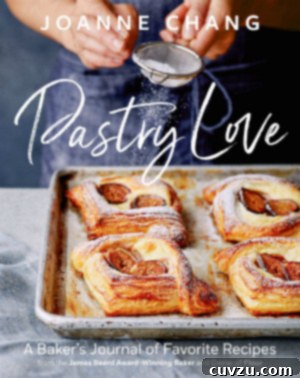
Adapted From
This exquisite recipe is proudly adapted from “Pastry Love,” a celebrated cookbook by the brilliant pastry chef Joanne Chang. Her expertise shines through every element of this pie.
Buy On Amazon
Explore More with AI
Substitutions
Scale
Summarize
Nutrition
Nutrition information is automatically calculated, so should only be used as an approximation and is based on a serving size of 1 slice.
Tried this recipe?Share your culinary creations! Mention @leitesculinaria or tag #leitesculinaria on social media!
Insights from Our Recipe Testers
At Leite’s Culinaria, we believe in real-world testing. Our dedicated team of recipe testers meticulously prepares and evaluates each recipe, providing invaluable feedback. This Rhubarb Brown Sugar Pie received overwhelming acclaim, with testers highlighting its incredible crust, balanced filling, and overall delightful experience. Here’s what some of them had to say:
Jessica Berndt
Jessica’s review for this Rhubarb Brown Sugar Pie was nothing short of ecstatic, exclaiming, “Goodness gracious, I feel like I should be shouting to someone about this recipe. It’s sneakily perfect!” Her husband, Jay, a self-proclaimed pie enthusiast who prefers pie over birthday cake, typically tolerates her love for rhubarb. However, this pie broke all barriers, with Jay declaring it one of his top three pies of all time – an extraordinary feat given his discerning palate.
Jessica praised the crust as “SO easy” to make, even though it differed from her usual technique (made in a stand mixer and including eggs). She noted it “rolled out so beautifully and was SO flaky,” confirming its permanent place in her baking repertoire. The freshness of her locally sourced rhubarb, picked less than 24 hours before baking, added to the magic. The filling assembly was simple, and though it initially smelled of baking eggs, it emerged from the oven “gorgeous,” with visible flakiness in the crust.
The anticipation for tasting was intense, and the next morning, they couldn’t resist a slice before breakfast. The filling had transformed into an “insanely gorgeous custard,” complemented by a perfectly browned bottom crust. Jay’s initial rating of top 10 quickly ascended to top 3 after subsequent bites. Sharing half with friends, including a pastry chef, who devoured it in one sitting, further cemented Jessica’s conclusion: “The pie is flawless. Period.” Her glowing review truly underscores the exceptional quality and broad appeal of this rhubarb brown sugar pie.
Peter Quick
Peter, a lifelong rhubarb aficionado who even enjoyed it raw as a child, was thrilled to test this rhubarb pie recipe, proclaiming rhubarb as “the best pie.” He found the pie “tasty,” and his fellow diners “loved it,” particularly appreciating the “nice dimension” added by the eggs and brown sugar to the filling. As a dedicated pastry maker who frequently consults “The Pie and Pastry Bible” by Rose Levy Beranbaum, Peter brings a discerning eye to crust quality, prioritizing flakiness and a standalone deliciousness.
He noted the recipe’s use of the ‘fraisage’ technique, which he himself employs to achieve a flaky crust by carefully integrating dry ingredients with fat, warning against overhandling the dough. Peter typically avoids all-purpose flour for pastry, preferring a “tender flake” recipe, and also incorporates vinegar for flakiness while omitting sugar to preserve tenderness. For this specific recipe, however, he adhered to the instructions, including the all-purpose flour.
While he found the crust “flaky enough,” he felt it was “a little tough” and plans to re-do the recipe, intending to increase the amount of rhubarb in the filling without adding more sugar to better showcase rhubarb’s natural tartness. A common sentiment among pie lovers, Peter observed that the pie was “even better the next day, as the filling flavors had come together even more,” suggesting a patient approach to enjoying this delightful dessert.
Linda McElroy
Linda McElroy, with fond memories of foraging for wild rhubarb in her Detroit neighborhood alleys during the 1950s, expressed a deep appreciation for the pure, unadulterated rhubarb pie. While she enjoys modern variations, her heart remains with the classic, ruby-stalked beauty on its own. This recipe, with its unique inclusion of eggs in the filling, offered a delightful twist. Linda found that the eggs successfully “mellowed out the flavor of the rhubarb just a bit,” imparting a lovely “custard quality” to the pie. Her faithful adherence to all instructions, including precise measurements and timing, earned her pie a coveted “Tester’s Choice” rating.
A significant highlight for Linda was the crust technique. She confessed a strong aversion to “half-baked bottom crusts,” a common frustration even with baking stones. This recipe’s “ingenious method” of pre-baking the bottom crust before adding the filling and then simply draping the top crust over was a game-changer. This approach guarantees “a beautifully crisp and brown bottom crust,” a feature Linda greatly valued. While it meant sacrificing the traditional fluted edge, a detail typically achieved with an unbaked double crust, Linda declared that “Beautiful fluted edges may now be a thing of the past for me if I can get such a beautiful top and bottom crust every time!”
Linda also shared a clever, thrifty tip: instead of cracking a fresh egg for the egg wash, she used one of the leftover egg whites from the filling preparation. This proved to be a “superb” alternative, resulting in a perfectly browned top crust with all the sanding sugar adhering beautifully. Her insights not only confirm the recipe’s excellence but also offer practical wisdom for home bakers seeking both perfection and efficiency.