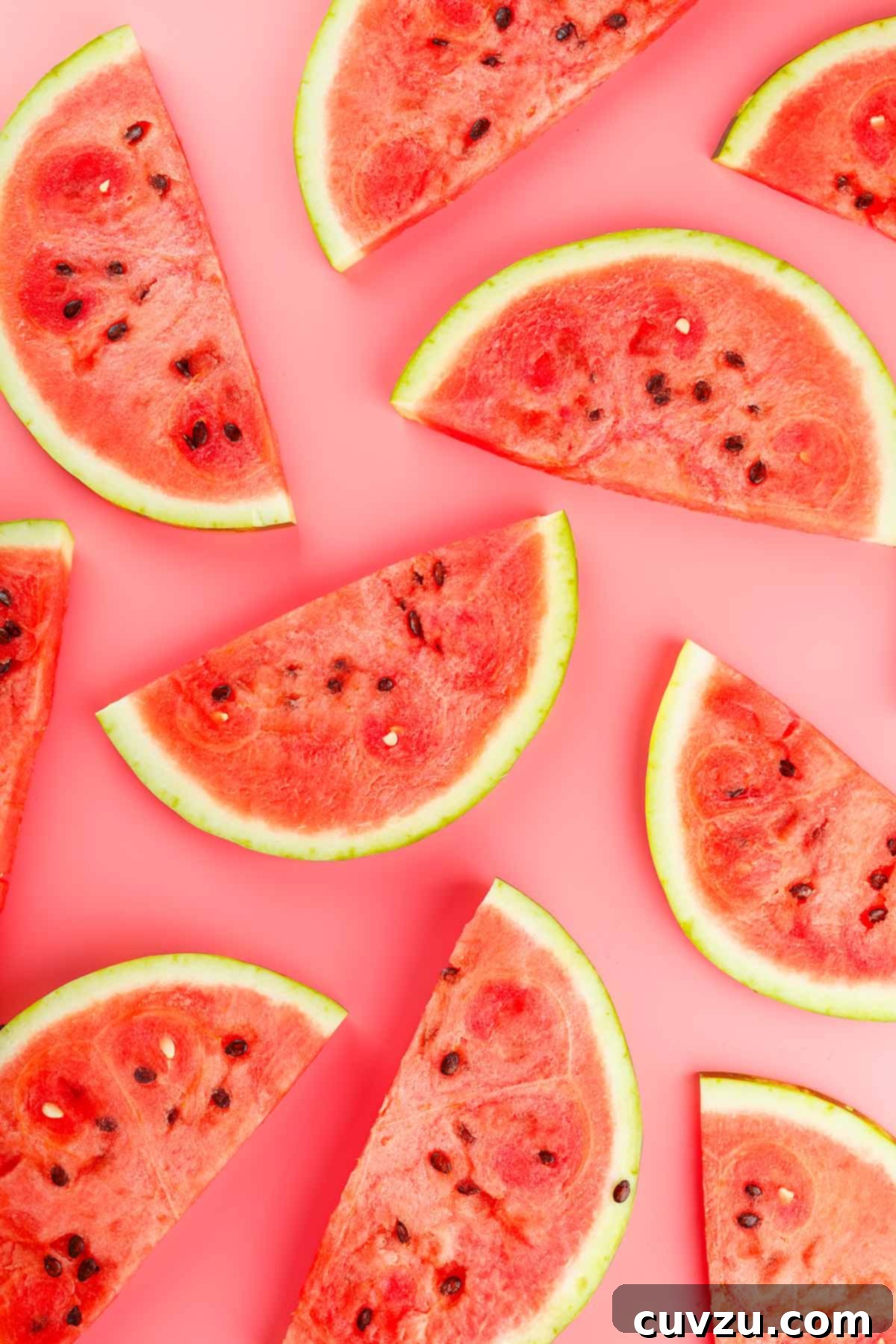
The quest for the perfect watermelon is a summer ritual, a delightful pursuit that promises the ultimate sweet, juicy, and refreshing experience. Yet, many of us have faced the disappointment of cutting into a melon that looks promising on the outside but reveals a bland, watery, or mealy interior. Fear not, fellow fruit enthusiasts! Unlocking the secrets to choosing a truly ripe, sweet, and succulent watermelon is simpler than you might think. We’ve distilled the wisdom of seasoned experts into a straightforward, six-step approach that works like a charm, ensuring you pick a winner every single time. Get ready to transform your summer fruit experience from hit-or-miss to consistently sensational.
Watermelon, a quintessential symbol of summer, offers a refreshing escape from the heat. But the journey from grocery store aisle to a blissful bite can be fraught with uncertainty. We all crave that vibrant, juicy, and intensely sweet flavor that only a perfectly ripe watermelon can deliver. Say goodbye to guesswork and hello to confidence with these six essential tips for selecting the finest watermelon that promises pure summer joy.
1. Give It a Lift: Assess Its Weight
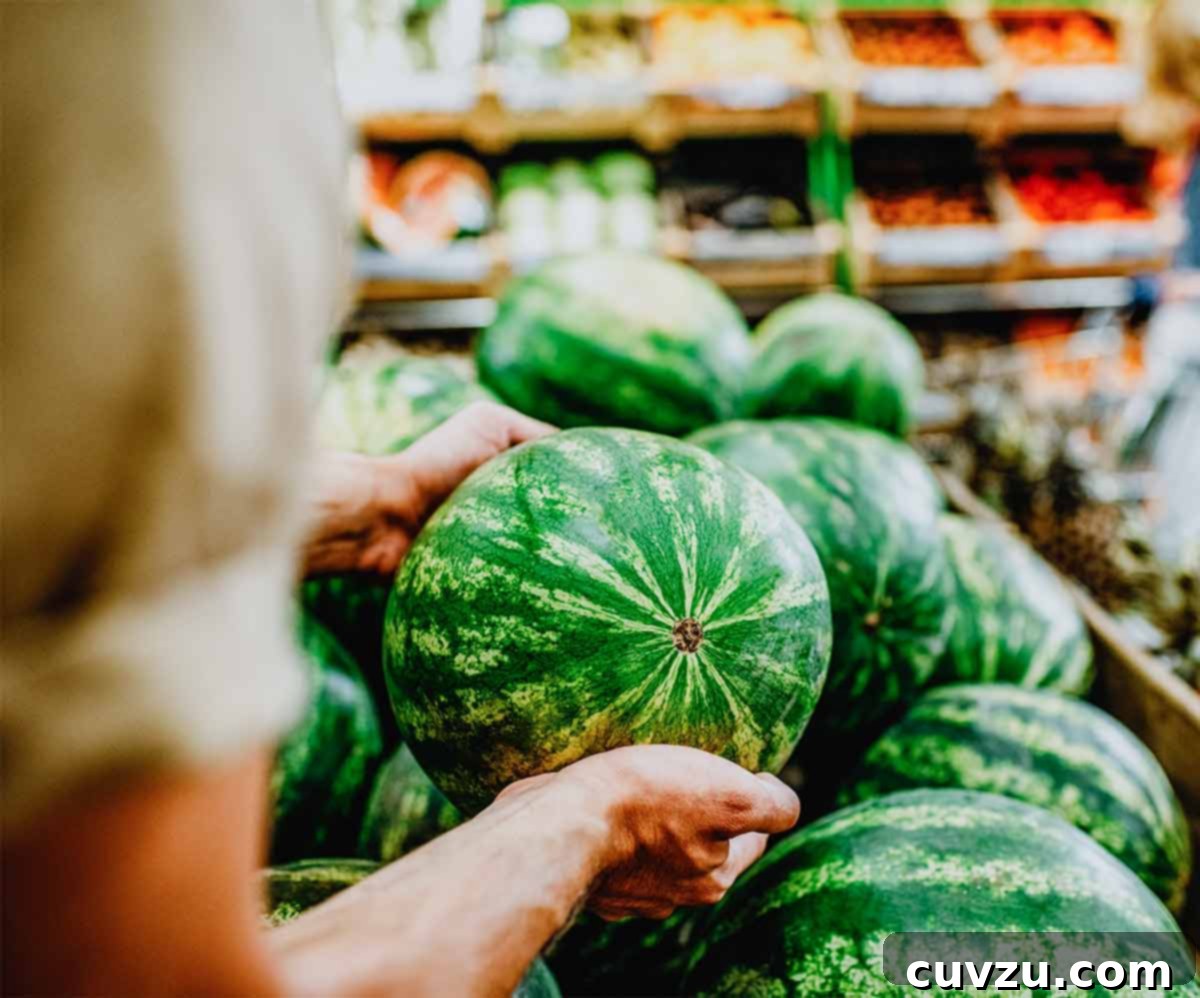
The first and often most intuitive step in finding a ripe watermelon is to simply pick it up. A truly ripe watermelon should feel remarkably heavy for its size. This isn’t just a quirky observation; it’s a direct indicator of high water content, which translates to superior juiciness and flavor. Think of it this way: a dense, heavy melon signifies that it’s packed full of nature’s sweet liquid, while a lighter one of the same size might be underripe or dried out. When faced with two watermelons of similar dimensions, always opt for the one that feels significantly heavier. This simple test is your initial filter, helping you narrow down your choices to the most promising candidates. A heavy watermelon is a happy watermelon, brimming with the refreshing goodness you desire.
2. Uncover the Golden “Field Spot”
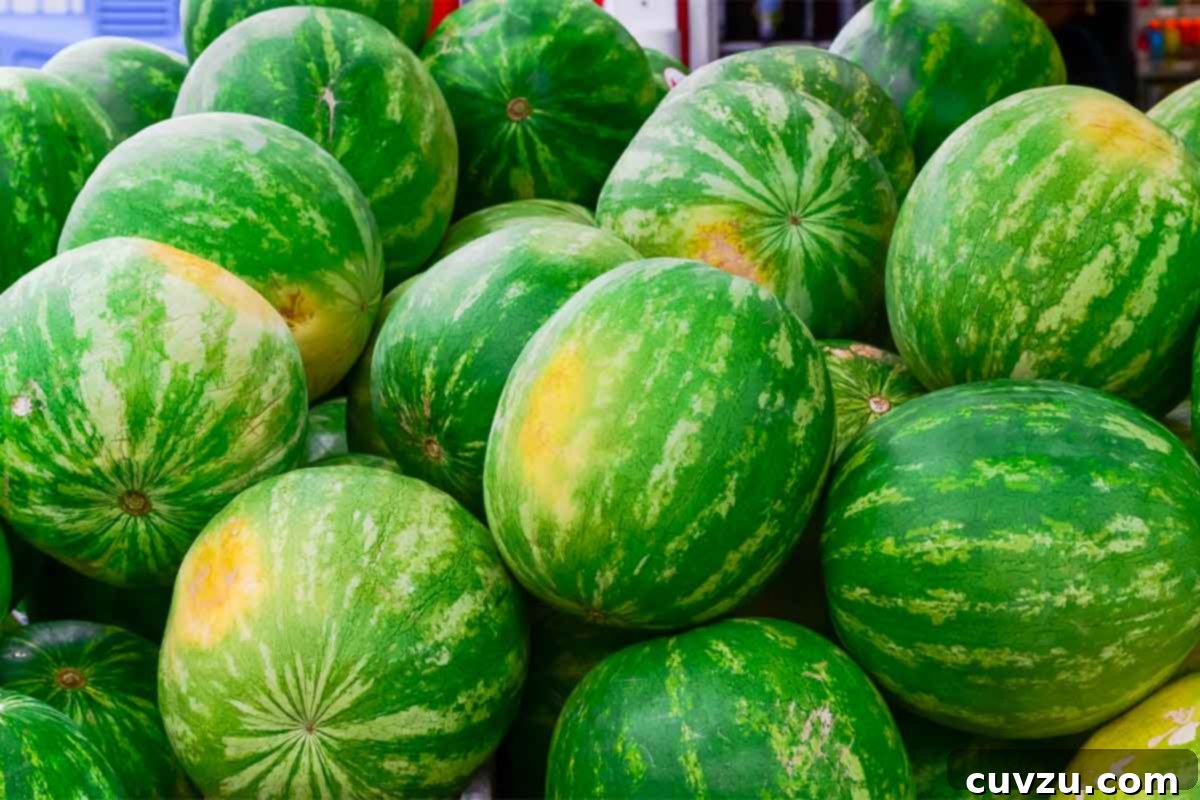
Every watermelon has a story, and a significant part of that story is told by its “field spot” or “ground spot.” This is the area where the watermelon rested on the ground as it ripened under the sun. Because this part of the melon received no direct sunlight, it doesn’t develop the vibrant green rind. The color of this spot is one of the most reliable indicators of ripeness and sweetness. Look for a deep, creamy yellow or even an orange-yellow spot. This golden hue signifies that the watermelon spent ample time on the vine, maturing naturally and accumulating its full sugar content. A white or very pale-yellow spot, however, suggests the melon was picked prematurely, meaning it never reached its peak sweetness and flavor. Avoid watermelons with a greenish or barely visible field spot, as they are likely to be unripe and lacking in taste. The richer the yellow, the sweeter the reward!
3. The Classic Thump Test: Listen for Resonance
The “thump test” is a time-honored tradition for good reason: it truly works. With a gentle but firm rap of your knuckles, listen closely to the sound the watermelon produces. A perfectly ripe watermelon will emit a deep, hollow, resonant sound, almost like a drum. This satisfying thud indicates that the fruit inside is firm, dense, and full of juicy goodness, with just the right amount of internal space. It means the flesh is ripe and ready to burst with flavor. On the other hand, if you hear a dull, flat, or muted sound, it could mean the watermelon is either underripe and still too dense, or overripe and starting to become mushy. A soft or squishy feel when thumping is also a clear sign to pass on that melon. Practice makes perfect with this technique, but once you recognize that ideal resonant echo, you’ll be thumping your way to sweet success every time.
4. Seek a Symmetrical, Uniform Shape
While we champion embracing imperfections in many aspects of life and produce, when it comes to watermelon, a uniform shape is a strong indicator of consistent growth and optimal conditions. Look for a watermelon that is symmetrical and relatively even in shape, whether it’s round or oval. Significant bumps, ridges, or flat spots can signal irregular growth, often due to inconsistent watering or uneven sunlight exposure during its development. Such inconsistencies can lead to uneven ripening, resulting in parts of the melon being sweet and juicy while other sections are bland or mealy. A well-formed watermelon suggests it received steady nourishment and sunlight throughout its growth, leading to a more evenly ripened and consistently delicious interior. So, for the best eating experience, aim for the “cover model” of the watermelon patch.
5. Discover the “Sugar Spots” or Webbing
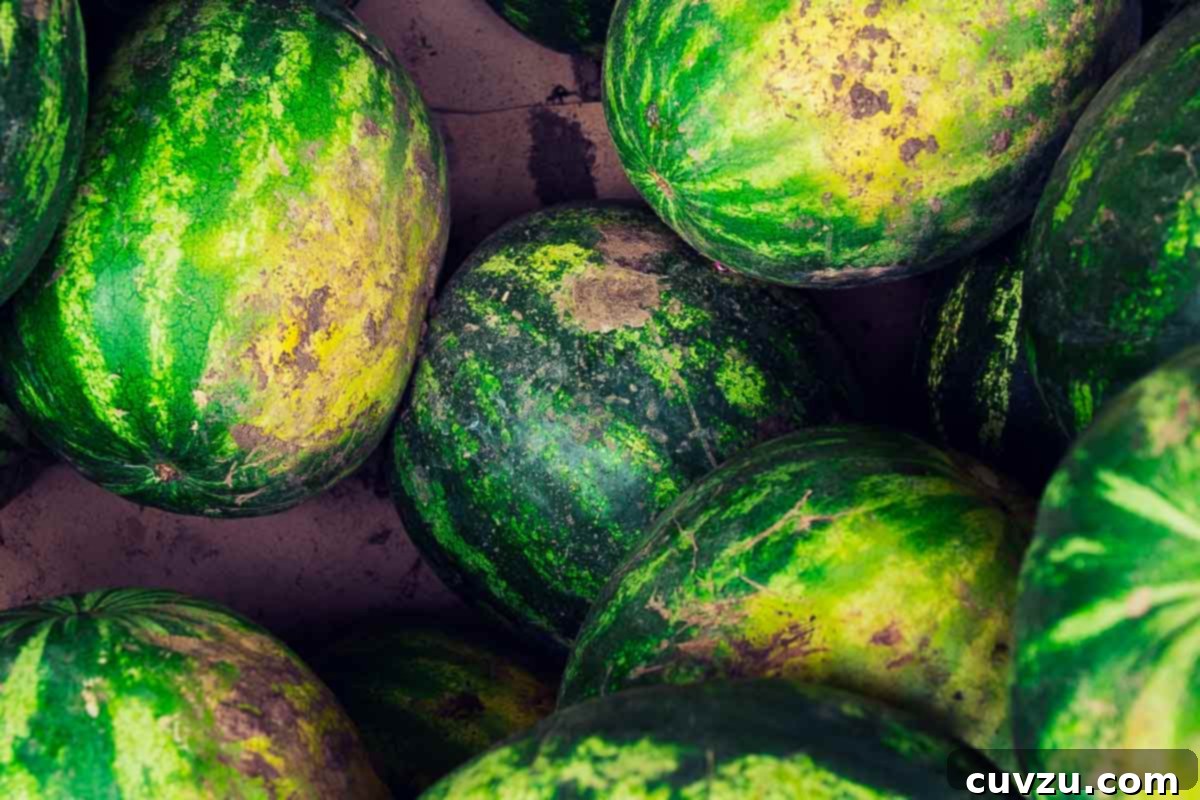
Beyond the field spot, another powerful indicator of a watermelon’s sweetness lies in what are often called “sugar spots” or “webbing.” These are rough, brown, web-like patches or lines on the rind that can sometimes look like scars or even dirt. Far from being imperfections, these markings are actually a fantastic sign! They indicate areas where sugar has been seeping out of the fruit, sometimes attracting bees, and then drying on the surface. These spots are essentially nature’s stamp of approval, signaling a high concentration of sugar within the melon. The more prominent and numerous these web-like patterns, the greater the likelihood of finding an exceptionally sweet and flavorful watermelon. Don’t shy away from these visually “imperfect” melons; they are often the hidden gems of the harvest, promising an unparalleled burst of sweetness.
6. Embrace the Dull: Seek a Matte Finish
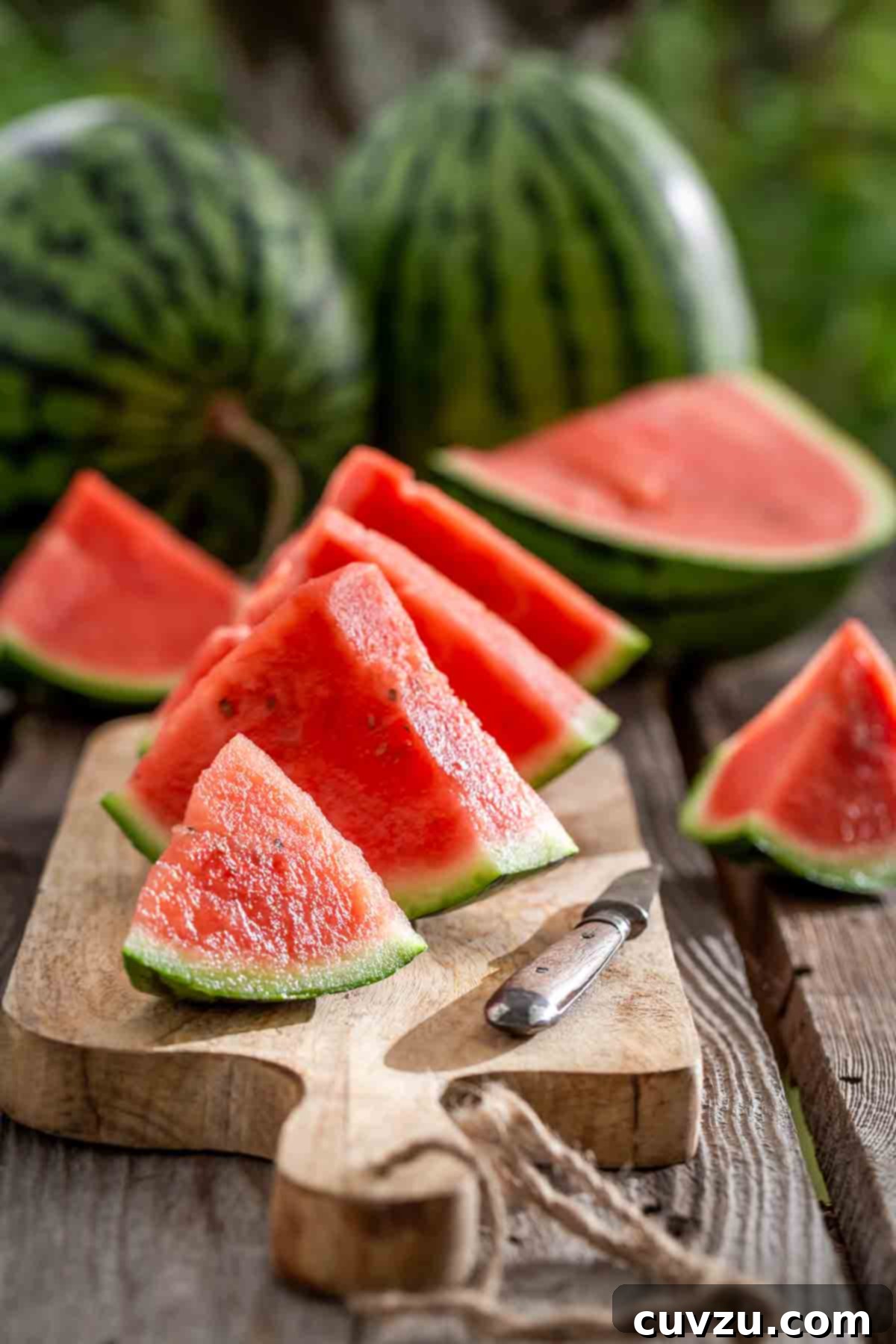
When it comes to watermelon, contrary to popular belief, a glossy, shiny appearance is not what you’re looking for. Instead, a truly ripe and mature watermelon will typically have a dull, matte, or even slightly dusty finish to its rind. A super shiny surface often indicates that the watermelon is underripe and hasn’t had enough time to fully mature on the vine. As watermelons ripen, their natural waxy coating can break down slightly, contributing to a less reflective surface. This dullness signals that the fruit has reached its peak maturity and has been basking in the sun, developing all those desirable sugars and flavors beneath its skin. So, when browsing the produce aisle, train your eyes to gravitate towards the less flashy, more subdued-looking melons – they’re often the ones hiding the most incredible sweetness inside.
Beyond the Slice: Enjoying Your Perfect Watermelon
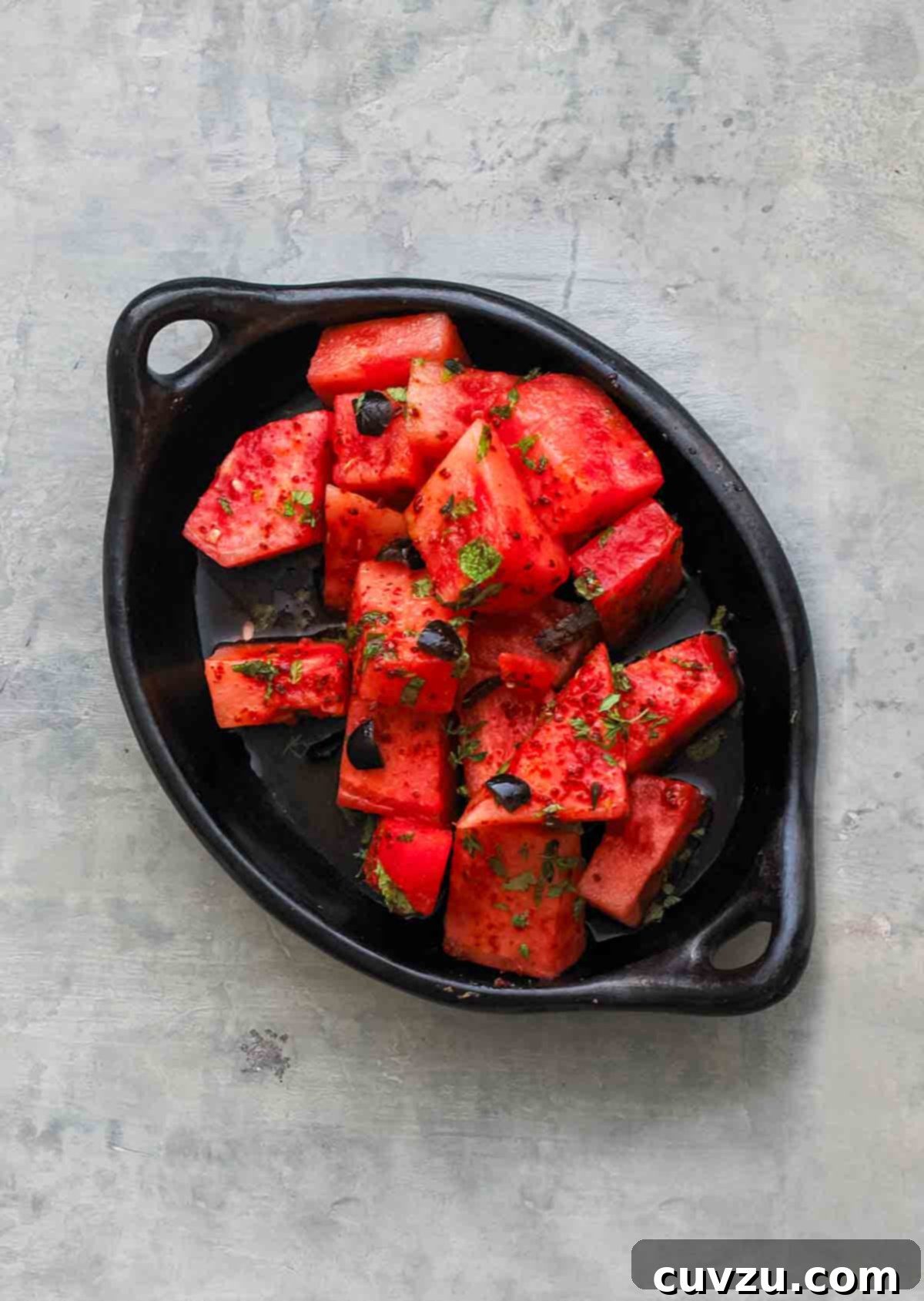
Now that you’re equipped with the ultimate watermelon selection superpowers, the possibilities for enjoying this hydrating and delicious fruit are endless. While nothing beats eating a cool slice straight out of hand, perhaps with a friendly seed-spitting contest, don’t limit yourself to the traditional. Consider elevating your watermelon experience with simple yet surprising pairings. A sprinkle of flaky sea salt can magically enhance its sweetness, creating a sophisticated flavor profile. For an intriguing sweet-and-heat dynamic, try watermelon spiked with a touch of Aleppo pepper, or juxtaposed with salty feta cheese and tangy cherry tomatoes in a vibrant salad. A rub with the cut side of fresh ginger can add a zesty, aromatic kick. And for the truly adventurous, grilling watermelon brings out an unexpected smoky sweetness and a tender texture – just brush slices lightly with olive oil and grill for a few minutes until beautifully charred. Of course, you can always transform its refreshing essence into a delightful homemade watermelon sorbet, a perfect frozen treat for any hot day.

With these tried-and-true methods, you are now officially a connoisseur in the art of watermelon selection. Bid farewell to watery disappointments and embrace a summer filled with consistently sweet, juicy, and perfectly ripe watermelons. Go forth, dear fruit lover, and confidently claim your rightful place as the Master of Your Own Watermelon-verse!

Originally published August 8, 2020, and updated for enhanced content and clarity.