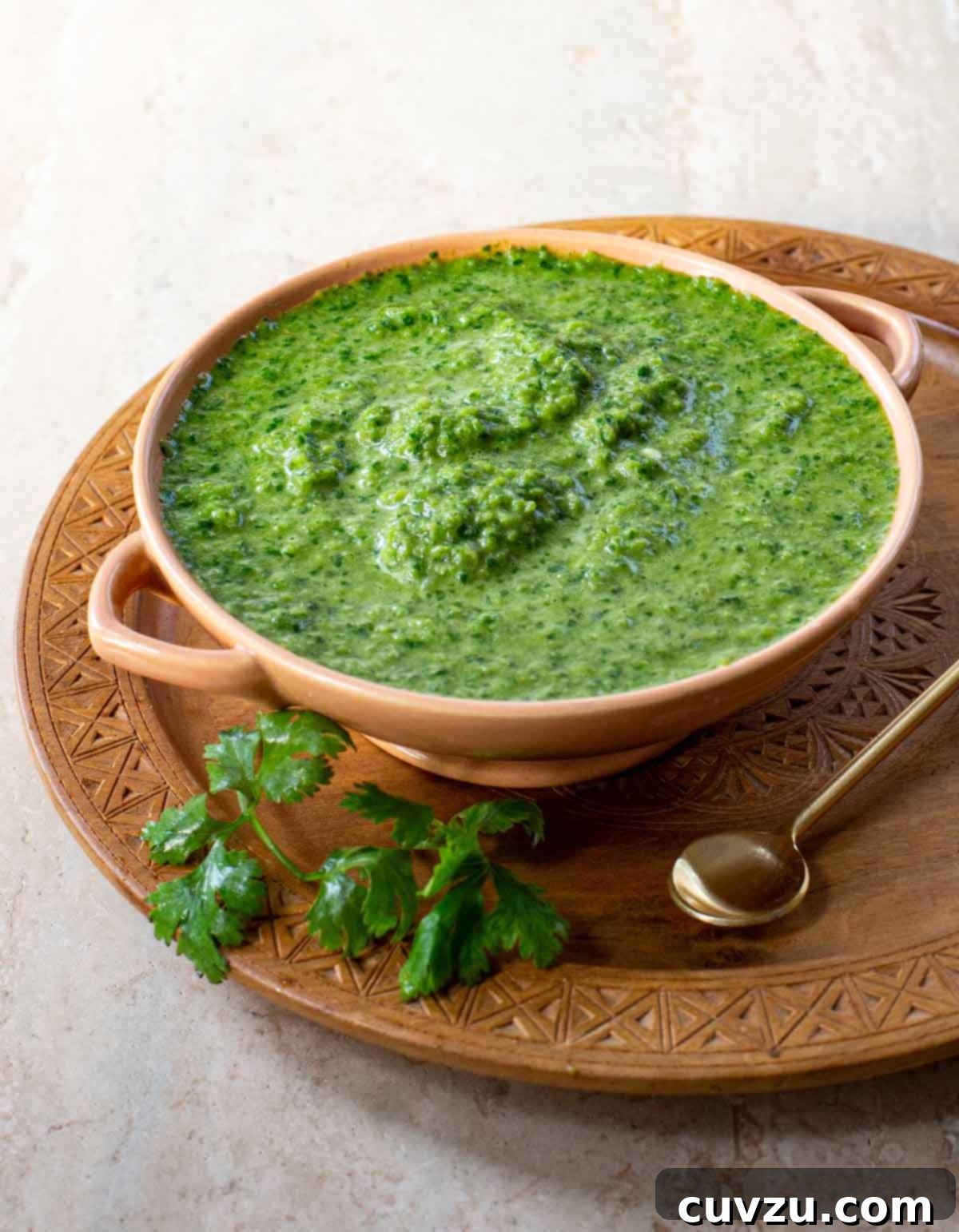
Schug: The Ultimate Middle Eastern Spicy, Garlicky, and Herbal Condiment
Prepare to elevate your culinary experience with Schug (also spelled Zhug, Zhoug, S’chug, and Shough), an intensely flavorful and versatile Middle Eastern condiment. No matter its spelling or regional variation, Schug consistently delivers a powerful punch of spice, a robust garlic presence, and a burst of fresh, aromatic herbs. This vibrant green sauce is more than just a topping; it’s a transformative ingredient that promises to awaken your taste buds and inspire endless culinary creativity. Once you try it, you’ll want to drizzle, smear, and dollop it on virtually everything.
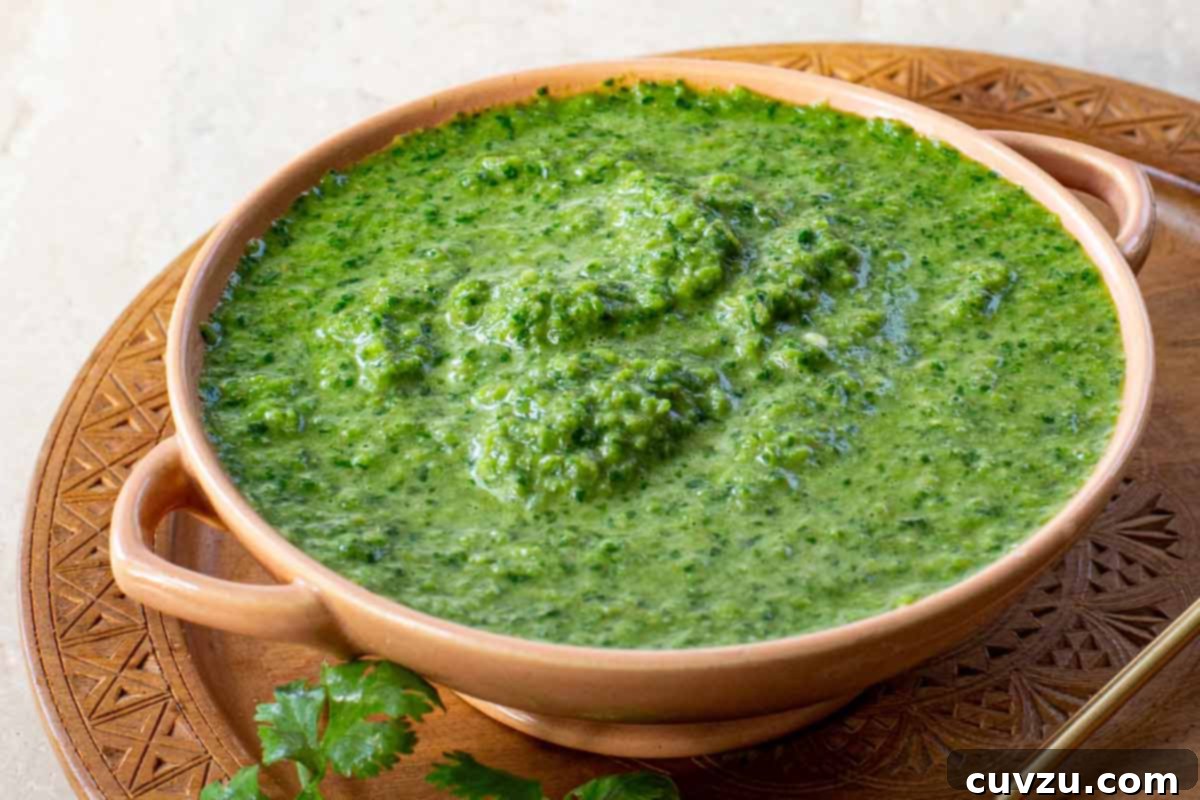
The Rich History and Cultural Journey of Schug
Schug’s origins trace back to the kitchens of Yemeni Jews, where this fiery green condiment was first meticulously crafted. As Jewish communities migrated and cultural exchanges flourished, schug naturally made its way across the Middle East, becoming a beloved staple in various cuisines. Each region, and often each family, developed its unique twist, leading to the diverse spellings and subtle flavor variations we see today. From the bustling markets of Yemen to the dinner tables of Israel and beyond, schug has captivated palates with its potent blend of heat and fresh flavors.
The journey of schug extended even further, eventually reaching unexpected places like Charleston, where its unique profile was introduced to a wider audience. As shared by Carrie Morey, it was Michael Shemtov of Charleston’s Butcher & Bee who championed schug, often serving it as a piquant dollop on top of creamy hummus. This introduction sparked fascination and culinary exploration, proving that a condiment rooted deeply in tradition can find new admirers and applications globally. The initial surprise at its intense jalapeño content quickly gives way to an appreciation for its perfectly balanced complexity.
Unpacking Schug’s Irresistible Flavor Profile
At its core, schug is a masterclass in flavor balance. It’s defined by three dominant characteristics: spicy, garlicky, and herbal. The spice, primarily from fresh jalapeños, is exhilarating without being overwhelming, especially when judiciously managed. This heat is complemented by a generous amount of garlic, which adds a pungent, aromatic depth that is fundamental to the condiment’s character. The herbaceous notes come from a vibrant combination of fresh cilantro and flat-leaf parsley, contributing a bright, earthy freshness that cuts through the intensity of the garlic and chili.
Beyond these primary elements, schug gains further complexity from a carefully selected blend of warm, earthy spices. Ground cumin and coriander provide a foundational aroma, evoking the rich culinary traditions of the Middle East. A hint of cardamom introduces an unexpected, subtly sweet, and floral dimension, elevating the sauce beyond a simple hot sauce. Finally, fresh lemon zest and juice are crucial, adding a bright, tangy acidity that balances the richness of the olive oil and harmonizes all the robust flavors, making each spoonful truly vibrant and memorable. This intricate layering of tastes makes schug a truly compelling condiment, capable of transforming simple dishes into extraordinary culinary experiences.
Unleash Schug’s Versatility in Your Kitchen: More Than Just a Sauce
Schug’s exceptional blend of spicy, garlicky, and herbal notes makes it incredibly versatile, earning its reputation as a condiment you’ll want to put on everything. Far beyond a simple hot sauce, schug can revolutionize a wide array of dishes, offering a burst of Middle Eastern flavor with minimal effort. Its bright, zesty character pairs beautifully with both savory and even some unexpected sweet-savory combinations, proving its adaptability in any kitchen.
Consider integrating schug into your breakfast routine: a spoonful dolloped over scrambled eggs, fried eggs, or even an omelet adds a dynamic kick and a fresh green appeal. For lunch and dinner, the possibilities are virtually endless. Use it as a vibrant spread for sandwiches, wraps, or pita bread. Mix it into mayonnaise for an instant gourmet aioli or whisk it into a vinaigrette to create a lively dressing for salads, pasta salads, or even potato salads. Its pesto-like consistency makes it perfect for stirring into baked beans, soups like tortilla soup, or even hearty stews for an unexpected depth of flavor.
Schug truly shines when paired with grilled and roasted dishes. It’s an ideal accompaniment for various proteins: slather it on grilled chicken, fish (especially salmon or swordfish), steak (including luxurious wagyu), or kebabs. For vegetarians and vegans, it’s a game-changer for roasted vegetables, baked potatoes, sweet potatoes, or mixed into grain bowls. Top your nachos, tacos, or hummus with a generous spoon of schug for an instant flavor upgrade. It can even be a fantastic dipping sauce for focaccia, crudités, or falafel. Its ability to complement such a broad spectrum of foods is a testament to its perfectly balanced and complex profile, ensuring it will become a regular repeat in your culinary repertoire.
Schug FAQs
While schug is famously known as a Middle Eastern hot sauce, its identity extends far beyond mere heat. It’s a complex condiment brimming with nuanced flavors from fresh herbs, pungent garlic, zesty lemon, and earthy cumin. You have complete control over its spice level to suit your preference. If you enjoy an intense fiery sensation, feel free to leave all the seeds and white ribs in your jalapeño peppers. For those who prefer a more balanced flavor profile with less burn, simply discard all visible white ribs and seeds from the peppers before processing them in your food processor. This simple adjustment allows you to focus on the vibrant interplay of other ingredients while still enjoying a pleasant warmth.
Proper storage is key to maintaining the freshness and vibrant flavor of your homemade schug. When stored in an airtight container in the refrigerator, schug will maintain its quality for up to 5 days, making it perfect for meal prepping throughout the week. If you find yourself with a larger batch or want to enjoy schug over a longer period, it freezes exceptionally well. A clever trick is to spoon individual portions into the cavities of an ice cube tray and freeze them until solid. Once frozen, you can transfer these convenient schug cubes into a freezer bag. This method allows you to store schug in the freezer for up to 6 months, ensuring you always have a potent burst of flavor ready whenever inspiration strikes.
Homemade Schug
Recipe by David Leite
Print Recipe
Condiments
Multicultural
28
servings | 3 ½ cups
59
kcal
25 minutes
25 minutes
Ingredients
- 10 (14 oz) jalapeño peppers, 8 with seeds and ribs removed and 2 with seeds and ribs intact for extra heat
- 10 cloves (2 oz) garlic
- 2 cups (2 oz) fresh cilantro leaves and tender stems
- 2 cups (2 oz) fresh flat-leaf Italian parsley
- 1 tablespoon ground cumin
- 1 tablespoon ground coriander
- 1/2 teaspoon ground cardamom
- Zest and juice of 1 lemon, about 2 teaspoons zest and 2 tablespoons juice, preferably organic
- 1 to 2 teaspoons kosher salt
- 3/4 to 1 cup olive oil
Instructions
-
In a food processor fitted with a steel blade, combine jalapeños and garlic and pulse until coarsely chopped.
-
Add cilantro and parsley and pulse until a thick paste forms, 3 to 5 minutes.
-
Add cumin, coriander, cardamom, lemon zest and juice, and salt. Pulse to combine.
-
With the food processor running, pour in about 1/2 cup of the olive oil and blend well. Taste and season with salt.
-
Slowly drizzle in remaining 1/4 to 1/2 cup of olive oil to form a pesto-like sauce. The schug will keep for a couple of weeks in a sealed jar in the fridge and can also be frozen for longer storage.

Adapted From
Hot Little Suppers
Buy On Amazon
Nutrition Information
Serving: 1 serving
Calories: 59 kcal
Carbohydrates: 2 g
Protein: 1 g
Fat: 6 g
Saturated Fat: 1 g
Monounsaturated Fat: 4 g
Sodium: 18 mg
Fiber: 1 g
Sugar: 1 g
Nutrition information is an approximation based on ingredients and may vary.
Recipe Testers’ Impressions
Heidi V.
Heidi V. was immediately drawn to this schug recipe, noting its similarity to beloved pesto and chimichurri with its foundational elements of herbs, garlic, acid, and olive oil. She highlights that the addition of jalapeños introduces a new, exciting dimension to the sauce. Heidi is eager to explore its versatility, planning to pair it with eggs for breakfast and even luxurious wagyu steak for dinner, demonstrating schug’s potential to elevate both simple and sophisticated dishes.
Sasha Pravdic
Sasha Pravdic praises this schug as a fresh, green-tasting condiment that is both vibrant and visually appealing. She found the heat level to be just right, describing it as “redolent of summer.” Sasha enjoyed it first with grilled chicken and anticipates using it on grilled salmon. She enthusiastically suggests further applications such as mixing it into a vinaigrette-based potato salad, topping roasted vegetables, or incorporating it into a pasta salad, emphasizing its endless possibilities in the kitchen.
Erin Bloys
Erin Bloys, a self-proclaimed addict of store-bought zhoug, declares this homemade schug recipe vastly superior. She finds it “zingy, bright, and intensely flavored,” and notes its prominent cilantro-forward profile. Erin highlights its incredible versatility, using it as a spread for grilled seafood, chicken, and steak, a topping for hummus, a sandwich enhancer, an accompaniment for scrambled eggs, and a dollop for tacos. She humorously offers to consume the portions of any “cilantro haters,” underscoring her deep affection for this vibrant condiment.
Lisa Amtower
Lisa Amtower describes her initial approach to this schug recipe as a “leap of faith” due to the significant quantity of ten jalapeños, anticipating the need for adjustments. However, she emphatically states, “I WOULD NOT CHANGE A THING.” Her immediate reaction upon tasting it with focaccia was one of pure addiction. As a lover of all types of pesto, Lisa is excited to try this schug on burgers, grilled swordfish, and crudité platters, recognizing its potential to become a regular and cherished recipe in her kitchen, perhaps carrying forward its rich culinary history.
Melissa Maedgen
Melissa Maedgen enthusiastically highlights schug as a “versatile and delicious condiment” that begs to be added to every meal. She reassures readers not to be intimidated by the number of jalapeños, explaining that with most seeds removed, the sauce offers a pleasant spiciness rather than an overwhelming burn. Melissa praises the perfect balance of herbs, lemon, and ground spices, which create a complex, bright flavor that can be whipped up in minutes. She also offers a practical tip for preparation: don’t bother meticulously separating cilantro leaves from stems, as the tender stems are equally flavorful and can be included.