The Ultimate Stone Fruit Slump: A Perfect No-Oven Summer Dessert
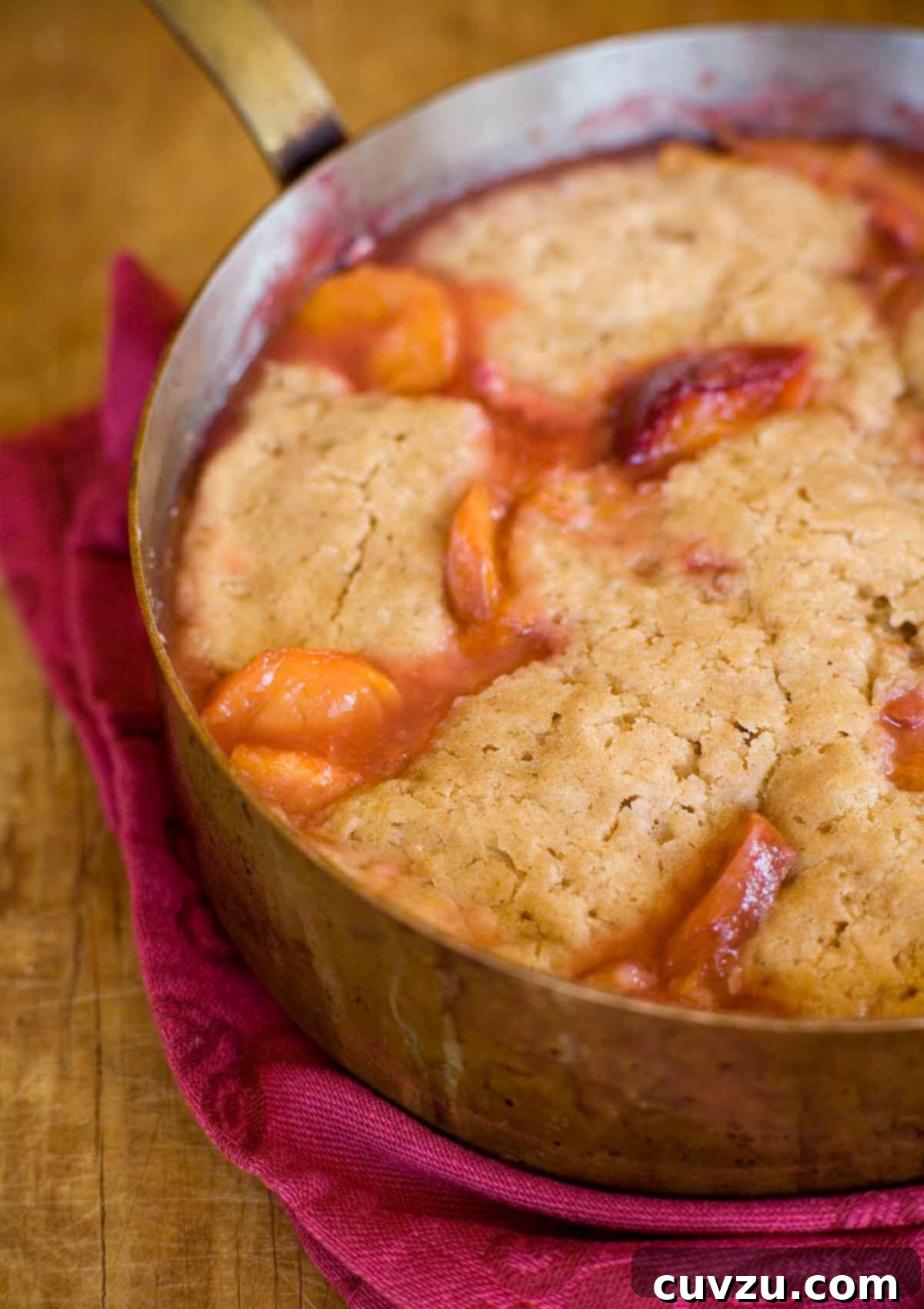
Embrace the vibrant flavors of summer with this incredible stone fruit slump recipe, a charming dessert that perfectly captures the essence of the season. This delightful creation marries the juiciest, most in-season stone fruits with a tender, fluffy topping of stove-top steamed dumplings. It’s the quintessential treat for those balmy summer days when the last thing you want to do is fire up your oven, offering a refreshing alternative to traditional baked goods.
What is a Stone Fruit Slump? A Deliciously Simple Steamed Pudding
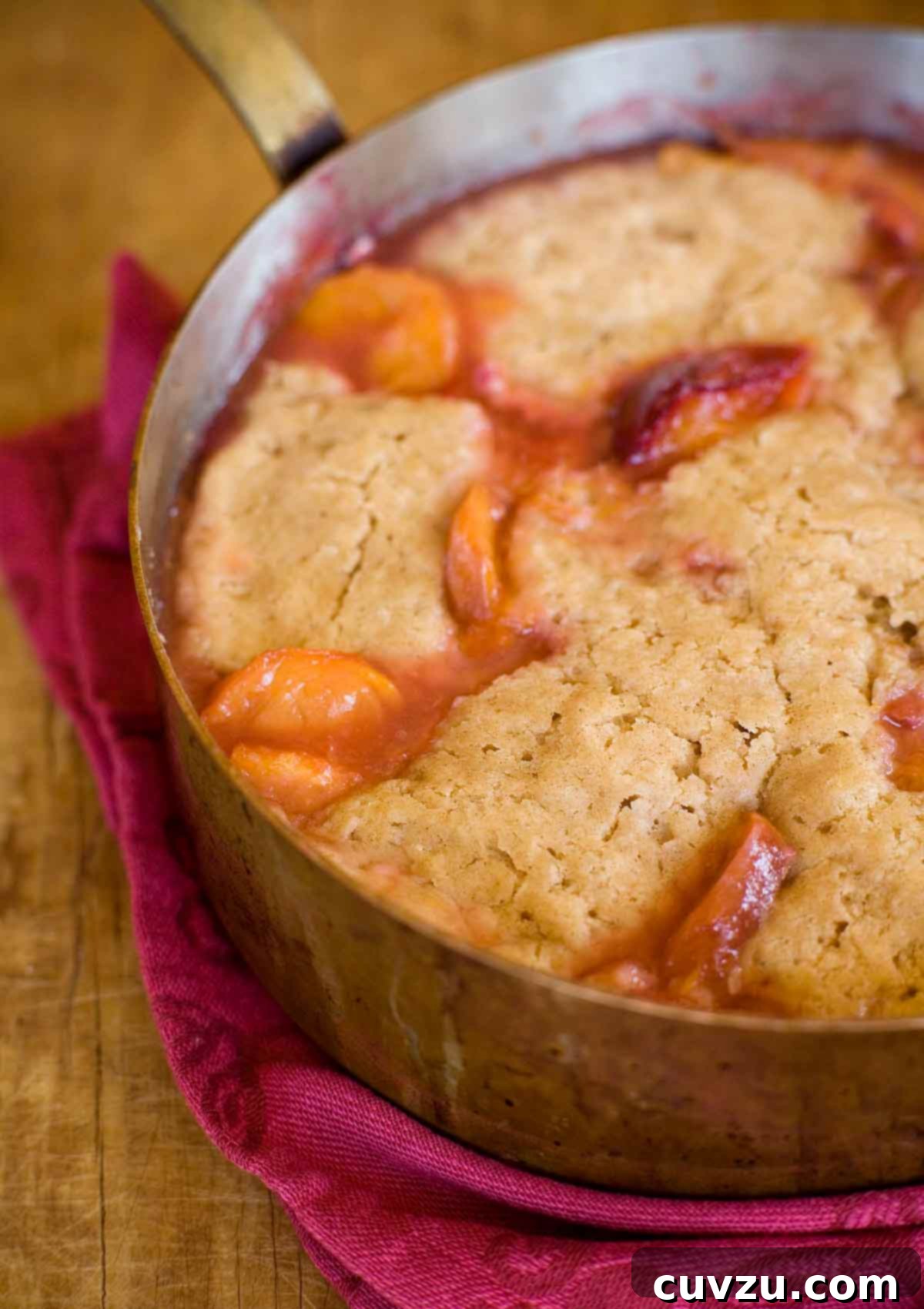
At its heart, a slump is a wonderfully straightforward steamed pudding, sharing a delightful kinship with other rustic fruit desserts like a fruit cobbler. What sets a slump apart is its unique preparation method and its incredible versatility. It typically features a rich, bubbling fruit base made from whatever succulent stone fruit you have on hand – think ripe peaches, juicy nectarines, or sweet plums. This fruity foundation is then crowned with a light, airy dumpling topping, all gently simmered together on the stove. The entire process unfolds on your stovetop, making it an ideal choice when the summer heat makes oven use unappealing.
The beauty of a slump lies in its simplicity. You begin by gently heating the fruit, allowing its natural sugars to release and mingle. Next, the biscuit-like dumplings are carefully placed atop the simmering fruit. Finally, the covered pan simmers to perfection, steaming the dumplings until they are puffy and cooked through, absorbing some of the fruit’s delicious aromas. This no-fuss approach yields a comforting, warm dessert that’s both satisfying and surprisingly light, perfect for any casual summer gathering or a cozy evening treat. The exact amount of sugar needed for the fruit filling will always depend on the inherent sweetness of your chosen fruit, so be sure to taste as you go to achieve your perfect balance. As culinary expert Cory Schreiber wisely notes, “The amount of sugar needed for the filling will vary depending on the sweetness of the fruit.”
Why Choose a Slump for Your Summer Dessert?
Beyond its simple charm, the stone fruit slump offers several compelling reasons to make it your go-to summer dessert. First and foremost, its stove-top preparation is a lifesaver on hot days. Avoiding the oven means keeping your kitchen cool, making the cooking experience far more enjoyable. Secondly, it’s incredibly versatile. While this recipe specifically highlights stone fruits (peaches, plums, nectarines), the concept can be adapted to other seasonal fruits, ensuring you can enjoy a slump throughout various seasons. Its rustic nature means it doesn’t demand perfect presentation; a dollop in a bowl is all it needs, perhaps with a scoop of vanilla ice cream or a drizzle of cream.
Furthermore, slumps are an excellent way to use up an abundance of fresh fruit, especially during peak season when produce is at its most flavorful and affordable. Whether you’ve just returned from the farmer’s market with a bounty of peaches or have a few plums lingering on your counter, this recipe provides a delicious solution. The steaming process also results in exceptionally tender dumplings and a beautifully cooked fruit base, creating a harmonious texture contrast that’s both comforting and delightful. It’s a dessert that feels both wholesome and indulgent, striking a perfect balance for a warm-weather treat.
Decoding Rustic Fruit Desserts: Slump, Cobbler, Crisp, and More
The world of fruit desserts can be a delightful maze of terms: slump, pie, tart, crisp, crumble, and cobbler. While they all celebrate the magical combination of a delicious crust or dough and a vibrant fruit filling, their distinctions lie in their topping and structure. Pies and tarts typically feature a bottom crust (and sometimes a top) made from a rich blend of flour and fat. Crisps and crumbles, on the other hand, are characterized by a streusel-like topping, usually a mix of flour, oats, spices, and fat, and generally lack a bottom crust.
Cobblers are renowned for their fruit filling crowned with a distinct biscuit dough topping, which often bakes up with a craggy, “cobbled” appearance. Slumps, grunts, and sonkers are close cousins to cobblers, also featuring a biscuit-like topping over a fruit filling, but crucially, they are often cooked on the stovetop, leading to a steamed, softer texture for the topping. Buckles, another delightful variation, are more cake-like, with fruit folded into or scattered over a cake batter. Each offers a unique texture and preparation, but the stone fruit slump stands out for its stove-top steaming method, resulting in tender, cloud-like dumplings that perfectly complement the juicy fruit underneath.
Frequently Asked Questions About Stone Fruit Slumps
What kind of stone fruit can I use for this slump?
The beauty of this slump recipe is its flexibility! You can use almost any ripe stone fruit. Peaches, nectarines, and plums are classic choices and work wonderfully, either individually or mixed. Apricots are another excellent option, offering a slightly tart contrast. You can even use a combination of different stone fruits to create a more complex flavor profile. Whether fresh or frozen (thawed and drained), the key is ripe, flavorful fruit.
Can I use frozen fruit for this recipe?
Absolutely! Frozen stone fruits are a fantastic alternative, especially when fresh varieties are out of season. When using frozen fruit, it’s best to thaw it first and drain any excess liquid to prevent the filling from becoming too watery. You might also need to adjust the cooking time slightly, as frozen fruit tends to release more moisture. Ensure your fruit is thawed and well-drained before combining it with the sugar and cornstarch.
How do I know if the dumplings are cooked through?
The dumplings should be visibly puffy and feel firm to the touch. To be sure they are cooked through to the center, you can carefully insert a thin skewer or toothpick into the largest dumpling. If it comes out clean, the dumplings are ready. The cooking time of 18-22 minutes on a gentle simmer is usually sufficient, but always trust your instincts and check for doneness.
How should I store a stone fruit slump?
Unfortunately, the combination of steamed dough and juicy fruit filling means that a slump is best enjoyed immediately after it’s made. The dumplings tend to become a bit dense and the fruit can get mushy if stored for too long. If you have leftovers, cover and refrigerate them, but plan to consume them within 24 hours for the best quality. Reheating gently on the stovetop over low heat or in a microwave can help revive it slightly, but fresh is always best.
What can I serve with a stone fruit slump?
A warm stone fruit slump is delicious on its own, but it pairs beautifully with a scoop of good quality vanilla bean ice cream. The cold, creamy ice cream provides a delightful contrast to the warm, fruity dessert. Other excellent accompaniments include a dollop of freshly whipped cream, a drizzle of crème fraîche for a touch of tang, or even a sprinkle of toasted slivered almonds for added texture.

Stone Fruit Slump
This stone fruit slump dessert, featuring tender steamed dumplings, can be made with whatever stone fruit is perfectly in season—plums, nectarines, or peaches are all fabulous choices. Its rustic charm and stove-top preparation make it an ideal summer treat.
Recipe by David Leite
- Course:
- Dessert
- Cuisine:
- American
- Servings:
- 8 servings
- Calories:
- 410 kcal
- Prep Time:
- 30 minutes
- Cook Time:
- 30 minutes
- Total Time:
- 1 hour 30 minutes
Ingredients
For the Filling
- 4 1/2 pounds (8 to 9 cups) mixed plums, nectarines, or peaches, fresh or frozen, pitted, and, if desired, peeled
- 3/4 to 1 cup granulated sugar, depending on how sweet the fruit (and your sweet tooth)
- 3 tablespoons cornstarch
- 1/2 teaspoon fine sea salt
- 2 tablespoons fresh lemon juice (about 1/2 lemon)
For the Dumplings
- 1 cup all-purpose flour
- 1/2 cup unsifted cake flour
- 2 tablespoons granulated sugar
- 1 teaspoon baking powder
- 1/2 teaspoon baking soda
- 1/2 teaspoon fine sea salt
- 1/2 teaspoon ground cinnamon
- 1/2 teaspoon ground cardamom
- 1/2 cup cold unsalted butter, cut into 1/2-inch (12-mm) dice
- 1 cup cold buttermilk (either low-fat or full-fat)
Instructions
Make the Filling
- Slice the fruit into 10 to 12 pieces each, working over a large bowl to collect both the juices and the slices.
- In a separate bowl, rub the sugar, cornstarch, and salt together until well combined. Add this mixture to the fruit and gently toss to coat all the fruit pieces evenly.
- Gently stir in the fresh lemon juice. Then, carefully scrape the fruit and all its accumulated juices into a 10- to 12-inch nonreactive, deep skillet, or a wide 5-quart saucepan or Dutch oven. Ensure whatever pan you choose has a tight-fitting lid, as this is crucial for the slump to cook all the way through via steaming. Let the fruit mixture stand for 15 minutes, allowing the fruit to release more of its juices and the sugar to begin dissolving.
- Bring the fruit mixture to a low simmer over medium-low heat. Stir occasionally and very gently to prevent the juice from sticking to the bottom of the pan, taking care not to break down the fruit pieces too much. Continue to simmer for about 2 minutes, or until the juices have slightly thickened. Remove the pan from the heat.
Make the Dumplings
- In a clean bowl, whisk together the all-purpose flour, cake flour, granulated sugar, baking powder, baking soda, fine sea salt, ground cinnamon, and ground cardamom until thoroughly combined.
- Add the cold, diced butter to the dry ingredients and toss until the butter pieces are evenly coated. Using your fingertips or a pastry blender, cut the butter into the flour mixture until small pieces of dough form, roughly the size of peas. Pour in the cold buttermilk and stir just until the mixture comes together into a slightly wet, cohesive dough. Avoid overmixing to keep the dumplings tender.
- Return the pan with the fruit filling to the stove top. Using a spoon, gently plop the dumpling dough onto the hot fruit filling in 8 evenly spaced blobs, distributing the dough across the surface. Bring the pan to a gentle simmer over low heat. Immediately cover the pan with its tight-fitting lid and continue simmering for 18 to 22 minutes, or until the dumplings are visibly puffy and cooked through to the center.
- Remove the cover from the pan and let the slump cool for at least 15 minutes before serving. This resting period allows the flavors to meld and the dumplings to set slightly. Remember, slumps are at their absolute best when served warm and fresh; they do not keep well, so gather your loved ones and tuck into this delicious dessert immediately!
Nutrition Information
Nutrition information is an approximation.
- Serving: 1 serving
- Calories: 410 kcal
- Carbohydrates: 70 g
- Protein: 6 g
- Fat: 14 g
- Saturated Fat: 8 g
- Monounsaturated Fat: 3 g
- Trans Fat: 0.5 g
- Cholesterol: 34 mg
- Sodium: 427 mg
- Fiber: 5 g
- Sugar: 45 g
Adapted From

Rustic Fruit Desserts
Buy On Amazon
Tried this recipe?
We’d love to see your creations! Mention @leitesculinaria or tag #leitesculinaria on Instagram to share your stone fruit slump masterpiece!
Insights from Our Recipe Testers
Our team of dedicated recipe testers put this stone fruit slump through its paces, offering valuable feedback and insights that can help you achieve perfect results. Here’s what they discovered about this delightful no-oven dessert:

Annie Leslie
Annie found this slump dessert to be a fantastic success, even making it while camping using a large cast-iron skillet covered with tinfoil—a testament to its adaptability and no-oven nature. She appreciated the cardamom’s unique flavor contribution to the dumplings, noting how well it complemented the stone fruit blend of plums, nectarines, and peaches she used. Annie believes straight peaches would be wonderful, and with minor seasoning adjustments, it could also be an excellent apple slump, showcasing the recipe’s versatility beyond just stone fruits.

Karen Taylor
Karen, new to making slumps, found the dumplings to be more spongy and cake-like than biscuits, describing them as “warm salty cake” – a surprising but utterly delicious pairing with the sweet, sticky fruit underneath. Her enthusiasm was evident, as she and her companions each enjoyed three servings! Lacking peaches or nectarines, Karen successfully adapted the recipe using 1 1/2 pounds of freshly pitted Montmorency sour cherries, halving the recipe precisely thanks to ounce measurements for dry ingredients. She noted the need for the full cup of sugar due to the tartness of the cherries and even considered adding an extra 1/8 cup. Cooked in an All-Clad 3 1/2-quart saucepan, the dumplings took about 30 minutes to fully cook, resulting in perfectly done biscuits and fruit with no scorching, a concern she initially held.

Adrienne Lee
Adrienne praised the good flavor of the stone fruit slump and its relative ease of preparation, though she acknowledged that pitting fruit can be a time-consuming step. She emphasized the importance of using fully ripe, but not overripe, fruit to avoid a mushy texture. Using the minimum amount of sugar with nectarines that weren’t quite as sweet as she’d hoped, Adrienne still found the flavor excellent. While she’d experienced slump recipes with fluffier, more cobbler-like biscuits when cooked on the stove, she wouldn’t change this particular recipe due to its exceptional taste.

Sita Krishnaswamy
Sita provided a fantastic example of the recipe’s adaptability, successfully making this slump dessert with frozen mangoes. Her version was a hit with neighbors, who devoured it completely during an evening of dinner, drinks, and dessert. This highlights how versatile the slump is, not just with various stone fruits but even with other juicy, sweet fruits when adapted thoughtfully. It’s a testament to its crowd-pleasing potential and ease of preparation for entertaining.
These varied experiences from our recipe testers confirm the stone fruit slump’s appeal and adaptability. Whether you stick to the classic stone fruits or experiment with others, this stove-top dessert is sure to be a summer favorite.
In conclusion, the stone fruit slump is more than just a dessert; it’s a celebration of summer’s bounty and the joy of simple, comforting food. Its no-oven preparation, customizable fruit filling, and fluffy steamed dumplings make it an irresistible choice for any warm-weather occasion. So, gather your favorite stone fruits, follow this straightforward recipe, and prepare to indulge in a truly delightful and unforgettable summer treat.