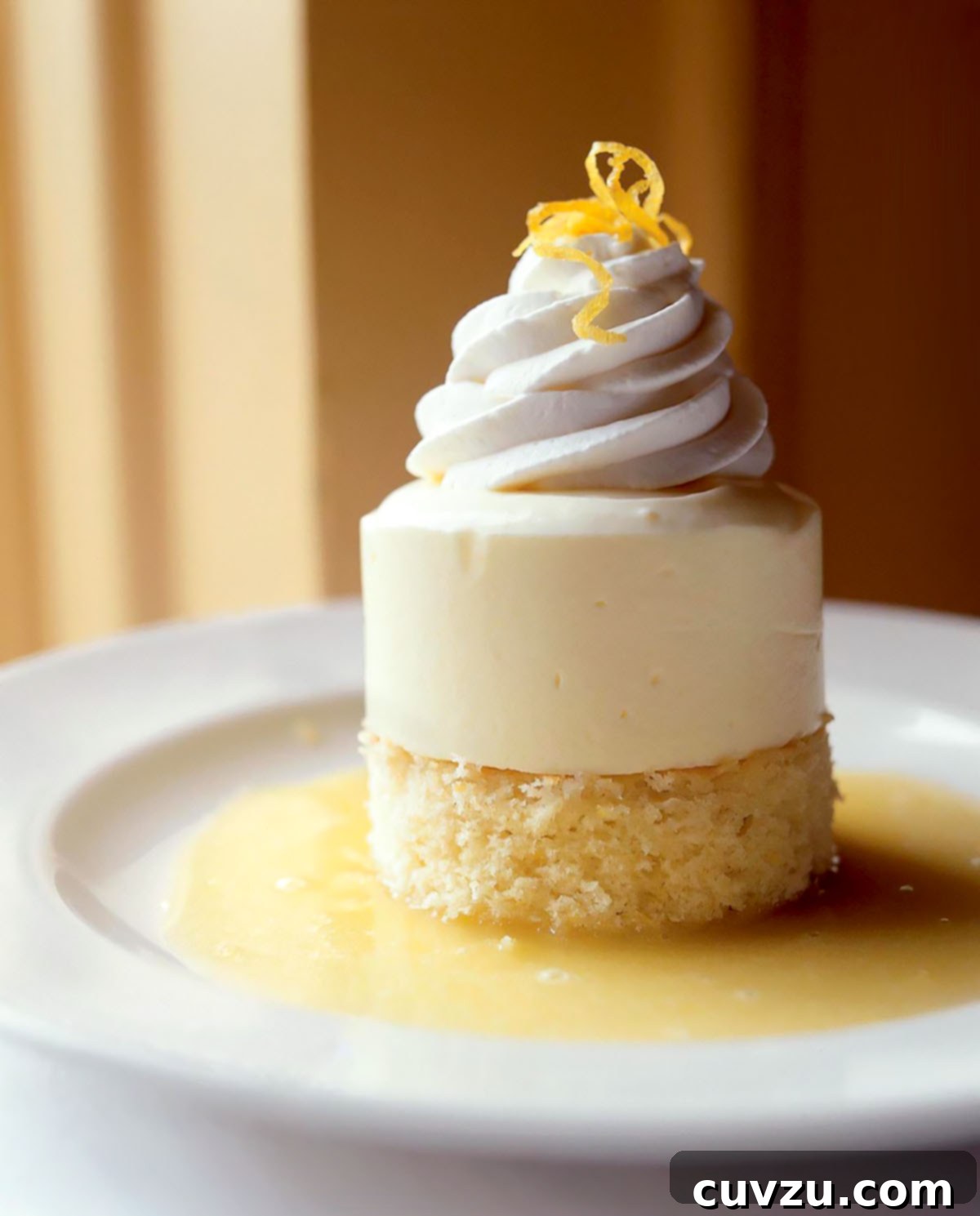
Indulge in Zesty Delights: The Ultimate Guide to Lemon Curd Desserts
Lemon curd, with its vibrant citrus punch and luxuriously smooth texture, is a culinary marvel that elevates countless sweet creations. Whether you meticulously craft your own batch from scratch or reach for your favorite artisanal store-bought brand, this exquisite sweet-tart filling brings an unparalleled brightness to desserts. From classic pies and elegant tarts to innovative cakes and refreshing mousses, lemon curd doesn’t just complement; it transforms. These carefully curated lemon curd dessert recipes are designed to showcase this golden gem, making it the undisputed star of your next culinary masterpiece. Prepare to embark on a delightful journey through tangy flavors and creamy sensations, discovering why lemon curd remains a timeless favorite for dessert lovers everywhere.
Why We Love Lemon Curd: A Versatile Culinary Gem
Beyond its irresistible taste, lemon curd boasts a fascinating history and incredible versatility that makes it a staple in kitchens worldwide. Originating in 19th-century England, it was traditionally served as a spread for bread and scones, similar to jam, and sometimes used as a filling for tarts. Its simple yet profound combination of fresh lemon juice, zest, eggs, sugar, and butter yields a velvety custard that strikes a perfect balance between sweet and tart. This unique flavor profile allows lemon curd to shine in a vast array of applications – from enriching a simple breakfast pastry to providing a sophisticated layer in multi-tiered cakes. Its bright acidity cuts through richness, while its creamy consistency adds a decadent mouthfeel, proving that a humble lemon can inspire truly extraordinary desserts.
Our Top 5 Irresistible Lemon Curd Dessert Recipes
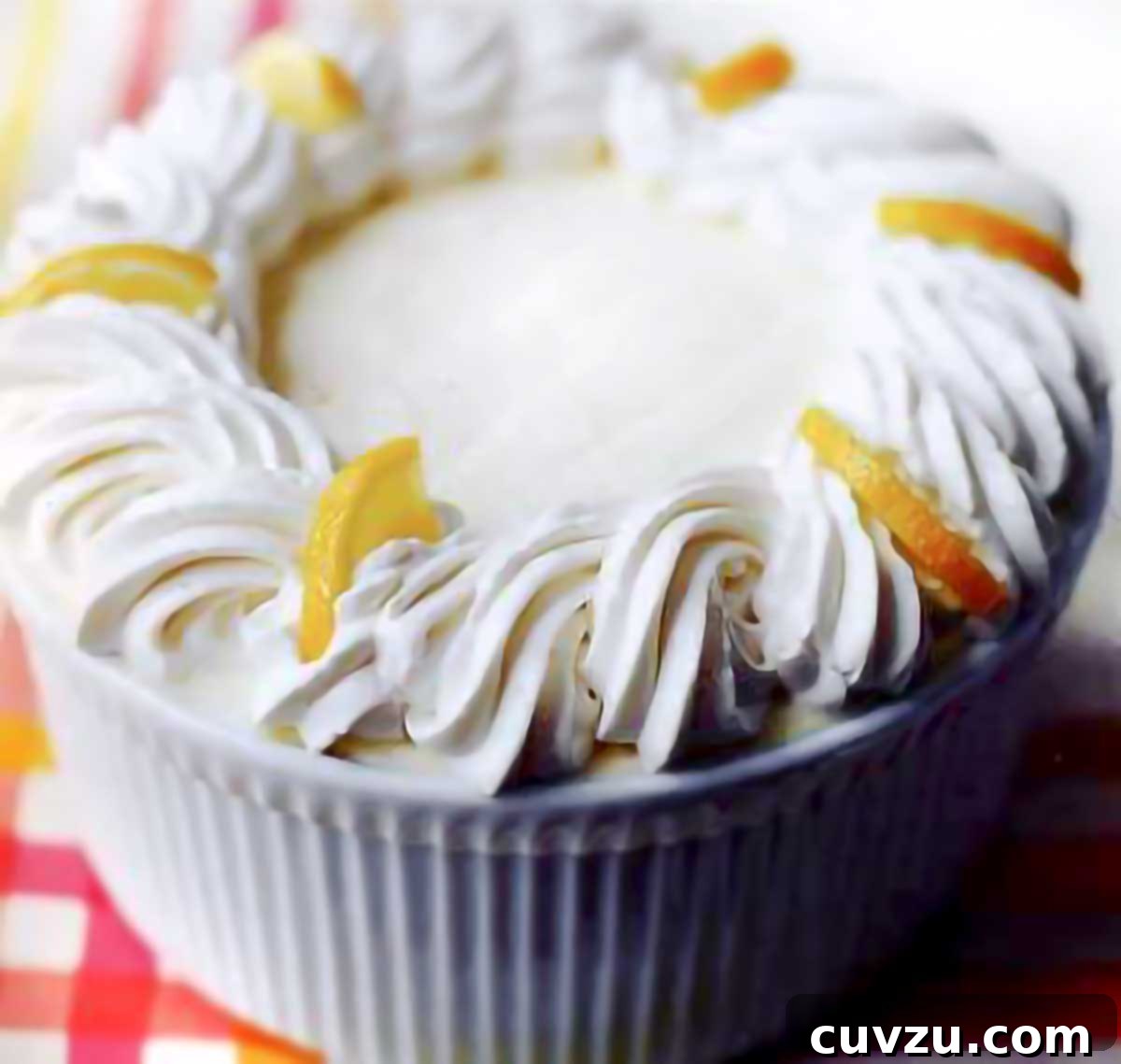
Quentin Bacon
Barefoot Contessa Fresh Lemon Mousse
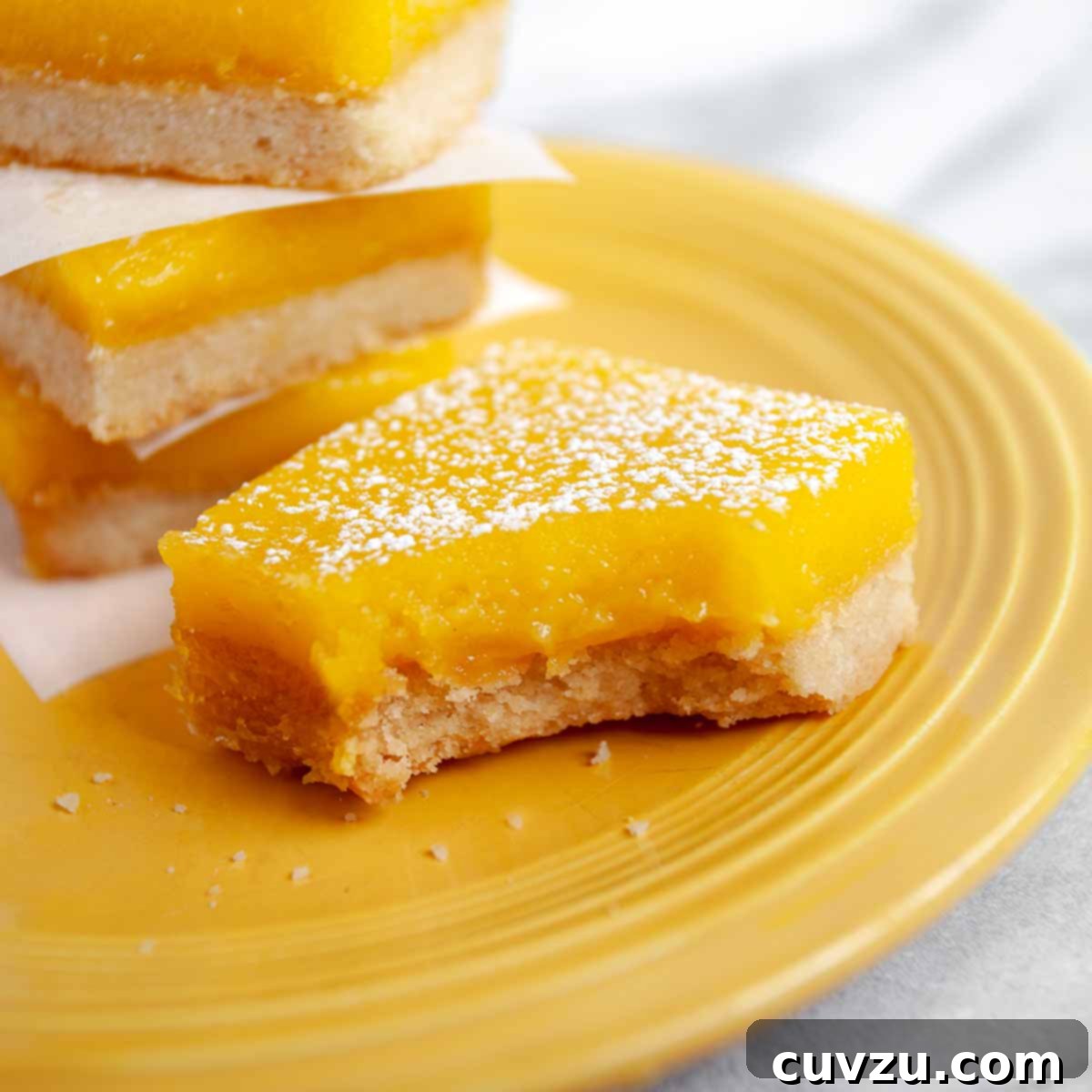
David Leite
Lemon Bars
Best lemon bar recipe ever! I have found the perfect recipe……no need to keep looking or trying.
Linda
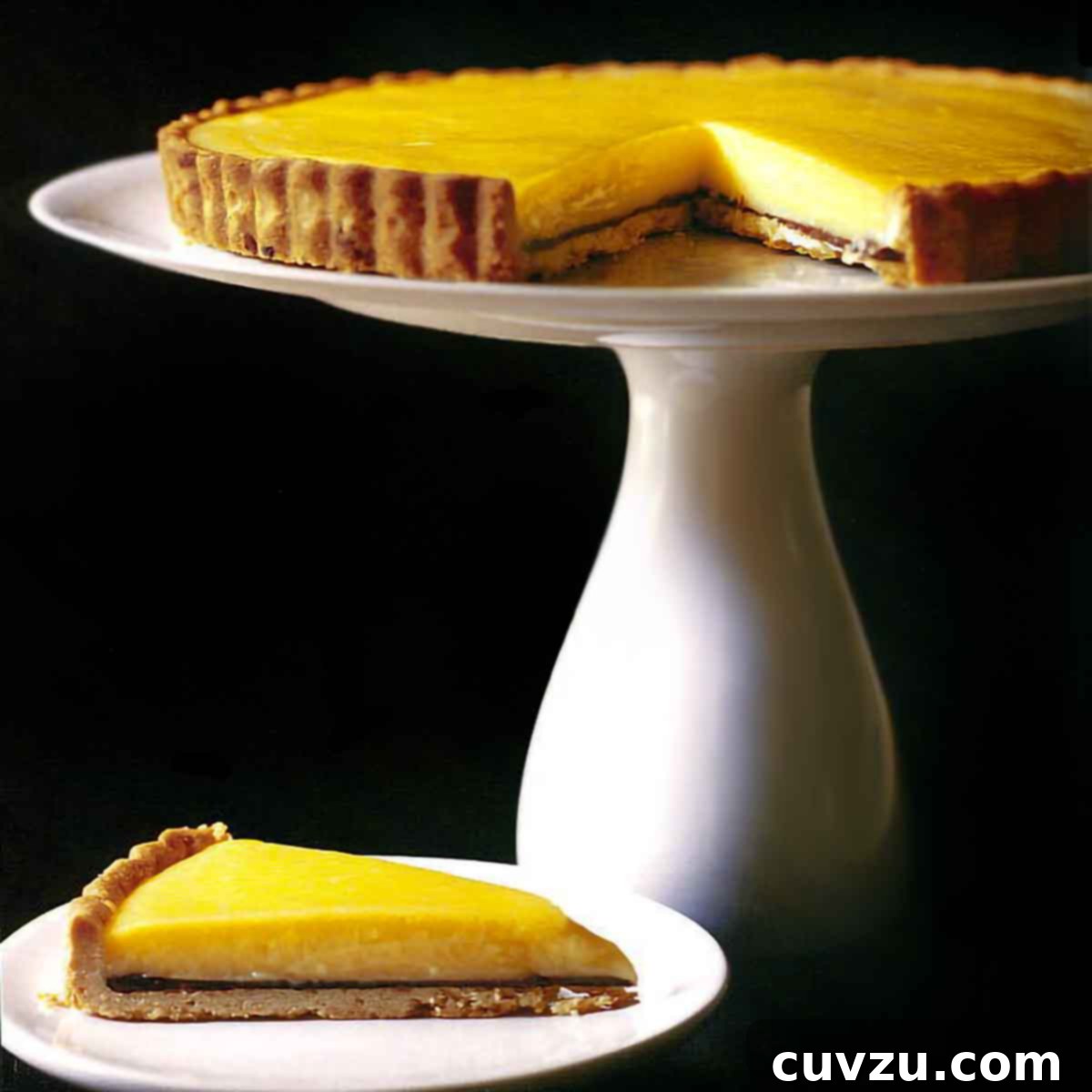
Shimon | Tammar
Meyer Lemon Tart with a Layer of Chocolate
I really loved making and eating this Meyer lemon tart. It was the first time I’ve made pate sucreé and lemon curd and, if I do say so myself, it all turned out pretty good.
I was searching for a recipe that combined chocolate and lemon and found that there were, weirdly, not many options. I’m so glad this is the one I ended up with because the tart lemon curd and rich chocolate ganache went perfectly together.
Kindredcottons
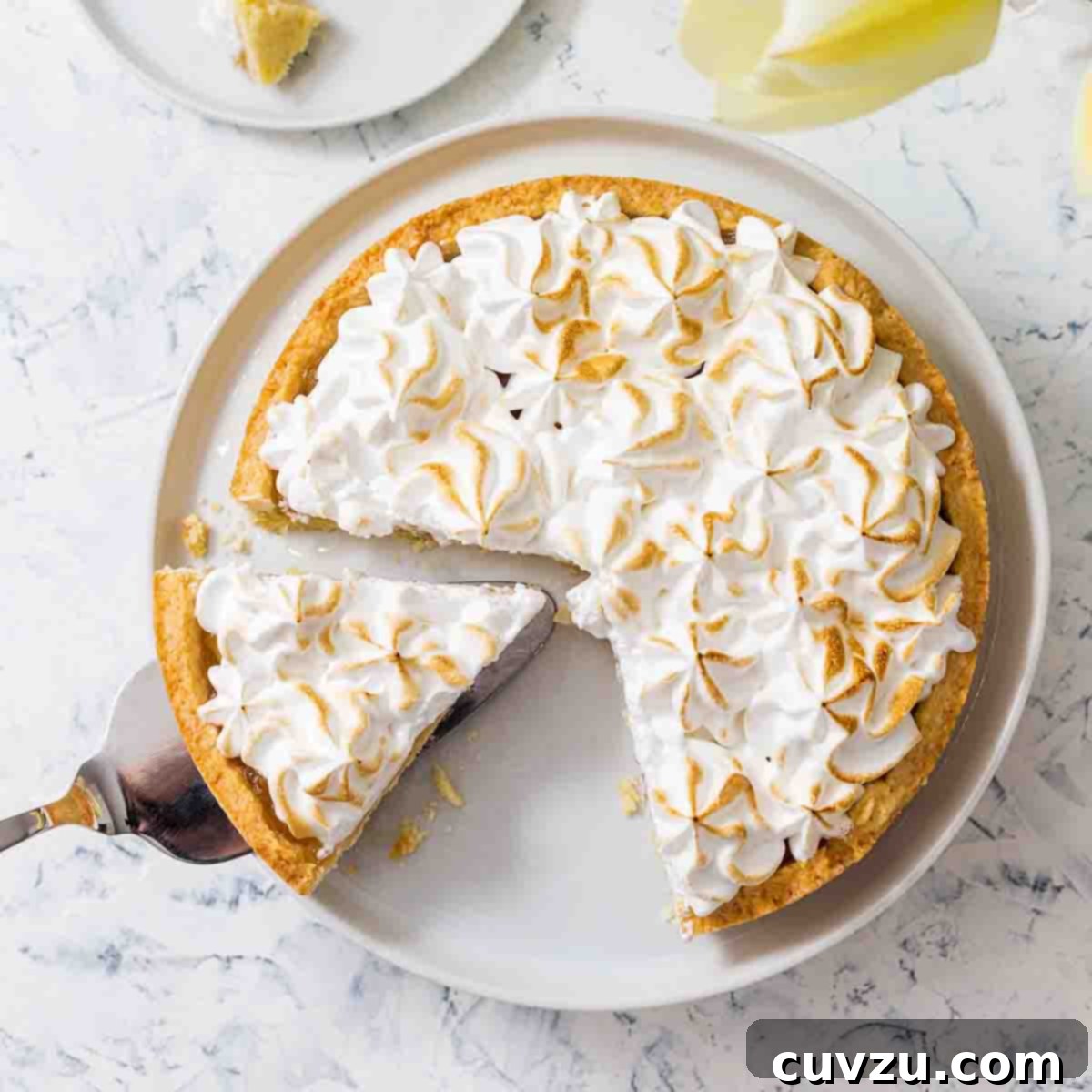
Rita Klimenko
Lemon Meringue Tart
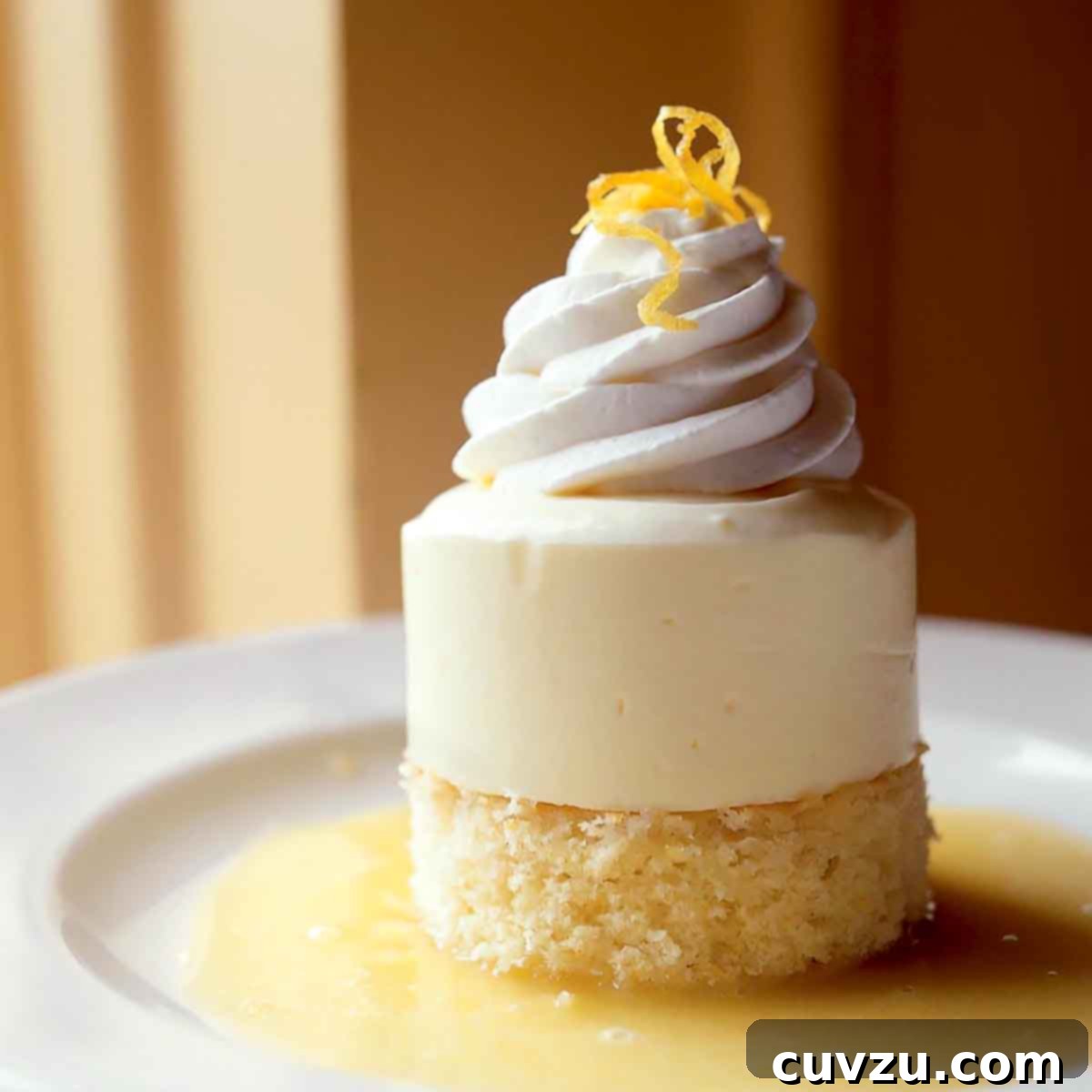
Christopher Hirsheimer
Lemon Semifreddo
This lemon semifreddo was absolutely delicious. The curd was the best I have ever tasted.
Rebecca
Lemon Curd FAQs: Your Essential Questions Answered
Absolutely! While lemon curd is a beloved classic, the versatile technique can be applied to a wide array of citrus fruits, each offering a distinct flavor profile. If you adore the brightness of lemon but desire a slightly sweeter, less acidic version, Meyer lemon curd is a fantastic choice, known for its fragrant, almost floral notes. Another delightful alternative is orange curd, which evokes the comforting taste of an orange creamsicle and makes a truly delicious filling for orange curd tartlets. Don’t limit yourself there; explore the zesty punch of lime curd, the sophisticated bitterness of grapefruit curd, or the unique, aromatic complexity of yuzu curd. Beyond citrus, the curd-making method can even be adapted for berries, yielding luscious cranberry, blueberry, or raspberry curds that add a burst of fruity goodness to your desserts.
Lumpy lemon curd is a common issue, primarily occurring when the egg proteins overcook and curdle. Fortunately, there are several effective techniques to ensure a perfectly smooth, creamy consistency and even ways to salvage a lumpy batch. First and foremost, cook your curd gently using a double boiler over a pan of barely simmering water. This indirect heat method provides a more controlled and even temperature, significantly reducing the risk of overcooking the eggs. While it may extend the cooking time slightly, the reward is a flawlessly smooth custard. Second, constant stirring is your best friend. Continuously agitating the curd helps to distribute the heat evenly throughout the mixture, preventing hot spots where eggs might cook too quickly and clump. Use a whisk or a rubber spatula to scrape the bottom and sides of the pan diligently. If, despite your best efforts, you do end up with a few cooked egg bits, don’t fret! Simply strain the hot curd immediately through a fine-mesh sieve. This quick step will capture any small lumps, leaving you with the silken texture you desire.
Yes, lemon curd can be safely processed in a hot water bath, which extends its shelf life significantly. To do so, spoon the hot lemon curd into sterilized canning jars, leaving about 1/2 inch of headspace. Wipe the rims clean, apply lids and rings, and process in a boiling water canner for 15 minutes. However, it’s crucial to understand that even after water bath canning, homemade lemon curd, due to its low acid and high fat content from the butter, still requires refrigeration for safe, long-term storage. The canning process helps create a vacuum seal and improves shelf stability, but it does not make it shelf-stable at room temperature like traditional fruit jams. Once processed and cooled, you must still store the sealed jars of curd in the refrigerator. It will keep for up to 3 months in the fridge. Once a jar is opened, ensure you use its contents within one week for optimal freshness and safety.
Homemade lemon curd, when properly stored, has a relatively good shelf life, allowing you to enjoy your delicious creation for several days. For unprocessed lemon curd – meaning curd that has not undergone water bath canning – it will maintain its quality and freshness for up to one week. To achieve this, it’s essential to store the curd in an airtight container immediately after it has cooled completely. Ensure the container is clean and dry. Placing a piece of plastic wrap directly on the surface of the curd before sealing the container can also help prevent a skin from forming and keep it fresher for longer. Always keep it refrigerated to inhibit bacterial growth and preserve its vibrant flavor and creamy texture.
Absolutely! Freezing is an excellent way to extend the life of your homemade lemon curd, allowing you to prepare it in larger batches and enjoy its zesty goodness whenever a craving strikes. To freeze lemon curd effectively, spoon it into freezer-safe jars or containers. Make sure to leave about 1 inch (2.5 cm) of headspace at the top of the container to allow for expansion during freezing. This prevents the container from cracking. Label your containers with the date for easy tracking. Properly frozen, lemon curd can be stored for up to 1 year without significant loss of quality or flavor. When you’re ready to use it, simply transfer the frozen curd to the refrigerator and allow it to thaw slowly overnight. Once thawed, give it a good stir to restore its smooth consistency. Remember to devour the thawed curd within one week, just like fresh curd, for the best taste and texture.
Mastering Homemade Lemon Curd: Tips for Success
Crafting perfect lemon curd at home is a rewarding experience, and a few key tips can ensure outstanding results every time. Always start with fresh, high-quality lemons; their juice and zest are the heart of the curd’s flavor. Ensure your eggs are at room temperature for better emulsification. When cooking, patience is paramount: gentle, constant heat and stirring are essential to prevent scrambling the eggs. A silicone spatula is ideal for scraping the bottom and sides of the pan. Don’t be tempted to rush the process by increasing the heat. Once the curd has thickened to coat the back of a spoon, immediately remove it from the heat and strain it through a fine-mesh sieve. This final step guarantees that silky-smooth, lump-free texture that makes lemon curd so irresistible.
From light and airy mousses to rich and comforting bars, lemon curd offers an incredible spectrum of dessert possibilities. Its unmistakable tangy flavor and velvety texture provide a delightful counterpoint to sweet crusts, fluffy meringues, and decadent chocolate. We hope these recipes inspire you to explore the endless charm of this versatile citrus confection. Whether you’re a seasoned baker or a curious beginner, these lemon curd desserts are sure to impress and satisfy, leaving everyone craving another taste of that bright, zesty magic. So go ahead, whisk up a batch of homemade lemon curd, and let your culinary creativity shine!