The Ultimate Standing Rib Roast: A Foolproof Guide for Unforgettable Feasts
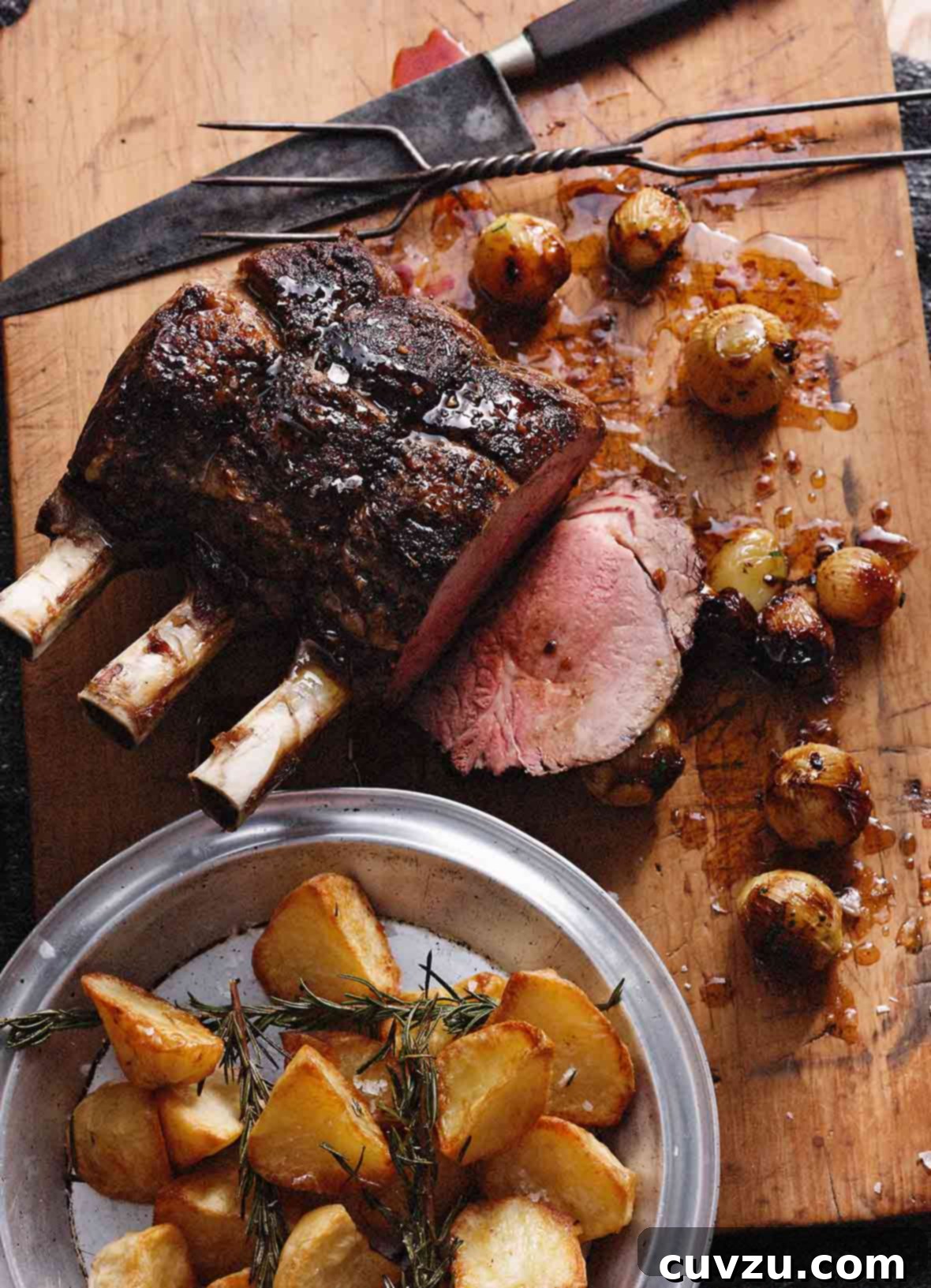
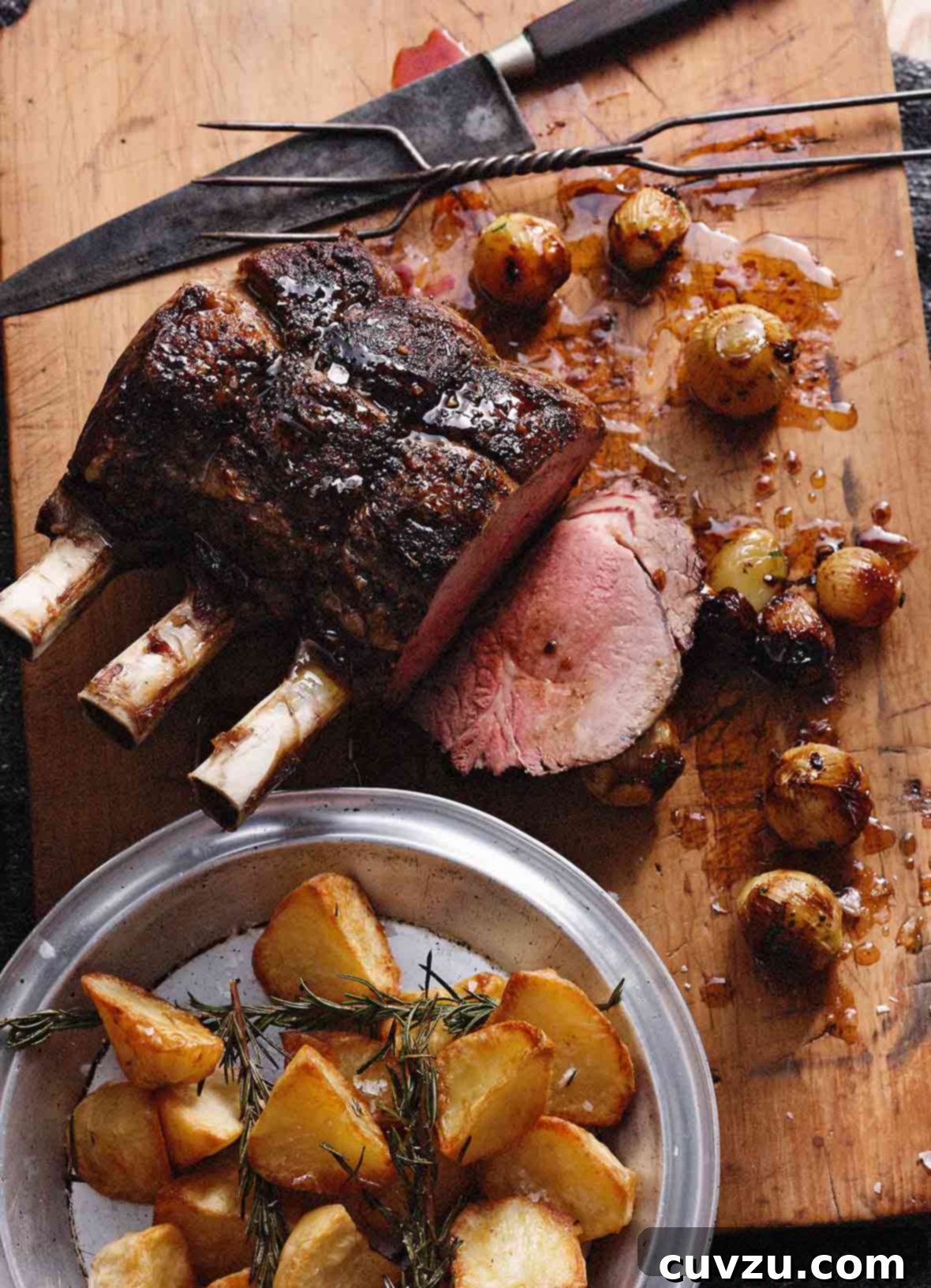
Few dishes command attention quite like a perfectly roasted standing rib roast. With its impressive stature, succulent meat, and rich, savory flavor, it’s the quintessential centerpiece for any special occasion. Whether you’re planning an elaborate Christmas dinner, a festive holiday gathering, or simply a magnificent Sunday supper, this recipe offers a surprisingly simple, practically foolproof method to achieve culinary greatness. Forget the intimidation often associated with such a grand cut of beef; we’re here to guide you through every step, ensuring a show-stopping dish that will earn rave reviews from your family and guests. Prepare to impress with minimal stress!
Standing Rib Roast vs. Prime Rib: Clarifying the Confusion
A common point of confusion among home cooks and even seasoned chefs is the distinction between “standing rib roast” and “prime rib.” The good news? For all practical purposes, they refer to the same glorious cut of beef. This luxuriously indulgent cut is sometimes labeled “prime rib roast” or simply “rib roast” at the butcher counter. When this magnificent section of beef is sliced into individual steaks, it transforms into the beloved rib eye, whether it retains its bone or is skillfully deboned.
The term “prime rib” historically referred to beef graded “Prime” by the USDA, indicating the highest quality with abundant marbling for exceptional tenderness and flavor. While you can certainly purchase a rib roast that is USDA Prime grade, the term “prime rib” has become so widely used that it often refers to the cut itself, regardless of its specific grade. A standing rib roast is essentially several unsliced bone-in rib eye steaks, presented upright (standing on end) in an impressive formation. This architectural presentation is not just for show; the bones help insulate the meat during cooking, contributing to a more even roast and intensifying flavor.
Understanding this distinction is key when you’re at the butcher shop. Don’t be afraid to ask your butcher for a “standing rib roast” or “rib roast.” They’ll typically understand you’re looking for that impressive, bone-in cut from the rib section of the steer. While USDA Prime is undoubtedly excellent, a high-quality USDA Choice grade rib roast will also yield fantastic results, offering a balance of flavor, tenderness, and value. Look for good marbling – those tiny flecks of fat interspersed within the muscle – as this is what melts during cooking, basting the meat from within and contributing to its incomparable juiciness and rich beefy flavor.
Choosing Your Roast and Essential Preparation Tips
Selecting the right standing rib roast is the first step towards a magnificent meal. For four generous servings, aim for a roast with four bones, which typically weighs at least 3 ½ pounds (1.6 kg) and can often be larger. Consider the number of guests you’re serving; generally, allocate about 1 pound per person for a bone-in roast. When at the butcher, don’t hesitate to ask them to “french” the bones if you desire a more elegant presentation. Frenching involves trimming away the meat and fat from the ends of the rib bones, exposing them for a clean, sophisticated look. This step is purely aesthetic and doesn’t impact the taste, but it does add a touch of professional flair to your holiday table.
Once you’ve brought your roast home, proper preparation is crucial for success. The most vital step is to allow the roast to come to room temperature before cooking. This process, known as tempering, ensures that the meat cooks more evenly from edge to center. A cold roast will cook unevenly, potentially resulting in an overcooked exterior and a rare interior. Remove the roast from the refrigerator at least an hour before you plan to cook it, placing it on a wire rack set over a plate. This allows air to circulate around the roast and any excess moisture to drain away, contributing to a better sear.
While the roast is tempering, prepare your seasoning. A simple yet effective blend of coarse sea salt and freshly ground black pepper is all this premium cut needs. The beauty of a standing rib roast lies in its inherent flavor, which should be enhanced, not masked. Generously rub this salt and pepper mixture all over the beef, ensuring every surface is seasoned. The salt will begin to draw out some moisture, then reabsorb it, helping to tenderize the meat and create a delicious crust during cooking. This initial seasoning is paramount for building deep, complex flavors.
The Cooking Process: Searing and Slow Roasting
This recipe employs a classic technique that combines high-heat searing with low-temperature roasting – a method that locks in juices and develops a beautiful, flavorful crust while ensuring the interior cooks to your desired doneness. Before you begin, preheat your oven to a moderate 300°F (148°C). This lower temperature allows the roast to cook gently, minimizing the risk of overcooking and ensuring tenderness.
Searing is the first critical step. In a large, ovenproof skillet or roasting pan, heat a combination of butter and olive oil over medium-high heat until it shimmers and is almost, but not quite, smoking. The butter adds a rich, nutty flavor and contributes to browning, while the olive oil helps prevent the butter from burning at high temperatures. Carefully place the standing rib roast into the hot pan, fat-side down, and sear it without moving for 4 to 5 minutes. This initial sear creates a rich, brown crust through the Maillard reaction, developing incredible flavor and texture. Resist the urge to move the meat during this time, allowing that perfect crust to form.
After the initial sear, carefully turn the roast to sear the other side for another 5 minutes. Once both sides are beautifully browned, remove the roast from the pan. At this point, carefully pour off any accumulated hot fat from the pan. This step is important to prevent smoking and ensures your onions and garlic don’t become greasy. Add the remaining butter and oil to the pan, return it to medium-high heat, and add the peeled pearl onions and finely chopped garlic. Toss them to coat in the sizzling butter, allowing them to soften slightly and begin to caramelize, absorbing the rich flavors left behind by the beef.
Nudge the aromatic onions and garlic to the sides of the pan, making space for your magnificent standing rib roast back in the center, top-side up. This arrangement allows the roast to continue cooking while the onions and garlic slowly confit in the pan juices, becoming wonderfully tender and sweet. Transfer the entire pan to the preheated oven. Now, the magic of low-and-slow roasting takes over. Stir the onions occasionally to ensure even cooking and prevent sticking. The roasting time will vary depending on the size of your roast and your desired level of doneness. For a perfect medium-rare, anticipate approximately 1 hour, or until an instant-read thermometer inserted into the thickest part of the meat (avoiding the bone) registers between 135°F to 140°F (57°C to 60°C). Remember, a thermometer is your best friend for precise results.
Doneness Guide for Standing Rib Roast
- Rare: 120-125°F (49-52°C)
- Medium-Rare: 130-135°F (54-57°C) – Recommended for optimal flavor and texture.
- Medium: 135-140°F (57-60°C)
- Medium-Well: 140-145°F (60-63°C)
- Well-Done: 145-150°F (63-66°C) – Not generally recommended for rib roast, as it can dry out.
The All-Important Rest and Finishing Touches
Once your standing rib roast reaches its target temperature, remove it from the oven and transfer it to a clean cutting board. This is where patience pays off – do not cut into the roast immediately! Allowing the meat to rest, uncovered, for 10 to 15 minutes is a critical step. During this resting period, the muscle fibers relax, allowing the juices to redistribute evenly throughout the roast. If you slice it too soon, those precious juices will run out, leaving you with a drier, less flavorful piece of meat. Placing it in a warm spot helps maintain its temperature without continuing to cook it.
While the roast rests, turn your attention to the delicious pan juices and caramelized onions. If there’s any excess fat on the surface of the pan juices, you can skim it off and discard it for a lighter sauce. Add a generous handful of finely chopped flat-leaf parsley to the onions in the pan and stir to combine, allowing the fresh herbs to infuse their flavor into the rich juices. You can return the pan to the turned-off oven to keep the sauce warm. As the roast rests on the cutting board, it will release additional flavorful juices; be sure to tip these into the pan with the onions and stir them in. This liquid gold is the foundation for an incredible accompaniment to your roast.
Finally, the moment of truth: carving. Carve the roast between the ribs to yield individual portions, ensuring each serving has a bone for maximum flavor and presentation. For a 4-bone roast, this will typically yield 4 perfect portions. Spoon the savory onions and rich pan juices generously over each slice of meat, or present them in a separate bowl for guests to serve themselves. Pair this magnificent roast with classic sides like creamy mashed potatoes, roasted root vegetables, or a crisp green salad to complete your unforgettable meal.
The Recipe: Standing Rib Roast
Standing Rib Roast
5 / 3 votes
David Leite
Video
Ingredients
- 1 standing rib roast with 4 bones (at least 3 1/2 lbs [1.6 kg] and quite possibly more), frenched, if desired
- 1 tablespoon coarse sea salt
- 2 teaspoons freshly ground black pepper
- 5 1/2 tablespoons (2 1/4 oz) unsalted butter
- 2 tablespoons olive oil
- 12 small fresh pearl onions, peeled
- 3 cloves garlic, finely chopped
- Handful flat-leaf parsley leaves, finely chopped
Instructions
-
Remove the standing rib roast from the refrigerator and place it on a wire rack set on a plate. In a small bowl, combine the salt and pepper and rub it all over the beef. Let rest at room temperature for 1 hour.
-
Preheat the oven to 300°F (148°C).
-
In a large, ovenproof skillet or roasting pan over medium-high heat, heat half the butter and half the oil until almost but not quite smoking. Add the beef, top-side down, and sear, without moving, for 4 to 5 minutes.
-
Carefully turn it over and cook for another 5 minutes. Remove the meat from the pan and carefully pour off the hot fat that’s in the pan.
-
Carefully add the remaining butter and oil to the pan and return it to medium-high heat, tilting the pan and swirling the butter so it sizzles. Add the onions and garlic and toss to coat in the butter.
-
Nudge the onions and garlic to the side of the pan and place the standing rib roast in the center, top-side up. Place the pan in the oven and roast, stirring the onions from time to time, until the roast reaches the desired doneness, about 1 hour for medium-rare, or 135°F to 140°F (57°C to 60°C) on an instant-read thermometer.
-
Move the standing rib roast to a cutting board, set it in a warm place, and let it rest, uncovered, for 10 to 15 minutes.
-
Meanwhile, if desired, spoon any excess fat from the surface of the pan juices and discard. Add the parsley to the onions in the pan and stir to coat with the juices. Return the pan to the turned-off oven to keep the juices warm while the roast rests. Tip any juices from the cutting board into the pan with the onions and stir to combine.
-
Carve the roast between the ribs to yield 4 portions of meat with a bone in each. Spoon the onions and juices over the meat or pass them on the side.
Adapted From
Grillhouse: Gastropub at Home
Buy On Amazon
Explore More with AI
Substitutions
Scale
Summarize
Nutrition
Calories: 1256 kcal
Carbohydrates: 10 g
Protein: 48 g
Fat: 113 g
Saturated Fat: 49 g
Monounsaturated Fat: 49 g
Trans Fat: 1 g
Cholesterol: 247 mg
Sodium: 1902 mg
Fiber: 2 g
Sugar: 4 g
Nutrition information is automatically calculated, so should only be used as an approximation.

Tried this recipe?
Mention @leitesculinaria or tag #leitesculinaria!
Recipe Testers’ Reviews: Real Feedback for Real Cooks
We believe in recipes that work, every time. That’s why every dish published on Leite’s Culinaria goes through a rigorous testing process by a panel of passionate home cooks. Read on to see what our trusted recipe testers had to say about this standing rib roast, offering their honest insights and tips for your own culinary adventure.
Kristen Kennedy
This standing rib roast recipe truly exceeded all expectations. It’s incredibly straightforward, yet it consistently delivers a perfectly cooked, exquisitely seasoned piece of meat that will leave everyone speechless. I decided to add small potatoes to the pan alongside the onions, and they came out perfectly roasted, soaking up all the delicious pan juices. Are you noticing a pattern here? This recipe is sheer perfection, making an impressive dish attainable for any home cook. It’s a definite keeper for holidays and special gatherings!
Sofia Reino
Let me begin by saying that I was unable to find a full standing rib roast at my local butcher, so I opted for three beautifully sized bone-in rib eye steaks instead. Despite this slight modification, I followed the recipe meticulously, apart from a slightly shorter time in the oven due to the smaller cut. The final product was utterly outstanding. The flavors were clean and simple, allowing the natural richness of the beef to shine through, and the meat itself was cooked to absolute perfection.
This recipe is surprisingly easy to execute and will undoubtedly impress your family and guests alike. I can envision this being the ideal meal for any special occasion, such as a memorable Thanksgiving dinner (for those who prefer not to serve turkey) or a magnificent Christmas feast. It’s a recipe that delivers big on flavor and presentation without demanding complex culinary skills.
In conclusion, mastering the standing rib roast is an achievable goal with this simplified, yet incredibly effective, recipe. From understanding the cut to perfecting the sear and roast, every step is designed to ensure a tender, flavorful, and visually stunning result. This dish is more than just a meal; it’s an experience, a celebration of good food and cherished company. Embrace the elegance, savor the flavors, and make your next special occasion truly unforgettable.