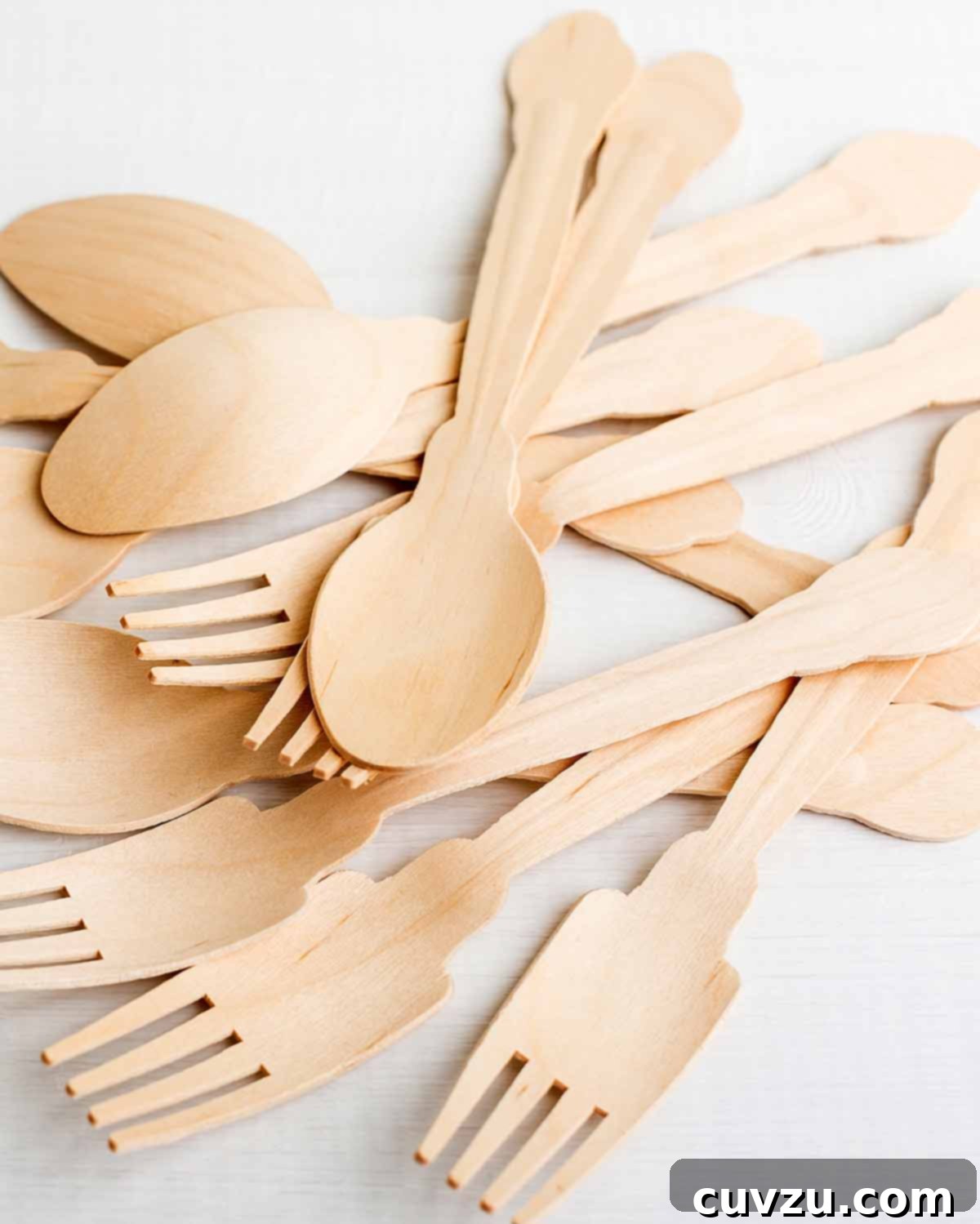
In a world increasingly conscious of its environmental footprint, disposable bamboo utensils have emerged as a popular alternative to their plastic counterparts. They promise an eco-friendlier way to enjoy meals on the go or during social gatherings. But a common question lingers: Are these handy bamboo tools truly reusable, or are they meant for a single purpose? The culinary experts behind “Never Cook Naked” delve into this dilemma, offering insightful, if somewhat startling, advice that might change how you view your bamboo cutlery.
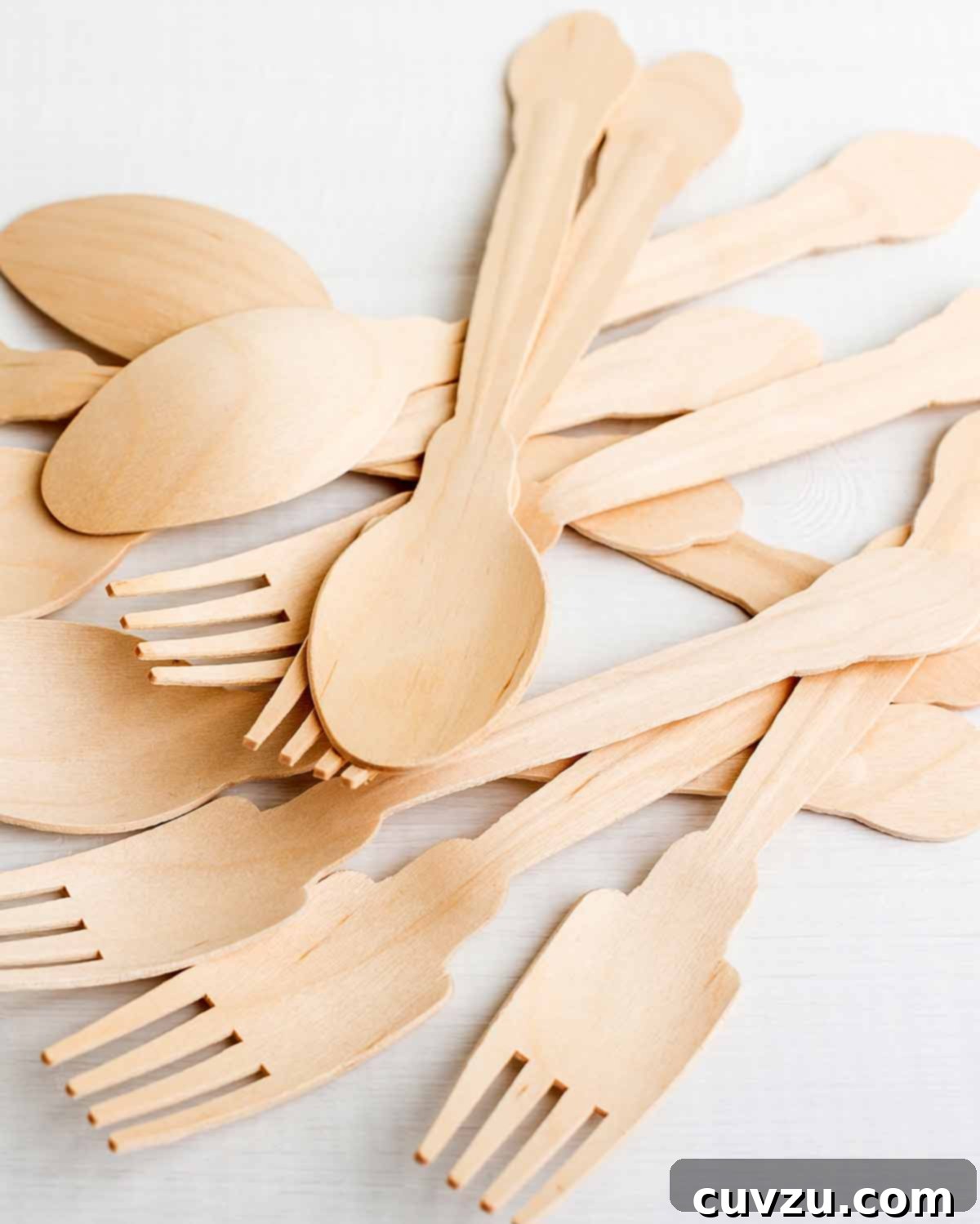
Decoding Disposable Bamboo Utensils: Are They Really Reusable?
As consumers increasingly seek sustainable alternatives, bamboo utensils have surged in popularity, offering a natural and aesthetically pleasing option for picnics, parties, and everyday dining. They present a compelling visual appeal and the promise of environmental responsibility. However, the label “disposable” often accompanies these products, leading to a significant point of confusion for many eco-minded individuals. Can these seemingly robust, earth-friendly tools be washed and reused, or are they strictly single-use items?
The Disposable Dilemma: Understanding the Label
The term “disposable” carries a clear implication: designed for a single use and then discarded. Yet, when faced with attractive, sturdy bamboo cutlery, it’s natural to wonder if a quick wash could extend their life, especially given their eco-conscious origins. Many consumers, like our inquisitive reader “Bamboo Babe,” are eager to make the most of their sustainable choices, questioning if the “disposable” label is merely a suggestion rather than a strict instruction.
The “Never Cook Naked” experts, ever direct and discerning, cut straight to the chase: the word “disposable” is not a marketing gimmick; it’s a fundamental description of the product’s intended lifecycle. While the desire to reuse and reduce waste is commendable, overlooking this crucial detail can have unforeseen consequences, particularly concerning hygiene and food safety. The core issue lies not just in the label, but in the inherent properties of the material itself.
The Porosity Problem: Why Bamboo Absorbs
Unlike non-porous materials such as stainless steel or glass, most disposable bamboo dinnerware is not treated with heavy sealants or waterproof coatings. This lack of treatment is often what makes them biodegradable and compostable, aligning with their eco-friendly appeal. However, this natural state also leaves them highly porous, meaning they readily absorb liquids and microscopic particles.
Consider the typical meal: fats from dressings or meats, sugars from desserts, and proteins from various dishes. When these substances come into contact with porous bamboo, they don’t just sit on the surface; they seep into the fibers. Over time, and especially after reuse, these absorbed residues can become problematic:
- Fats: Trapped fats can go rancid, imparting an unpleasant, stale taste and odor to subsequent meals. This is not only unappetizing but can also indicate the breakdown of food components.
- Sugars: Sugars provide a fertile breeding ground for bacteria and yeasts. Once absorbed, they can ferment, leading to sour flavors and potentially supporting microbial growth that compromises food safety.
- Proteins: Proteins, the most concerning of the three, are prime targets for bacterial contamination. Residues can decompose, fostering the growth of harmful pathogens that are not easily removed by a simple wash. Consuming food from utensils contaminated with bacterial proteins can lead to foodborne illnesses, ranging from mild discomfort to severe health risks.
The “Never Cook Naked” team emphasizes the health implications, pointing out that dealing with unseen bacterial growth is a risk many would prefer to avoid. The microscopic world of absorbed food particles creates an environment where hygiene becomes incredibly difficult to maintain with standard washing methods.
The Paradox of “Reusable Disposable”: Decoding Manufacturer Claims
Adding to the confusion is the emergence of products labeled with the oxymoronic phrase “reusable disposable.” This label often suggests that while the items are designed for convenience and eventual disposal, they can withstand a few gentle washes. However, the experts caution against interpreting this as a green light for thorough sanitization.
Manufacturers who suggest limited reuse typically advise a very gentle cleaning process: wiping off food remnants with a damp paper towel and warm water. The key here is the *absence* of harsh detergents or sanitizers. Why? Because these chemicals, much like food particles, can also be absorbed by the porous bamboo. Once absorbed, they can leach back out into your food at the most inconvenient times, tainting flavors and potentially posing health concerns from chemical ingestion.
While this gentle wiping might remove visible food, it does little to address the microscopic residues and bacterial biofilms that may have developed within the bamboo’s fibers. The “Never Cook Naked” columnists are unequivocal in their skepticism: “Truth be told, we don’t feel that’s truly sanitary.” A superficial wipe falls far short of what’s required for true hygiene, especially when dealing with items that come into direct contact with food and mouths.
Beyond a Simple Wipe: Why Sanitization Matters
For items to be truly reusable in a hygienic sense, they need to withstand proper cleaning and sanitization. This usually involves hot water, effective detergents, and often high-temperature drying or chemical sanitizers to kill bacteria and prevent cross-contamination. Disposable bamboo, by its very nature and common treatment (or lack thereof), simply isn’t designed for this rigorous process.
When you wash porous bamboo, water and soap penetrate the material. While some food particles might be dislodged, others remain deeply embedded. Furthermore, if the bamboo does not dry completely and quickly, residual moisture within its fibers creates an ideal environment for mold and mildew growth, adding another layer of health risk and unpleasantness.
The contrast with durable, non-porous reusable dinnerware is stark. Stainless steel, ceramic, and glass can be thoroughly scrubbed, boiled, or run through a dishwasher at high temperatures, ensuring that all food residues and pathogens are effectively eliminated. This level of cleanliness is simply unattainable for most disposable bamboo products, rendering their reuse a gamble with hygiene.
Making Informed Choices: Balancing Eco-Consciousness and Health
The desire to be environmentally responsible is admirable, and switching from plastic to bamboo is a positive step. However, it’s crucial to understand the limitations of “disposable” items, even when they are eco-friendly. If your primary goal is to reduce waste by reusing items, then investing in truly durable, reusable cutlery is the more effective and safer option.
For those occasions where disposable items are necessary – perhaps for a large gathering, camping, or a picnic where washing facilities are limited – bamboo certainly shines as a superior alternative to plastic. It’s biodegradable and compostable, meaning it will return to the earth without leaving behind long-lasting plastic pollution. In these scenarios, adhering to its single-use design is the safest and most practical approach. The environmental benefit of choosing bamboo over plastic is still significant, even if it’s discarded after one use.
For Truly Reusable Bamboo Products: Care Tips
It’s important to distinguish between disposable bamboo utensils and durable bamboo kitchenware, such as cutting boards, salad servers, or long-lasting cutlery sets designed for repeated use. These durable items are typically thicker, often treated with food-safe oils or sealants, and built to withstand repeated washing.
If you own truly reusable bamboo products, proper care is essential to maintain their longevity and hygiene:
- Hand Wash Immediately: Avoid prolonged soaking, as this can lead to cracking, warping, and increased absorption.
- Mild Soap and Warm Water: Use a gentle dish soap and warm water. Avoid abrasive scrubbers that can damage the surface.
- Rinse Thoroughly: Ensure all soap residue is removed.
- Dry Completely: Air dry immediately and thoroughly. Do not leave bamboo items wet, as this promotes mold growth. Store them in a dry place.
- Oil Regularly: For durable bamboo, occasional oiling with food-grade mineral oil or beeswax can help maintain its integrity, prevent drying out, and reduce porosity.
The “Never Cook Naked” Verdict: Prioritizing Safety and Comfort
The “Never Cook Naked” columnists, with their characteristic blend of wit and practicality, deliver a clear message regarding disposable bamboo utensils: err on the side of caution. While the intention to be eco-friendly is commendable, compromising on food safety is rarely a good trade-off.
When hosting guests, whether for a socially distanced backyard gathering or a more intimate meal, the comfort and safety of your invitees should be paramount. Presenting them with fresh, uncontaminated utensils is a simple yet crucial aspect of good hospitality. The idea of offering a guest a potentially unsanitary “reused disposable” utensil is unappealing, to say the least.
So, the next time you reach for those charming bamboo forks and spoons, remember their primary design purpose. If they are labeled “disposable,” treat them as such. Enjoy their eco-friendly benefits for a single use, and then dispose of them responsibly. If true reusability is your goal, invest in durable, long-lasting alternatives that can withstand proper, rigorous cleaning. Your health, and the peace of mind of your guests, will thank you.
Our very clever, very clothed Never Cook Naked columnists are at your disposal, able to troubleshoot everything from questionable table etiquette to tricky cooking techniques (as well as, natch, proper cooking attire). Curious to learn more solutions to culinary conundrums? Just ask! Drop us a comment below.
Originally published July 19, 2012.