The Ultimate Guide to Thanksgiving Stuffing & Dressing Recipes
Thanksgiving dinner holds a special place in our hearts, filled with cherished traditions, warm gatherings, and, of course, an unforgettable feast. While the magnificent roast turkey often takes center stage, it’s the array of delectable side dishes that truly completes the holiday experience. Among these, few inspire as much passion and debate as stuffing and dressing. Whether you prefer it baked inside the turkey, absorbing all those rich juices, or cooked separately to achieve a perfectly crisp exterior, this carb-loaded, savory-sweet glory is undeniably a cornerstone of the festive table.
You’ve probably already planned your Thanksgiving turkey, considered some convenient make-ahead side dishes, and perhaps even daydreamed about luscious desserts. But let’s be honest, for many of us, the real star of the show – the dish we eagerly anticipate all year – is the stuffing. Or is it dressing? The delightful confusion surrounding these two terms is part of their charm, and we’re here to demystify it all.
Decoding the Great Debate: Stuffing Versus Dressing
For many, particularly those of us who grew up simply calling everything “stuffing,” the distinction between stuffing and dressing can seem a bit blurry. Historically and culturally, however, there’s a significant difference that sparks spirited discussions around the holiday table. The primary distinction lies in one simple factor: where it’s cooked.
Stuffing, by traditional definition, refers to the bread-based mixture that is literally “stuffed” inside the cavity of the turkey (or other poultry) before roasting. This method allows the bread to absorb the savory juices and flavors of the bird as it cooks, resulting in an incredibly moist and flavorful dish. It often has a softer, more yielding texture due to the trapped moisture and direct contact with the roasting bird. The appeal of stuffing lies in that deep, inherent turkey flavor it acquires.
Dressing, on the other hand, is prepared and baked separately in a casserole dish outside of the turkey. This method allows for a wider range of textures, often featuring a beautifully crisp, golden-brown top layer while remaining tender and moist underneath. It offers greater control over consistency and is often preferred for food safety reasons, as it eliminates the need to ensure the stuffing inside the bird reaches a specific internal temperature, which can sometimes be a challenge with larger birds. Dressing also allows for more experimentation with toppings and crusts.
While the terms are often used interchangeably in casual conversation, especially in different regions (dressing is more common in the Southern U.S., while stuffing is prevalent in the North), understanding this fundamental difference can elevate your Thanksgiving cooking. For a deeper dive into the nuances, regional preferences, and the pros and cons of each, be sure to explore our comprehensive article:
WHAT’S THE DIFFERENCE BETWEEN STUFFING AND DRESSING?

Crafting the Perfect Side: Essential Stuffing and Dressing Ingredients
Regardless of whether you call it stuffing or dressing, these beloved dishes share a core set of ingredients that, when combined, create that unmistakable comfort food experience. The beauty lies in the versatility and the endless possibilities for customization, allowing you to tailor the dish to your family’s preferences. Here are the foundational elements:
-
The Foundation: Bread
The type of bread you choose dramatically impacts the final texture and flavor. Stale bread (ideally 1-2 days old) is key, as fresh bread tends to become overly soggy and mushy when combined with liquids. Cubing the bread and letting it air-dry overnight, or gently toasting it in the oven, helps it absorb moisture without falling apart, ensuring a desirable texture. Popular choices include:
- Sandwich Bread: A neutral base, perfect for allowing other flavors to shine through without competition.
- Sourdough: Adds a delightful tang and a more robust, chewy texture, contributing complexity.
- Brioche: Contributes incredible richness and a slightly sweet, buttery note, resulting in a very tender and flavorful dish.
- Cornbread: A cherished Southern classic, offering a unique crumbly texture and a distinctive sweet-savory depth.
- Challah or Crusty French Bread: Provide a sturdy structure and excellent flavor absorption, often used for heartier stuffings.
-
The Liquid Gold: Stock
Stock is crucial for moistening the bread and infusing deep, savory flavor throughout the dish. The choice of stock can subtly steer the dish’s overall profile, enhancing other ingredients:
- Chicken Stock: The most common choice, offering a balanced, savory base that complements most ingredients.
- Vegetable Stock: Ideal for vegetarian versions, or when a lighter, cleaner flavor is desired.
- Beef Stock: Adds a richer, deeper umami profile, pairing exceptionally well with heartier additions like mushrooms or robust meats.
- Turkey Stock: Made from turkey giblets or bones, it perfectly complements the main bird and adds an authentic Thanksgiving taste.
-
Savory Additions: Meats & Beyond
While a simple bread stuffing is delicious on its own, adding meat or seafood introduces another layer of flavor, richness, and textural interest. Pork, particularly sausage, is a traditional favorite. However, adventurous cooks often explore other options:
- Pork Sausage: A beloved staple, offering a savory, often spiced (mild or hot), kick that melds beautifully with bread and aromatics.
- Bacon: Adds smoky, salty notes and a delightful crispness when rendered, infusing the entire dish with its distinctive aroma.
- Oysters, Shrimp, or Crab: Popular in coastal regions, these add a unique briny, sweet, and delicate flavor, creating a truly special holiday dish.
-
Aromatic & Fresh: Fruits, Vegetables, and Herbs
These ingredients provide essential texture, freshness, and complex flavors that balance the richness of the bread and any added meats. Sautéing aromatics like onions and celery before adding them is key to building a deep, savory flavor base:
- Vegetables: Onions (yellow, white, or red), celery, leeks, garlic, and various mushrooms (wild mushrooms, such as shiitake or cremini, add an earthy depth).
- Fruits: Apples (for sweetness, tartness, and moisture), prunes (for a deep, complex sweetness and chewiness), and cranberries (for bright tartness that cuts through richness).
- Herbs: Fresh sage, thyme, and rosemary are quintessential Thanksgiving flavors, providing an aromatic backbone. Parsley adds freshness and color. Dried herbs can be used, but fresh often offers superior flavor.
-
The Binding Agents: Eggs & Fats
Eggs are often used to bind the ingredients together, providing structure and helping the stuffing hold its shape, especially in dressing. Butter or olive oil are essential fats, used to sauté aromatics and coat the bread, contributing richness and helping to achieve a golden crust.
Ultimately, whether you lean towards a “stressing” (stuffing + dressing) or a “druffing” (dressing + stuffing) – as some playfully call it – the goal is a dish that brings comfort, joy, and unforgettable flavor to your holiday table. We’ve certainly never met a version we didn’t adore! Have you?

Our Curated Collection of Thanksgiving Stuffing & Dressing Recipes
Ready to find your perfect recipe? We’ve gathered some of our all-time favorite stuffing and dressing creations, each promising to be a memorable addition to your Thanksgiving spread. From time-honored classics to innovative twists, there’s something here for every palate and every cooking style.
Recipe 1 of 6
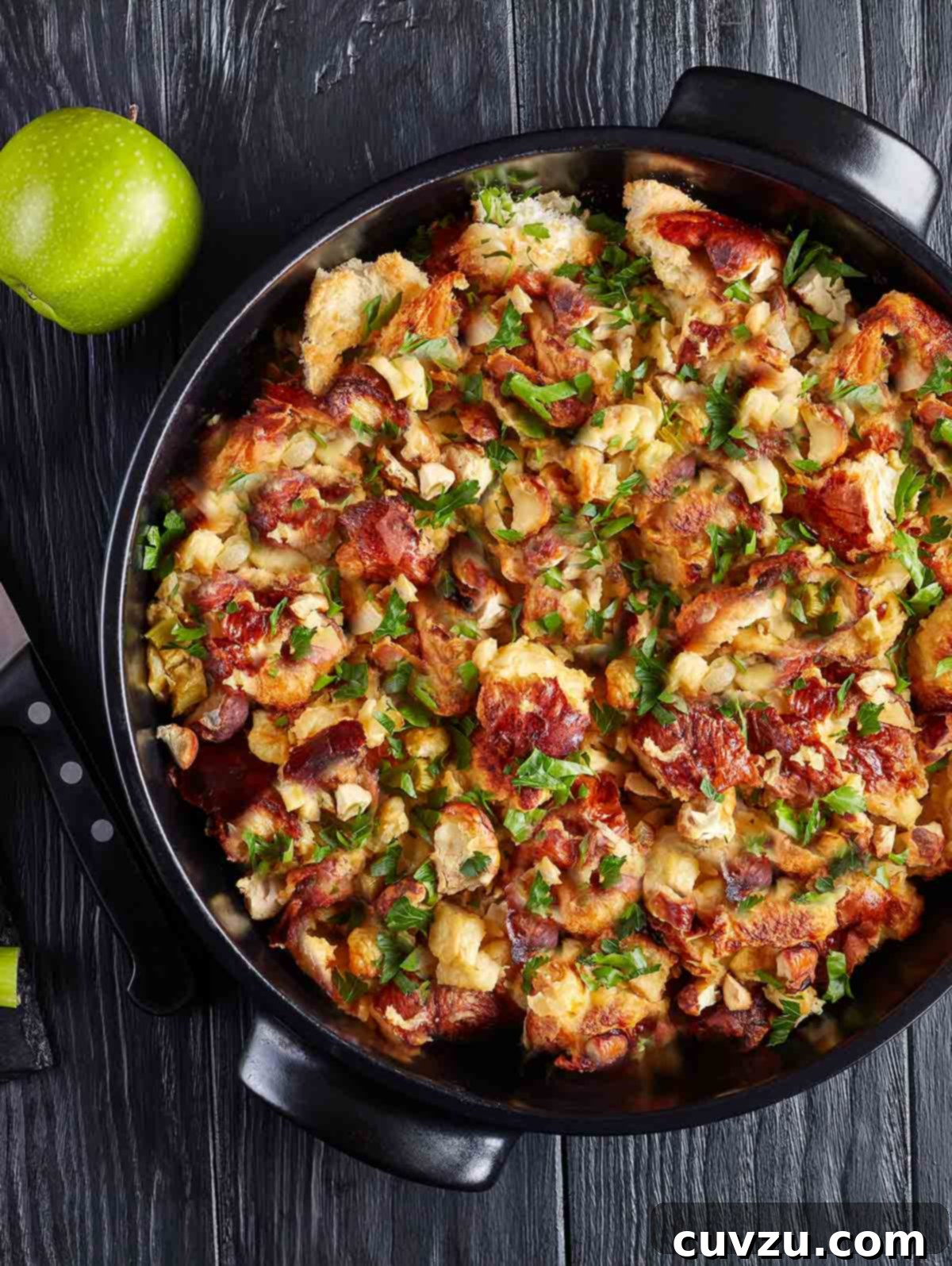
Stuffing with Bacon, Apples, and Onions
This savory stuffing combines the irresistible flavors of crispy bacon, sweet apples, fragrant sage, and tender caramelized onions. A truly classic Thanksgiving side, it’s designed to be versatile, offering delicious results whether cooked inside the turkey for maximum flavor infusion or baked in a dish for a perfectly golden crust. It’s a harmonious blend of sweet, savory, and aromatic notes that will delight everyone at your table, making it an instant family favorite.
“Last year was my second time making turkey with stuffing, and I have to say that I love this stuffing with bacon, apples, and onions. Everyone loved it including my mother-in-law.”
Gabriela
Recipe 2 of 6
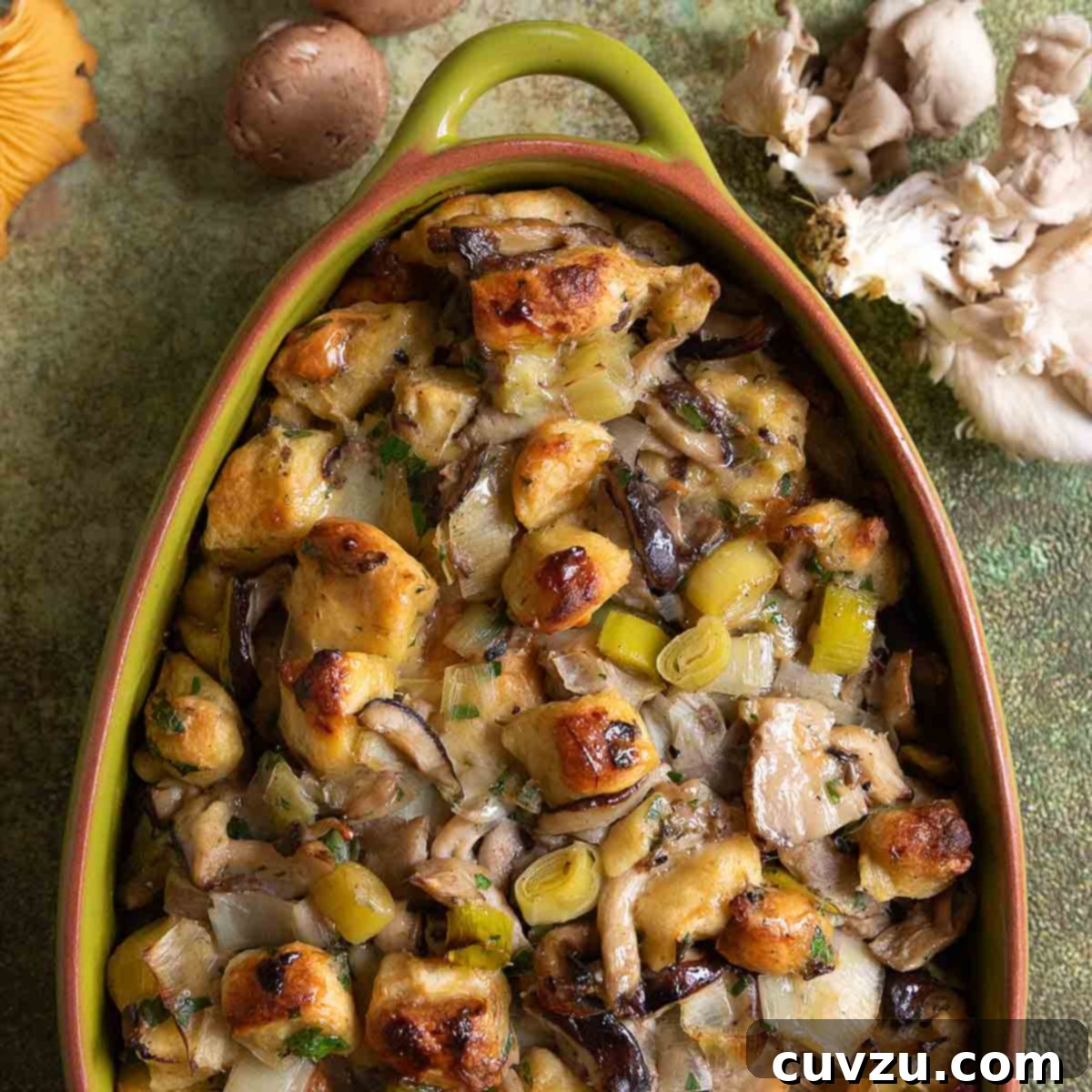
Wild Mushroom Stuffing
Elevate your holiday meal with this exquisite wild mushroom stuffing. Earthy, umami-rich flavors from various wild mushrooms are perfectly complemented by the slightly sweet and buttery notes of brioche bread. This beautiful combination creates a sophisticated and incredibly flavorful side dish that promises to impress even the most discerning palates. It’s a wonderful option for those seeking a more gourmet touch and a departure from traditional offerings, proving that stuffing can be truly elegant.
Recipe 3 of 6
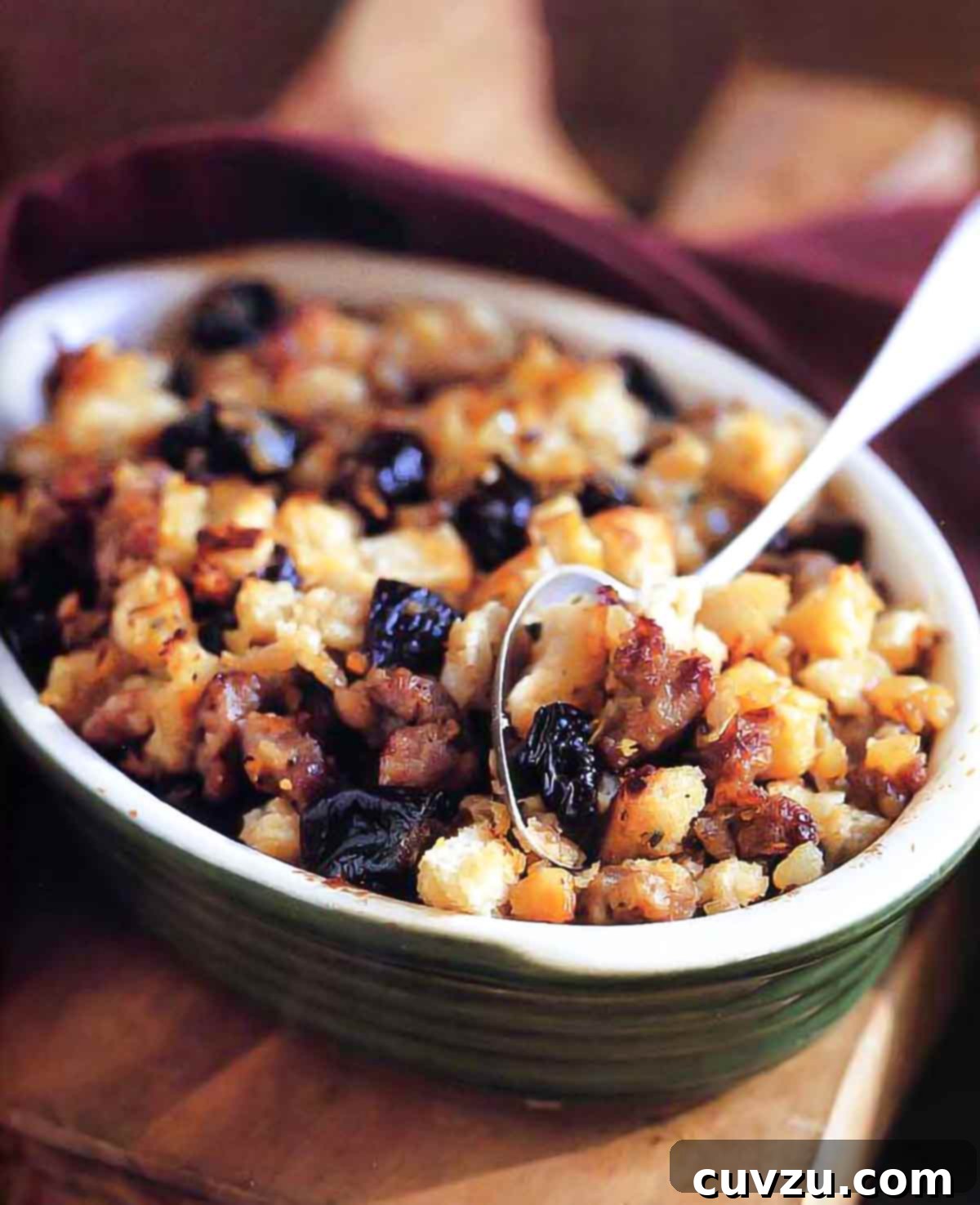
Sourdough Dressing with Sausage and Prunes
Experience a delightful balance of savory and sweet with this unique sourdough dressing. Combining robust pork sausage with the rich, deep sweetness of prunes, this dressing offers a complex flavor profile that beautifully complements Thanksgiving turkey. The distinctive tang of sourdough bread adds another layer of intrigue and sophistication, making it a truly memorable side dish that breaks from the conventional and offers a delightful surprise for your guests.
“This sourdough dressing recipe has become a staple for us, one of our favorites!”
betsey
Recipe 4 of 6
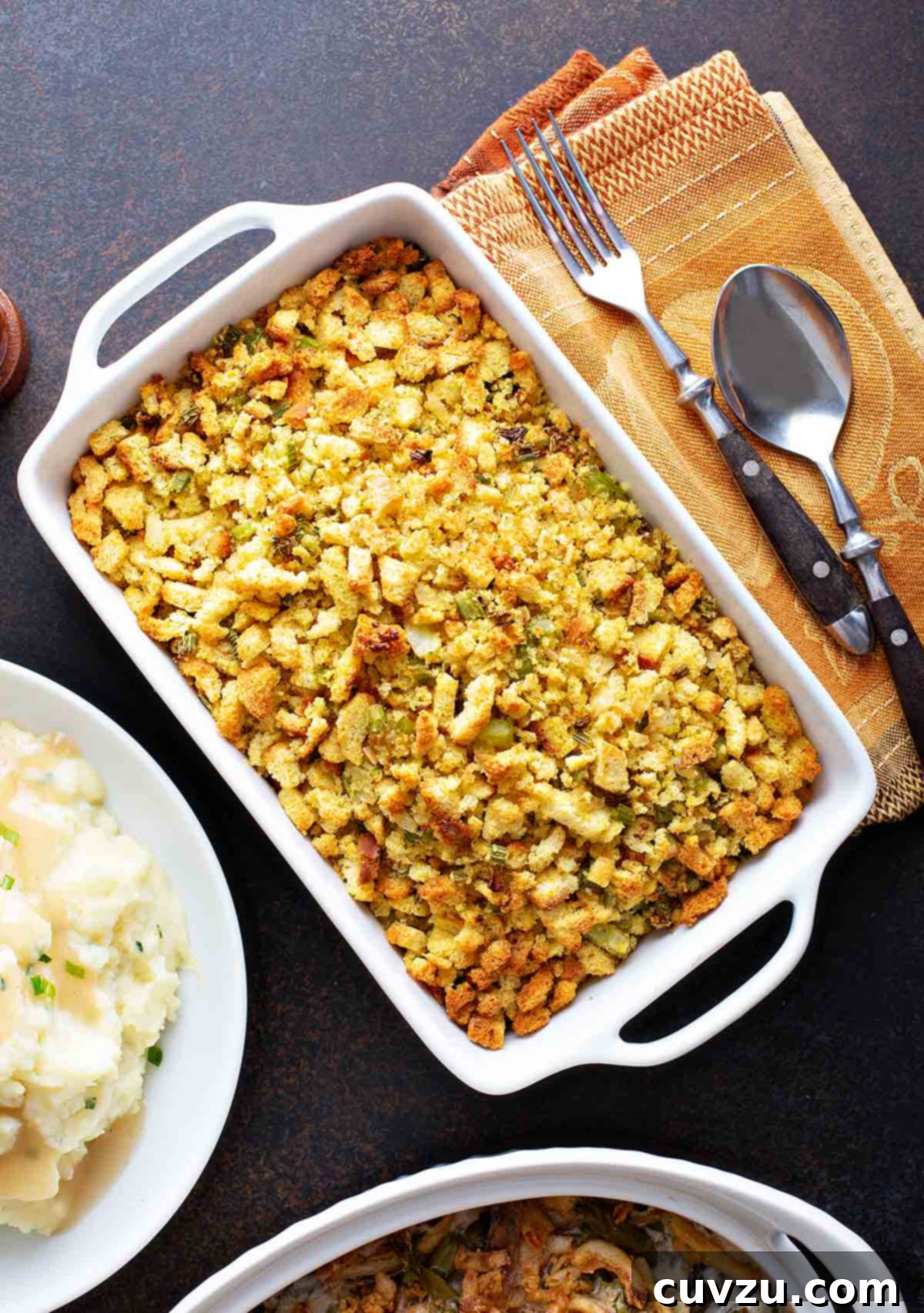
Herbed Bread and Celery Stuffing
Sometimes, simplicity is key, and this herbed bread and celery stuffing delivers classic comfort in every bite. Crafted with fresh celery, fragrant onions, and a generous blend of traditional Thanksgiving herbs like thyme, basil, and parsley, it’s a versatile “blank canvas” stuffing. Enjoy it as-is for a comforting, traditional taste that never goes out of style, or use it as a robust foundation for your own creative embellishments. It’s also incredibly delicious when served alongside roasted chicken, proving its versatility beyond just turkey.
Recipe 5 of 6
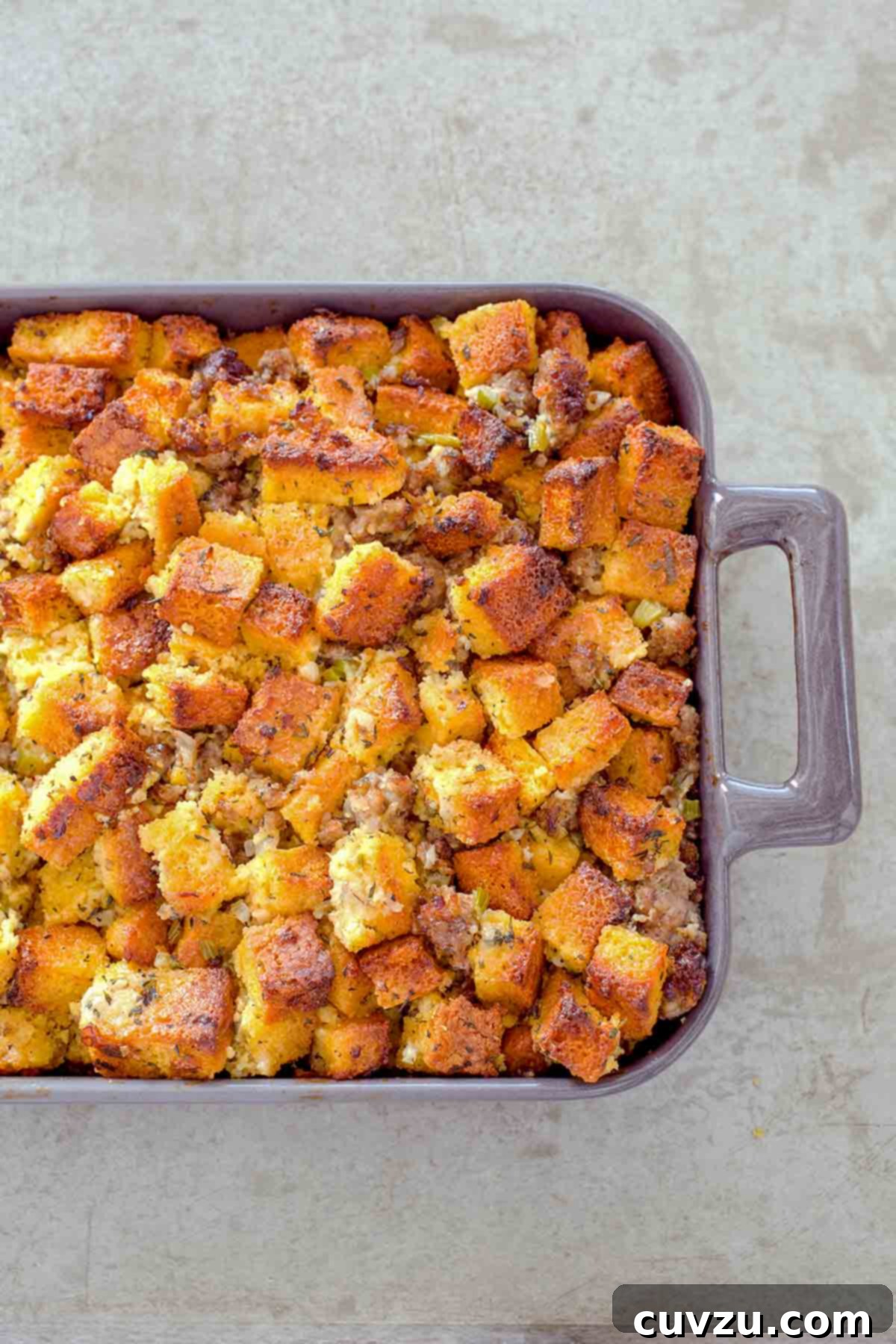
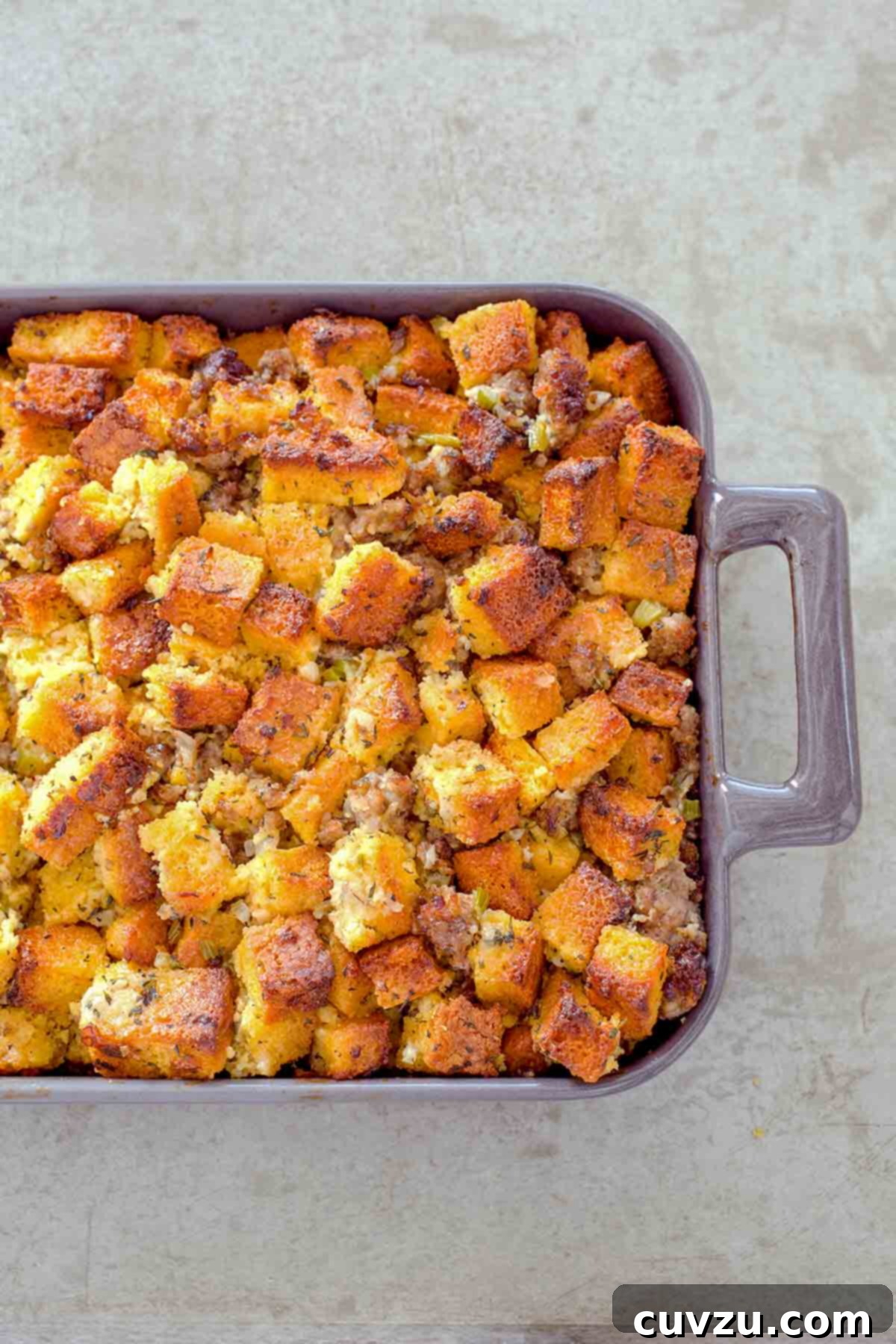
Homemade Cornbread Sausage Dressing
Embrace the warmth of Southern Thanksgiving traditions with this homemade cornbread sausage dressing. Fluffy, savory homemade cornbread cubes are tossed with seasoned pork sausage, expertly sautéed onions, crisp celery, rich chicken stock, and a fragrant medley of herbs. Baked until the surface is beautifully crisp and the interior remains soul-satisfyingly tender, this dish embodies true Thanksgiving comfort food, delivering a taste of home with every single bite. It’s truly a celebration in a dish.
Recipe 6 of 6
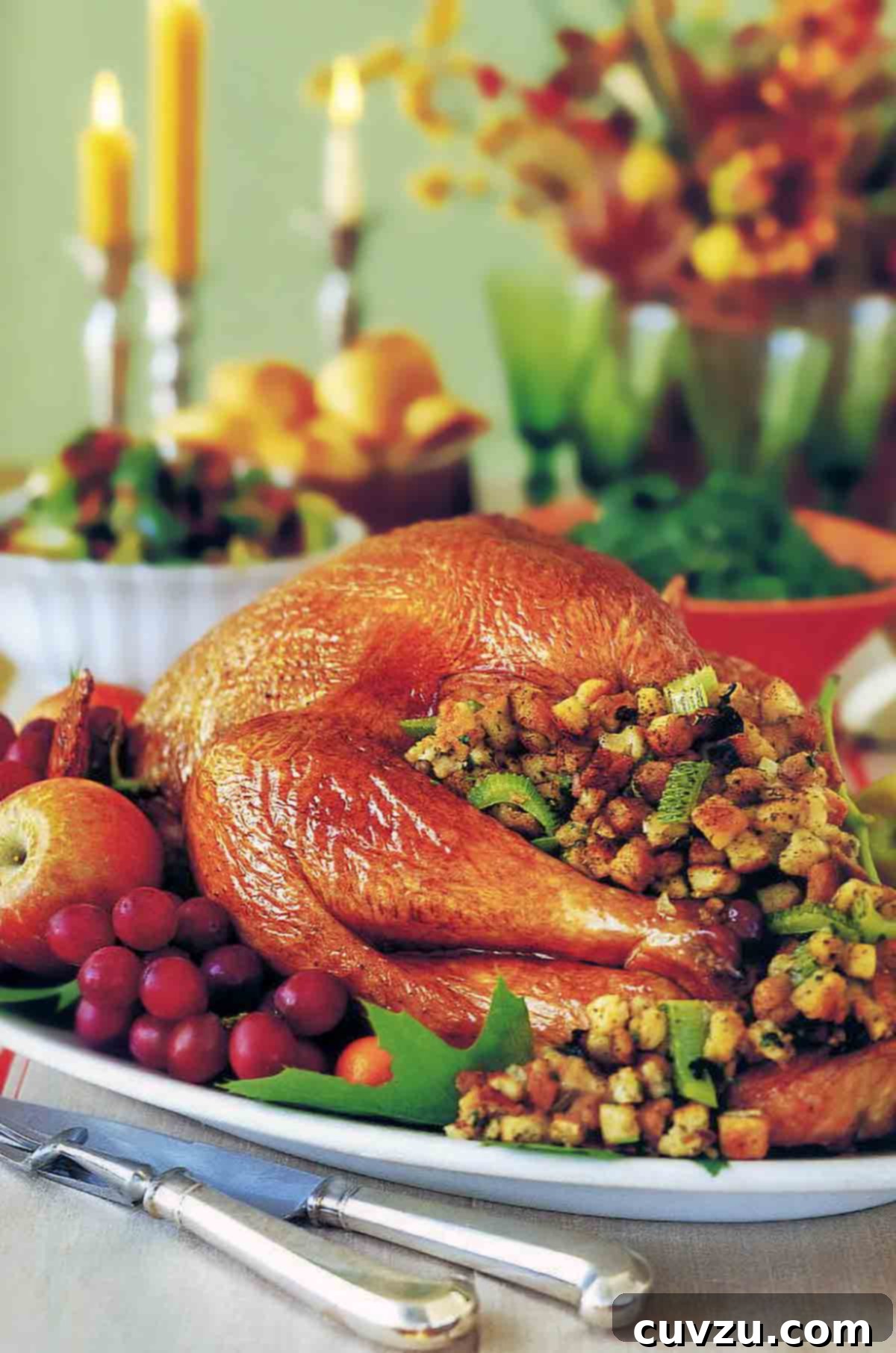
Roast Turkey with Stuffing and Vegetables
While this entry showcases a complete roast turkey, its star side is a simple yet profoundly flavorful bread stuffing. Packed with aromatic herbs, expertly sautéed onions, pungent garlic, and crunchy celery, this stuffing perfectly complements the turkey. The entire platter is enhanced by surrounding it with tender chunks of peeled carrots, parsnips, and onions, creating a harmonious and visually appealing centerpiece for your Thanksgiving table. This comprehensive recipe provides guidance for both roasting a perfect turkey and preparing the delicious stuffing it holds, ensuring a complete and satisfying holiday meal.
Stuffing and Dressing FAQs
While often used interchangeably in everyday conversation, the defining difference between stuffing and dressing is the cooking method and location. Stuffing is traditionally cooked inside the cavity of a turkey or other poultry. This allows it to absorb the bird’s savory juices and moisture, resulting in a deeply flavorful and very tender interior. Dressing, conversely, is prepared and baked in a separate casserole dish outside of the bird. This method often yields a dressing with a beautifully crisp top and edges, and it offers more control over texture and food safety. Both terms generally refer to the same type of bread-based side dish, but the cooking location is the key differentiator that influences flavor, texture, and preparation safety. For an in-depth exploration of this culinary debate, refer to our dedicated article on the difference between stuffing and dressing.
Ensuring proper doneness is crucial for both optimal taste and food safety, especially during holiday meals.
- For stuffing cooked inside a turkey: It is absolutely imperative that the stuffing reaches an internal temperature of 165°F (74°C). This temperature is necessary to ensure that any potential bacteria are killed, making the stuffing safe to consume. Always use a reliable meat thermometer inserted into the deepest part of the stuffing to verify. This is the same critical internal temperature you’ll be looking for when checking your turkey for doneness.
- For dressing baked separately in a dish: Dressing is typically ready when the top is a beautiful golden brown and crispy, while the center feels soft yet set. You can also insert a knife or skewer into the center; if it comes out mostly clean with just a few moist crumbs, it’s usually done. While visual cues are often sufficient, an internal temperature of 165°F (74°C) is also a good guideline if you want to be extra cautious, particularly if it contains raw eggs or meat.
Yes, absolutely! Preparing components of your stuffing or dressing in advance is a fantastic way to reduce stress and workload on Thanksgiving Day, allowing you more time to enjoy with family and guests. Generally, you can prepare several elements up to 1-2 days before baking:
- Bread Cubes: Cube your bread and let it air-dry. You can even toast it and store it in an airtight container.
- Chopped Vegetables & Cooked Meats: Chop all your aromatics (onions, celery, etc.) and cook any meats (sausage, bacon). Store these separately in airtight containers in the refrigerator.
- Assembled Mixture (Uncooked): You can assemble the entire uncooked stuffing or dressing mixture (bread, sautéed aromatics, stock, eggs, herbs, etc.) up to 1 day before baking. Store it tightly covered in the refrigerator.
- Stuffing for Turkey: If you plan to cook stuffing inside the turkey, it is crucial that you do not spoon the stuffing into the bird until just before it goes into the oven. Preparing the stuffing inside the turkey too far in advance can create a hazardous environment for bacterial growth.
- Dressing for Baking: If making dressing, you can assemble it directly in its baking dish, cover it tightly with foil or plastic wrap, and refrigerate it for up to 24 hours. On baking day, allow it to come to room temperature for about 30 minutes before placing it in the oven; you might need to add a few extra minutes to the stated baking time.
Yes, both leftover stuffing and dressing can be successfully frozen, making them perfect for enjoying the flavors of Thanksgiving long after the holiday. Allow the dish to cool completely to room temperature, then transfer it to freezer-safe airtight containers or heavy-duty freezer bags. Ensure as much air as possible is removed to prevent freezer burn. It can be stored in the freezer for up to 3 months. To reheat, thaw overnight in the refrigerator, then transfer to an oven-safe dish. Bake in an oven at 350°F (175°C) until heated through (ideally 165°F or 74°C internal temperature) and crisp. It’s often helpful to cover it with foil for the first part of reheating to prevent it from drying out, then uncover it for the last 10-15 minutes to crisp up the top layer.
No matter which recipe you choose or how you decide to cook it, stuffing or dressing undeniably ranks as a headliner on the Thanksgiving table, perhaps second only to the amazing selection of Thanksgiving desserts. It’s the comforting, savory side that ties the whole meal together and evokes the true spirit of the holiday.
To ensure your entire Thanksgiving meal is nothing short of mind-blowingly awesome, we encourage you to explore our other fantastic recipe roundups. Discover more Thanksgiving turkey recipes, an extensive array of Thanksgiving side dishes (beyond just stuffing!), and a delightful collection of Thanksgiving appetizers to kick off your feast. Or, for a truly effortless planning experience, dive into our curated selection of the best Thanksgiving recipes to craft your entire menu from start to finish with confidence.
Happy cooking, and may your Thanksgiving table be filled with delicious food, cherished memories, and an abundance of gratitude!