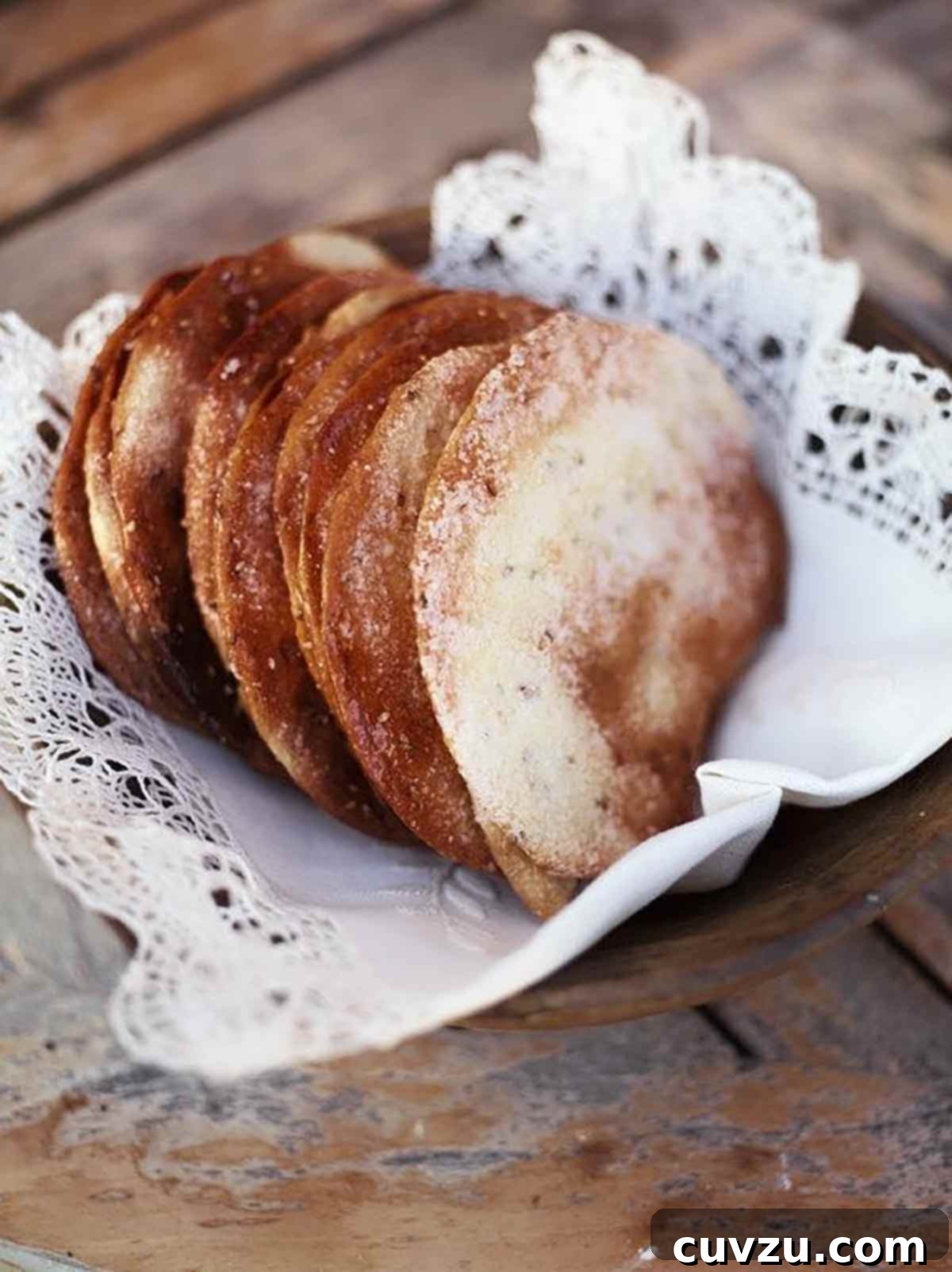
Authentic Spanish Olive Oil Tortas (Tortas de Aceite): A Homemade Masterpiece
Step into the heart of Spanish culinary tradition with our exquisite recipe for Spanish olive oil tortas, affectionately known as tortas de aceite. These delicate, crisp, and subtly sweet crackers capture the essence of the beloved store-bought versions, particularly those by Ines Rosales. Imagine a treat so perfectly thin, it shatters with a satisfying crunch, revealing a gentle sweetness and the aromatic whisper of fennel seeds. You no longer need to travel to Spain or scour specialty stores; with our detailed instructions, you can recreate these enchanting olive oil tortas right in your own kitchen.
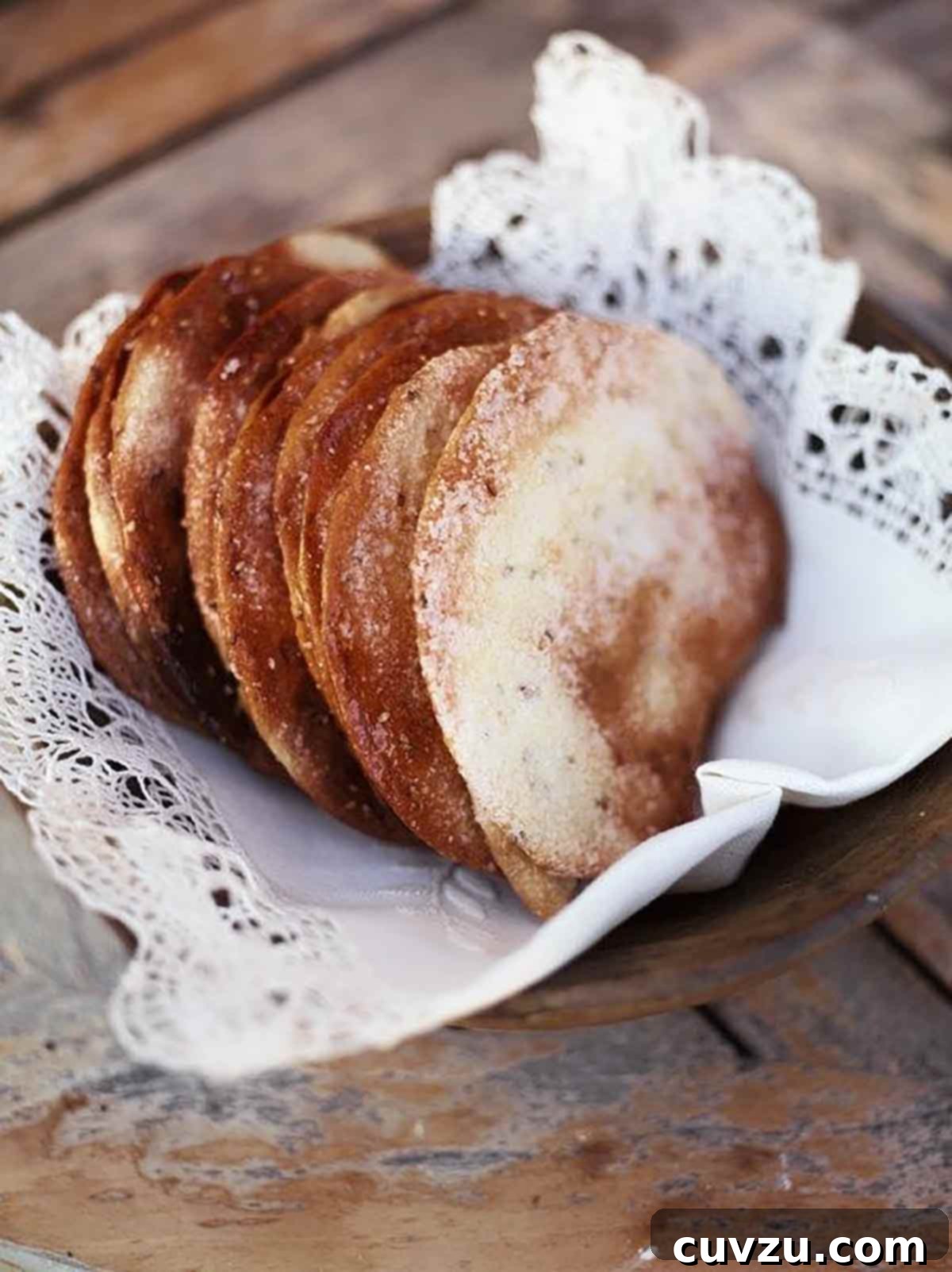
These traditional Spanish crackers, often referred to as tortas de aceite, hail from Andalusia, a region renowned for its olive groves and rich culinary heritage. The simplicity of their ingredients—flour, olive oil, water, sugar, and often a hint of anise or fennel—belies a depth of flavor and texture that is truly captivating. For years, the packaged versions, especially the iconic Ines Rosales sweet olive oil tortas, have captivated palates worldwide with their shatteringly crisp texture, balanced sweetness, and occasional delightful infusion of fennel. They are a revelation when paired with sparkling wine, and surprisingly harmonious with savory bites like briny olives and robust hard cheeses. They are, in a word, perfect. And now, this perfection is within your reach.
The Culinary Charm of Tortas de Aceite: History and Tradition
The history of tortas de aceite is as rich as the olive oil that defines them. Originating in Seville, Spain, these flatbreads were traditionally made by hand, showcasing the abundant olive oil of the region. They were often prepared in homes and bakeries, becoming a staple snack or a light dessert. The use of olive oil not only imparts a distinctive flavor but also contributes to their signature crispness and delicate texture. Over time, their popularity grew, leading to commercial production, with Ines Rosales being one of the most famous purveyors, making their name synonymous with quality and tradition. Making them at home connects you to centuries of Spanish baking tradition, offering a truly authentic experience.
Understanding Your Ingredients: The Heart of the Torta
Creating truly exceptional Spanish olive oil tortas begins with understanding the role of each ingredient. While the recipe is simple, the quality of your components makes all the difference.
The Magic of 00 Flour
We absolutely adore 00 flour for this recipe, and for good reason. Traditionally used for making pasta in Italy, 00 flour is incredibly fine-milled, resulting in a very delicate dough that bakes up wonderfully crisp. While it might be a bit more expensive than all-purpose flour, its superior quality shines through, yielding tortas with an unparalleled delicate texture. If you’re wondering where to find this gem, look in Italian delis, specialty grocery stores, or larger supermarkets with a well-stocked international aisle. If 00 flour isn’t available, cake flour makes a good substitute due to its lower protein content, which also helps achieve a tender, crisp result. However, be prepared to adjust the liquid slightly if using cake flour, as it may absorb differently.
The Essence of Spanish Extra-Virgin Olive Oil
As the name suggests, olive oil is not just an ingredient; it’s the star. Using a high-quality Spanish extra-virgin olive oil is paramount. Its fruity, sometimes peppery notes are integral to the authentic flavor profile of these tortas. Spanish olive oils are known for their robust character, which adds a depth that cannot be replicated with generic vegetable oils. Don’t shy away from investing in a good bottle; it will elevate your tortas from good to extraordinary.
Fennel Seeds: A Subtle Aromatic Touch
The subtle, licorice-like aroma and flavor of fennel seeds are a hallmark of traditional Spanish tortas de aceite. They infuse the crackers with a unique warmth and complexity that perfectly complements the olive oil and sweetness. While the amount in the recipe is balanced, you can adjust it slightly to your preference. If you’re not a fan of fennel, a touch of anise seeds could be an alternative, though fennel is the more traditional choice for tortas.
Why Bake Your Own Spanish Olive Oil Tortas?
While the convenience of store-bought tortas is undeniable, making them at home offers a multitude of benefits:
- Unmatched Freshness: There’s nothing quite like the taste and aroma of freshly baked goods. Your homemade tortas will boast a freshness that packaged versions simply can’t match.
- Control Over Ingredients: You choose the quality of your olive oil, flour, and sugar. This allows for customization based on dietary preferences or simply a desire for the finest ingredients.
- A Rewarding Experience: The process of transforming simple ingredients into these delicate crackers is incredibly satisfying. It’s a wonderful way to connect with the culinary arts and share something truly special.
- Impress Your Guests: Serving homemade tortas de aceite is a unique and sophisticated touch that will undoubtedly impress friends and family.
- Customization: While we stick to tradition here, making them yourself allows you to subtly adjust sweetness or fennel intensity to your exact liking.
Spanish Olive Oil Tortas ~ Tortas de Aceite
Craft these traditional Spanish olive oil tortas at home. This recipe yields shatteringly crisp, subtly sweet, and aromatic crackers that perfectly mirror the beloved Ines Rosales version. Learn how to bake and serve them to perfection.
Recipe by David Leite
Ingredients
- 1 1/2 to 2 1/2 cups Italian 00 flour or cake flour
- 1 teaspoon sea salt
- 2 teaspoons fennel seeds
- Scant 1/2 cup Spanish extra-virgin olive oil, plus extra for greasing baking sheets
- 2/3 cup warm water
- 3 tablespoons raw sugar, plus extra for sprinkling
- 2 teaspoons active dry or instant yeast
- Confectioners’ sugar, for dusting
- All-purpose flour, for your work surface and rolling pin
- 1 large egg white, lightly beaten
Instructions
- Preheat your oven to 450°F (230°C). Prepare two large baking sheets by lightly oiling them, then dusting with confectioners’ sugar.
- In a large mixing bowl, combine 1 1/2 cups of the flour, sea salt, and fennel seeds. Stir well to ensure an even distribution.
- In a separate measuring cup or small bowl, combine the olive oil and warm water. Stir in the 3 tablespoons of raw sugar and the yeast. Mix thoroughly and allow the mixture to rest for a few minutes until it becomes frothy, indicating the yeast is active.
- Create a well in the center of your flour mixture. Gradually pour the frothy yeast mixture into the well, using a fork to slowly incorporate the flour from the sides. Once the mixture starts to come together, switch to using your hands to knead it into a smooth dough. If the dough is excessively sticky, gradually add more of the remaining 1 cup of flour, a little at a time, until the dough reaches a smooth, workable consistency. You may need to add anywhere from 1/2 cup up to the full remaining 1 cup, depending on the flour and humidity.
- Lightly flour a clean work surface and your rolling pin with all-purpose flour.
- Divide the dough into 12 equal pieces and roll each piece into a small ball. Take one ball and roll it out until it is almost translucent, aiming for a diameter of about 4 inches. The key is thinness, not a specific measurement; if you can almost see through the dough, it’s thin enough. Don’t worry about perfect circles, these tortas are meant to be rustic.
- Carefully transfer each thinly rolled torta to the prepared baking sheets. Lightly brush the top of each torta with the beaten egg white. Dust first with a light layer of confectioners’ sugar, followed by a sprinkle of raw sugar.
- Bake for 5 to 12 minutes. Keep a very close eye on the tortas, as they can transition from golden to burnt in mere seconds due to their thinness. They are done when golden brown and delightfully crisp.
- Immediately remove the baked tortas from the baking sheets and transfer them to wire racks to cool completely and crisp up further. Enjoy them warm or at room temperature. Each bite offers a lovely crumble, followed by a sweet dissolution.
Adapted From
Jamie Oliver’s Food Escapes
Buy On Amazon
Nutrition
Serving: 1 torta
Calories: 176 kcal
Carbohydrates: 19 g
Protein: 4 g
Fat: 10 g
Saturated Fat: 1 g
Monounsaturated Fat: 7 g
Sodium: 201 mg
Fiber: 1 g
Sugar: 3 g
Nutrition information is an approximation and automatically calculated.
Tried this recipe? Mention @leitesculinaria or tag #leitesculinaria!
Serving Your Homemade Tortas de Aceite
These versatile Spanish olive oil tortas offer a delightful array of serving possibilities. Their crisp texture and delicate flavor make them perfect for various occasions:
- Coffee or Tea Companion: Their subtle sweetness and fennel notes make them an ideal accompaniment to your morning coffee or afternoon tea.
- Wine and Cheese Boards: Elevate your charcuterie or cheese board by adding these tortas. Their crispness and hint of sweetness provide a wonderful contrast to salty cheeses and cured meats.
- Sweet Delights: Dust them with extra confectioners’ sugar or serve alongside fresh fruit and a dollop of crème fraîche for a light dessert.
- Savory Pairings: Don’t limit them to sweet applications. Try them with a smear of goat cheese or a tapenade for a surprisingly delicious savory snack, as one of our testers discovered.
- Sparkling Wine Pairing: As mentioned, their delicate profile makes them a fantastic partner for a glass of sparkling wine, be it Cava or Prosecco.
Tips for Torta Perfection: Insights from Our Testers
Our dedicated recipe testers have provided invaluable insights, ensuring your torta-making journey is a success. Here are their collective tips:
- Flour is Key: The amount of flour can vary. While the recipe suggests 1 1/2 to 2 1/2 cups, many testers found they needed closer to 2 to 2 1/2 cups to achieve a workable, non-sticky dough. Don’t hesitate to add extra flour, a little at a time, until the dough is smooth and manageable.
- Roll It Thin: The secret to truly crisp tortas is rolling the dough until it’s “almost translucent.” This might take practice, but aiming for this thinness is crucial for the signature shatter. Thicker tortas will be more like biscuits.
- Mind the Oven: These tortas bake quickly and can burn in an instant. Start checking them around 5-6 minutes, and adjust your baking time as needed. Ovens vary, so your first batch will be a learning experience. Some testers found slightly lower temperatures (e.g., 425°F instead of 450°F) worked better for their ovens.
- Cooling for Crispness: Transfer the tortas immediately to a wire rack after baking. This allows air to circulate, preventing them from steaming and ensuring maximum crispness as they cool.
- Yeast Type: Both active dry and instant yeast work well. Some testers noted that instant yeast might yield a slightly flakier result.
- Rustic Charm: Don’t stress about perfectly round tortas. Their rustic, irregular shapes are part of their homemade charm.
More Spanish Dessert Recipes to Explore
Recipe Testers’ Reviews
Jeanie McCallister
I approached making these Spanish olive oil tortas with some skepticism, but I was wonderfully surprised. The recipe was incredibly straightforward—easy to prepare, requiring ingredients I already had, and boasting a quick cooking time. The outcome was a slightly risen, fennel-infused biscuit that serves as a perfect companion for morning coffee or afternoon tea.
I yielded 10 biscuits instead of the suggested 12. To maintain consistent thickness, I used rubber rings (1/8 inch thick) on my rolling pin. Each biscuit came out to approximately 4 inches in diameter—just perfect!
Julie Houser
Having recently tasted and fallen in love with store-bought Spanish olive oil tortas, I was immediately on the hunt for a homemade recipe. They’re one of those incredibly addictive foods—not too sweet, wonderfully crisp, yet surprisingly delicate. Finding this recipe felt like magic! Although I’m not a seasoned baker, any errors were my own. What truly stood out was the flavor of these homemade tortas de aceite; the addition of fennel made them even more interesting than the commercial ones. Absolutely perfect!
I found myself adding nearly a full cup more flour than the initial 1 1/2 cups, as my dough was initially more of a batter. The resulting dough was remarkably easy to roll into circles, though I struggled to get them thin enough at first. My most successful tortas had thinner edges that crisped beautifully, proving they truly need to be rolled almost translucent.
On my second attempt, I rolled the dough exceptionally thin. The results were significantly better—delicious, in fact! I also lowered the oven temperature to 400°F and reduced the bake time to 6 to 7 minutes. Rolling by hand was easier, as running the dough through a pasta maker caused holes due to the fennel seeds. While I still can’t quite replicate the exact crispness and flakiness of the store-bought versions, these are absolutely fabulous. I measured the additional flour needed for a rollable dough to be exactly 1/2 cup extra.
My yield was 24 cookies, each 4 inches in diameter. I’m now determined to perfect these beauties to give as Christmas gifts, perhaps alongside a bottle of homemade limoncello. What a fantastic recipe!
Suzanne Fortier
These exquisite Spanish olive oil tortas are remarkably simple to prepare and taste almost identical to the commercial—and often pricey—tortas de aceite found in many stores. The instructions are clear, and the ingredients are easy to source. (A little tip: I repeatedly overlooked the cake flour because it was in a box, not a bag. It just goes to show, you only see what you expect to see!)
The dough itself is soft, aromatic, and takes on a slight greenish hue from the olive oil. I did find that I needed to incorporate almost 1/2 cup of additional flour to achieve a dough that was firm enough to roll. I shaped my dough into a cylinder and divided it into 12 equal portions, each weighing about 2 ounces. I rolled each portion to approximately 6 inches in diameter, making them thin enough to see through. Achieving a perfect circle is a bit challenging, but with practice, it becomes easier, and besides, these are rustic crackers! Brushing the tortas with egg white and sprinkling with sugar creates a beautiful, caramelized crust.
My first batch was slightly overcooked at 8 minutes. I found that 6 1/2 minutes was the sweet spot for my oven, but I’d advise starting to check them at 5 or 6 minutes. I removed my tortas from the baking sheet almost immediately to prevent further browning. They crisp up beautifully as they cool. For my second batch, I made a couple of adjustments: I used instant yeast (as it was all I had), which performed excellently, resulting in tortas that seemed a little flakier than those made with active dry yeast. I also baked this batch at 425°F instead of 450°F, and they came out perfectly in 6 1/2 minutes.
So beautiful and utterly delicious! I particularly enjoy spreading them with goat cheese for breakfast.
M.K. Morgan
I was quite certain I wouldn’t enjoy making these Spanish olive oil tortas. I’m not typically fond of intricate baking or fiddly tasks. And indeed, these were a bit fiddly. However, they were absolutely worth the effort.
The dough was initially far too wet to be worked into a “lovely smooth dough” with just 1 1/2 cups of flour, even using Italian 00 flour. Even after adding almost 1/2 cup more flour, it remained a very soft, sticky dough. I eventually gave up on the rolling pin and used my floured fingers to shape the 4-inch circles, which worked perfectly well.
The final tortas were very tasty. My Portuguese daughter-in-law enjoyed them, and so did I!