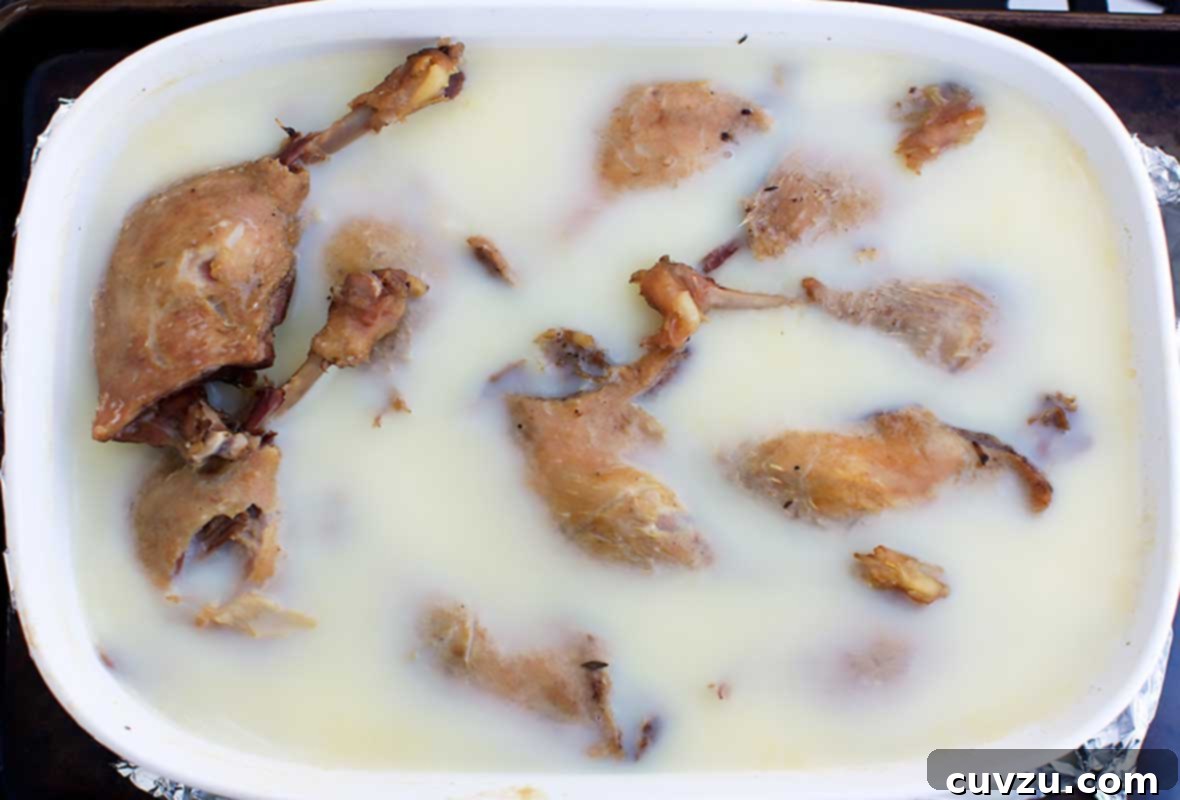
The Ultimate Guide to Duck Confit: A French Culinary Masterpiece
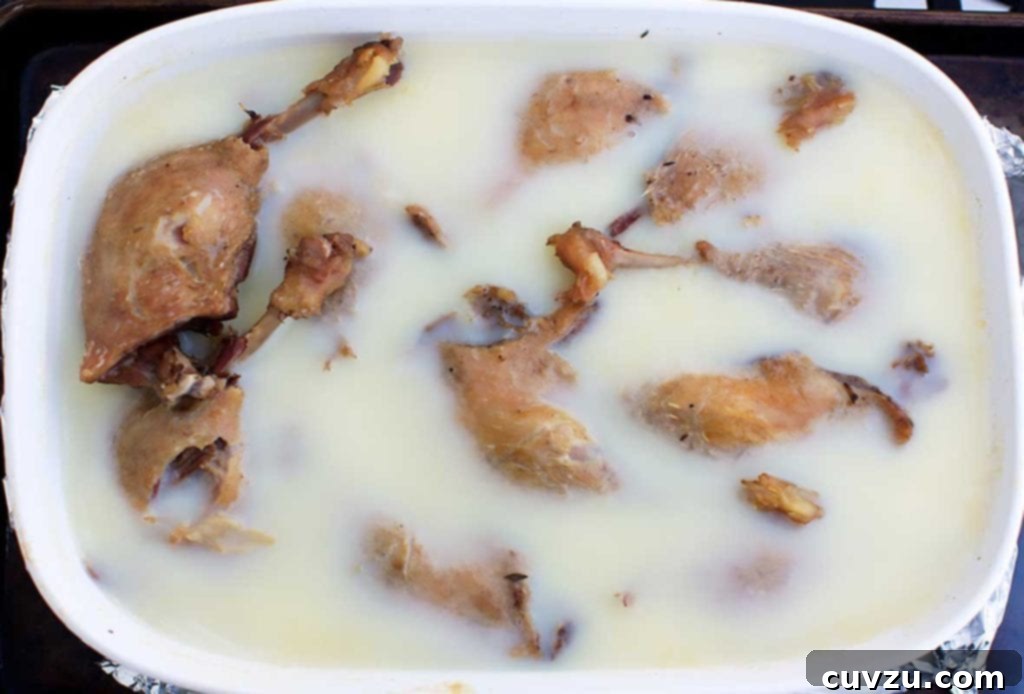
Duck confit is not just a dish; it’s a testament to French culinary heritage, a method that elevates simple duck legs into something truly sublime. Imagine perfectly tender, succulent duck meat encased in a shatteringly crisp skin, each bite a symphony of rich, savory flavors. This comprehensive guide will walk you through the art of making this classic French staple at home, exploring its rich history, the precise techniques, and a myriad of delicious ways to serve it.
A Journey Through Time: The Enduring Legacy of Confit
The practice of “confit” (from the French word “confire,” meaning to preserve) dates back centuries, originating in the Gascony region of southwest France. Before the advent of modern refrigeration, preserving meat was a vital necessity. Farmers would salt cure duck or goose legs and then slowly cook them in their own rendered fat. This process, sealing the meat from air under a layer of fat, allowed it to be stored for months in a cool pantry, providing sustenance throughout the colder seasons.
While preservation was the original intent, cooks quickly discovered a delicious side effect: the meat became incredibly tender, moist, and infused with an unparalleled depth of flavor. The slow cooking in fat gently breaks down connective tissues, resulting in a silken texture that literally melts in your mouth. Today, duck confit remains a cherished delicacy, revered not for its preservative qualities but for the magnificent richness and tenderness it consistently delivers.
Mastering the Art of Duck Confit: A Simple Yet Rewarding Process
Creating duck confit at home is a rewarding endeavor that, despite its gourmet reputation, requires minimal hands-on work. The process spans a couple of days, primarily due to the essential salt-curing and chilling stages, but the actual active cooking time is surprisingly short. The key to success lies in patience and attention to detail during each step, ensuring a final product that rivals any French bistro.
Duck Confit
Ever wondered about the secret to incredibly tender, flavorful duck? This classic French duck confit recipe is the answer. Prepare to impress!
5 out of 5 stars (based on 1 vote)
By David Leite
Ingredients
- 1 cup kosher salt
- 1 tablespoon fresh ground black pepper
- Leaves from 4 fresh thyme sprigs
- 2 bay leaves, crumbled
- 1 teaspoon ground allspice
- 10 duck legs (about 5-6 lbs / 2.2-2.7 kg total weight)
- 2 to 3 quarts (approx. 2-3 liters) rendered duck fat*
Instructions
-
Combine the kosher salt, fresh ground black pepper, thyme leaves, crumbled bay leaves, and ground allspice in a medium bowl. Mix thoroughly to create your curing spice blend.
-
Generously rub this seasoning mixture all over each duck leg, ensuring every crevice is coated. Place the seasoned duck legs in a large, non-reactive container (such as a glass dish or food-safe plastic container). Cover the container tightly and refrigerate for 24 hours. This brining process is crucial for flavoring and tenderizing the duck. Chef’s Note: For a less salty confit, you can reduce the brining time to 12 to 18 hours, especially if you plan to serve the duck without further salt adjustments.
-
After the curing period, preheat your oven to a low 250°F (120°C). This gentle heat is key to slowly rendering the fat and tenderizing the duck without drying it out.
-
Remove the duck legs from the refrigerator. Very thoroughly rinse each leg under cold running water to remove all excess salt and spices. Pat the duck legs completely dry with paper towels. Any residual moisture can cause the hot fat to spatter, and excess salt will make the finished confit too salty.
-
In a large, heavy-bottomed pot or Dutch oven, gently melt the rendered duck fat over low heat. This should take approximately 5 minutes until it’s fully liquid.
-
Carefully arrange the dried duck legs in the pot in 1 or 2 snug layers. It’s important that the legs fit comfortably without being overly crowded. Pour enough of the melted duck fat over the legs to completely submerge them by at least 1 inch. The fat acts as a protective blanket, ensuring even cooking and moisture retention. Gently heat the casserole over moderately low heat until the fat just begins to simmer, with tiny bubbles forming around the edges. Do not let it boil vigorously.
-
Once simmering, remove the pot from the stovetop, cover it tightly with its lid or aluminum foil, and transfer it to your preheated oven. To catch any potential drips, you can place a rimmed baking sheet lined with foil on the oven rack underneath the casserole. Bake the duck for 2 1/2 to 3 hours, or until the meat is incredibly tender and almost falling off the bone. You should be able to easily pull a small piece of meat away with tongs.
-
Using tongs, very gently remove the duck legs from the hot fat. Be extremely careful, as the meat will be exceptionally tender and prone to falling apart.
-
To serve immediately: You can enjoy the duck confit as-is for its rich, melt-in-your-mouth texture. For a contrasting crispy skin, heat a skillet over medium heat and sear the duck confit, skin side down, for 5-7 minutes until the skin is beautifully golden brown and crisp. Flip and sear the other side briefly.
-
To store for later: This is where the magic of confit truly shines. Place the entire cooked duck legs into a clean, resealable container. Carefully pour the rendered duck fat through a fine-mesh sieve directly over the duck legs, ensuring they are completely submerged by the fat. This layer of fat will seal the duck, preserving it. Let the container cool completely to room temperature, then cover it tightly and refrigerate for up to 2 weeks. The fat will solidify, forming a protective seal.
-
For easy future use: You can also pull the skin off the confit, gently tug the meat from the bones in large chunks, place the duck confit meat in a resealable container, and then cover the meat with the rendered duck fat. Refrigerate until your craving strikes. This makes it ready to use at a moment’s notice for shredding into salads or pasta.
Notes
*Where To Buy Rendered Duck Fat
Sourcing enough rendered duck fat for a batch of confit can sometimes be a consideration. While small glass jars are available at specialty markets, they can quickly become expensive. For a more economical approach, consider inquiring with your local butcher; many can special order larger quantities or may even have it on hand. If you’re fortunate enough to have a local duck farm nearby, they are an excellent source for both fresh duck legs and rendered duck fat, often at a more favorable price. Online purveyors such as Farm Fresh Duck, Hudson Valley Foie Gras, and D’Artagnan also offer tubs of rendered duck fat, often referred to as “liquid gold” by chefs.
Adapted From
Agricola Cookbook
Buy On Amazon
Nutrition Information
Serving: 1 leg
- Calories: 2016 kcal
- Carbohydrates: 1 g
- Protein: 43 g
- Fat: 207 g
- Saturated Fat: 68 g
- Monounsaturated Fat: 102 g
- Cholesterol: 370 mg
- Sodium: 11492 mg
- Fiber: 0.2 g
- Sugar: 0.004 g
Nutrition information is automatically calculated and should be used as an approximation. Actual values may vary based on specific ingredients and preparation methods.
What to Serve With Duck Confit: Endless Culinary Possibilities
The beauty of duck confit lies not only in its exquisite flavor but also in its incredible versatility. Once prepared, it can be the star of a meal or a rich, savory component in countless dishes. Here are some inspired ideas to pair with your homemade confit:
- Classic Cassoulet: The quintessential pairing! Shredded confit duck is an indispensable ingredient in a hearty, soul-satisfying French cassoulet, adding unparalleled depth to the white bean stew.
- Crispy Skin with Roasted Potatoes: Sear the confit legs until the skin is irresistibly crisp. Serve them alongside potatoes that have been chopped, tossed with rendered duck fat (from your confit!), and roasted until golden brown and perfectly crisp. Alternatively, a creamy mound of mashed potatoes offers a comforting contrast.
- Fresh Green Salad: To cut through the richness of the duck, serve seared confit alongside a vibrant, simple salad. Frisée or other slightly bitter greens dressed with a light, tangy sherry vinaigrette create a beautiful balance of flavors and textures.
- Rich Risotto: Shred the tender duck meat and stir it into a creamy wild mushroom risotto. The duck adds a luxurious, earthy dimension to the dish.
- Hearty Pasta or Gnocchi: Toss shredded duck confit with your favorite pasta or pillowy gnocchi. A simple sauce of garlic, herbs, and perhaps a splash of white wine or cream is all you need to create a decadent meal.
- Duck Rillettes: Transform confit into a rustic French spread. Shred the meat, mix it with some of the rendered fat, and season to taste. Pack into jars and serve with crusty bread and cornichons.
- Gourmet Appetizers: Pair small pieces of warmed confit with pickled grapes or other fruit for a sophisticated appetizer that balances sweet, sour, and savory notes.
- Savory Sandwiches and Quesadillas: Slice the confit thinly and tuck it into gourmet quesadillas or paninis with caramelized onions and a touch of cheese. The rich duck meat provides an incredible upgrade to these everyday favorites.
- Vietnamese Summer Rolls: For an unexpected fusion, shred the duck confit and use it in place of pork or shrimp in fresh Vietnamese summer rolls. The richness of the duck contrasts beautifully with fresh herbs and vegetables.
- Mushroom Medley: Warm confit duck pairs wonderfully with almost any mushroom dish. Consider a sautéed wild mushroom side dish, a rich mushroom ragout, or even a mushroom tart.
- Unadulterated Pleasure: Sometimes, the best way to enjoy duck confit is simply warmed and savored on its own, perhaps with nothing more than a fine glass of Bordeaux or Côtes du Rhône wine. Pure culinary bliss.
Insights from Our Recipe Testers: Real-World Experiences
Recipe Testers’ Reviews
Angie Zoobkoff
My first experience with making duck confit, and now I completely understand the hype! The flavor of the duck meat is absolutely mind-blowing – meltingly tender and incredibly rich. I had to restrain myself from “sampling” too much to ensure there was enough left for the cassoulet I was planning. This recipe is surprisingly simple to execute, yielding truly outstanding results.
I did find the duck to be a touch on the salty side, which is easily managed when incorporating it into a stew, cassoulet, or other seasoned dishes. However, if you’re serving the legs seared and grilled atop a simple salad, be mindful of any additional salt in the dressing or other components. I halved the recipe, resulting in 5 legs (one for immediate tasting, the rest for the cassoulet). My duck package wasn’t labeled with the specific type, but the total weight was 2.5 pounds, and I used 1.5 quarts of rendered duck fat to fully cover the 5 legs. The recommended cook time of 2 1/2 hours was spot on; the meat was already falling off the bone at that point.
Helen Doberstein
Making duck confit has been on my culinary bucket list for ages, and this recipe did not disappoint! The seasoning for the duck took mere minutes to prepare and apply to the legs. The next day, melting the duck fat was also quick, about 5 minutes over very low heat after the legs were washed. My legs fit perfectly in a single layer in a rectangular ceramic baker, ensuring complete coverage by the melted fat. After 3 hours in the low oven, the result was incredibly tender, fall-off-the-bone duck meat.
I carefully stored half the legs in a tightly sealed container, covered with strained duck fat, for refrigeration. Two of the legs went into a smaller container with some fat for a friend, who was absolutely delighted to receive them (though I’m not sure what she used them for!). For the remaining two legs, I pulled the meat off, heated it in a pan to crisp it, and served it on a bed of fresh greens with sliced potatoes cooked in some of the rendered duck fat. This isn’t an everyday dish, but it’s certainly worthy of special occasions and weekend culinary adventures. I found a local duck farm willing to sell me a 2-kg pail of duck fat for under $20 when I purchased legs from them, which was a fantastic deal. I used about three-quarters of that pail for my 2-kg package of 8 duck legs when making the confit.
As you can see from our testers’ experiences, making duck confit at home is not only achievable but immensely rewarding. The subtle variations in saltiness and fat quantity noted by Angie and Helen offer valuable insights, emphasizing that while the recipe provides a solid foundation, a little personal adjustment can tailor it perfectly to your taste and available ingredients. The key takeaways are patience, thorough rinsing, and ensuring the duck is completely submerged in fat for that signature tender result.
Final Thoughts: Savoring Your Culinary Triumph
Duck confit is more than just a recipe; it’s an experience. From the careful curing to the slow, gentle rendering in fat, each step contributes to a dish of profound flavor and luxurious texture. Whether you choose to enjoy it classically seared, incorporated into a rustic cassoulet, or as a sophisticated element in a modern creation, the effort is undeniably worth it. Embrace this French tradition, and you’ll find yourself with a versatile culinary treasure that will impress and delight every time.
Tried this recipe?
Mention @leitesculinaria or tag #leitesculinaria!