Unveiling the Mystery of San Marzano Tomatoes: A Culinary Treasure
In the vast world of culinary ingredients, few items command as much respect and fervent discussion as the illustrious San Marzano tomato. You’ve undoubtedly encountered their distinguished name on menus, spotted their iconic cans in gourmet aisles, and perhaps even savored their unparalleled flavor in a classic Italian dish. But what truly sets these particular tomatoes apart? Why are they accorded such reverence and adoration among chefs and home cooks alike? Join us as we delve into the rich history, unique characteristics, and fascinating story behind Italy’s most celebrated plum tomato, exploring what makes them a truly indispensable element in authentic Mediterranean cuisine.
The Sacred Designation: Understanding San Marzano’s Authenticity
Much like other prestigious European food products such as genuine Champagne, authentic Parmigiano Reggiano cheese, or traditional Black Forest ham, these highly prized plum tomatoes derive their name from the specific region where they are cultivated. This isn’t merely a marketing gimmick; it’s a critical element of their identity, protected by a stringent European Union certification: the Protected Designation of Origin, often abbreviated as D.O.P. (Denominazione d’Origine Protetta in Italian). In essence, this designation serves as the EU’s unwavering stamp of authenticity, guaranteeing that any product bearing the San Marzano name truly originates from its designated homeland.
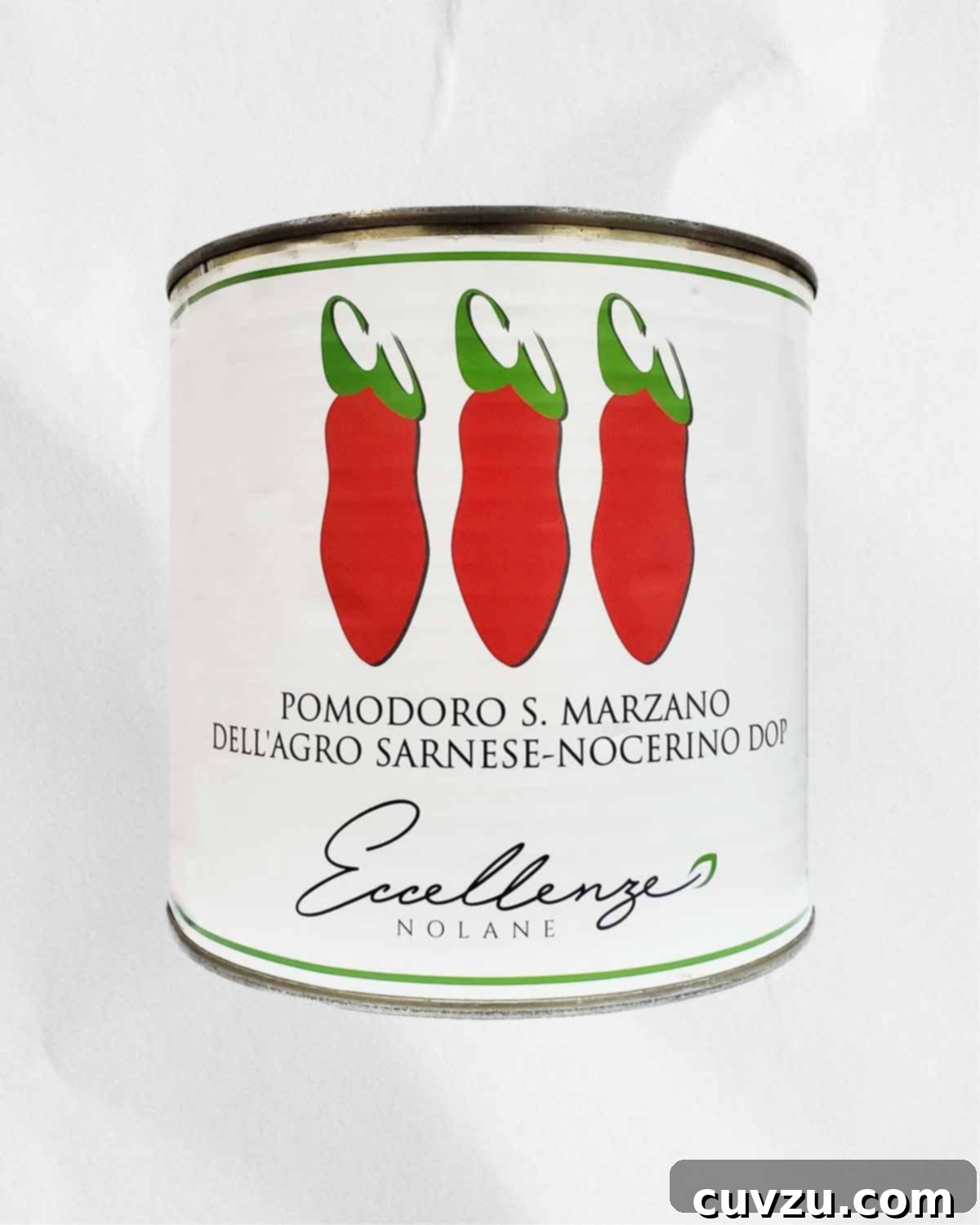
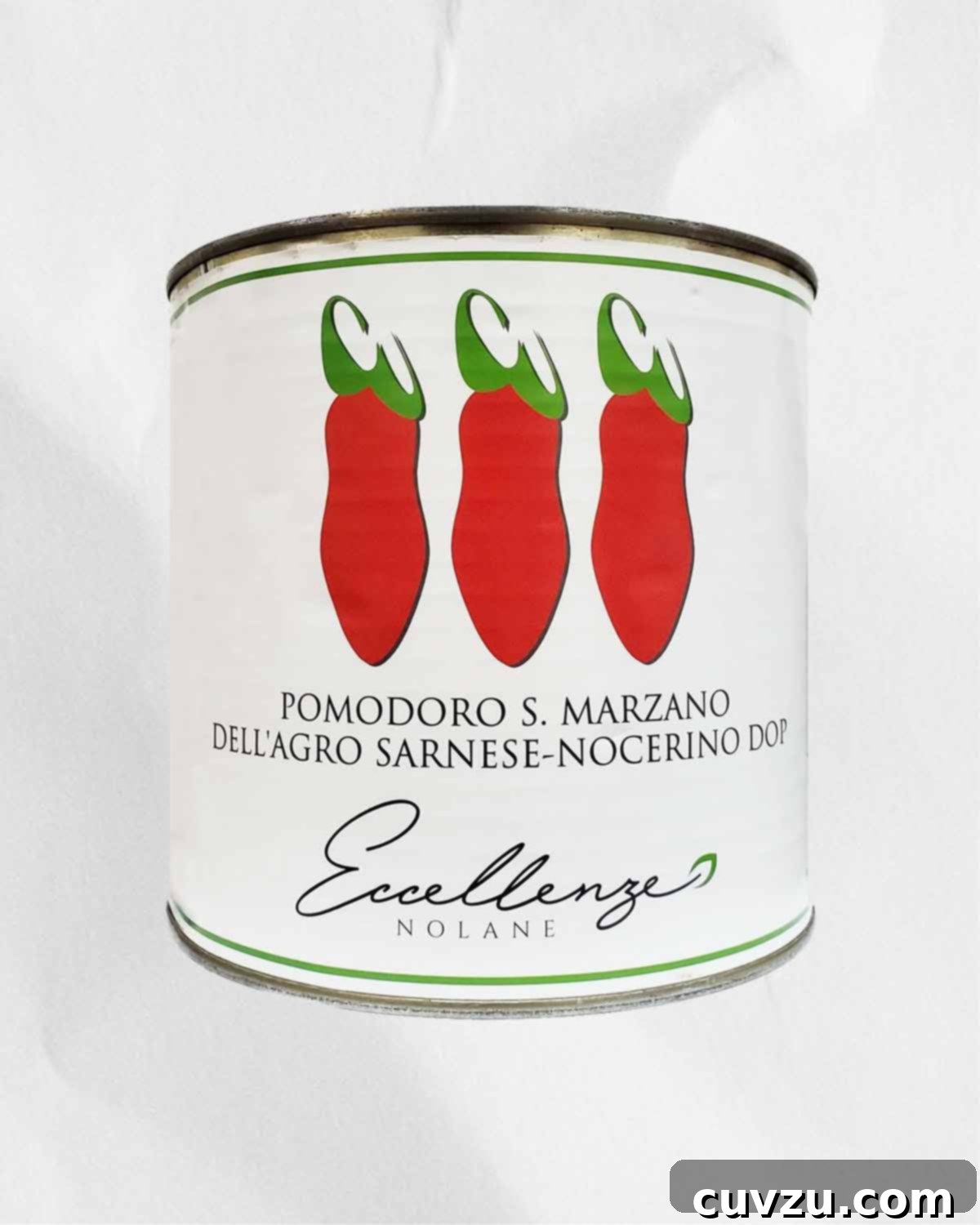
The geographical boundaries for cultivating these special tomatoes are incredibly precise. True San Marzano tomatoes can only be grown in the fertile Agro Sarnese-Nocerino region, nestled in the Sarno River valley near Naples, Italy. This strict regulation ensures that every can of certified San Marzanos embodies the unique ‘terroir’ – the combination of soil, climate, and traditional farming practices – that gives them their distinctive character. Crucially, these tomatoes are exclusively sold in cans, either whole or cut in half, often peeled. If you encounter “San Marzano-style” tomatoes in a jar, pureed, chopped, diced, or even labeled as organic (true DOP San Marzanos rarely carry organic certification due to specific farming practices), you can be certain they are not the real deal, regardless of their quality.
The culinary world has unfortunately witnessed a proliferation of faux San Marzanos. Given the limited geographical region and strict cultivation requirements, the genuine article is relatively scarce and commands a premium price. This scarcity and high demand have inevitably inspired opportunistic growers to produce imitations. These ‘look-alikes,’ often plum tomatoes grown in neighboring areas of Italy or even other countries, may visually resemble the original and offer a pleasant taste. However, they lack the specific designation – the all-important words “Pomodoro San Marzano dell’Agro Sarnese Nocerino” – and the rigorous quality control that accompanies the D.O.P. certification.
To ensure you’re purchasing authentic San Marzano tomatoes, always scrutinize the can. Look for the official D.O.P. seal, typically a red and yellow logo, prominently displayed. Additionally, the label should explicitly state “Pomodoro San Marzano dell’Agro Sarnese Nocerino” and clearly identify the consortium responsible for its protection, such as the Consorzio di Tutela del Pomodoro San Marzano dell’Agro Sarnese-Nocerino. These crucial identifiers are your best defense against counterfeits and guarantee you’re bringing home a piece of genuine Italian culinary heritage.
The Terroir and Traits: Unlocking Their Unique Appeal
What truly elevates these Italian plum tomatoes to their legendary status? It’s a harmonious blend of geography, specific varietal characteristics, and centuries of cultivation expertise. Their origin in San Marzano sul Sarno, a short distance from Naples – widely regarded as the birthplace of the world’s finest pizza – is no mere coincidence. The local environment plays a pivotal role in shaping their distinctive flavor profile, making them an unparalleled choice for classic Italian dishes, especially those where the tomato takes center stage.
The secret lies deep beneath the surface, in the rich volcanic soil of the Sarno River valley, an area profoundly influenced by the nearby Mount Vesuvius. This unique soil composition, enriched by millennia of volcanic ash, is incredibly fertile and boasts a distinctive mineral content. It’s this mineral-rich foundation, combined with the mild Mediterranean climate, that imbues the tomatoes with their signature sweet taste and remarkably low acidity. Unlike many other tomato varieties that can be overly tart or acidic, the balanced sweetness of San Marzanos provides a smooth, mellow base for sauces, preventing any harshness or bitterness, even after long simmering.
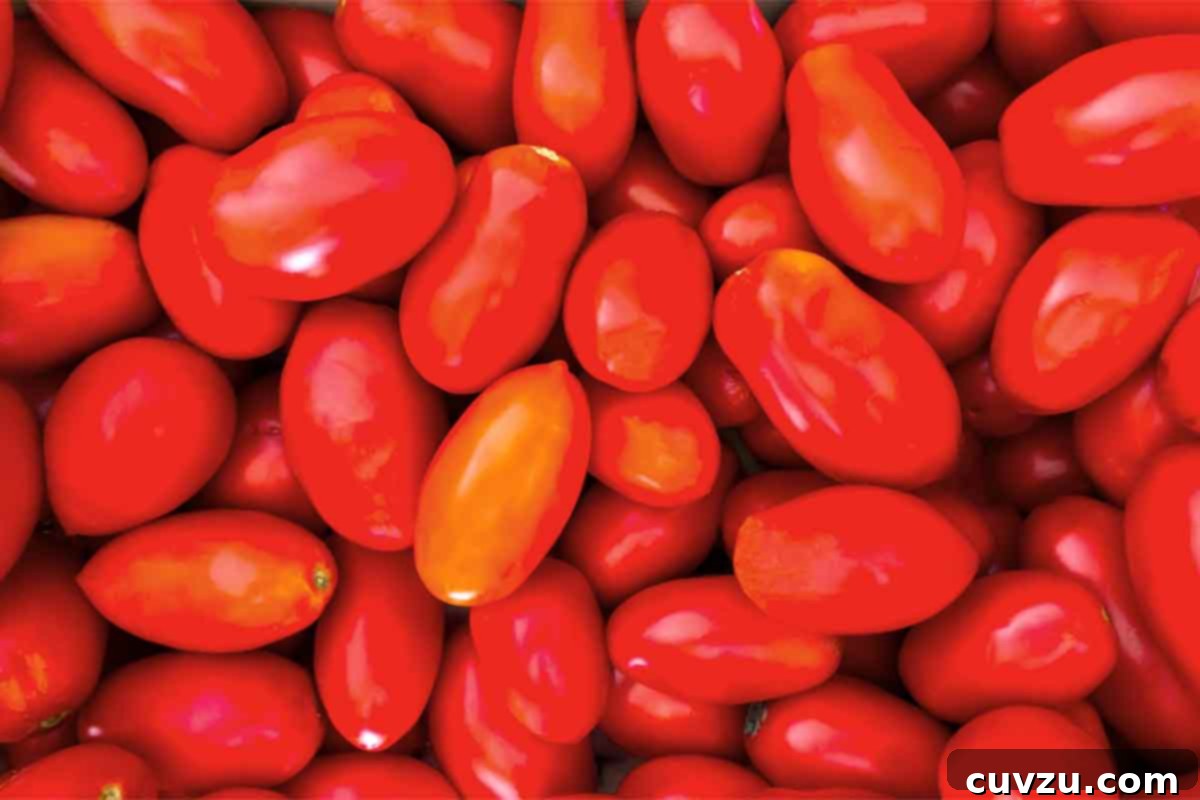
Beyond their unique terroir, the San Marzano variety itself possesses several physical attributes that contribute to its culinary superiority. Similar in shape to a Roma tomato but typically longer and more pointed, these plum tomatoes are distinguished by their meaty flesh, which contains very few seeds. This high flesh-to-seed ratio is highly desirable for sauces, as it yields a thicker, more concentrated product with less waste. Furthermore, they feature a relatively thick skin that is surprisingly easy to peel once blanched, a crucial characteristic for creating smooth, refined sauces without unwanted textual elements. These combined qualities – the intense flavor, low acidity, succulent texture, and ease of preparation – render them absolutely ideal for crafting a full-flavored, tomato-focused sauce or an authentic Neapolitan pizza sauce, which famously requires nothing more than these exquisite tomatoes and a pinch of salt to achieve perfection.
The cultivation methods themselves are also steeped in tradition. Farmers in the DOP region adhere to strict guidelines regarding planting, harvesting, and processing. The tomatoes are typically hand-picked at peak ripeness, ensuring optimal flavor. After harvesting, they are quickly processed, usually within hours, to preserve their freshness and quality. This meticulous attention to detail at every stage, from soil to can, ensures that each tomato embodies the rich heritage and exceptional taste that has made the San Marzano name synonymous with culinary excellence.
Homegrown vs. Authentic: Can You Cultivate Your Own San Marzanos?
 : Bluebeat76
The allure of cultivating your own premium ingredients is strong, and many gardening enthusiasts ponder whether they can replicate the magic of these Italian tomatoes in their own backyards. Technically, yes, you can grow San Marzano tomato plants nearly anywhere in the world where suitable growing conditions exist. Seeds for this specific varietal are readily available, and with proper care – including ample sunlight, good drainage, and consistent watering – you can certainly harvest a delicious crop of plum tomatoes that are genetically San Marzano.
However, it’s crucial to manage expectations regarding the flavor profile. While homegrown San Marzanos cultivated outside of Italy will undoubtedly be incredibly delicious, fresh, and often superior to many conventional supermarket varieties, they will likely possess a slightly different taste compared to those nurtured at the base of Mount Vesuvius. This difference is primarily attributed to the concept of ‘terroir’ we discussed earlier. The unique volcanic soil, specific mineral content, and the precise climatic conditions of the Sarno River valley cannot be perfectly replicated elsewhere.
For instance, San Marzano tomatoes grown stateside or in other temperate regions often exhibit a little more tanginess and a slightly less profound, richly sweet flavor than their Italian counterparts. The balance of acidity and sweetness, the depth of umami, and the subtle earthy notes are intrinsically linked to their native environment. While your homegrown San Marzanos will be fantastic for sauces, canning, and fresh eating, remember that the true D.O.P. designation refers not just to the varietal, but to the entire ecosystem and traditional methods of cultivation in Italy. So, go ahead and grow them – you’ll be rewarded with excellent tomatoes – but understand that the certified D.O.P. product remains a unique expression of its Italian heritage.
Navigating the Market: Choosing the Right Can for Your Culinary Needs
The world of canned tomatoes, especially those purporting to be San Marzano, can be a bewildering landscape for consumers. A quick online search or a conversation with experienced food enthusiasts will reveal the surprisingly divisive opinions surrounding these beloved plum tomatoes. Esteemed culinary figures, such as celebrity chef Alton Brown, have publicly declared their fevered infatuation with the canned Italian beauties, hailing them as an indispensable pantry staple. Conversely, other connoisseurs argue that the premium price tag isn’t always justified, suggesting that alternative high-quality canned plum tomatoes can offer comparable results.
This wide divergence of opinion underscores the highly subjective nature of taste and culinary preference. Fortunately, to aid consumers in making informed decisions, numerous culinary publications and food blogs regularly conduct comprehensive taste tests of various San Marzano brands and San Marzano-style alternatives. These evaluations often assess tomatoes based on a range of criteria, including color, inherent flavor, sweetness, acidity balance, overall appearance, and texture. Reading through several of these comparative analyses can provide valuable insights, helping you pinpoint a brand that aligns with your desired “shade of sweet tomatoey goodness” for your specific recipes.
A particularly illuminating study was published by The New York Times, which conducted an extensive taste test challenging the long-held notion of “the San Marzano tomato, grown in Italy, as the ideal.” Their rigorous evaluation included several D.O.P. certified San Marzano tomatoes, various “San Marzano-style” options (grown elsewhere but from the same varietal), and even true San Marzano tomatoes cultivated stateside. The results, which factored in flavor balance, sweetness, acidity, and texture, reportedly surprised even the expert tasters, sparking fresh debate on what constitutes the “best” canned tomato.
The Evolving Palate: American Preferences and Culinary Adaptations
So, where does this leave the discerning home cook, particularly those in North America, navigating the often-complex world of Italian tomato traditions? The findings from comprehensive taste tests, like that of The New York Times, suggest a fascinating divergence in palate preferences. It appears that a significant segment of the American palate often favors tomatoes that aren’t necessarily the purest expression of Italian D.O.P. San Marzano. Generally speaking, many Americans gravitate towards tomatoes that exhibit a brighter, tangier profile with slightly less inherent sweetness. This preference can be attributed to various factors, including the types of tomatoes commonly grown and consumed domestically, and the evolution of local culinary traditions.
Another consistent finding in consumer preference studies is the desire for salt. Salted tomatoes consistently score higher in blind taste tests among American consumers compared to their unsalted counterparts. This isn’t surprising, as salt is a fundamental flavor enhancer, capable of bringing out and balancing the natural complexities in food. While traditional Italian preparations often rely on the inherent quality of the tomato and a minimal addition of salt, American cooking frequently incorporates salt more liberally during initial preparation.
Ultimately, the “best” tomato is a deeply personal choice, reflective of individual taste and the specific culinary application. Just because an ingredient is lauded as a classic doesn’t mean it’s the only, or even the ideal, choice for every dish or every palate. If you’ve always been intrigued by those elegant cans of Italian culinary jewels, now might be the perfect moment to embark on your own tasting journey. Experimentation is key!
To truly appreciate the nuances of these exceptional tomatoes, try them in their simplest incarnations. Consider a rustic spicy tomato soup, where their smooth texture and balanced flavor can shine, or incorporate them into a traditional Bolognese sauce for a rich, authentic base. They are also unparalleled in an easy pizza sauce, requiring minimal other ingredients to create a deeply flavorful foundation for your homemade pies. Let your taste buds be your guide, and don’t hesitate to share your thoughts and discoveries with us. The world of San Marzano tomatoes, whether authentic DOP or a delightful homegrown variant, offers a rich tapestry of flavors waiting to be explored.