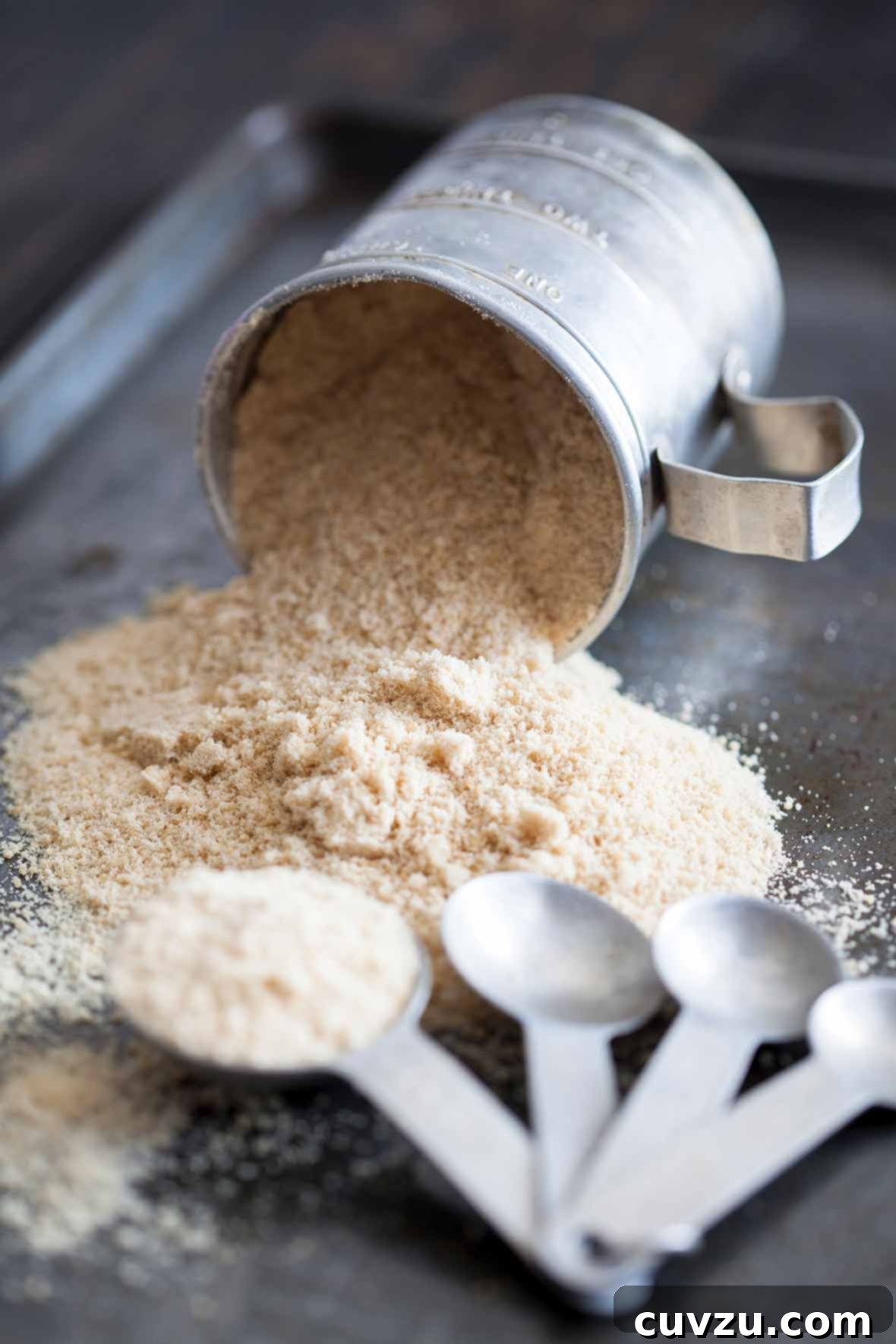
Unlock the secrets to crafting your own **maple sugar at home by expertly drying out maple syrup in a pan**, and you’ll never again wonder where to find this exquisite natural sweetener. This simple, satisfying process yields a delightful ingredient that’s not only versatile but also inherently paleo-friendly. Prepare to transform humble maple syrup into a granulated gem, infusing your culinary creations with its distinctive, nuanced flavor.
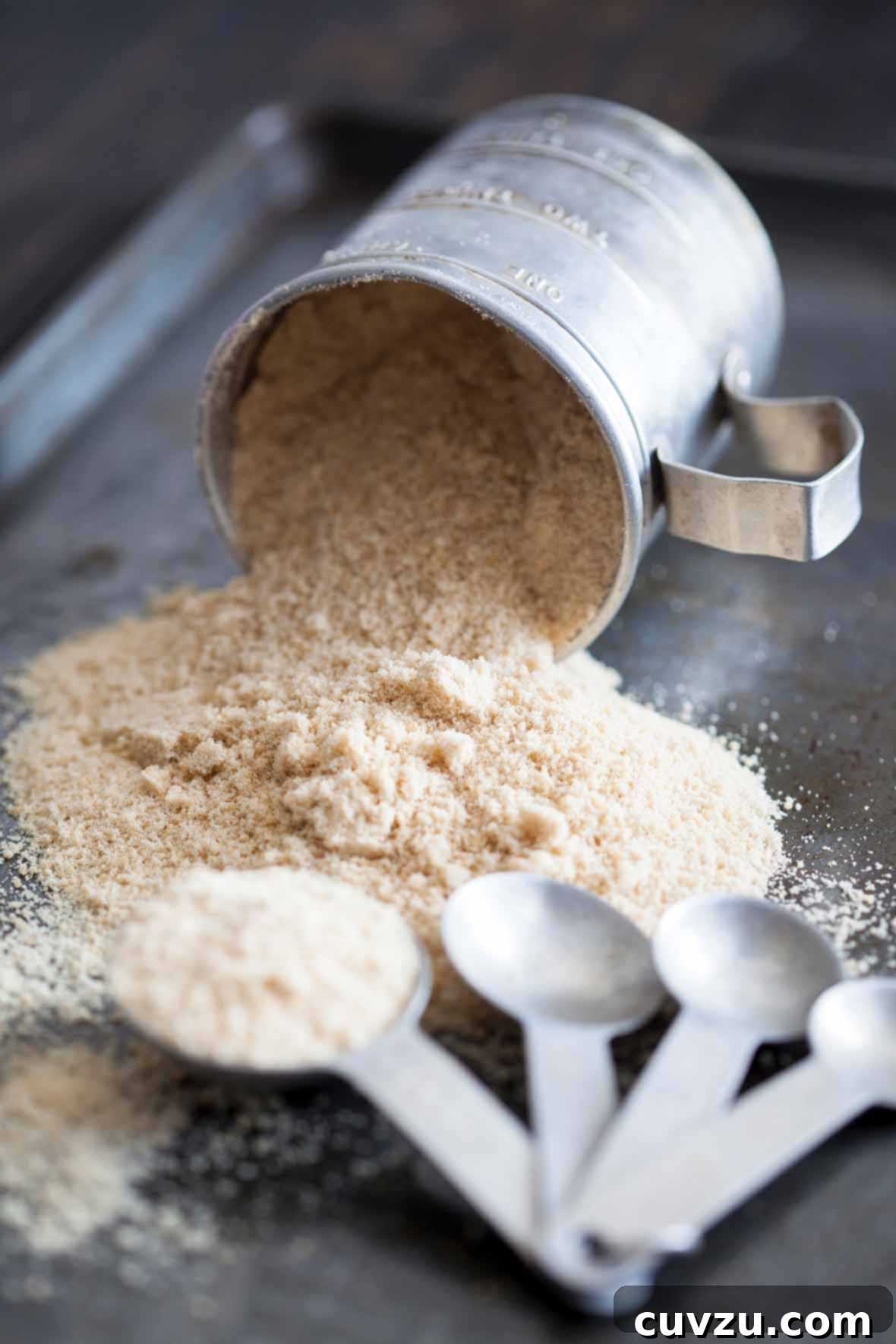
Have you ever paused at the grocery store aisle, eyes widening at the price tag of a small bag of maple sugar, shaking your head in disbelief? You’re not alone. Many home cooks experience this sticker shock, which is precisely why this straightforward guide to making maple sugar at home is an absolute game-changer. Forget intimidating, complex, or daunting culinary projects. This is ridiculously simple, requiring just a few basic ingredients and a dash of patience. You’ll need pure maple syrup, a sturdy pan, and a little time to witness its magical transformation. The best part? It retains all the wholesome goodness of maple syrup, making it a naturally paleo-friendly sweetener, boasting those signature maple and warm caramel undertones that make it truly irresistible.
The Allure of Homemade Maple Sugar: Why Make Your Own?
Beyond the undeniable satisfaction of a DIY project, there are compelling reasons to embark on your maple sugar-making journey. While store-bought maple sugar can be quite expensive, and premium maple syrup isn’t exactly cheap, crafting it yourself often proves to be a more economical choice in the long run, especially if you purchase maple syrup in larger quantities. But the advantages extend far beyond mere financial savings.
- **Unrivaled Customization:** One of the greatest beauties of homemade maple sugar is the ability to select your preferred grade of maple syrup. Different grades offer distinct flavor profiles, from the subtle sweetness of Golden Delicate to the robust intensity of Dark Robust. This allows you to tailor your maple sugar to suit your taste and specific recipe needs, a luxury rarely afforded by mass-produced options.
- **Enhanced Accessibility:** For many, maple sugar isn’t a pantry staple readily available at every grocery store. This recipe empowers you to create it whenever a dish calls for it, expanding your culinary repertoire and ensuring you’re never limited by ingredient availability.
- **Superior Freshness and Flavor:** There’s an undeniable vibrancy and depth of flavor in freshly made maple sugar. The aroma that fills your kitchen during the process is intoxicating, a promise of the rich, concentrated maple notes that will elevate your baking and cooking.
- **The Joy of Creation:** Perhaps the most undervalued benefit is the sheer delight and accomplishment derived from transforming a liquid into a crystalline sugar. It’s a simple act of culinary alchemy that brings a unique sense of pride and connection to your food.
Understanding Maple Syrup Grades for Optimal Sugar
The grade of maple syrup you choose significantly influences the final color and flavor of your homemade maple sugar. Maple syrup is generally categorized into four main grades based on color and taste:
- **Golden, Delicate Taste:** This is the lightest syrup, often harvested early in the sugaring season. It has a mild, buttery flavor, perfect for those who prefer a subtle maple essence in their sugar. Using this grade will result in a lighter-colored maple sugar.
- **Amber, Rich Taste:** A popular choice, amber syrup offers a more pronounced maple flavor than golden. It’s a versatile option that produces a beautifully balanced maple sugar, suitable for most applications.
- **Dark, Robust Taste:** As the name suggests, this syrup is darker and boasts a stronger, more intense maple flavor. It’s ideal for those who want their maple sugar to have a prominent, deep maple profile, reminiscent of caramel.
- **Very Dark, Strong Taste:** Harvested at the very end of the season, this darkest grade has the most potent, almost smoky, maple flavor. It will yield a very dark and intensely flavored maple sugar, best for dishes where a strong maple presence is desired.
For a generally versatile and well-balanced maple sugar, we recommend opting for an Amber, Rich Taste syrup. However, feel free to experiment with different grades to discover your personal preference!
Featured Review
This recipe is an absolute lifesaver, THANK YOU!!! I scaled it up, using 36 ounces of maple syrup, to prepare maple sugar and some charming maple candies as gifts for the autumn season. I noted it took closer to 40 minutes to reach the crucial temperature threshold. When it came to the mixing phase, after about ten minutes of manual whisking, I wisely transferred the mixture to my KitchenAid stand mixer, and it performed wonderfully, transforming into sugar within just 30 seconds. The absence of lumps, I believe, was due to whisking the heated syrup at a very high speed. To create the candies, I simply poured a portion of the heated syrup into small silicone candy molds before I began mixing the rest into sugar. The taste is superb; I used Costco’s Grade A Amber syrup, and it delivered beautifully.
Ru
How Do I Use Maple Sugar? Unleashing its Versatility
The beauty of homemade maple sugar lies in its incredible versatility. It can effortlessly replace granulated sugar in nearly any recipe, typically at a 1:1 ratio. Its fine texture and concentrated flavor make it a fantastic upgrade for both sweet and savory applications. While some might debate the cost of making your own versus buying it, we consistently find that the homemade version offers superior quality and freshness at a more accessible price point.
Elevate Your Everyday and Special Occasions:
- **Baking Brilliance:** Substitute maple sugar for white or brown sugar in cookies, cakes, muffins, and pies. It imparts a deeper, more complex flavor profile than standard sugars, adding a gourmet touch to your baked goods. Think maple sugar shortbread or a delicate maple sugar glaze for pastries.
- **Sweetening Beverages:** A spoonful of maple sugar in your coffee, tea, or hot chocolate offers a richer, more aromatic sweetness than plain sugar. It dissolves beautifully, enhancing the drink with its signature warmth.
- **Savory Sensations:** Don’t limit maple sugar to desserts! It makes an exceptional rub for pork, chicken, or salmon, caramelizing beautifully and adding a delightful sweet-savory crust. Incorporate it into glazes for roasted vegetables, salad dressings, or even homemade barbecue sauces for a unique twist.
- **Breakfast Boost:** Sprinkle maple sugar over oatmeal, yogurt, or fresh fruit for a wholesome and flavorful start to your day. It’s also fantastic on pancakes and waffles, offering a granular alternative to liquid syrup.
- **Gourmet Garnish:** Use it to rim cocktail glasses, sprinkle over roasted nuts, or as a finishing touch on gourmet popcorn. The possibilities are truly endless!
Beyond its culinary utility, having this recipe in your culinary arsenal means you’re never held back from trying recipes that specifically call for maple sugar, even if it’s not on your local store’s shelves. There’s an undeniable, simple satisfaction in creating something so exquisite and functional with your own hands, purely because you can.
Explore More Sweet & Savory Maple Creations
The enchanting flavor of maple extends far beyond maple sugar and syrup. Dive into a collection of our favorite maple-infused recipes, perfect for any occasion. Whether you crave something decadently sweet or surprisingly savory, maple’s distinct character adds a layer of depth and comfort that’s truly unique.
Spiced Maple Pecan Pie with Star Anise
4 hrs 20 mins
Maple Pork Chops
30 mins
Maple Glazed Carrots with Bourbon
45 mins
Glazed Soft Maple Cookies
1 hr 30 mins
Share Your Experience: Write a Review
We love hearing about your culinary adventures! If you try this recipe, or any other delightful dish from Leite’s Culinaria, please consider leaving a review, a star rating, and your best photo in the comments section below. Your feedback and creations inspire us all! –David
How To Make Maple Sugar: A Simple Guide
David Leite
Essential Equipment
-
Candy thermometer (essential for accuracy)
-
Heavy-bottomed saucepan with high sides
-
Long-handled wooden spoon or a stand mixer with paddle attachment
-
Fine-mesh strainer
-
Food processor (optional, for stubborn clumps)
Ingredients
- 2 cups pure maple syrup, (we recommend an Amber, Rich Taste syrup for a balanced flavor, but Golden, Delicate Taste will produce a lighter sugar. Avoid very dark grades for your first attempt, as they can burn more easily.)
Step-by-Step Instructions
-
**1. Heat the Syrup:** Pour the pure maple syrup into a high-sided, heavy-bottomed saucepan. This type of pan helps prevent boil-overs and ensures even heat distribution. Place the saucepan over medium-high heat. As the syrup warms, it will begin to bubble vigorously. Resist the urge to stir constantly; only intervene if the bubbling syrup threatens to overflow the pan. A quick stir with a long-handled wooden spoon will usually cause the bubbles to subside.
-
**2. Boil to Hard Ball Stage:** Continue to boil the syrup until it reduces to approximately half of its original volume. You’ll notice it darkens in color and significantly thickens in consistency. Crucially, use a candy thermometer or deep-fry thermometer to monitor the temperature until it reaches between 257°F to 262°F (125°C to 128°C). This temperature range corresponds to the “hard ball” stage in candy making, which is essential for proper sugar crystallization. This process typically takes about 20 to 30 minutes, depending on your stove and pan. Throughout this stage, watch the syrup carefully to prevent scorching or boiling over. You may need to slightly reduce the heat occasionally to maintain control, especially as the syrup thickens.
☞ TESTER TIP: For the most accurate temperature reading, slightly tilt the saucepan. This gathers the syrup into a deeper pool at one side, allowing you to fully immerse the bulb of your thermometer without it touching the bottom of the pan.
-
**3. Stir Until Granulated:** Once the syrup reaches the precise temperature, immediately remove the pan from the heat. Begin stirring vigorously with a wooden spoon. Continue this rapid stirring. You’ll observe the syrup changing from a translucent liquid to a lighter, thicker, and eventually granulated texture, resembling light brown sugar. This remarkable transformation from liquid to crystalline sugar happens surprisingly quickly, often within about 5 minutes. While you can opt for a stand mixer with a paddle attachment or a hand mixer for ease, beating it by hand is quite effective and often faster than anticipated. You might find yourself switching hands to manage the vigorous stirring!
-
**4. Sift and Store:** To achieve a uniform texture, sift your freshly made maple sugar through a fine-mesh strainer. This step helps separate any larger clumps. Place these larger, stubborn clumps into your food processor and pulse until they become a fine, granulated sugar. Reincorporate this processed sugar back into the rest of your maple sugar. Store the finished maple sugar in an airtight container at room temperature. It will remain fresh and ready to use as a 1:1 substitute for granulated white sugar in almost any baking or cooking recipe.
☞ TESTER TIP: Don’t dread the cleanup! To easily clean the sticky pan, simply fill it with water and place it back over medium heat. The gentle warmth will re-liquefy any hardened sugar residues, making cleanup incredibly simple and quick.
Storage and Shelf Life of Homemade Maple Sugar
Proper storage is key to maintaining the quality and freshness of your homemade maple sugar. Once fully granulated and cooled, transfer it to an airtight container. A glass jar with a tight-fitting lid or a plastic container will work well. Store this container at room temperature, away from direct sunlight and excessive humidity. When stored correctly, homemade maple sugar can last for several months, often up to a year, without losing its flavor or texture. If you notice it starting to clump over time, simply give it a quick pulse in a food processor or break it apart with a fork.
Troubleshooting Common Maple Sugar Making Issues
While making maple sugar is straightforward, a few common issues can arise. Here’s how to address them:
- **Syrup Boils Over:** This is often due to using a pan that’s too small or having the heat too high. If it starts to rise, quickly reduce the heat and stir gently until it subsides. Using a high-sided, heavy-bottomed pan from the start helps mitigate this.
- **Sugar Doesn’t Granulate:** The most common reason for this is not reaching the correct temperature (257°F to 262°F / 125°C to 128°C). If your syrup cooled before reaching this stage, or if you stopped stirring too early, it might remain sticky. Reheat the mixture to the correct temperature and try stirring again.
- **Sugar is Too Hard/Crystalline:** If your sugar turns into a rock-hard block, it might have been cooked slightly too hot or not stirred vigorously enough immediately after coming off the heat. Don’t worry, you can still use it! Break it up with a kitchen mallet, then pulse it in a food processor to achieve a more usable consistency.
- **Burning Smell/Taste:** This indicates the syrup cooked too quickly or at too high a heat. Always monitor closely and reduce heat if necessary, especially as the syrup thickens. A heavy-bottomed pan helps prevent hotspots.
With these tips in mind, you’re well-equipped to make perfect homemade maple sugar every time!

Inspired By
This fantastic recipe is thoughtfully adapted from the insightful cookbook, Clean Eating with a Dirty Mind. A true testament to delicious and wholesome cooking.
Purchase On Amazon
Explore More with AI
Nutrition Information
Please note: Nutrition information provided is an estimation and should be used as an approximation.
Insights from Our Recipe Testers
Sarah Heend
My fascination with maple sugar began as a child, deeply immersed in Laura Ingalls Wilder’s Little House in the Big Woods. I reread that book with obsessive frequency, captivated by the chapters detailing the intricate process of making maple syrup and, subsequently, maple sugar. Reflecting on it now, using my modern stovetop, I’m simply amazed that pioneers crafted maple syrup over open fires and then painstakingly cooked it down to sugar on a wood stove. We are truly blessed with contemporary conveniences! Having now made maple sugar myself, I can confidently say I won’t hesitate to do it again.
I timed the syrup boiling with dinner preparations. It largely required a hands-off approach, with only an occasional stir and a keen eye on the thermometer. Most of the time, the syrup bubbled away, allowing me to focus on other tasks, yet I remained attentive to prevent burning or boil-overs. It took me about 35 minutes to bring the syrup to the target temperature. In hindsight, I likely could have started with higher heat to expedite the boiling process, but my initial apprehension about scorching it led me to begin just under medium-high and gradually reduce the heat as it thickened. While the syrup was darkening, it thankfully wasn’t burning, though a more seasoned candy maker might have utilized higher heat for a faster result.
Once the ideal temperature was achieved, it took a mere 5 minutes of vigorous stirring for the hot syrup to completely granulate. The entire kitchen was filled with the most luscious, toasted maple aroma during the boiling phase, and the maple sugar itself tastes exactly as it smelled—deeper and more concentrated than its liquid predecessor. I’m now actively brainstorming ways to use my delightful stash of maple sugar. For the moment, I find myself simply enjoying a small lump every time I pass the bowl; I haven’t even bothered to grind the sugar in the food processor yet. The charming lumps are far too enjoyable to alter!
Adrienne Lee
This recipe is genuinely effective. Firstly, I successfully transformed maple syrup into maple sugar. Secondly, the homemade result looked strikingly similar to the store-bought maple sugar I had on hand.
The granulation phase, where the syrup becomes sugar, took approximately 5 minutes. Initially, as you stir, it might feel like nothing is happening, but then, quite suddenly, the mixture thickens dramatically and changes color. As with all sugar work, it’s crucial not to leave the kitchen once you start this process. The syrup will bubble up toward the pan’s rim, and if you stir it immediately, it will subside. However, if you’re not paying attention, you could end up with a sticky mess (a lesson I learned a long time ago!).
I found that many of the granules were quite large. I ran the larger clumps through my food processor twice and even used a mortar and pestle for some of the more stubborn bits to achieve a finer consistency.
Would I make it again? Absolutely! Especially if I’m in a pinch and can’t get to the store, as I always keep maple syrup stocked in my pantry.