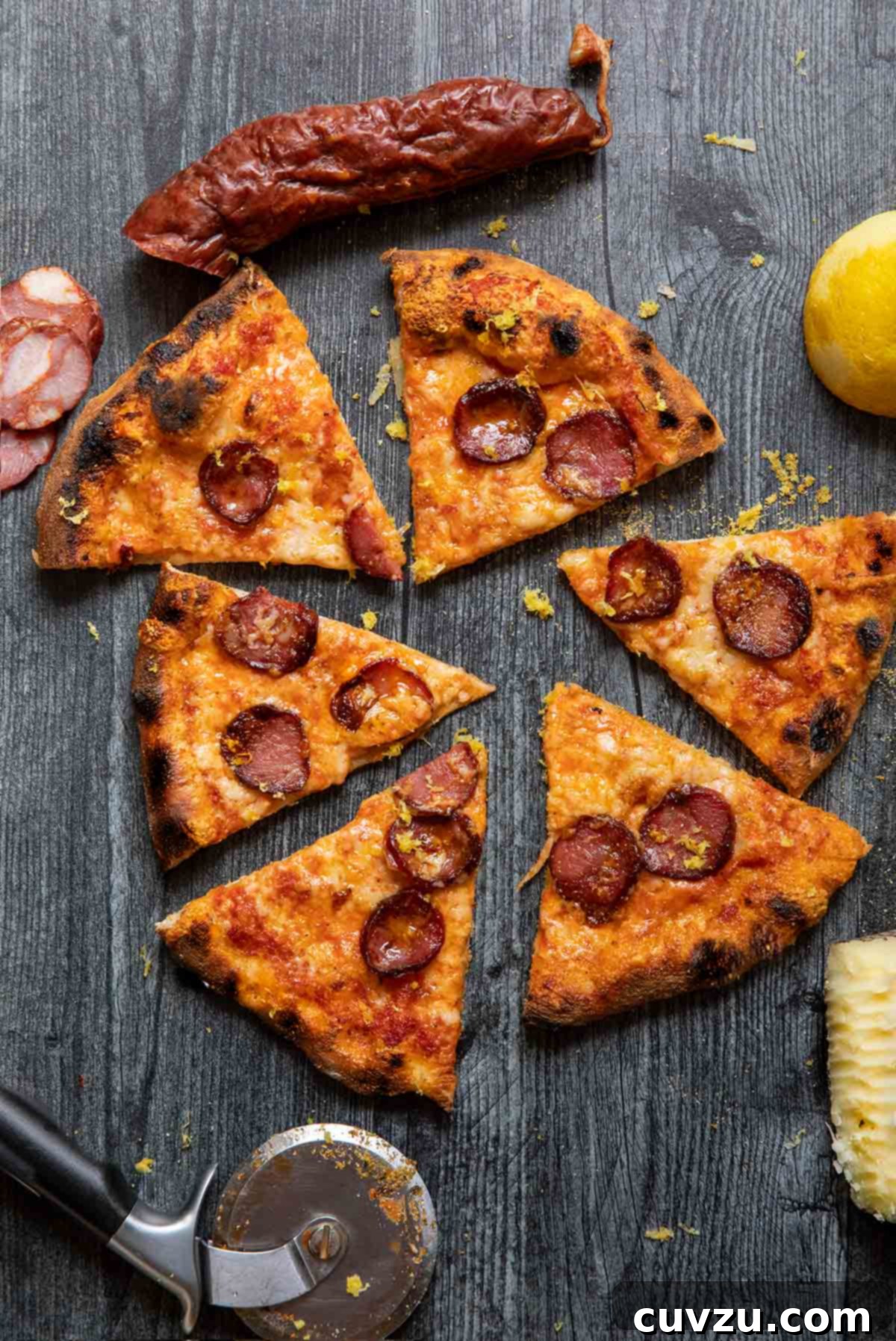
Embark on an extraordinary culinary journey with this irresistible Ooni pizza featuring rich Portuguese sausage and creamy sheep’s cheese. This isn’t just any pizza; it’s a symphony of robust, wood-fired flavors that will transport your taste buds straight to the sun-drenched coasts of Portugal. The magic begins with the exceptional smokiness imparted by a high-heat Ooni oven, a depth of flavor beautifully echoed by the inclusion of authentic Portuguese chouriço or linguiça. Complementing this savory foundation is a lavish layer of dreamy, authentic sheep’s cheese—a beloved staple in Portuguese cuisine. Finally, a vibrant shower of fresh lemon zest brightens every bite, adding a refreshing counterpoint to the rich, savory elements.
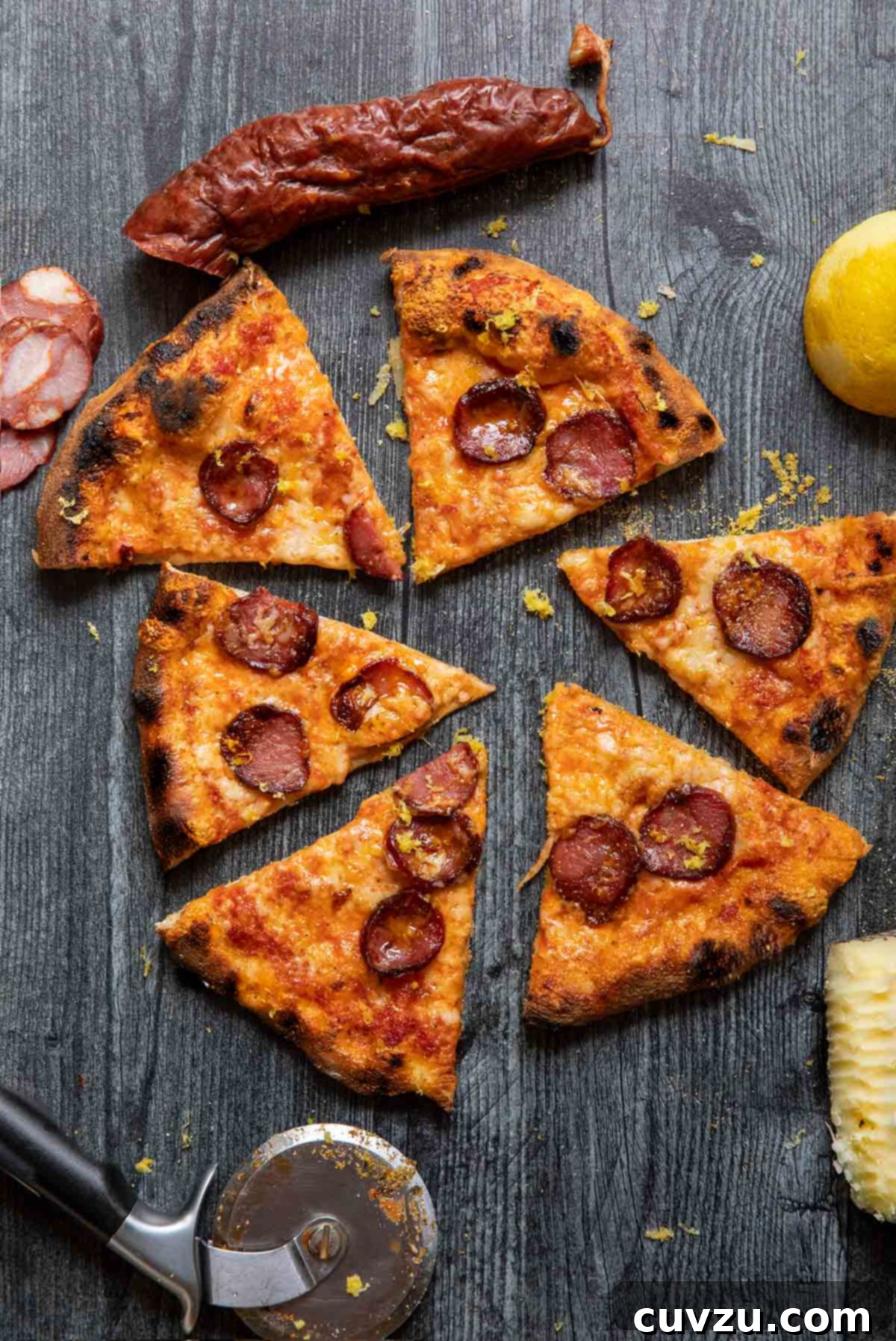
My Unexpected Love Affair with Homemade Pizza
For years, the idea of making pizza from scratch seemed like an insurmountable challenge, a culinary Everest I was content to admire from afar. I truly believed that the unparalleled taste and texture of my favorite local pizzeria’s pies were simply unattainable in a home kitchen. The thought of wrestling with dough, achieving that perfect char, and balancing complex flavors felt daunting, perhaps even futile. I confess, before this summer, I had never once attempted to create a homemade pizza.
Oh, how delightfully wrong I was! My entire perspective on pizza making has been utterly transformed, thanks in large part to a revelation: the Ooni Karu 16 pizza oven. This game-changing appliance has demystified the art of crafting perfectly blistered, char-kissed pizzas, making it far more accessible and enjoyable than I ever imagined. What once seemed like a laborious task has become a weekly ritual, a source of immense culinary satisfaction. But fear not, fellow pizza enthusiasts, for the meticulous recipe I’ve refined over several months can be replicated successfully in a conventional kitchen oven, bringing the joy of homemade pizza to every household.
The Secret to a Superior Dough: “00” Flour and the Slap-and-Fold Technique
My quest for the ultimate pizza began with an exhaustive search for the perfect dough. After experimenting with nearly a dozen different recipes, I discovered a true winner, adapted from Joshua Weissman’s brilliant formula. This dough is not merely good; it’s exceptional. It’s remarkably supple, a genuine pleasure to handle, and consistently yields professional-quality results. Its forgiving nature makes it foolproof, even for complete novices like myself, who were just two months ago, mere beginners in the world of pizza making.
One critical element that sets this dough apart, especially for high-heat ovens like the Ooni, is the use of “00” flour. This finely milled Italian flour boasts a lower gluten content compared to standard all-purpose flour, creating a dough that is both robust enough to withstand intense temperatures and delicate enough to achieve that coveted chewy, crispy crust. The unique “slap-and-fold” kneading technique is another game-changer, developing the gluten gently without overworking the dough, resulting in an incredibly elastic and smooth texture. Trust the process; the initial “shaggy” appearance of the dough will transform into a beautifully smooth, workable canvas.
Embracing Convenience: The Art of the Jarred Sauce
“Quelle horreur!” some purists might exclaim, clutching their pearls at the mention of a store-bought sauce. However, I stand by my decision to include the option of a jarred sauce in this recipe. My philosophy is rooted in practicality and enjoyment: when the craving for pizza strikes, the last thing I want is to add another time-consuming component to the preparation. The goal is to make homemade pizza accessible and enjoyable, not an arduous culinary feat.
While a quality store-bought sauce, like Rao’s, provides exceptional flavor with minimal effort, I certainly encourage those with more time and inclination to craft their own. Ooni itself offers a fantastic Classic Ooni Pizza Sauce recipe, and we also have our own simple pizza sauce that can be made in advance and frozen for ultimate convenience. The choice is yours, but rest assured, a delicious pizza doesn’t always demand a homemade sauce. –David Leite
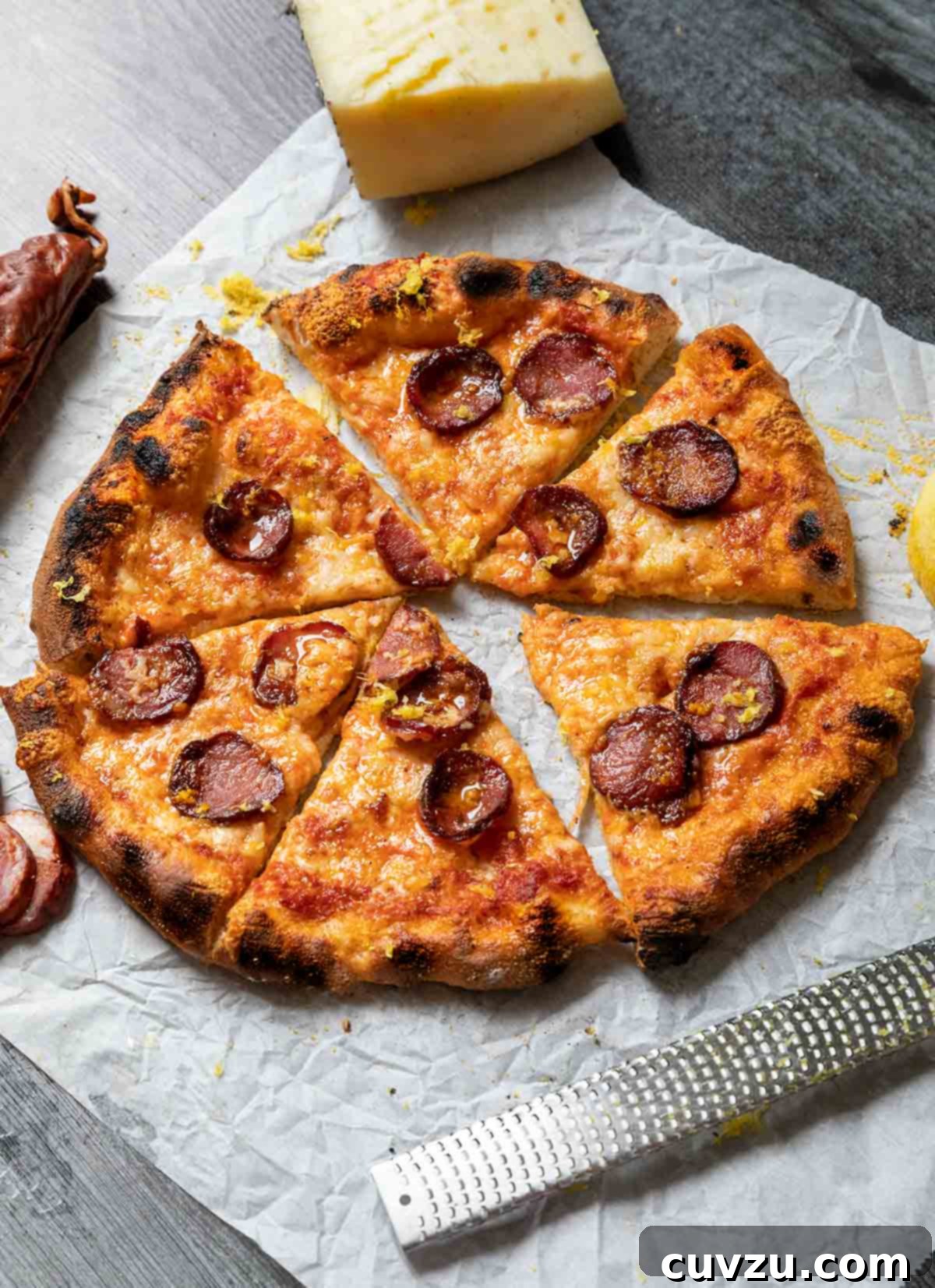
Portuguese Pizza FAQs: Your Questions Answered
I’m thrilled you asked! Ooni pizza ovens are a revelation for anyone passionate about authentic pizza. These compact, powerful ovens are specifically designed to replicate the intense heat of traditional brick ovens, allowing you to achieve a perfectly cooked, char-blistered pizza in a mere matter of minutes – often as quickly as 60 seconds! This incredible speed is what creates that signature wood-fired flavor and crispy crust that’s difficult to achieve with conventional ovens.
Many Ooni models are ingeniously portable and surprisingly affordable, opening up a world of possibilities for pizza enjoyment. Imagine freshly baked pizza at the beach, a delightful picnic, or even a nostalgic drive-in movie night! For those who prefer a more permanent setup, these ovens are ideal for backyard cooking. Some of the larger models even offer the versatility of using either wood or propane, catering to various preferences and situations.
Do I recommend investing in one? Without a doubt, yes. It has profoundly transformed our summertime cooking and meal planning. To illustrate the authentic, smoky deliciousness of Ooni pizzas, consider the high praise from our friend Matty, an 80-year-old, dyed-in-the-wool Bronx Italian, who declared them among the finest pies he’s ever tasted. When Matty says it’s good, you know it’s truly something special. Fuggetaboutit!
According to Ooni, the ideal temperature for a wood-fired pizza oven is a blistering 750°F (400°C). This extreme heat is what enables such rapid cooking times and the development of that distinct, leopard-spotted crust. However, if you’re new to the world of high-heat pizza making, this temperature can be quite unforgiving. To provide a bit more room for error and ease of maneuvering, I’ve adjusted this recipe’s recommended temperature for beginners to a slightly lower, yet still very hot, 600°F to 650°F (315°C to 345°C). These lower temperatures give you precious extra seconds to launch, turn, and retrieve your pizza without it burning prematurely.
For precise temperature control, especially if your pizza oven lacks a built-in thermometer, an infrared thermometer is an indispensable tool. It allows you to accurately measure the stone temperature, ensuring your oven is perfectly preheated for consistent, delicious results every time.
If you’re using an Ooni pizza oven or a similar high-heat appliance, I wholeheartedly recommend using “00” flour. There are two primary reasons for this strong recommendation: its incredibly fine grind and its lower gluten content compared to most conventional flours, such as all-purpose flour. What does this translate to for your pizza? It means you’ll achieve a dough with substantial structure that can perfectly withstand the rigors of quick cooking at extremely high temperatures, resulting in a finished product that boasts a delicate, yet satisfyingly chewy and crispy crust.
My own experiments underscore this point. I once attempted to use an all-purpose flour dough in my Ooni, and the results were, frankly, quite disheartening. The dough was significantly looser and less manageable, leading to a regrettable incident where the pizza folded in on itself while being turned, inadvertently creating a rather sad, burned calzone. While technically edible, it was far from the lovely pizza I had envisioned. While some dough recipes are perfectly suited for the more moderate temperatures of a conventional oven, they don’t all perform well in the intense environment of an Ooni. For optimal results, whether you’re using a specialized pizza oven or a traditional kitchen oven, stick with “00” flour. You’ll certainly appreciate the difference.
Cornmeal plays a dual, crucial role in achieving the perfect pizza. Firstly, sprinkling it on your pizza peel and baking surface will impart a delightful crispness and subtle texture to the bottom of your crust, enhancing the overall sensory experience. More importantly, however, cornmeal acts as a culinary lubricant. Its granular texture creates a frictionless surface that significantly aids in smoothly sliding your prepared pizza from the peel directly into the scorching hot oven. This prevents sticking, a common pitfall for many home pizza makers, ensuring a flawless launch every time and helping to avoid misshapen or damaged pies.
Absolutely, this pizza dough is wonderfully accommodating and perfect for meal prepping! Once you’ve completed step 9 of the dough preparation, simply take your individual dough balls, lightly oil them, and wrap them tightly in plastic wrap. For an extra layer of protection, slip these wrapped dough balls into a zip-top bag. Stored this way, the dough will keep beautifully in your refrigerator for up to a week, developing even more complex flavors as it cold ferments. When a craving for fresh pizza strikes, simply retrieve a dough ball, unwrap it, and allow it to come to room temperature before proceeding with step 10 of the recipe instructions. This foresight allows you to enjoy freshly baked pizza with minimal effort on busy weeknights.
Locating authentic Portuguese sausages such as chouriço or linguiça can be an exciting part of your culinary adventure. Your best bet is to start by checking with local, independent butcher shops, as they often carry a wider array of specialty items. High-end supermarkets with dedicated butcher or deli counters are also good places to inquire. These establishments typically pride themselves on offering unique and quality ingredients.
If your local search proves unfruitful, don’t despair! The digital marketplace offers excellent solutions. You can conveniently order these delicious sausages online from specialized retailers. For a truly authentic selection, I highly recommend Portugalia Marketplace, which is my personal favorite online Portuguese store. They offer a fantastic range of traditional products that will ensure your pizza has that genuine, unmistakable Portuguese flavor profile.
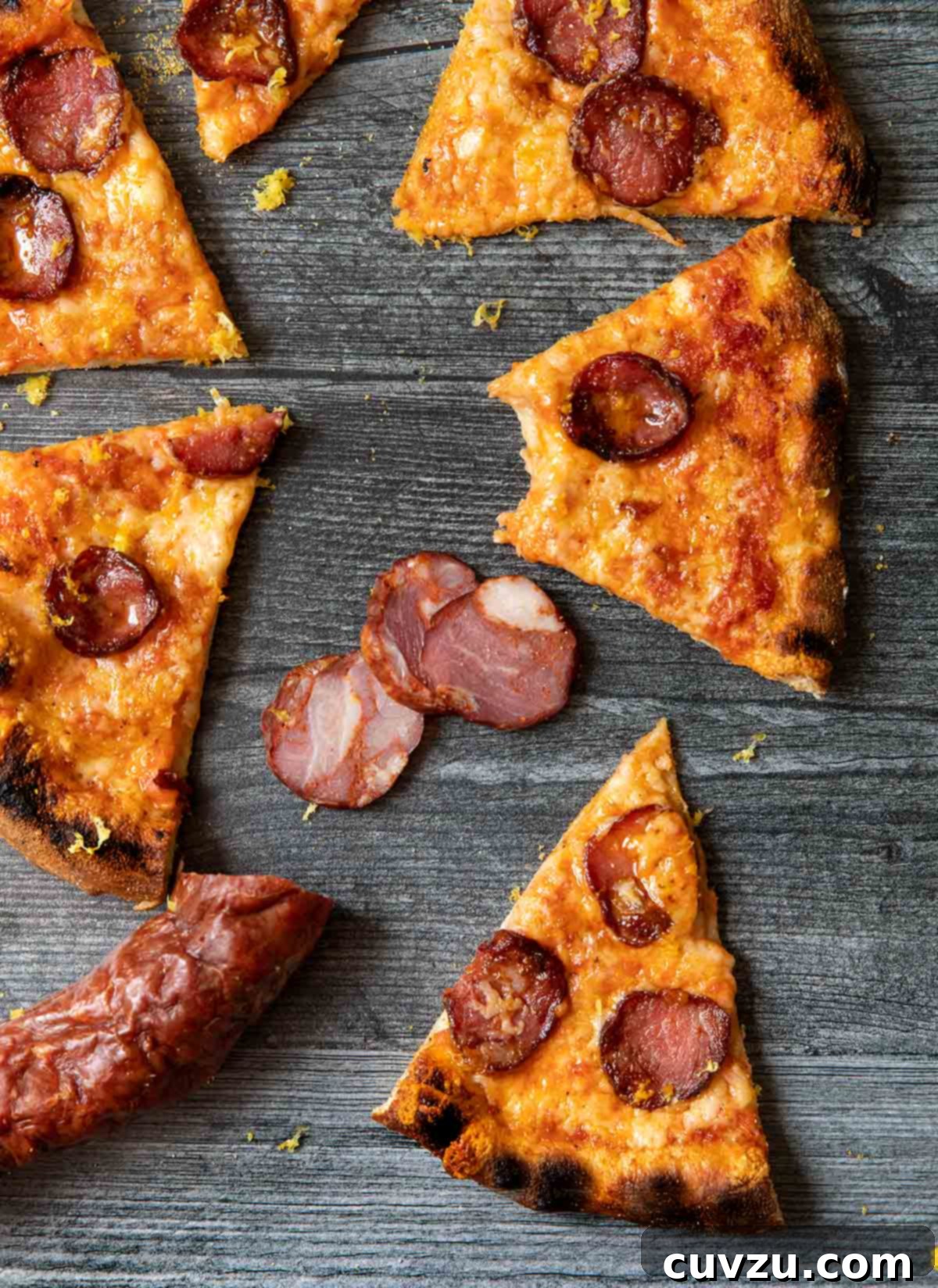
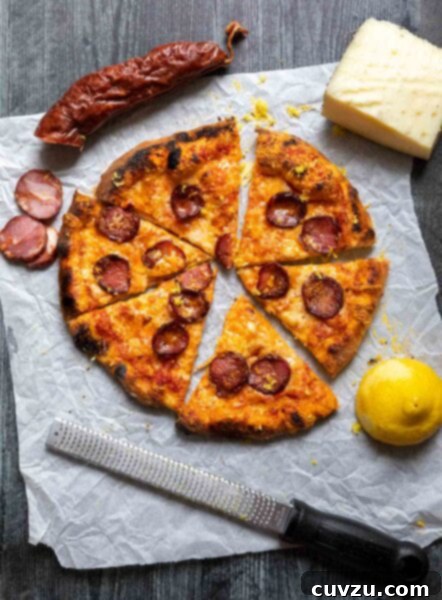
Ooni Pizza with Portuguese Sausage and Cheese
David Leite
Equipment
-
Ooni pizza oven (optional)
Ingredients
For the pizza dough
- 1 3/4 cup water (about 100°F or 38°C)
- 1 teaspoon active dry yeast
- 5 cups Tipo “00” flour
- 1 tablespoon table salt
- Olive oil, for the bowl
- Cornmeal, for dusting
For the pizza
- 1 cup store-bought or homemade pizza sauce (I prefer Rao’s)
- 12 to 16 ounces firm sheep cheese, such as Portuguese Saloio Regional or Spanish Manchego, shredded
- 12 ounces Portuguese chouriço or linguiça (pork sausage) or Spanish chorizo, thinly sliced or ground
- 1 lemon, preferably organic
Instructions
Make the pizza dough
-
Stir the water and yeast together in a small bowl and let stand for 5 minutes until frothy.
-
Meanwhile, whisk the flour and salt in a large bowl.
-
Pour the water-yeast mixture into the flour and stir until a loose, shaggy dough forms. It’ll look ugly. It’s ok.
-
Cover the bowl with plastic wrap and set aside for 20 minutes.
-
Transfer the dough to a work surface and knead using the slap-and-fold technique for 1 to 2 minutes or until the dough starts to turn smooth.
-
Return the dough to the bowl, cover with plastic wrap, and rest for 15 minutes.
-
Knead the dough by slapping and folding for 2 minutes. Shape the dough into a taut ball by cupping it and dragging it across the surface.
-
Lightly grease the bowl with olive oil, nestle the dough inside, turning the dough ball over, so it’s coated in oil. Cover with plastic again. Slide the bowl into the fridge overnight or at least 8 hours.
-
The next day, punch down the dough. Divide it into 4 pieces (260 g each). Flatten each piece into a circle, and fold all 4 sides–top, bottom, left, right–into the middle. Turn the dough ball over so the seam side is down. Cup the ball in your hand, and roll it on the work surface until taut. Repeat with the remaining dough.
-
Sprinkle a rimmed baking sheet with cornmeal, place the dough balls on top, and cover with a kitchen towel. Let rise for 2 to 3 hours, depending on how hot your kitchen is.
Make the pizza in a pizza oven
-
Prepare the wood-burning oven for 600°F to 650°F (315°C to 345°C) cooking.
☞ TESTER TIP: If you’re a pro at cooking pizzas in a wood-burning, go ahead and heat the oven to 750°F (400°C). The pizza will cook between 1 to 1 1/2 minutes.
-
Sprinkle a pizza peel with cornmeal and transfer a dough ball to the peel.
-
Press down from the center to the edges, making a 12-inch dough circle. Occasionally, pull up the dough to ensure it isn’t sticking.
-
If you like a puffed, thicker crust, stop pressing 1 inch from the edge.
If you like a thinner, flatter crust, press all the way to the edge.
-
Spread 3 or 4 tablespoons of sauce over the dough. Top with 4 ounces of cheese and dot with 1/4 of the sausage.
-
Slip the pizza into the oven. Watch it CAREFULLY. As the end nearest the fire starts to blister and char, slip the peel under the pie, pull it out, turn it so the near end is at the fire, and finish cooking.
-
Using the pizza peel, move the pie to a large cutting board or pizza pan. Let it cool for 5 to 10 minutes, then cut. Zest some lemon over the pizza and serve

-
Repeat with the remaining dough, sauce, and cheese to make the remaining three pizzas.
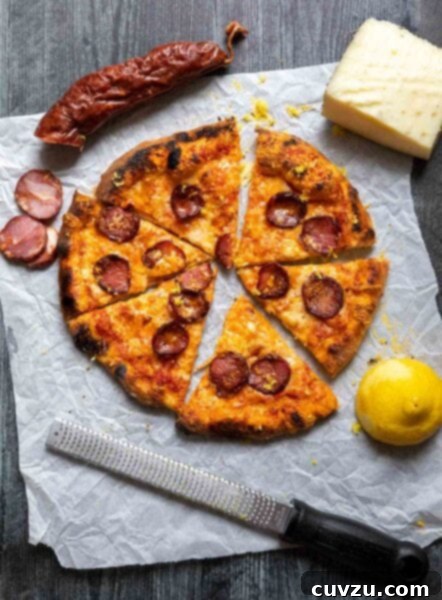
Make the pizza in a traditional oven
-
While the dough balls are resting (step 10), position an oven rack in the upper third of the oven and slide a pizza stone on it. Crank the heat to 550°F (288°C) for 1 hour.
-
Continue with steps 12 to 15.
-
Slide the pizza onto the preheated pizza stone and bake until the crust is well browned and the cheese is bubbling and browned in spots, 10 to 12 minutes.
-
Using the pizza peel, move the pie to a large cutting board or pizza pan. Let it cool for 5 to 10 minutes, then cut. Zest some lemon over the pizza and serve.
-
Repeat with the remaining dough, sauce, and cheese to make the remaining three pizzas.

An LC Original
View More Original Recipes
Nutrition
Calories: 603 kcal
Carbohydrates: 63 g
Protein: 27 g
Fat: 26 g
Saturated Fat: 15 g
Monounsaturated Fat: 0.1 g
Cholesterol: 72 mg
Sodium: 1789 mg
Fiber: 3 g
Sugar: 1 g
Nutrition information is automatically calculated, so should only be used as an approximation.
Recipe Testers’ Reviews
Jessie Hagan
I’m always excited to stumble upon a recipe for a pizza we haven’t tried! I love our wood-burning Ooni pizza oven, but we often get stuck in a rut with the same old toppings, time after time. This Portuguese pizza was a truly welcomed and flavorful twist on our classic wood-fired pizza routine.
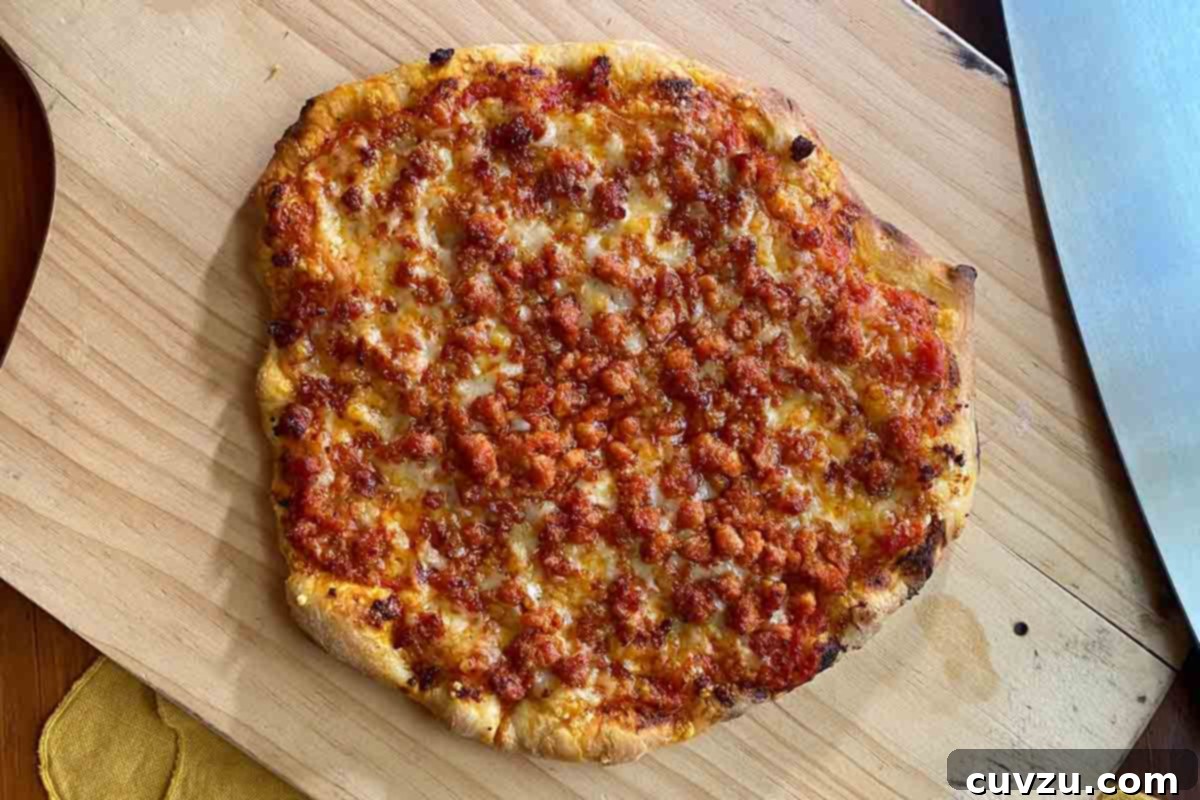
I will say that my biggest hurdle with wood-fired pizzas is consistently maintaining the fire to ensure stable oven temperatures. This particular pizza fires beautifully at 600°F, which is a bit more forgiving than the extremely high temperatures that leave very little room for error. The slightly lower heat gave me more confidence and control.
The dough was remarkably easy to work with, a stark contrast to some other sticky doughs I’ve encountered that refuse to slide gracefully off the peel. Speaking of the dough, I wholeheartedly advise trusting the process. It may appear ugly and shaggy initially, but I promise it comes together beautifully – resist the urge to add extra water. I ended up bulk fermenting my dough for about 20 hours in the fridge, and it doubled in size perfectly, developing fantastic flavor.
For my toppings, I opted for the creamy and nutty Manchego cheese and was not disappointed in the slightest. I was fortunate to find ground Portuguese chouriço, seasoned with garlic and paprika, which worked wonderfully. I definitely recommend making the effort to hunt down chouriço in any form you can, as its genuine flavor profile truly elevates the entire pizza to a new level of deliciousness.
While I typically make my own sauce, for this specific pie, I followed the recommendation and used Rao’s pizza sauce. It proved to be a lovely sauce with a subtle hint of sweetness that my family thoroughly enjoyed. To finish, I grated a touch of fresh lemon zest over the pizzas as soon as they emerged from the oven, adding a bright, acidic burst that cut through the richness beautifully.
The pizza is successful and scrumptious as written, but my family has a preference for a bit of heat. I had some Portuguese piri piri hot sauce on hand, so we drizzled it generously over the top just before eating, which provided precisely the kick we were looking for. This was undoubtedly one of my most successful wood-fired pizza sessions, a triumph I largely attribute to the superior dough. This recipe will absolutely be my new go-to dough, and the unique Portuguese toppings are permanently being added to our regular pizza-topping rotation – no doubt about it!
Angie Zoobkoff
This Portuguese pizza with chouriço and cheese was an absolute sensation with my family of four. We were all incredibly grateful for the generous leftovers the recipe provided, which made for delicious meals the next day. While an Ooni pizza oven remains at the top of my wish list, for now, I opted to make the traditional oven version of the pizza. It baked up beautifully in just 10 minutes, achieving a wonderfully crispy crust.
The dough proved to be both easy to make and remarkably cooperative to work with. I can confidently say it will be my go-to pizza dough recipe from this point forward. For my toppings, I utilized a good quality store-bought sauce, thinly sliced Spanish chorizo, and rich Manchego cheese. The Spanish chorizo, while not identical to Portuguese chouriço, offered a similar smoky and spicy profile that married perfectly with the creamy cheese.
The recipe directions were flawless, working perfectly as written, and the finished pizzas delivered exceptional taste and texture. We particularly loved the harmonious balance between the spicy, savory Portuguese-style sausage and the nutty, slightly tangy sheep’s cheese. This is definitely a recipe I’ll be making again and again, whether in a traditional oven or, hopefully soon, in an Ooni!
K. Zimmerman
I prepared this Portuguese pizza with sausage in my gas oven, utilizing a pizza stone for an authentic crispness. I followed the dough instructions meticulously, allowing it to rise for 12 hours in the refrigerator for a slow fermentation, followed by two hours on the countertop to come to temperature and further proof. The moment this pizza emerged from the oven, the first words uttered were, “this is really good.” And indeed, it truly is!
The pizza dough was incredibly simple to prepare, coming together effortlessly in just a few easy steps. The extended rise time proved invaluable, yielding a wonderfully flavorful dough that I will undoubtedly make repeatedly. The crust achieved a superb chewiness with a delightful crispness, tempting you to dive in for another slice immediately. It truly delivered on both texture and taste.
The distinctive kick from the chouriço lent the pizza a fantastic spicy bite that harmonized beautifully with the earthy, tangy notes of the Manchego cheese. We absolutely adored the bright, zesty freshness brought by the lemon zest sprinkled on top, which provided a lovely counterpoint to the rich, savory ingredients. We served this exquisite pizza with a robust red wine, and it created a perfect evening. This recipe will definitely be a regular addition to our pizza nights from now on.
Paul Jaquith
We followed this Portuguese Ooni pizza recipe almost exactly as written, and the results were fantastic. The slap-and-fold technique, as described, is an excellent method for making high-hydration doughs much more manageable without the need to incorporate additional flour. It’s crucial to ensure you’re working on a very clean, flat surface. While the dough may initially stick a bit, just persevere, and it will quickly come together into a smooth, elastic ball.
For the sauce, we opted for the quick pizza sauce recipe provided here. After preparing it, I found myself repeatedly returning for small spoonfuls, not to make any adjustments, but simply to savor its delicious flavor. Mmmmmm, it was truly a standout.
For the pizzas themselves, I used a combination of Manchego cheese and two distinct types of chorizo: a semi-dry version that I sliced into small coins, and a fresh chorizo from our local deli, which I had thinly sliced into larger discs. For the first two pizzas, I adhered precisely to the recommended quantities of meat and cheese. My family absolutely loved it, especially my daughter, who had recently returned from a trip to Barcelona and appreciated the authentic flavors.
For the final two pizzas, I decided to reduce the amount of meat and cheese by approximately 30%, as this aligns more closely with my personal preference for a slightly lighter topping. These pizzas were equally delicious. I noted that the semi-dry chorizo tended to overpower the other flavors somewhat. For future attempts, I plan to use only the fresh chorizo. Additionally, I will likely make only two pizzas with the Manchego and chorizo topping and explore different flavor combinations for the remaining two dough balls, allowing for more variety.