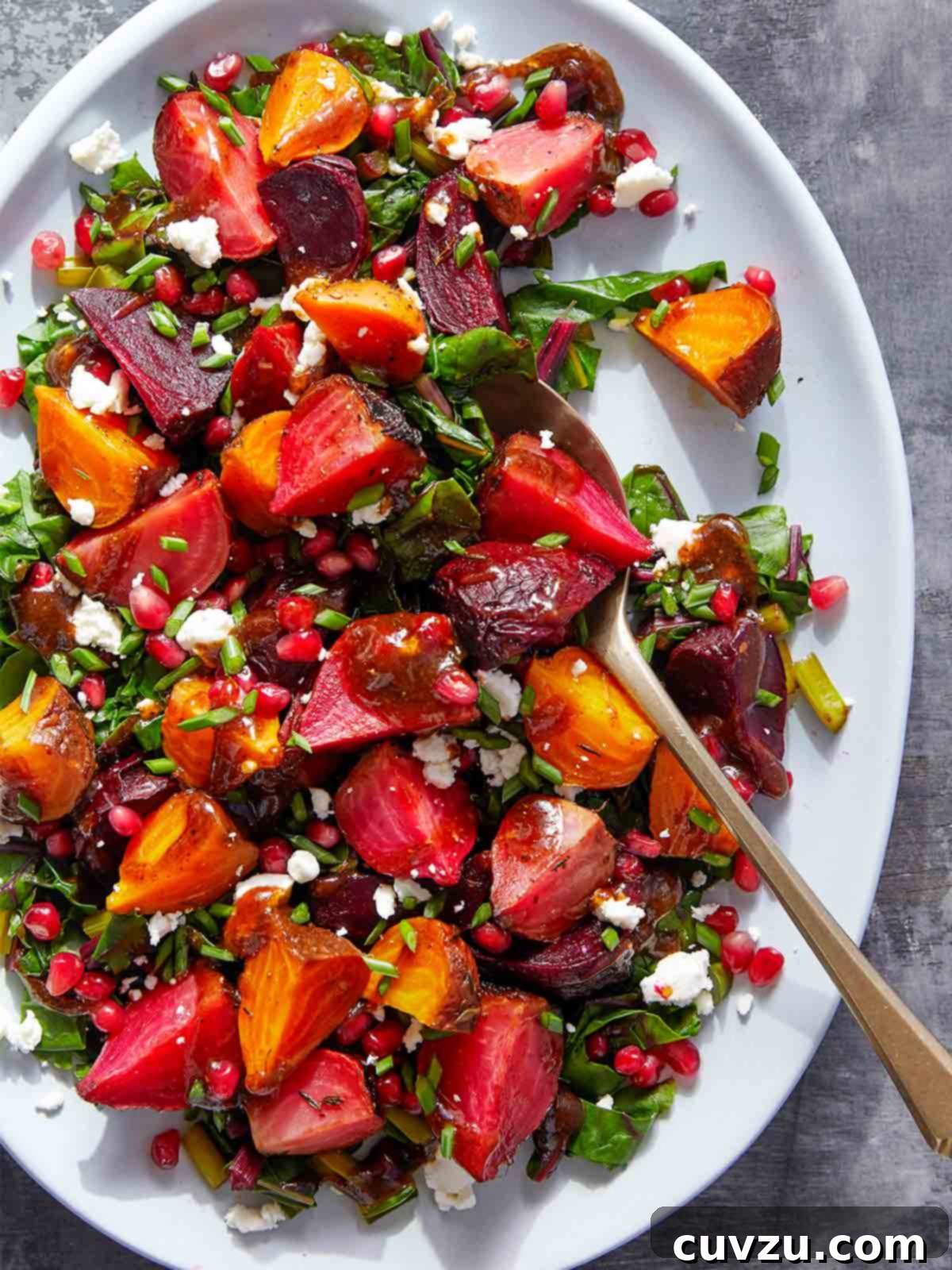
Unlock a symphony of vibrant flavors and stunning colors with this exquisite recipe for Pomegranate Roasted Beets with Goat Cheese. This dish isn’t just a side; it’s a culinary masterpiece, brilliantly combining the earthy sweetness of roasted beets, the bright tang of pomegranate, and the creamy richness of goat cheese. Nestled on a bed of gently wilted beet greens, it transforms into a gorgeous accompaniment to any main course or stands proudly as a warm, inviting winter salad. It’s a testament to simple ingredients coming together to create something truly extraordinary, promising to elevate your dining experience with its complex yet harmonious profile.
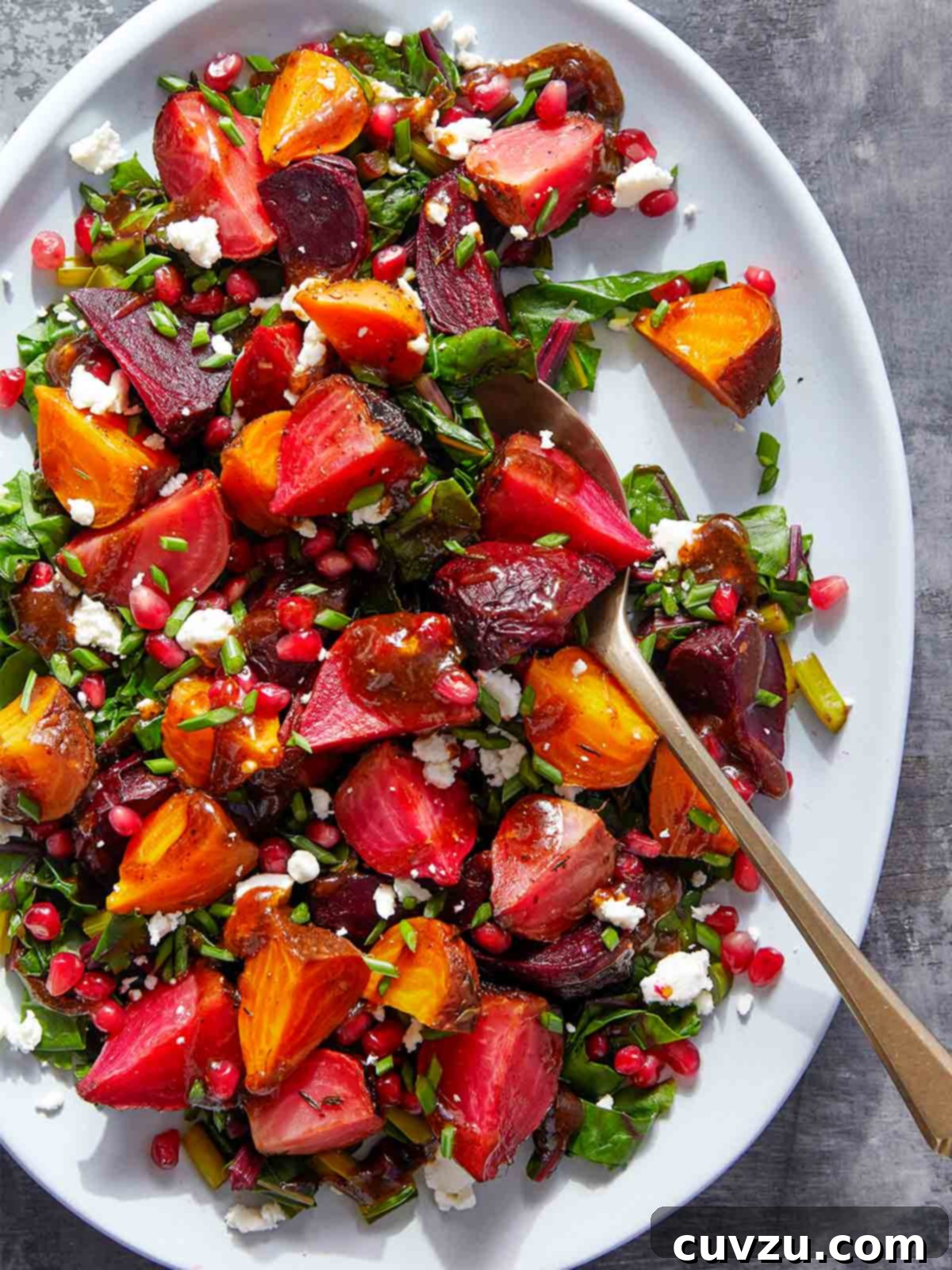
For an optimal culinary experience, especially when aiming for maximum flavor and nutritional benefits, I always advocate for preparing beets with their skins intact. The skin is a treasure trove of flavor and essential nutrients. However, this preference comes with a crucial caveat: always select small, young, and tender beets. The skins of older, larger beets can be notably tough and fibrous, detracting from the dish’s delicate texture. The visual appeal of this dish is further enhanced when you incorporate a delightful mix of beet varieties – consider the deep ruby hues of red beets, the sunny warmth of yellow beets, and the striking concentric rings of Chioggia beets. This colorful medley not only makes the dish a feast for the eyes but also introduces subtle variations in sweetness and earthiness. The inclusion of pomegranate molasses is a game-changer; it brilliantly coaxes out the natural sugars in the beets while simultaneously mellowing their distinctive earthy undertones, a flavor aspect that some palates might find too intense. This balance ensures a universally appealing and deeply satisfying dish.
Mastering Roasted Beets with Pomegranate and Goat Cheese: A Comprehensive Guide
This section delves deeper into the art of preparing our stunning Pomegranate Roasted Beets with Goat Cheese, addressing common questions and offering invaluable tips to ensure your dish is nothing short of perfection. From selecting the right beets to understanding the nuances of key ingredients and exploring delicious alternatives, we cover everything you need to know to confidently recreate this recipe and make it your own.
Do I have to peel roasted beets?
The decision to peel or not to peel roasted beets largely depends on the age and tenderness of the beets you’re using. As highlighted earlier, young, small, and tender beets possess a skin that is thin, palatable, and packed with nutrients and flavor. For these, leaving the skin on is highly recommended. Not only does it contribute to a more rustic aesthetic, but it also saves time and effort. However, if your beets are mature, larger, or simply not as tender, their skins can indeed become quite tough and fibrous after roasting. In such cases, you have two primary options: you can peel them before roasting, or, more conveniently, rub the skins off after they have cooked and cooled slightly. Once roasted and tender, the skins often loosen up, making them surprisingly easy to remove with a gentle rub under cool water or with a paper towel, without the need for a peeler. This approach ensures a smoother texture while still allowing the beet to benefit from roasting in its protective layer.
Can I use anything instead of beet greens?
Absolutely! While the recipe thoughtfully utilizes beet greens as a flavorful and nutritious base – offering a beautiful textural contrast and preventing food waste – it’s understandable that they might not always be available. Many grocery stores unfortunately remove beet greens due to customer perception, not realizing their culinary potential. Beet greens are remarkably delicious and incredibly nutritious, often described as a sweeter, more tender, and less fibrous alternative to kale, requiring significantly less preparation. If you find yourself without them, fear not! Excellent substitutes abound that will still provide a fresh, green foundation for your roasted beets. Robust leafy greens like kale, Swiss chard, or even mature spinach work wonderfully. When substituting, remember to adjust cooking times slightly to account for differences in tenderness – kale and Swiss chard might require a minute or two longer to wilt compared to delicate spinach. The goal is a lightly wilted bed that provides a fresh counterpoint to the rich beets and tangy dressing.
What can I substitute for pomegranate molasses?
Pomegranate molasses is a cornerstone ingredient in this recipe, offering a distinctive sweet-tart depth that beautifully complements the beets. Its unique flavor profile, characterized by its concentrated, syrupy consistency and a balance of acidity and fruitiness, can be a challenge to replicate exactly. While it’s certainly worth seeking out from specialty stores or online retailers, as it’s an incredibly versatile ingredient for Middle Eastern cuisine, don’t despair if it’s elusive. You can easily make your own by gently simmering pure, unsweetened pomegranate juice over low heat until it reduces to a thick, syrupy consistency. This homemade version allows you to control the sweetness and tartness to your preference – taste it and add a touch of sugar for more sweetness or a squeeze of lemon juice for additional tang, if desired. Another viable alternative is to reduce cranberry juice, which shares a similar tart and fruity essence, though it will lack the specific depth of pomegranate. For a different, but equally delicious, acidic and sweet note, a good quality balsamic reduction can also serve as an excellent swap, bringing its own unique complexity to the vinaigrette.
Pomegranate Roasted Beets with Goat Cheese: A Festive Side or Salad
This delightful dish combines tender roasted beets with a zesty pomegranate vinaigrette, creamy goat cheese, and fresh herbs, all served atop nutritious beet greens. It’s a perfect balance of earthy, sweet, and tangy flavors, making it suitable as a warm winter salad or a vibrant side dish for any meal. The use of beet greens not only adds a lovely textural contrast but also ensures no part of the vegetable goes to waste.
Recipe by David Leite, inspired by Christine Sahadi Whelan
Side Dish, Salad
Middle Eastern, Mediterranean
6 servings
405 kcal
25 minutes
1 hour 5 minutes
1 hour 45 minutes
Ingredients
For the Pomegranate Vinaigrette
- 3/4 cup extra-virgin olive oil
- 1/4 cup pomegranate molasses
- 1/2 teaspoon kosher salt
- 1/2 teaspoon freshly ground black pepper
- 1 teaspoon Aleppo pepper
For the Roasted Beets and Assembly
- 3 bunches (2 1/2 lbs total) of small young beets with greens (about 12 beets)
- 2 tablespoons fresh thyme leaves or 1 teaspoon dried
- 1/2 cup fresh pomegranate seeds
- 4 ounces firm fresh goat cheese
- 4 or 5 fresh chives, chopped
Instructions
1. Prepare the Pomegranate Vinaigrette
- In a small bowl, combine the extra-virgin olive oil, pomegranate molasses, kosher salt, freshly ground black pepper, and Aleppo pepper. Whisk vigorously until all ingredients are thoroughly combined and the vinaigrette is emulsified. Set aside.
2. Roast the Beets
- Preheat your oven to 350°F (180°C).
- Carefully separate the beet greens from the beets. Wash both the beets and their greens thoroughly under cold running water, scrubbing the beets with a produce brush to remove any soil.
- Place the whole, unpeeled beets onto individual sheets of heavy-duty aluminum foil. If you’re using a mix of beet varieties, it’s a good idea to use a separate foil packet for each color to prevent color bleeding during roasting. Drizzle each pile of beets with a few tablespoons of the prepared pomegranate vinaigrette and sprinkle generously with fresh thyme leaves (or dried thyme, if using). Fold the foil up and over the beets, sealing the packets tightly to create a moist environment for roasting.
- Arrange the foil packets on a rimmed baking sheet. Roast in the preheated oven for 60 to 75 minutes, or until the tip of a knife can easily pierce a beet, indicating they are tender. Allow the beets to cool slightly in their foil packets, as this helps them retain moisture and flavor.
3. Prepare the Beet Greens
- While the beets are roasting, take the washed beet greens and about 3 inches (7.5 cm) of their stems. Cut them crosswise into thin, bite-sized strips.
- In a medium saucepan, bring approximately 1/2-inch (12 mm) of water to a boil. Add the cut beet greens to the boiling water. Cook just until they are wilted and tender-crisp, typically 2 to 3 minutes, using tongs to turn them to ensure even cooking.
- Drain the cooked beet greens thoroughly and arrange them evenly on a large serving platter, creating a vibrant green base for your roasted beets.
4. Assemble and Serve
- Once the roasted beets are cool enough to handle, carefully remove them from their packets. Trim off the pointed tips and stem ends. Cut the beets into elegant wedges, keeping the skins on if they are tender (as recommended for young beets). Scatter these beautiful beet wedges over the prepared bed of wilted beet greens on the serving platter.
- Generously sprinkle the fresh pomegranate seeds over the beets and greens, adding bursts of tart flavor and vibrant color. Crumble the firm fresh goat cheese evenly over the entire dish, introducing a creamy, tangy element that perfectly balances the earthiness of the beets.
- Finally, drizzle the remaining pomegranate vinaigrette over the salad, ensuring every component is lightly coated. Garnish with the freshly chopped chives for a final touch of herbaceous freshness and visual appeal. Serve immediately and enjoy the harmonious blend of flavors and textures.
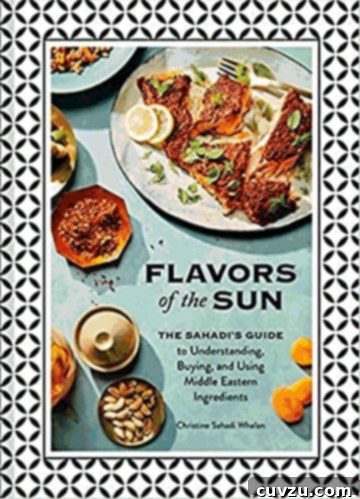
Adapted From
Flavors of the Sun
Buy On Amazon
Nutrition
Serving: 1 serving
Calories: 405 kcal
Carbohydrates: 26 g
Protein: 7 g
Fat: 32 g
Saturated Fat: 7 g
Monounsaturated Fat: 21 g
Cholesterol: 9 mg
Sodium: 417 mg
Fiber: 6 g
Sugar: 18 g
Nutrition information is automatically calculated and should be used as an approximation.
Tried this recipe?
Mention @leitesculinaria or tag #leitesculinaria!
Why Our Recipe Testers Adore Pomegranate Roasted Beets with Goat Cheese
Our kitchen team and trusted recipe testers consistently rave about this Pomegranate Roasted Beets with Goat Cheese recipe. Their experiences highlight various aspects that make this dish a standout, from its impeccable flavor balance to its stunning presentation and surprising versatility. Here’s what they had to say:
Jessie Hagan’s Experience
Jessie Hagan described this dish as having “all the flavors of lingering summer and a gateway to fall,” perfectly capturing its transitional appeal. She praised the tender, earthy beets, noting how they are “perfectly dressed with balanced sweet and sour pomegranate vinaigrette.” Jessie initially struggled to find pomegranate molasses locally but was glad she ordered the “real thing” online, confirming her belief that it was “flawless and an incredibly robust recipe on its own.” She even had some leftover dressing, which she was certainly “not mad about.” Every bite, she reported, delivered “a tender beet bite, a bright hint of dressing, the pop of a tart pomegranate aril, and finished with creamy, rich goat cheese.” For Jessie, this dish was hearty enough to be a meal on its own, while also serving as a “perfect accompaniment to any fall feast.”
Anna Scott’s Take on Enhanced Flavors
Anna Scott appreciated how this recipe takes the “classic pairing of beets and goat cheese” and “amps it up” with the infusion of Middle Eastern flavors like pomegranate molasses and Aleppo pepper. She found the preparation “simple to make,” highlighting its dual benefits of being both “healthy and beautiful on a serving platter.” Anna particularly liked the clever use of beet greens as the dish’s base, a smart move for those who, like her, “always try to buy beets with their greens still attached.” A significant bonus for Anna was not having to peel the beets after cooking, which meant “no red-stained hands here!” This convenience, coupled with the elevated flavors, made it a winning recipe for her.
Jack V.’s Endorsement for Even Beet Skeptics
Jack V. proclaimed this an “truly exceptional roasted beet recipe,” noting its incredible ability to “sway even the most staunch anti-beet members of my household.” A surprising highlight for Jack was that the dish “somehow only managed to get BETTER when reheated,” suggesting a convenient make-ahead option (20 minutes at 350°F). He described the taste profile as “rich, and earthy, and creamy and tart and sweet,” concluding it was “somehow one of the best things I’ve eaten in a while.” While he used a mix of red and golden beets, Jack wisely recommended using “all golden or striped for the color contrasts” due to the darker hues of the greens, pomegranate seeds, and dressing. For those in search of a good pomegranate molasses, Jack highly recommended “Cortas,” finding it to be “the sharpest and tartest, and perfect for this dish.”
Sasha Pravdic’s Thoughts on Texture and Finishing Touches
Sasha Pravdic echoed the sentiments of beauty and deliciousness, calling these pomegranate roasted beets with goat cheese “a colorful and delicious salad with a beautiful presentation.” She particularly enjoyed how “the earthiness of the beets is lifted up by the tang of pomegranate molasses” and praised “the addition of goat cheese and pomegranate seeds.” Sasha had an interesting experience with the unpeeled beets. Intrigued by the concept, she found that the skin on her beets was “too tough,” leading her to peel them after cutting them into wedges. She suspected this was because she “was not able to find true baby beets,” resulting in a less pleasant “mouthfeel or taste” with the skin on. Despite this minor adjustment, she noted they were “easy enough to peel” and the resulting improvement was “huge.” As a finishing touch, Sasha recommended sprinkling a bit of Maldon sea salt onto the finished salad for an extra layer of flavor and texture.
The collective feedback from our recipe testers consistently points to a dish that is not only visually stunning but also offers a complex interplay of flavors and textures. Whether you’re a long-time beet lover or looking to convert a skeptic, this recipe for Pomegranate Roasted Beets with Goat Cheese is sure to impress.