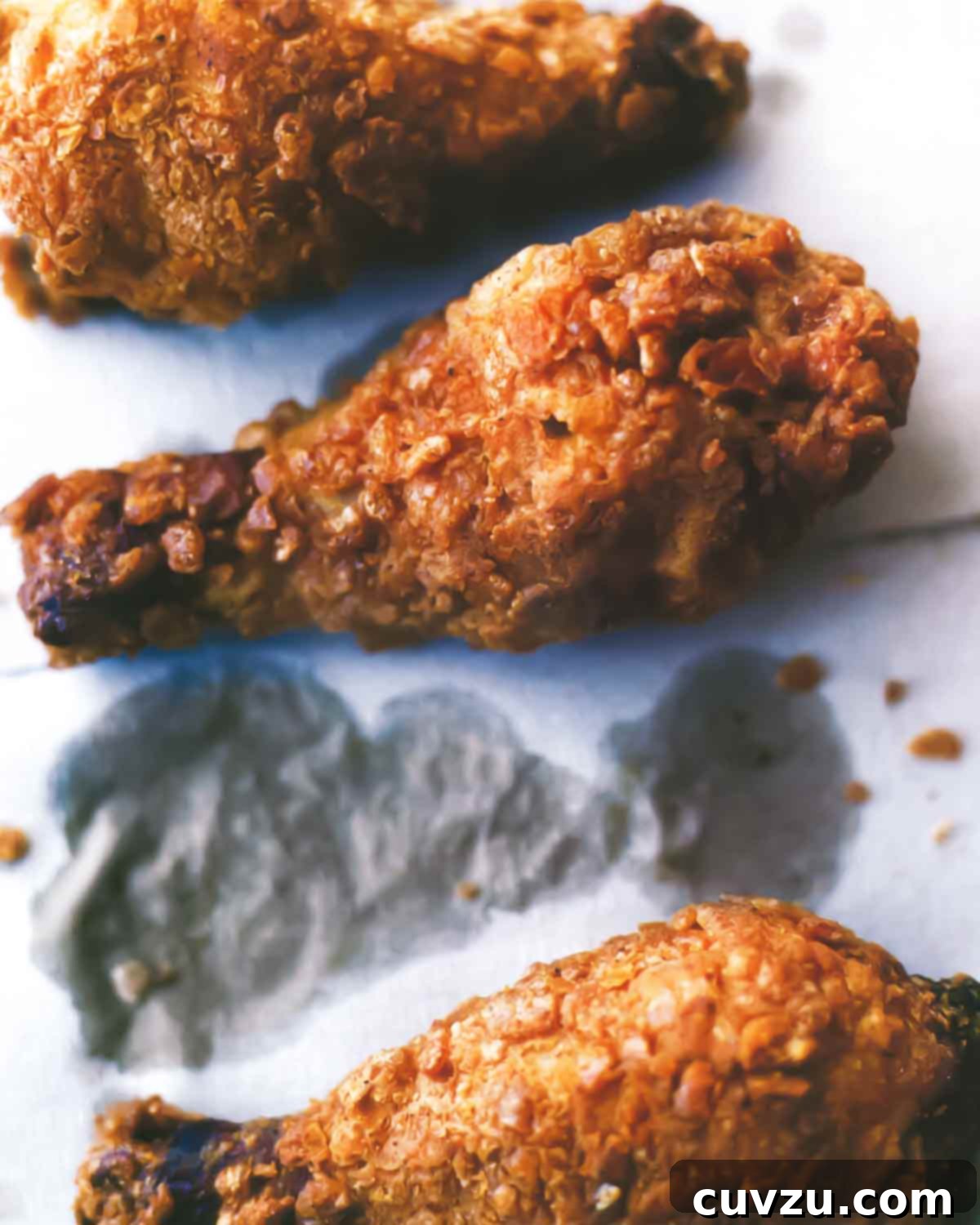
Padma Lakshmi’s crispy fried chicken isn’t just a meal; it’s an experience in texture and flavor. This celebrated recipe offers an intensely crunchy delight, moving beyond traditional methods to deliver a truly unforgettable dish. By brining the chicken in a unique milk and salt solution, and then coating it in an unconventional blend of crispy cereal, crushed saltines, and a hint of cayenne pepper, you’re about to discover a fried chicken recipe that promises to become an instant favorite in your kitchen.
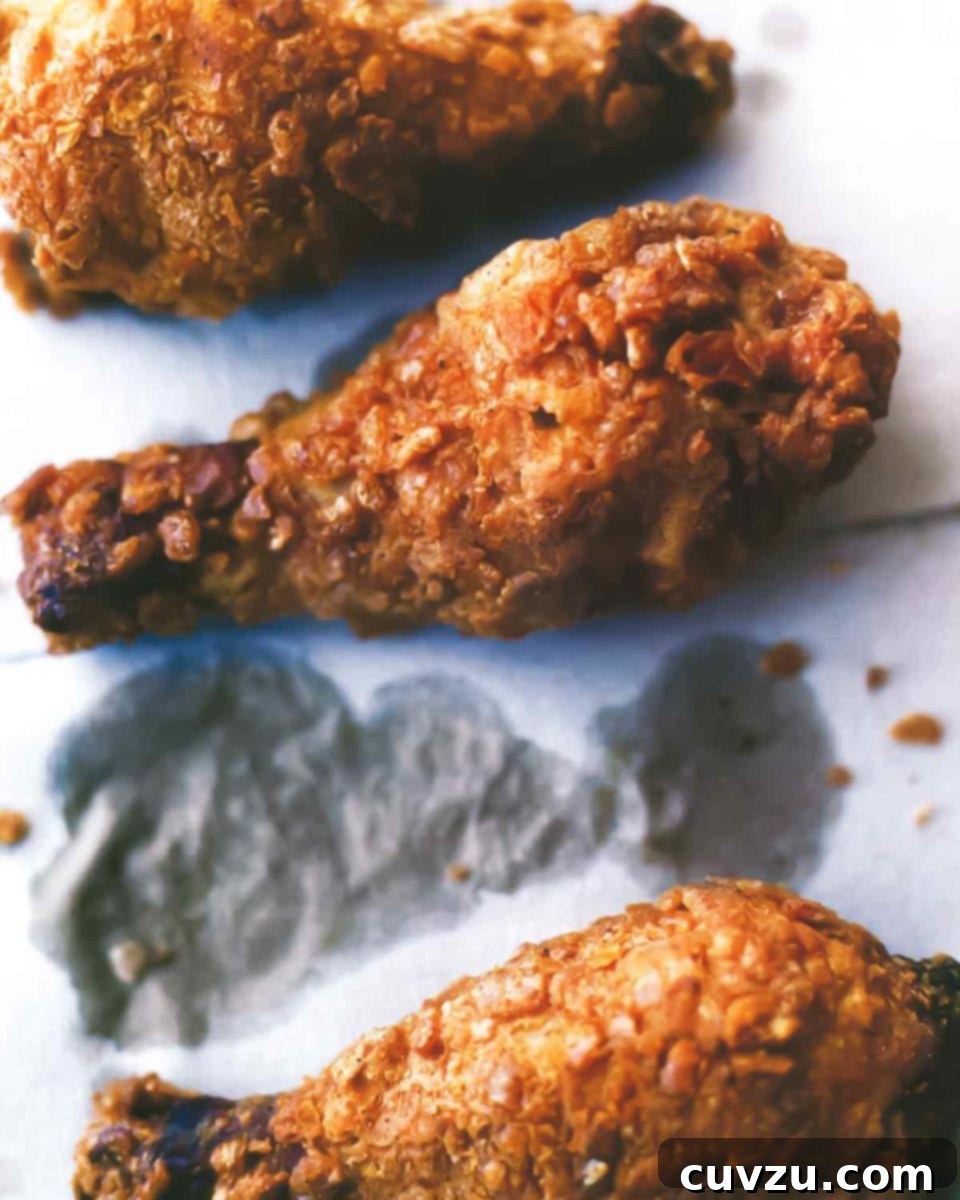
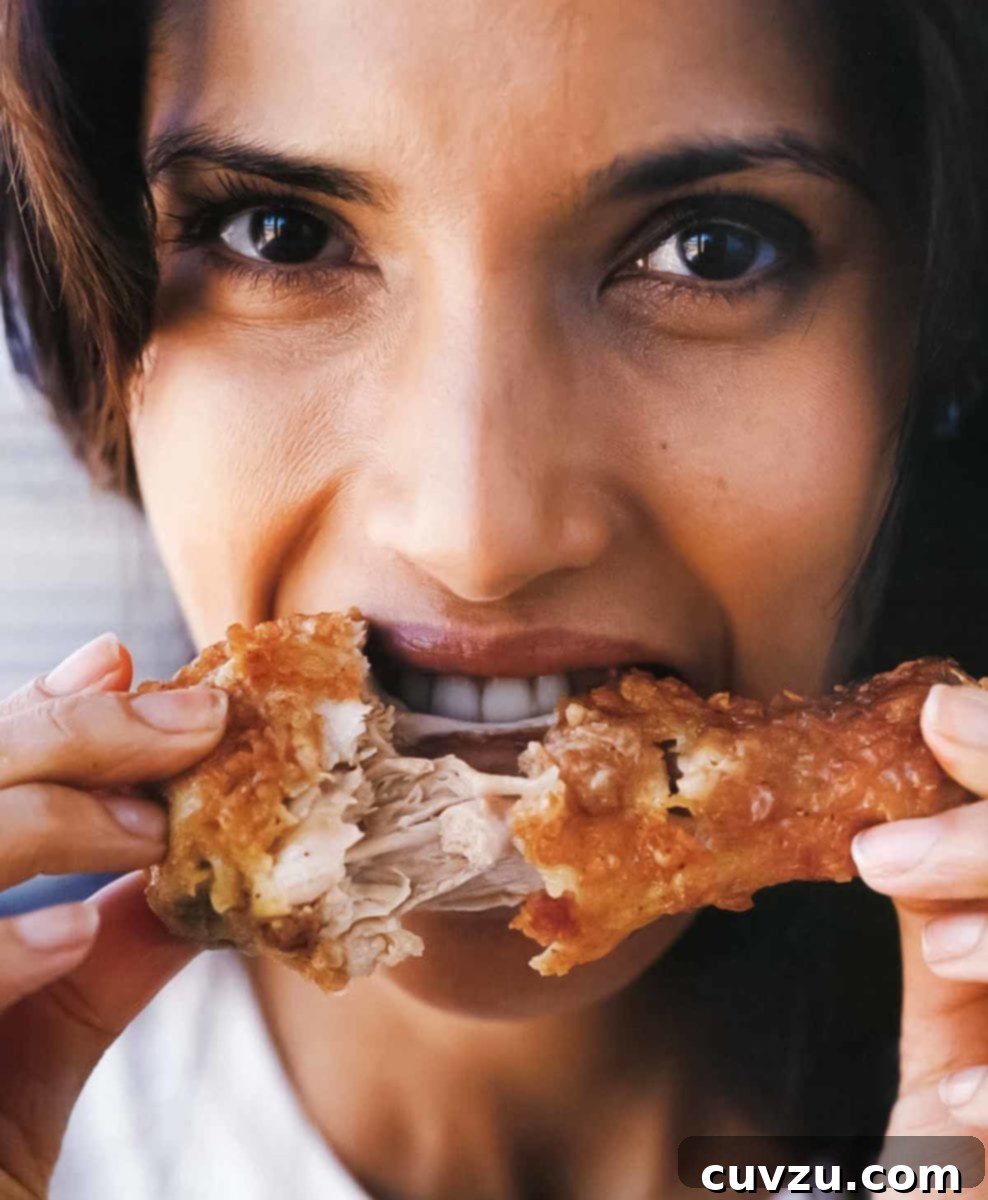
When one thinks of classic Southern fried chicken, a culinary icon from South India might not be the first image that comes to mind. However, as Padma Lakshmi herself attests, the quest for the perfect fried chicken knows no geographical bounds. Her dedication to finding the ultimate recipe for this beloved comfort food led her to a groundbreaking discovery. Even during her vegetarian days, the allure of that perfectly coated, fatty chicken skin was undeniable, a testament to the dish’s universal appeal. The secret, she reveals, lies in two crucial steps that elevate this recipe far beyond the ordinary.
The first key to achieving remarkably moist, plump, and undeniably juicy fried chicken is the marination process. Traditional recipes often call for either a simple saltwater brine or a milk-based marinade. Padma Lakshmi masterfully combines both methods, immersing the chicken in a harmonious blend of salt and milk. This ingenious combination doesn’t just tenderize the meat; it infuses it with a subtle sweetness, thanks to the milk, resulting in a succulent pleasure that is truly unparalleled. The salt further enhances the chicken’s natural flavors while contributing to its tender texture. This dual-action marinade ensures every bite is bursting with moisture and a delicate, rich taste.
The second, perhaps more astonishing, secret is the unique coating. Forget plain flour and spices; Padma’s recipe introduces the indispensable layered crunch of Rice Krispies (or corn flakes) and saltine crackers. These unexpected additions create a shatteringly crispy exterior that delivers an incredible textural experience. The fine flour provides the initial adhesion, the crushed saltines offer a savory, slightly denser crunch, and the cereal fragments contribute a lighter, airier crispness, all harmoniously bound together with a touch of cayenne for a subtle kick. This innovative coating technique transforms ordinary fried chicken into a culinary masterpiece, ensuring a delightful crunch with every single bite.
Crispy Fried Chicken FAQs: Your Questions Answered
Amchur, derived from dehydrated green mangoes, is a staple in Indian cuisine. Its primary role in this recipe is to impart a bright, vibrant tanginess to the chicken without introducing any unwanted moisture, which could compromise the crispiness of the coating. If you have access to amchur, we highly recommend trying it, as it adds a distinct layer of citrusy zip that beautifully complements the richness of the fried chicken. While the dish is still delicious without it, amchur elevates the flavor profile to another level. For those who can’t find it, lemon pepper can serve as a suitable, though not identical, substitute, offering a similar acidic bright note.
Reheating fried chicken can be tricky, but the key is to avoid the microwave at all costs. While quick, microwaves tend to make the skin soggy and the meat rubbery. For optimal results, we suggest bringing your leftover fried chicken to room temperature while your oven preheats to 400°F (200°C). Arrange the chicken pieces on a wire rack set over a baking sheet, ensuring air circulates around them. Once the oven reaches temperature, slide the chicken in and heat for about 15 minutes, or until it’s thoroughly warmed through and the skin has regained its glorious crispness. This method ensures a revived texture and flavor that’s almost as good as freshly fried.
Brining chicken is a time-honored technique for ensuring moist and flavorful results. Padma Lakshmi’s innovative approach combines a traditional salt brine with a milk marinade. The salt in the brine helps to break down muscle fibers in the chicken, allowing it to absorb more moisture and resulting in a more tender and juicy final product. Milk, on the other hand, contains lactic acid which also tenderizes the meat and adds a subtle sweetness, enhancing the chicken’s natural taste. By combining these two methods, the chicken achieves an unparalleled level of tenderness, juiciness, and complex flavor that a single brine might not provide. It’s a dual-action process that truly makes a difference.
For frying this crispy chicken, choosing the right oil is paramount. Oils with a high smoke point are ideal, as they can withstand the necessary temperatures without burning and imparting off-flavors. Canola oil and olive oil are suggested in the recipe. Canola oil is a neutral-flavored option that won’t interfere with the chicken’s taste. While olive oil is listed, a light olive oil or even a blend would be better suited than extra virgin, which has a lower smoke point. Other excellent choices include vegetable oil, peanut oil, or sunflower oil. The option of using butter (or ghee) alongside oil adds richness and depth of flavor. If incorporating butter, it’s crucial to monitor the oil temperature carefully, as butter can brown quickly at high heat, potentially leading to a darker crust before the chicken is fully cooked.
Padma Lakshmi’s Crispy Fried Chicken
David Leite
PIN
Print Recipe
Mains
Southern
4 servings
574 kcal
25 minutes
35 minutes
9 hours
Ingredients
- 2 1/2 cups whole milk
- 5 teaspoons salt
- 1 (3- to 4-pound) chicken, cut into 8 pieces (ensure pieces are roughly uniform for even cooking)
- 1 cup all-purpose flour
- 1/2 cup crisp rice cereal or corn flakes, smashed just a little (for varying textures)
- 12 whole saltine crackers, crushed (adds savory depth and crispness)
- 1 teaspoon dried mango powder (amchoor) or lemon pepper, (optional, for a citrusy tang)
- 1 teaspoon cayenne pepper, or more to taste (adjust to your preferred spice level)
- 2 large eggs
- 1 1/2 to 3 cups canola or olive oil (use a high smoke point oil; quantity depends on pan size and butter usage)
- 2 sticks (8 oz) unsalted butter or, preferably, ghee, (optional, adds richness and flavor)
Instructions
-
Prepare the Brine: In a large bowl, thoroughly mix the whole milk and 4 teaspoons of salt. Pat the chicken pieces dry with paper towels; this helps the brine adhere better and contributes to crispier skin later. Add the chicken to the milk mixture, ensuring all pieces are fully submerged. Cover the bowl tightly and refrigerate for a minimum of 8 hours, and ideally up to 10 hours. This crucial brining step is what guarantees exceptionally moist and tender results.
-
Set Up Breading Stations: Prepare two separate shallow dishes or plates. In the first dish, combine the all-purpose flour, lightly smashed crisp rice cereal or corn flakes, crushed saltine crackers, the remaining 1 teaspoon of salt, the optional dried mango powder (amchur) or lemon pepper, and cayenne pepper. Mix these dry ingredients well to ensure an even distribution. In the second shallow bowl, beat the two large eggs until well combined. Remove the brined chicken from the refrigerator and drain off any excess milk mixture; do not rinse the chicken.
-
Heat the Frying Oil: Place a deep, heavy-bottomed pan (such as a Dutch oven or cast-iron skillet) over medium-low heat. Pour in the canola or olive oil. If you choose to use butter or ghee for added richness, add it along with 1 1/2 cups of oil. If frying with oil alone, use 3 cups of oil. Allow the oil to heat gradually until it reaches a temperature of 350°F (176°C) as indicated by a deep-fry or candy thermometer. Maintaining a consistent oil temperature is vital for even cooking and a perfectly crispy crust, so keep a close eye on your thermometer throughout the frying process.
-
Bread the Chicken: One piece at a time, dredge the chicken. First, coat it thoroughly in the flour mixture, shaking off any excess. Next, dip it into the beaten egg, allowing any extra egg to drip off. Finally, return the chicken to the flour mixture for a second coating, making sure to roll and press gently to ensure it’s fully covered with the cereal and cracker breading. This double-dredging technique creates the signature thick, crunchy crust. Repeat for all chicken pieces.
-
Fry to Golden Perfection: Carefully place the breaded chicken pieces into the preheated oil, working in small batches to avoid overcrowding the pan. Overcrowding will drop the oil temperature and lead to soggy chicken. Fry the chicken over medium-low heat until it turns a beautiful golden brown and becomes wonderfully crisp. The cooking times will vary by piece: wings typically take about 7 minutes per side, while breasts may require up to 10 minutes per side. Continuously monitor the flame, especially if using butter, as it can brown quickly. Adjust the heat as needed to keep the oil at a steady 350°F (176°C).
-
Check for Doneness and Finish Cooking (if necessary): After frying, check the chicken for doneness. The internal temperature should reach 165°F (74°C). If the chicken isn’t quite cooked through, transfer it to a wire rack set on a baking sheet. Preheat your oven to 400°F (204°C) and slide the baking sheet into the oven for an additional 12 minutes or until fully cooked. To be certain, insert a sharp knife into the deepest part of one chicken piece; juices should run clear. This oven finish ensures the chicken is cooked safely without over-browning the crust.
-
Serve and Enjoy: Once cooked, transfer the crispy fried chicken to a brown paper bag or a new wire rack to drain any excess oil. Resist the immediate urge to dig in! Allowing the chicken to cool for at least 5 minutes helps the coating set and ensures you can better appreciate the intricate flavors, including the subtle sweetness from the saltines. Serve this magnificent creation with plenty of napkins – it’s a wonderfully messy and delicious experience.

Adapted From
This exceptional recipe is adapted from Padma Lakshmi’s acclaimed cookbook, “Tangy Tart Hot & Sweet.” A culinary journey through her rich heritage and innovative approach to flavors, this book is a treasure trove of inspiring dishes. For those eager to explore more of her unique recipes, purchasing the book is highly recommended.
Buy On Amazon
Explore More with AI
Substitutions
Scale Recipe
Summarize
Nutrition
Calories: 574 kcal
Carbohydrates: 37 g
Protein: 32 g
Fat: 32 g
Saturated Fat: 10 g
Monounsaturated Fat: 15 g
Trans Fat: 1 g
Cholesterol: 190 mg
Sodium: 3141 mg
Fiber: 1 g
Sugar: 8 g
Nutrition information is automatically calculated, so should only be used as an approximation.
Tried this recipe?Mention @leitesculinaria or tag #leitesculinaria!
Insights from Our Recipe Testers
Our team of dedicated recipe testers put Padma Lakshmi’s crispy fried chicken to the test, offering invaluable feedback and practical tips. Their experiences highlight the unique qualities of this recipe and provide insights for home cooks seeking to perfect their technique.
Jessie Hagan
Jessie Hagan enthusiastically endorsed this crispy fried chicken, making it a star at her football-watching party. A key takeaway from her experience was the chicken’s ability to maintain its exceptional crispiness even after being cooked ahead of time and reheated gently in a warm oven. This makes it an ideal dish for entertaining, as it frees the host from last-minute frying. Jessie particularly appreciated the varied textures of the breading – the initial crunch from the flour, the softer salty crispness of the saltines, and the sweeter, caramelized snap from the corn flakes, all contributing to a dynamic mouthfeel. She also noted how the sour lemon pepper beautifully balanced the cereal’s sweetness. Her only suggestion for next time? Doubling the cayenne pepper for an even bolder kick, as the initial spice was somewhat subdued amidst the other flavors. Crucially, the chicken was so moist and flavorful on its own that dipping sauces were completely overlooked, a true testament to the recipe’s inherent deliciousness. Jessie confirms this recipe is a definite keeper, adaptable even for younger palates by using chicken tenders.
Our General Tester Feedback
One tester shared a delightful surprise at the “magnificently crisp coating.” The saltines, though melding into the flour mixture texturally, imparted a subtle yet really pleasing salty sweetness to the overall flavor profile. This chicken evoked a nostalgic sense of childhood fried chicken – slightly greasy, perfectly slippery, and packed with incredible flavor. However, a common issue observed was the coating occasionally sliding off a few pieces. This was attributed to the oil temperature being potentially too low during frying. The tester suggested that foregoing the richness of butter and using only oil for frying, allowing for a slightly higher heat, might help the coating adhere better. This highlights the importance of precise temperature control when frying, especially with unique coatings.
Kristen Kennedy
Kristen Kennedy awarded this recipe a Tester’s Choice for its truly delicious flavor, despite encountering a few challenges. She used kosher salt and rice cereal for the coating, and ghee for frying, noting her mango powder hadn’t arrived in time. Kristen’s main concern was the cooking time; she found the listed times insufficient for the chicken to cook through, necessitating an additional oven finish for all pieces. More significantly, while the coating was delightfully crunchy, sweet, and spicy, it struggled to adhere properly to the chicken skin. The skin underneath became rubbery and unappealing, an issue she hadn’t faced before. This points to a potential interaction between the brining method and the coating application, or perhaps a nuance in oil temperature or initial chicken preparation. Kristen plans to retest the recipe upon receiving her mango powder, considering a modified dredging technique (plain flour, then egg, then coating mixture) to improve adherence. Her experience emphasizes that even with a fantastic flavor, technique fine-tuning can sometimes be required for perfect results.