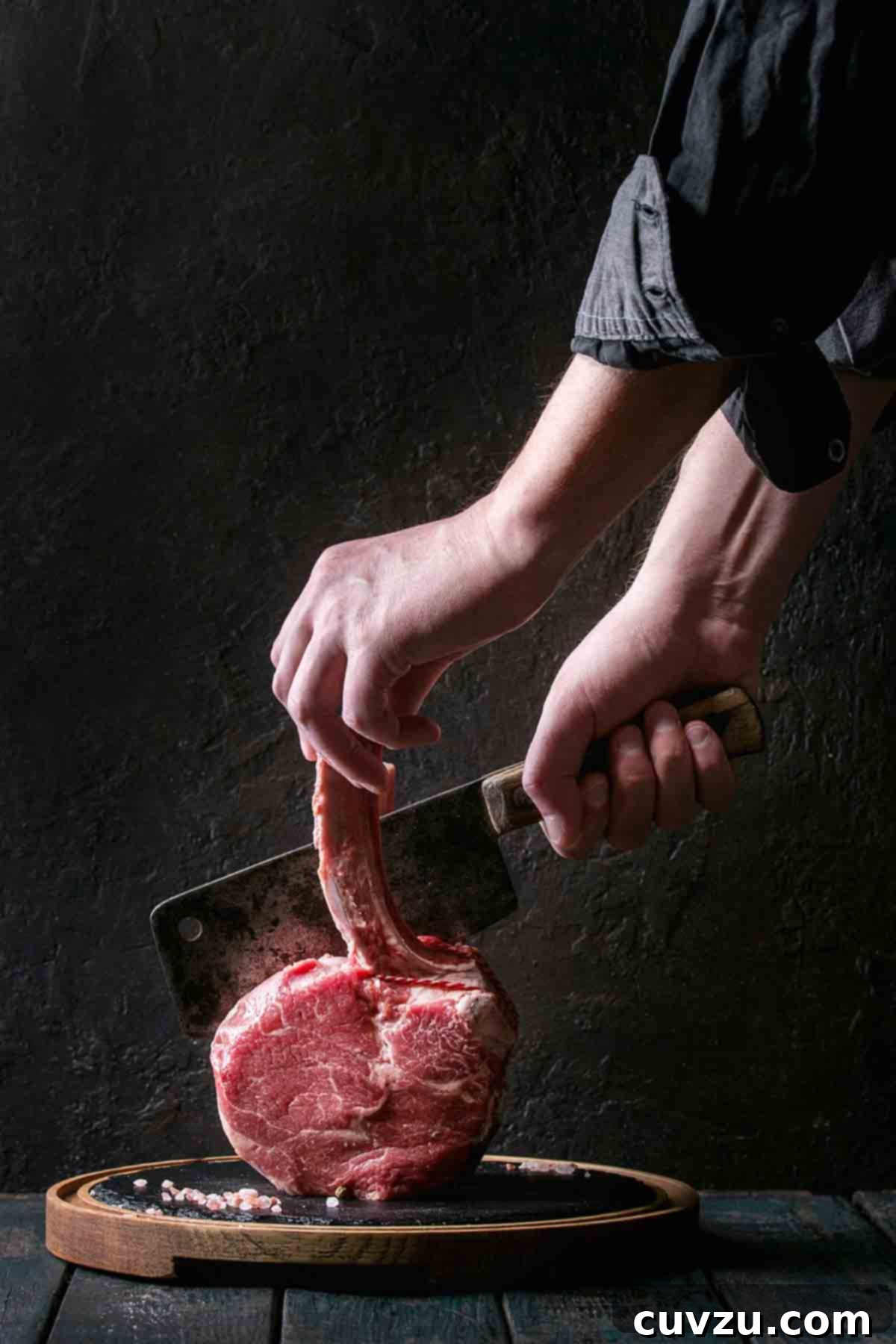
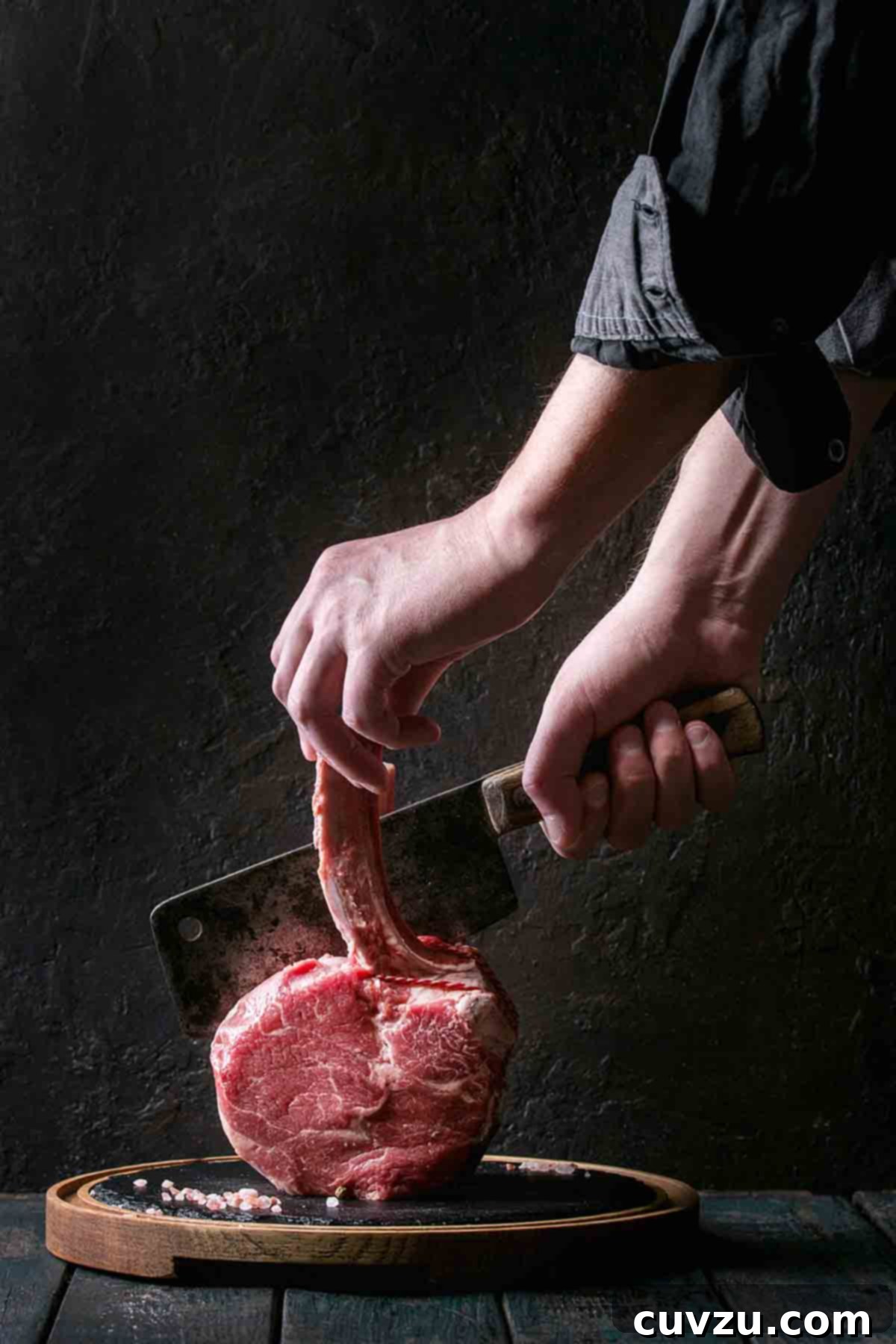
As the holiday season approaches or you plan for that special dinner gathering, the centerpiece of your feast often takes center stage: a magnificent roast. Whether it’s a standing rib roast, a succulent lamb rack, or a flavorful pork loin, the presentation can elevate an already delicious meal to an unforgettable culinary experience. Achieving this elegant touch often involves a classic butchery technique known as “Frenching.”
Let’s clarify one crucial detail upfront: we’re not talking about the affectionate gesture of “French kissing” here. While a perfectly cooked holiday roast might inspire profound admiration, our focus is purely on the culinary art. “Frenching” is a professional term that refers to a specific method of meat preparation, transforming a rustic cut into a refined masterpiece that will undoubtedly impress your guests.
This comprehensive guide will demystify the art of French trimming, explaining what it means, why it’s worth the effort, what tools you’ll need, and provide a detailed, step-by-step tutorial to help you achieve perfectly Frenched bones every time. Master this technique, and you’ll not only enhance the visual appeal of your roasts but also contribute to a cleaner, more enjoyable dining experience.
What Does “Frenching” Mean and Why is it Essential for Your Roast?
In the culinary world, “to French” a rib roast, or individual chops for that matter, describes the meticulous process of trimming and scraping away the meat, fat, and sinew from the slender end of the rib bones. The goal is to expose a clean, pristine section of the bone, typically 2 to 3 inches long. This technique is predominantly applied to cuts where bones are present, such as standing rib roasts, lamb racks, and pork rib roasts.
But why go to the trouble? The benefits of French trimming extend far beyond mere aesthetics, though visual appeal is certainly a major draw. Here’s a detailed look at why this technique is so valuable:
- Elegant Presentation: This is arguably the most immediate and noticeable benefit. Exposed, clean bones lend an air of sophistication and professionalism to any roast. It transforms a hearty, rustic dish into a center-table showstopper, signaling a level of care and attention to detail that your diners will appreciate. Imagine a beautifully golden-brown roast with stark white bone handles – it’s a culinary work of art.
- Enhanced Dining Experience: Frenched bones act as natural “handles,” making it much easier for guests to carve or pick up individual chops without getting greasy hands. This eliminates mess at the table, creating a more refined and enjoyable eating experience for everyone.
- Cleaner Carving and Serving: With the bone ends clean, carving becomes a more straightforward process. There’s less chance of gristle or excess fat getting in the way, allowing for cleaner, more precise slices. This also ensures that each portion looks as good as it tastes.
- Reduced Mess During Cooking: The fatty and sinewy bits at the bone ends can sometimes burn at high temperatures, causing fat to sputter and smoke in your oven. By trimming these away before cooking, you minimize flare-ups and reduce the amount of mess inside your oven, making cleanup easier.
- Improved Heat Distribution (Minor): While not the primary reason, some chefs argue that clean bones conduct heat more efficiently, potentially contributing to a more even cook around the bone area. More importantly, removing excess fat and connective tissue prevents uneven cooking that can result from varied densities of meat and fat.
- A Touch of Professionalism: Frenching is a hallmark of professional butchery and culinary preparation. Applying this technique in your home kitchen demonstrates a mastery of cooking skills and an appreciation for fine dining.
Historically, little paper frilly caps were sometimes placed over Frenched bones for an even more elaborate look and to protect those with “delicate constitutions” from handling the bones directly. Thankfully, these caps (and arguably, the delicate constitutions) have largely fallen out of fashion, as the clean, exposed bone is now considered elegant enough on its own.
What Other Terms Also Mean to “French” a Rib Roast?
The culinary world, like many specialized fields, often uses several terms to describe the same technique. When referring to the process of exposing the bones of a roast or chops, you might encounter various phrases that all essentially mean the same thing as “Frenching” or “to French.” Understanding these synonyms can be helpful when reading recipes or communicating with other cooks and butchers. Common alternative terms include:
- “French a bone”: A direct and concise way to refer to the action of trimming the bone.
- “Clean a bone”: This term emphasizes the outcome – a bone that is free from all meat, fat, and sinew.
- “Trim a roast”: While a general term that could encompass various trimming activities, in the context of bone-in roasts, it often refers specifically to French trimming when aiming for an elegant presentation.
- “French trimming a roast”: This phrase combines the technique with the specific cut, making it very clear what preparation is being performed.
- “Scalloping”: Less common for large roasts but sometimes used for individual chops, particularly in older culinary texts, to describe a similar bone-cleaning process.
Regardless of the specific terminology used, the underlying technique remains consistent: precise removal of meat and connective tissue to reveal a clean bone for enhanced aesthetic appeal and practical benefits during cooking and serving. Familiarizing yourself with these terms ensures you can confidently approach any recipe calling for this elegant preparation.
Essential Tools for French Trimming Your Roast
While the technique of Frenching might seem daunting, it requires surprisingly few specialized tools. The key is having the right equipment and knowing how to use it safely and effectively. Here’s a breakdown of the essential items you’ll need:
1. A Sharp Boning Knife
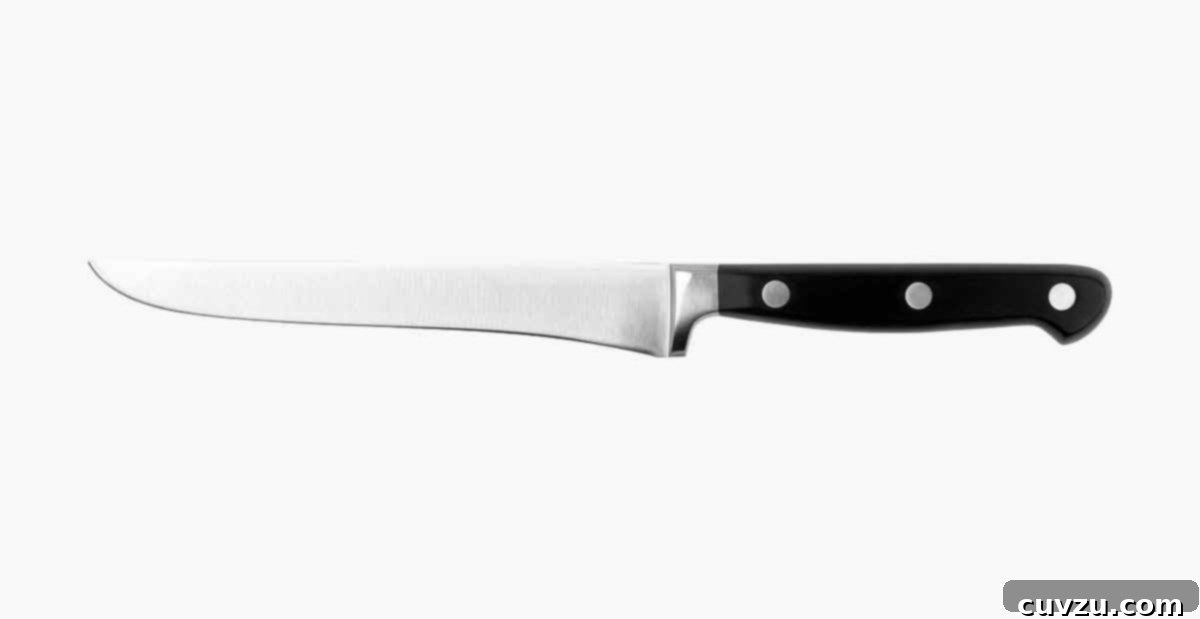
This is your most crucial tool. A boning knife is specifically designed for separating meat from bone and trimming fat. Look for one with these characteristics:
- Sharpness: A truly sharp knife is safer and more efficient than a dull one. It allows for clean, precise cuts with less effort, reducing the risk of slippage. Before you begin, ensure your knife is honed or sharpened.
- Narrow Blade: The slender profile of a boning knife allows it to maneuver easily in tight spaces, particularly between and around the bones of a rib roast.
- Flexibility: While some boning knives are rigid, a semi-flexible or flexible blade can be particularly helpful for Frenching. Its ability to bend slightly allows you to follow the natural curve of the bones more closely, ensuring maximum meat removal and a cleaner finish.
- Size: A blade typically between 5 to 7 inches is ideal for most roasts. It offers enough reach without being unwieldy.
If you don’t have a dedicated boning knife, a very sharp, narrow utility knife or even a paring knife with a strong, sharp tip can work in a pinch, but a boning knife will make the job significantly easier and safer.
2. Dry Kitchen Towel or Paper Towels
This simple item plays a vital role in safety and precision. You’ll use a dry kitchen towel or a wad of paper towels to:
- Secure the Meat: Holding the roast steady with one hand while you cut with the other is paramount. The towel provides a firm, non-slip grip on the meat, especially important when dealing with potentially greasy surfaces.
- Clean the Bones: After initial scraping, the towel helps you grab each exposed bone and pull off any stubborn, last clinging bits of meat, fat, or sinew, ensuring a perfectly clean finish.
3. Sturdy Cutting Board
A large, stable cutting board is essential for safety and comfort. Choose one that:
- Is large enough: To accommodate the entire roast, allowing you ample working space.
- Has a non-slip surface: Or place a damp towel underneath your cutting board to prevent it from sliding around on your countertop. Stability is key when working with sharp knives.
- Is made of a knife-friendly material: Wood or high-density plastic boards are ideal, as they won’t dull your knife as quickly as glass or ceramic surfaces.
4. Honing Steel or Sharpening Stone (Optional, but Recommended)
Maintaining a sharp edge is crucial. A quick pass over a honing steel before and during the process can keep your boning knife optimally sharp, making your work easier and safer. A sharpening stone can be used for more significant sharpening if your blade is dull.
Gathering these tools before you start will streamline the Frenching process, making it a manageable and even enjoyable part of your roast preparation.
How to French a Roast: A Step-by-Step Guide for a Flawless Finish
Mastering the art of French trimming is a skill that will elevate your roasts from good to truly extraordinary. Follow these detailed steps to achieve a clean, elegant presentation every time. Remember, patience and a sharp knife are your best allies.
Preparation: Setting Up Your Workspace
Before you begin, ensure your workspace is clean, well-lit, and organized. Lay out your sturdy cutting board, have your boning knife within easy reach, and keep your dry kitchen towel or paper towels handy. Ensure the roast is chilled; cold meat is firmer and easier to trim precisely than meat at room temperature.
-
Step 1: Establishing the Initial Cut Line
Carefully place your bone-in roast on the cutting board with the fatty side facing up. Identify the rib bones. The goal is to expose approximately 2 to 3 inches of bone from the tip. Using a ruler or simply eyeballing it, measure about 2 to 3 inches down from the very end of the bones. This point will be your guide.
With your sharp boning knife, make a long, horizontal cut across the top of the rack, precisely at your measured 2-to-3-inch mark. Apply firm, steady pressure to cut cleanly through the layer of fat and the underlying meat until your knife blade makes contact with the bones. This initial cut serves as your boundary – everything above it will be removed. Ensure this cut is as straight and even as possible across all the ribs.
-
Step 2: Releasing the Main Section of Meat and Fat
Once your initial horizontal cut is made, remove the knife. Now, working from one end of the roast, carefully begin to slice inward from the very tip of the bones, following the natural curve of each rib bone. Use the flexibility of your boning knife to glide along the bone surface, separating the meat and fat from the bone. Angle your knife slightly downwards towards your initial horizontal cut. Continue this process along each individual bone until you connect with your initial cut line.
As you work, gently pull away the strip of meat, fat, and sinew that is being detached. Once you’ve separated it along all the bones and reached your horizontal cut, you should be able to pull off a significant strip of meat and fat. This valuable scrap isn’t waste! It can be used for making flavorful stock, rendered for its fat, or, if suitable, given as a treat to a very happy canine companion.
-
Step 3: Cleaning Between the Ribs
With the main bulk of meat removed from the top of the bones, you’ll now focus on the areas between each individual rib bone. This step ensures a truly clean and professional finish.
Carefully position your knife perpendicular to the roast. Slice straight down along one side of a rib bone, cutting through any remaining membrane or connective tissue. Then, move to the next rib bone and make a similar cut along its side. Once these two parallel cuts are made, insert your knife between them and carefully cut across, freeing any small bits of meat or fat that are stubbornly clinging to the gaps between the bones. Repeat this process for each section between the exposed bones, working systematically across the roast.
-
Step 4: Scraping the Bones Clean
This is where the bones truly begin to shine. While you might be tempted to use the sharp edge of your knife for this, resist the urge! Using the *back* (the spine) of your boning knife is crucial here. This technique achieves a clean scrape without dulling your blade on the bone itself. If your knife has a rounded spine, this works perfectly; otherwise, use the dullest part of the back edge.
Hold the exposed section of each rib bone firmly with your free hand (using a towel for grip if necessary). With the back of your knife, firmly scrape downwards along the length of each exposed bone, from your horizontal cut line all the way to the tip. Apply consistent pressure to remove any last clinging bits of meat, fat, or silvery sinew. You want the bone to be completely clean and white. Repeat this scraping motion several times on all sides of each bone until you are satisfied with the result.
-
Step 5: Final Polishing and Inspection
For the ultimate clean finish, grab your dry kitchen towel or a wad of paper towel. Tightly grip each exposed bone individually with the towel. Firmly pull and wipe down the bone several times. The friction from the towel will help dislodge any minute, stubborn bits that the knife might have missed. This final polish also buffs the bone, making it look pristine and ready for presentation.
Inspect all the Frenched bones carefully. Run your fingers along them to check for any rough spots or remaining tissue. If you find any, go back with your knife or towel to clean them up. A perfectly Frenched roast should have smooth, clean, and uniformly exposed bones.
Once you’ve completed these steps, your roast is ready for seasoning, tying (if necessary), and cooking. You’ll be amazed at the professional appearance and the added elegance this simple yet effective technique brings to your table.
Beyond Rib Roasts: Other Cuts You Can French
While the standing rib roast is perhaps the most iconic candidate for Frenching, this versatile technique isn’t limited to just beef. Any bone-in cut where the exposed bone can enhance presentation and eating convenience is a perfect candidate for French trimming. Expanding your repertoire to include these cuts can truly elevate your culinary skills.
- Lamb Rack: A rack of lamb is another prime example where Frenching is almost standard practice. Lamb rib bones are typically smaller and easier to clean, resulting in elegant individual chops (when separated) or a stunning full rack. Frenched lamb lollipops are a popular appetizer and a testament to the aesthetic appeal of this technique.
- Pork Loin Roast (Rib End): Similar to beef, a bone-in pork loin or pork rib roast benefits immensely from French trimming. It transforms a humble pork roast into a sophisticated main course, perfect for special occasions. Individual pork chops can also be frenched before cooking.
- Veal Rib Roast: For those who appreciate the delicate flavor of veal, a Frenched veal rib roast offers an exquisite presentation. The light color of the veal bone makes the cleanliness particularly striking.
- Poultry (Drumsticks/Wings): While less common for large roasts, the concept of “lollipopping” poultry drumsticks or wings is a variation of Frenching. This involves pushing the meat down to create a sphere at one end, exposing the clean bone as a “handle.” This is popular for appetizers and ensures cleaner eating.
The principle remains the same for all these cuts: meticulously clean the bone ends to create an attractive, easy-to-handle portion. Experimenting with different meats will broaden your understanding and proficiency in this elegant butchery technique.
Recipes That Call for Frenching and Culinary Pairings
Once you’ve mastered the art of Frenching, you’ll find that many impressive dishes become even more spectacular. Just about any dish that features a bone-in roast (excluding fish, of course!) can benefit from this elegant preparation. Here are some of our most popular and French-worthy recipes, along with ideas for how to complete your gourmet meal:
Popular Roasts to French:
- Herb-Crusted Standing Rib Roast: A classic holiday centerpiece, often rubbed with garlic, rosemary, and thyme. Frenching ensures each slice is picture-perfect.
- Rosemary-Garlic Rack of Lamb: Whether roasted whole or cut into individual chops, a Frenched rack of lamb is incredibly impressive and easy to eat.
- Applewood Smoked Pork Loin Roast: A bone-in pork loin, especially when smoked, benefits from the clean presentation of Frenched bones, making it ideal for festive gatherings.
- Prime Rib with Horseradish Cream: The ultimate comfort food elevated by careful preparation.
Complementary Pairings for Your Frenched Roast:
A beautifully Frenched roast deserves equally exquisite accompaniments to create a balanced and memorable meal. Consider these pairings to complete your culinary masterpiece:
- Rich Gravies and Sauces: A deeply flavored pan sauce made from the roast drippings, a classic red wine reduction, or a creamy horseradish sauce (especially for beef) will complement the meat perfectly.
- Roasted Root Vegetables: Carrots, parsnips, potatoes, and sweet potatoes roasted alongside your meat or separately with herbs and olive oil make hearty and colorful sides.
- Creamy Potato Dishes: Dauphinoise potatoes, mashed potatoes with garlic and chives, or a gratin provide a comforting contrast to the richness of the meat.
- Fresh Green Vegetables: Steamed asparagus, sautéed green beans with almonds, or a simple leafy green salad with a vinaigrette dressing offer a light, refreshing counterpoint.
- Artisan Bread: A crusty baguette or a selection of artisan rolls is perfect for soaking up any delicious juices.
By pairing your impeccably Frenched roast with thoughtfully chosen sides, you’ll create a dining experience that delights all the senses, making your efforts truly worthwhile.
Conclusion: Elevate Your Culinary Experience with French Trimming
The art of Frenching a roast is more than just a butchery technique; it’s an expression of culinary passion and attention to detail. What might initially seem like an extra step in meal preparation quickly reveals itself as a fundamental skill that transforms a simple roast into a stunning centerpiece. From the elegant presentation that captivates your guests to the practical benefits of cleaner cooking and easier carving, the advantages of French trimming are undeniable.
By following the detailed steps outlined in this guide, equipped with just a sharp boning knife and a bit of patience, you now possess the knowledge to execute this classic technique with confidence. Whether you’re preparing a holiday feast, a special dinner party, or simply wish to enhance your everyday cooking, Frenching your roasts will undoubtedly elevate your dishes to a professional standard.
So, the next time you bring home a beautiful bone-in roast, embrace the opportunity to French it. Enjoy the process, take pride in the results, and savor the unforgettable dining experience you’ve created. Happy trimming, and even happier eating!