Classic Pear Frangipane Tart: Your Guide to a Timeless French Dessert
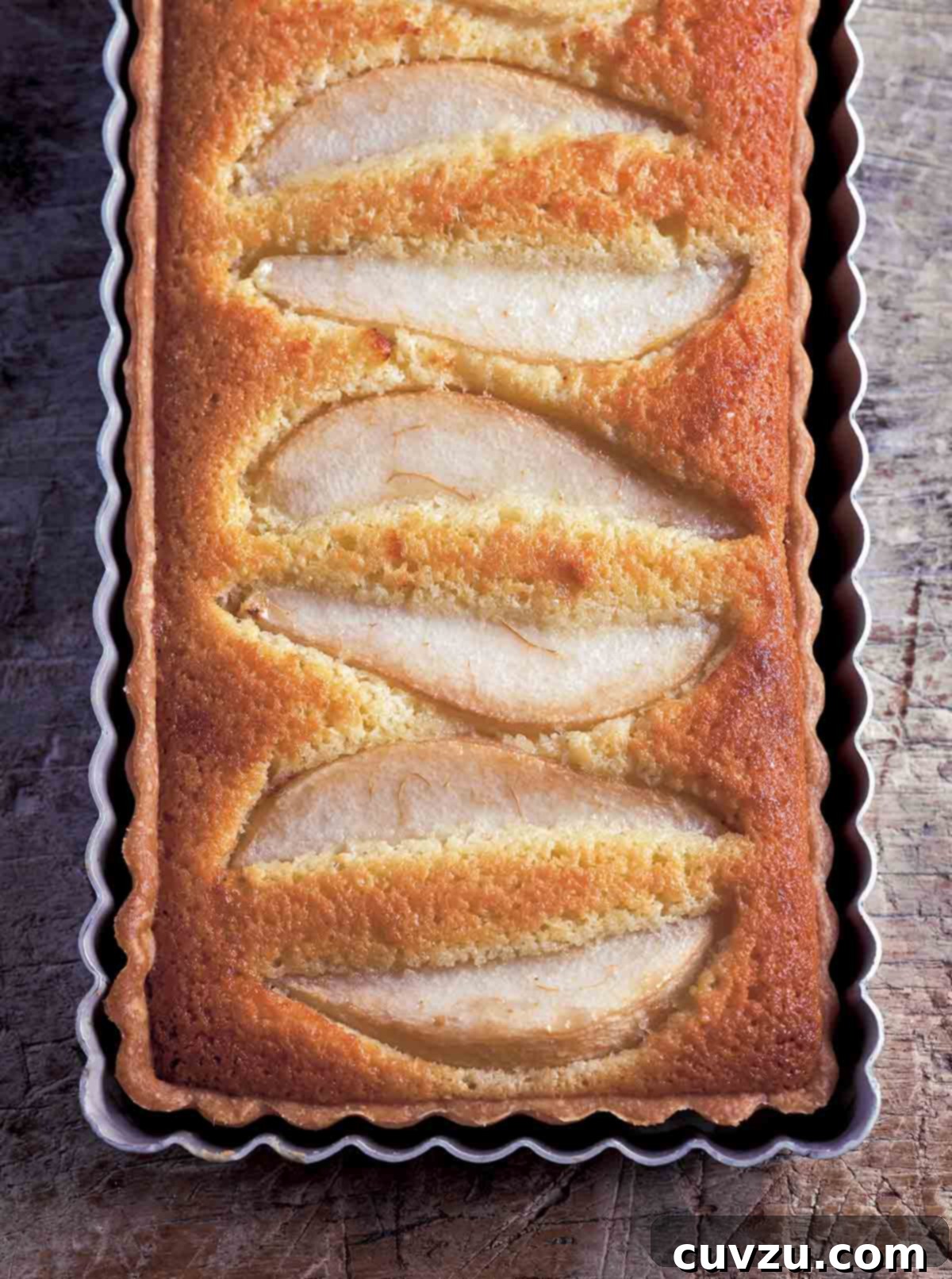
Step into the delightful world of classic French patisserie with this exquisite Pear Frangipane Tart, a dessert that perfectly marries rustic charm with refined elegance. Known in France as Tarte Bourdaloue, this culinary masterpiece features a buttery, sweet pâte sablée pastry dough, a rich and moist almond frangipane filling, and tender, sweet pears baked to golden perfection. It’s a remarkably easy yet undeniably elegant dish, making it a truly terrific autumn recipe or a delightful treat for any season. Whether you’re a seasoned baker or just beginning your journey in the kitchen, this pear almond tart promises a rewarding experience and a dessert that will impress everyone at your table.
Pear Frangipane Tart: Quick Answers and Highlights
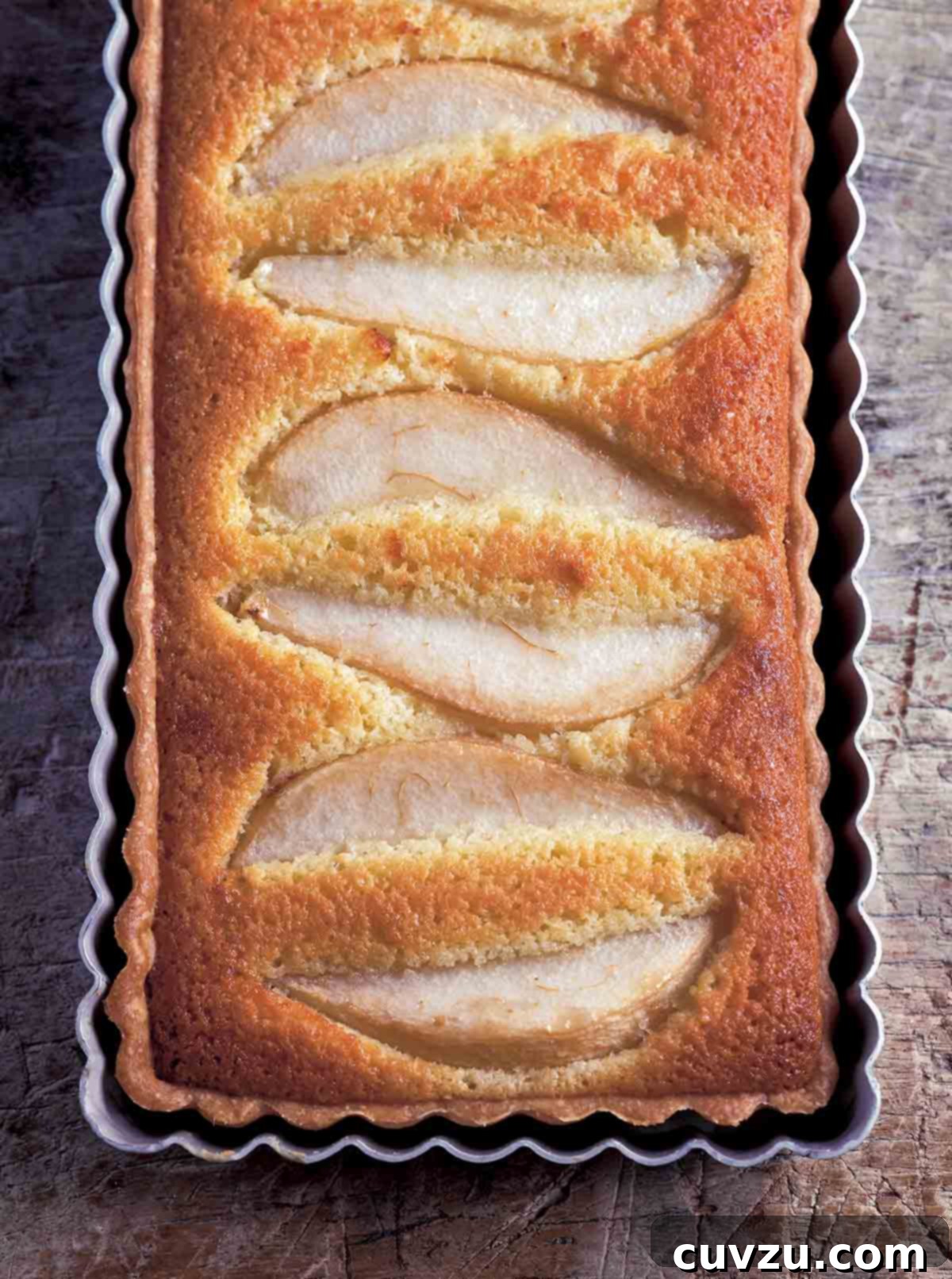
- What it is: A quintessential French dessert, combining a delicate, sweet pastry crust with a rich, moist almond frangipane filling, beautifully crowned with soft, baked pear slices. Often referred to by its elegant French name, Tarte Bourdaloue, it’s a staple in European bakeries.
- Why you’ll love it: This pear almond tart offers a harmonious blend of buttery, nutty, and fruity flavors in a visually stunning presentation. It’s often simpler to prepare than a traditional fruit pie, yet delivers a sophisticated result, making it an ideal choice for any seasonal gathering or a special weeknight treat. Its sophisticated appearance belies its relatively straightforward preparation.
- How to make it: The process involves three main stages: first, prepare the flaky sweet shortcrust pastry, chill it thoroughly, and then par-bake the tart shell until golden. Next, craft the luscious frangipane mixture. Finally, spread the frangipane into the par-baked crust, arrange the ripe pear slices artfully on top, and bake until the filling is puffed and golden brown, and the tart is fragrant with a hint of almond and pear.
Featured Review
“I made the tart today, and it was yum!!! I may consider a 10-inch round next time, but it did work just fine in my 9-inch round. I used my usual pate sablée recipe rather than the [one in the] recipe for the crust. Thanks!”
NRS
The Timeless Appeal of Tarte Bourdaloue: A French Pastry Classic
Though French in origin, this classic pear frangipane tart, or Tarte Bourdaloue, transcends geographical boundaries with its universal appeal. Named after Rue Bourdaloue in Paris, where it was supposedly conceived in the 19th century, this dessert is a testament to the elegant simplicity and profound flavors characteristic of French baking. While its utterly delicious taste compels us to make it again and again, many guests also swoon over the sleek, elongated lines of a rectangular tart, which adds a touch of modern sophistication to any table setting. The exquisite combination of delicate, crisp pastry, a rich, aromatic almond cream, and tender, sweet pears is simply irresistible, making it a beloved choice for both intimate family meals and grand celebrations.
Choosing Your Tart Pan: Rectangular or Round, Any Shape is Elegant
You might be wondering if you need a specific type of tart pan to achieve this stunning dessert. Of course, you may not have a 13-inch rectangular tart pan (like the one prominently featured in the photo above) tucked away in your baking cupboard. Fear not! This gorgeous tart can be equally stunning and delicious when baked in a good old 9-inch round tart pan. The shape doesn’t significantly alter the flavor or baking process, and either option will yield a beautifully presented result. The most important factor is to use a tart pan with a removable bottom, which makes unmolding your perfectly baked masterpiece incredibly easy and helps maintain its pristine edges.
The Magic of Frangipane and Tender Pears: A Flavor Symphony
At the heart of this pear frangipane tart lies the star component: the frangipane. This creamy, sweet almond filling, made from ground almonds, butter, sugar, and eggs, transforms into a wonderfully moist and flavorful cake-like layer during baking. It provides the perfect, rich counterpoint to the subtle sweetness and delicate, slightly firm texture of the pears. While some recipes might feature pears simply halved for a more rustic aesthetic, they often appear more attractive and cook more evenly when sliced into elegant wedges. This careful slicing allows them to fan out beautifully over the luscious almond cream, creating a delightful visual pattern and ensuring every bite delivers a harmonious blend of nutty, fruity, and buttery flavors. The aromatic qualities of both the almond and pear fill your kitchen with an inviting scent as it bakes.
Your Pear Frangipane Tart Questions, Answered
For a perfect pear frangipane tart, it’s crucial to select firm, ripe pears that will maintain their shape and desirable texture during the baking process. Varieties such as Bosc or Anjou are excellent choices because they are known for holding up well to heat, softening just enough to become tender and succulent without turning mushy or disintegrating. Avoid using overly soft or bruised pears, as these might break down too much in the oven, compromising the tart’s structure and appearance. Look for pears that are firm to the touch but yield slightly when gently squeezed at the neck, indicating ideal ripeness.
This classic French dessert is wonderful served simply, allowing its elegant, intricate flavors to truly shine. A humble dollop of good quality vanilla bean ice cream, a delicate drizzle of rich heavy cream, or a spoonful of tangy crème fraîche is often all that’s needed to perfectly complement its buttery, nutty, and fruity notes. For an extra touch of sophistication and visual appeal, a light dusting of powdered sugar just before serving can enhance its presentation. The pear frangipane tart is delicious both warm from the oven, when the frangipane is still soft and inviting, or at room temperature, making it a versatile dessert suitable for any occasion, from casual family dinners to formal gatherings.
Absolutely! This pear frangipane tart is an excellent dessert to prepare in advance, making it a perfect option for entertaining. You can bake the tart a day ahead and store it at room temperature, covered loosely with foil or plastic wrap. The flavors often deepen and meld beautifully overnight, enhancing the overall taste experience. If you prefer to serve it warm, simply reheat individual slices or the whole tart gently in a low oven (around 300°F/150°C) for about 10-15 minutes before serving. This gentle reheating will bring back some of its freshly baked warmth without drying it out.
Frangipane is a delightful, sweet almond cream filling that is a cornerstone in French pastry. It is traditionally made from a simple mixture of ground almonds, sugar, softened butter, and eggs, sometimes enhanced with a touch of flour or cornstarch and vanilla. When baked, frangipane transforms into an incredibly moist, rich, and aromatic cake-like texture with a distinct nutty flavor. In this pear frangipane tart, it serves multiple crucial roles: it provides a luxurious and flavorful base that perfectly cradles the tender pear slices, it prevents the pastry crust from becoming soggy due to the fruit’s moisture, and it adds a delightful depth of flavor and creamy texture that beautifully complements the delicate sweetness of the pears, creating a truly irresistible dessert.
Achieving a perfectly flaky pastry crust is key to a successful tart. First, ensure your butter is very cold and cut into small cubes. This creates pockets of butter that steam and expand during baking, forming flaky layers. Second, avoid overworking the dough; mix just until it comes together, as overmixing develops gluten and can lead to a tough crust. Third, thorough chilling is essential – both after mixing the dough and after lining the tart pan. This allows the butter to firm up and the gluten to relax, preventing shrinkage and ensuring a crisp texture. Lastly, blind baking (par-baking) with pie weights is crucial to prevent a soggy bottom, especially with a moist filling like frangipane.
More Stunning Pear Dessert Recipes to Explore
If you’ve fallen in love with baking with pears after trying this pear frangipane tart, we encourage you to explore more delectable pear-inspired desserts that are sure to enchant your taste buds and impress your guests. Pears are incredibly versatile, offering their subtle sweetness to a variety of sweet treats.
Cinnamon Pear Tarts with Puff Pastry
40 mins
Pear Turnovers
2 hrs
Pear Tart with Blue Cheese and Honey
1 hr
Caramel Pear Tarts
1 hr
Share Your Experience: Write a Review for This Pear Frangipane Tart
If you make this pear frangipane tart recipe, or any other delicious dish from Leite’s Culinaria, please consider leaving a review, a star rating, and your best photo in the comments below. We absolutely love hearing from you and seeing your wonderful creations!–David
Featured Review
“The first thing I did after baking this pear tart, other than falling in love, was to place this recipe in a protective plastic sleeve, and put it in FRONT of the existing recipe. Bravo! My husband’s words were, ‘This is exquisite.'”
“First, let me applaud the crust. Thrown in a food processor, whirled a few times, and tossed into the refrigerator. What could be easier? It’s wonderfully flaky, and yet has just enough crunch to hold together, unlike many tarts that quickly become soggy with their crepe paper-like crust.”
“I just happen to have a rectangular tart pan that I’ve had for a number of months, which I purchased specifically for this very recipe. I finally got around to using it, and am so pleased.”
“Once the pears on our tree began to ripen, it was time to pull it all together. Such an attractive, delicious tart! I would not hesitate to serve this tart anywhere, to anyone.”
“Thank you. As always, superb and worthy of a repeat performance.”
Karen Manasco
The Ultimate Pear Frangipane Tart Recipe: Crafting French Elegance at Home
Ready to bake this classic French dessert that embodies both simplicity and sophistication? Here’s a detailed, step-by-step guide to creating your very own elegant pear frangipane tart. This recipe is meticulously designed for ease of execution and maximum flavor, ensuring a perfect, bakery-worthy result every single time you bake it.
Pear Frangipane Tart
Recipe by David Leite
Save Recipe
-
PIN
Print Recipe
Essential Equipment for Your Pear Frangipane Tart
-
13-by-4-inch (33-by-10-cm) tart pan with a removable bottom or a 9-inch round tart pan with a removable bottom
-
Food processor (highly recommended for quick and easy pastry dough)
-
Rolling pin
-
Parchment paper
-
Baking weights (ceramic pie weights or dried beans)
-
Handheld or stand mixer (for creaming the frangipane)
-
Mixing bowls
-
Sharp knife and cutting board (for pear preparation)
Ingredients for Your Delicious Pear Frangipane Tart
For the sweet pastry dough (Pâte Sablée)
- 1 1/2 cups all-purpose flour, plus extra for dusting the pan and work surface
- 2 teaspoons granulated sugar
- 7 tablespoons unsalted butter, chilled and cut into small cubes, plus a little more for greasing the pan
- 1/2 teaspoon salt
- 4 to 6 tablespoons cold water
For the pear and almond frangipane filling
- 7 tablespoons unsalted butter, softened to room temperature
- 1/2 cup granulated sugar
- 2 large eggs
- 1 cup (3 1/2 oz / 100g) ground almonds or almond meal
- 2 tablespoons all-purpose flour
- Seeds from 1/2 vanilla bean pod or 1 teaspoon pure vanilla extract
- 1 to 2 medium-sized ripe pears, such as Bosc or Anjou, peeled, cored, and thickly sliced into wedges (about 1/4 inch thick)
- Vanilla ice cream or crème fraîche, homemade or store-bought, for serving
Step-by-Step Instructions for Your Pear Frangipane Tart
Part 1: Preparing the Sweet Pastry Dough (Pâte Sablée)
-
In the bowl of a food processor, combine the all-purpose flour, granulated sugar, chilled and cubed unsalted butter, and salt. Pulse the ingredients briefly, about 5 to 10 times, until the mixture resembles coarse crumbs with some pea-sized pieces of butter still visible. This texture is crucial for developing flakiness in the crust. Next, add 4 tablespoons of cold water and pulse again just until the dough begins to come together. If the dough still appears too dry to clump when squeezed with your fingers, add more cold water, 1 tablespoon at a time, pulsing briefly after each addition until it just barely holds together. Be careful not to overmix, as this can develop the gluten too much and result in a tough, rather than tender, crust.
-
Carefully gather the dough into a cohesive disk. Wrap it tightly in waxed paper or plastic wrap and refrigerate for at least 30 to 60 minutes. Chilling the dough is an essential step; it allows the butter to firm up, preventing it from melting too quickly during rolling and baking, and also gives the gluten a chance to relax, which makes the dough easier to handle and significantly reduces shrinkage during baking.
-
Before you begin rolling, let the chilled dough rest at room temperature for approximately 10 minutes. This brief rest will make it more pliable and prevent it from cracking when rolled. While the dough rests, lightly butter and flour your chosen tart pan. For a distinctive presentation, use a 13-by-4-inch (33-by-10-cm) rectangular tart pan with a removable bottom, or opt for a classic 9-inch (23-cm) round tart pan, also with a removable bottom. Ensure the pan is thoroughly and evenly coated to prevent any sticking.
-
On a lightly floured work surface, roll out the pastry dough into a circle or rectangle (depending on your pan shape) that is slightly larger than your tart pan. This extra size allows for a comfortable overhang. Carefully transfer the rolled dough to the prepared tart pan. Gently press the dough into the bottom and up the sides of the pan, taking care to avoid stretching it and ensuring there are no trapped air bubbles. Roll a rolling pin over the top edge of the pan; this simple action neatly trims off the excess pastry, creating a clean, professional finish. Refrigerate the lined tart shell for at least another 30 minutes. This second chilling period is crucial for preventing shrinkage and helping the tart maintain its perfectly crisp and defined shape during baking.
-
Preheat your oven to 400ºF (200ºC) during this final chilling period, allowing it to reach the proper temperature before the tart goes in.
-
To par-bake (or blind bake) the crust, prick the bottom of the chilled pastry shell all over with the tines of a fork. This vital step prevents air bubbles from forming and the crust from puffing up unevenly. Line the dough with a sheet of parchment paper, allowing it to extend beyond the edges of the pan, and fill it with baking weights (such as ceramic pie weights, dried beans, or even rice). Bake for 15 minutes. Then, carefully remove the parchment paper and baking weights, and continue baking for an additional 10 to 15 minutes, or until the crust is uniformly golden brown with no shiny, raw spots remaining. Let the par-baked crust cool completely to room temperature before adding the filling; this ensures a crisp bottom crust that will not become soggy from the moist frangipane filling.
Part 2: Assembling and Baking the Pear Frangipane Tart
-
Once the tart shell is completely cooled, decrease the oven temperature to 375°F (190°C). This lower temperature is ideal for baking the frangipane filling evenly without over-browning the crust.
-
In a medium bowl, using a handheld or stand mixer fitted with the paddle attachment, cream together the softened unsalted butter and granulated sugar until the mixture is beautifully light, fluffy, and pale in color, which should take approximately 4 minutes. Remember to scrape down the sides of the bowl as needed to ensure even mixing. Add the large eggs, one at a time, beating thoroughly after each addition until fully incorporated. Don’t worry if the mixture looks slightly curdled at first; it will smooth out. Finally, add the ground almonds (or almond meal), all-purpose flour, and the fragrant vanilla seeds (scraped directly from the pod) or pure vanilla extract. Mix on low speed just until all the ingredients are combined and the frangipane filling is smooth. It’s important to avoid overmixing once the flour is added to maintain a tender texture.
-
Evenly spoon the luscious frangipane filling into the cooled, partially baked pastry shell. Use an offset spatula or the back of a spoon to gently smooth the surface, ensuring the filling is spread right to the edges of the crust.
-
Artfully arrange the peeled, cored, and thickly sliced pear wedges on top of the almond mixture. You can create a beautiful fanned pattern, concentric circles, or simply layer them, depending on your aesthetic preference and the shape of your tart pan. Bake the tart for 25 to 35 minutes, or until the frangipane is visibly puffed, golden brown, and feels almost dry to the touch when gently pressed in the center. The pears should be tender, slightly caramelized at the edges, and beautifully fragrant. Let the tart cool slightly on a wire rack for at least 15-20 minutes before attempting to slice it. The filling needs a little time to set and firm up for clean cuts. Serve warm for the best experience, ideally accompanied by a scoop of creamy vanilla ice cream or a dollop of fresh crème fraîche. Enjoy your exquisite homemade French pear frangipane tart!
Helpful Notes for Baking Your Perfect Pear Frangipane Tart
- Use caution when adding extra water to the pastry dough: It’s absolutely crucial not to add too much water to the pastry crust mixture. If an excessive amount of water is incorporated, the pastry can become extremely hard, tough, and unpleasant once baked. After the initial 4 tablespoons of cold water, add any additional water sparingly, 1 tablespoon at a time. After each addition, pinch a small amount of dough with your fingers to check if it just barely holds together. Stop adding water as soon as this consistency is achieved. The goal is a dough that is just moist enough to come together without being sticky or wet.
- Don’t skip chilling the dough: Chilling the pastry dough twice—once after mixing the ingredients and again after lining the tart pan—is a non-negotiable step for achieving a perfectly flaky, tender, and beautifully shaped crust. Chilling allows the butter to reharden, preventing it from melting too quickly in the oven (which creates steam for flakiness), and also gives the gluten a chance to relax, which is essential for preventing the crust from shrinking excessively during baking.
- Achieving a golden, crisp crust: The par-baking (blind baking) step is vital. It ensures your tart crust is fully cooked and wonderfully crisp on the bottom, which is paramount for preventing a soggy base, especially with a moist filling like frangipane. Ensure the crust is uniformly golden brown and completely dry, with no shiny or raw spots, before you pour in the filling.
- Pear ripeness matters: While you certainly want ripe pears for their full flavor and sweetness, they should still be firm enough to hold their shape during the baking process. Varieties like Bosc and Anjou are often ideal for this reason. If you choose to use very ripe, softer pears like Bartlett, consider slicing them a bit thicker to help them maintain their integrity and texture in the heat of the oven.
- Vanilla bean versus extract: While using seeds scraped directly from a fresh vanilla bean pod will undoubtedly impart a superior, more complex, and exquisite vanilla flavor to your frangipane, a good quality pure vanilla extract is a perfectly acceptable and convenient substitute. It will still yield a delicious and aromatic pear frangipane tart.
Adapted From
This delightful recipe for Pear Frangipane Tart is lovingly adapted from the acclaimed cookbook, “Cinnamon, Spice & Warm Apple Pie,” a treasure trove of comforting and classic dessert recipes.
Buy On Amazon
Explore More Culinary Possibilities with AI Tools
Discover Ingredient Substitutions for Pear Frangipane Tart
Scale Your Pear Frangipane Tart Recipe
Summarize This Pear Frangipane Tart Recipe
Nutrition Information for Pear Frangipane Tart (Per Serving)
Calories: 606 kcal
Carbohydrates: 61 g
Protein: 10 g
Fat: 38 g
Saturated Fat: 18 g
Monounsaturated Fat: 8 g
Trans Fat: 1 g
Cholesterol: 132 mg
Sodium: 223 mg
Fiber: 6 g
Sugar: 27 g
Nutrition information for this pear frangipane tart recipe is automatically calculated and is provided as an estimate only. It should be used as an approximation and not as a definitive dietary guide.
Recipe Testers’ Reviews: Real Feedback on this Pear Frangipane Tart
Our team of dedicated recipe testers tried this pear frangipane tart recipe and shared their invaluable insights, offering practical tips and honest opinions to help you achieve the best results.
Erin W.
If you’re looking for a not-too-sweet but thoroughly rich dessert, this pear almond tart recipe is a perfect choice. The subtle flavors of the almond and pear are perfect complements to one another and provide a sophisticated stage for vanilla ice cream.
I believe most any pear variety would work well with this recipe—I used Forelle pears—so long as you start with a fairly firm ripe pear so it doesn’t disintegrate in the oven. Also, I think you could easily substitute your favorite pastry dough for the base—maybe even a shortbread if you want to up the sweetness a bit. I would’ve made the pastry a tad sweeter, given that the filling is really subtle in flavor.
I used closer to 6 tablespoons water for the pastry dough. To cut down on prep time, I used Trader Joe’s ground almond meal.
Erin’s experience with the pear frangipane tart highlights its versatility, affirming that while elegant, it’s also adaptable to different pear types and even various pastry bases. Her note on pear firmness is a key takeaway for achieving the perfect baked texture, preventing mushiness and maintaining the fruit’s integrity.
Carrie S.
Pears and almonds are a fabulous combination, and this pear almond tart blends the two ingredients well. The crust is lightly sweet and not too thick, and the tart filling has enough almond flavor yet doesn’t overpower the pears.
I used ripe Bartlett pears and the tenderness of the pear worked well with this tart. I cut the pears in both thick and thin slices. I preferred the thinner slices that were placed together more closely than the thicker slices.
It was also somewhat easier to arrange the pears into a pretty pattern with the thinner slices. The pears don’t really take on much color and a less ripe pear may still be a little raw in the middle if it’s sliced on the thicker side.
I had some extra filling left over and made a small crustless pear tart; it was also delicious and perfect for when I wanted something a little less sweet. When I initially tried the tart, I thought it needed a little more almond flavor, but after trying the tart when it’d cooled to room temperature I thought it was fine as-is.
In the pastry crust, I used 1/2 teaspoon kosher salt and found that to be sufficient. I ended up using closer to 5 tablespoons water to get the pastry dough to stick together more easily.
Carrie’s detailed feedback further reinforces the importance of pear ripeness and proper slicing technique for both the aesthetic appeal and even cooking of this pear frangipane tart. Her valuable observation about the almond flavor developing more fully upon cooling is an excellent tip for anyone enjoying this sophisticated dessert.
This classic French Pear Frangipane Tart is truly more than just a dessert; it’s an experience, a moment of culinary delight that brings joy with every bite. From the crisp, buttery sweet pastry crust to the moist, aromatic almond frangipane filling and the tender, naturally sweet pears, every element comes together in perfect harmony to create a truly unforgettable treat. Whether you’re hosting an elegant dinner party, looking for a comforting seasonal bake, or simply indulging in a quiet moment with a cup of coffee, this tart brings a cherished piece of Parisian patisserie right into your home. We sincerely hope you enjoy baking and savoring this timeless recipe as much as we do. Happy baking, and bon appétit!