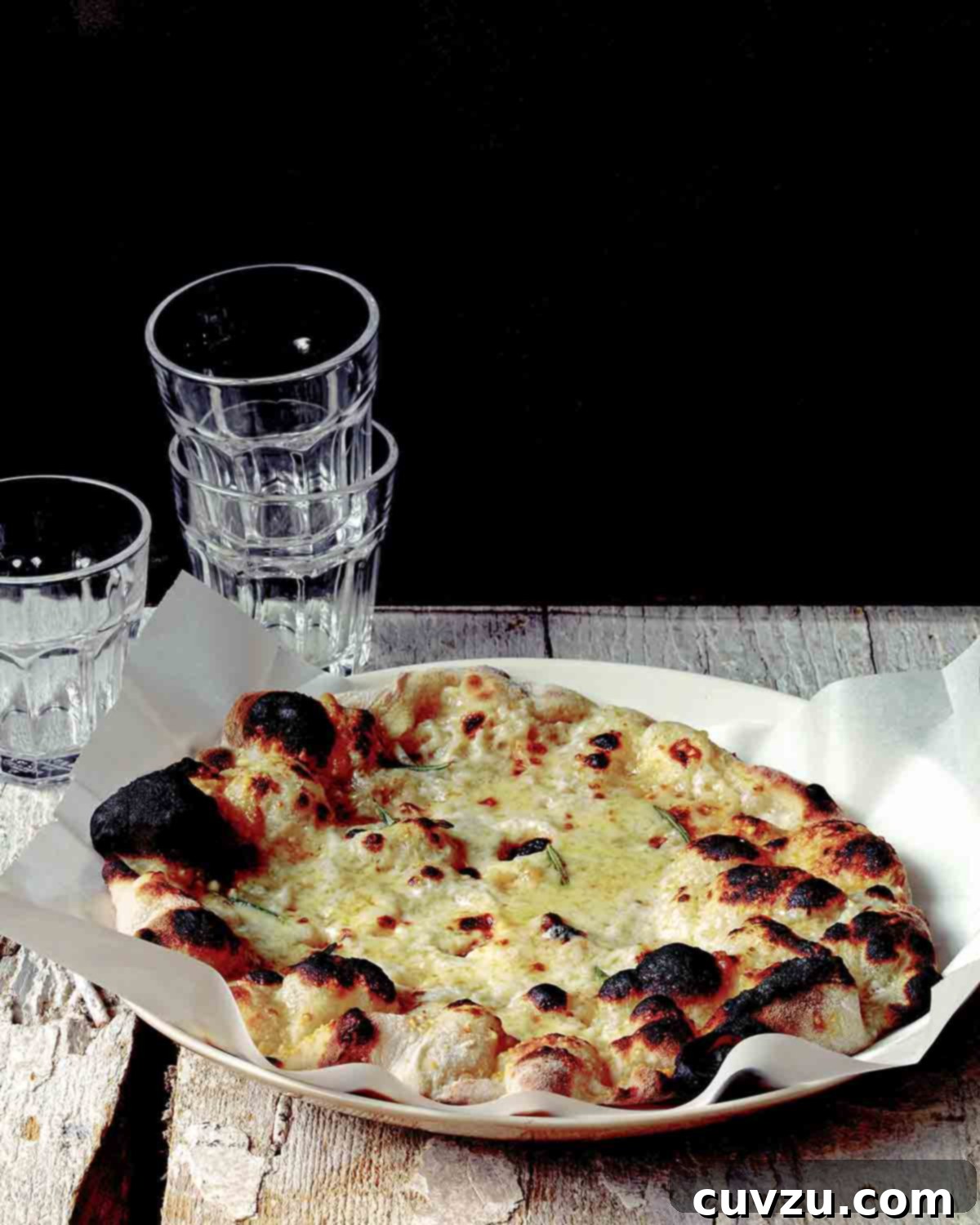
Jim Lahey’s Unconventional White Pizza: A Béchamel Masterpiece for the Home Cook
Prepare to redefine your understanding of pizza. While many associate white pizza with a simple garlic and oil base, bread baking icon Jim Lahey challenges this notion with a truly spectacular creation. His signature white pizza swaps the traditional tomato sauce for a luxurious béchamel, then layers on rich Parmigiano-Reggiano, fresh mozzarella, and aromatic rosemary. This isn’t just a recipe; it’s an experience that promises to make you forget all about red sauce, delivering a depth of flavor and texture that’s both comforting and sophisticated.
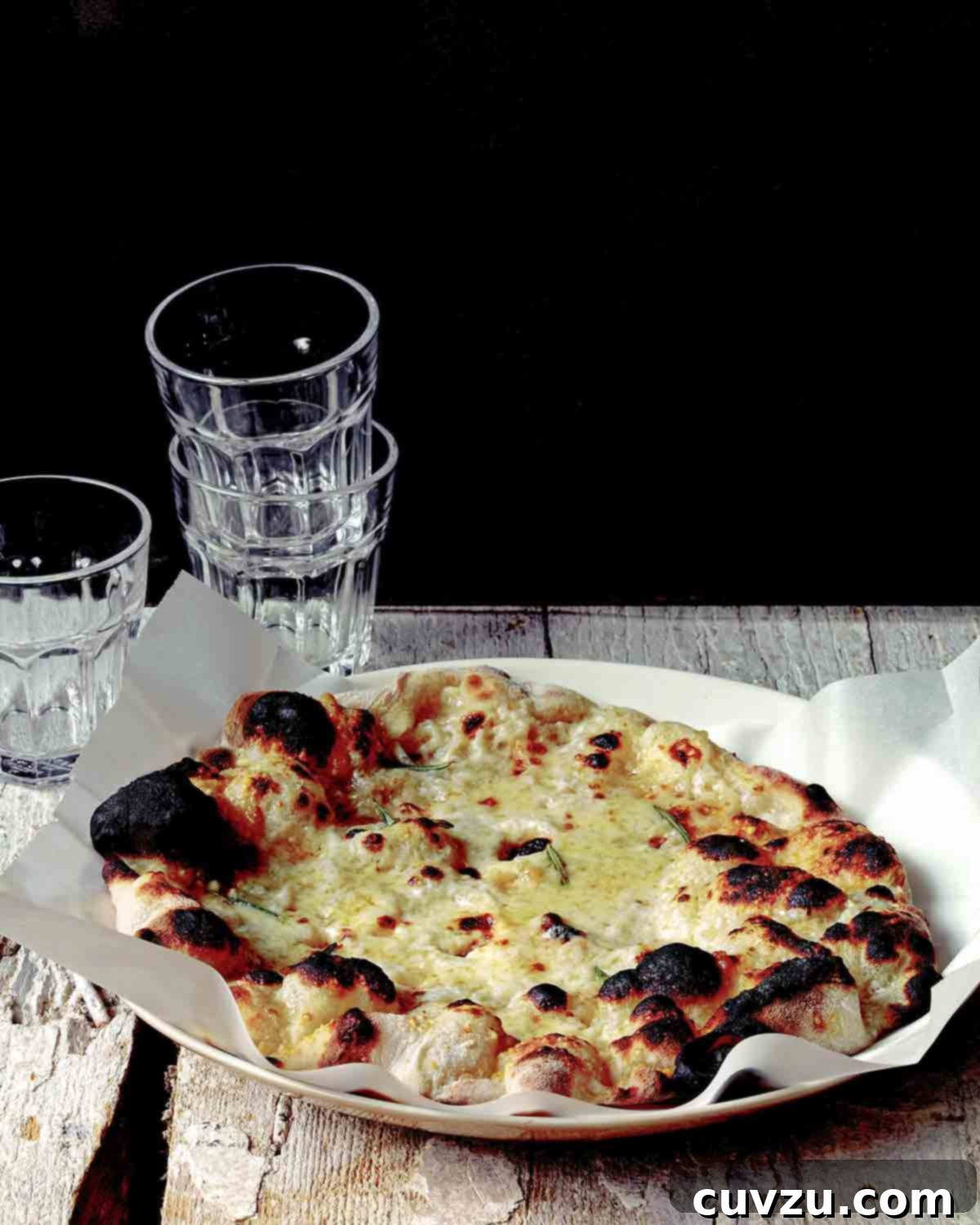
If your idea of white pizza is strictly limited to the garlic-and-oil variety found at your local pizzeria, then be prepared for a delightful surprise. Jim Lahey, celebrated for revolutionizing home baking with his no-knead bread method, brings his artisanal touch to pizza, creating a dish that is anything but ordinary. This isn’t merely a variation; it’s a profound reinterpretation. Lahey elevates the humble pizza with a thin, silky layer of béchamel sauce, transforming it into a “superlative ‘za” — a true culinary gem perfect for entertaining guests or simply indulging yourself. It consistently ranks at the top of our recommendations for a sophisticated appetizer or a light main course, especially when paired with a good bottle of wine.
The Culinary Philosophy of Jim Lahey: Simplicity and Excellence
Jim Lahey’s approach to baking and cooking is rooted in the belief that outstanding results can be achieved through simple, high-quality ingredients and meticulous technique. His world-renowned no-knead bread recipe showcased his ability to transform fundamental elements into something extraordinary. This philosophy extends beautifully to his white pizza. Instead of relying on complex flavors or overwhelming toppings, Lahey focuses on the harmony of a few key components: a perfectly crafted dough, a rich yet subtle béchamel, a balanced selection of cheeses, and the fresh essence of rosemary. This minimalist approach allows each ingredient to shine, creating a symphony of textures and tastes that is both elegant and deeply satisfying. It’s a testament to how simple ingredients, when handled with expertise and care, can produce truly remarkable culinary experiences.
Beyond the Red Sauce: A Béchamel Masterpiece
The true genius of Lahey’s white pizza lies in its foundation: the béchamel sauce. Often relegated to lasagna or gratins, this classic French mother sauce proves to be an unexpectedly perfect base for pizza. Its velvety texture and mild, buttery flavor provide a creamy canvas that supports the other ingredients without dominating them. Unlike the acidity of tomato sauce, béchamel offers a gentle richness that enhances the cheeses and fresh herbs, making each bite incredibly smooth and flavorful. The recipe calls for a specific trio of cheeses, each playing a crucial role in building the pizza’s complex character:
- Parmigiano-Reggiano: This hard, aged Italian cheese brings a salty, umami-rich punch that elevates the overall flavor profile. Its finely grated form melts seamlessly into the béchamel, adding a sharp, nutty depth that is indispensable to this pizza’s identity.
- Fresh Mozzarella: Known for its milky flavor and superb melting qualities, fresh mozzarella creates those quintessential gooey, stretchy bites that every pizza lover craves. Lahey suggests pulling it into clumps rather than grating it, ensuring delightful pockets of creamy goodness distributed generously throughout the pie.
- A Hint of Nutmeg (Often in Béchamel): While not explicitly listed as a separate ingredient for the pizza itself, traditional béchamel often includes a pinch of nutmeg. This subtle addition contributes a warm, sophisticated undertone that beautifully complements dairy products and adds another layer of aromatic complexity to the sauce.
Completing this exquisite topping is fresh rosemary. Its piney, slightly peppery aroma and distinctive flavor cut through the richness of the cheeses and béchamel, adding a refreshing, herbaceous counterpoint that brightens the entire pizza. The carefully chosen proportions ensure that no single flavor overpowers another, resulting in a perfectly balanced and unforgettable culinary experience that showcases Lahey’s mastery of flavor pairing.
Crafting the Perfect Crust: The Foundation of Flavor
A great pizza is only as good as its crust, and Jim Lahey’s reputation as a master bread baker ensures this white pizza delivers on that front. The goal is a thin, magnificently airy, and boldly charred crust – a hallmark of truly authentic, high-temperature pizza making. Achieving this requires not just a quality dough (which Lahey is famous for through his no-knead method) but also the correct baking environment and technique. The intense heat of a preheated oven and pizza stone creates a crispy exterior with a satisfying chew, allowing the crust to develop complex flavors through rapid caramelization and charring. This delicate balance of texture and taste forms the perfect, sturdy yet tender foundation for the creamy, cheesy, and herbaceous toppings, making every bite a textural delight.
Pairing Perfection: Jim Lahey’s Approach to Wine and Beer
When it comes to beverage pairings, Lahey advocates for simplicity and personal preference. He finds that it’s “pretty difficult to go wrong with anything that’s decent,” a testament to the pizza’s versatility. However, he offers some general guidance that can enhance the dining experience without being overly prescriptive.
Wine Recommendations:
For a delicate and milder pizza like this béchamel white pizza, white wines are a natural fit. Their crispness and acidity can beautifully cut through the richness of the béchamel and cheeses, offering a refreshing contrast:
- Pinot Grigio: Its light, dry, and refreshing character with subtle citrus and green apple notes will cleanse the palate beautifully, making it an ideal companion.
- Sauvignon Blanc: With its vibrant acidity and often herbaceous undertones, a Sauvignon Blanc can echo the rosemary in the pizza and provide a bright counterpoint to the creamy texture.
- Unoaked Chardonnay: A lighter, unoaked Chardonnay offers a rounder mouthfeel without the heavy oak, complementing the creamy sauce without overpowering its delicate flavors.
- Prosecco or Cava: For a celebratory touch, sparkling wines provide effervescence that contrasts wonderfully with the pizza’s texture, making each bite feel fresh and exciting.
Beer Suggestions:
Lahey suggests that “sweeter, more delicate pies such as this” pair well with lighter beers. The goal is to choose a beer that complements rather than competes with the pizza’s nuanced flavors, allowing them to shine:
- Light Lager: A clean, crisp light lager won’t overpower the béchamel and cheeses, offering a refreshing and straightforward contrast.
- Mild Ale: An English-style mild ale, with its subtle malt sweetness and low bitterness, can harmonize with the pizza’s delicate profile, providing a gentle backdrop.
- Pilsner: Similar to a light lager, a good Pilsner provides a clean, hoppy finish that can cut through the richness and leave the palate refreshed.
- Wheat Beer (Hefeweizen or Witbier): The fruity and spicy notes often found in wheat beers can offer an intriguing and harmonious complement to the rosemary and creamy sauce, adding an extra layer of enjoyment.
Ultimately, Lahey’s most crucial advice remains: “My advice—with beer or wine—is to go with what you want.” This encourages diners to trust their palate and enjoy the experience without strict rules, embracing the joy of good food and good company.
Jim Lahey’s White Pizza
This exquisite white pizza recipe, a cherished part of Jim Lahey’s culinary repertoire, offers a delectable alternative to the usual tomato-based pies. While a similar recipe for a thicker pizza exists elsewhere, this version, adapted for the My Pizza cookbook, highlights a unique broiling technique for an impeccably thin and boldly charred crust. At his restaurant, Co., Lahey even features this pizza in the bread section of the menu, underscoring its distinct character. For an extra touch of indulgence, it’s often served with a side of creamy ricotta cheese, perfect for spreading on top and adding another layer of texture and flavor.
David Leite
- PIN
Print Recipe
Equipment
-
Pizza Stone
Ingredients
- 1 ball Pizza Dough, shaped and waiting on a floured peel
- 1/4 cup Easy Bechamel Sauce
- 1/4 cup finely grated Parmigiano-Reggiano cheese
- 1 1/2 ounces fresh mozzarella, pulled into 5 clumps
- Pinch fine sea salt
- 6 rosemary leaves
Instructions
-
Preheat Your Oven: For gas ovens, position your baking stone on a rack approximately 8 inches from the broiler element. Preheat the oven to 500°F (260°C) for a full 30 minutes to ensure the stone is thoroughly heated. Then, switch the oven to broil for an additional 10 minutes to maximize the surface temperature of the stone. If you are using an electric oven, please refer to the detailed variation notes provided after the main recipe instructions for optimal results.
-
Prepare the Pizza Base: Gently place your pre-shaped pizza dough onto a lightly floured pizza peel. Carefully spoon the béchamel sauce over the entire surface of the dough, taking care to spread it evenly while leaving a perimeter of about an inch or so along the outer edge untouched. This creates the perfect crust.
-
Add the Toppings: Generously sprinkle the béchamel-covered surface with the finely grated Parmigiano-Reggiano cheese. Next, distribute the fresh mozzarella by pulling it into approximately 5 small, rustic clumps and placing them strategically across the pizza. Finish by adding a pinch of fine sea salt and scattering the fresh rosemary leaves over the toppings. The simple beauty of these ingredients shines through.
-
Broil to Perfection: Using quick, decisive jerking motions, carefully slide the prepared pizza from the peel directly onto the intensely hot baking stone. For gas ovens, broil the pizza for approximately 3 minutes. If you are using an electric oven, a slightly longer broiling time may be required, so monitor closely. The pizza is ready when the toppings are actively bubbling, the cheeses are melted and slightly browned, and the crust exhibits a beautiful, bold char without being burnt. This rapid, high-heat cooking method is key to achieving Lahey’s signature crust.
-
Serve Immediately: Once perfectly cooked, use the pizza peel to carefully slide the hot pizza onto a cutting board, tray, or serving platter. Allow it to rest for just a moment before slicing it into desired wedges. Serve this extraordinary white pizza immediately to enjoy its optimal texture and flavor. Pair it with a simple green salad or a glass of wine, as Jim Lahey suggests, for a truly memorable meal.
Notes on Achieving the Perfect Pizza in Different Ovens
Optimizing Your Electric Oven for Jim Lahey’s White Pizza
Mastering Jim Lahey’s white pizza, especially his desired “boldly charred crust,” requires understanding how your oven operates. Electric ovens often present a unique challenge because their elements are typically designed to cycle off once the oven reaches its set temperature (usually 500°F or 550°F / 260°C or 288°C) and the door is closed. This automatic shutdown can prevent the continuous high heat needed to properly char the crust and quickly cook the toppings in the same way a gas broiler might. However, with a few strategic adjustments, you can achieve excellent results in an electric oven, bringing you closer to that professional pizzeria-quality crust.
For Electric Ovens with a Broiler Inside the Main Cavity:
- Stone Placement & Initial Preheat: Begin by placing your pizza stone on an oven rack about 4 inches from the top heating element. This position is crucial, as it brings the stone into closer proximity to the broiler compared to the 8 inches recommended for gas ovens. Preheat the oven on the “bake” setting to 500°F (260°C) for the standard 30 minutes. This extended preheating ensures the pizza stone itself is thoroughly heated, acting as a reservoir of intense heat for the pizza’s base.
- Boosting Stone Heat for Broiling: To overcome the electric oven’s tendency to shut off its elements once a set temperature is reached, you need a technique to “trick” it into maintaining maximum heat. Once the oven has preheated for 30 minutes, open the oven door a few inches and leave it slightly ajar for approximately 30 seconds. This brief opening allows some ambient heat to escape, but crucially, it often triggers the heating elements (including the broiler) to reactivate, thereby boosting the stone’s surface temperature without the oven reaching a full shutdown point.
- Final Broiler Heat-Up: Immediately after briefly opening the door, close it firmly and switch the oven setting to “broil” for an additional 10 minutes. This final surge of direct top-down heat from the broiler will bring the pizza stone’s surface to its absolute maximum temperature, which is essential for achieving that quick, crisp, and beautifully charred crust that defines Lahey’s pizza.
- Broiling the Pizza: Carefully open the oven door and, using your pizza peel, swiftly slide the prepared pizza onto the intensely preheated stone. Because the stone is now closer to the element, you might need to pull the rack out a few inches to properly center the pizza. Perform this step quickly to minimize heat loss. Close the oven door and broil for approximately 2 minutes longer than the time specified for gas ovens (so, around 5 minutes total), or until the crust is adequately charred, and the toppings are actively bubbling and lightly browned. Remember, visual cues are paramount here; check frequently to prevent burning, as electric broilers can be very intense and cook quickly.
For Electric Ovens with a Broiler in a Bottom Drawer:
If your electric oven features a broiler in a separate bottom drawer, the technique is slightly different but equally effective for achieving a superb crust:
- Stone Placement & Preheat: Position the pizza stone either on the lowest level of the broiler drawer rack or directly on the floor of the drawer itself. Preheat the broiler on a “low broil” setting for about 20 minutes. This initial phase slowly and thoroughly heats the stone.
- Intensify Heat: If your broiler has a “high broil” setting, switch to that for an additional 5 minutes to intensely heat the stone’s surface. If your broiler only has one setting, simply preheat for a total of 25 minutes. This prolonged preheating ensures the stone is screaming hot, ready to deliver that instant crisp to your pizza.
- Broiling the Pizza: Slide your prepared pizza into the hot broiler drawer, close it, and broil as instructed in the main recipe, typically for 3.5 to 4 minutes. Maintain a vigilant watch; the goal is for the pizza to be bubbling enthusiastically and properly charred on the crust, but absolutely not burnt. This bottom-broiler method can produce an incredibly crisp base, mimicking the effects of a traditional pizza oven.
By understanding these nuances and adapting your technique to your specific oven, you can successfully replicate Jim Lahey’s exceptional white pizza at home, ensuring that signature charred crust and perfectly cooked toppings. Patience and observation are your best tools!

Adapted From
My Pizza
Buy On Amazon
Nutrition Facts
Serving: 1 slice
Calories: 199 kcal
Carbohydrates: 19 g
Protein: 8 g
Fat: 11 g
Saturated Fat: 4 g
Monounsaturated Fat: 1 g
Cholesterol: 15 mg
Sodium: 534 mg
Fiber: 1 g
Sugar: 2 g
Nutrition information is automatically calculated and should only be used as an approximation.
Tried this recipe?
Mention @leitesculinaria or tag #leitesculinaria!
Recipe Testers’ Reviews: Real Feedback for Your Kitchen
Sofia Reino’s Rave Review
Sofia Reino, one of our diligent recipe testers, put Jim Lahey’s white pizza through its paces, preparing it with two different doughs: the recipe’s suggested dough and a gluten-free alternative. While she couldn’t personally sample the “normal” dough version, her family’s reactions were nothing short of ecstatic. Comments like, “Wow! The best pizza EVER!” and “Absolutely fantastic and one to repeat, like at least twice a month,” quickly conveyed its success. Sofia herself noted how beautifully the blend of cheeses worked together, and the rosemary’s fragrant presence was felt throughout, even though she admitted to being generous with the herb. The béchamel sauce also garnered praise for its perfect consistency, making it a dream to work with. Her enthusiastic verdict? “This is absolutely a must-make-it-again. A real winner!” — clearly indicating this white pizza is a resounding triumph that will delight any pizza enthusiast.
E. Wagner’s Enthusiastic Feedback
E. Wagner, another valuable member of our testing panel, found this white pizza to be “really good and a nice alternative to the traditional red sauce pizzas we typically make at home.” He highlighted how quickly the pizza cooked and the deep browning it achieved in the oven, which he credited with providing an “additional depth of flavor.” The subtle yet impactful contributions of the nutmeg (inherent in the white sauce) and the fresh rosemary were particularly appreciated, as they added distinct notes without ever becoming overwhelming. The béchamel sauce, a core component, was remarkably easy to prepare, thickening properly on the stove in just about five minutes. E. Wagner also observed that the quantity of sauce was generous enough for two, possibly even three pizzas, offering great value and flexibility for future meals. He emphasized that the dough was straightforward to make, assuring home cooks not to be intimidated by the process. For those seeking convenience, he noted that quality store-bought dough is a perfectly acceptable and quicker option, especially if the 18-hour rise time for homemade dough isn’t feasible. The pizza was served with a fresh green salad, complemented by an assortment of antipasto bar toppings such as marinated salami, mushrooms, and red peppers, proving its versatility as part of a larger, delicious meal.