
Unlock a culinary secret that transforms ordinary pasta into an extraordinary dining experience: the silky pumpkin pasta dough. This remarkable recipe, inspired by Italian cooking maestro Domenica Marchetti, is not just a feast for the eyes with its stunning golden hue, but also surprisingly simple and quick to prepare. Forget the misconception that homemade pasta is a laborious task; this recipe requires minimal effort – think 20 minutes of light work – and promises an unparalleled tenderness and rich, subtle flavor that store-bought varieties simply can’t match. Prepare to impress yourself and your guests, because once you taste the fresh, satiny noodles crafted from this dough, you’ll wonder why you ever settled for anything less.

Quick Overview: Why You’ll Love This Pumpkin Pasta Dough
- What it is: A vibrant, incredibly easy-to-make homemade pumpkin pasta dough, designed to elevate any pasta dish with its beautiful color and delicate, earthy flavor.
- Why you’ll love it: This recipe liberates you from bland, mass-produced pasta. It’s fast to create, exceptionally simple to handle, and yields tender, silky noodles from scratch, bursting with fresh taste.
- How to make it: Combine pumpkin puree and egg, then blend with flour, semolina, salt, and nutmeg in a food processor. Knead the dough until smooth, allow it to rest, then roll and shape it into your desired pasta. Cook, serve, and savor!

The allure of fresh egg noodles in Italy is undeniable, renowned for their intensely rich, golden hue – a characteristic often attributed to the deep red yolks of Italian eggs, affectionately referred to as il rosso, “the red.” This vibrant color captivated Domenica Marchetti, an esteemed Italian cooking guru, and sparked a moment of culinary inspiration that led to this exquisite pumpkin pasta dough.
Domenica recalls a day when, pondering how to replicate that authentic Italian golden glow, she decided to add a touch of pumpkin puree to her traditional pasta dough. She happened to have some leftover buttercup squash puree – known for its sweet, dense, and deeply orange flesh – from a pumpkin cheesecake she had prepared for Thanksgiving. Without overthinking, she incorporated it into her dough.
The outcome was beyond her expectations. The resulting pasta sheets were even more beautiful than she had imagined: a vivid golden color with a wonderfully subtle flavor. This unique dough proved to be a perfect foundation for dishes like a luscious pumpkin lasagna, but its versatility extends far beyond. You can effortlessly transform it into elegant pappardelle or classic fettuccine, serving them with a simple yet satisfying tomato sauce, or experiment with more elaborate pairings. Domenica Marchetti’s accidental discovery has gifted us a pasta dough that is not only visually stunning but also incredibly adaptable and delicious.
Why Make Homemade Pumpkin Pasta? An Unforgettable Culinary Experience
There’s a distinct pleasure in creating something from scratch, and homemade pasta is no exception. This pumpkin pasta dough takes that satisfaction to a new level. Beyond the vibrant autumnal color it brings to your plate, fresh pasta offers a texture and flavor depth that dried pasta simply cannot replicate. The subtle sweetness and earthy notes of pumpkin infuse the dough, creating a delicate backdrop for a myriad of sauces, from rich and creamy to light and fresh. It’s an opportunity to connect with your food, to appreciate the simple magic of flour, eggs, and a touch of squash transforming into something truly special.
Moreover, the process of making this dough is surprisingly meditative. The gentle hum of the food processor, the feel of the dough coming together under your hands, and the anticipation of rolling it into perfect sheets all contribute to a rewarding cooking experience. Whether you’re a seasoned pasta maker or a curious beginner, this recipe is designed to be approachable and forgiving, ensuring success and a truly delicious meal.
Essential Ingredients for Your Perfect Pumpkin Pasta Dough
Crafting this exceptional pumpkin pasta dough requires just a few key ingredients, each playing a vital role in its texture, color, and flavor profile. Understanding each component will help you achieve the best results.
- Puréed Cooked Pumpkin or Winter Squash: The star ingredient, providing both the gorgeous golden-orange hue and a subtle, sweet earthiness. While canned pumpkin puree is convenient and works wonderfully, freshly cooked and puréed buttercup or kabocha squash can offer an even richer flavor. Ensure your puree is thick and not watery to maintain the correct dough consistency.
- Large Eggs (preferably not extra-large): Eggs are the binding agent, contributing to the dough’s elasticity, richness, and classic pasta texture. Using large eggs rather than extra-large helps control the moisture content, which is crucial for a perfectly pliable dough.
- “00” Flour or Unbleached All-Purpose Flour: “00” flour, a finely milled Italian flour, is often preferred for pasta making due to its low protein content, which results in a tender, silky texture. However, unbleached all-purpose flour is an excellent and readily available alternative that will still yield fantastic results.
- Semolina Flour: A coarser flour made from durum wheat, semolina adds a delightful chewiness to the pasta and also helps prevent sticking when rolling and shaping. You’ll also want extra for dusting your work surface.
- Fine Sea Salt: Essential for seasoning the dough itself, enhancing all the other flavors.
- Pinch of Freshly Grated Nutmeg: A small but mighty addition, nutmeg complements the pumpkin’s sweetness and adds a warm, aromatic depth to the pasta.
Each of these ingredients comes together in harmony to create a dough that is not only a joy to work with but also a pleasure to eat.
Share Your Culinary Creations
If you try this recipe, or any dish from our collection, we’d love to hear from you! Please consider leaving a review, a star rating, and your best photo in the comments below. Your feedback and beautiful food pictures inspire us all. –David

Pumpkin Pasta Dough
David Leite
Ingredients
- 1/3 cup puréed cooked pumpkin or winter squash, such as buttercup or kabocha (or substitute canned pumpkin puree)
- 2 large (preferably not extra-large) eggs
- 2 to 2 1/4 cups “00” flour or unbleached all-purpose flour
- 2 tablespoons semolina flour, plus more for the work surface
- 3/4 teaspoon fine sea salt
- Pinch freshly grated nutmeg
Instructions
Make the pumpkin pasta dough
-
In a small bowl, thoroughly whisk together the pumpkin puree and 1 of the eggs until well combined and smooth.
-
In the bowl of a food processor, add 2 cups of “00” flour (or all-purpose flour), the semolina flour, fine sea salt, and a pinch of freshly grated nutmeg. Pulse briefly, about 5-10 seconds, to evenly combine the dry ingredients.
-
Pour the pumpkin and egg mixture into the food processor with the dry ingredients. Pulse briefly, about 10-15 seconds, until the mixture just begins to come together. Add the remaining egg and continue to pulse until the mixture forms coarse crumbs that resemble small curds.
-
Test the dough consistency: Pinch a small amount of the mixture between your fingers and roll it around. It should easily form a soft, cohesive ball. If the mixture appears too dry and crumbly, add water a few droplets at a time, pulsing briefly after each addition, until the correct consistency is achieved. Conversely, if the dough seems too wet and sticky, add additional flour, 1 tablespoon at a time, pulsing briefly to incorporate it, until the dough reaches the ideal soft ball stage.

-
Transfer the dough mixture from the food processor onto a clean, lightly floured work surface (using semolina flour for dusting). Gather the dough with your hands and press it together to form a rough ball. Begin kneading the dough using the heel of your hand to push it gently but firmly away from you, then fold it over toward you. Rotate the dough a quarter turn and repeat this pushing and folding motion. This process helps to develop the gluten, making the pasta elastic and smooth.
-
Continue kneading for approximately 5-7 minutes, or until the dough becomes smooth, supple, and elastic. It should feel firm but yielding, like a stress ball. Form the kneaded dough into a neat ball, wrap it tightly in plastic wrap to prevent it from drying out, and let it rest at room temperature for a minimum of 30 minutes. This resting period is crucial as it allows the gluten to relax, making the dough much easier to roll and shape into your desired pasta form.
Shape the pumpkin pasta dough into noodles
-
Using a Pasta Machine: Divide the rested dough into 3 or 4 manageable portions. Flatten one portion into a rough rectangle. Feed this piece through a pasta machine set to its widest setting (usually setting #1). As the sheet emerges, fold it into thirds (like a letter) and feed it through the rollers again on the same widest setting. Repeat this folding and rolling process 4 to 5 times. This step effectively kneads the dough further, ensuring an incredibly silky-smooth texture.
Once the dough is adequately worked, begin passing the sheet through the machine repeatedly, gradually reducing the thickness setting one notch at a time, until the pasta reaches your desired thinness. If the sheet becomes too long or difficult to handle, cut it in half and work with each piece separately. For tagliatelle, the second-to-last setting is generally ideal; for delicate ravioli or other filled shapes, the thinnest setting is usually best. For lasagne noodles, roll the dough as thin as comfortably possible, aiming for no thicker than 1/16 inch. -
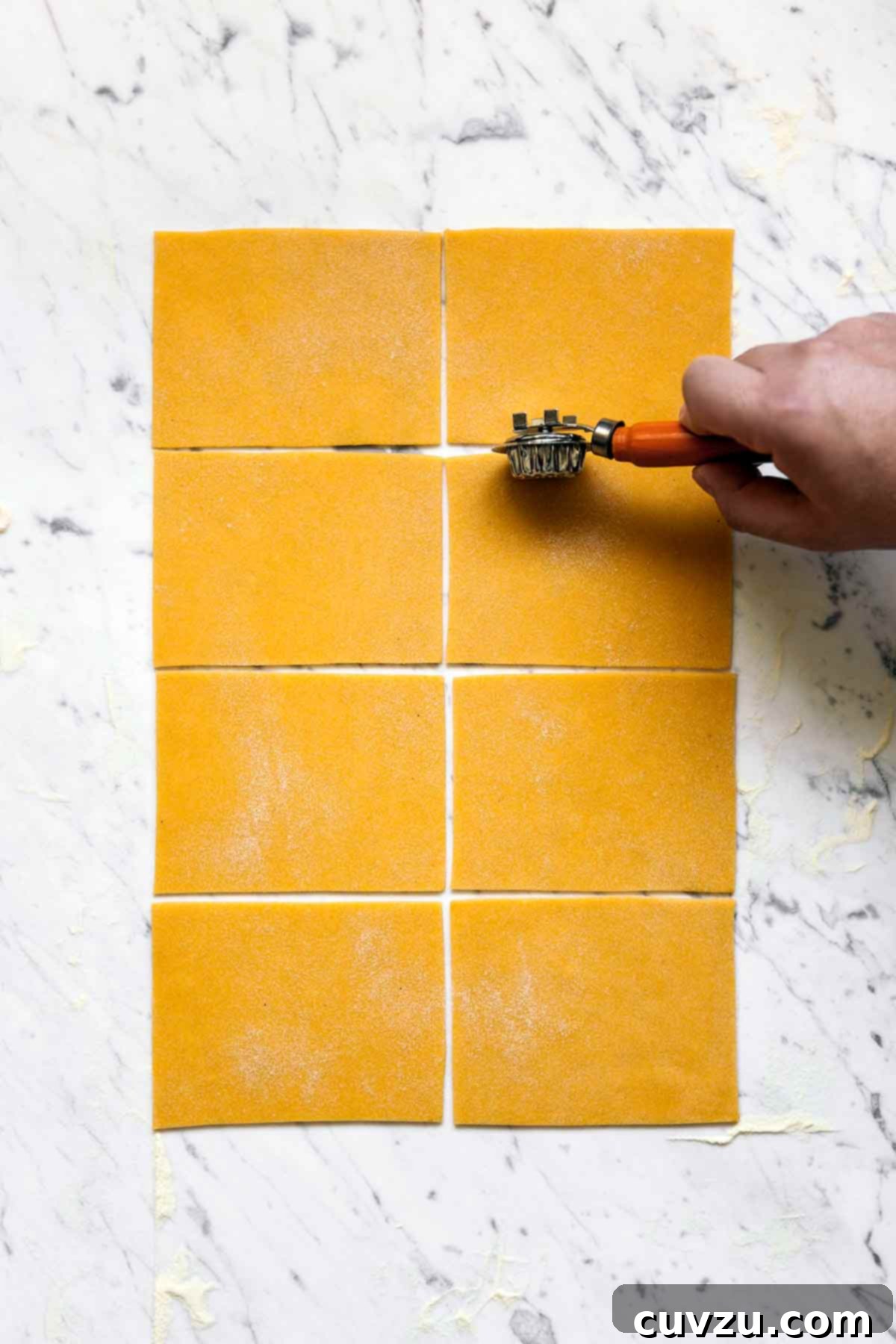
To test for proper thickness, especially for lasagne, lift a sheet with your hand – you should be able to faintly see the shadow of your hand through it. Since lasagne noodles are layered, they must be very thin to avoid a dense final dish. Once rolled to the desired thickness, use a sharp chef’s knife or a pasta wheel to cut each sheet into uniform rectangles, approximately 4 inches by 5 inches, for lasagne. Alternatively, use the cutting attachments on your pasta machine to create tagliatelle, fettuccine, or spaghetti, or refer to guides on how to form other pasta shapes by hand.
Notes
What To Do With Leftover Pumpkin Purée
It’s common to have a small amount of pumpkin puree left over after making this dough, and it would be a shame to let it go to waste! Instead, get creative: stir any remaining puree into your favorite macaroni and cheese recipe for an unexpected hint of subtle sweetness and a beautiful color. This not only adds a delightful flavor dimension but also sneaks in beneficial potassium and vitamins A and C, making your comfort food a little healthier. You can also mix it into pancake batter, add it to a smoothie, or swirl it into yogurt for a quick, nutritious snack.
Adapted From
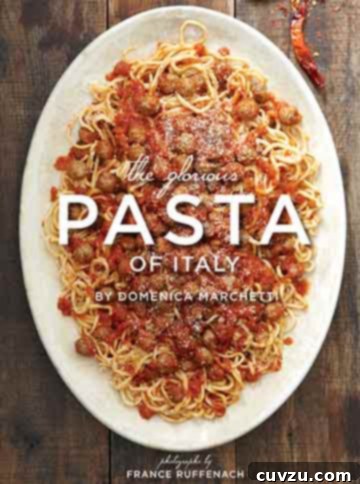
The Glorious Pasta of Italy
Buy On Amazon
Nutrition
Nutrition information is automatically calculated, so should only be used as an approximation.
Serving Suggestions: What Pairs Best with Pumpkin Pasta?
The beauty of this pumpkin pasta dough lies in its versatility. Its subtle sweetness and earthy notes make it a fantastic base for a variety of sauces and preparations, especially those that highlight autumnal flavors. Here are some ideas to inspire your next meal:
- Classic Butter and Sage: A timeless Italian pairing. Simply melt butter until nutty brown, add fresh sage leaves until crisp, and toss with your freshly cooked pumpkin pasta. A sprinkle of Parmesan or Pecorino Romano completes this elegant dish.
- Creamy Mascarpone Sauce: As one of our recipe testers discovered, a quick sauce made with butter, mascarpone, a splash of white wine, and chives creates an incredibly decadent and comforting dish that perfectly complements the pumpkin flavor.
- Spicy Italian Sausage and Artichoke: For those who prefer a more robust flavor, a spicy Italian sausage-based sauce with artichokes provides a wonderful contrast to the pasta’s inherent sweetness. The richness of the sausage and the tang of artichokes create a complex and satisfying meal.
- Pumpkin Ricotta Ravioli: The dough is ideal for making filled pasta. Try a simple filling of ricotta cheese blended with a bit of the leftover pumpkin puree, a touch of nutmeg, and Parmesan. Serve these ravioli with a brown butter and sage sauce, or a light tomato sauce.
- Simple Tomato Sauce: For a lighter approach, a fresh and simple tomato sauce allows the delicate flavor of the pumpkin pasta to shine through.
- With Toasted Nuts and Blue Cheese: For an elevated touch, crumble some blue cheese and sprinkle toasted walnuts or hazelnuts over your finished pasta dish. The nutty crunch and pungent cheese create an exciting textural and flavor contrast.
No matter your preference, this pumpkin pasta dough offers a delightful foundation for creative culinary explorations.
Expert Tips for Pasta Perfection
Achieving perfect homemade pasta consistently involves a few key techniques and observations. Drawing from our recipe testers’ experiences and general pasta-making wisdom, here are some expert tips:
- Dough Hydration is Key: The amount of flour needed can vary slightly depending on factors like humidity and the size of your eggs. Pay close attention to the dough’s consistency as described in step 3 of the instructions. It should be soft and pliable, not too sticky or too dry. Don’t be afraid to add a few drops of water or an extra tablespoon of flour, one at a time, to achieve the ideal Play-Doh-like texture.
- Kneading for Silkiness: While a food processor starts the process, thorough hand-kneading is essential. The pushing and folding motion develops the gluten, resulting in a smooth, elastic, and ultimately silky pasta. If the dough feels a bit dry during kneading, slightly wet your hands and continue – the dough will absorb the moisture.
- The Importance of Resting: Don’t skip the 30-minute resting period! This allows the gluten to relax, making the dough much easier to roll thinly without tearing. It contributes significantly to the pasta’s tender texture.
- Dusting Your Work Surface: To prevent sticking, lightly dust your work surface and dough with semolina flour. A fine mesh strainer can be a great tool for achieving an even, light dusting, avoiding clumps of flour.
- Rolling Consistency: Whether by hand or with a machine, aim for even thickness. For a pasta machine, gradually reduce settings, passing the dough through each setting multiple times. For delicate filled pasta like ravioli, rolling to the thinnest setting is crucial.
- Storage: Freshly cut pasta can be cooked immediately. If drying, toss lightly with semolina flour to prevent sticking and arrange on a drying rack for about 30 minutes to an hour before cooking. It can also be stored in the refrigerator for a day or two, or frozen for longer storage.
- Cooking Time: Fresh pasta cooks much faster than dried pasta. Boil in generously salted water for just 1-3 minutes, depending on thickness and desired al dente bite.
Embrace the process, make adjustments as needed, and you’ll be rewarded with truly magnificent homemade pumpkin pasta.
Recipe Testers’ Reviews: Real-World Experiences
Kim Venglar
As regular homemade pasta enthusiasts, Kim found this dough to be a delightful addition to her collection. Using canned pumpkin puree and large eggs, she achieved the perfect consistency with just 2 cups of all-purpose flour. She transformed the dough into wide noodles, which she served with a creamy sage sauce. Kim is already looking forward to making ravioli with this dough next time, praising its lovely texture and ease of preparation.
Jenny Latreille
Jenny, a relative newcomer to pasta making, was particularly impressed by how easy this dough was to work with, noting it came together surprisingly quickly. She opted for 00 flour and butternut squash puree, finding no need for additional water. After thorough kneading until it was silken and elastic, she rested the dough. Its brilliant warm yellow shade and subtle sweetness were immediate highlights. While initially planning pappardelle, she found the dough so malleable that she transitioned to making ravioli filled with sausage, blue cheese, and leftover squash puree. The ravioli held their shape beautifully and cooked perfectly, confirming the dough’s exceptional texture and ease of handling.
Erin Bloys
Erin, rekindling her pasta-making skills after many years, praised this pumpkin pasta dough for its deliciousness and ease. She used both 00 and semolina flour, which yielded a beautifully silky and supple dough. She offered a great tip: if the dough feels too dry while kneading (even after initial adjustments in the food processor), simply wet your hands and continue kneading until the dough absorbs the moisture. She made tagliatelle, drying them briefly before a quick 1-minute cook. Her choice of sauce—butter, mascarpone, white wine, chives, and sage—was a resounding success, leading to a truly memorable meal. Erin also successfully stored a portion of dried pasta in the fridge for two days, confirming its excellent keeping quality.
Irene Seales
Even as a pasta novice, Irene found this recipe incredibly forgiving and adaptable. She successfully divided the dough for two different projects, even refrigerating half overnight with excellent results. She made a batch of pumpkin ricotta ravioli, serving them with a rich brown butter sage sauce that she enhanced with more pumpkin puree at the end. Irene emphasizes that using a flavorful pumpkin or squash will enhance the pasta’s character, but canned puree works perfectly for a quick project. She also highlights the benefit of this recipe for using up leftover squash. For future meals, Irene plans to pair this delightful pasta with spicier sauces, such as Italian sausage or artichoke-based ones, to create exciting flavor contrasts.