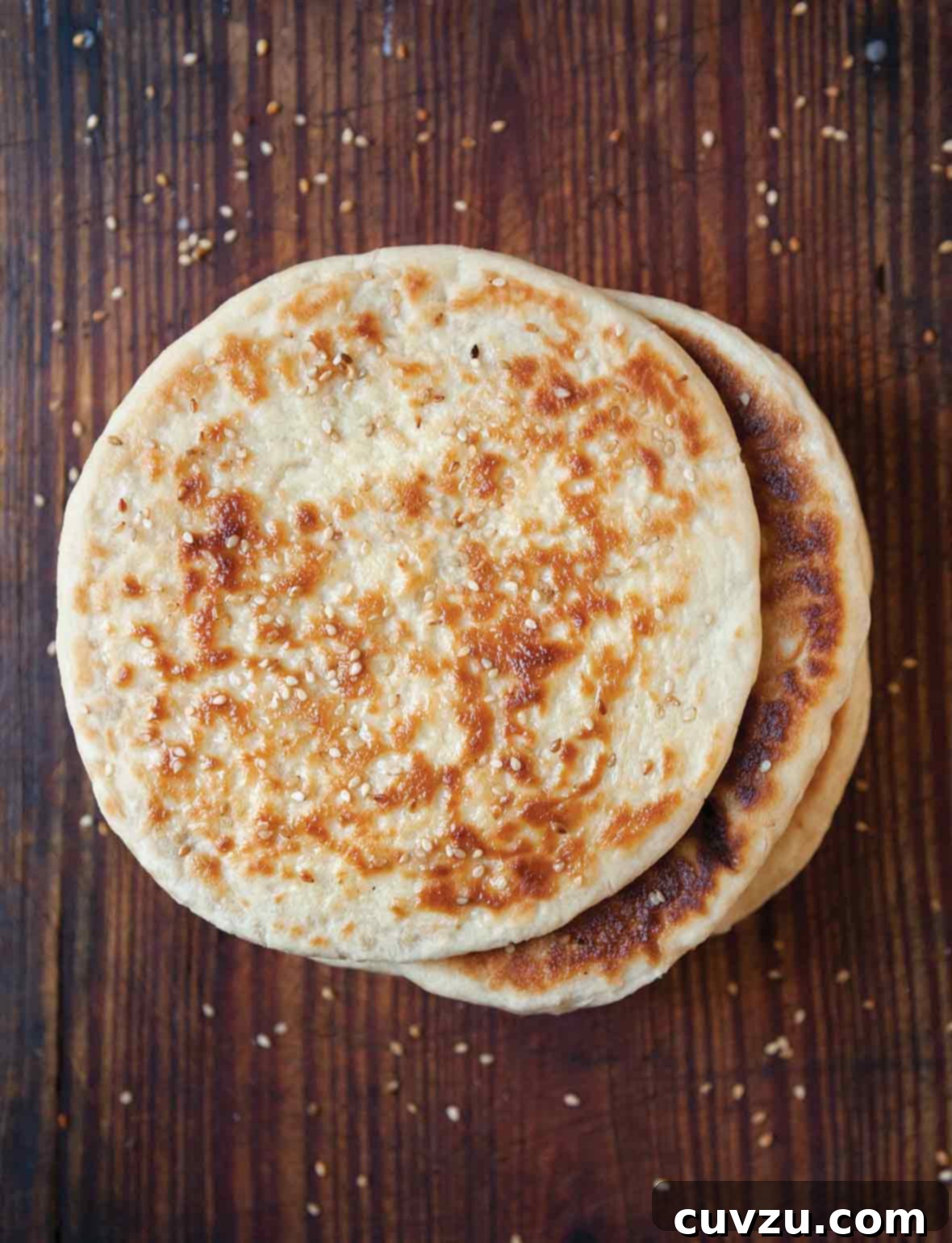
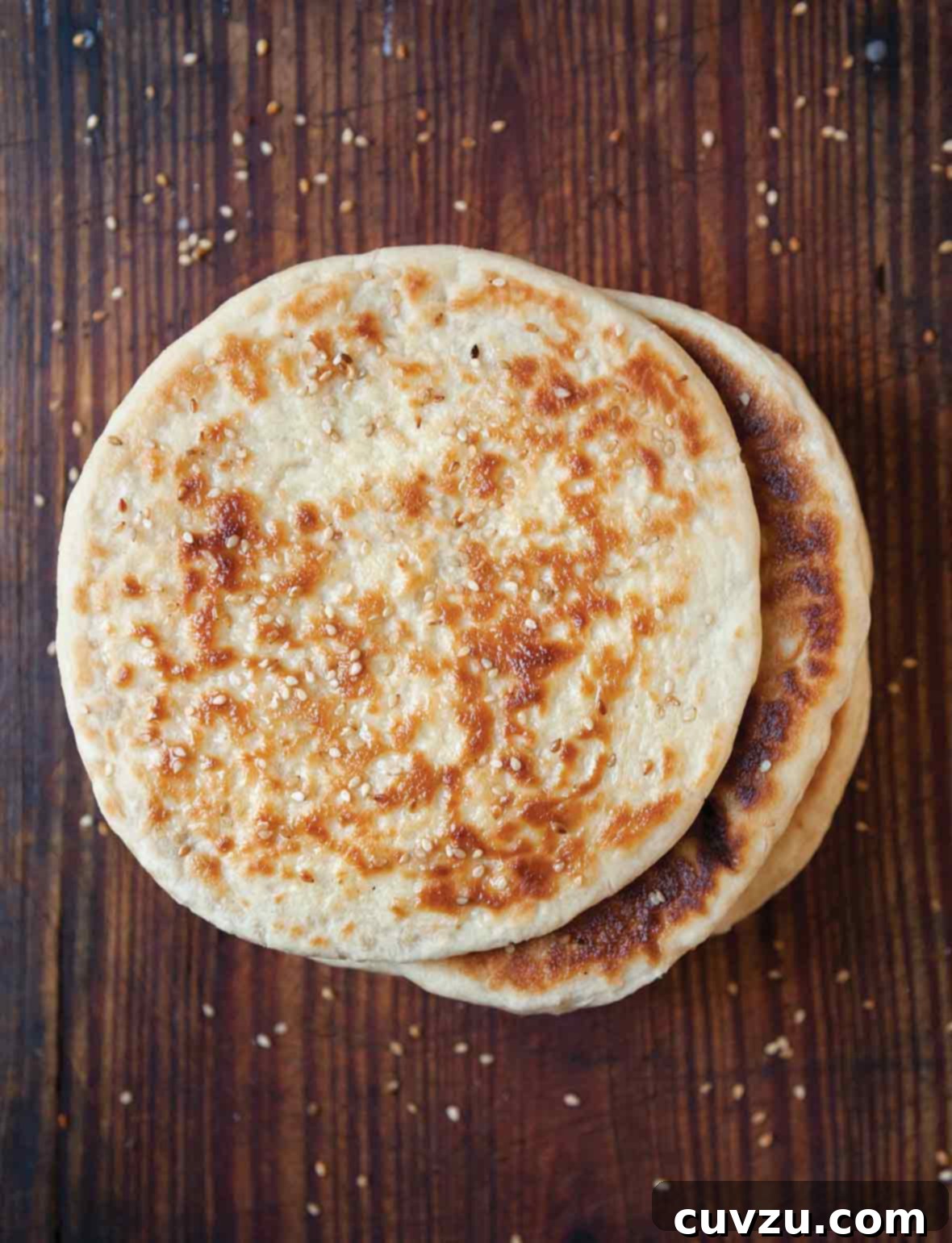
Mkate Wa Ufuta, pronounced “mm-KAH-teh wah oo-FOO-tah,” is much more than just a name you might struggle to articulate. It’s a culinary journey to the vibrant spice island of Zanzibar, offering a simple yet incredibly rewarding experience in your own kitchen. This exquisite sesame flatbread, easily made from everyday ingredients, promises an indulgence that’s both accessible and deeply satisfying. Forget complicated baking techniques; with just a few minutes of active preparation, you can create a versatile, dense, chewy, and gloriously nutty bread that will quickly become a household favorite.
Discovering Mkate Wa Ufuta: A Taste of Zanzibar
The culinary landscape of Zanzibar, an archipelago off the coast of East Africa, is a melting pot of African, Arab, Indian, and European influences, shaped by centuries of trade and cultural exchange. Among its many gastronomic treasures, flatbreads hold a special place, serving as staple accompaniments to meals or delightful snacks on their own. Mkate Wa Ufuta stands out with its unique character—a dense, griddle-cooked bread where texture plays as significant a role as its subtle, toasted flavor profile. The Swahili name translates directly to “bread of sesame,” an apt description for this unassuming yet remarkably delicious creation.
While the name might initially seem a tongue-twister, the experience of tasting this extraordinary flatbread is unforgettable. Its distinctive chewiness, combined with the warm, nutty notes of sesame and a subtle richness from coconut milk, creates a sensory delight. This isn’t your average fluffy bread; it’s a robust, substantial flatbread perfect for a variety of uses. Whether you’re using it for dipping into aromatic curries, soaking up flavorful stews, or simply enjoying a piece plain, its versatility is unmatched. We’ve found ourselves making Mkate Wa Ufuta so often that its name now rolls off the tongue with practiced ease, a testament to its irresistible appeal.
Zanzibar Sesame Bread ~ Mkate Wa Ufuta
Recipe by David Leite
Mains, Bread
African, Zanzibari
6 servings
469 kcal
45
45
1 30
Ingredients
- 3 1/2 cups unbleached all-purpose flour
- 2 1/4 teaspoons active dry yeast
- 1 1/2 teaspoons kosher salt
- 1 cup plus 2 tablespoons full-fat canned coconut milk, plus more as needed
- 1 large egg
- 1/4 cup mild olive oil or vegetable oil
- 3 to 4 tablespoons sesame seeds (toasted or untoasted)
Instructions
-
Whisk together the flour, yeast, and salt in a large bowl. Ensure they are thoroughly combined to distribute the yeast evenly for optimal results.
-
Stir in the coconut milk and egg until just combined. The mixture will initially appear shaggy. Turn it onto a lightly floured work surface or continue kneading in the bowl. Apply good strength, and after 5 to 7 minutes, a smooth, dense, and firm dough will form. Unlike most bread doughs, this one will not be spongy and soft. If the dough seems excessively dry, gradually add another tablespoon of coconut milk while kneading until the desired consistency is achieved. For convenience, a stand mixer with a dough hook can also be used for kneading, requiring a similar amount of time.
-
Cover the bowl containing the dough with a damp kitchen towel and place it in a warm spot to rest for 30 to 60 minutes. During this resting period, the dough will become slightly puffier and softer, though it may not double in size as typically expected with other yeasted breads. The primary goal here is to allow the dough to relax, improving its texture and workability, rather than achieving a significant rise.
☞ TESTER TIP: For a slightly less dense bread with more air pockets, let the dough rest in a very warm environment, such as an oven with just the pilot light on. Allow it to nearly double in size, which may take longer than the standard rest time.
-
Divide the rested dough into 6 equal balls. Working with one ball at a time, pat it down or gently slap it between your palms to form a round shape, approximately 6 1/2 inches wide and between 1/4 and 1/2 inch thick. Place the formed dough rounds on your work surface. Generously rub the top side of each round with oil, then sprinkle 1/2 to 1 teaspoon of sesame seeds over it, ensuring you gently press the seeds into the dough so they adhere during cooking.
-
Heat a large sauté pan or a cast-iron skillet over medium heat. Once hot, place a dough round into the skillet, with the sesame-coated side facing down. Cook for 1 1/2 to 2 minutes, or until the top side of the bread puffs slightly and the underside achieves a beautiful golden-brown color. You might need to adjust the heat to medium-low to find the perfect temperature where the bread cooks thoroughly without burning.
-
While the first side is cooking, drizzle a little oil over the uncooked top surface of the dough, rub it gently to spread, and then sprinkle with more sesame seeds and a pinch of salt. Carefully flip the bread to cook the second side. Continue cooking for another 1 to 2 minutes, until this side is also lightly browned and the bread is cooked through in the middle.
-
Transfer the freshly cooked bread to a plate. It is crucial to carefully wipe out the pan with paper towels after each piece of bread. This step removes any loose sesame seeds or oil residue, preventing them from burning and imparting an unpleasant flavor to subsequent batches. Repeat the cooking process with the remaining dough rounds.
-
Serve the Mkate Wa Ufuta warm, ideally straight from the skillet, to fully appreciate its fresh texture and flavor. It’s delicious on its own, but also pairs wonderfully with a smear of butter, dipped into savory pan juices, or as a hearty accompaniment to soup, stew, or curry.

Adapted From
The Food of Oman: Traditional Dishes from an Omani Kitchen
Buy On Amazon
Nutrition
Serving: 1 portion
Calories: 469 kcal
Carbohydrates: 60 g
Protein: 12 g
Fat: 21 g
Saturated Fat: 9 g
Monounsaturated Fat: 8 g
Trans Fat: 1 g
Cholesterol: 31 mg
Sodium: 602 mg
Fiber: 4 g
Sugar: 1 g
Nutrition information is automatically calculated and should be used as an approximation only.
Tried this recipe?
Mention @leitesculinaria or tag #leitesculinaria on social media!
Insights from Our Recipe Testers
Our team of dedicated recipe testers put this Mkate Wa Ufuta recipe through its paces, offering valuable feedback on the process, flavors, and best ways to enjoy this unique bread. Here’s a summary of their experiences and tips:
Ralph Knauth
Ralph described the Mkate Wa Ufuta as an “absolutely delicious” and “very easy recipe,” noting its soft, chewy texture with a satisfying crunch from the sesame seeds. He was particularly surprised that, contrary to his expectations, the bread had no discernible coconut taste. A key observation from Ralph was the dough’s extremely slow proofing. After an hour on the counter with minimal change, he moved it to an oven with only the lamp on, where it took an additional two hours to nearly double in size. He highly recommended serving the warm bread with red lentil soup, finding it a truly “nice” pairing.
Kim Graham
Kim was pleasantly surprised by the simplicity and flavor of this sesame bread. She appreciated it as a quick bread option when a traditional loaf seemed too time-consuming, serving it with slow cooker Irish beef stew. Her kneading experience involved a tough, heavy, and solid dough that took 15 minutes to become slightly smoother, well beyond the recipe’s suggested time. The dough’s rise was also slow; after an initial 30 minutes with little change, an additional 30 minutes allowed it to approximately double. Kim cooked her bread for 2 minutes per side and found its aroma intoxicating while cooking. She loved it hot out of the pan, praising its soft, steaming interior and toasted sesame flavor. While it remained soft and flavorful once cooled, she felt it was best eaten within a day. She found it excellent for soaking up stew juices, but equally enjoyable as a standalone appetizer without butter.
Larry Noak
Larry enthusiastically declared this flatbread “AMAZING,” highlighting its ease of preparation with minimal prep and a single quick rise. He noted its ordinary appearance but was delighted by the “subtle nuttiness from the sesame seeds and the mild sweetness of the coconut milk—truly a match made in heaven.” He let his dough rise for almost an hour, achieving nearly double its original size. Larry provided excellent practical tips: he recommended using raw sesame seeds, as they will toast beautifully during frying, and emphasized that no oil is needed in the preheated cast-iron skillet since the bread itself is oiled. He used about a teaspoon of seeds per side and stressed the importance of adding a pinch of salt to the top side before flipping. He observed that the breads “puffed up beautifully as they brown in the skillet,” making these “little gems” a regular feature in his future cooking.
Chiyo Ueyama
Chiyo found this “tasty and fragrant griddle bread” both fun and quick to make, appreciating that the entire mixing, kneading, and rising process could be done in a single bowl for a relatively short time. She praised its versatility, likening it to a baguette – suitable for any time of day and with almost any meal, including scrambled eggs, simple salads, and African peanut stew, where it excelled at soaking up sauce. To minimize sesame seeds falling off, Chiyo suggested lightly pressing them into the dough. She noted that while the bread is fine at room temperature, its texture is best when warm. For reheating, she advised wrapping the rounds in foil (they don’t stick when stacked) and rewarming them in a 350°F (175°C) oven for 10 to 15 minutes.
Jo Ann Brown
Jo Ann noted that despite the coconut milk, the Mkate Wa Ufuta is not a sweet bread and loses much of its coconut flavor at room temperature. Instead, the coconut milk imparts a “wonderful and unique component which creates a luscious texture similar to using butter.” She described the dough as dense and dry initially, requiring a “workout” to incorporate all the flour and achieve a smooth texture in 7 minutes. Jo Ann observed minimal rise during the 30-45 minute rest, suggesting this step is more for relaxing the dough than significant fermentation. When forming the rounds, she found “slapping the dough from palm to palm helped to stretch and shape it.” She applied about a 1/2 teaspoon of raw sesame seeds to the first side. For cooking, she recommended a long two-burner cast-iron griddle if available. She found the first side cooked up much better than the second, emphasizing the importance of getting it “good and crisp and speckled with brown.” The finished bread had a dense texture with small fermentation pockets, yet was “luscious and crisp like a good southern biscuit.” Her favorite bites included flecks of salt, leading her to recommend lightly salting both sides. She envisions using these flatbreads for various “sopping and mopping” dishes, or as a base for open-face tartines with smashed avocados or spicy chicken salads, confessing she “scarfed down almost two” straight from the kitchen.
Angie Zoobkoff
Angie found the Mkate Wa Ufuta to be exactly as described: dense, chewy, and rich with a lovely toasted sesame flavor. She appreciated the excellent flavor of the toasted seeds, acknowledging the dense and chewy texture was characteristic of the recipe. She likened it to a “dense green onion cake—without the onions,” but also noted its heaviness, stating she felt “stuffed” after one. She found it “strange” that the recipe didn’t recommend proofing the yeast first. Her dough was quite dry, and she added an extra tablespoon of coconut milk after 2 minutes of kneading to achieve a fully combined, smooth dough after 6 minutes. Despite minimal rising or “puffing” during cooking, she agreed it was a “good dipping bread,” pairing nicely with a thick soup. She pondered if pre-activating the yeast might lead to a lighter texture if she were to make them again.
Adrienne Lee
Adrienne, a self-proclaimed lover of fry breads, made this Mkate Wa Ufuta twice to fully grasp its nuances. In her first attempt, she followed the recipe precisely with sesame seeds and oil, cooking it on medium-low heat with excellent results. For her second try, she omitted the sesame seeds and found the bread equally delicious, with the coconut milk flavor more pronounced. She pondered which version she preferred, enjoying both the sesame notes and the coconut flavor. She suggested that skipping the oiling and sesame seed application process could be a time-saver if speed is a priority, as the bread tastes great either way. She used untoasted sesame seeds, which toasted beautifully during cooking.
Krista Ramsey
Krista adored this Mkate Wa Ufuta, praising it as “quick, easy, and delicious,” and particularly enjoyed being able to make fresh bread in under an hour. She highlighted how the sesame seeds contributed a “nice crunch and a toasted sesame flavor” to the dense, chewy bread, noting the lingering sesame aroma throughout her home. Her husband immediately requested a repeat. Krista, like others, used untoasted sesame seeds, confirming they toast during cooking. She spent about 7 minutes kneading, adding an extra tablespoon of liquid because the dough felt dry. Despite the dough not rising significantly in 30 minutes, it felt “good” and was “springy and soft.” She used about a teaspoon of sesame seeds per bread, liberally applying them to account for some loss during cooking. She found that thoroughly coating the bread with oil was key for good color and even cooking, as a lightly brushed first attempt resulted in less color and longer cooking time. Krista loved the bread both warm and cold, enjoying it first with pumpkin chili and then reheated in a toaster oven with eggs for breakfast.
Megan M.
Megan truly enjoyed this chewy sesame bread, finding it versatile for both savory and sweet applications. She loved it dipped in curried soup and also reheated for breakfast with tahini and honey, accompanied by tea. Megan confirmed that the coconut milk doesn’t impart any discernible coconut flavor, making it appealing even to those who typically dislike coconut. While she would eat it at room temperature if offered, she stated that “warm is so much nicer!” Given she was cooking for one, she cooked three rounds of dough and froze the remainder for later, demonstrating its excellent storage potential.
Anna Scott
Anna, who has a passion for breadmaking, was excited to try this traditional Zanzibari sesame bread, appreciating the rewarding nature of homemade bread. The combination of coconut milk and sesame seeds, along with the simple cooking method, particularly intrigued her. The results lived up to expectations: a chewy, round bread with a toasty, sesame-crisped exterior and a very tender interior. She described the dough as “very smooth and rich,” thanks to the coconut milk, and noted its “wonderful smell” during kneading. Anna kneaded her dough for about 5 minutes until smooth and let it rise in her kitchen for 1 1/2 hours, where it approximately doubled in size. She used about 1/4 teaspoon of sesame seeds on each side, adjusting for the second application. She cooked the first side for 1 1/2 minutes and the second for just 1 minute, carefully monitoring the pan heat to prevent burning. Thrilled with the results, Anna and her family enjoyed the bread warm, dipping it in the juices of a chicken dish. She suggested it would also be fantastic with hummus, flavored oil, or even a sprinkling of sugar for a sweet breakfast treat.