The Ultimate Guide to Pan de Muerto: Day of the Dead Bread Recipe and Tradition
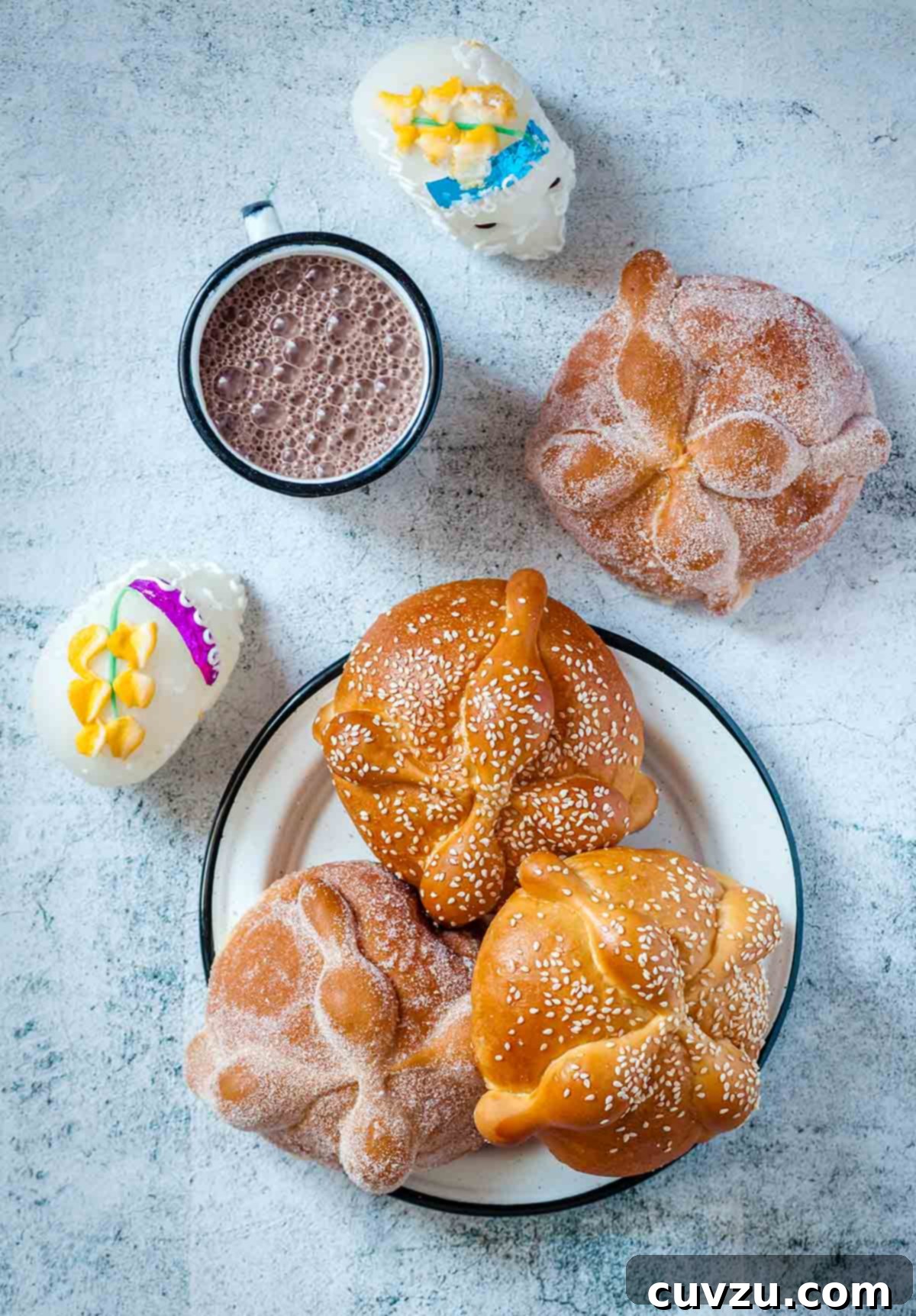
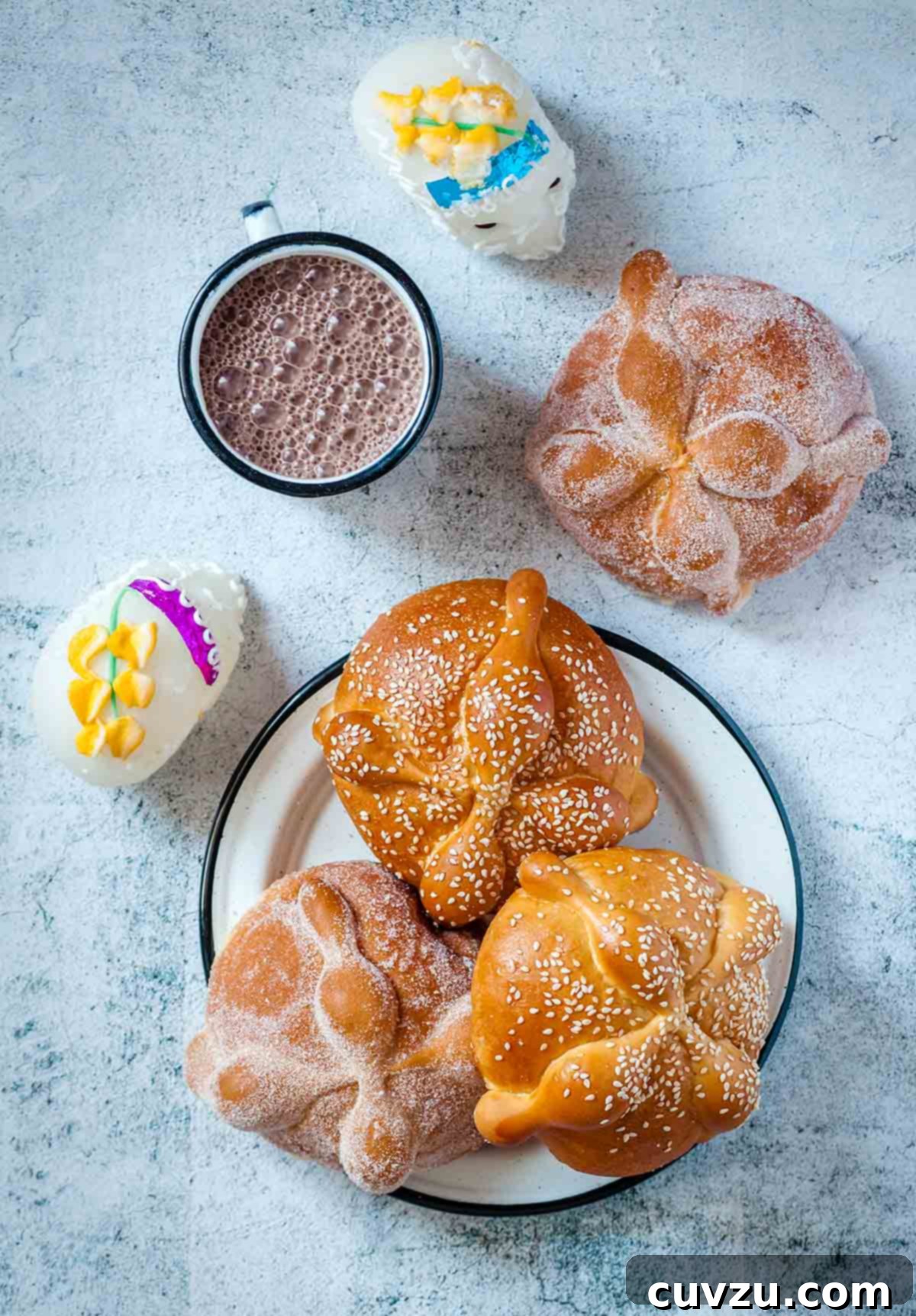
As November approaches, Mexico, and indeed several other cultures worldwide, embraces a profound and colorful celebration known as Día de Muertos, or Day of the Dead. Central to this cherished tradition is a unique and wonderfully sweet confection: Pan de Muerto, or Day of the Dead bread. More than just a baked good, this authentic sweet bread serves as a heartfelt invitation, a comforting symbol, and a delicious offering to honor and welcome the souls of departed loved ones back to earth for a brief, joyous reunion.
This intricately shaped and often sugar-dusted bread is not merely food; it is a profound expression of cultural heritage, a bridge between worlds, and a culinary masterpiece that encapsulates centuries of history and emotion. From its aromatic hints of orange flower water to its distinctive bone-like decorations, every aspect of Pan de Muerto is imbued with meaning, making it an indispensable part of one of the world’s most beautiful traditions.
The Heartfelt Tradition of Día de los Muertos
Día de los Muertos, observed annually on November 1st and 2nd, is a poignant time when it is believed that the veil between the living and the dead thins, allowing the souls of the departed to visit their families once more. This isn’t a somber occasion, but rather a vibrant celebration of life and memory, filled with music, laughter, and, most importantly, food. Friends and relatives gather at gravesides, adorned with marigolds and candles, to welcome these spirits with their favorite dishes, music, and small gifts. Families also create elaborate altars, known as ofrendas, in their homes, laden with photographs, candles, flowers, and the favorite foods and beverages of the deceased, including prominent pieces of Pan de Muerto.
The tradition of offering special breads has deep roots, blending ancient indigenous customs with European influences. As culinary expert Zarela Mártinez beautifully puts it, “The recipes are modeled after the altar breads that are special feast-day offerings in Europe. The Mexican imagination placed a new spin on it by shaping the loaves into different images. The famous pan de muerto (bread of death) comes in the shape of human figures, alligators, lizards, and other animals, though most often skulls and crossbones or teardrops and crosses, all gaily decorated with colored sugar crystals.” This unique fusion has given rise to the diverse and highly symbolic forms of Pan de Muerto we cherish today.
Symbolism in Every Bite: The Shapes of Pan de Muerto
While there are numerous regional variations of Pan de Muerto across Mexico, the most iconic and widely recognized forms often feature profound symbolic shapes and flavors:
- A Central Sphere: This round top piece typically represents a skull, symbolizing the departed.
- Four Strips (Canillas or Huesos): These dough strips, arranged in a cross shape over the central sphere, are often interpreted as bones, particularly femurs and tibias, representing the deceased. They can also symbolize the tears shed for the departed, or even the four cardinal directions, which guide the returning souls to their altars.
- Flavorful Essence: Beyond visual symbolism, the aromas and tastes themselves carry meaning. The inclusion of anise, a common ingredient, can symbolize the spices used in ancient burial rituals. More frequently, the fragrant orange flower water (also known as orange blossom water) represents the memory of the deceased and the beauty of life, its inviting scent believed to help guide souls back home.
These elements combine to create not just a delicious bread, but a sacred object, a piece of edible art that tells a story of remembrance, love, and spiritual connection. The vibrant colored sugar crystals that adorn many loaves add to the festive nature of the celebration, making the bread visually appealing and joyful, reflecting the Mexican perspective that death is a natural part of life to be celebrated, not feared.
Crafting the Perfect Pan de Muerto: An Authentic Recipe
Creating Pan de Muerto at home is a rewarding experience that connects you directly to this beautiful Mexican tradition. This recipe yields a rich, sweet yeast bread, reminiscent of a brioche, with a tender crumb and a delightful aroma. The secret to its unique flavor lies in the subtle addition of orange flower water and condensed milk, which impart a sweetness and fragrance that is truly unforgettable. Prepare to embark on a culinary journey that honors heritage with every knead and bake.
Day of the Dead Bread
An authentic and sweet traditional Mexican yeast bread, perfect for Día de los Muertos celebrations. This enriched dough, flavored with orange flower water, is beautifully symbolic.
- Course:
- Breakfast, Dessert, Snack
- Cuisine:
- Mexican
- Servings:
- 16 servings
- Calories:
- 236 kcal per serving
- Prep Time:
- 1 hour 30 minutes
- Cook Time:
- 2 hours 30 minutes
- Total Time:
- 4 hours (includes rising time)
Ingredients
- 2 envelopes (approximately 4 1/2 teaspoons) active dry yeast
- 1/2 cup warm water (around 105-115°F / 40-46°C)
- 3 1/2 to 4 cups unbleached all-purpose flour, plus extra for dusting, or as needed
- 1/2 teaspoon salt
- 9 tablespoons (1 stick plus 1 tablespoon) unsalted butter, at room temperature and cut into small pieces, plus more for greasing the bowl
- 3 large eggs
- 3 large egg yolks
- 7/8 cup condensed milk
- 1 tablespoon orange flower water (also known as orange blossom water, available in gourmet stores and Italian and Middle Eastern markets)
- Granulated sugar, colored sugar crystals, or sesame seeds for sprinkling (for decoration)
Instructions
- Activate the Yeast: In a small bowl, dissolve the dry yeast in the warm water. Let it sit in a warm place for about 5 minutes until it becomes foamy. This indicates the yeast is active and ready.
- Prepare the Sponge: Once the yeast mixture is foamy, stir in 4 to 5 tablespoons of the all-purpose flour to create a starter “sponge.” Cover the bowl with a damp towel and let it sit in a warm, draft-free place until it’s full of bubbles and has approximately doubled in bulk, typically taking about 45 minutes.
- Combine Dry Ingredients and Butter: Meanwhile, in a large mixing bowl or on a clean pastry board/countertop, combine a scant 3 1/2 cups of the flour and the salt. Using a pastry blender, a fork, or your fingertips, cut or rub in the room-temperature butter until the mixture resembles coarse cornmeal.
- Incorporate Wet Ingredients: In a separate bowl, lightly beat 2 of the whole eggs and the 3 egg yolks. Add this egg mixture to the flour and butter mixture.
- Add Liquids: Gradually add the condensed milk and orange flower water to the dough, working them into the mixture with your fingertips until well combined.
- Combine with Sponge: Gently incorporate the bubbly yeast sponge into the dough mixture. Continue working it in, adding additional flour (from the remaining 1/2 cup) as necessary, until you achieve a soft but pliable and kneadable dough.
- Knead the Dough: Transfer the dough to a lightly floured work surface. Knead the dough vigorously by hand for about 10 minutes, or until it becomes smooth, elastic, and silken. (Alternatively, if using an electric stand mixer, use the dough hook attachment and knead on medium speed for about 8-10 minutes).
- First Rise: Lightly butter a large, clean bowl. Place the kneaded dough in the bowl, turning it once to ensure it’s coated with butter. Cover the bowl with a damp cloth or plastic wrap and let it rise in a warm, draft-free place until it has doubled in bulk. This first rise typically takes 1 1/2 to 2 hours.
- Punch Down: Once the dough has doubled, gently punch it down to release the air.
- Shape the Loaves:
- For Undecorated Loaves: Divide the dough into 3 equal-sized portions and shape each into a smooth, round loaf.
- For Decorated Loaves (Traditional Skull and Crossbones): Cut off approximately one-eighth of the dough and set it aside for the decorations. Divide the remaining dough into 2 equal portions, shaping each into a smooth ball for the main loaves. Place these side-by-side on a buttered and floured baking sheet, ensuring adequate space between them for expansion during baking.
- Create Decorations: Divide the reserved one-eighth portion of dough into four smaller pieces. Roll 2 of these pieces between your palms to form long, narrow strips (approximately 6-8 inches long), which will serve as the crossbones. Cut each strip in half and then crisscross two strips over each of the main loaves. Shape the two remaining small pieces of dough into small balls to represent skulls. Lightly press these decorative balls onto the main loaves, just above where the “crossbones” meet. If they have difficulty sticking, you can make small, shallow indentations or gashes in the main loaves with a sharp knife and gently press the decorative pieces into these spots.
- Second Rise: Lightly cover the shaped loaves with a damp towel and let them rise in a warm, draft-free place until they have doubled in bulk again. This second rise usually takes about 1 hour.
- Preheat Oven: While the loaves are on their second rise, preheat your oven to 375°F (190°C).
- Egg Wash: Beat the remaining whole egg to create an egg wash. Gently brush this egg wash over the tops of the risen loaves and their decorations.
- Bake: Bake the bread for approximately 40 minutes, or until the loaves are beautifully golden brown and sound hollow when gently tapped on the bottom.
- Sugar Coating (Optional): Once baked, remove the bread from the oven. If desired, sprinkle generously with granulated sugar, colored sugar crystals, or sesame seeds. Return the loaves to the oven for about 1 minute to allow the sugar to melt slightly and adhere. (See expert tips below for alternative sugar application methods).
- Cool and Serve: Let the Pan de Muerto cool slightly on a wire rack before proudly displaying them and slicing into these delightful creations. Enjoy warm or at room temperature.
Adapted From
This recipe is adapted from Zarela Mártinez’s cookbook, “Food from My Heart.”
Buy On Amazon
Nutrition Information
Nutrition information is an approximation and may vary based on ingredients, brands, and preparation methods.
Serving: 1 slice
- Calories: 236 kcal
- Carbohydrates: 31 g
- Protein: 6 g
- Fat: 10 g
- Saturated Fat: 6 g
- Monounsaturated Fat: 3 g
- Trans Fat: 1 g
- Cholesterol: 92 mg
- Sodium: 111 mg
- Fiber: 1 g
- Sugar: 9 g
Tried this recipe? We’d love to see your creations! Mention @leitesculinaria or tag #leitesculinaria on Instagram!
Expert Baking Tips for a Flawless Pan de Muerto
Baking Pan de Muerto is a delightful process, but a few expert insights can elevate your results and ensure a perfect loaf. Drawing from the experiences of seasoned recipe testers, here are some key considerations and helpful advice:
Dough Consistency and Flour Usage: The Foundation of Good Bread
Achieving the right dough consistency is crucial for this enriched bread, which shares many characteristics with a brioche. The recipe wisely suggests 3 1/2 to 4 cups of unbleached all-purpose flour, “or as needed.” This flexibility is important because factors like humidity and the exact size of your eggs can affect flour absorption. Always gauge the dough by feel: it should be soft and tender, yet pliable and kneadable without being overly sticky, but never stiff. One tester found that using the higher end of the flour range (e.g., four cups) resulted in a beautifully soft and spongy dough. Trust your hands more than the exact measurement in this step.
Mastering Proofing and Rising Times: The Key to Lightness
Yeast breads demand patience, and Pan de Muerto is no exception. The recipe outlines specific rising times: 45 minutes for the initial sponge and 1 1/2 to 2 hours for the first rise, followed by an additional hour for the second rise after shaping. It’s vital to remember that environmental factors, particularly ambient temperature, significantly impact these times. If your kitchen is cooler, the dough may take considerably longer to rise. To encourage proper proofing, consider creating a warm, draft-free environment, such as a slightly warmed oven (turned off, with just the oven light on) or a warm spot near a sunny window. One tester noted that their bread took closer to 5 hours total due to a cooler house temperature, so be prepared to adjust your schedule accordingly and rely on visual cues (doubled in bulk) rather than strict timing.
If you typically use instant yeast, which many home bakers keep on hand, you might not need the initial 5-minute “proofing” step where the yeast dissolves in water. Instant yeast can often be mixed directly with the dry ingredients. However, if using active dry yeast, strictly following the recipe’s initial activation step will ensure your yeast is viable and ready to work.
Perfecting Shaping and Decoration: The Art of Pan de Muerto
The iconic shapes of Pan de Muerto—the central skull and the crossed bones—are fundamental to its cultural significance and visual appeal. While the recipe provides clear instructions, remember that practice makes perfect, and the heartfelt effort is what truly matters. Don’t be discouraged if your first attempt isn’t exactly like a professional baker’s; the spirit of the bread is what truly counts. For the decorative bone strips, ensure they are rolled thin and long enough to cross gracefully over the main loaf. When pressing the “skull” balls or bone pieces onto the loaves, creating small indentations or shallow gashes with a sharp knife can significantly help them adhere better, preventing them from detaching during the final rise and baking process.
The Sugar Finish: Timing and Type Make a Difference
The recipe calls for sprinkling sugar or colored sugar crystals *after* baking, then returning the bread to the oven for a minute to melt slightly. One tester, Christi B., experienced difficulty getting the sugar to stick using this method, even with an additional egg wash. A highly recommended alternative, especially for achieving a vibrant and lasting finish, is to apply sanding sugar (which has larger crystals and adheres better) *before* baking, directly onto the egg-washed dough. This allows the sugar to adhere and slightly caramelize during the baking process, yielding a more consistent, beautiful, and sometimes sparkling finish, which is highly traditional for Pan de Muerto. For a simple glaze, you can also brush the warm bread with a light sugar syrup (sugar dissolved in a little water) before sprinkling regular granulated sugar.
Oven Temperature and Baking Duration: Watch and Adjust
Bake the bread at 375°F (190°C) for approximately 40 minutes, or until golden brown and hollow-sounding when tapped. However, oven temperatures can vary significantly. As Christi B. noted, their loaves got “very dark” within 40 minutes. It’s always wise to monitor your bread closely, especially towards the end of the baking time. If you observe it browning too quickly, you can loosely tent the loaves with aluminum foil to prevent further darkening while allowing the interior to cook thoroughly. Adjusting your strategy to bake for 20 or 30 minutes before shielding with foil might be a smart approach for certain ovens to achieve that perfect golden hue without over-browning.
The Unforgettable Flavor Profile: A Taste of Tradition
The flavor of this Pan de Muerto recipe is truly its highlight. Testers universally praised it as “slightly sweet with a hint of citrus,” and described it as wonderful “hot out of the oven with a little butter” or “toasted with more butter” for breakfast the next day. The orange flower water lends a delicate, aromatic citrus note that is distinct from simple orange zest, creating a sophisticated fragrance. This flavor profile is often compared to other enriched doughs like brioche or even European holiday breads like King Cake, especially if you consider using flavorings like Fiori di Sicilia for an even more pronounced citrus-vanilla essence.
While traditionally made for Día de los Muertos, this sweet, brioche-like bread is so delicious and versatile that, as tester Sandy Hill enthusiastically stated, “I’ll definitely keep this bread around all year long–not just during Mexico’s Days of the Dead!” Its appeal transcends the holiday, offering a comforting and delicious treat for any occasion. Consider experimenting with different shapes for other celebrations if you fall in love with this dough!
Conclusion: A Celebration of Life and Legacy
Pan de Muerto is far more than a simple loaf of bread; it is a tangible connection to a profound cultural heritage, a symbol of remembrance, and a delicious testament to the Mexican philosophy of celebrating life even in the face of loss. Baking this bread is an act of love, a way to participate in a centuries-old tradition that honors the past and nourishes the present. Whether you meticulously adorn it with symbolic bones and skulls or opt for a simpler round loaf, the rich aroma and delicate sweetness of Pan de Muerto will fill your home with the spirit of Día de los Muertos, a beautiful celebration of those who have gone before us, inviting them back to share in the joy and sweetness of life. Embrace the tradition, savor the flavors, and create your own meaningful connection to this extraordinary cultural treasure.