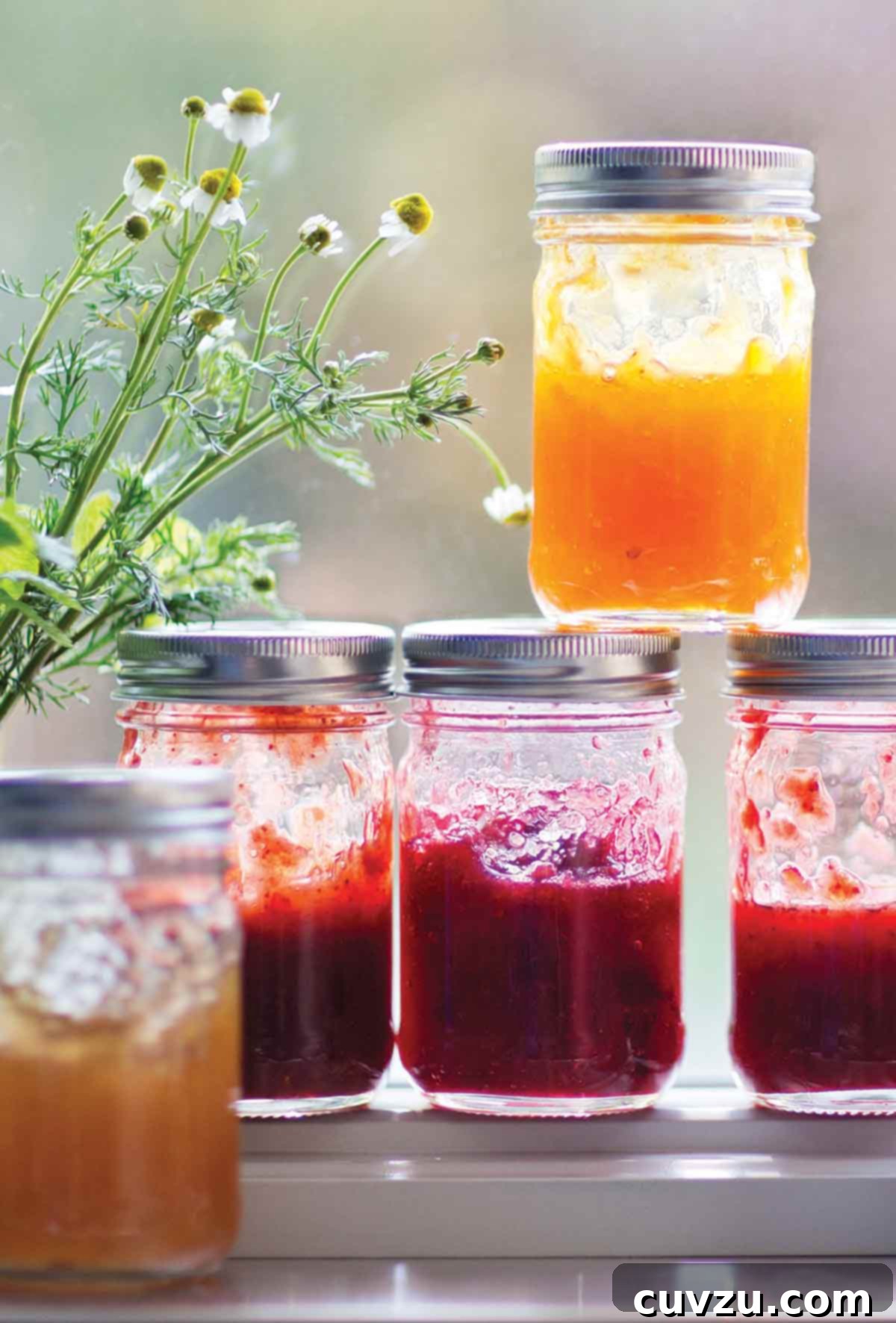
Effortless Homemade Strawberry Rhubarb Jam: A Small-Batch Recipe for Instant Gratification
Discover the joy of crafting your own Strawberry Rhubarb Jam with this exceptionally simple recipe. Unlike traditional preserving methods that often demand hours of labor and specialized equipment, this small-batch approach allows you to whip up a delicious spread in just about half an hour. Best of all, there’s no complex canning process involved; simply prepare, cool, and stash your fresh jam in the refrigerator, ready to be enjoyed.
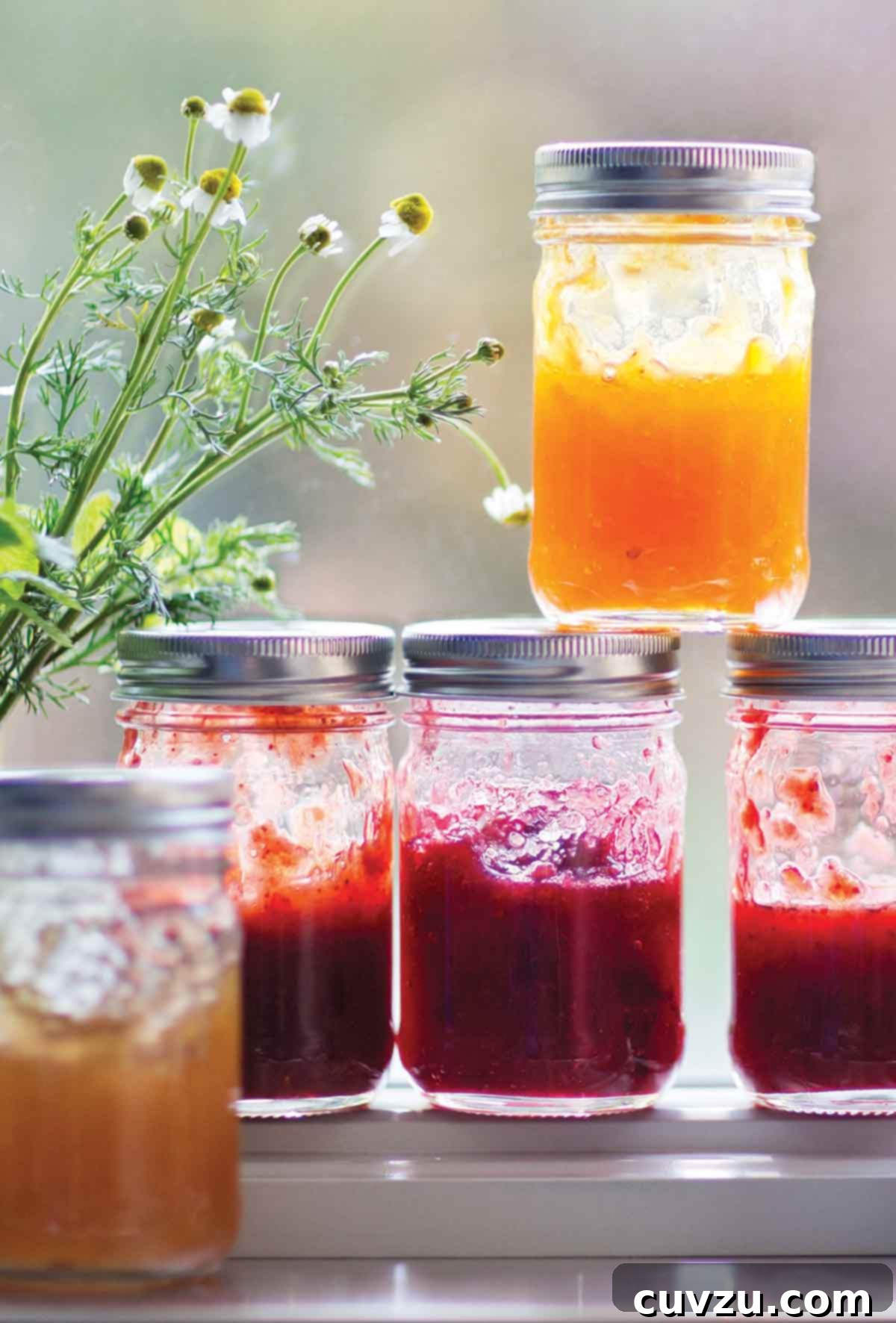
Inspired by Sarabeth’s: Crafting an Iconic Strawberry Rhubarb Jam at Home
For many food enthusiasts, the name Sarabeth’s conjures images of exquisite preserves, particularly their renowned strawberry rhubarb jam. The sight of those distinctive jars on specialty grocer shelves is a reassuring promise of quality and flavor. While Sarabeth’s offers a tempting array of flavors, the strawberry rhubarb blend often stands out as a universal favorite, perfectly balancing sweetness with a delightful tartness. Imagine the satisfaction of recreating that beloved taste right in your own kitchen! This recipe brings the essence of Sarabeth’s legendary jam to your home, offering not just a superbly satiating taste and texture, but an intoxicating aroma that elevates the entire experience to a dessert-like indulgence.
The beauty of this particular recipe lies in its efficiency and accessibility. Designed for a small batch, it removes the intimidation often associated with traditional canning. There’s no need for elaborate sterilization processes or pressure canning equipment. Instead, you can simply store the finished jam in your refrigerator. This convenience ensures that your homemade creation will be enjoyed fresh, long before any concerns about spoilage arise. As Renee Schettler aptly notes, this method is about ease and immediate enjoyment, bringing gourmet flavors within reach for any home cook.
Strawberry Rhubarb Jam Recipe
One of spring’s most beloved combinations, strawberry and rhubarb, becomes even more delightful with the subtle additions of fresh lemon slices and a fragrant vanilla bean. The lemon rind not only provides natural pectin to help the preserves set beautifully but also adds wonderful chewiness. The enchanting speckles of vanilla seeds transform this into a truly stunning jam, infusing it with an aroma that feels like a luxurious dessert in every bite.
Recipe by David Leite
Saved
- PIN
Print Recipe
Condiments, Breakfast
American
16
servings | Approx. 2 half-pints
44
kcal
15
15
30
Equipment
-
2 sterilized half-pint canning jars
-
Large nonreactive saucepan
-
Sharp knife and cutting board
-
Wooden spoon or spatula
Ingredients (US Standard Measures)
-
8 ounces rhubarb, tough strings removed with a vegetable peeler, stalks cut into 1/4 inch (6 mm) slices (approximately 1 1/4 cups) -
8 ounces strawberries, hulled, quartered lengthwise, and cut crosswise into slices 1/2 inch (1 cm) thick (approximately 1 1/3 cups) -
1/2 Meyer lemon or 1/4 regular lemon, cut into slices 1/8 inch (3 mm) thick and seeded -
1/4 cup cold water -
3/4 cup granulated sugar, plus more, as needed for taste (up to 1 cup total) -
1/2 vanilla bean
Instructions
-
In a large, nonreactive saucepan (stainless steel is ideal), combine the prepared rhubarb, strawberries, lemon slices, and cold water. Place the saucepan over medium heat and bring the mixture to a gentle simmer, stirring occasionally to prevent sticking and ensure even cooking. Once simmering, reduce the heat to medium-low and continue to cook for 5 minutes, still stirring from time to time. This initial simmer softens the fruit and begins to release its juices.
-
Stir in the initial 3/4 cup of granulated sugar. Given that the sweetness of strawberries and rhubarb can vary depending on ripeness and variety, it’s crucial to taste the mixture at this stage. Carefully spoon out a small amount, let it cool slightly, and then taste. If you prefer a sweeter jam, gradually add more sugar, a tablespoon at a time, until it reaches your desired balance. Remember, you can always add more, but you can’t take it out!
-
Prepare the vanilla bean. Using the tip of a sharp knife, carefully split the half vanilla bean lengthwise down the center. Scrape out the tiny, fragrant seeds directly into the fruit mixture, distributing them evenly. After scraping, toss the vanilla pod itself into the saucepan. The pod will continue to infuse the jam with its deep, aromatic essence as it cooks.
-
Continue to simmer the jam mixture over medium-low heat, stirring occasionally to prevent scorching. Allow it to cook for another 10 to 15 minutes, or until the preserves have slightly thickened to your preference. The jam is ready when it reaches a soft-set consistency. (For detailed guidance on determining the perfect set, refer to our “*How do I know when my jam is done?*” note below.) As the jam cooks, a layer of foam may rise to the surface; use a spoon to skim this off and discard it for a clearer, more appealing finished product. Before removing from heat, retrieve and discard the vanilla pod.
-
Carefully divide the hot jam between your 2 sterilized half-pint canning jars. Screw on the lids securely, but do not overtighten. Allow the jars to cool completely to room temperature on your countertop. Once cooled, transfer the jars to the refrigerator. For the best flavor development, it’s recommended to refrigerate the jam overnight before serving. This allows the complex flavors to meld and deepen. Your delicious homemade strawberry rhubarb jam can be stored in the refrigerator for up to 2 weeks.
Notes on Achieving the Perfect Jam Set
*How do I know when my jam is done?
Embarking on your first jam-making adventure can feel a little intimidating, especially with that vibrant fruit mixture bubbling away in the pot. But fear not! Knowing when your jam has reached its perfect set is actually quite straightforward. Our experienced recipe tester, Linda McElroy, a seasoned home preserver, shares her foolproof methods for “checking the set” to ensure your preserves are just right:
- The Spoon Test: This classic method is incredibly simple. Dip a clean wooden spoon into the simmering jam. Lift the spoon and let the jam drip off. Now, drag the spoon through the remaining jam in the pot. If the spoon leaves a clean streak on the bottom of the pan, revealing the pot surface for a moment, your jam is done. This indicates sufficient thickening.
- The Freezer Test: For an even more definitive confirmation, prepare in advance. Before you even start cooking your jam, place a small, clean ceramic plate in your freezer to chill thoroughly. When you believe your jam is nearing readiness, drop a very small amount of the hot jam onto the chilled plate. Allow it to sit for about 30-60 seconds to cool. Then, gently push your finger or the back of a spoon through the jam. If the jam doesn’t spread excessively (or spreads very little) and creates a clean streak that wrinkles slightly as you push, your jam is perfectly set and ready to be removed from the heat. This test mimics how the jam will behave once cooled in the jar.
These two tests provide reliable indicators, giving you confidence in your jam-making skills and ensuring a delicious, perfectly textured result every time.

Adapted From
Sarabeth’s Good Morning Cookbook
Buy On Amazon
Nutrition Information (per serving)
Calories: 44 kcal
Carbohydrates: 11 g
Protein: 1 g
Fat: 1 g
Saturated Fat: 1 g
Monounsaturated Fat: 1 g
Sodium: 1 mg
Fiber: 1 g
Sugar: 10 g
Nutrition information is automatically calculated and should only be used as an approximation.
Insights from Our Recipe Testers
Our dedicated team of recipe testers put this Strawberry Rhubarb Jam through its paces, and the unanimous feedback points to a surprisingly easy and incredibly rewarding experience. Here’s what they discovered:
Linda McElroy
Linda McElroy, an experienced home preserver, was particularly impressed by the sheer ease and speed of this recipe. “I usually feel like I need to devote half a day when I make jam,” she remarked, “but this recipe makes 2 small jars, and my total time was literally 20 minutes.” She lauded the additions of lemon slices, which mostly integrated into the jam, and the vanilla bean, noting, “This really takes strawberry rhubarb jam to a whole new level. It’s a dessert-quality jam!”
While initially wary of the sugar quantity, Linda found that starting with 3/4 cup and adding just 2 more tablespoons resulted in a perfectly balanced, slightly tart jam—exactly to her liking. She confidently stated, “The jam thickened perfectly and wasn’t at all soupy,” attributing this to using a 12-inch skillet to aid rapid liquid evaporation. She also confirmed the reliability of both the spoon and freezer tests for checking the set, recommending them for foolproof results. For small batches like this, she confirmed that refrigeration is perfectly adequate, with the option to freeze one jar for longer storage.
L. Mitchell
L. Mitchell, a long-time strawberry rhubarb jam maker, found this recipe a significant upgrade. “This recipe takes strawberry rhubarb jam to the next level!” she exclaimed. She appreciated how the lemon rind and vanilla bean contributed “more texture and depth of flavor,” transforming her usual jam into something extraordinary. Her batch cooked to the proper consistency in 20 minutes, followed by an additional 5 minutes of stirring off the stove to keep the fruit suspended. L. Mitchell used both temperature (220°F) and the cold plate test to verify the set, yielding a full pint of “delicious, fresh, vibrant jam.” Her final verdict: “Total time was 1/2 hour to preserve the taste of spring!”
Helen Doberstein
Helen Doberstein championed the reduced-sugar version of this jam, stating, “For me, the fruit stars in my reduced sugar version… and I’d heartily recommend it.” She prepared her batch with 3/4 cup of sugar, and after simmering for 15 minutes, it achieved a consistency she found ideal for preserves—slightly thickened rather than overly jammy. This preference highlights the recipe’s versatility, allowing home cooks to adjust sweetness and consistency to their personal taste without compromising the overall quality.
Lou Ann Traster
Lou Ann Traster praised the jam’s “bright and complex, this tart jam has an addictive vanilla aroma and takes minutes, not hours, to make.” She highlighted the perfect batch size, ideal for serving during the brief overlap of berry and rhubarb seasons. Lou Ann used equal weights of rhubarb and strawberries (8 ounces each), half a small lemon, and 3/4 cup sugar to achieve a balanced tart-sweet flavor profile. She particularly loved the vanilla bean, which, though seemingly optional, “adds a luxurious and unexpected touch.” Instead of discarding the pod, she cleverly buried it in the jam jar, allowing it to continue infusing flavor until the last spoonful. This ingenious tip prolongs the vanilla’s aromatic contribution and demonstrates a thoughtful approach to minimizing waste.
Irene Seales
Irene Seales emphasized the seasonal joy this jam brings: “Rhubarb + strawberries = summer.” She noted that even if the rhubarb wasn’t vibrant red, the strawberries would ensure a beautiful color and a flavor “greater than the parts.” For her first batch, she found two good-sized rhubarb stalks yielded the necessary 1 1/4 cups, recommending peeling tougher strands but leaving tender stalks largely intact. The rhubarb cooked down to a jammy smoothness, while the strawberries retained some texture.
Irene confirmed that 3/4 cup of sugar provided plenty of sweetness for her taste, preferring a “fresh flavor rather than a thick and sticky consistency.” Her method for checking the “set” involved looking for a single point drip off the spoon and observing how it behaved on a chilled plate. She affirmed that “Chilling overnight firmed the preserves and intensified the flavors.”
Beyond traditional uses, Irene offered creative serving suggestions, including dolloping it into yogurt, spooning it over ice cream, or even muddling a spoonful into a sparkling drink with club soda or gin and tonic—showcasing the jam’s versatility. She also appreciated the no-canning approach for small batches, simply storing it in the refrigerator. While she obediently removed the vanilla pod as instructed, she hinted at using it to infuse something else, a testament to its potent aroma. The lemon’s inclusion was praised for its flavor and texture, integrating well as it softened. In a second experimental batch, Irene successfully substituted whole blackberries for strawberries, reducing the sugar, and achieving a gorgeous-colored, albeit thinner, “more saucy than jammy” preserve.
Why Choose Small-Batch, No-Canning Jam?
The allure of homemade jam is undeniable, but the thought of extensive canning procedures can deter many aspiring preservers. This recipe expertly sidesteps those complexities, offering compelling reasons to embrace the small-batch, no-canning philosophy:
- Simplicity and Speed: With a prep time of just 15 minutes and a cook time of another 15, you can go from fresh fruit to finished jam in under an hour. This makes it perfect for a spontaneous kitchen project or when you have a small abundance of seasonal fruit.
- Fresh, Vibrant Flavors: Small batches mean less time on the stove, preserving the bright, fresh taste and vibrant colors of the strawberries and rhubarb. The flavors don’t become overcooked or muted.
- Reduced Intimidation: No need for specialized canning equipment, extensive sterilization processes, or worrying about proper sealing techniques. If you have a saucepan and jars, you’re ready to go.
- Perfect for Gifting: Two half-pint jars are ideal for sharing with friends, neighbors, or as a thoughtful hostess gift, ensuring they receive a truly homemade treat without overwhelming your pantry.
- Everyday Enjoyment: The refrigerator-friendly storage method means your jam is always at the ready for breakfast toast, yogurt parfaits, or even as a gourmet topping for desserts. Its shorter shelf life encourages you to enjoy it while its freshness is at its peak.
This method truly democratizes jam making, proving that you don’t need to be a seasoned preserver to enjoy the unparalleled taste of homemade preserves.
Key Ingredients for an Exceptional Strawberry Rhubarb Jam
While the beauty of this jam lies in its simplicity, each ingredient plays a crucial role in creating a harmonious blend of flavors and textures:
Strawberries: The Sweet Heart of the Jam
Choose ripe, fragrant strawberries for the best results. Their natural sweetness and vibrant color are essential to balancing the tartness of the rhubarb. Hulling them and cutting them into consistent sizes ensures they cook down evenly, contributing to the jam’s smooth yet fruit-filled texture. Look for berries that are bright red all over and feel firm, not mushy.
Rhubarb: The Tangy Counterpart
Rhubarb provides that signature tartness that makes this jam so distinct. When preparing rhubarb, pay attention to the stalks. Thicker, older stalks may have tough strings that should be removed with a vegetable peeler to ensure a pleasant texture in the finished jam. Cutting them into 1/4-inch slices allows them to break down effectively during cooking. Rhubarb stalks can vary in color from deep red to mottled green; while red stalks lend a more intense pink hue to the jam, green varieties are equally delicious.
Lemon: The Flavor Enhancer and Natural Pectin Source
The inclusion of whole lemon slices, rind and all, is a masterstroke in this recipe. Lemon juice brightens the fruit flavors, but the rind offers a dual benefit: it’s a natural source of pectin, helping the jam to set without the need for commercial pectin, and it adds delightful, slightly chewy bits that contribute to the jam’s rustic charm. Meyer lemons offer a slightly sweeter, more aromatic profile, while regular lemons provide a bolder, tangier note.
Vanilla Bean: A Touch of Luxury
The vanilla bean is the secret ingredient that elevates this jam from delicious to extraordinary. Its warm, sweet, and complex notes complement both the strawberries and rhubarb beautifully. Scraped seeds create enticing speckles, and the pod itself continues to infuse flavor during cooking. This subtle addition transforms the jam into a dessert-worthy spread, adding an intoxicating aroma that will fill your kitchen.
Sugar: Balancing Sweetness and Preservation
Sugar is more than just a sweetener in jam; it plays a vital role in preservation and texture. This recipe offers flexibility, starting with 3/4 cup and allowing you to add more to taste. The testers found that adjusting the sugar level ensures the jam perfectly matches individual preferences, from pleasantly tart to classically sweet. It’s a key component in achieving that perfect glossy consistency.
Creative Serving Suggestions for Your Homemade Jam
Your freshly made Strawberry Rhubarb Jam is incredibly versatile! Beyond the classic toast and scone pairing, here are some delightful ways to enjoy your preserves:
- Breakfast & Brunch: Spread generously on warm biscuits, croissants, or bagels. Stir into plain Greek yogurt or oatmeal for a burst of fruit flavor. Serve alongside pancakes or waffles instead of maple syrup.
- Desserts: Spoon over vanilla bean ice cream, panna cotta, or cheesecake. Use as a filling for tarts, thumbprint cookies, or sponge cakes. Create elegant parfaits by layering with granola and whipped cream.
- Savory Pairings: A dollop pairs surprisingly well with a cheese board, especially with soft, creamy cheeses like brie or goat cheese. Glaze roasted chicken or pork for a sweet and tangy finish.
- Beverages: Stir a spoonful into sparkling water for a refreshing spritzer. Muddle with fresh mint and a splash of gin or vodka for a sophisticated cocktail.
Don’t be afraid to experiment! This jam’s balanced tart-sweet profile and aromatic vanilla notes make it a welcome addition to countless dishes.