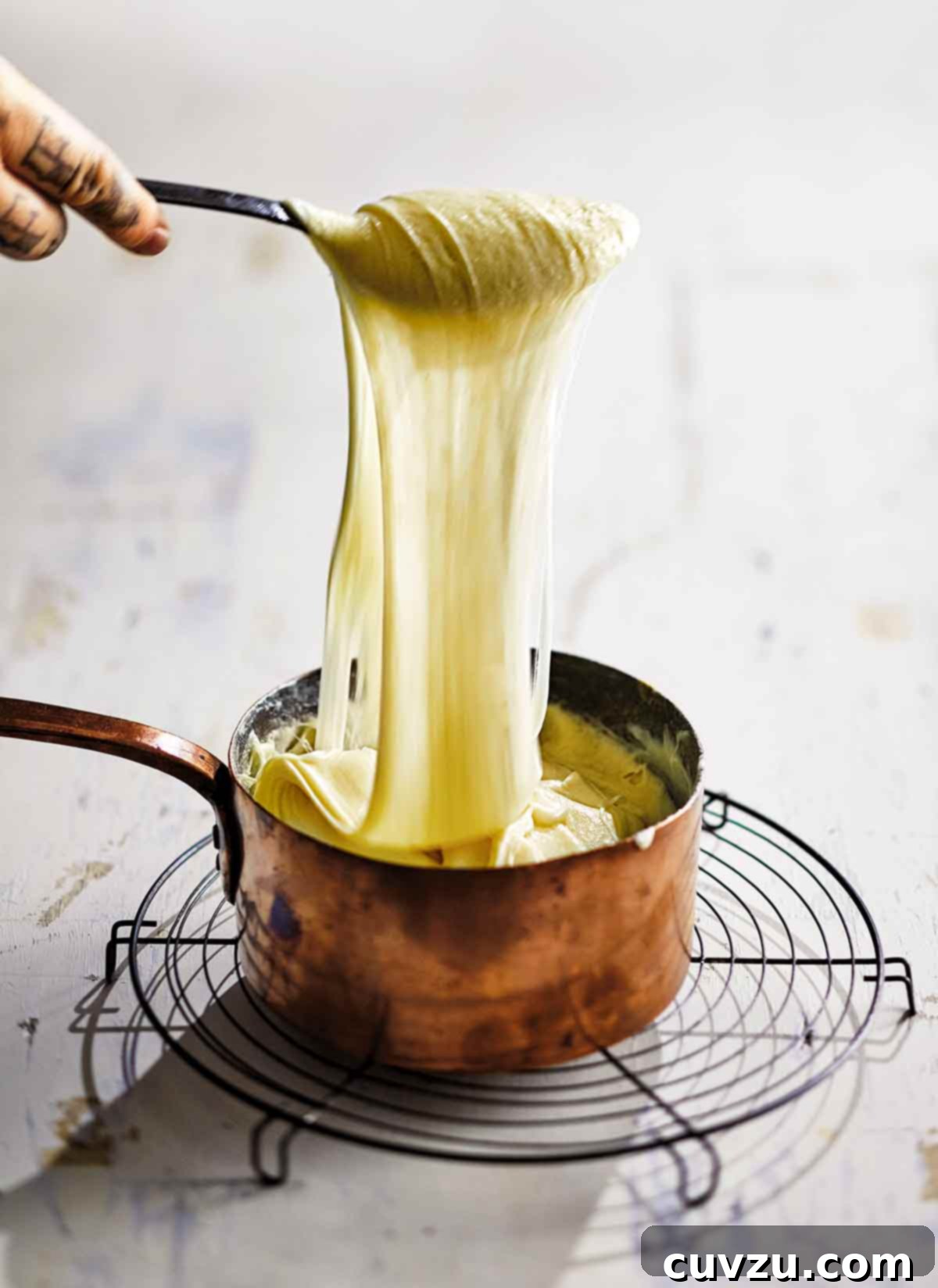
Aligot Potatoes: The Ultimate Creamy, Cheesy French Comfort Food
Prepare to discover Aligot potatoes, a sublime French delicacy crafted from velvety mashed potatoes, rich cheese curds, and delectable mozzarella. This isn’t just any potato dish; it’s an unparalleled experience of richness, cheesiness, and heartwarming comfort that will undoubtedly become a favorite in your culinary repertoire. Originating from the picturesque L’Aubrac region of France, Aligot represents the pinnacle of rustic French gastronomy, transforming humble potatoes into a truly luxurious and unforgettable side dish.
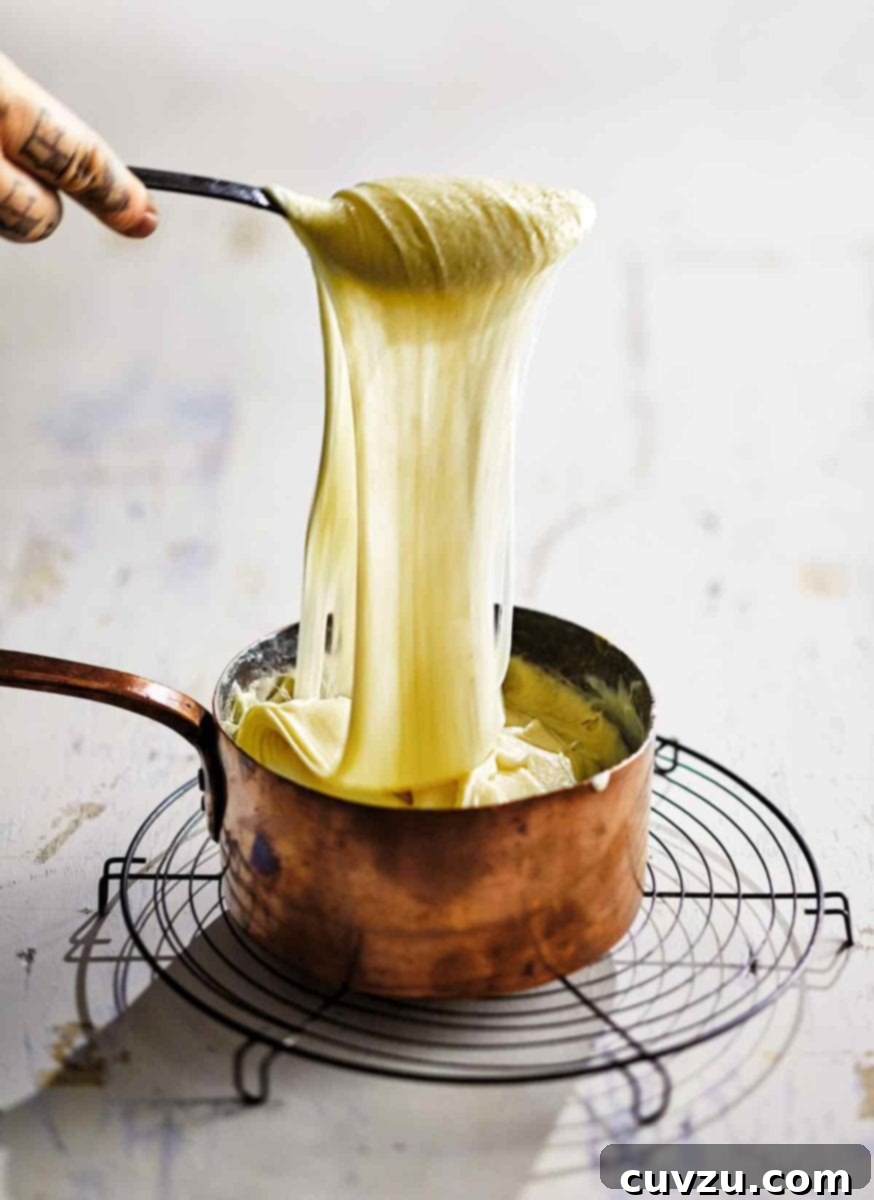
Aligot at a Glance: Quick Facts
- What it is: Aligot, pronounced “ah-lee-go,” is the iconic, luxuriously smooth French mashed potato dish hailing from the L’Aubrac region of France. It’s distinctively thickened with an generous amount of gooey, melted cheese, creating an epic, gravity-defying stretch that makes it as much a spectacle as it is a meal.
- Why you’ll love it: Beyond its mesmerizing stretch, these potatoes offer an incredibly rich, sumptuously creamy, and irresistibly comforting flavor profile. It’s the perfect impressive holiday side dish, a decadent accompaniment to a festive meal, or simply a deeply satisfying comfort food for any chilly evening. Its unique texture and profound cheesy flavor set it apart from ordinary mashed potatoes.
- How to make it: The magic begins by boiling and ricing high-starch potatoes like Yukon Golds to achieve a perfectly smooth base. Warm cream and butter are then folded in, followed by a vigorous beating with fresh cheese curds and mozzarella until the mixture transforms into a wonderfully stretchy, homogenous, and velvety smooth delight. The key is consistent stirring and maintaining the right temperature to achieve that signature elastic consistency.

The versatility of the humble potato is truly remarkable, gracing our tables in countless forms, from delicate gnocchi and crispy French fries to hearty smashed potatoes, classic mashed potatoes, and sophisticated dishes like potato dauphinois and pomme purée. Yet, for many culinary enthusiasts, the highest expression of the potato’s potential is found in pommes aligot. Achieving a perfect Aligot requires precision and attention to detail. As Chef Matty Matheson wisely advises: “When made well, it should be very smooth. I hate mealy aligot potatoes that happen when the potatoes aren’t hot enough and are overworked at low temperature. You have to get the texture of your base just right before adding the cheese. Too much butter or fat or milk and the whole operation could go sideways. Please follow the instructions, and you will have perfect ribbons of cheesy potatoes.” His words emphasize the critical balance needed to transform simple ingredients into this extraordinary dish.
View this post on Instagram
Diving Deeper: Aligot FAQs
For an Aligot that truly shines, Yukon Gold potatoes are overwhelmingly the top choice. Their ideal balance of starch and moisture ensures a luxurious, buttery texture and creamy taste that is perfectly suited for this dish. When riced, they break down beautifully, forming a smooth, lump-free base crucial for Aligot’s signature elasticity. While other starchy potatoes like Russets could work, Yukon Golds offer a natural creaminess and subtle sweetness that enhances the overall flavor profile, making them an indispensable ingredient for authentic Aligot.
The rich history of Aligot traces back to the 12th century, born within the monasteries of L’Aubrac, a small, mountainous village nestled in the Massif Central region of France. Legend has it that this hearty dish was originally prepared by monks to sustain religious pilgrims embarking on the arduous journey along the Camino de Santiago to Santiago de Compostela in Spain. Initially, Aligot was a simpler concoction, combining bread and fresh tome fraîche cheese, emulsified with broth. Over time, as potatoes gained popularity in Europe, they were ingeniously substituted for bread, transforming the dish into the cheesy, elastic potato masterpiece we cherish today. This culinary evolution highlights the resourcefulness and enduring gastronomic traditions of the French countryside.
Traditionally, the inhabitants of L’Aubrac, France, pair Aligot with robust, rustic fare. Classic accompaniments include grilled sausages, succulent roasted lamb, tender veal, and savory pork dishes. The richness of Aligot beautifully complements the deep flavors of these meats. However, its versatility extends beyond tradition; it makes a fantastic side for roasted chicken, steak, or even as a decadent base for various vegetable preparations. For a true French experience, consider serving it with an Auvergne red wine, known for its ability to cut through the richness of the cheese. But honestly, for an unparalleled comfort food experience, we wouldn’t judge if you found yourself doing a “face plant” directly into a pot of freshly made Aligot and calling it dinner—it’s that good!
More Cheesy Potato Recipes to Savor
Cheesy Mashed Potatoes
45 mins
Cheesy Pumpkin Potato Gratin
1 hr 50 mins
Ham, Cheese, and Potato Casserole
1 hr 45 mins
French Onion Potato Gratin
2 hrs
Share Your Experience: Write a Review!
We love hearing from you! If you try this incredible Aligot recipe, or any other dish from Leite’s Culinaria, please consider leaving a review. Share your star rating and, if you’re feeling inspired, your best photo in the comments below. Your feedback helps our community of food lovers discover new favorites and perfect their culinary skills. –David
Pommes Aligot ~ The Quintessential Cheesy Mashed Potatoes
David Leite
Ingredients
- 4 medium (about 2 pounds) Yukon Gold potatoes, peeled and quartered
- Kosher salt, to taste
- 1 cup heavy cream, warmed but not brought to a boil
- 1 stick (4 oz) unsalted butter
- 1 pound fresh cheese curds, or substitute shredded Swiss, Comte, or Fontina cheese for a similar rich flavor and melt
- 1/2 pound fresh mozzarella cheese, shredded or torn into small pieces for optimal melting
- 1 teaspoon freshly ground white pepper
Instructions
-
Prepare the Potatoes: Place the peeled and quartered Yukon Gold potatoes in a large pot. Add enough cold water to cover the potatoes by at least 2 inches (5 cm). Stir in about 2 tablespoons of kosher salt to ensure the water is generously seasoned, which will flavor the potatoes from within. Bring the pot to a vigorous boil over high heat, then reduce the heat to maintain a gentle simmer.
-
Cook Until Tender: Continue cooking the potatoes for 20 to 25 minutes, or until they are completely fork-tender. They should be soft enough to easily pierce with a fork without resistance. Once cooked, carefully drain the potatoes thoroughly in a colander, ensuring all excess water is removed.
-
Achieve Smoothness: Immediately transfer the hot, drained potatoes back into the empty pot. For the smoothest Aligot, pass the potatoes through a potato ricer or a food mill directly into the pot. If you don’t have these tools, you can use the back of a sturdy wooden spoon to press the potatoes through a colander or mash them with a handheld potato masher until they are exceptionally smooth and free of lumps. This step is crucial for the final texture.
-
Incorporate Cream and Butter: Place the pot with the riced potatoes over very low heat. Add the warmed heavy cream and the unsalted butter to the potatoes. Stir continuously until the butter is completely melted and thoroughly incorporated, creating a rich, creamy potato base.
-
Add the Cheeses and Stretch: Begin by adding half of the cheese curds and half of the shredded mozzarella to the potato mixture. Stir constantly with a sturdy wooden spoon or spatula, ensuring the cheese melts evenly into the hot potatoes. Once the first batch of cheese has melted and started to incorporate, add the remaining cheese curds and mozzarella. Continue stirring vigorously and continuously over low heat. The mixture will gradually transform, becoming incredibly stretchy and elastic, resembling melted mozzarella that can be pulled into long ribbons. This process typically takes 4 to 9 minutes, depending on your heat source and stirring intensity.
-
Season and Serve: Season the Aligot generously with additional kosher salt to taste and the freshly ground white pepper. Stir one last time to ensure everything is well combined. Serve the Aligot immediately while it’s still warm and wonderfully stretchy.
☞ TESTER TIP: Aligot is best enjoyed fresh from the pot. To keep any remaining portions warm and prevent them from stiffening, simply cover the pan and maintain it over very low heat, stirring occasionally. You’ll likely want a second helping of this irresistible dish!

Adapted From
Home Style Cookery
Buy On Amazon
Explore More with AI
Nutrition Information
Note: Nutrition information is automatically calculated and should be used as an approximation. Individual results may vary based on specific ingredients and preparation methods.
Recipe Testers’ Reviews: Real Experiences with Aligot
Curious about how others fared with this sensational Aligot recipe? Our dedicated team of recipe testers put it to the test, sharing their candid insights, tips, and personal experiences. Read on to discover what they loved, what they learned, and how they made this cheesy potato masterpiece their own.
Jenny Latreille
I must confess, when I saw this pommes aligot recipe appear on the testing schedule, I literally shrieked with excitement! I’ve long admired those captivating videos of gorgeous, stretchy, buttery potatoes online and had been eagerly awaiting the perfect excuse to try making them myself. I’d hesitated because I wrongly assumed they would be incredibly difficult (spoiler: they are absolutely not!) and also because I knew they represented the epitome of rich, fat-filled cooking (and they definitely deliver on that front!). But truly, non, je ne regrette rien!
Despite not owning a fancy food mill or a potato ricer, I found a simple and effective workaround. I just carefully dumped the piping hot potatoes into a colander and, using the back of a sturdy wooden spoon, pushed them through. This method worked like a charm, producing beautifully smooth potatoes with very minimal waste. I was pleasantly surprised to find that the amount of stirring required wasn’t nearly as extensive or arduous as I had anticipated. My key tip here is to make sure your cheese is shredded into smaller pieces; this significantly reduces the melting time and the amount of upper body strength needed to achieve that perfect, cohesive texture.
I stirred for approximately four minutes until the Aligot became wonderfully thick, delightfully stringy, and perfectly melty. I seasoned it to perfection and served it right away. A crucial piece of advice: ensure all your other components of the meal are ready before you tackle the Aligot, as it cools relatively quickly, and its signature stretchy texture will stiffen if left too long. While still delicious, it becomes harder to serve. I found that simply placing the lid on the pot and giving it a good stir helped to refresh the texture for second helpings.
Deciding what to serve with such an incredibly rich dish was a challenge – I honestly didn’t want any distractions from the main event! So, I made this Aligot as a standalone tasting experience, and it easily served six people, as it is quite filling. We even had about half of it leftover, and I can happily report that it reheated beautifully the next day, retaining much of its original charm and flavor. For my batch, I used four Yukon Gold potatoes, excellent local white Cheddar cheese curds, and fresh mozzarella.
Heidi A.
This Aligot recipe is truly amazing! It was extremely easy to follow, super straightforward, and the result was utterly delicious. Without a doubt, these are the best potatoes I’ve ever made and eaten in my life. The recipe worked perfectly, and my Aligot looked exactly like the tantalizing pictures!
I encountered a slight challenge in finding fresh cheese curds in my local area, so I opted to use Swiss cheese as a substitute. The outcome was still fantastic, proving the adaptability of the recipe without compromising on that signature cheesy goodness. The flavor was rich and the texture delightful.
Fresh from the stove and after resting for about 5 minutes on the table, the potatoes had that incredible, distinctive stringy texture—like pure, molten cheese! However, an hour later, without any reheating, the texture transformed into something creamy and smooth, although it lost its stringiness. Even then, it still looked like a professional chef had prepared a perfect potato puree, and it remained super delicious. This dish truly offers two distinct yet equally enjoyable textures depending on when you savor it.
Daisy Lewis
I found these pommes aligot to be surprisingly easy to prepare, almost as straightforward as making regular mashed potatoes, but with a significantly more elegant and impressive end result. The combination of cheeses added a truly interesting and unique texture that elevated the dish. I was particularly impressed that, despite all the vigorous stirring required, the potatoes didn’t turn out gummy—a common concern with mashed potato dishes. I can certainly see myself making this recipe for a special occasion or when I want to introduce a delightful change of pace from traditional sides. However, I don’t think it will become my everyday mashed potato go-to, simply because it feels a little too indulgent and “sinful” for day-to-day consumption.
While the Aligot was delicious, it didn’t quite have the life-changing impact I had hoped for. I’ve seen so many mesmerizing videos and recipes swirling around the internet, which built up a great deal of excitement for me to try it out. Perhaps my expectations were set a little too high for it to completely blow me away.
As the potatoes sat, the cheese did indeed get a bit tighter, but I found that it wasn’t an unpleasant texture at all. It remained enjoyable, just with a slightly different mouthfeel compared to when it was fresh and piping hot.
Paul N.
Reading through the instructions ahead of time, I concluded there was no strict necessity to use a food mill or ricer. Given the substantial amount of mixing involved in the subsequent steps, I opted for a simple potato masher instead. This proved to be entirely effective; the potatoes achieved a completely smooth consistency by the end of step 3, and perhaps even after just a few minutes of mashing in step 2. This suggests that diligent mashing can yield a base just as fine as specialized equipment.
The recipe specifies using “super low heat” for incorporating the cream, butter, and cheeses. I initially placed the pan on the warming plate of my Aga, which typically maintains a gentle, albeit probably slightly warmer than “super low,” heat. After more than 10 minutes of continuous mixing, I noticed dozens of small lumps of cheese curd from the first addition. I even resorted to manually plucking them out and squishing them between my thumb and finger to speed up the melting process. Hoping for full incorporation, I added the remaining cheese and curds. However, after a total of over 20 minutes on the Aga, the lumps persisted.
Frustrated but determined, I moved the pan to an electric burner set to a consistent low-to-medium-low heat (setting 3). The concern is always about burning the bottom, but this wasn’t an issue for me with constant stirring. With this additional heat and another five minutes of dedicated stirring, the cheese finally melted completely and seamlessly integrated into the potatoes, allowing for the characteristic Aligot stretch as suggested by the recipe. To be clear, I spent over 25 minutes of uninterrupted mixing to achieve the desired result. While I wouldn’t wish such an arm workout on anyone, I strongly suspect that if I had used a low-to-medium-low heat source from the very beginning, I could have cut that stirring time in half.
Four diners had the pleasure of trying the Aligot, and everyone absolutely loved it. At least three of us went back for seconds—a rather unusual occurrence for this particular group! We only managed to consume about half of the potatoes during the meal. A great discovery was that keeping the remaining potatoes on super low heat in the pan, covered, during the meal worked perfectly. The texture didn’t degrade at all over the 30- to 40-minute dining period, maintaining its wonderful consistency.
Addendum: The Aligot proved to be a fabulous leftover for lunches over the next four days. I simply reheated a large scoopful of the potatoes with a few tablespoons of cream (or another sauce), a few bite-sized pieces of leftover meat, and whatever other delicious tidbits I found in the refrigerator (like olives or previously cooked vegetables). All these ingredients went into a pot, warmed in the oven until steaming, and resulted in a rustic yet incredibly satisfying lunch that truly surpassed anything I’m likely to find at a nearby restaurant. This dish genuinely keeps on giving!