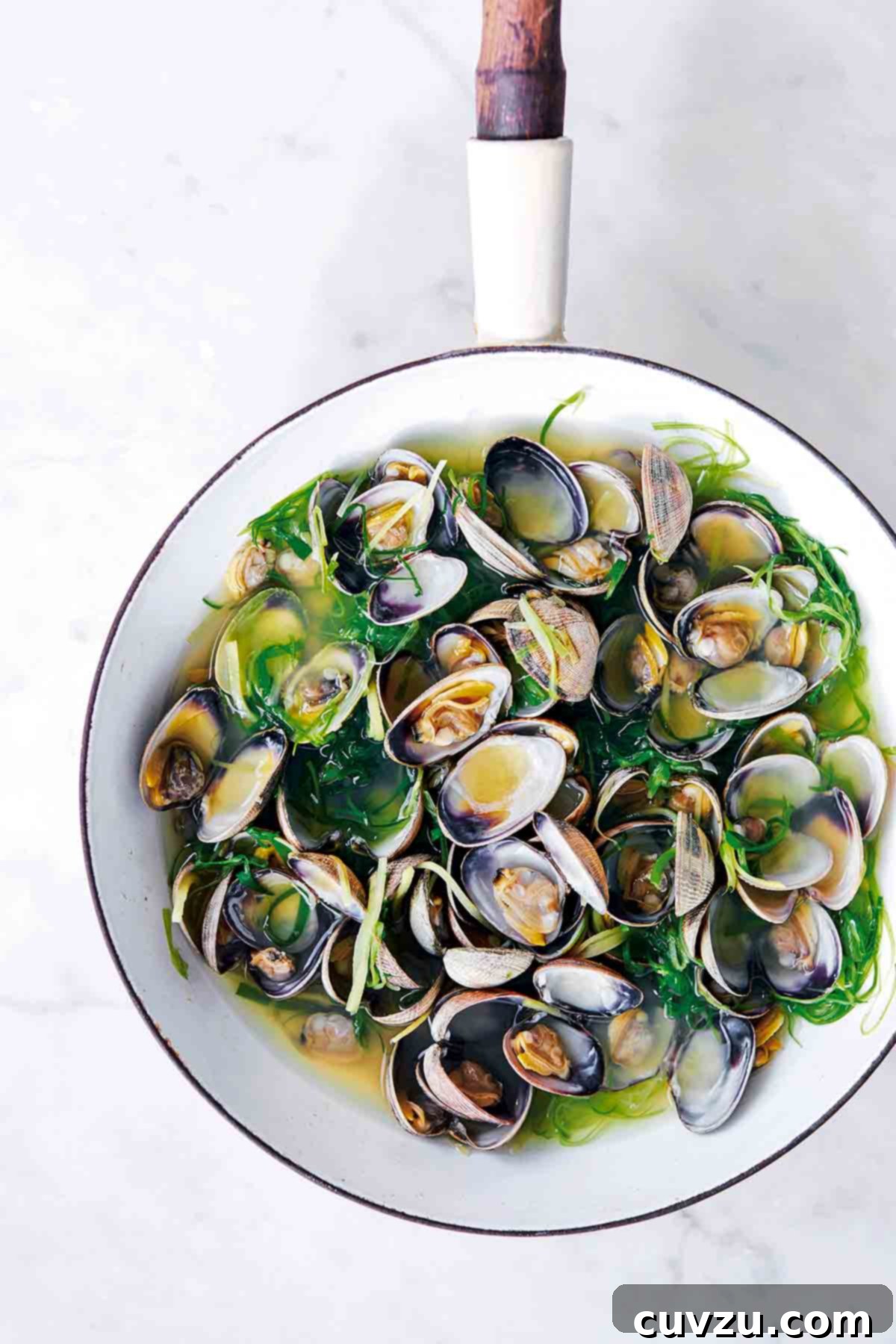
Sake Steamed Clams: An Authentic Japanese Delight Made Easy at Home
Transport your taste buds to Japan with this remarkably simple yet utterly delicious recipe for sake steamed clams. This dish transforms fresh, tender clams into a culinary masterpiece, gently cooked in an aromatic broth infused with traditional Japanese sake, invigorating ginger, and fresh scallions. It’s a restaurant-quality experience that’s surprisingly easy to replicate in your home kitchen, perfect for when you crave a light, flavorful, and elegant meal without extensive preparation.
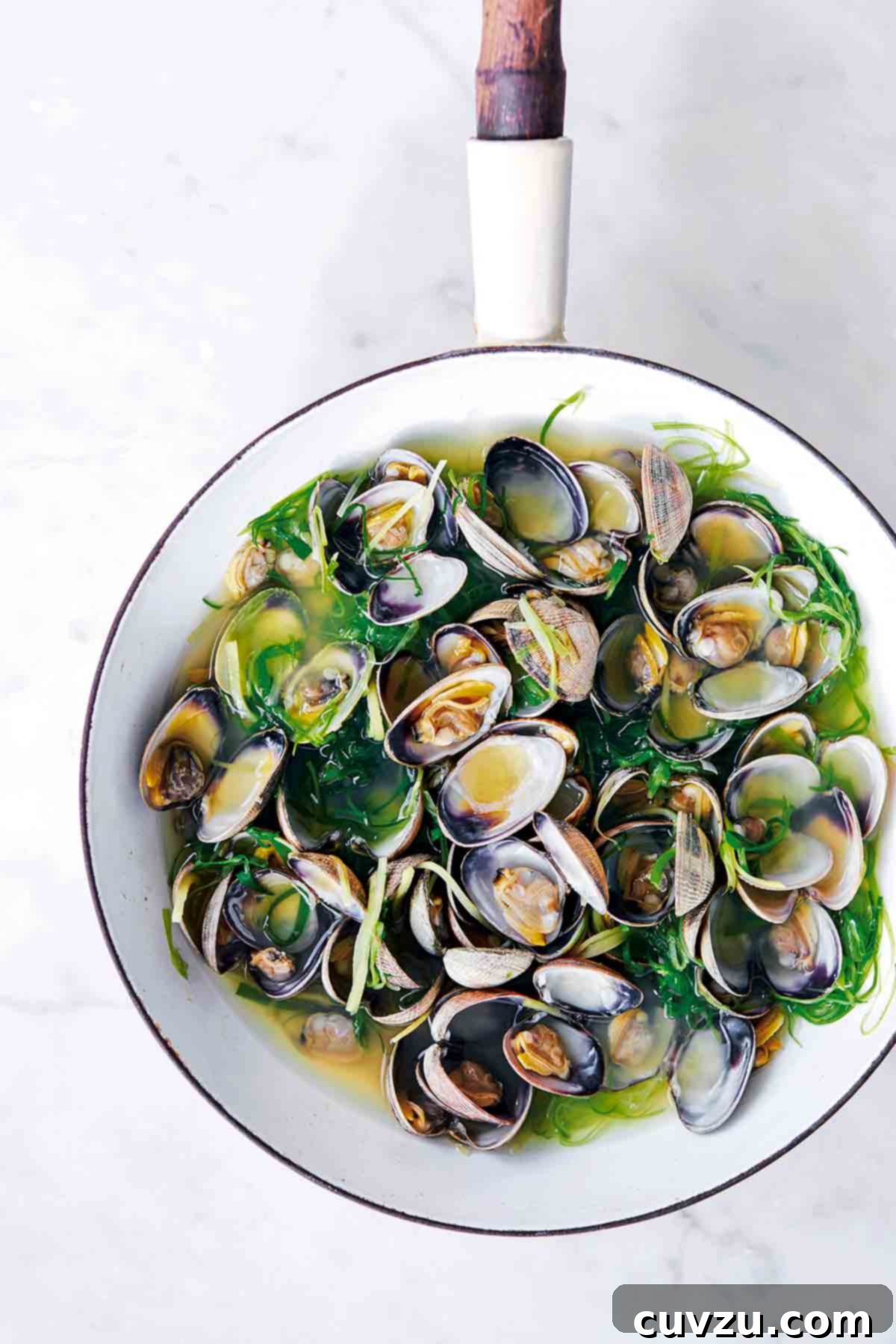
As celebrated culinary figure Aya Nishimura perfectly articulates, “This is a wonderful dish that can be made with very little effort if you’re short on time.” Its appeal lies not only in its ease but also in the harmonious blend of flavors that sing on the palate. Whether you’re a seasoned chef or a novice home cook, this guide will provide all the insights you need to master this exquisite Japanese clam dish, ensuring a flawless and delectable outcome every single time.
The Indispensable First Step: Purging Clams for a Grit-Free Experience
Achieving truly succulent and enjoyable steamed clams begins long before they hit the heat. The most critical preparatory step, often overlooked by beginners, is properly purging the clams. This isn’t just about rinsing the outside of the shells; it’s about encouraging the clams to naturally cleanse themselves of any internal sand or grit they may have accumulated from their natural marine habitat. Skipping this step almost guarantees an unpleasant, sandy texture that can detract from the entire meal, no matter how perfectly cooked the clams are.
Understanding the Purging Process: Clams are filter feeders, constantly drawing water through their bodies to extract nutrients. By soaking them in a clean saltwater solution that mimics their natural environment, we trick them into continuing this filtering process. As they “breathe” in the clean, salty water, they expel the sand and impurities trapped within their systems, leaving you with plump, clean, and delicious clam meat.
Crafting the Ideal Saltwater Solution: The ratio of salt to water is paramount for effective purging. For this sake steamed clams recipe, you’ll need 4 1/4 cups of cold water combined with 4 teaspoons (approximately 1 ounce) of sea salt. It’s essential to use cold water as it keeps the clams relaxed and alive, promoting active filtration. Stir the mixture until the sea salt is completely dissolved, creating a uniform brine. Using non-iodized sea salt is generally preferred for its pure taste.
The Art of Soaking: Duration and Environment: Once your saltwater solution is ready, gently place the clams into a spacious container such as a large baking dish or roasting pan. Pour the prepared brine over the clams, ensuring they are almost entirely submerged. It’s crucial to cover the container with a clean kitchen towel. This creates a dark, calm environment, which encourages the clams to open and actively filter, just as they would in their natural, dimly lit underwater habitat. For optimal results, allow the clams to soak in a cool, dark place for at least 1 hour. However, if time allows, refrigerating them overnight (for 8 to 12 hours) will yield the best possible outcome, thoroughly purging even the most stubborn grit.
Selecting and Inspecting Your Clams: The choice of clams can influence your dish. Littleneck clams are highly recommended for their delicate flavor and tender texture, making them a fantastic choice for steaming. Steamer clams (also known as soft-shell clams) are another excellent option, offering a very soft and succulent bite. While larger varieties like mahogany clams can be used, some find them a bit chewier. Regardless of the type, always select fresh clams that are tightly closed. If you encounter any clams with slightly open shells, gently tap them; they should quickly snap shut. Any clam that remains open or has a cracked or damaged shell must be discarded immediately, as it indicates the clam is dead and unsafe to eat. Prioritizing fresh, properly purged clams is the cornerstone of an exceptional sake steamed clams experience.
Building the Broth: The Magic Behind the Sake Steamed Clams’ Flavor
Beyond the fresh clams, the soul of this Japanese delicacy resides in its exquisitely balanced and fragrant broth. Each component of the steaming liquid contributes distinct notes, culminating in a complex yet refreshing flavor profile that perfectly complements the sweet clam meat.
The Foundation: Quality Clams
The selection and preparation of your clams remain paramount. Their inherent brininess and sweet, delicate flesh form the base around which the broth’s flavors are built. Properly purged and impeccably fresh clams ensure that every bite is pure pleasure, free from unwanted distractions.
Sake: The Heart of Japanese Steaming
Sake, or Japanese rice wine, is far more than just an alcoholic ingredient here; it’s a fundamental flavor enhancer. Its unique fermentation process lends a subtle sweetness, a profound umami depth, and a delicate acidity that brightens the entire dish. As the sake heats and steams, its alcohol content gently evaporates, leaving behind a pure, clean essence that tenderizes the clams and infuses them with authentic Japanese character. For this recipe, opting for a good quality Junmai sake is ideal. Junmai classification means “pure rice,” indicating no added distilled alcohol, resulting in a cleaner, more refined flavor profile that won’t overshadow the delicate clams. When selecting sake for cooking, a general rule is to choose one that you would enjoy drinking – this ensures a superior taste in your final dish. If sake is genuinely inaccessible, a dry white wine such as Sauvignon Blanc can serve as an alternative, though it will impart a slightly different, more European flavor to the broth.
Fresh Ginger: A Pungent Aromatic Boost
Fresh ginger is a vital player, introducing a warm, zesty, and subtly spicy element that provides a beautiful contrast to the clams’ sweetness. Its unmistakable fragrance fills the kitchen as it cooks, promising a vibrant taste. For optimal flavor extraction and an elegant presentation, the ginger should be peeled and then carefully cut into thin matchsticks. This method allows the maximum surface area to interact with the broth, releasing its aromatic oils without overwhelming the delicate seafood. The matchstick cut also adds a visually appealing texture to the finished dish.
Scallions: The Verdant Touch of Freshness
Scallions, often referred to as green onions, contribute a mild, sweet oniony flavor and a crucial burst of vibrant green color. They are incorporated into the cooking process to infuse the broth with their fresh notes and are also used as a fresh garnish to add a crisp finish just before serving. By cutting them into 2-inch (5-cm) pieces and then slicing these pieces into long, thin strips, they soften quickly during steaming, releasing their essence into the broth, while a final sprinkle of raw scallions provides a delightful textural contrast and an extra layer of freshness.
Recommended Kitchen Equipment for This Recipe
While the beauty of this dish lies in its simplicity, having the right tools can make your cooking experience seamless and enjoyable. Here’s what you’ll need:
- Large Bowl or Roasting Pan: Absolutely essential for the initial clam purging step. Choose one large enough to accommodate all the clams comfortably with ample room for the saltwater solution.
- Colander: Indispensable for draining the clams after purging and for a thorough final rinse under cold running water, ensuring all grit is washed away.
- Large Saucepan or Wok with a Tight-Fitting Lid: This is your primary cooking vessel. A wide, shallow pan is ideal as it allows the clams to steam more evenly without overcrowding. A tight-fitting lid is crucial to trap the steam effectively, which ensures all the clams open properly and cook quickly.
- Sharp Knife and Cutting Board: For precise and safe preparation of the fresh ginger and scallions into their specified matchsticks and strips.
Sake Steamed Clams Recipe
Follow these straightforward steps to prepare a delightful and authentic Japanese sake steamed clam dish.
Ingredients
- 4 1/4 cups cold water
- 4 teaspoons (1 oz) sea salt
- 2 pounds, 4 ounces clams (preferably littleneck or steamers)
- 1 ounce fresh ginger, peeled and cut into thin matchsticks
- 8 scallions, cut into 2-inch (5-cm) pieces and sliced into long thin strips
- 5 ounces (scant 2/3 cup) sake
Instructions
- Prepare the Purging Solution: In a large bowl or roasting pan, combine the 4 1/4 cups of cold water with the 4 teaspoons of sea salt. Stir thoroughly until the sea salt is completely dissolved. This creates the optimal salinity for the clams to purge themselves of sand.
- Soak the Clams: Carefully place the fresh clams into the prepared saltwater solution, ensuring they are almost entirely covered by the liquid. Drape a clean kitchen towel over the bowl or pan to create a dark environment. Allow the clams to soak in a cool, dark place for at least 1 hour. For the most effective purging and a truly grit-free experience, it’s highly recommended to soak them in the refrigerator overnight (8 to 12 hours).
- Rinse and Inspect: After the soaking period, transfer the clams to a colander and rinse them exceptionally well under cold running water. Gently rub the shells to remove any external grit or debris. During this rinse, meticulously inspect each clam: they should all be tightly closed. Discard any clams that remain open or that have broken or chipped shells, as these indicate the clam is no longer alive and safe for consumption.
- Combine Ingredients for Steaming: In a large saucepan or wok with a tight-fitting lid, combine the thoroughly rinsed clams, the thinly cut fresh ginger matchsticks, the prepared scallion strips, and the sake. Ensure there’s enough space in the pan so the clams are not overly crowded, which promotes even cooking.
- Steam to Perfection: Place the covered pan over medium-high heat. Allow the clams to steam for 5 to 10 minutes. Keep a close eye on them; the cooking is complete once most of the clams have opened wide. The exact cooking time can vary based on the size and type of clams used. It is crucial not to overcook them, as this can result in tough, rubbery clam meat.
- Serve Immediately: As soon as the clams are cooked, remove the pan from the heat. Carefully transfer the hot sake steamed clams and their fragrant, delicious broth into individual serving bowls. Discard any clams that, despite cooking, did not open—they were likely dead before cooking and are not safe to eat. For an extra touch of freshness and color, you may garnish with a sprinkle of additional thinly sliced raw scallions. Serve this exquisite dish immediately and savor every spoonful!
Perfect Pairings and Serving Suggestions for Sake Steamed Clams
The beauty of sake steamed clams extends to its versatility in serving. Whether you’re aiming for a sophisticated appetizer or a complete main course, this dish adapts beautifully. The key is to complement its delicate flavors and ensure the aromatic broth is fully appreciated.
As an Appetizer or First Course:
- Serve the clams in elegant individual bowls, providing a small spoon for guests to enjoy every drop of the exquisite broth.
- Accompany with warm, crusty artisan bread, such as a baguette or sourdough. The bread is perfect for soaking up the remaining savory, ginger-infused liquid, ensuring no flavor goes to waste.
- A light side salad with a simple, refreshing vinaigrette can provide a crisp contrast to the warm clams.
As a Main Course:
- Steamed Rice: The classic pairing. A bowl of perfectly steamed short-grain white rice is an ideal canvas for the clam broth, absorbing all its nuanced flavors and providing a satisfying foundation to the meal.
- Noodles: Delicate soba noodles or even thin udon noodles can be lightly tossed with the clam broth and clams for a more substantial and comforting dish. The noodles soak up the flavors wonderfully.
Ideal Beverage Pairings:
- Sake: To truly enhance the Japanese experience, pair your steamed clams with a chilled bottle of Junmai Ginjo sake. Its refined, fruity, and aromatic profile, often with a hint of minerality, harmonizes flawlessly with the umami-rich clams and ginger-scallion broth.
- White Wine: For wine enthusiasts, a dry and crisp white wine is an excellent choice. Varieties such as a French Sancerre or a New Zealand Sauvignon Blanc offer bright acidity and citrus notes that beautifully cut through the richness of the seafood and complement the fresh aromatics.
Enhancing Garnishes:
- A final sprinkle of freshly sliced scallions adds a burst of vibrant green and a fresh, mild oniony crunch.
- For those who appreciate a hint of heat, a tiny pinch of red pepper flakes or a drizzle of chili oil can provide a gentle warmth without overpowering the delicate clam flavors.
- A very light drizzle of high-quality toasted sesame oil just before serving can add a nutty depth, though use sparingly to avoid overpowering the sake’s subtleties.
Creative Recipe Variations and Customizations
While the traditional sake steamed clams recipe is a masterpiece in its own right, its elegant simplicity also makes it a versatile canvas for culinary creativity. Don’t hesitate to experiment with these variations to tailor the dish to your personal preferences or to utilize ingredients you have on hand:
- Garlic Lover’s Delight: For an additional layer of pungent aroma, add 2-3 cloves of thinly sliced garlic to the saucepan along with the ginger and scallions. The garlic will soften and release its sweet, savory essence into the broth.
- Spicy Kick: If you enjoy a touch of heat, introduce a small amount of finely minced fresh red chili (such as a bird’s eye chili) or a pinch of dried red pepper flakes into the steaming liquid. Start with a small amount and adjust to your preferred spice level.
- Herbaceous Freshness: Fresh cilantro, roughly chopped, or a few sprigs of Thai basil can be stirred in just before serving. These herbs will add a fragrant, verdant counterpoint to the savory broth.
- Umami Boost: A teaspoon of light soy sauce or a splash of mirin (sweet rice wine for cooking) can deepen the umami profile of the broth. Be mindful of the salt content if adding soy sauce, as clams are naturally briny.
- Richness with Butter: For a more luxurious broth, swirl in a tablespoon of unsalted butter at the very end, just after the clams have opened. This adds a velvety texture and a subtle richness that is incredibly appealing.
- Vegetable Additions: Transform this dish into a more complete meal by adding quick-cooking vegetables. Thinly sliced shiitake mushrooms, delicate baby bok choy, or tender snow peas can be added during the last few minutes of steaming. They will absorb the delicious broth and add texture and nutrients.
- Citrus Brightness: A final squeeze of fresh lime or lemon juice over the finished dish can introduce a delightful tang, brightening all the flavors and adding a refreshing finish.
These simple adjustments allow you to personalize your sake steamed clams, making each preparation a unique and exciting culinary adventure. Remember to taste as you go and adjust seasonings to your liking!
Why This Easy Japanese Clam Recipe Will Become a Favorite
There are countless reasons why these sake steamed clams are poised to become a staple in your culinary repertoire. First and foremost, the ease of preparation is unmatched; it’s a dish that delivers maximum flavor with minimal effort, making it ideal for bustling weeknights. Despite its simplicity, the elegant presentation and sophisticated flavor profile make it impressive enough for special occasions or when entertaining guests. Beyond its culinary appeal, clams are a fantastic source of lean protein and essential minerals, making this a wholesome and nutritious meal choice. The clean, vibrant flavors of the sake, ginger, and scallion broth are not only incredibly delicious but also light and refreshing. This recipe offers a delightful journey into authentic Japanese flavors, demonstrating that gourmet cooking can indeed be accessible and fun. Prepare to fall in love with the effortless elegance and irresistible taste of sake steamed clams!
Nutrition Information
Nutrition Facts
Calories: 561 kcal
Carbohydrates: 28 g
Protein: 76 g
Fat: 5 g
Saturated Fat: 1 g
Monounsaturated Fat: 1 g
Trans Fat: 1 g
Cholesterol: 153 mg
Sodium: 6924 mg
Fiber: 2 g
Sugar: 1 g
Nutrition information is automatically calculated and should only be used as an approximation.
Recipe Inspiration
Japanese Food Made Easy
This delightful recipe for sake steamed clams draws inspiration from the pages of the fantastic cookbook, Japanese Food Made Easy. For those eager to delve deeper into authentic and approachable Japanese cuisine, this resource offers a wealth of simple yet flavorful dishes designed for the home cook.
Buy On Amazon
Insights From Our Recipe Testers
Our dedicated team of recipe testers consistently provides invaluable feedback, and their experiences with these sake steamed clams further validate its delicious appeal and ease of preparation. Here’s what they had to say:

Shauna Hinchen-Joyal
Shauna eagerly tested this recipe as a light yet flavorful dinner choice, especially following heavier holiday meals. She praised the overall simplicity and the delightful combination of sake and ginger within the broth, which perfectly complemented the clams’ natural sweetness. While she utilized mahogany clams, she noted a preference for “steamers” in the future, believing their size would offer an even better texture for this dish. Her recommendation to serve with warm bread and chilled sake underscores the dish’s comforting and elegant qualities.

Ilda Costa-Sarnicki
Ilda, a passionate advocate for seafood and Asian flavors, was particularly impressed with the recipe’s effective clam purging method and the overall ease of preparation. She highlighted the critical role of using impeccably fresh clams and advocated for a good quality Junmai sake for cooking, emphasizing that the quality of ingredients directly translates to the dish’s success. Despite a strong ginger aroma during cooking, she found the final broth beautifully balanced and clean, with the littleneck clams retaining their succulence and a pleasing hint of ginger in the aftertaste. Ilda’s adventurous spirit led her to experiment with pairings, confirming that while Junmai Ginjo sake was an ideal match, dry white wines like Sancerre also complemented the dish well. This recipe has firmly secured its place in her regular seafood rotation, a testament to its compelling flavors and straightforward execution.