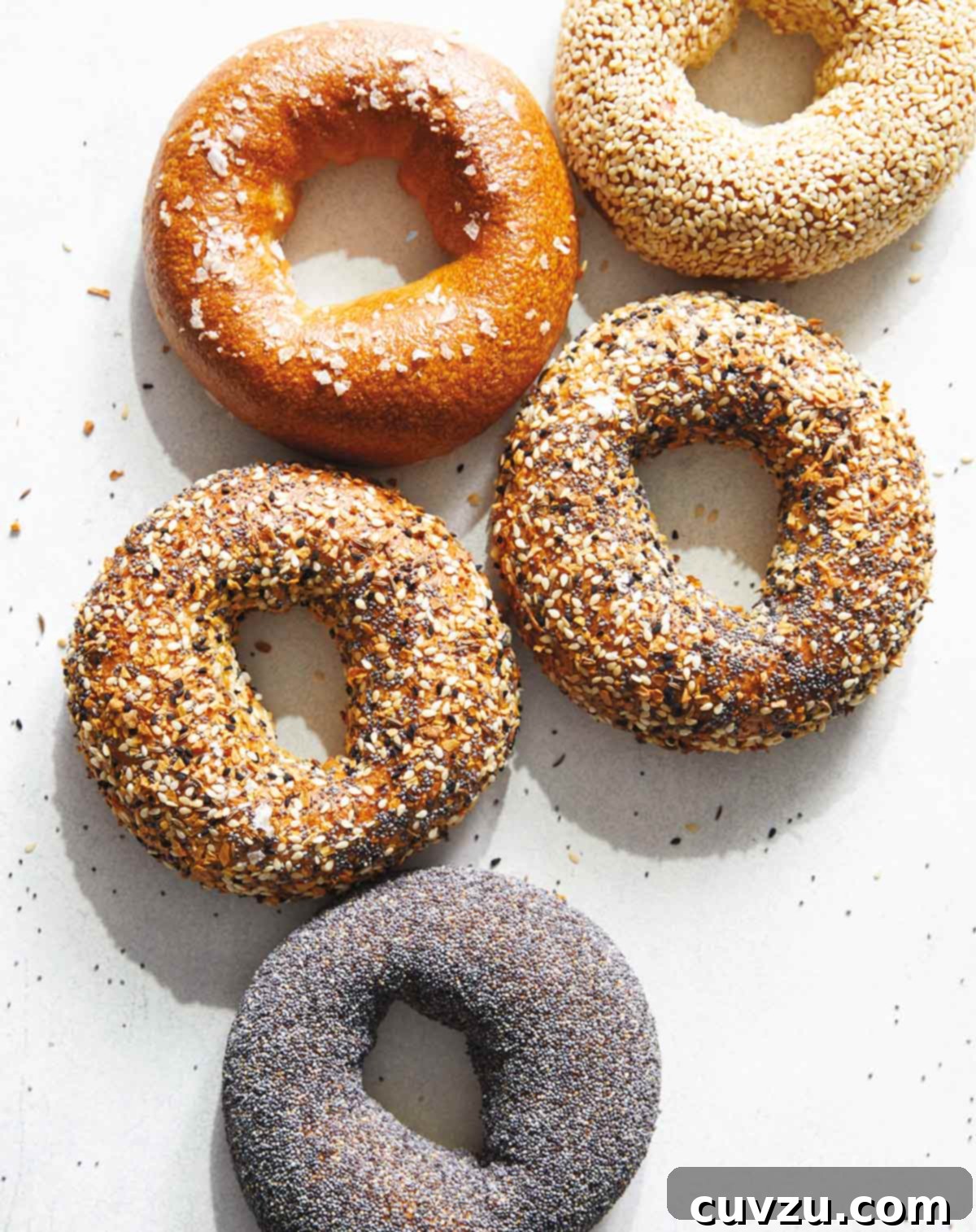
Crafting the Perfect Rye Bagels: A Journey to Chewy Perfection
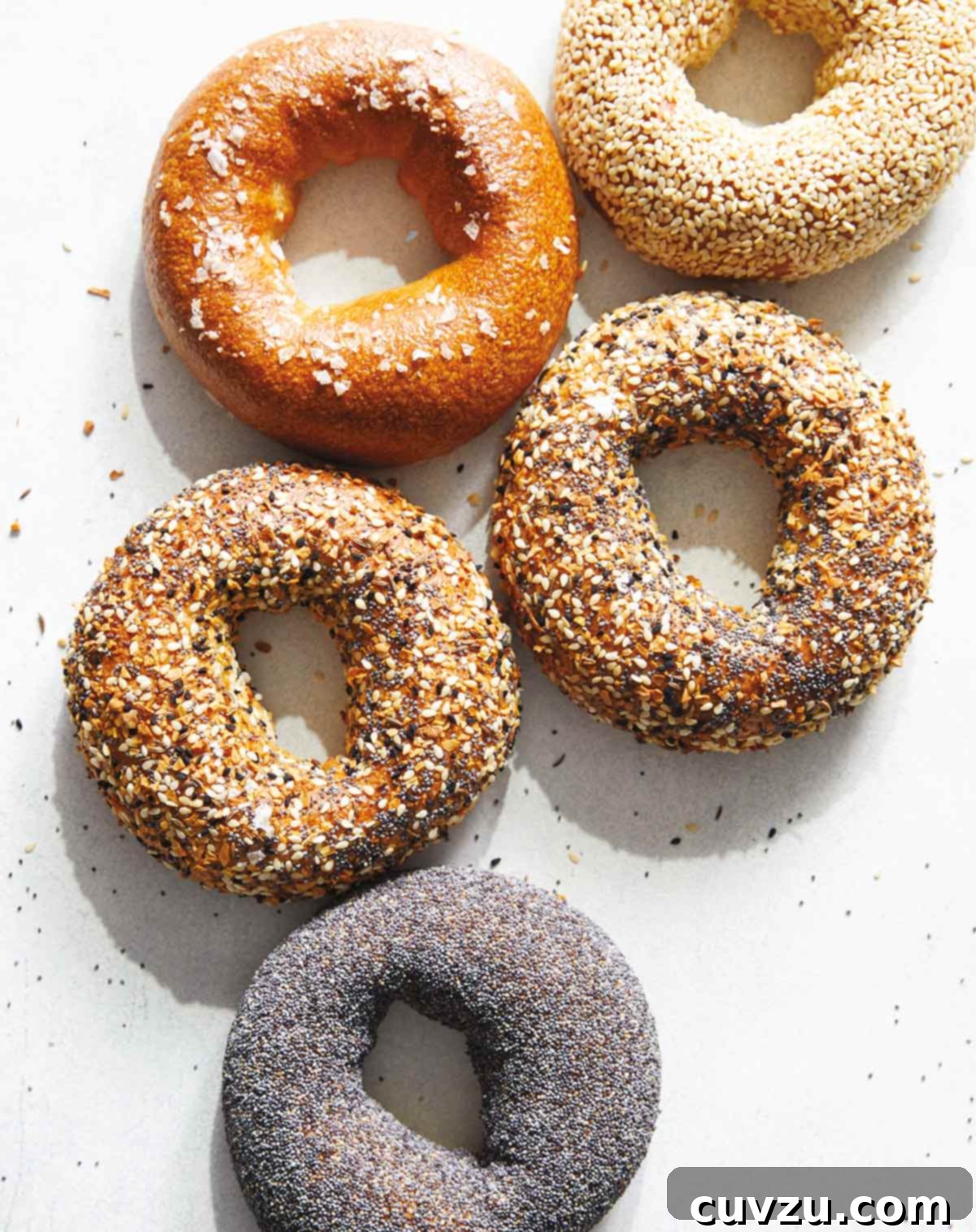
Embarking on the journey of baking bagels at home is a wonderfully rewarding experience, especially when you venture beyond traditional bread-making. These rye bagels, a specialty crafted with care, offer a delightful deviation from the ordinary, promising a chewy texture, a dense crumb, and a uniquely rustic flavor that will undoubtedly captivate your palate. Our recipe testers consistently praised their ease of preparation and the immense satisfaction derived from sinking their teeth into a freshly baked, warm bagel. This guide, inspired by the expertise of Roxana Jullapat, will walk you through the essential steps and underlying principles, ensuring your homemade bagels are nothing short of spectacular.
The Anatomy of a Classic Bagel: Debunking the New York Water Myth
The quest for the “perfect bagel” has long fueled an impassioned debate, with New Yorkers famously attributing their bagels’ unrivaled quality to the city’s unique tap water. While local ingredients can indeed play a subtle role, the truth is that an exceptional bagel can be crafted anywhere with a fundamental understanding of bread making. The characteristic chewiness and distinct texture of these round, shiny rolls stem primarily from a combination of high-gluten bread flour and sufficient kneading. High-gluten flour provides the necessary protein structure to create a strong, elastic dough capable of withstanding the proofing, poaching, and baking processes.
Proper kneading is paramount, as it develops the gluten network, forming a robust internal structure that remains tight and resilient. This structural integrity is what gives a bagel its signature resistance when bitten into. The lustrous, slightly crisp exterior is achieved through a crucial step: a quick simmer in malted water just before baking. This poaching process gelatinizes the starches on the surface, sealing in moisture and contributing to that iconic shine and desirable chewy crust. Dispelling the water myth allows home bakers worldwide to confidently pursue the authentic bagel experience in their own kitchens.
Why Choose Rye? The Secret to a Flavorful, Rustic Bagel
Given that high-gluten flour is central to a good bagel, one might question the inclusion of rye flour, which is notoriously low in gluten and high in starch. Breads made exclusively from rye flour are often dense and prone to collapsing due to their weaker gluten structure. However, when rye flour is thoughtfully combined with the right proportion of high-gluten bread flour, it transforms into a culinary asset. This strategic pairing yields an exquisite bagel with a wonderfully rustic exterior and a desirably dense, yet still remarkably chewy and flavorful, crumb.
Dark rye flour, a whole grain variety rich in bran, imparts a profound depth of flavor and a beautiful, earthy hue that sets these bagels apart. It adds a nuanced complexity that cannot be achieved with white flours alone, bringing a more sophisticated taste profile to your breakfast table. The rye component also contributes to a slightly tighter crumb structure, enhancing the chewiness without making the bagel overly tough. By understanding the unique properties of rye, we can harness its strengths to create a bagel that is both traditional in its form and exceptional in its taste.
Mastering the Art of Rye Bagel Making: Step-by-Step Guidance
Whether you’re an experienced bread baker or new to yeast-based recipes, these rye bagels are within your reach. For newcomers, careful adherence to the instructions will help you anticipate the dough’s various stages, ensuring a smooth and successful baking process. Always opt for dark rye flour; its whole grain nature and higher bran content contribute significantly to both flavor and nutrition. The journey begins with a rye sponge, a foundational element that requires preparation a few hours in advance. This active sponge, brimming with nutrients from the rye, should be fermented precisely as indicated to prevent over-fermentation, which could negatively impact the final flavor and texture of your bagels.
The Rye Sponge: A Foundation of Flavor
The rye sponge is a pre-ferment that kickstarts the flavor development. By allowing a small portion of the rye flour, water, salt, and yeast to ferment slowly, you create a rich, tangy base that imparts a unique depth to the finished bagels. The cool water temperature specified for the sponge is crucial; it ensures a slower, more controlled fermentation, leading to a more complex flavor profile without the risk of the sponge becoming overly active and losing its potency too quickly. This patient approach pays dividends in the final taste of your bagels.
Crafting the Dough and Shaping Secrets
Once your rye sponge is perfectly active, it’s time to assemble the main dough. The combination of lukewarm water and instant yeast needs to be carefully managed to ensure optimal yeast activation. Too hot, and the yeast will perish; too cold, and it won’t activate efficiently. In a stand mixer, the sponge, flours, milk, sugar, salt, and barley malt syrup come together. Mixing on low speed initially combines the ingredients, then increasing to medium speed allows for the necessary gluten development. The goal is a firm and bouncy dough, indicating a strong gluten network. After a brief rest to relax the gluten, the dough is ready for shaping.
Traditional bagel shaping often involves rolling ropes and connecting the ends to form a loop. However, this recipe introduces a delightfully unorthodox yet efficient method: roll each dough portion into a tight ball, then use your index finger to poke a hole directly in the center. From there, gently stretch the hole outwards, gradually enlarging it to the desired diameter of 1 to 1 1/2 inches (25 to 38 mm). This technique ensures a uniformly thick bagel with a perfectly round hole, simplifying the process and making it more enjoyable for home bakers.
The Magic of an Overnight Cold Rise
Perhaps the most critical step for developing both superior texture and profound flavor is the overnight cold rise. After shaping, the bagels are allowed to rest in the refrigerator, uncovered, for an extended period. This slow, cool fermentation significantly enhances the dough’s complexity, allowing flavors to deepen and the gluten structure to further relax and develop without over-proofing. Resist the temptation to rush this process into a single day; the “sleep” for the bagels is essential. This patient approach ensures your bagels achieve that signature chewy interior and a rich, satisfying taste that will have you reaching for another. The provided Prep and Baking Schedule is designed to align this overnight rest perfectly, allowing you to wake up to fresh, ready-to-bake bagels for breakfast.
The Essential Barley Malt Syrup and Homemade Toppings
The Secret Ingredient: Barley Malt Syrup
Barley malt syrup is a star ingredient in authentic bagel making, distinguishing them with their unique malty flavor and glorious, shiny golden crust. Derived from sprouted barley grain, this viscous sweetener brings a distinctive taste that is subtly sweet, earthy, and complex, a flavor extensively utilized in beer brewing. While you won’t need much, investing in a bottle is highly recommended for achieving true “bagelly” results. It plays a dual role: enhancing the flavor profile of the dough and contributing to that desirable sheen and browning during poaching and baking. If barley malt syrup is difficult to source, honey or molasses can serve as a substitute, but be aware that these alternatives will not replicate the specific malty flavor that defines a classic bagel.
Crafting Your Signature “Everything” Bagel Topping
While artisan everything toppings are readily available in specialty stores, creating your own blend allows for unparalleled customization and freshness. To truly elevate the quintessential oniony flavor, this recipe emphasizes a generous amount of onion flakes compared to the other components. However, the beauty of homemade seasoning lies in its flexibility. Feel free to adjust the ratios of caraway, nigella, poppy, and sesame seeds to your personal preference. A touch of coarse sea salt or garlic flakes can also be added for an extra layer of savory goodness. Crafting your own topping ensures each bite is bursting with flavor, perfectly complementing the rustic rye bagel base.
Baking Day: Poaching and Baking for Perfection
On baking day, the carefully rested bagels are brought to room temperature for an hour, preparing them for their final transformation. Preheat your oven to a robust 400ºF (204°C) with a rack in the middle position. The poaching stage is swift but crucial. Bring a medium saucepan of water to a rolling boil, then reduce the heat to a gentle simmer. Stir in a quarter cup of barley malt syrup, which further aids in browning and adds to the bagels’ attractive sheen. Working in small batches of two or three bagels, carefully lower each into the simmering water. Poach for 30 seconds per side, then transfer them to a lightly greased baking sheet, ensuring they are spaced sufficiently apart with their “prettier” side facing up. Immediately after poaching, generously sprinkle each bagel with your prepared everything topping.
Bake the bagels for 15 minutes, then rotate the baking sheet to ensure even coloring. Continue baking for an additional 5 to 10 minutes, or until the bagels achieve a beautiful golden brown hue. The rotation helps prevent one side from becoming overly dark. Once baked, transfer the bagels to a wire rack and allow them to cool for at least an hour before serving. This cooling period is essential, as it allows the internal structure to set and the flavors to fully develop, resulting in that ideal chewy texture.
Serving and Storage Ideas for Your Rye Bagels
These homemade rye bagels are undoubtedly at their peak freshness and flavor on the day they are baked. Their dense, chewy interior and crisp exterior are best enjoyed warm, straight from the oven. However, if you find yourself with leftovers, they can be stored for another day in a paper bag at room temperature to help maintain some of their crustiness. For day-old bagels, toasting is highly recommended to revive their texture and warmth. While the timeless combination of cream cheese and lox remains a classic, don’t hesitate to explore alternative serving ideas. Consider spreading them with homemade jam and creamy ricotta, or for a savory twist, try labneh, sumac, and sliced avocado. The versatility of a good bagel means there’s truly no wrong topping choice.
Insights from Our Recipe Testers
Our dedicated recipe testers provided invaluable feedback, highlighting the accessibility and delight of this rye bagel recipe. Irene Seales, an experienced baker, found the step-by-step directions and segmented schedule incredibly helpful. She noted that while her bagels were almost perfectly round, a more aggressive stretch might keep the center hole open throughout baking, though a slightly tighter punch prevents toppings from dripping. Irene also successfully substituted brown sugar for barley malt syrup in the poaching water and suggested pulling the bagels out of the oven a few minutes earlier for a slightly lighter bottom crust. Her diverse topping choices, including sesame, poppy seed, and za’atar, demonstrate the endless possibilities for customization, concluding that the result was a truly genuine, chewy yet tender bagel.
La Rhonda E., a self-proclaimed bread-making novice, lauded the recipe as a “great guide” for beginners, praising its conciseness and clear roadmap. She emphasized the importance of reading the recipe in advance due to the specialized ingredients and stressed the necessity of temperature probes for accurate water temperatures, which ultimately led to beautifully browned, bakery-style bagels. La Rhonda found the rye sponge process to be reliable, even if its surface appearance wasn’t dramatically different, noting the spongy air pockets underneath. While her onion topping browned a bit much, she suggested adding salt flakes for future batches and thoroughly enjoyed her first dense, chewy, and satisfying homemade bagel, perfect for breakfast sandwiches with scrambled eggs, cheese, and bacon.
Rye Bagels Recipe
David Leite
6
bagels
314
kcal
1 hour
20 minutes
30 minutes
20 hours
30 minutes
Ingredients
For the rye sponge
- 1/2 cup dark rye flour
- 1/4 teaspoon fine sea salt
- 1/8 teaspoon instant yeast
- 1/3 cup cold (65° to 70°F | 18° to 21°C) water
For the dough
- 2/3 cup lukewarm (98º to 105ºF | 37° to 41°C) water
- 1 teaspoon instant yeast
- 2 cups bread flour, plus extra for dusting
- 3/4 cup whole wheat flour
- 3 tablespoons whole milk
- 1 tablespoon plus 1 1/2 teaspoons granulated sugar
- 1 1/2 teaspoons fine sea salt
- 1 teaspoon barley malt syrup*
- Nonstick baking spray
For the topping
- 1 1/2 teaspoons caraway seeds
- 1 1/2 teaspoons nigella seeds
- 1 1/2 teaspoons poppy seeds
- 1 tablespoon plus 1 1/2 teaspoons sesame seeds
- 3 tablespoons onion flakes
- 1/4 cup barley malt syrup
Instructions
Prep Day
Make the rye sponge
-
In a small bowl, stir the flour, salt, yeast, and cold water together and mix with a wooden spoon or rubber spatula until well combined, about 30 seconds. The water temperature is important to ensure that the sponge rises at a slower rate; warmer water can cause the sponge to ferment too quickly, impacting the flavor of the bagels. Cover tightly with plastic wrap or a kitchen towel and ferment at room temperature for 4 hours.
Make the dough
-
When the sponge is ready, you can make the dough. Into a bowl, pour the lukewarm water and sprinkle the yeast over it. Stir and set aside to activate for 5 minutes. Be sure to use the correct temperature water; any hotter and the yeast can deteriorate.
-
In a stand mixer fitted with the dough hook attachment, combine the dissolved yeast mixture, rye sponge, flours, milk, sugar, salt, and barley malt syrup. Mix on low speed for 2 minutes just to combine. Increase the speed to medium and mix until the dough feels firm and bouncy, about 2 minutes.
-
Place the dough on a lightly floured surface and knead briefly to shape into a smooth ball. Place the dough in a bowl lightly coated with nonstick spray, cover tightly with plastic wrap, and let rest at room temperature for 20 minutes so the gluten can relax.
-
Coat a rimmed baking sheet with nonstick spray. Cut the dough into six equal pieces, about 4 1/2 ounces (125 g) each. Shape each piece into a tight ball. With your index finger, poke a hole in the middle of the ball to create a hollow center. Stretch the hole until it measures 1 to 1 1/2 inches (25 to 38 mm) in diameter.
-
Move the shaped bagels to the prepared sheet, making sure they’re spaced at least 2 inches (5 cm) apart. Cover with plastic wrap and refrigerate overnight. The bagels will be ready to poach the next day.
Baking Day
-
Remove the bagels from the refrigerator and let them sit, uncovered, at room temperature for 1 hour.
-
Place an oven rack in the middle position and preheat the oven to 400ºF (204°C). Coat a rimmed baking sheet with nonstick spray.
Make the topping
-
In a small bowl, combine the caraway seeds, nigella seeds, poppy seeds, sesame seeds, and onion flakes.
-
To poach the bagels, bring a medium saucepan of water to a boil. Lower the heat until the water is at a simmer and stir in the barley malt syrup. The barley malt will help the exterior of the bagels brown while giving them an attractive sheen.
-
Working in batches of 2 or 3 bagels at a time, use a spider or slotted spoon to carefully lower each bagel into the water. Poach for 30 seconds, flip with the spider or slotted spoon, and poach for 30 seconds more. Use the spider or slotted spoon to transfer the poached bagels to the prepared baking sheet, placing them 2 inches (5 cm) apart, with the “prettier” side up. Sprinkle each bagel immediately with 1 tablespoon topping. Repeat with the remaining bagels.
-
Bake the bagels for 15 minutes. Then rotate the baking sheet and bake until the bagels are golden brown, 5 to 10 minutes more. Rotating the sheet halfway through the baking process will ensure that the bagels color evenly. Cool on a wire rack for 1 hour before serving.
Notes
*What is barley malt syrup?
One of the ingredients that make bagels bagelly (yeah, you heard us) is barley malt syrup. It gives bagels their shiny, golden crust and that specific malty flavor we all know and love. Barley malt comes from the sprouted grain barley, and the sprouting gives it a distinctive flavor. It’s used extensively in beer making. A grain syrup and food sweetener, it’s used in some baking applications but bagels rely on it. You won’t need much but do try to get your hands on it if you can. If not, honey or molasses can be substituted but you won’t get the malted flavor.
Adapted From
Mother Grains
Buy On Amazon
Nutrition
Serving: 1 bagel
Calories: 314 kcal
Carbohydrates: 65 g
Protein: 10 g
Fat: 3 g
Saturated Fat: 1 g
Cholesterol: 1 mg
Sodium: 698 mg
Fiber: 5 g
Sugar: 13 g
Nutrition information is automatically calculated, so should only be used as an approximation.
Tried this recipe?
Mention @leitesculinaria or tag #leitesculinaria!