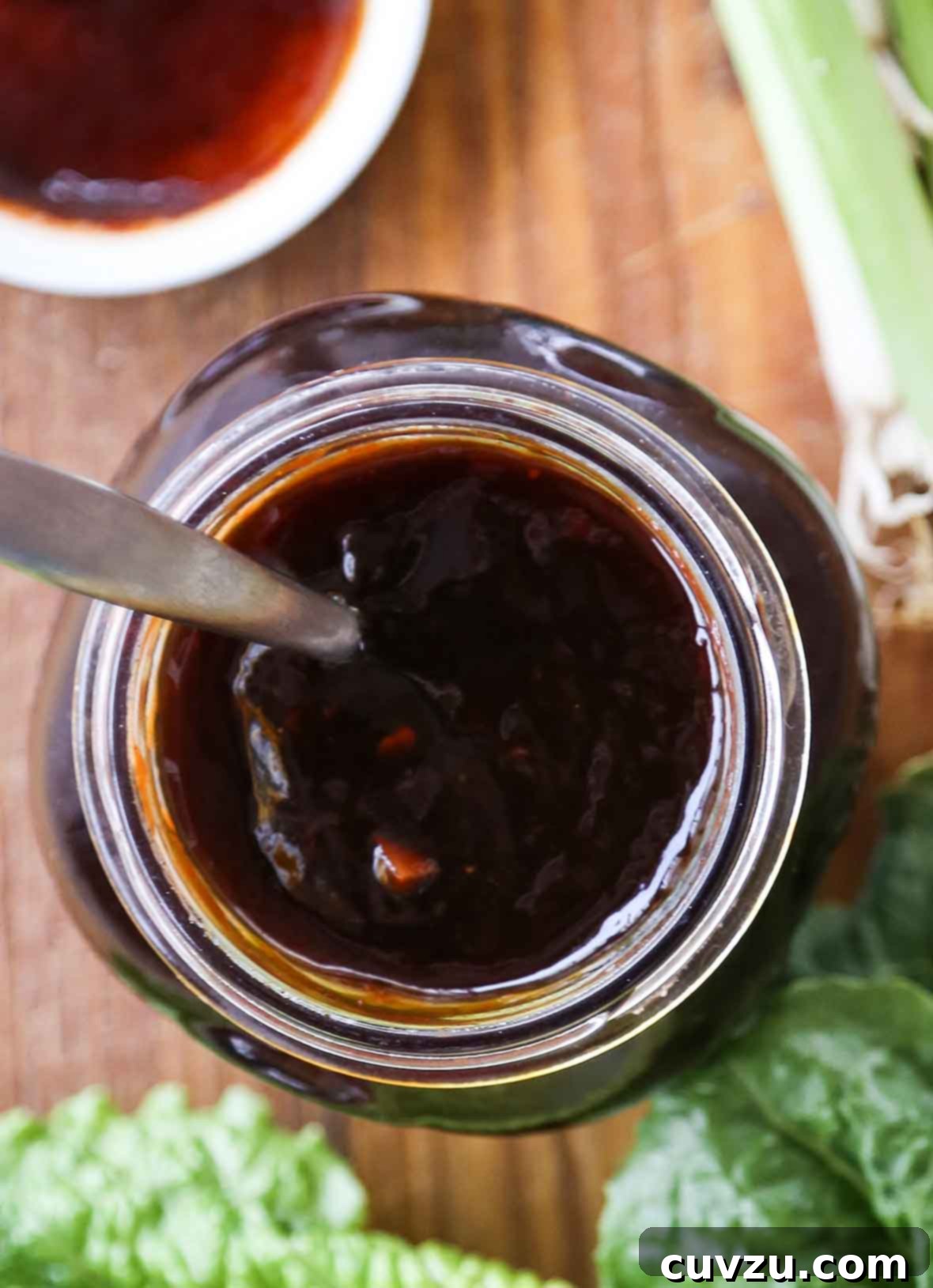
The Ultimate Homemade Korean BBQ Sauce Recipe: Sweet, Spicy & Perfectly Authentic
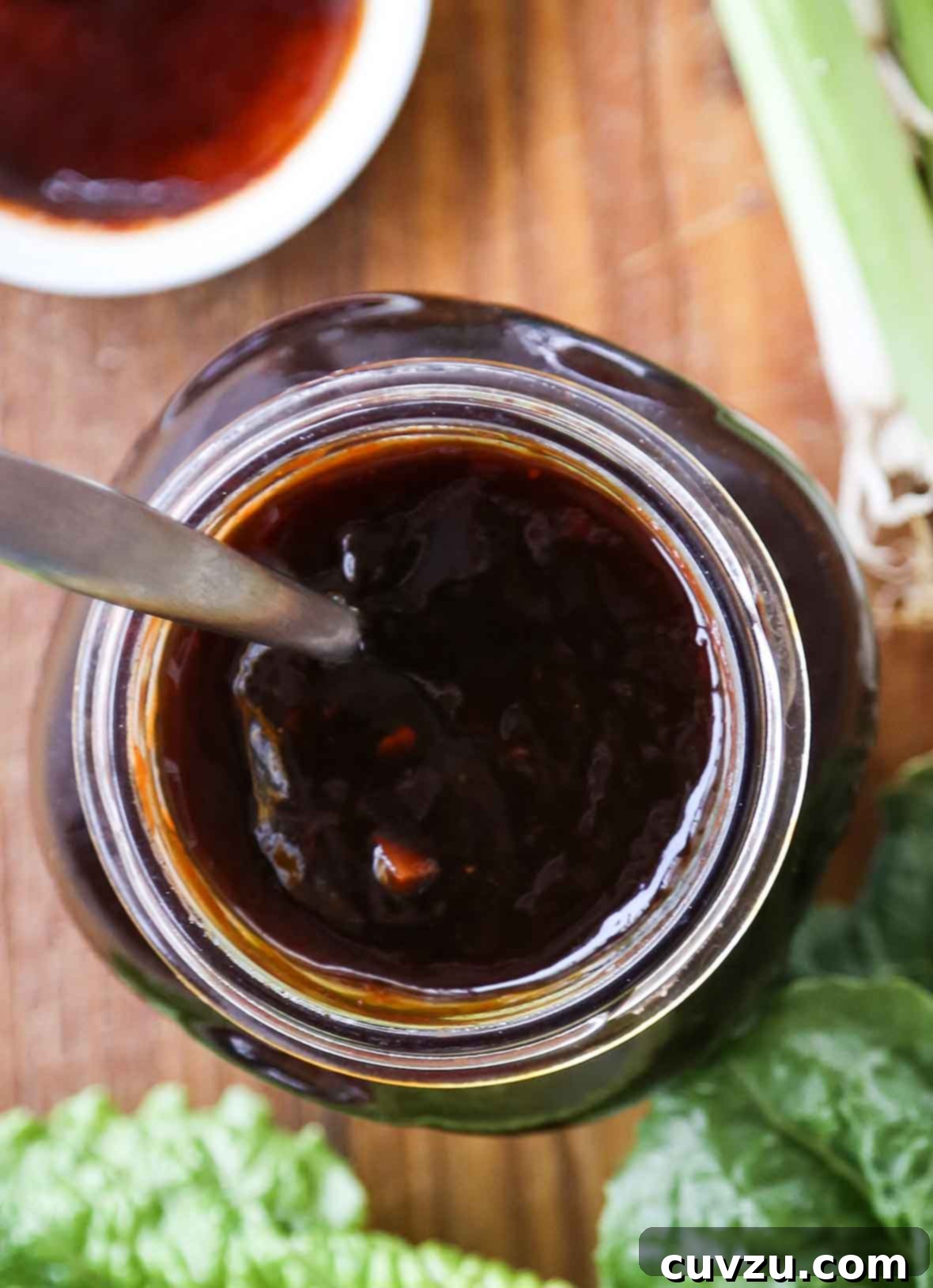
Dive into the rich, complex flavors of authentic Korean cuisine right from your kitchen with this incredible **homemade Korean BBQ sauce recipe**. Forget bland, store-bought alternatives; this carefully crafted version is a true revelation. It masterfully balances a symphony of tastes – from a delectable sticky sweetness to a fiery kick, complemented by the refreshing zest of ginger and the pungent depth of garlic. This isn’t just a condiment; it’s a culinary experience designed to transform ordinary meals into extraordinary culinary adventures.
Whether you’re a seasoned home cook or a curious beginner, this recipe simplifies the art of traditional Korean flavors, making it accessible to everyone. The exceptional versatility of this sauce is one of its most appealing attributes. While it undeniably shines as the star of any Korean barbecue, its applications extend far beyond the grill. Imagine it coating succulent stir-fries, adding a burst of complex flavor to delicate lettuce wraps, enhancing a bowl of fried rice, or serving as an unforgettable glaze for various grilled meats and vegetables. The culinary possibilities are truly endless, limited only by your imagination and daring.
One of the most practical and appealing aspects of this recipe is its suitability for home canning. If you appreciate having delicious, ready-to-use condiments on hand throughout the year, preparing a generous batch of this sauce is an excellent idea. For those who prefer a smaller quantity for immediate enjoyment, the recipe is easily scalable and can be stored in the refrigerator. This robust and flavorful sauce, thoughtfully developed with insights from veteran recipe tester and home canner Melissa Maedgen, promises consistency and an authentic taste that will impress every time. **–Renee Schettler, with valuable contributions from Melissa Maedgen**
Why Opt for Homemade Korean BBQ Sauce?
Choosing to craft your own Korean BBQ sauce is a deeply rewarding culinary decision that offers distinct advantages over readily available commercial options. The foremost benefit lies in your absolute control over the ingredients. This empowers you to select only the freshest, highest-quality components, ensuring that your sauce is free from artificial preservatives, excessive sodium levels, or the pervasive high-fructose corn syrup often found in mass-produced varieties. Furthermore, you can precisely tailor the spice level to suit your palate, creating a milder version perfect for family dinners or intensifying the heat for an authentic, fiery Korean kick.
Beyond ingredient transparency, the depth and nuance of flavor in a homemade sauce are simply unparalleled. The careful, slow simmering of fresh aromatics like garlic, ginger, and scallions, combined with premium reduced-sodium soy sauce, authentic gochujang, and the subtle sweetness of fresh pear, cultivates a complex flavor profile that commercial sauces struggle to replicate. This rich, multi-layered taste allows the sauce to genuinely enhance and elevate any dish it graces, rather than merely masking its original flavors. It represents a significant investment in taste that yields delicious dividends in every single bite, making your cooking truly stand out.
Mastering Canning Starch: ClearJel, ThermFlo, and Effective Alternatives
As you delve into the ingredient list for this delightful homemade Korean BBQ sauce, you’ll encounter a specific directive regarding “ClearJel, ThermFlo, or other canning starch.” If these terms are new to your culinary lexicon, there’s no need for concern. Our esteemed veteran recipe tester and seasoned home canner, Melissa Maedgen, has provided invaluable clarity on their essential role and practical applications.
Melissa elucidates that both ClearJel and ThermFlo are specialized modified cornstarches. Their critical advantage over conventional cornstarch lies in their inherent ability to retain significant thickening power even when subjected to highly acidic ingredients. This characteristic is not merely preferential; it is absolutely paramount for successful and safe hot water bath canning. Acidic conditions are a fundamental requirement for this preservation method, ensuring food safety and stability. Regular cornstarch, unfortunately, succumbs to acid, breaking down and resulting in a thin, watery sauce that would negate the desired thick consistency essential for a rich BBQ sauce.
Given this crucial distinction, the substitution of regular cornstarch is strongly discouraged for any canning endeavor. However, if you are seeking a reliable alternative, arrowroot starch emerges as an excellent and highly recommended option. Arrowroot is celebrated for its remarkable stability in acidic environments and its robust resilience to prolonged heat exposure, making it perfectly suited for the demands of canning. It efficiently thickens without compromising the sauce’s desired texture over extended storage. Conversely, for those who appreciate a less viscous consistency or if your primary goal is not long-term canning, Melissa highlights that the starch can be entirely omitted. This approach will still yield a wonderfully flavorful sauce, albeit with a more liquid consistency, perfectly suitable for immediate consumption or short-term refrigeration without the need for extensive preservation techniques.
Authentic Korean BBQ Sauce
David Leite
Print Recipe
Condiments, Sauce
Korean
10
servings (about 4 pints)
418
kcal
30
30
1
Ingredients
- 3 cups reduced-sodium soy sauce (essential for balanced flavor; do not use regular soy sauce due to high sodium content)
- 3 cups light brown sugar, packed (contributes deep, rich sweetness and aids in caramelization)
- 1 1/4 cups water
- 1 cup soju or sake (adds authentic depth and a subtle alcoholic warmth; feel free to omit if preferred)
- 1/2 cup store-bought or homemade gochujang (Korean chile paste) (for a distinctive spicy, savory, and fermented kick)
- 1/2 cup mild honey (provides natural sweetness, thickness, and a beautiful glaze)
- 1/3 cup rice wine vinegar (delivers essential tanginess and acidity to balance the rich flavors)
- 1/4 cup plus 2 tablespoons minced garlic (for a robust and aromatic foundation)
- 1/4 cup grated fresh ginger root (imparts a distinctive, warm, and piquant spice)
- 4 scallions, ends trimmed, thinly sliced (adds fresh, mild onion notes and a vibrant green color)
- 1 ripe pear, any variety, peeled, cored, and grated on the finest side of a box grater (about 200 grams; contributes natural sweetness and helps tenderize meats due to its enzymes)
- 1 teaspoon black pepper
- 1 teaspoon Korean chili pepper powder or crushed red pepper flakes (adjust this quantity according to your desired level of heat)
- 3 teaspoons Clear Jel, ThermFlo, or other canning starch (please refer to the “Mastering Canning Starch” section above for comprehensive details on its use and suitable alternatives)
Instructions for Preparation and Canning
-
In a generously sized, non-reactive pot, combine all the core sauce ingredients: the reduced-sodium soy sauce, light brown sugar, 1 cup (240 ml) of water, soju or sake, gochujang, honey, rice wine vinegar, minced garlic, grated fresh ginger root, thinly sliced scallions, grated pear, black pepper, and your chosen chili powder or crushed red pepper flakes. Stir all these components thoroughly with a whisk or spoon to ensure they are well-integrated and the sugar begins to dissolve. Place the pot over medium-high heat and bring the mixture to a rolling boil. Once boiling vigorously, reduce the heat slightly to maintain a gentle boil and continue cooking for 5 minutes, stirring frequently to prevent any ingredients from sticking to the bottom or scorching.
-
In a separate, small measuring cup or a dedicated mixing bowl, prepare the canning starch slurry. Combine the 3 teaspoons of Clear Jel, ThermFlo, or your chosen canning starch with the remaining 1/4 cup (60 ml) of water. Use a fork or a small whisk to mix this combination vigorously until the starch is completely and evenly dispersed, ensuring there are absolutely no lumps. A smooth slurry is crucial for a lump-free, thickened sauce.
-
Return your focus to the simmering sauce in the large pot. Stir the sauce vigorously and continuously as you slowly pour in the prepared starch-water mixture in a steady, thin stream. This consistent stirring is essential to prevent the starch from clumping and to ensure it is thoroughly and evenly incorporated into the hot sauce. Once the slurry is added, bring the sauce back to a full boil and continue to boil for approximately 1 minute, or until the sauce visibly thickens to your desired rich, glossy consistency.
-
For the canning process, carefully ladle the piping hot Korean BBQ sauce into pre-sterilized pint or 24-ounce (475-ml) canning jars. It is imperative to leave a precise 1/2 inch (13 mm) of headspace at the top of each jar; this space is critical for proper vacuum sealing during processing. Moisten a clean paper towel with a small amount of vinegar and meticulously wipe the rims of the jars clean to remove any residual sauce, as even a tiny speck can prevent a secure seal. Place the appropriate lids onto the jars and secure them according to the manufacturer’s specific instructions, whether that involves turning a ring to fingertip tightness or firmly fixing clamps in place.
-
Using canning tongs, gently and carefully transfer the filled jars into a canner or a very large pot already filled with boiling water. Ensure that the water level generously covers the tops of the jars by at least 2 inches (5 cm). Securely place the canner lid in position, allow the water to return to a rolling boil, and then process the jars for a full 15 minutes. After the processing time, carefully remove the hot jars from the canner and place them onto a towel-lined counter or a sturdy wire cooling rack. Allow them to cool completely and undisturbed, ideally overnight. It is crucial to resist the urge to press on the tops of the lids during this cooling phase, as this can inadvertently create a false seal. You will typically hear distinct popping sounds from the jar lids shortly after removal, which is a reassuring sign that a secure vacuum seal has successfully formed. Once the jars are thoroughly cooled, remove the screw bands or clamps. To definitively verify the seal, lift each jar by holding only the lid; if the lid remains firmly attached, you have successfully canned your delicious Korean BBQ sauce. If, however, a seal is loose or appears broken, you have the option to reprocess the jar in the water bath within 24 hours (using a brand new lid for safety), or immediately refrigerate the contents and plan to consume them within 3 weeks.
-
Once cool and confirmed to be sealed, wipe the jars clean and affix clear labels indicating the contents and the date of canning. Store your homemade Korean BBQ sauce in a cool, dark pantry or cupboard away from direct sunlight for optimal preservation, where it will remain fresh and flavorful for up to 1 year. After a jar has been opened, the sauce must be stored in the refrigerator and will maintain its exquisite taste and quality for up to 3 weeks. To use, generously brush the sauce onto beef, poultry, or pork while grilling, using it as a vibrant and flavorful glaze. It is important to exercise caution, as the sauce’s high sugar content can cause it to caramelize and potentially scorch easily if grilling temperatures are too high; continuous monitoring and lower heat are advisable. Alternatively, this incredibly versatile sauce can be served as a delectable dipping condiment for an array of foods, including grilled meats, fresh vegetables, spring rolls, or even as an inventive spread for sandwiches.
Expert Tips for Perfecting Your Korean BBQ Sauce
Achieving a truly outstanding homemade Korean BBQ sauce is an art that hinges on balancing its dynamic flavor profile and ideal texture. Here are some expert tips to ensure your sauce is nothing short of spectacular and consistently delicious:
- Customizing Heat Levels: The base recipe suggests 1 teaspoon of Korean chili pepper powder or crushed red pepper flakes. For those who prefer a milder sauce, begin by adding only half of this amount (1/2 teaspoon), then taste the sauce and adjust incrementally to your preference. If you crave a more intense heat, you can increase the quantity of chili flakes or even introduce a finely minced fresh serrano or jalapeño pepper during the initial cooking phase for a brighter, more immediate spice.
- Balancing Sweetness: The recipe incorporates both light brown sugar and mild honey, which are crucial for the sauce’s characteristic sweetness and its appealing sticky, glossy finish. If you find the sauce leans too sweet for your taste, you can slightly reduce the amount of brown sugar. Conversely, for a richer, sweeter profile, a modest addition of extra honey can be made. Remember that the grated ripe pear also contributes natural sugars and important enzymes that help tenderize meats, so it’s a key ingredient not to be omitted.
- The Authentic Touch of Soju or Sake: The inclusion of soju or sake is a traditional element that infuses the sauce with subtle depth and an authentic Korean nuance. While the sauce will still be delicious without them, their presence truly elevates the overall flavor profile. If soju or sake are unavailable, a dry sherry or a quality mirin (sweet rice wine) can offer a somewhat similar, though not identical, complexity.
- Storage for Non-Canners: If your intention is not long-term canning, this sauce is still incredibly easy to prepare and store. Once the sauce has cooled completely, simply transfer it to an airtight container or jar and refrigerate. It will maintain its exquisite flavor and freshness for up to 3 weeks, making it readily available for all your spontaneous cooking needs.
- Preventing Scorching During Grilling: A key characteristic of Korean BBQ sauce is its high sugar content, which, while delicious, makes it prone to rapid caramelization and potential burning on the grill. To prevent undesirable charring, apply the sauce during the final 5-10 minutes of grilling. This allows the flavors to meld beautifully and the sauce to achieve a perfect glaze without burning. Alternatively, consider grilling your protein with minimal seasoning and then using the homemade Korean BBQ sauce primarily as a basting liquid or a delightful dipping sauce after the main cooking is complete.
- Ingredient Quality Matters: Given the relatively few but powerful ingredients, the quality of each component significantly impacts the final taste. Using a good quality reduced-sodium soy sauce, fresh gochujang, and ripe, fragrant ginger and garlic will make a noticeable difference in the sauce’s complexity and authenticity.
Creative Culinary Applications for Your Korean BBQ Sauce
This incredibly versatile homemade Korean BBQ sauce transcends the role of a mere marinade; it is a true culinary powerhouse capable of elevating a multitude of dishes. Unleash your creativity with these imaginative ways to incorporate its rich, sweet, spicy, and savory profile into your everyday cooking:
- Marinade Mastery: This sauce is, of course, a quintessential marinade for traditional Korean barbecue cuts such as thinly sliced beef for bulgogi or succulent short ribs for galbi. For optimal flavor penetration and tenderization, marinate your chosen protein for at least 30 minutes, or for truly unforgettable results, allow it to marinate overnight in the refrigerator. It also works exceptionally well with chicken thighs or breasts, pork tenderloin, or even firm tofu and tempeh for a delightful vegetarian or vegan option.
- Stir-Fry Sensation: Introduce a few generous tablespoons of this sauce into your favorite stir-fry recipe towards the end of the cooking process. It will impart a beautifully glossy finish and an explosion of sweet, spicy, and savory notes that perfectly complement mixed vegetables, noodles, or rice dishes. It adheres wonderfully to ingredients, coating them in rich flavor.
- Dipping Delight: Serve this bold and flavorful sauce as an irresistible dipping condiment. It pairs exceptionally well with a variety of appetizers and snacks, including crispy spring rolls, savory dumplings, oven-baked or fried chicken wings, and even classic french fries, transforming them into an exciting taste experience.
- Glaze for Roasted Perfection: Elevate your roasted dishes by brushing this Korean BBQ sauce over chicken, tender salmon fillets, or a juicy pork loin during the final phase of baking or roasting. The sugars in the sauce will caramelize, creating a beautifully rich, flavorful, and slightly sticky crust that locks in moisture and adds immense appeal.
- Flavorful Sandwich & Burger Spread: For a unique twist on classic sandwiches or burgers, mix a small amount of the Korean BBQ sauce into mayonnaise or a creamy aioli. This creates a zesty, umami-packed spread that adds an unexpected depth of flavor to your everyday meals.
- Lettuce Wraps & Tacos Reinvented: Use the sauce to generously coat seasoned ground meat (beef, pork, or chicken) or plant-based protein crumbles. Serve this flavorful mixture in crisp lettuce cups for a light and refreshing meal, or use it as a filling for Korean-inspired tacos, complete with your favorite toppings like kimchi, quick-pickled vegetables, and fresh cilantro.
- Grilled Vegetable Enhancer: Don’t limit this sauce to just meats. Toss grilled vegetables like bell peppers, zucchini, onions, and mushrooms in a warm skillet with a spoonful of this sauce for a sweet and savory side dish that packs a punch.
Adapted From
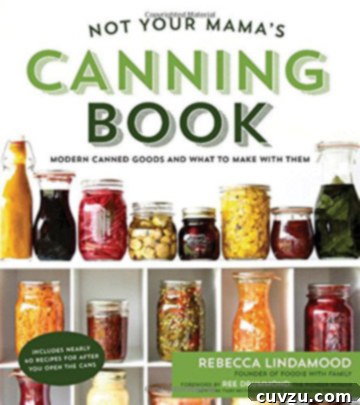
Not Your Mama’s Canning Book
Buy On Amazon
Nutritional Information per Serving
Serving Size:
1 serving
Calories:
418 kcal
Carbohydrates:
94 g
Protein:
8 g
Fat:
0.4 g
Saturated Fat:
0.1 g
Monounsaturated Fat:
0.1 g
Sodium:
2783 mg
Fiber:
2 g
Sugar:
81 g
Nutrition information is automatically calculated and should be used as an approximation.
Insights from Our Recipe Testers
Angie Zoobkoff
This Korean BBQ sauce quickly ascended to the top of my list as a new go-to Asian sauce. Its exquisite combination of spiciness, carefully balanced with a subtle sweetness, renders it exceptionally versatile and perfect for everything from robust marinades to quick stir-fries and succulent grilled dishes. I found its initial heat level to be quite pronounced, so for those who prefer a milder flavor profile, I would strongly advise reducing the amount of chili pepper flakes to taste. During the thickening stage, I observed that after incorporating the initial 3 teaspoons of Clear Jel mixed with water, the sauce didn’t thicken to the desired extent, retaining a consistency akin to soy sauce. By adding an additional 3 teaspoons of Clear Jel, also blended with 1/4 cup of water, the mixture achieved a more noticeable and appropriate thickening. Subsequent cooling further enhanced its texture, resulting in the ideal rich consistency characteristic of a superb barbecue sauce.
Melissa Maedgen
This Korean BBQ sauce stands out as an undeniable winner on multiple fronts. The recipe’s generous yield is a significant advantage, particularly for those interested in canning, allowing you to stock up and enjoy this delightful condiment throughout the year. Alternatively, the recipe can be easily scaled down to produce a smaller quantity, which can be stored in the refrigerator for more immediate culinary applications. It delivers a beautifully nuanced blend of sweet, salty, spicy, and tangy notes, making its potential uses remarkably broad. This sauce excels as a dynamic glaze for any item destined for the grill and integrates flawlessly into stir-fries—a method I personally utilized to create incredibly flavorful Korean-inspired lettuce wraps. Regardless of application, the results are consistently delicious and satisfying. For individuals following a vegan dietary preference, agave nectar can be seamlessly substituted for honey in this recipe without any discernible impact on the sauce’s flavor or texture, making it an inclusive option. While the recipe traditionally recommends canning in pint jars, a practical tip to consider is using half-pint (8 oz) jars if you anticipate consuming smaller portions of the sauce at a time, minimizing waste and maximizing freshness upon opening.