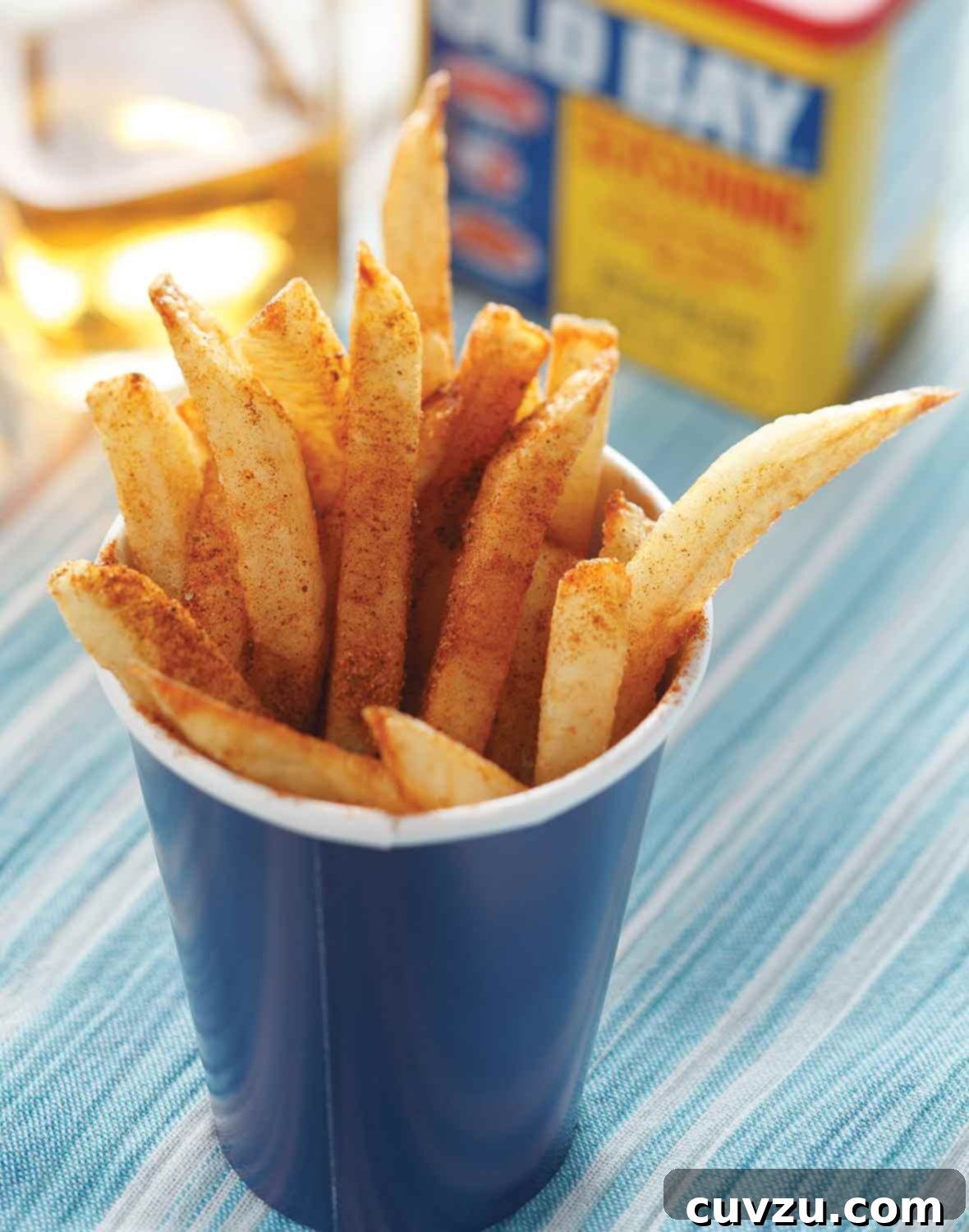
The Ultimate Guide to Authentic Beach Fries: Crispy Perfection from the Atlantic Boardwalk
There’s a quintessential taste of summer that evokes warm breezes, salty air, and the joyous sounds of seaside amusement. It’s found in a simple yet profoundly satisfying snack: the classic beach fry. Served in paper cups on bustling Atlantic boardwalks, these fries are more than just a side; they are an iconic symbol of coastal leisure. What sets them apart is their masterful balance—a golden-brown, irresistibly crisp exterior yielding to a perfectly fluffy, tender interior. This isn’t just any fry; it’s the culmination of centuries of street-food perfection, honed in the culinary traditions of Belgium and France, and adapted with a distinct East Coast flair. Master this deceptively simple preparation, and you’ll find yourself the hero of every summer gathering, quite literally, “no problem finding friends.”
The Signature Scent of Summer: Peanut Oil and Old Bay
When you stroll along the Atlantic coastline, particularly from Maryland to New Jersey, two aromas consistently intertwine, signaling that you’re truly at the beach: the rich, savory scent of peanut oil frying and the distinctive, piquant spice of Old Bay seasoning. It’s no mere coincidence that these aren’t just the defining components of proper beach fries, but the very essence of the iconic Atlantic boardwalk experience. These ingredients don’t just flavor the fries; they transport you, creating a nostalgic connection to cherished summer memories.
Classic Atlantic Boardwalk Beach Fries
Experience the authentic taste of summer with these simple yet perfect beach fries, a boardwalk classic featuring a crisp exterior, fluffy interior, and the irresistible flavor of Old Bay seasoning.
By David Leite
Sides, Snack
American, Boardwalk
6
servings
284
kcal
40 minutes
2 hours
2 hours
40 minutes
Equipment
- Deep-fryer or large heavy pot
- Deep-fry, candy, or instant-read thermometer
- Sharp knife or fry cutter
- Large bowl
- Slotted spoon or spider
- Baking sheet
- Paper towels
Ingredients
- 6 large fresh Idaho Russet Burbank potatoes (about 3 pounds), chosen for their high starch content which yields a fluffy interior
- 2 teaspoons white vinegar, crucial for preventing potatoes from turning gray and adding a subtle tang
- Peanut oil, enough to fill your pot or deep-fryer to at least 3 inches deep (approximately 6-8 cups), prized for its high smoke point and neutral flavor
- Old Bay seasoning, to taste, the iconic blend of spices that defines the Atlantic boardwalk flavor
- Apple cider vinegar, (optional, for serving), for an extra zing beloved by many fry enthusiasts
- Kosher salt, (optional, to supplement or instead of Old Bay), for basic seasoning
Instructions
-
Prepare the Potatoes: Begin by peeling the potatoes thoroughly. Using a sharp knife or a dedicated fry cutter, carefully cut them into uniform lengths, aiming for pieces a little less than 1/2 inch square. Consistency in size is key for even cooking. Immediately place the cut potatoes into a large bowl filled with cold water. Add the 2 teaspoons of white vinegar to the water and swirl the potatoes around gently. This step helps to remove excess starch and prevents the potatoes from oxidizing and turning an undesirable gray color. Place the bowl in the refrigerator for at least 1 hour, or up to 4 hours, to allow them to soak properly.
-
Rinse and Dry: After soaking, swirl the potatoes once more in the water and then drain them thoroughly using a colander. Spread the drained potatoes in a single layer on several sheets of paper towels. Use additional paper towels to pat them as dry as possible. This is a critical step; any residual moisture will cause the oil to spatter and prevent the fries from crisping properly.
-
First Fry (Blanching): In a large, heavy-bottomed pot or a deep-fryer, pour enough peanut oil to reach a depth of at least 3 inches. Attach your deep-fry or candy thermometer to the side of the pot and carefully preheat the peanut oil to 315°F (157°C). While the oil heats, line a large baking sheet with several layers of fresh paper towels to prepare for draining the blanched fries.
-
The Initial Cook: Working in small batches, roughly 2 cups each, carefully add the dried potato slices to the preheated oil. Do not overcrowd the pot, as this will lower the oil temperature and result in soggy fries. Cook the potatoes for 5 to 7 minutes, or until they are just tender when pierced with a fork but have not yet developed any brown color. They should appear slightly translucent. Using a metal basket or a slotted spoon, carefully remove the blanched potatoes from the oil, shaking off any excess oil back into the pot. Spread the potatoes in a single layer on the prepared paper towels to drain and cool. At this stage, the potato slices should be refrigerated for at least 1 hour, uncovered, or even overnight, allowing them to thoroughly cool and dry out further. For longer storage, you can also freeze these blanched slices in a well-sealed freezer bag for up to 1 month. This blanching step is what ensures a fluffy interior later.
-
Second Fry (Crisping) and Serve: When you are ready to serve your glorious beach fries, reheat the same peanut oil to a hotter temperature of 375°F (190°C). If you are using frozen potatoes, allow them to thaw at room temperature for about 30 minutes, then pat them thoroughly dry before frying. Carefully add the cooled or thawed potatoes back into the hot oil in small batches. Fry for approximately 4 minutes, or until they achieve a beautiful, crispy, and golden-brown perfection. Remove the fries from the fryer with a slotted spoon or basket, shaking to remove any excess oil. Spread them once again on fresh paper towels to drain for just 1 minute. This allows any residual oil to drain off and helps the fries stay crisp. Immediately after this brief rest, transfer the fries to a large serving bowl or individual paper cups and liberally sprinkle them with Old Bay seasoning to your liking. For an authentic boardwalk experience, you might also offer apple cider vinegar for dousing, if desired. Serve them piping hot and enjoy the taste of the Atlantic boardwalk!

Adapted From
This perfected technique for creating ideal crispy and fluffy French fries is adapted from the culinary insights found in the renowned work, “French Fries.”
Buy On Amazon
Nutrition Information (per serving)
Serving: 6 g
Calories: 284 kcal
Carbohydrates: 64 g
Protein: 7 g
Fat: 0.3 g
Saturated Fat: 0.1 g
Monounsaturated Fat: 0.01 g
Sodium: 22 mg
Fiber: 8 g
Sugar: 3 g
Nutrition information is automatically calculated and should be used only as an approximation. The actual values may vary based on specific ingredient brands and preparation methods.
The Science of the Perfect Fry: Why Double-Frying is Essential
The secret to beach fries’ legendary texture—that perfect combination of crisp exterior and fluffy interior—lies in the double-frying technique. This method, a hallmark of classic French fry preparation, is more than just a culinary tradition; it’s a scientific marvel. The first fry, or blanching, is done at a lower temperature (315°F / 157°C). During this stage, the potatoes cook through gently, becoming tender without browning. The heat gelatinizes the starch within the potato, creating that soft, yielding interior. Crucially, this initial fry also begins to dry out the potato’s surface. After the first fry, the potatoes are removed and allowed to cool, often refrigerated. This cooling period is vital, as it causes any surface moisture to evaporate, further drying the exterior. When the potatoes are returned to much hotter oil (375°F / 190°C) for the second fry, the dry outer layer rapidly dehydrates and crisps up, forming a golden, crunchy shell, while the already cooked interior remains steamy and tender. This two-stage process ensures a superior texture that a single fry simply cannot achieve.
Selecting the Best Potatoes for Frying
Not all potatoes are created equal when it comes to crafting the perfect fry. For beach fries, the Idaho Russet Burbank potato is the undisputed champion. These potatoes are known for their high starch content and low moisture. High starch content means that when cooked, the potato cells swell and separate, resulting in that desirable fluffy, mealy interior. Their robust shape also holds up well to slicing and frying. While other varieties might work in a pinch, a true Russet Burbank will give you the authentic texture you’re striving for. Always look for firm, unblemished potatoes free from sprouts or green spots.
The Magic of Peanut Oil and Old Bay
The choice of cooking oil significantly impacts the flavor and texture of your fries. Peanut oil is favored for its high smoke point, meaning it can reach the necessary high temperatures for frying without breaking down or smoking excessively. This prevents unpleasant off-flavors and ensures a clean, crisp finish. Furthermore, peanut oil has a relatively neutral flavor profile, allowing the potato and seasonings to shine. For those with peanut allergies, high-quality vegetable oil, canola oil, or sunflower oil can be acceptable alternatives, though they may slightly alter the traditional flavor.
And then there’s Old Bay. This iconic seasoning, a blend typically including celery salt, paprika, black pepper, and various other spices, is synonymous with seafood boils and fried dishes along the Chesapeake Bay and the wider Atlantic coast. Its complex, savory, and slightly spicy profile perfectly complements the humble potato, elevating it from a simple fry to a culinary destination. A generous dusting after the second fry adheres beautifully to the hot, crisp surface, ensuring every bite is packed with that unmistakable boardwalk flavor.
Tips for Making Ahead and Storage
One of the beauties of this double-fry method is its adaptability for making ahead. The blanched (first-fried) potatoes can be prepared well in advance, making fresh, hot fries a breeze for entertaining. After the first fry and thorough draining on paper towels, simply transfer the cooled blanched fries to an airtight container or a large freezer bag.
- Refrigeration: The blanched fries can be stored in the refrigerator, uncovered, for up to 24 hours. Allowing them to remain uncovered helps them dry out further, which contributes to a crisper final product.
- Freezing: For longer storage, freeze the blanched fries in a single layer on a baking sheet until solid. Once frozen, transfer them to a freezer-safe bag or container. They will keep well for up to 1 month. When ready to use, there’s no need to completely thaw them if you’re in a rush; however, letting them come to room temperature for about 30 minutes and patting dry will yield the best results for the second fry.
Having a batch of blanched fries ready to go means you’re only minutes away from fresh, hot beach fries whenever the craving strikes!
Perfect Pairings and Serving Suggestions
While beach fries are a star on their own, especially when liberally coated with Old Bay and perhaps a splash of apple cider vinegar, they also make a fantastic accompaniment to a variety of dishes. Traditionally, they are served hot in a paper cone or cup, perfect for a casual stroll. Beyond the classic, consider these pairings:
- Classic Condiments: Ketchup, mayonnaise, or a creamy aioli are timeless choices.
- Seafood Favorites: Given Old Bay’s heritage, these fries are a natural fit with fried fish, shrimp, crab cakes, or steamed shellfish.
- BBQ & Grilling: Serve them alongside grilled burgers, hot dogs, pulled pork sandwiches, or a juicy steak for a complete meal.
- Creative Dips: Experiment with sriracha mayo, honey mustard, a savory cheese sauce, or a homemade malt vinegar aioli for an elevated experience.
No matter how you serve them, the key is to enjoy them immediately, while they are at their crispiest and hottest.
Recipe Testers’ Reviews
Select a Tester
These were amazing. I used a small amount of vinegar but that’s because I enjoy the taste of vinegar with fries. I know there are a great deal of people who do not. The Old Bay added such a nice flavor rather than just salt and pepper. A perfect snack or a perfect addition to a steak off the grill.

Jo Ann Brown
You know something is really, really good when it doesn’t even make it to a plate. As I was seasoning the last batch of fries out of the fryer with Old Bay and vinegar my husband walked in. What happened next went something like this: “Hi Sweetie, I just finished making these fries. Want to give them a try and let me know what you think?” We proceeded to taste one, followed by nods of approval to one another. We tasted a few more, and the nods began to quicken. Before we knew it, we had shared three potatoes worth of Beach Fries. I can best describe these as a potato chip on the outside and a fluffy baked potato on the inside. I LOVE finding a recipe that becomes my standard way of preparing a dish. This is the only way to make french-fried potatoes—with or without the Old Bay.
Tried this recipe?
Mention @leitesculinaria or tag #leitesculinaria!