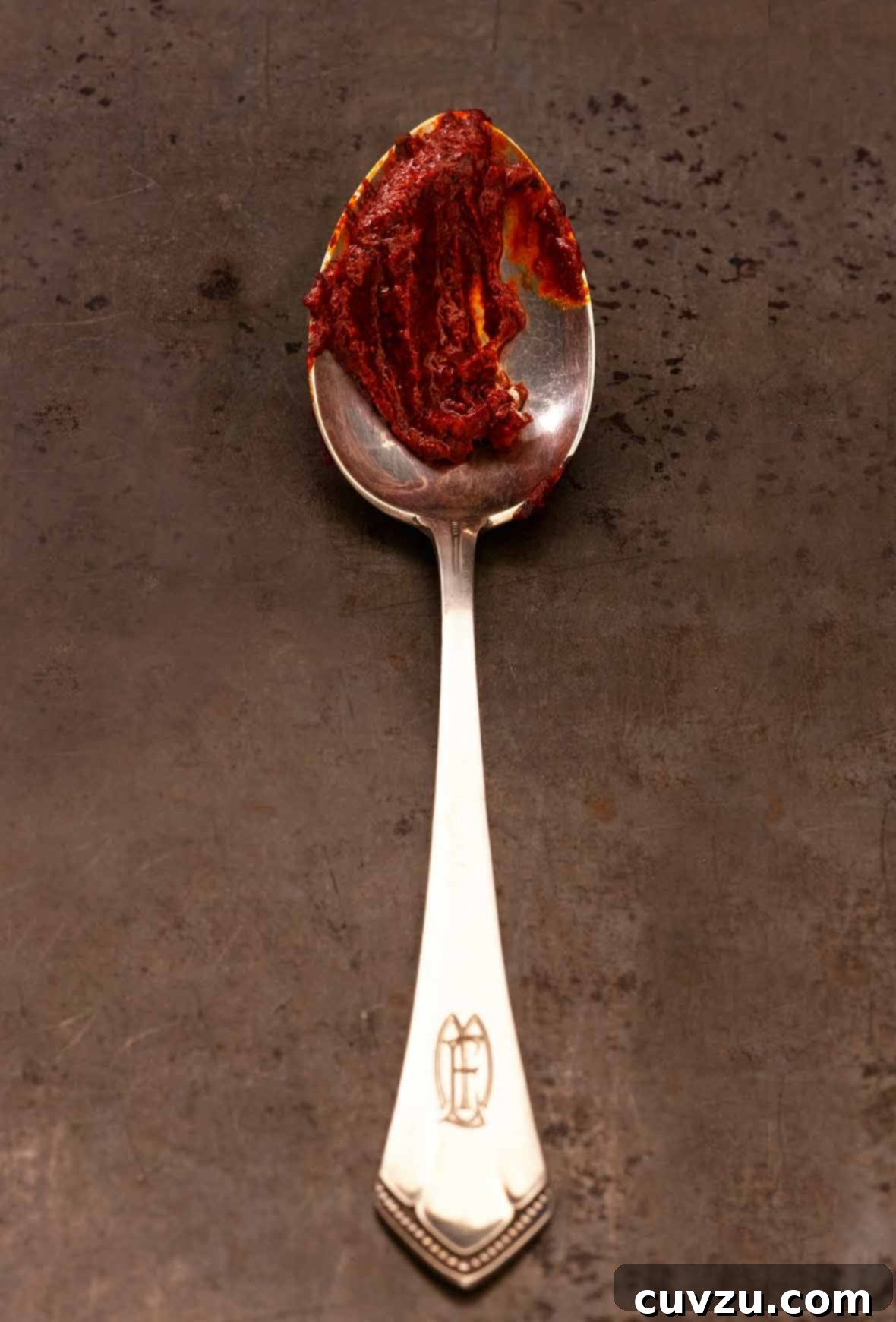
Unveiling the “Amped-Up” Portuguese Red Pepper Paste (Massa de Pimentão)
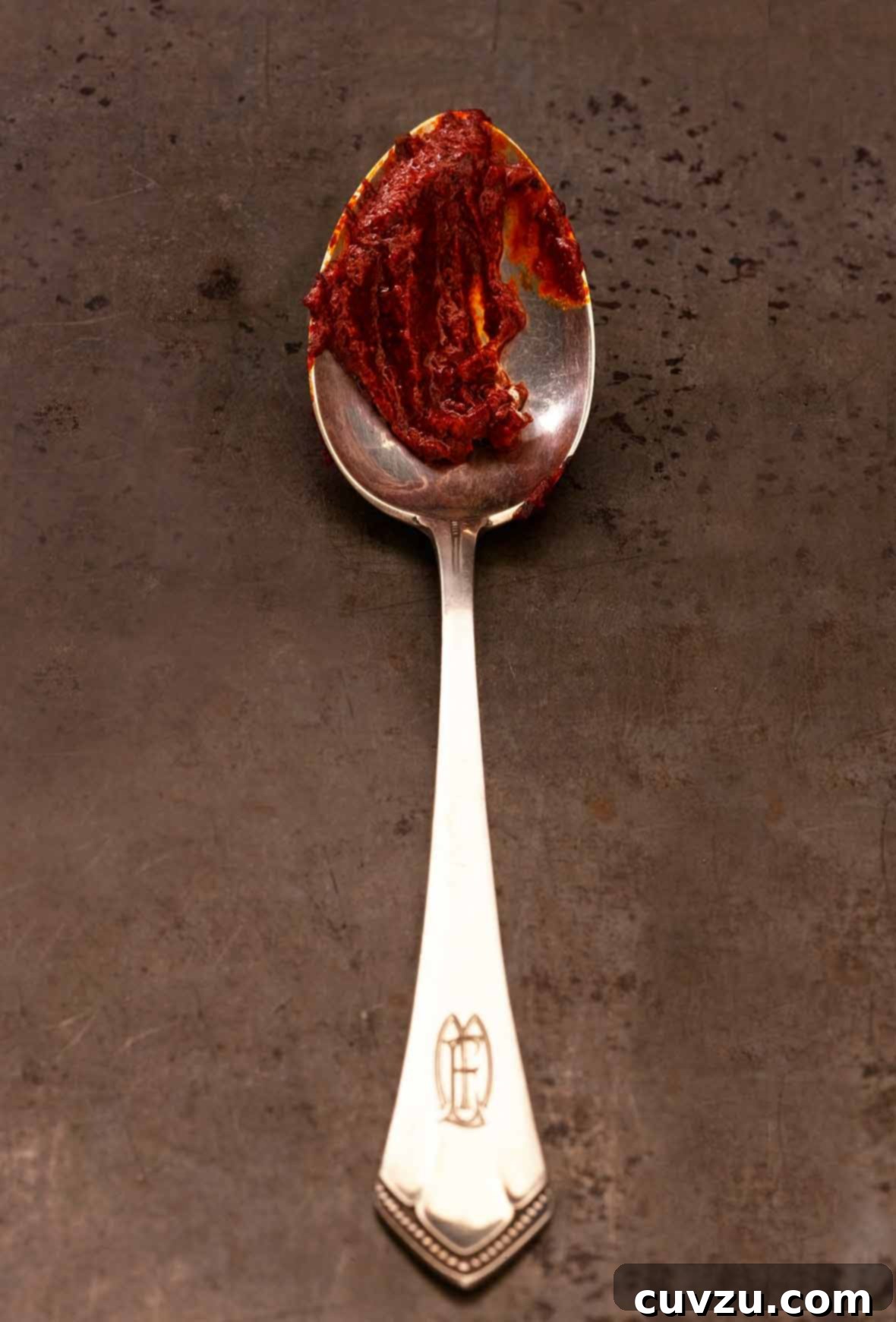
Portugal, a nation celebrated for its rich and diverse culinary traditions, boasts an array of staple ingredients that define its distinct flavors and aromas. Among these cherished pantry essentials, massa de pimentão, or Portuguese red pepper paste, stands out as a true culinary cornerstone. This vibrant, savory condiment is as fundamental to Portuguese cooking as fine olive oil or aromatic garlic, serving as the flavorful backbone for countless traditional dishes. While nearly every Portuguese family cherishes and prepares its own rendition, passed down through generations, acclaimed culinary expert David Leite has taken this beloved classic and masterfully elevated it to unprecedented heights. His “amped-up” version is not merely a paste; it’s a concentrated burst of Portuguese sunshine in a jar, meticulously crafted to brim with dynamic layers of flavor from robust wine, two types of paprika, pungent garlic, a hint of hot sauce, and fresh, fragrant herbs.
This comprehensive article invites you on a culinary journey, delving into the fascinating heritage of massa de pimentão, exploring David Leite’s innovative and flavor-packed approach, and providing a detailed, step-by-step guide to crafting this extraordinary paste in the comfort of your own kitchen. Prepare to unlock a world of authentic Portuguese taste that will effortlessly transform your everyday meals into memorable culinary celebrations, adding depth, warmth, and a touch of Mediterranean magic.
The Heart of Alentejo: A Culinary Journey Through Portuguese Red Pepper Paste History
Originating from the sun-drenched plains and gently rolling hills of the Alentejo province in southern Portugal, massa de pimentão is far more than just a simple seasoning; it represents a profound cultural cornerstone. The Alentejo region, renowned for its rustic, hearty, and often intensely flavored cuisine, relies heavily on this salty red pepper paste to imbue its dishes with a characteristic depth, warmth, and umami. Historically, the creation of this paste was a brilliant and practical solution for preserving the abundant harvest of red bell peppers. This allowed families to harness and enjoy their vibrant flavor year-round, long before modern refrigeration. This enduring tradition of preservation through meticulous salt-curing speaks volumes about the resourcefulness, ingenuity, and deep respect for ingredients held by generations of Portuguese home cooks.
Across the diverse regions of Portugal, the precise recipe for massa de pimentão varies widely, with each version subtly reflecting local preferences, available produce, and ancestral techniques. Some traditional preparations meticulously use fresh bell peppers that undergo a careful salt-curing process, which naturally draws out moisture and concentrates their inherent sweetness and tang, resulting in a profoundly complex flavor. Other regional variations often opt for roasted peppers, which lend a distinct smoky, charred, and caramelized note to the paste, adding another dimension of warmth. Still, other creative cooks lean heavily on various forms of paprika—a spice derived from dried and ground bell peppers—to achieve their desired color, aroma, and flavor profile. These diverse regional interpretations underscore the paste’s remarkable adaptability and its deep, undeniable integration into the very fabric of Portuguese regional cooking.
David Leite’s contemporary creation, while deeply respectful of these time-honored traditions and the rich history of massa de pimentão, intentionally forges its own path, diverging from the strict “classico” approaches. Instead of merely replicating an ancestral recipe, he embarked on a culinary quest to encapsulate the very essence and vibrance of the entire Portuguese kitchen into a single, potent, and versatile condiment. His ambitious goal was clear: to craft a paste that delivers an unmistakable “power punch” of flavor, a concentrated burst of all the distinctive elements that collectively make Portuguese cuisine so irresistible, beloved, and globally recognized.
David Leite’s “Amped-Up” Red Pepper Paste: A Symphony of Portuguese Flavors
What sets David Leite’s red pepper paste apart and makes it truly extraordinary is its meticulously balanced fusion of robust and aromatic flavors, thoughtfully designed to function as an all-in-one solution for seasoning. This is far from being just a simple condiment; it’s a masterfully pre-seasoned rub, a potent marinade, and a versatile flavor enhancer all rolled into one indispensable jar. Imagine having a rich, aromatic, and deeply savory foundation for your meals that effortlessly infuses them with the very soul of Portugal, transforming ordinary ingredients into culinary masterpieces with remarkable ease. David’s culinary secret lies in combining an array of premium, carefully selected ingredients, each playing a crucial and harmonious role in the paste’s ultimately complex and captivating flavor profile.
- Sweet Paprika and Sweet Smoked Paprika: The intentional dual use of both sweet paprika and sweet smoked paprika varieties is absolutely central to this paste’s distinctive character. Sweet paprika delivers a vibrant, fruity, and mildly peppery essence without any heat, providing a foundational brightness. Concurrently, the sweet smoked paprika introduces a deep, nuanced, and authentic smokiness that beautifully evokes traditional Portuguese cooking methods, where wood-fired elements are often present. This thoughtful combination yields a profound peppery base that is simultaneously earthy, sweet, and exquisitely bright.
- Dry Red Wine: A carefully measured splash of dry red wine contributes an essential layer of subtle acidity, a touch of fruitiness, and profound complexity to the paste. Beyond its flavor contribution, it also acts as a natural tenderizer for meats when used as a marinade and helps to build a more sophisticated, well-rounded flavor profile, artfully balancing the spice and inherent richness of the peppers.
- Generous Garlic: A liberal inclusion of eight to ten fresh garlic cloves ensures a pungent, undeniably aromatic, and robust foundation. Garlic is an almost sacred, non-negotiable ingredient in authentic Portuguese cuisine, and its generous presence here elevates the paste with its characteristic warmth, sharpness, and unparalleled savory depth.
- Turkish Bay Leaves: Two crumbled Turkish bay leaves are incorporated to infuse the paste with a subtle, yet distinct earthy, slightly floral, and mildly woodsy aroma. This aromatic herb is a common and beloved fixture in many traditional Portuguese stews and succulent roasts, providing a quintessential herbaceous note that grounds the other vibrant flavors.
- Tomato Paste: Concentrated tomato paste is added to provide a powerful punch of umami depth and a hint of sweet acidity. This not only enriches the overall color and vibrancy of the paste but also provides a robust, savory backbone that perfectly harmonizes with the bold peppers and exotic spices, adding a pleasant tang.
- Fresh Lemon Juice: A bright and zesty touch of fresh lemon juice is crucial; it brilliantly cuts through the richness of the paste with a refreshing, tangy counterpoint. This crucial acidity balances the deeper, more profound flavors and dramatically enhances the overall vibrancy and freshness of the entire mixture.
- Fresh Cilantro and Flat-Leaf Parsley: A generous handful of fresh herbs, particularly invigorating cilantro and clean-tasting flat-leaf parsley, brings a fresh, herbaceous, and aromatic lift to the paste. Cilantro offers its distinctive bright, citrusy, and slightly pungent notes, while parsley provides a clean, green, and earthy flavor, both of which are absolutely essential to achieving authentic Portuguese flavor profiles.
- Kosher Salt and White Pepper: These foundational seasonings are expertly included to ensure the paste is perfectly balanced in terms of salinity and subtle warmth, bringing out the very best and most intricate nuances in all the other meticulously chosen ingredients.
- Piri-Piri Sauce: For that signature, exhilarating Portuguese kick, a few judicious dashes of piri-piri sauce are added. This iconic chili sauce introduces a controlled, delightful heat that awakens the palate without ever overwhelming the other delicate and complex flavors, allowing them to shine through.
- Extra Virgin Olive Oil: The finest quality extra virgin olive oil is absolutely crucial for creating a luxuriously smooth, beautifully emulsified paste. It acts as a magnificent carrier, binding all the intense flavors together, providing a luscious texture, and contributing its own naturally fruity, peppery, and grassy notes.
The remarkable synergy of these thoughtfully combined ingredients culminates in a paste that is incredibly versatile, profoundly potent, and exceptionally flavorful. It’s ingeniously designed to simplify your cooking process, acting as a rich, intensely pre-seasoned rub that can effortlessly transform even the simplest raw ingredients into genuine culinary masterpieces with surprisingly minimal effort, making gourmet Portuguese cooking accessible to everyone.
Unlocking Culinary Brilliance: Diverse Applications for Portuguese Red Pepper Paste
Much like its intensely flavorful Asian counterpart, fish sauce, a little bit of David Leite’s “amped-up” Portuguese Red Pepper Paste goes an incredibly long way. Its remarkably concentrated and complex flavor profile means that you only need a small amount to make a significant, transformative impact on your dishes. Think of this vibrant paste as your secret weapon, an indispensable tool for effortlessly infusing deep, complex, and authentically Portuguese flavors into an impressively wide array of your everyday meals and special occasion dishes.
Mastering the Marinade and Rub: A Foundation of Flavor
One of the most popular, versatile, and truly transformative uses for this exceptional paste is as a dynamic marinade or a robust rub. Its rich and penetrating flavors effortlessly infuse proteins, tenderizing and seasoning them simultaneously, creating a remarkable depth that starts from within. Before roasting, grilling, pan-searing, or even slow-cooking, simply rub a modest yet sufficient amount onto your choice of protein:
- Beef Roasts and Steaks: For an incredibly succulent roast or a perfectly seared and grilled steak, generously slather a thin, even layer of the paste over the entire surface of the meat. For maximum flavor penetration, allow the beef to marinate for a few hours, or ideally, overnight in the refrigerator. The harmonious blend of paprika, garlic, and wine notes will work wonders, creating an irresistible, deeply flavored crust and ensuring a juicy, tender interior.
- Chicken: Whether you’re planning to roast a whole chicken to golden perfection, grill individual breasts for a quick weeknight meal, or bake tender thighs, this paste is an absolute game-changer. For an extra burst of flavor and moisture, gently loosen the skin of the chicken and rub some paste both above and directly below it before cooking. This thoughtful step ensures that every single bite is permeated with that delicious, authentic Portuguese essence, leading to a truly memorable meal.
- Fish and Seafood: Delicate fish fillets, such as cod, snapper, or even the humble sardine, and hearty seafood varieties like succulent shrimp, tender scallops, or even octopus, benefit immensely from a light, even coating of the paste. It introduces a vibrant, savory, and subtly spicy dimension that beautifully complements the natural sweetness and delicate textures of the seafood. It’s particularly fantastic when brushed onto fish before grilling or pan-frying.
- Peeled, Halved Potatoes: Do not, under any circumstances, limit yourself to just proteins! Potatoes are an excellent canvas for this paste. Simply toss peeled and halved (or quartered) potatoes generously with a tablespoon or two of the red pepper paste before roasting. The potatoes will emerge from the oven beautifully caramelized, incredibly deeply flavored, and utterly addictive, making for an unforgettable and surprisingly gourmet side dish that will steal the show.
Enhancing Soups, Stews, and Sauces: Depth in Every Spoonful
The culinary versatility of massa de pimentão extends gracefully far beyond simple marinades and rubs. Consider stirring a generous spoonful into your favorite hearty stews or comforting soups during the cooking process to instantly deepen their savory character and infuse them with an unmistakable Portuguese flair. It possesses the remarkable ability to transform a seemingly simple vegetable soup into a robust, profoundly comforting, and complex meal, or to elevate a lentil stew with an unexpected yet welcome layer of warmth, spice, and aromatic richness.
Beyond hot dishes, do not hesitate to explore its potential in cold preparations. This paste works absolute wonders when vigorously stirred into creamy mayonnaise, creating an instant, intensely flavorful aioli that is perfect for dipping crispy fries, spreading generously on gourmet sandwiches, or serving as an exquisite accompaniment to grilled chicken or fish. Imagine it delicately whisked into a simple vinaigrette for a vibrant and zesty salad dressing, or even artfully blended into softened butter to create a compound butter that melts beautifully over steaming corn on the cob, grilled vegetables, or freshly baked, crusty bread. The possibilities are truly endless, limited only by your culinary imagination and daring spirit.
A Nod to Grandmother Costa’s Enduring Legacy
While the myriad possibilities for this paste are truly endless, David Leite himself proudly highlights one particular application that holds an exceptionally special place in his heart: his beloved Grandmother Costa’s Bread Dressing. This cherished family recipe, already a classic, becomes an unparalleled and truly extraordinary dish when enriched and enlivened by the “amped-up” red pepper paste. It stands as a powerful testament to how this seemingly simple, yet profoundly potent, paste can elevate even the most treasured family classics to extraordinary culinary experiences, weaving tradition with innovation. We enthusiastically encourage you, our adventurous readers, to explore your own creative applications and share your delightful discoveries and unique culinary triumphs with us in the comments section below! Your culinary ingenuity inspires us all to keep exploring.
Authentic Portuguese Red Pepper Paste Recipe

This vibrant, incredibly versatile red pepper paste, expertly adapted and significantly enhanced by David Leite, is an undisputed flavor powerhouse. Bursting with the nuanced notes of wine, the warmth of dual paprikas, the pungency of garlic, a subtle kick of hot sauce, and the freshness of aromatic herbs, it flawlessly encapsulates the very essence of Portugal within a single, convenient jar. It is truly a pantry staple that promises to utterly transform your everyday cooking into something extraordinary, bringing authentic Portuguese zest to your table with remarkable ease.
Recipe by: David Leite
Course: Condiments, Sauces, Marinades
Cuisine: Portuguese
Servings: Approximately 16 tablespoons (about 1 cup total)
Calories: Approximately 44 kcal per 1 tablespoon serving
Prep Time: 10 minutes
Total Time: 10 minutes
Ingredients
- 2 tablespoons sweet paprika
- 2 tablespoons sweet smoked paprika
- 1/4 cup dry red wine (choose a robust, flavorful variety)
- 8 to 10 garlic cloves, freshly peeled (adjust to your garlic preference)
- 2 Turkish bay leaves, finely crumbled (ensuring even distribution of flavor)
- 3 tablespoons tomato paste, or 1 tablespoon double-concentrate tomato paste (for deeper umami)
- 1 1/2 tablespoons fresh lemon juice (for brightness and acidity)
- 7 sprigs fresh cilantro, roughly chopped (stems can be included for flavor)
- 5 sprigs fresh flat-leaf parsley, roughly chopped
- 1 1/2 tablespoons kosher salt (16 g), or to taste (saltiness is key)
- 1/4 teaspoon freshly ground white pepper (adds a subtle, distinct heat)
- Few dashes piri-piri sauce, or to taste (for that signature Portuguese warmth)
- 1/4 cup extra virgin olive oil (high quality for best flavor and texture)
Instructions
- Begin by gathering all your ingredients. In the bowl of a high-speed food processor, meticulously combine the sweet paprika, sweet smoked paprika, dry red wine, peeled garlic cloves, crumbled bay leaves, tomato paste (or double-concentrate paste), fresh lemon juice, roughly chopped cilantro, roughly chopped parsley, kosher salt, freshly ground white pepper, and the piri-piri sauce.
- Pulse the mixture several times in short bursts until the garlic and herbs are finely minced, and all the ingredients appear well combined and uniformly distributed. Be sure to stop occasionally and use a spatula to scrape down the sides of the bowl, ensuring that everything is evenly incorporated and no large pieces remain untouched.
- With the food processor motor still running continuously, slowly drizzle in the extra virgin olive oil in a thin, steady stream through the feed tube. Continue processing for an additional 1 to 2 minutes. This step is crucial for emulsifying the oil with the other ingredients, allowing the mixture to come together into a beautifully slick, homogenous, and vibrant paste. The resulting texture should be smooth, consistent, and luxurious.
- Your Portuguese Red Pepper Paste is now perfectly ready to use immediately! For optimal storage, carefully spoon the freshly prepared paste into a small, clean glass jar. Ensure the jar has a tight-fitting lid to preserve its freshness and potent flavor. Stored in the refrigerator, this magnificent paste will remain flavorful and vibrant for up to one month, ready whenever you need a burst of Portuguese taste.
Chef’s Notes & Tips for Success
For the most authentic and robust flavor, we highly recommend using only high-quality paprika varieties and the freshest available herbs. Feel free to adjust the amount of piri-piri sauce according to your personal preference for spice level – you can add more for a fiery kick or less for a milder warmth. If dry red wine is not readily available, a good quality red wine vinegar can be used as a substitute, although it will subtly alter the flavor profile of the paste. When incorporating this paste into hot dishes, it’s often best to add it towards the end of the cooking process to preserve its fresh, vibrant notes and prevent the delicate herbal aromas from dissipating. Always taste and adjust seasoning as needed!
Classic Red Bell Pepper Paste Variation: A Traditional Alentejo Approach
For those interested in exploring the deeply traditional “classico” approach to red bell pepper paste, this historical method primarily relies on meticulously salt-cured bell peppers. This results in a significantly saltier and more intensely flavored condiment, a true testament to ancient preservation techniques. This time-honored process accentuates the natural umami and inherent sweetness of the peppers through a slow, deliberate curing. Due to its concentrated saltiness and profound flavor, we advise using this traditional version with a very judicious hand.
To prepare this classic variation: Thoroughly wash, stem, and completely seed 3 large, ripe red bell peppers. Slice them lengthwise into uniform 1-inch-wide strips. Next, prepare your curing station: Line a colander with a double layer of clean cheesecloth, ensuring there is enough overhang to eventually cover the peppers. Pour approximately an inch of coarse kosher salt onto the bottom of the cheesecloth-lined colander. Arrange a single, even layer of bell pepper strips over the salt, then generously cover them with another inch of kosher salt. Continue this layering process, alternating between bell pepper strips and kosher salt, until all the strips are covered, ensuring you finish with a substantial layer of salt on top.
Once layered, place a heavy, flat object (such as a plate with a heavy can or another weighted pan) directly on top of the uppermost layer of salt to create consistent pressure on the peppers. Position the colander within a larger bowl; this will efficiently catch any liquids that are drawn out during the curing process. Set this entire assembly aside at a cool room temperature for a period of 5 full days. During this critical time, the salt will systematically draw out moisture from the peppers, curing them and intensely concentrating their magnificent flavor.
On the 6th day, carefully retrieve the cured bell pepper strips from the salt. Gently brush off any excess salt clinging to the peppers, but it is absolutely crucial that you do not rinse them – rinsing would wash away the precious cured flavor and introduce unwanted moisture. Transfer these intensely flavored, cured bell pepper strips to a clean food processor and purée until a thick, uniform, and beautifully red paste is formed. Finally, spoon this classic red pepper paste into a clean glass jar with a tight-fitting lid and refrigerate. This traditional paste can be stored for several weeks, always ready to impart its unique, deeply savory, and historic character to your next authentic Portuguese-inspired dish.

Adapted From
This “amped-up” recipe for Portuguese Red Pepper Paste is a unique creation inspired by the rich culinary traditions explored in David Leite’s acclaimed cookbook, The New Portuguese Table.
Buy On Amazon
Nutrition Information (Approximate Values)
Serving Size: 1 tablespoon
Calories: 44 kcal
Carbohydrates: 2 g
Protein: 1 g
Fat: 4 g
Saturated Fat: 1 g
Monounsaturated Fat: 3 g
Sodium: 680 mg
Fiber: 1 g
Sugar: 1 g
Please note: Nutrition information is automatically calculated based on the ingredients listed and should therefore only be used as an approximation. Individual results may vary based on precise ingredient choices, brands, and specific preparation methods.
Share Your Culinary Creations! Join Our Community!
We are always eager and delighted to see how you, our wonderful readers, utilize this incredible Portuguese Red Pepper Paste in your kitchens. If you’ve tried David Leite’s “amped-up” recipe or have experimented with your own unique and creative applications, we warmly invite you to share your delightful experiences and culinary triumphs with our vibrant community!
Mention @leitesculinaria or proudly tag #leitesculinaria on Instagram to show us your delicious results and inspire fellow food enthusiasts. Your creativity truly fuels and inspires us all!
Insights from Our Esteemed Recipe Testers

Debbie Vargo
Debbie Vargo, one of our esteemed and insightful recipe testers, eagerly shares her delightful experience with David Leite’s remarkable “amped-up” red pepper paste. She notes, “While the recipe title might conjure up images of a laborious pile of roasted red bell peppers with charred skins, this smoky paprika paste has none of those. In a very short 15 minutes of preparation time, you will have a lovely, vibrant red paste that can dramatically enhance the taste of chicken, pork, and even a simple chicken noodle soup.” This quick preparation time is a significant advantage, making it an accessible yet highly impactful ingredient for any home cook seeking to elevate their dishes without extensive effort.
Debbie further elaborates on the paste’s distinctive and dominating flavor profile: “The smoky paprika flavor unequivocally dominates the flavor profile, creating a deep and satisfying warmth.” She highlights its impressive versatility through her own culinary experiments in her kitchen. “We stirred it into some homemade chicken noodle soup, and it truly amped up the flavor, adding an unexpected layer of complexity and savory richness.” This demonstrates its remarkable ability to deepen the savory notes in comforting, familiar dishes. Her exploration continued with proteins, as she explains, “Searching for how else to utilize its potent flavors, we tried it on chicken and sautéed shrimp. Coating it on chicken breast in the final minutes of cooking would be a delicious and transformative addition, creating a beautiful crust and intense flavor.”
Beyond direct application, Debbie offers several ingenious and creative ways to seamlessly integrate the paste into everyday cooking: “Other fantastic ideas would be to mix a bit of this incredible paste with mayonnaise for an instant, gourmet sandwich spread or to create a vibrant, flavorful sauce for tender pork tenderloin.” These practical suggestions effectively open up new avenues for its use, ranging from simple yet impactful spreads to more elaborate and sophisticated sauces. She even envisions its potential as a dressing component: “I believe you could even craft a wonderful vinaigrette for a fresh salad with the thoughtful addition of a nice and mild vinegar, such as cider, rice, or white wine vinegar.” Debbie’s comprehensive and enthusiastic review powerfully underscores the paste’s remarkable adaptability and its potent flavor contribution, cementing its status as a must-have ingredient in any adventurous and well-stocked kitchen.