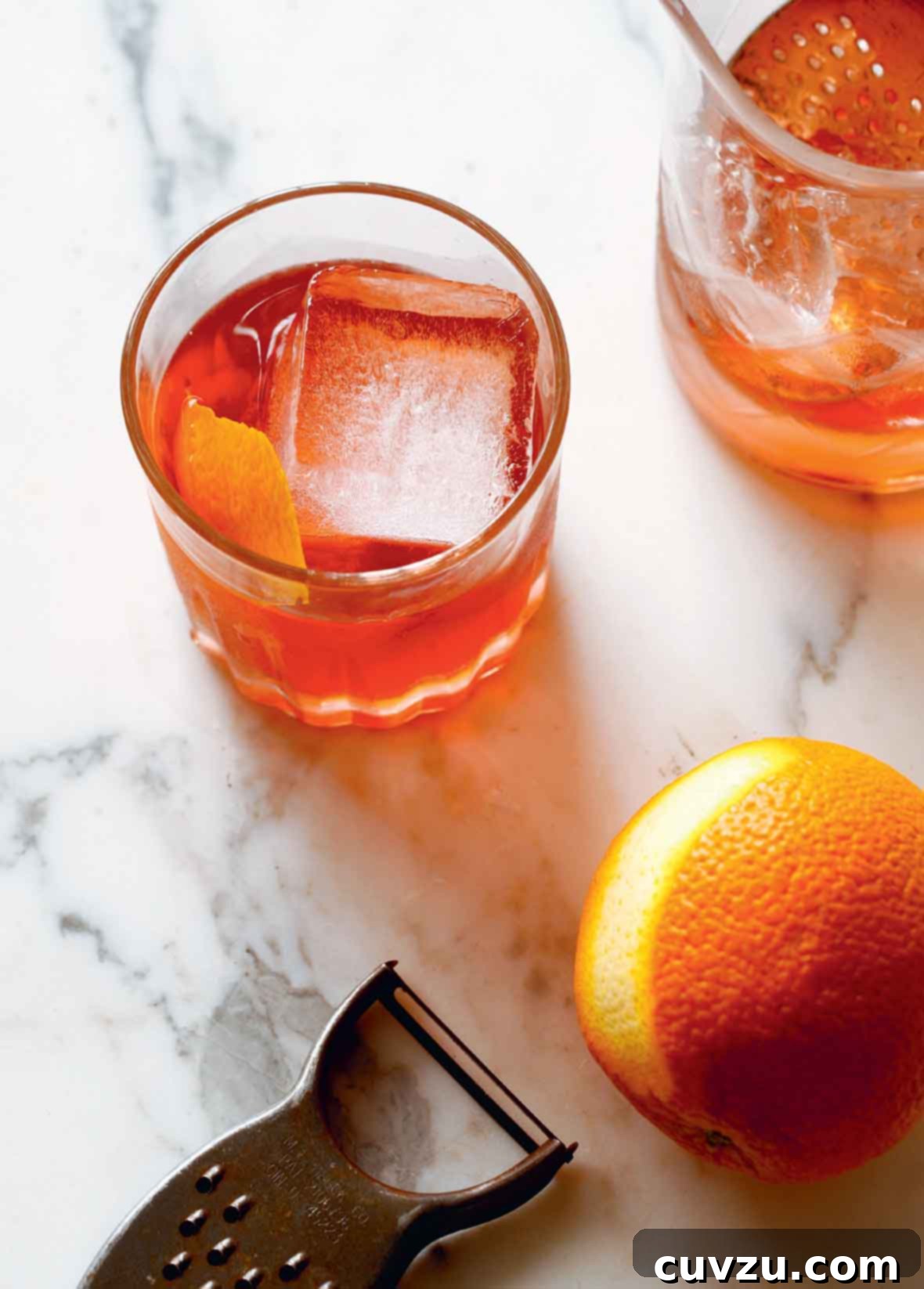
The Boulevardier cocktail stands as a timeless classic in the world of mixology, celebrated for its smooth, sophisticated character and a history as rich and intriguing as its deep amber hue. This bourbon-based cousin to the Negroni offers a captivating balance of sweet, bitter, and woody notes, making it an irresistible choice for both seasoned cocktail enthusiasts and those new to the delights of expertly crafted drinks. Embark on a journey to discover the allure of the Boulevardier – its origins, its distinctive flavor profile, and how to create this magnificent concoction right in your own home.
Unveiling the Boulevardier: A Symphony of Flavors
Just uttering the word “Boulevardier” evokes a sense of old-world charm, perhaps conjuring images of Parisian cafes, rain-kissed boulevards, and hushed conversations in dimly lit bars. And indeed, the drink itself embodies this elegance. It’s a beautifully balanced cocktail, boasting a delightful interplay of dryness and sweetness, underscored by a pronounced woodiness and a subtle, sophisticated bitterness. Often described as a Negroni reimagined with the warmth of bourbon in place of gin, the Boulevardier offers a distinct yet equally captivating experience. It’s a remarkable testament to how a simple substitution can transform a beloved classic into something entirely new and equally extraordinary.
This “mahogany sipper” is more than just a drink; it’s an experience. Its flavor profile is often characterized by notes of candied nuts, a hint of grapefruit zest, and a subtle warmth reminiscent of a fine cigar. The harmonious blend of bourbon, Campari, and sweet vermouth creates a complex and deeply satisfying beverage that is surprisingly easy to prepare with readily available ingredients. Once you taste its sublime blend, you’ll understand why it continues to captivate palates across generations.
The Storied Past: How the Boulevardier Got Its Name
The history of the Boulevardier cocktail is as intriguing as its flavor. While many classic cocktails trace their lineage to famed bartenders, the Boulevardier is uniquely tied to a literary figure and an era of Parisian glamour. Its creation is attributed to Erskine Gwynne, an American expatriate, socialite, and writer who founded and edited a monthly arts and culture magazine in Paris during the late 1920s. The magazine, aptly named The Boulevardier, catered to the sophisticated English-speaking elite living in the vibrant French capital.
Gwynne was a nephew of Alfred Vanderbilt, a prominent member of the American Vanderbilt family, and he was known for his love of fine spirits and keen literary pursuits. It was during this period of artistic and social flourishing in Paris that Gwynne reputedly requested a twist on the popular Negroni. Instead of the traditional gin, he opted for bourbon, giving birth to what we now know as the Boulevardier.
The recipe for the Boulevardier first appeared in print in Harry MacElhone’s 1927 cocktail book, Barflies and Cocktails. MacElhone, the proprietor of Harry’s New York Bar in Paris – a legendary haunt for American expatriates like Ernest Hemingway and F. Scott Fitzgerald – included the recipe with a clear attribution to Erskine Gwynne. This solidifies the drink’s Parisian roots and its connection to the roaring twenties, a time of artistic innovation and cocktail culture.
Interestingly, the Boulevardier is considered an update to an even older cocktail called the “Old Pal.” The Old Pal, a lesser-known but equally classic drink, typically features rye whiskey, dry vermouth, and Campari. Gwynne’s genius lay in his subtle yet impactful modifications: replacing the spicy rye with smoother bourbon and swapping dry vermouth for its sweeter counterpart. These changes resulted in a richer, warmer, and slightly less astringent cocktail that perfectly suited the evolving palates of the era and continues to delight today.
Boulevardier vs. Negroni: A Tale of Two Classics
The most common comparison for the Boulevardier is, without a doubt, the Negroni. Both are iconic Italian-inspired aperitifs, known for their bitter-sweet balance and vibrant red hue. However, their core difference lies in their base spirit: the Negroni uses gin, while the Boulevardier opts for bourbon. This single substitution creates two distinct flavor profiles, each appealing to different preferences.
Gin, with its botanical complexity, often brings a crisp, herbaceous, and sometimes piney note to the Negroni. It contributes a sharp, dry finish that many find invigorating. The Negroni is typically bright and bold, a classic Italian aperitivo designed to awaken the palate.
The Boulevardier, on the other hand, embraces the warmth, sweetness, and oak-aged character of bourbon. This transforms the drink into a richer, smoother, and more mellow experience. The bourbon softens the bitterness of the Campari and complements the sweetness of the vermouth, creating a cocktail that is often described as more approachable and autumnal. For those who find gin too assertive or prefer a whiskey-forward drink, the Boulevardier offers a delightful alternative that retains the sophisticated bitter-sweet balance of its Negroni relative.
Mastering the Ingredients: Crafting Your Perfect Boulevardier
The beauty of the Boulevardier lies in its simplicity, requiring just three core ingredients. However, the quality and choice of these components profoundly impact the final taste. Selecting the right bourbon, Campari, and sweet vermouth is key to achieving that exquisite balance.
Bourbon: The Heart of the Cocktail
As the primary spirit, bourbon dictates much of the Boulevardier’s character. A good quality bourbon will bring notes of vanilla, caramel, oak, and a pleasing sweetness. We recommend bourbons like Buffalo Trace or Four Roses for their balanced profiles that shine without overpowering the other ingredients. Avoid anything overly smoky or peaty, as it can clash with the Campari. For a modern palate, some prefer to slightly increase the bourbon ratio to allow its nuances to truly shine through, giving the drink a bolder, whiskey-forward appeal.
Campari: The Bitter Backbone
Campari, the iconic Italian bitter liqueur, is instantly recognizable by its vibrant red color and distinctive bitter, herbaceous, and citrusy flavor. It provides the essential counterpoint to the sweetness of the bourbon and vermouth, creating the drink’s signature bitter-sweet balance. There’s no real substitute for Campari in a Boulevardier; its unique profile is indispensable.
Sweet Vermouth: The Aromatic Bridge
Sweet vermouth is a fortified wine infused with botanicals, offering a balance of sweetness and herbaceous complexity. It acts as an aromatic bridge, harmonizing the bourbon and Campari. High-quality sweet vermouth, such as Carpano Antica Formula, will lend a richer, more nuanced flavor with notes of dried fruit, spices, and a hint of vanilla. Using a lesser quality vermouth can significantly detract from the cocktail’s overall appeal, so choose wisely.
Ice: Essential for Dilution and Chill
While often overlooked, ice is a crucial ingredient. It not only chills the drink but also provides essential dilution. Use large, solid ice cubes that melt slowly, preventing over-dilution too quickly.
Garnish: The Finishing Touch
An orange twist is the traditional and perfect garnish for a Boulevardier. The oils from the orange peel add a bright, aromatic zest that complements the drink’s flavors and enhances its visual appeal. A simple expression of the twist over the drink and then dropping it in is all it takes.
Boulevardier Cocktail
The Boulevardier cocktail, made with bourbon and Campari, has a smooth taste and a storied history. You won’t want to miss either.
By David Leite
Ingredients
- 2 ounces bourbon (preferably Buffalo Trace or Four Roses)
- 1 ounce Campari
- 1 ounce sweet vermouth (preferably Carpano Antica)
- Ice
- Orange twist, for garnish
Instructions
- Stir the bourbon, Campari, and vermouth together in a tall glass with ice.
- Strain the mixture into a chilled coupe glass.
- Garnish with an orange twist.
- Repeat and enjoy!
Adapted From
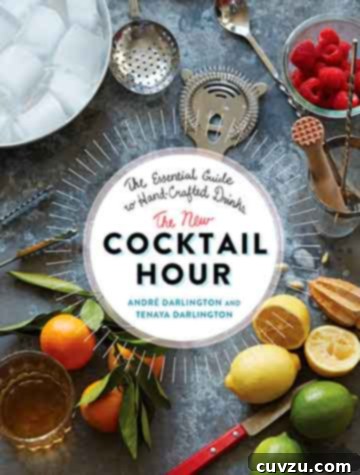
The New Cocktail Hour
Buy On Amazon
Nutrition
Calories: 131 kcal
Carbohydrates: 8 g
Protein: 1 g
Fat: 1 g
Saturated Fat: 1 g
Monounsaturated Fat: 1 g
Sodium: 3 mg
Sugar: 4 g
Nutrition information is automatically calculated, so should only be used as an approximation.
Tips for Crafting the Exceptional Boulevardier
While the recipe is straightforward, a few expert tips can elevate your Boulevardier from good to outstanding:
- **Chill Your Glassware:** A chilled coupe glass will keep your cocktail colder for longer, enhancing the drinking experience. Place it in the freezer for a few minutes or fill it with ice water while you prepare the drink.
- **Use Quality Ice:** Large, dense ice cubes melt slower, minimizing dilution. Avoid crushed ice, which melts quickly and waters down the drink.
- **Stir, Don’t Shake:** The Boulevardier is a spirit-forward cocktail, meaning it should be stirred, not shaken. Stirring gently incorporates the ingredients and chills them without aerating or diluting too much, maintaining the drink’s clarity and smooth texture. Stir for about 20-30 seconds.
- **Perfect Your Garnish:** When twisting the orange peel, make sure to express the oils over the drink. This releases aromatic compounds that significantly enhance the cocktail’s bouquet and flavor. A generous swath of orange peel can add a beautiful visual and aromatic presence.
- **Experiment with Ratios:** While the classic 1:1:1 ratio (bourbon, Campari, sweet vermouth) is a great starting point, feel free to adjust it to your taste. If you prefer it less sweet, slightly reduce the vermouth. If you like a stronger bourbon presence, increase it to 1.5 or 2 parts bourbon to 1 part Campari and 1 part vermouth, as some modern palates prefer.
- **Consider Additional Bitters:** For those who enjoy a deeper aromatic complexity, a dash of Peychaud’s or Angostura bitters can add another layer of spice and intrigue, though it’s not traditional.
Variations and Creative Twists
Once you’ve mastered the classic Boulevardier, don’t hesitate to explore variations:
- **Whiskey Alternatives:** While bourbon is traditional, experimenting with rye whiskey can bring a spicier, bolder note, echoing the Old Pal. A peated scotch could create a smoky, adventurous version, or a sweeter Irish whiskey for a softer touch.
- **Vermouth Swaps:** Different brands of sweet vermouth offer varying degrees of sweetness and botanical profiles. Explore different artisanal vermouths to find your favorite. For a truly unique take, try a slightly less common vermouth like a vermouth di Torino.
- **Other Amari:** If you’re feeling adventurous, swap Campari for a different amaro. Aperol will make a sweeter, lighter drink, while Montenegro or Cynar could introduce different herbaceous or vegetal notes, creating entirely new experiences.
- **Adding Bubbles:** For a lighter, longer drink, especially on warmer days, a splash of club soda or tonic water can temper the strength and add effervescence, making it more refreshing for those who prefer a less potent sip.
When to Savor the Boulevardier
The Boulevardier’s robust and comforting profile makes it an ideal choice for specific occasions and seasons. Its warmth and depth shine brightest during the cooler months, making it a perfect autumn or winter evening drink. It’s an excellent pre-dinner aperitif, stimulating the appetite with its complex flavors, but it also serves wonderfully as a contemplative after-dinner digestif.
Imagine unwinding by a crackling fireplace on a chilly evening, a Boulevardier in hand, or enjoying it as a sophisticated companion to a rich meal. It pairs exceptionally well with hearty fare, dark chocolate desserts, or even a cheese board featuring aged cheeses. Its elegant nature also makes it a fantastic cocktail for special gatherings, dinner parties, or simply a quiet moment of indulgence.
Recipe Testers’ Reviews
Krista Ramsey
This Boulevardier is a new cocktail I’m thrilled to add to my repertoire. It’s a truly sophisticated sipper, offering a fascinating blend of bitter earthiness beautifully balanced by a touch of sweetness. The recipe is incredibly simple and uses readily available ingredients that won’t just sit collecting dust on your bar cart. The mention of its precursor, the Old Pal, immediately piqued my interest, making me eager to try that version next to compare. Personally, I might slightly reduce the sweetness and amp up the bourbon a bit on my next pour to perfectly suit my preference. It’s quite a strong drink, so a small splash of club soda or tonic could be a welcome addition for those who prefer a slightly lighter touch.
Anna Scott
I absolutely relished this rich, bitter, and beautifully hued bourbon drink. The addition of both sweet vermouth and the bitter orange Campari gives it a striking deep red color, further enhanced by the simple yet elegant orange twist floating within – a lovely splash of contrasting color. As a devout fan of the classic Negroni, which uses gin instead of bourbon, I found the Boulevardier to be a delightful alternative. The bourbon’s presence is gracefully understated, yet the drink certainly packs a satisfying punch once you finish it! This is undoubtedly a magnificent bourbon drink that every Manhattan or classic cocktail enthusiast should experience.
Irene Seales
Beyond its aesthetic appeal, showcasing a captivating color akin to caramelized coral, this Boulevardier truly hits the mark with its nearly perfect combination of bitter and sweet. A generous swath of orange peel, expressed over the drink, made the orange aroma and flavor a prominent and delightful presence. For a personal touch, I considered adding a dash of Peychaud’s or Angostura bitters for extra depth. Furthermore, using giant ice cubes would be an excellent way to slow down dilution, allowing one to savor this serious and sophisticated drink a little longer.
L. Mitchell
What a truly gorgeous drink! This Boulevardier glows with a rosy hue from the Campari and sweet vermouth, beautifully contrasted by the bright orange twist. It’s incredibly smooth and undeniably sophisticated. The Campari introduces a pleasant bitterness that expertly balances the inherent sweetness of both the bourbon and the vermouth. As someone who isn’t a fan of gin, the classic Negroni has never been a favorite of mine. However, swapping out the gin for bourbon in this iteration elevates it to nothing short of spectacular. If you appreciate the unique taste of Campari, you will absolutely adore this cocktail.
Robert McCune
The combination of bourbon, sweet vermouth, and Campari sounded intriguing, and it certainly delivered. As a lover of bourbon, I found that the sweetness of the vermouth and the distinctive bitterness of the Campari harmonized wonderfully. Sometimes Campari can be a bit overwhelming on its own, but here, it was perfectly tempered by the bourbon and vermouth. The extra hard twist I gave to the orange peel also seemed to unlock additional depth, making the entire experience very enjoyable. This is a wonderfully balanced drink that highlights each ingredient’s best qualities.
Frequently Asked Questions About the Boulevardier
Q: What’s the main difference between a Boulevardier and a Negroni?
A: The primary difference lies in the base spirit. A Negroni uses gin, while a Boulevardier uses bourbon. This swap gives the Boulevardier a richer, warmer, and sweeter profile compared to the Negroni’s more botanical and dry character.
Q: Can I use rye whiskey instead of bourbon?
A: Yes, using rye whiskey will give you a drink closer to the “Old Pal” cocktail, which uses rye, dry vermouth, and Campari. While not a traditional Boulevardier, it’s a delicious variation with a spicier, bolder kick.
Q: What’s the best bourbon for a Boulevardier?
A: A good quality, balanced bourbon like Buffalo Trace or Four Roses is highly recommended. Look for bourbons with notes of vanilla, caramel, and oak that aren’t overly smoky or intensely flavored, allowing them to blend harmoniously with the Campari and vermouth.
Q: Do I need to use Carpano Antica sweet vermouth?
A: While Carpano Antica is highly regarded for its rich and complex flavor, other quality sweet vermouths can be used. Just ensure it’s a fresh, high-quality brand, as vermouth can significantly impact the drink’s taste if it’s oxidized or low-quality.
Q: Should I shake or stir a Boulevardier?
A: Always stir a Boulevardier. It’s a spirit-forward cocktail, and stirring gently chills and dilutes the ingredients without aerating them, maintaining its clear appearance and smooth texture.
Q: Can I make a large batch of Boulevardiers for a party?
A: You can pre-batch the bourbon, Campari, and sweet vermouth mixture and store it in the refrigerator. When ready to serve, simply pour the pre-batched mixture over ice in individual glasses and garnish with an orange twist. Do not add ice to the batch itself until serving.
The Enduring Allure of the Boulevardier
The Boulevardier is more than just a cocktail; it’s a journey through history, a celebration of balance, and a testament to the timeless appeal of well-crafted drinks. Its regal name and smooth, complex flavor make it a perfect choice for those seeking a sophisticated sip. Whether you’re a seasoned connoisseur or just beginning your exploration of classic cocktails, the Boulevardier promises an experience that is both deeply satisfying and endlessly intriguing. So, gather your ingredients, follow these simple steps, and raise a glass to the enduring legacy of this magnificent bourbon and Campari masterpiece.