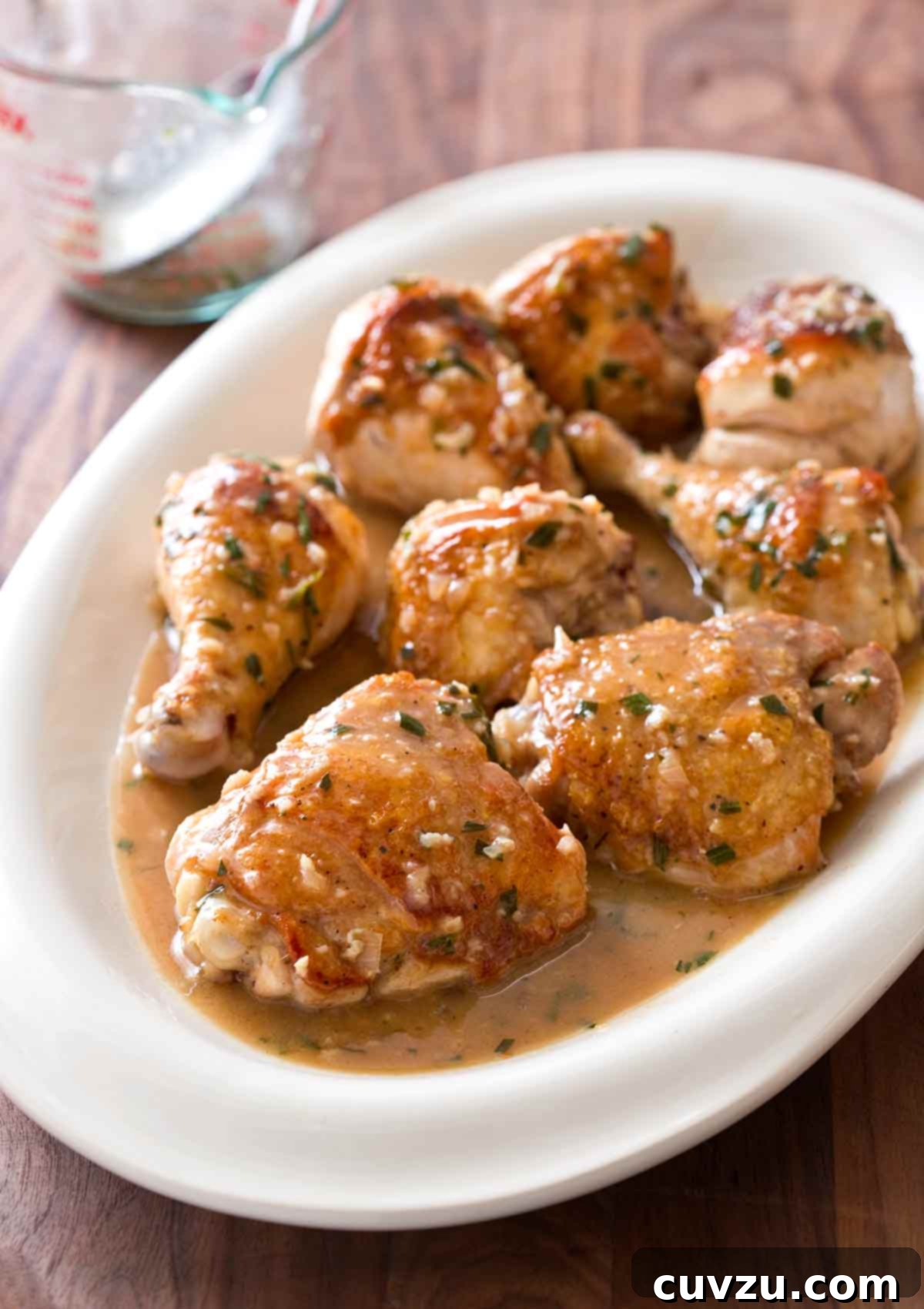
Pan-Roasted Tarragon Chicken: An Effortlessly Elegant French Classic
Discover the delightful simplicity of Pan-Roasted Tarragon Chicken, a beloved French culinary staple that is far easier to master than you might imagine. This spectacular dish boasts tender, succulent chicken with an irresistible crispy skin, all brought to life by a vibrant sauce infused with tangy cider vinegar and the subtle, aniséed notes of fresh tarragon. It’s a recipe that promises to impress guests at your next dinner party while remaining perfectly attainable for a delicious weeknight meal.
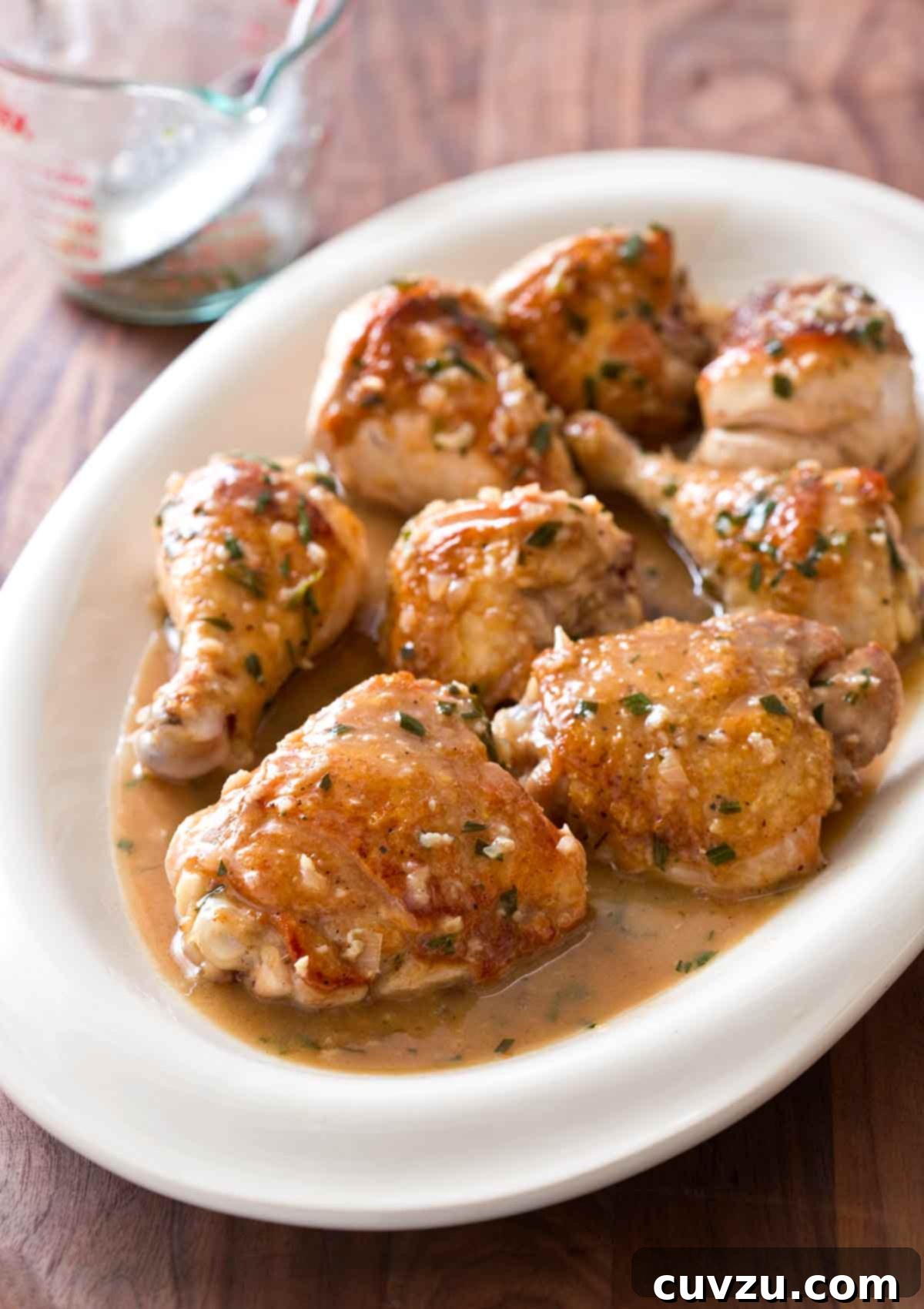
From French Bistros to Your Dinner Table: Perfecting Pan-Roasted Chicken
This deceptively simple yet profoundly flavorful chicken dish has gracefully transitioned from the charming bistros of France to dinner tables across America. Yet, as with many cross-cultural culinary journeys, some nuances can be lost in translation. Our extensive testing revealed two critical elements for achieving authentic French perfection: ensuring the chicken skin crisps up beautifully, rather than becoming soggy, and expertly taming the inherently astringent bite of cider vinegar to create a harmoniously balanced sauce.
Our perfected technique begins with bone-in chicken pieces, chosen for their ability to deliver superior flavor and moisture. These pieces are cooked on the stovetop until a rich, deep brown crust forms – a vital step for both taste and texture. The foundation of our exquisite sauce is then built by gently sautéing minced shallots and garlic, releasing their sweet and pungent aromatics. To give the sauce a desirable body and silky consistency, we incorporate just a teaspoon of cornstarch, ensuring it coats the chicken beautifully. A touch of honey is added to elegantly round out the sharp tanginess of the cider vinegar, which, when combined with savory chicken broth, creates a rich and complex flavor profile.
The innovation continues as we return the seared chicken to the pan, carefully arranging it so the browned skin remains exposed above the simmering liquid. The pan then moves to the oven, where the chicken gently finishes cooking through. This crucial oven step allows the meat to become incredibly tender while the exposed skin crisps up to golden perfection. To complete this culinary masterpiece, we stir in fresh tarragon at the very end, infusing the sauce with its bright, herbaceous essence and a distinct French flair. A final swirl of butter adds a luxurious, velvety texture, bringing the entire dish together in a symphony of flavors and sensations.
Why This Recipe Works: Mastering the Balance of Flavors and Textures
The undeniable appeal of this Pan-Roasted Tarragon Chicken lies in its intelligently designed cooking method and expertly balanced flavor profile. The interplay of searing on the stovetop followed by roasting in the oven is fundamental to achieving the dish’s signature textural contrast: succulent, moist meat encased in an irresistibly crisp, golden-brown skin. Bone-in chicken pieces are not just a choice; they are a strategic ingredient, offering superior flavor depth and acting as a natural buffer against overcooking, which helps the chicken remain juicy.
The initial high-heat sear serves multiple purposes. It creates a deep, caramelized crust on the chicken skin, locking in juices and developing complex savory notes that are essential to the dish’s overall character. This browning also initiates the rendering of fat, which contributes to the crispiness of the skin and provides a flavorful base for the subsequent sauce.
The accompanying sauce is more than just a complement; it’s a star in its own right. Aromatic shallots and garlic are carefully sautéed to provide a sweet, mild foundation without overwhelming the more delicate herbs. The use of cornstarch is a brilliant touch, providing just enough thickening to create a smooth, glossy sauce that clings beautifully to the chicken, without the need for heavy creams or flour-based roux that can sometimes make a sauce feel heavy. Cider vinegar is pivotal, introducing a bright, tangy acidity that cuts through the richness of the chicken and butter, preventing the dish from tasting flat or overly indulgent. This acidity is then skillfully softened and rounded out by a touch of honey, which adds a subtle sweetness and depth, resulting in a perfectly harmonious and complex flavor profile. Finally, the fresh tarragon, stirred in at the last moment, is transformative. Its distinctive aniséed, slightly peppery flavor brightens the entire dish, injecting it with a quintessential French elegance and freshness that truly sets it apart. A generous swirl of unsalted butter at the very end emulsifies into the sauce, giving it a luxurious, velvety sheen and an unctuous mouthfeel that perfectly binds all the flavors together.
Fresh vs. Dried Tarragon: Navigating the Herb Choices
Tarragon, with its delicate, licorice-like aroma and subtle notes of anise, is a hallmark herb in classic French cuisine, particularly in dishes like this pan-roasted chicken. When it comes to selecting tarragon, fresh is almost always the preferred choice for its vibrant flavor and aromatic intensity. The bright, slightly pungent quality of fresh tarragon holds up exceptionally well against the tangy cider vinegar sauce, allowing its distinct character to shine through.
For those who enjoy gardening, cultivating your own tarragon plant can be a rewarding experience, providing a ready supply of this exquisite herb. French tarragon is typically robust and relatively easy to grow. If growing your own isn’t feasible, fresh tarragon is generally available in the produce section of most well-stocked grocery stores, especially those specializing in gourmet ingredients.
However, culinary life sometimes requires flexibility. If fresh tarragon proves elusive, dried tarragon can certainly be used as a substitute, and it’s noteworthy that French tarragon is one of the few herbs where the dried version retains a significant portion of its fresh flavor profile, often performing nearly as well. While dried herbs are typically more concentrated than fresh, tarragon is an exception where you can often use a 1-to-1 ratio when substituting in recipes like this one, particularly if you desire a truly robust tarragon presence. Always taste the sauce and adjust the quantity to your personal preference. Remember that adding dried herbs earlier in the cooking process allows their flavors to meld and deepen, whereas fresh herbs are often added at the end to preserve their bright essence. In this recipe, the recommendation to add tarragon at the end ensures maximum freshness and aromatic impact, whether using fresh or dried (though for dried, you might consider adding it slightly earlier to bloom its flavor).
Pan-Roasted Tarragon Chicken Recipe
This Pan-Roasted Tarragon Chicken is a French culinary delight, surprisingly easy to prepare yet delivering a spectacular flavor profile thanks to vibrant cider vinegar and the unique, subtle notes of tarragon. It’s an impressive dish perfect for any occasion.
By David Leite
Ingredients
- 1 teaspoon cornstarch
- 1 cup canned chicken broth or homemade chicken stock
- 1/2 cup cider vinegar
- 2 teaspoons honey
- 3 pounds bone-in chicken pieces (such as split breasts cut in half crosswise, drumsticks, and/or thighs), trimmed of excess fat
- Kosher salt and freshly ground black pepper, to taste
- 2 teaspoons mild vegetable oil (e.g., canola, grapeseed, or sunflower)
- 1 (2 oz) shallot, minced (approximately 1/4 cup)
- 4 garlic cloves, lightly crushed and peeled
- 1 tablespoon (1/2 oz) unsalted butter, cut into small pieces
- 1 tablespoon chopped fresh tarragon* (see note on fresh vs. dried tarragon above)
Instructions
- Prepare Oven and Broth Mixture: Begin by preheating your oven to a robust 450°F (232°C). Position an oven rack in the upper-middle slot to ensure optimal crisping. In a liquid measuring cup or a small bowl, combine the cornstarch with 2 tablespoons of chicken broth, whisking vigorously until the cornstarch is completely dissolved and no lumps remain. Next, whisk in the cider vinegar, honey, and the remaining chicken broth until all ingredients are thoroughly incorporated. Set this mixture aside, as it will form the base of your flavorful sauce.
- Prepare the Chicken: Achieving perfectly crispy skin is paramount. To do this, pat each bone-in chicken piece thoroughly dry using paper towels. This crucial step removes surface moisture, which inhibits browning. Once dry, generously season the chicken all over with kosher salt and freshly ground black pepper. Do not be shy with the seasoning, as it will enhance the chicken’s natural flavors.
- Sear the Chicken: Place a 12-inch (30-cm) oven-safe skillet (a heavy-bottomed cast iron or stainless steel pan is ideal) over medium-high heat. Add the mild vegetable oil and heat until it just begins to shimmer and lightly smoke. Carefully arrange the chicken pieces in the hot skillet, skin-side down. It’s important not to overcrowd the pan; if necessary, cook the chicken in two batches to allow for proper searing and browning. Cook for 6 to 8 minutes, undisturbed, until the skin develops a rich, deeply golden-brown color and becomes wonderfully crisp. Once seared, transfer the chicken to a clean plate, ensuring the crispy skin remains facing upwards.
- Sauté Aromatics: Carefully pour off all but 1 tablespoon of the rendered fat from the skillet. Return the skillet to medium-high heat. Add the minced shallot and crushed garlic cloves to the residual fat. Sauté, stirring frequently, until the shallot turns translucent and both aromatics become fragrant, a quick process typically lasting between 30 to 90 seconds. Watch carefully to prevent the garlic from burning, which can impart a bitter taste.
- Deglaze and Add Broth Mixture: Give the reserved cornstarch-broth mixture a quick whisk again to ensure the cornstarch hasn’t settled. Carefully pour this mixture into the hot skillet. Using a wooden spoon or spatula, scrape up any flavorful browned bits (known as “fond”) from the bottom of the pan. These bits are packed with flavor and will enrich your sauce. Bring the sauce to a gentle boil, stirring occasionally.
- Oven Roasting: Once the sauce is simmering, gently return the seared chicken pieces to the skillet, placing them skin-side up. It’s essential that the crispy chicken skin remains exposed above the liquid to maintain its crispness. Pour any accumulated juices from the chicken plate into the skillet – these juices add further depth to the sauce. Transfer the entire skillet to the preheated oven. Continue to cook until the chicken breasts reach an internal temperature of 160°F (71°C) and the drumsticks and thighs register 175°F (79°C) on an instant-read thermometer. This usually takes 12 to 22 minutes, depending on the size and thickness of your chicken pieces.
☞ TESTER TIP: If you are cooking a combination of chicken breast and leg pieces (drumsticks or thighs), the darker meat may reach its target temperature faster. To prevent overcooking, remove any pieces that are done and keep them warm while the remaining chicken finishes cooking.
- Rest the Chicken: Once all chicken pieces are cooked to perfection, remove the skillet from the oven. Arrange the chicken on a clean serving platter, tent it loosely with aluminum foil, and allow it to rest for 5-10 minutes while you finalize the sauce. Resting is crucial; it allows the muscle fibers to relax and reabsorb juices, resulting in exceptionally tender and moist chicken.
- Finish the Sauce: Return the skillet to medium-high heat (always use an oven mitt, as the handle will be extremely hot from the oven). Bring the sauce to a boil and continue to cook, stirring frequently, until it has thickened slightly to a desirable consistency that lightly coats the back of a spoon, typically 4 to 5 minutes.
- Enrich and Season: Remove the skillet from the heat. Whisk in the unsalted butter until it is fully melted and incorporated, adding a rich, glossy finish to the sauce. Stir in the chopped fresh tarragon and any juices that may have accumulated on the chicken platter during resting. Taste the sauce and season with additional salt and pepper as needed, adjusting to achieve a perfect balance of tangy, savory, and herbaceous flavors.
- Serve: Generously spoon the luscious tarragon-cider vinegar sauce over the pan-roasted chicken pieces. Serve immediately with your preferred accompaniments for a truly memorable meal.

Recipe Adapted From
This exquisite recipe draws inspiration from The Chicken Bible, an authoritative culinary resource dedicated to mastering a wide array of chicken preparations. This book is a highly recommended addition to any home cook’s library for its comprehensive insights and reliable techniques.
BuyThe Chicken BibleOn Amazon
Nutrition Information
Calories: 718 kcal
Carbohydrates: 7 g
Protein: 49 g
Fat: 54 g
Saturated Fat: 15 g
Monounsaturated Fat: 21 g
Trans Fat: 0.4 g
Cholesterol: 291 mg
Sodium: 244 mg
Fiber: 0.2 g
Sugar: 3 g
Note: All nutrition information provided is an estimation, automatically calculated, and should be considered an approximation. Actual nutritional values may vary based on specific brands of ingredients used and precise preparation methods. For exact dietary needs, please consult a professional.
Tried this Pan-Roasted Tarragon Chicken recipe? We’d absolutely love to see your delicious culinary creations! Share your experience and photos on Instagram by mentioning @leitesculinaria or using the hashtag #leitesculinaria. Join our community of food lovers!
What Our Dedicated Recipe Testers Are Saying About This Dish
At our core, we believe in providing recipes that are not only inspiring but also reliably delicious. That’s why every dish undergoes a rigorous testing process by our enthusiastic team of recipe testers. Their invaluable feedback ensures that you, our home cooks, can replicate our recipes with confidence and achieve fantastic results. Here’s a comprehensive summary of their experiences and insights regarding this delightful Pan-Roasted Tarragon Chicken:
Consistent Praise: Flavor, Ease, and Elegance
- An Unforgettable Flavor Profile: Our testers consistently raved about the dish’s “beautifully fragrant” and “wonderfully unique sauce.” The blend of cider vinegar and tarragon was repeatedly highlighted as creating a sophisticated and distinctive flavor that truly elevates the chicken from ordinary to extraordinary. Several remarked how the tarragon beautifully “rounds out the sharp vinegar and shallot combination,” sparking an interest in using this versatile herb more frequently.
- Impressive Results with Minimal Effort: The Pan-Roasted Tarragon Chicken was praised for its remarkable balance of impressive outcomes and ease of preparation. Testers found that the recipe “came together quickly and easily,” making it a perfect candidate for both elegant “dinner party guests” and a convenient, yet flavorful, “weeknight” meal. Its ability to look and taste special without demanding extensive culinary skills was a recurring theme.
- Perfect Textural Harmony: The unique dual cooking method – initial searing on the stovetop followed by a finish in the oven – proved highly effective. Testers consistently noted the successful achievement of “very succulent chicken” complemented by “crispy skin,” a textural combination that is often the hallmark of a perfectly cooked chicken dish.
Valuable Observations and Practical Tips from Our Testers
- The Vinegar’s Role: Initially, some testers expressed reservations about the amount of cider vinegar, anticipating it might be “too acidic.” However, upon tasting the finished dish, any concerns were dispelled. The vinegar “settled in nicely with butter and tarragon,” transforming into a “perfect accompaniment” that brightened the richness of the chicken. Peter Quick specifically noted, “I don’t think the recipe would work well using another vinegar. Cider vinegar is a staple in this household… It adds a great depth of flavor,” underscoring its indispensable role.
- Sauce Generosity: A prominent suggestion, particularly from Anna Scott, was to “double the ingredients for the sauce.” While unanimously delicious, some testers felt the original sauce quantity was “stretched a bit too thin” for the amount of chicken, indicating a strong desire for more of the “addicting” and tangy sauce to spoon over accompaniments.
- Adjusting Cooking Times and Chicken Cuts: Our testers provided practical insights into cooking variations. Anna Scott, for instance, reported that her chicken thighs required 10 minutes for searing and an additional 18 minutes in a 450°F oven. Peter Quick expressed a preference for “bone-in chicken thighs” over breasts, citing their inherent juiciness. The “Tester Tip” within the instructions, which advises removing legs and thighs if they cook faster than breasts, was lauded for its practicality when preparing mixed cuts.
- Versatile Pairing Potential: The dish demonstrated remarkable versatility when paired with various side dishes. Testers successfully served it with “roasted asparagus and rice pilaf,” a refreshing “shaved Brussels sprouts and beet salad,” comforting “cheesy mashed potatoes and frozen peas,” and even a more adventurous “red curry risotto.” This adaptability makes the Pan-Roasted Tarragon Chicken an excellent centerpiece for diverse meal plans and culinary moods.
- The Impact of Quality Ingredients: Anna Scott also highlighted the benefits of using premium ingredients, specifically mentioning “homemade chicken stock” and “organic unfiltered honey.” These choices, she noted, significantly “enhanced the dish’s flavor,” suggesting that investing in good quality components can truly elevate the final taste experience. Another tester, Lisa Amtower, creatively adapted the recipe for a sheet pan dinner, using maple syrup instead of honey and adding various vegetables, showcasing the recipe’s inherent flexibility.
In conclusion, the Pan-Roasted Tarragon Chicken garnered enthusiastic reviews, solidifying its status as a “very memorable chicken dish” and a worthy “go-to meal” for many. Its combination of approachable techniques, sophisticated flavors, and satisfying textures makes it a must-try for any home cook looking to bring a touch of French culinary magic into their kitchen.
Serving Suggestions for Your Pan-Roasted Tarragon Chicken
This exquisite pan-roasted tarragon chicken, with its rich, aromatic sauce and perfectly tender meat, is a versatile main course that pairs beautifully with a wide array of side dishes. To complement its French origins, consider serving it alongside classic accompaniments that will allow the vibrant tarragon-cider sauce to shine.
For a traditional and comforting pairing, creamy mashed potatoes or a delicate potato gratin would be an excellent choice, as they are perfect for soaking up every drop of the luscious sauce. A simple yet elegant rice pilaf, perhaps with a hint of lemon or fresh herbs, also works wonderfully. If you prefer vegetables, steamed green beans, roasted asparagus, or glazed carrots offer a lovely textural and flavor contrast. A crisp, refreshing green salad dressed with a light vinaigrette can provide a welcome counterpoint to the richness of the chicken and sauce.
Drawing inspiration from our recipe testers, other successful pairings include a healthy shaved Brussels sprouts and beet salad for a vibrant side, or even a more adventurous red curry risotto if you’re feeling creative. For a robust meal, consider serving it with roasted root vegetables such as parsnips, sweet potatoes, or turnips, which caramelize beautifully alongside the chicken’s flavors. Ultimately, the versatility of this dish encourages experimentation; feel free to pair it with your favorite seasonal vegetables and grains to create a truly personalized and unforgettable dining experience.
Conclusion: French Culinary Excellence, Simplified for the Home Cook
The Pan-Roasted Tarragon Chicken stands as a shining example that the pursuit of sophisticated flavors doesn’t necessarily demand overly complicated preparations. This distinguished French classic, celebrated for its irresistibly crispy skin, exceptionally tender chicken, and a bright, aromatic sauce infused with the unique charm of tarragon, delivers an impressive culinary experience that is both remarkably approachable and deeply satisfying. It encapsulates the essence of elegant home cooking, making gourmet accessible to everyone.
Whether you are planning to host a memorable dinner party, seeking to impress with a special meal, or simply aiming to elevate your everyday weeknight repertoire, this recipe promises a delightful and enriching journey into the heart of classic French cuisine. Embrace the distinctive, nuanced notes of tarragon and the zesty, balancing kick of cider vinegar. With every succulent bite, you’ll discover a harmonious blend of textures and tastes that will undoubtedly delight your senses and leave a lasting impression. This Pan-Roasted Tarragon Chicken isn’t just a meal; it’s an invitation to savor the art of cooking with confidence and flair.