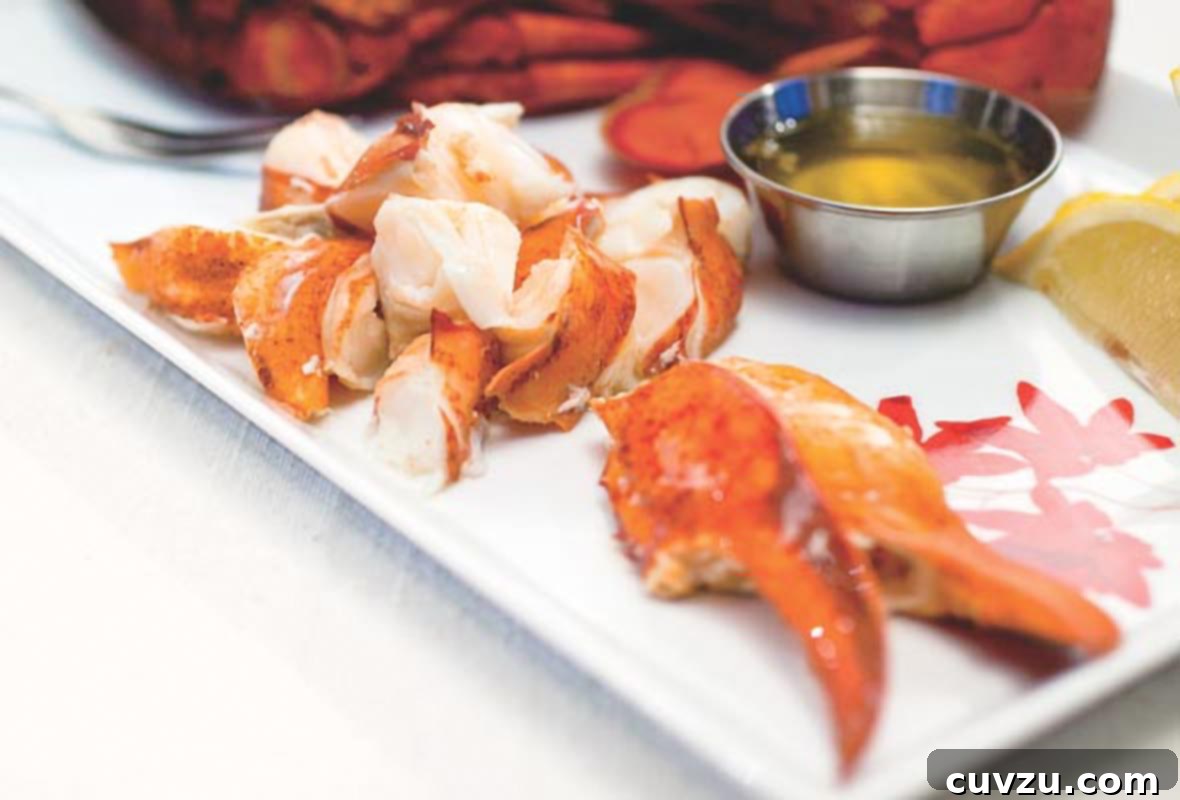
There are certain dishes that instantly evoke a sense of occasion, luxury, and pure culinary delight. Steamed lobster, with its vibrant red shell, delicate, sweet tail meat, succulent claw meat, and rich knuckles, undoubtedly holds a prized position among them. It’s a true highlight, cherished for its simplicity and exquisite flavor. But what truly elevates this classic from merely great to absolutely unforgettable is a subtle yet profound herbaceous twist in both the steaming liquid and the accompanying drawn butter. This isn’t just a meal; it’s an experience designed to be savored, making it perfect for an intimate dinner or a grand gathering.
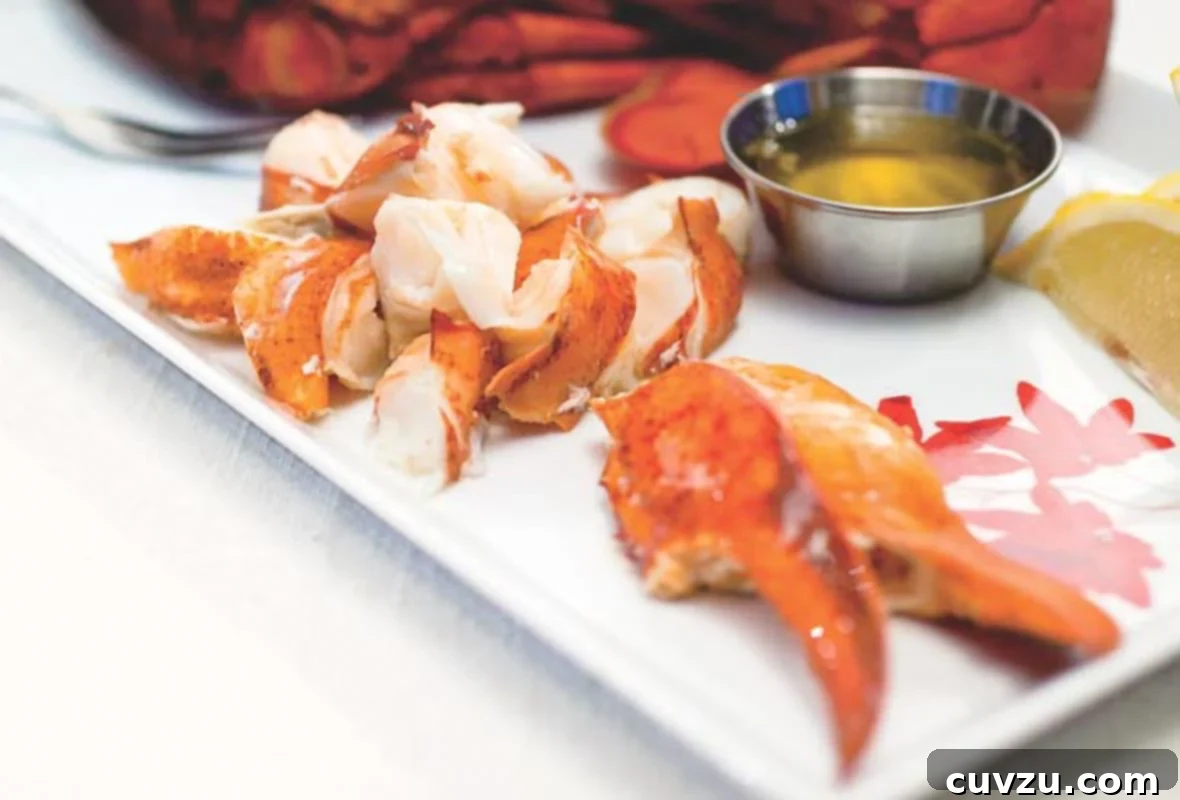
While preparing steamed lobster might seem like a daunting task reserved for professional chefs, it is, in fact, remarkably straightforward for home cooks. The beauty lies in its inherent simplicity, allowing the natural sweetness of the lobster to shine through. Yet, with the addition of a thoughtfully prepared herb-infused drawn butter (a refined term for clarified melted butter), the dish transforms. This simple enhancement imparts a lovely, aromatic lilt to the lobster, making it stunning enough for special company while remaining effortlessly achievable. This recipe, perfected by David Leite, promises to guide you through every step to culinary triumph.
Steamed Lobster with Herb-Infused Drawn Butter: Recipe Overview
This comprehensive recipe provides a detailed guide to creating the ultimate steamed lobster experience. From selecting the freshest crustaceans to perfecting the delicate drawn butter, every step is designed to ensure a memorable meal. The secret lies in the aromatic steaming bath and the fragrant herb butter, which work in harmony to complement the lobster’s natural flavors, offering a depth that goes beyond traditional preparations.
Steamed Lobster with Herb-Infused Drawn Butter
This recipe stands out by infusing both the steaming liquid and the drawn butter with fresh herbs and citrus, elevating the naturally sweet flavor of steamed lobster to an exquisite summer delicacy. Perfect for special occasions or a luxurious treat for any seafood lover.
Recipe by David Leite
PIN
Print Recipe
Ingredients
The success of this dish hinges on fresh, quality ingredients. Here’s what you’ll need to create this aromatic steamed lobster experience:
- For the Aromatic Steaming Liquid:
- 1 tablespoon kosher salt
- 1/2 bunch fresh thyme (about 6-8 sprigs)
- 4 bay leaves
- 4 lemons, plus additional wedges for serving
- Main Course:
- Four (2-pound) live lobsters
- For the Herb-Infused Drawn Butter:
- 2 sticks (1 cup) unsalted butter
- 1 tablespoon finely chopped fresh flat-leaf parsley leaves
- 1 tablespoon finely chopped fresh basil leaves
Instructions for the Perfect Steamed Lobster
-
Step 1: Prepare the Aromatic Steaming Liquid
Begin by filling a large steamer pot or a stockpot fitted with a steamer basket with approximately 2 inches of water. Into this water, add the kosher salt, fresh thyme sprigs, and bay leaves. Squeeze the juice of 1 lemon directly into the pot. For an even more pronounced lemon aroma and flavor in your steamed lobster, you can toss in the squeezed lemon halves as well. Bring this aromatic liquid to a rolling boil over high heat, ensuring it’s vigorously bubbling before proceeding to the next step. This fragrant base is crucial for infusing the lobster with delicate, complementary flavors as it steams.
-
Step 2: Steam the Lobsters to Perfection
Carefully place the live lobsters into the steamer basket, or directly into the pot if you don’t have a basket (though a basket is highly recommended for even cooking and easy removal). Ensure the lobsters are arranged so steam can circulate freely around them. Cover the pot tightly with a lid to trap all the steam. Steam the lobsters until their shells turn a bright, vibrant red and their tails curl tightly beneath them. For four 2-pound lobsters, this typically takes about 15 minutes. Cooking times may vary slightly based on the exact size of your lobsters; a general guideline is 8-10 minutes per pound for the first pound, then 3-5 minutes for each additional pound. Once cooked, use sturdy tongs to carefully remove the lobsters from the pot and let them drain briefly on a platter before serving.
-
Step 3: Craft the Herb-Infused Drawn Butter
While the lobsters are steaming, prepare your exquisite herb-infused drawn butter. In a small saucepan, gently melt the 2 sticks of unsalted butter over very low heat. The key here is patience; warm the butter slowly and gently to allow the milk solids to separate. As the butter melts, you’ll observe white milk solids beginning to cook and sink to the bottom of the pan. Keep a vigilant eye on this process, as these milk solids can easily scorch once they collect and settle. Once the butter has completely melted and the milk solids have clearly separated and settled at the bottom, carefully pour the clear, golden butter (the drawn butter or clarified butter) into a small serving dish, leaving the burnt or solid bits behind in the saucepan. If any stubborn solids remain, you can strain the drawn butter through a fine-mesh sieve or cheesecloth for ultimate clarity. Finally, squeeze the fresh juice of 2 lemons into the drawn butter and stir in the finely chopped fresh flat-leaf parsley and basil. This herbaceous, tangy butter is the perfect complement to the sweet lobster meat.
-
Step 4: Serve and Savor
Serve the freshly steamed lobsters immediately with generous portions of the herb-infused drawn butter for dipping. Don’t forget to include extra lemon wedges on the side for those who enjoy an additional citrusy zing. Provide specialized lobster crackers and seafood picks for your guests, allowing them to effortlessly extract every luscious piece of meat from the tail, claws, and knuckles. This meal is best enjoyed fresh and hot, making it an ideal centerpiece for any special occasion.
Why Steaming is the Best Method for Lobster
When it comes to cooking fresh lobster, steaming is frequently preferred over boiling for several excellent reasons, particularly when aiming for optimal flavor and texture. Firstly, steaming gently cooks the lobster in a moist heat environment, preserving its delicate flavor and succulent texture far better than boiling, which can sometimes leach out taste and lead to rubbery meat. The controlled, indirect heat ensures the protein cooks evenly, resulting in tender, moist meat every time.
Secondly, by employing an aromatic steaming liquid—as we do in this recipe with salt, thyme, bay leaves, and lemon—you subtly infuse the lobster with complementary flavors without overwhelming its natural sweetness. The steam acts as a carrier, transferring these fragrant notes directly into the lobster meat. Boiling, on the other hand, means the lobster is fully immersed in water, and while you can season the water, the infusion of other aromatics is less direct and impactful on the final product. Steaming is also generally considered a cleaner method, as the lobster is not sitting directly in its own juices and foamy cooking water, which contributes to a more appealing presentation upon removal from the pot. For a truly exquisite lobster experience that highlights the lobster’s natural qualities while adding an aromatic depth, steaming is undeniably the superior choice.
Selecting the Freshest Live Lobsters
The key to an unforgettable lobster meal begins long before you even fire up the stove: it starts with selecting the freshest live lobsters. Choosing prime specimens ensures the sweetest, most tender meat and contributes significantly to the success of your dish. Here are essential tips for selecting high-quality live lobsters:
- Buy Live and Active: Always purchase lobsters that are undeniably live and active. They should be feisty and responsive when handled. If a lobster seems sluggish, unresponsive, or its tail isn’t curling under its body when picked up, it’s best to avoid it. A healthy lobster will have a natural snap to its tail.
- Hard-Shell vs. Soft-Shell: Understand the difference. Hard-shell lobsters, typically caught between late spring and early summer, and again in the fall, have been growing into their shells for a while. They contain more meat per pound and tend to be firmer and sweeter, offering a more satisfying bite. Soft-shell lobsters, caught after molting in mid-summer, are easier to crack but contain more water and less meat, resulting in a slightly less dense texture. For a truly premium, meaty experience, hard-shell is usually preferred.
- Weight and Size: Aim for lobsters that feel heavy for their size, indicating they are full of meat. While “chicken” lobsters (1 to 1.5 pounds) are sweet and tender, “selects” (1.5 to 2.5 pounds) offer an excellent balance of flavor and meat yield, making them versatile for various preparations. Larger lobsters can sometimes have tougher meat, though this is less of an issue with gentle steaming. Our recipe calls for 2-pound lobsters, which is an ideal size for richness and tenderness.
- Source: Whenever possible, buy from reputable seafood markets or directly from fishermen who can vouch for the lobster’s freshness, sustainable practices, and origin. Ask questions about when and where they were caught.
- Proper Storage Before Cooking: Store live lobsters in the coolest part of your refrigerator, preferably in an open container (like a brown paper bag or a loosely covered box) that allows them to breathe. Do not store them in fresh water or directly on ice, as this can kill them by depriving them of oxygen or freshwater shock. They should be cooked within 24 hours of purchase for optimal freshness and flavor.
The Magic of Herb-Infused Drawn Butter
Drawn butter is already a beloved companion to lobster, but infusing it with fresh herbs and a bright squeeze of lemon takes it to an entirely new level of culinary sophistication. This simple yet profound addition transforms a classic dipping sauce into an aromatic elixir that perfectly complements the delicate sweetness of lobster.
- Why Clarify Butter? Clarifying butter is the process of gently melting butter to separate its milk solids from the pure butterfat. This results in a rich, golden liquid that is less prone to burning, has a higher smoke point, and boasts a cleaner, more intense butter flavor. This purified butterfat is the perfect, stable canvas for herbal infusions, as the absence of milk solids prevents the herbs from scorching. Removing these solids means you get pure, unadulterated butter flavor that doesn’t cloud the delicate taste of the lobster, providing a clearer, more elegant dipping sauce.
- The Herbaceous Touch: Fresh flat-leaf parsley and basil are chosen for their bright, aromatic qualities that perfectly complement the sweetness of lobster without overpowering it. Parsley offers a fresh, slightly peppery and verdant note, while basil adds a sweet, slightly anise-like aroma with a hint of pepper. The combination creates a balanced and invigorating flavor profile that enhances every bite. Always use fresh herbs for the best results; dried herbs will not provide the same vibrant flavor or aromatic complexity.
- Variations to Explore: Feel free to experiment with other herbs to customize your drawn butter. Tarragon, with its distinct licorice-like flavor, pairs exceptionally well with seafood and can offer a sophisticated twist. Chives can add a mild oniony zest and a beautiful green fleck, while a hint of fresh dill can bring a bright, fresh, almost grassy dimension. Consider a pinch of cayenne pepper for a subtle warmth if you enjoy a little heat.
- Adding Citrus: The squeeze of fresh lemon juice into the drawn butter is not just an afterthought; it’s a vital component. Lemon brightens the richness of the butter, cutting through its density and the inherent richness of the lobster. This acidity creates a harmonious balance that makes each bite irresistible and keeps the palate fresh. It also enhances the overall fresh seafood experience.
Expert Tips for a Flawless Lobster Feast
To ensure your steamed lobster dinner is nothing short of spectacular and stress-free, keep these expert tips in mind. They address common concerns and offer advice for achieving the best possible results:
- Don’t Overcrowd the Pot: This is a crucial rule for steaming any food, especially lobster. If you’re steaming multiple lobsters, ensure there’s ample space for the steam to circulate evenly around each one. If your pot is too small to accommodate all four 2-pound lobsters comfortably with good airflow, cook them in batches. Overcrowding can lead to uneven cooking, with some lobsters potentially undercooked or overcooked.
- Tightly Cover the Pot: A tight-fitting lid is absolutely crucial to trapping the steam effectively within the pot. Steam is the cooking medium here, and if it escapes, the cooking time will be longer, the temperature will be less consistent, and your lobsters may not cook thoroughly.
- Humane Preparation: The most humane way to cook a live lobster is a topic of debate, but rapid cooking is generally considered the kindest approach. While not for everyone, some prefer to quickly dispatch live lobsters before cooking. A common method involves quickly inserting a chef’s knife into the cross on the lobster’s head. However, many home cooks simply place them directly into the rapidly boiling aromatic steamer liquid. The rapid change in temperature is generally considered to result in instantaneous death.
- Check for Doneness: The most reliable indicator that your lobster is perfectly cooked is its bright, vibrant red shell. Additionally, the meat inside, particularly in the thickest part of the tail, should be opaque and firm. If the meat appears translucent or jelly-like, it needs more time.
- Essential Cracking Tools: Be prepared with the right equipment for your guests. Provide sturdy lobster crackers (nutcrackers work well) and slender seafood forks (or even small cocktail forks) to help extract all the delicious meat from the claws, knuckles, and smaller crevices. These tools make the eating experience much more enjoyable and efficient.
- Protect Your Table: Eating lobster can be a delightfully messy affair! To protect your dining surface from splatters and shells, lay down old newspapers, a disposable tablecloth, or large placemats. You might also consider providing finger bowls with warm lemon water for guests to clean their hands.
- Keep the Butter Warm: Serve the drawn butter in small individual ramekins. To keep the butter liquid and warm throughout the meal, you can set these ramekins over a larger bowl of warm water or use a small warming plate. Cold drawn butter loses its appeal.
Serving Suggestions and Wine Pairings
Steamed lobster with herb-infused drawn butter is a star on its own, a dish that commands attention. However, pairing it with the right accompaniments can elevate the entire meal into a truly unforgettable culinary event. Here are some ideas for both classic and elegant sides, along with perfect wine pairings:
- Classic Sides: For a traditional New England-style lobster feast, simple sides are often the best. Think roasted or grilled corn on the cob, perhaps brushed with a little extra drawn butter, or a fresh garden salad with a light vinaigrette. Roasted new potatoes with herbs, or a simple potato salad, also make excellent, satisfying complements that don’t compete with the lobster’s rich flavor.
- Elegant Additions: To create a more sophisticated presentation, consider serving a delicate lemon risotto, a light pasta tossed with olive oil, garlic, and cherry tomatoes, or perfectly steamed green beans or asparagus, lightly seasoned. These options add substance and refinement without overwhelming the delicate seafood.
- Artisan Bread: Crusty artisan bread or warm rolls are an absolute must. They are perfect for soaking up any leftover drawn butter—a delightful indulgence that no one should miss!
- Wine Pairings: For white wines, look for something crisp, dry, and unoaked that can cut through the richness of the butter and complement the inherent sweetness of the lobster. Unoaked Chardonnay (especially Chablis), Sauvignon Blanc, Pinot Grigio (Pinot Gris), or a dry Riesling are superb choices. Their acidity and minerality provide a beautiful counterpoint to the richness of the dish. If you prefer red wine, a very light-bodied Pinot Noir, served slightly chilled, can also work surprisingly well due to its delicate fruit and earthy notes.
Recipe Testers’ Insights
We believe in the power of real-world testing to refine and perfect our dishes. Our dedicated recipe testers provide invaluable feedback, offering perspectives from home kitchens. Here’s what they had to say about our Steamed Lobster with Herb-Infused Drawn Butter recipe, offering honest and helpful observations:
Linda Pacchiano
Linda Pacchiano notes that her family frequently enjoys steamed lobster, particularly during summer sales, and uses a similar preparation method. She observed that while the steaming liquid infused with herbs and lemon added a nice aromatic touch, its direct impact on the lobster meat itself was subtle, even when she added an extra lemon for a more emphatic flavor. However, she highly appreciated the clear and standard instructions provided for cracking the lobster, finding them very helpful for individuals who may be new to preparing this delicacy. Her experience suggests that while the aromatic steaming liquid contributes to the overall experience, the primary enhancement of this recipe lies more in the bright, fresh drawn butter and the comprehensive guidance offered.
Another Tester’s Experience
Another tester, a self-proclaimed shellfish enthusiast, eagerly looked forward to treating themselves to this gourmet meal. They opted to cook a single lobster but maintained the drawn butter ingredients at the full recipe amount, underscoring the perceived importance of the butter in their dining experience. They absolutely loved the drawn butter, praising its “wonderfully light and bright fresh taste,” which they attributed to the combination of two lemons and the fresh parsley and basil. Conversely, they found the lobster itself to be “a bit flat,” suggesting that without the exceptional herb-infused butter, the steamed lobster alone didn’t quite transport them to the shores of Maine. This feedback strongly emphasizes the critical role of the herb-infused drawn butter in elevating the overall dish and transforming it from good to truly exceptional.
These valuable reviews highlight the star power of the herb-infused drawn butter and confirm the foundational strength and appeal of the steaming method for lobster. While the aromatic steaming liquid provides a subtle backdrop of flavor, it’s the bright, fresh, and perfectly balanced drawn butter that truly makes this recipe shine as a culinary masterpiece.
Frequently Asked Questions (FAQs) About Steamed Lobster
To help you confidently prepare this exquisite dish, here are answers to some commonly asked questions about steaming lobster and preparing drawn butter:
- How do I know if my lobster is cooked perfectly?
- A perfectly cooked lobster will exhibit a vibrant, bright red shell. The most reliable indicator for doneness is the meat itself: it should be opaque and firm, especially in the thickest part of the tail. If the meat appears translucent or jelly-like, it requires additional cooking time. The tail will also be tightly curled under the body when done.
- Is it humane to cook a live lobster?
- The most humane way to cook a live lobster is a topic of ongoing discussion. Many chefs and home cooks believe that plunging a live lobster into rapidly boiling or steaming water is the quickest and most humane method, as it results in instantaneous death due to the rapid temperature change. Some individuals prefer to chill the lobster in the freezer for 15-20 minutes beforehand to stun it, or swiftly dispatch it with a chef’s knife inserted through the head. Whatever method you choose, prioritize quick and decisive action to minimize any potential suffering.
- Can I use frozen lobster for this recipe?
- While fresh, live lobster is always highly recommended for the best flavor and most tender texture, you can use frozen lobster tails as an alternative. Ensure they are completely thawed in the refrigerator overnight before proceeding with the steaming steps. Be aware that the texture of frozen lobster may not be as firm and succulent as that of a freshly cooked live lobster.
- What is the difference between drawn butter and regular melted butter?
- Melted butter is simply butter that has been heated until it turns liquid, retaining all its milk solids and water content. Drawn butter, also known as clarified butter, is butter that has been gently melted and slowly simmered to separate the milk solids from the pure butterfat. The milk solids are then carefully skimmed off or left behind, resulting in a clear, golden liquid that has a higher smoke point, a cleaner and more intense butter flavor, and is less likely to burn. This clarity makes it ideal for dipping delicate seafood like lobster.
- Can I prepare the drawn butter ahead of time?
- Yes, you can absolutely clarify the butter ahead of time. Once clarified, the pure butterfat can be stored in an airtight container in the refrigerator for up to two weeks, or even longer in the freezer. When you are ready to serve, gently reheat the clarified butter over low heat until liquid, and then stir in the fresh lemon juice and chopped herbs just before serving. This makes meal preparation smoother, especially when entertaining.

Adapted From
MasterChef Cookbook
Buy On Amazon
Nutrition Information (per serving)
Serving: 1 portion
Calories: 458 kcal
Carbohydrates: 6 g
Protein: 8 g
Fat: 46 g
Saturated Fat: 29 g
Monounsaturated Fat: 12 g
Trans Fat: 2 g
Cholesterol: 175 mg
Sodium: 186 mg
Fiber: 2 g
Sugar: 1 g
Nutrition information is automatically calculated and should only be used as an approximation. It is not a substitute for professional nutritional advice.
Tried this recipe?
Share your culinary creations with us on Instagram! Mention @leitesculinaria or tag #leitesculinaria to show off your delicious results!