Achieve Culinary Perfection: The Ultimate Guide to Pan-Roasted Mushrooms
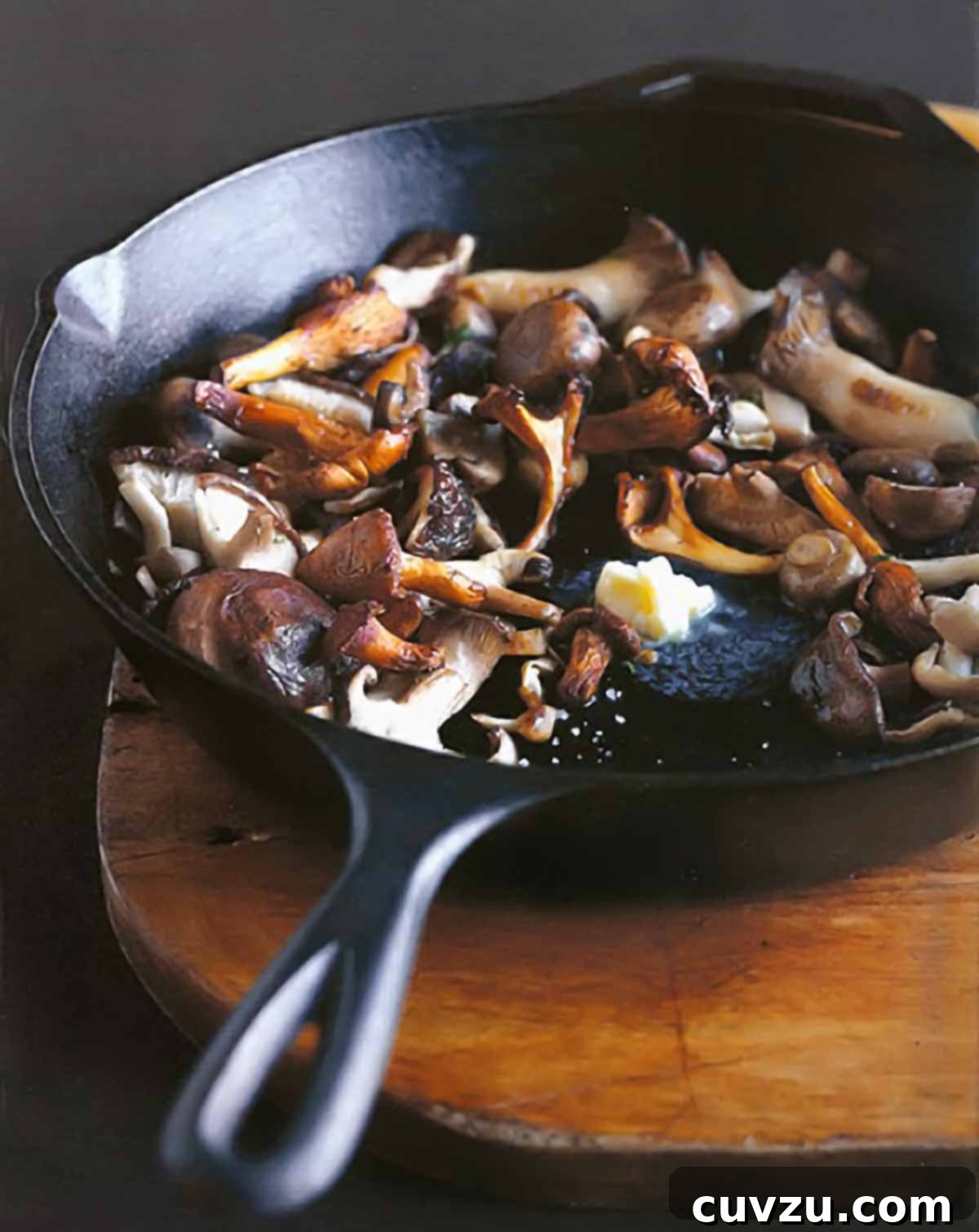
Forget soggy, lackluster mushrooms. This groundbreaking technique for **pan-roasted mushrooms** will transform your perception of this versatile ingredient. Our comprehensive tests have consistently shown that this method yields perfectly textured, delightfully crisp, and intensely flavorful mushrooms, imbued with rich, buttery, and herbal notes. What’s more, its simplicity belies the exceptional results it delivers, making it accessible to home cooks and seasoned chefs alike.
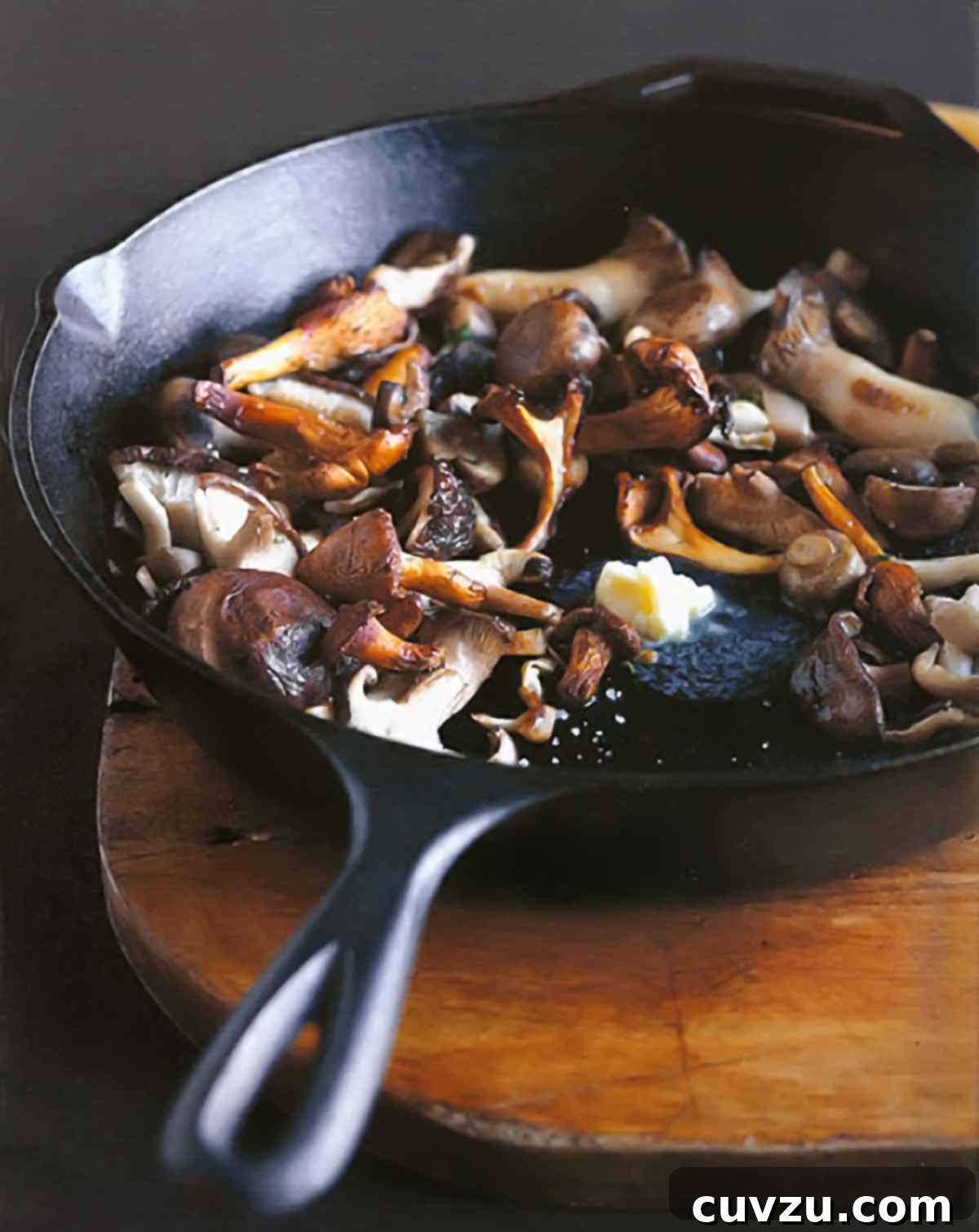
Mushrooms are predominantly water, a fact that often leads to culinary frustration. To achieve that coveted golden-brown crispness and unlock their deep umami flavors, it’s crucial to cook them over high heat for an adequate duration, allowing excess moisture to evaporate. A clever splash of water at the start of the cooking process might seem counterintuitive, but it’s a game-changer. This small addition prevents the mushrooms from burning prematurely, giving them time to release their natural, aromatic juices before truly browning. Undercooking mushrooms is a widespread error, resulting in rubbery, bland results. Our goal is to cook them until they are dark, deeply caramelized, and slightly crispy—a transformation that turns them into porous sponges, perfectly ready to soak up the luxurious flavors of butter and fresh herbs added during the final stages. This precise timing ensures a truly unforgettable mushroom experience.
– Jeff Crump and Bettina Schormann
The Science of Sizzle: Why This Technique Works
Understanding the science behind perfectly pan-roasted mushrooms is key to mastering this recipe. Mushrooms, by nature, contain a high percentage of water, often upwards of 90%. When cooked at insufficient temperatures or in an overcrowded pan, this moisture is released slowly, essentially steaming the mushrooms rather than browning them. The result is a grayish, rubbery texture that lacks the rich flavor we crave. Our method addresses this challenge head-on.
The initial high heat rapidly draws out the mushrooms’ moisture, allowing it to evaporate quickly. The small addition of water serves a dual purpose: it creates a humid environment initially that helps soften the mushrooms evenly and prevents them from charring before they’ve had a chance to fully release their liquids. As this added water, along with the mushrooms’ own moisture, evaporates, the temperature in the pan rises. This transition from a moist environment to a dry, hot one is critical for activating the Maillard reaction – the complex chemical process responsible for the browning and development of savory, umami flavors. Once the mushrooms are properly browned and have developed their characteristic crisp edges, they become porous, ready to absorb the rich, aromatic compounds from butter, shallots, garlic, and fresh herbs. This ensures every bite is bursting with flavor, not merely coated in it.
Choosing the Best Mushrooms for Roasting
While this technique works wonderfully with many mushroom varieties, the choice of mushroom can elevate your dish even further. The recipe specifically mentions an array of exquisite wild mushrooms, each bringing its own unique character:
- Chanterelle: Known for their delicate, fruity aroma and slightly peppery taste, chanterelles offer a beautiful golden hue and firm texture when roasted.
- Shiitake: These provide a robust, earthy, and umami-rich flavor, with a satisfying meaty texture. They hold up exceptionally well to pan-roasting.
- Oyster: With a mild, delicate flavor and tender texture, oyster mushrooms caramelize beautifully, developing slightly crispy edges.
- Trumpet (King Oyster): Their thick stems offer a substantial, steak-like texture and a mild, savory flavor that deepens wonderfully when roasted.
- Morel: Highly prized for their distinctive, earthy, and nutty flavor, morels have a unique honeycomb texture that becomes wonderfully chewy and flavorful.
While a mix of mushrooms can be visually appealing, the recipe suggests using a single variety for a more consistent texture and flavor profile, allowing the individual characteristics of your chosen mushroom to shine. However, don’t hesitate to experiment! For readily available options, cremini (baby bella) mushrooms are an excellent choice, offering a good balance of earthy flavor and firm texture, or even common white button mushrooms will benefit greatly from this roasting method.
Essential Equipment: The Cast Iron Skillet
The choice of cookware plays a pivotal role in the success of this pan-roasted mushroom recipe, and a cast-iron skillet is highly recommended. Cast iron excels at retaining and distributing heat evenly across its surface. This consistent, high heat is indispensable for achieving the rapid moisture evaporation and deep caramelization that prevents sogginess and develops intense flavor in the mushrooms. Unlike lighter pans, cast iron won’t experience significant temperature drops when cold mushrooms are added, ensuring uninterrupted browning. Its naturally non-stick properties, when properly seasoned, also facilitate easy turning and prevent sticking, contributing to those desirable crispy edges. If you don’t have cast iron, a heavy-bottomed stainless steel or carbon steel skillet will also work well, provided it can hold and conduct heat efficiently.
Pan-Roasted Mushrooms FAQs
The precise timing of salt addition is critical for this recipe’s success in achieving perfectly crisp, non-soggy mushrooms. Adding salt too early will draw out excessive moisture from the mushrooms prematurely, leading to a steaming effect rather than browning. Our technique carefully balances moisture release and evaporation. By adding the salt at the very end, once the mushrooms are beautifully golden and crisp, you avoid disrupting this delicate equilibrium and ensure maximum flavor absorption without compromising texture. Seasoning at the end also allows you to taste and adjust, ensuring perfect seasoning every time.
While this recipe uses a generous 8 cups of mushrooms, all cooked efficiently in a single large cast-iron skillet, increasing the quantity for more than four people requires a specific approach. Crowding mushrooms in a pan is the primary culprit behind steaming, not roasting. When the pan is too full, the moisture released by the mushrooms has nowhere to go but back into the pan, creating a soupy environment that prevents browning and crisping. For the best results when you need more mushrooms, the ideal solution is to cook them in separate batches using two different pans simultaneously. This ensures each batch has ample space, allowing the moisture to escape and the mushrooms to properly caramelize and crisp up. Since pan-roasted mushrooms are best enjoyed freshly cooked, preparing them in batches also guarantees optimal taste and texture for all servings.
Mushrooms are often quite porous and can absorb water if rinsed excessively. For most varieties, a gentle wipe with a damp cloth or a soft mushroom brush is sufficient to remove any dirt or debris. If your mushrooms are particularly dirty, a quick, light rinse under cool running water, followed immediately by thorough patting dry with a paper towel, is acceptable. The key is to ensure they are as dry as possible before hitting the hot pan to facilitate browning.
This recipe is optimized for fresh mushrooms due to their high water content and the specific method of moisture release. While you can rehydrate dried mushrooms and then cook them, the resulting texture and the initial moisture dynamic will be different. If using rehydrated dried mushrooms, ensure they are thoroughly drained and patted dry before adding them to the skillet. You might also need to adjust cooking times slightly as they will have less inherent water.
Pan-Roasted Mushrooms: The Crispy & Flavorful Method
Recipe by David Leite
Side Dish
American
4
servings
217
kcal
25
minutes
10
minutes
35
minutes
Ingredients
-
3
tablespoons
extra-virgin olive oil -
8
cups
sliced wild mushrooms,
such as chanterelle, shiitake, oyster, trumpet, or morel, preferably just a single variety and not a mix for best results -
2
tablespoons
water -
3 to 4
tablespoons
unsalted butter,
cut into small chunks -
2
tablespoons
minced shallots -
1
tablespoon
chopped thyme leaves -
1
tablespoon
chopped chives -
1
garlic clove,
minced - Salt and freshly cracked black pepper, to taste
Instructions
-
Prepare Your Skillet: To begin making these exquisite pan-roasted mushrooms, select your largest skillet, ideally a cast-iron one for superior heat retention. Place it over medium-high heat. Add the extra-virgin olive oil and allow it to heat for approximately 30 seconds. The oil should shimmer, indicating it’s ready.
-
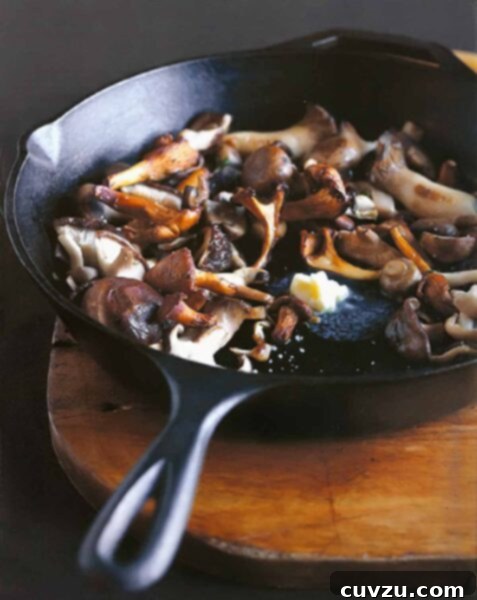
Cook the Mushrooms (The Unconventional Way): Carefully add the sliced mushrooms to the hot skillet, followed by the two tablespoons of water. Now for the crucial step: resist the urge to stir! For optimal caramelization and crispness, the mushrooms need undisturbed contact with the hot pan. You may stir just once or twice during the entire cooking process, if absolutely necessary, but prolonged stirring will hinder browning. Cook for about 8 to 12 minutes, depending on the mushroom variety and thickness of slices, until the edges are wonderfully crisp and the mushrooms are deeply golden brown. This initial stage allows the water to evaporate, creating steam that cooks the mushrooms through, followed by intense dry heat that brings about glorious browning.
-
Finish with Flavor: Once the mushrooms have reached their desired crispness and color, remove the skillet from the heat. Immediately stir in the chunks of unsalted butter, minced shallots, chopped thyme leaves, fresh chives, and minced garlic. Toss everything gently but thoroughly until the butter has completely melted and the aromatics are evenly distributed. The residual heat from the cast-iron skillet will gently cook the shallots and garlic, infusing the mushrooms with their incredible flavors without burning them.
-
Season and Serve: Finally, season the pan-roasted mushrooms generously to taste with salt and freshly cracked black pepper. Serve immediately as a spectacular side dish, a savory topping, or incorporate them into your favorite recipes. Enjoy the rich, buttery, and herbaceous goodness!
Adapted From
Earth to Table
Buy On Amazon
Nutrition
Serving:
1
portion
Calories:
217
kcal
Carbohydrates:
8
g
Protein:
6
g
Fat:
20
g
Saturated Fat:
7
g
Monounsaturated Fat:
10
g
Trans Fat:
1
g
Cholesterol:
23
mg
Sodium:
12
mg
Fiber:
2
g
Sugar:
4
g
Nutrition information is automatically calculated, so should only be used as an approximation.
Tried this recipe?
Mention @leitesculinaria or tag #leitesculinaria! We love seeing your creations!
Recipe Testers’ Reviews: Real Experiences, Perfect Results
Our unique pan-roasting method for mushrooms has been rigorously tested by a panel of home cooks and culinary enthusiasts. Their feedback consistently highlights the surprising effectiveness of this unconventional technique in delivering superior results. Here’s a summary of their experiences and insights:
Bette Fraser
Bette Fraser, using wild-foraged chanterelle mushrooms, initially expressed skepticism about the “no-stirring” rule. However, she was delighted to find that the final product was “perfectly roasted mushrooms.” She enthusiastically stated, “I can’t wait to make them again,” confirming the technique’s success even with delicate wild varieties.
Jackie Gorman
Jackie Gorman experimented with a selection of organic tree oysters, king trumpets, and pioppinis, utilizing a cast-iron skillet. Like Bette, she was surprised by the instruction to add water to mushrooms. “I had never added water with mushrooms when cooking them, but I’ll be trying that again,” she noted, impressed by how quickly the mushrooms began to caramelize. Jackie made a slight adjustment by adding the herbs, shallots, garlic, and butter a little earlier than suggested, aiming to mellow their raw flavors. Her resulting mushrooms were described as “very golden, moist, and yet a bit crispy, and really delicious,” solidifying this method as a keeper in her culinary repertoire.
Lydia Brimage
Lydia Brimage found that her mushrooms began to caramelize well within the 8-minute mark. She suggested a single stir and slightly longer cooking time for more even caramelization, demonstrating the adaptability of the method to individual preferences and stove variations. While she enjoyed the flavor of 4 tablespoons of butter, she observed a “small puddle of butter on the plate,” suggesting that a touch less might be preferred for some. She confirmed that both the garlic and shallot were perfectly mellow, not raw, in the finished dish, validating the off-heat flavoring step.
Ellen Fuss
Ellen Fuss used baby Bella mushrooms and admitted the technique—adding water, not stirring, and late flavoring—felt “counterintuitive.” Despite her initial reservations, she used her enameled cast-iron skillet and followed the steps, adjusting her mushroom quantity to 12 ounces and slightly reducing water and flavorings to her taste. In just 10 minutes, she achieved “the most delicious roasted mushrooms with caramelized edges.” Ellen particularly praised how the residual heat of the cast iron mellowed the garlic and shallots, creating a harmonious blend with the thyme and chives. Using less butter and only stirring twice, she proclaimed the end product “fantastic,” even using it as a filling for farm-fresh eggs. She confidently recommended it as a “fabulous side dish for any meat, fish, or chicken,” underscoring its versatility.
Serving Suggestions and Variations
Once you master this perfect pan-roasted mushroom technique, the culinary possibilities are endless. These flavorful and crispy mushrooms are more than just a side dish; they can elevate a variety of meals. Serve them alongside a perfectly seared steak, grilled chicken, or pan-fried fish for an elegant touch. They make an exceptional accompaniment to creamy polenta, mashed potatoes, or risotto. For a hearty breakfast or brunch, follow Ellen Fuss’s lead and fold them into an omelet or scramble, or pile them high on crusty toast with a dollop of ricotta. They also shine as a delicious topping for pizzas, flatbreads, or even in a gourmet burger. Don’t hesitate to experiment with different fresh herbs like parsley, rosemary, or marjoram, or add a pinch of red pepper flakes for a subtle kick. A squeeze of lemon juice or a drizzle of balsamic glaze just before serving can add a bright, acidic finish.
Conclusion: The Secret to Unforgettable Mushrooms
This method for pan-roasted mushrooms defies conventional wisdom to deliver an unparalleled culinary experience. By understanding the unique properties of mushrooms and applying precise heat and moisture management, you can transform a humble ingredient into a crispy, deeply flavorful masterpiece. Say goodbye to soggy mushrooms forever and embrace this simple yet revolutionary technique that promises buttery, herbal perfection with every bite. Give it a try, and prepare to be amazed by the depth of flavor and texture you can achieve.