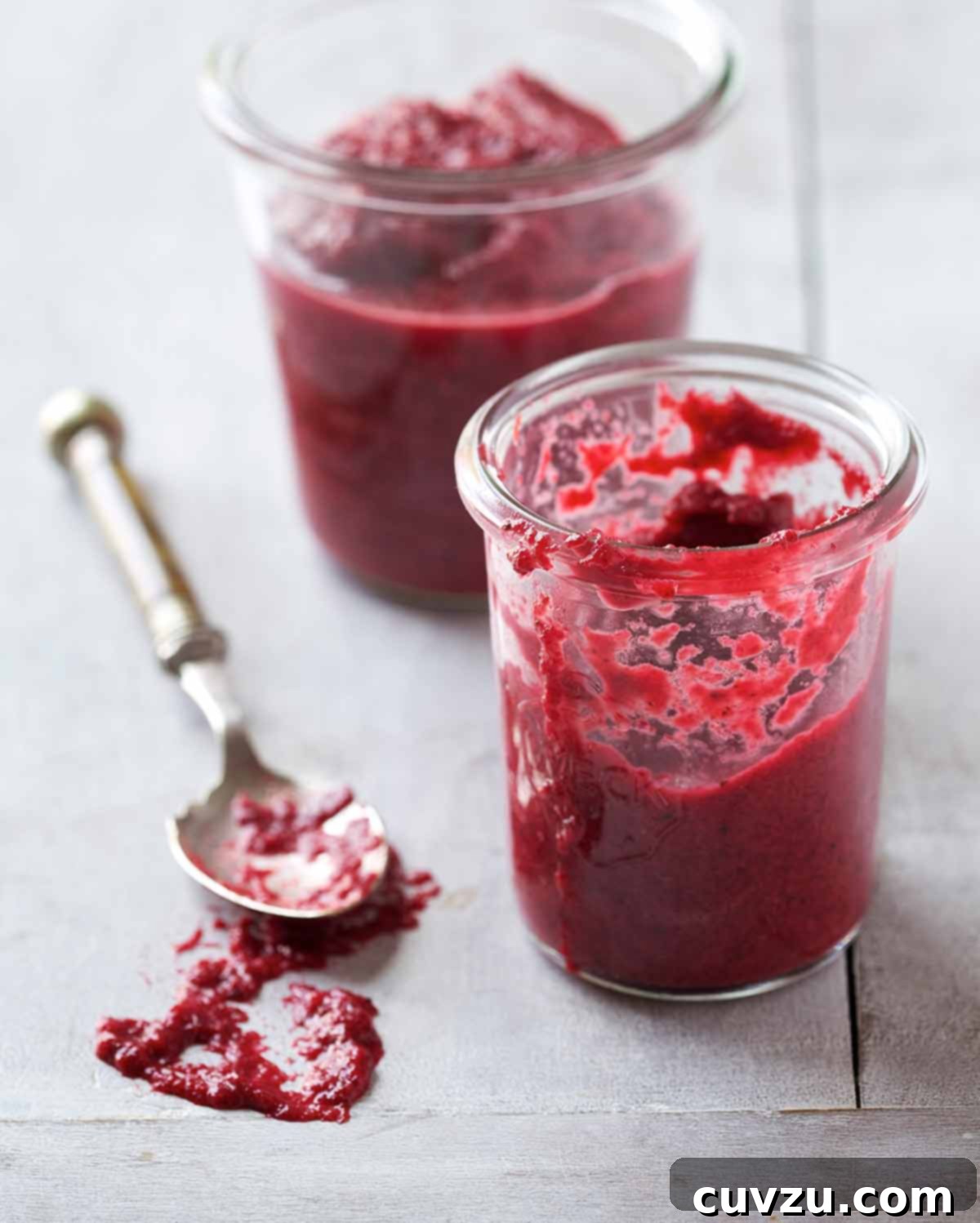
Homemade Chrain: The Ultimate Beet and Horseradish Condiment
Discover the vibrant world of **homemade chrain**, a truly transformative condiment that elevates any meal. This simple yet potent beet and horseradish relish is an indispensable companion for traditional dishes like gefilte fish, rich meats such as brisket, or anything that could use a bold, zesty kick. Forget bland, store-bought versions; crafting your own chrain at home is a revelation, promising unparalleled freshness and a customizable spice level that will forever change your perception of this classic relish.
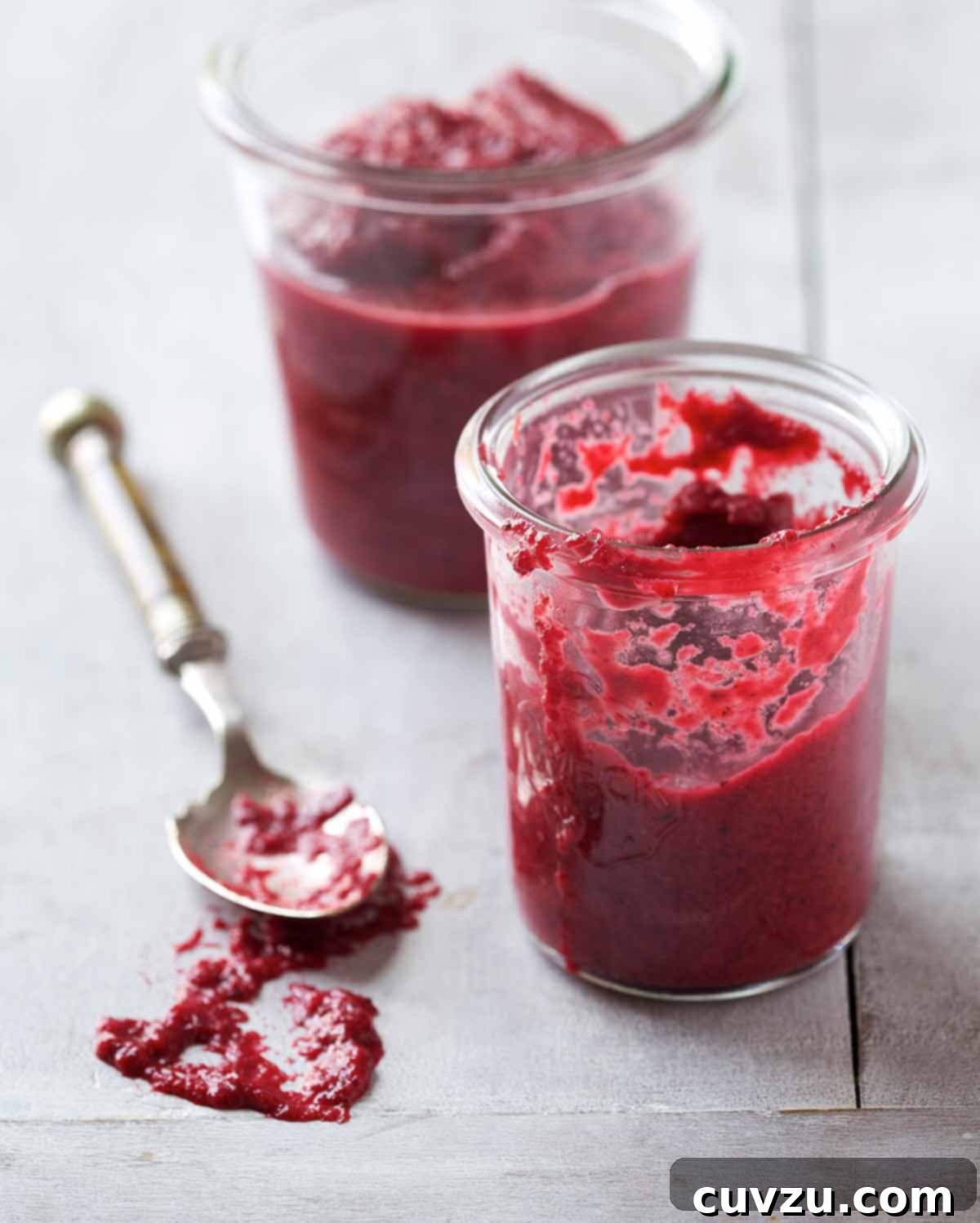
Making chrain from scratch, especially with the help of a food processor, is surprisingly easy and yields truly glorious results. Many who try it vow never to buy it again, enchanted by its intense flavor and stunning color. Whether you’re preparing for Passover, Easter, or simply seeking to add an exciting new dimension to your everyday cooking, this recipe, originally shared by Ruth Joseph and Simon Round, offers a perfect starting point. Feel free to double or triple the quantities if you wish to have plenty on hand, as it’s a condiment you’ll find yourself reaching for again and again.
Chrain: Frequently Asked Questions
Chrain, often pronounced ‘khrain,’ is a celebrated, unforgettable condiment with deep roots in Eastern European Jewish and Slavic culinary traditions. It’s a staple on holiday tables, particularly during Passover and, in many regions, Easter. At its heart, chrain is a pungent relish typically made from horseradish root and beets, blended with vinegar, oil, salt, and often a touch of sugar and garlic. Its vibrant magenta hue and bracing robustness make it a perfect complement to rich, savory dishes.
The flavor profile of chrain is a captivating dance between spicy, earthy, and tangy notes. Depending on the precise proportions chosen by the cook, its characteristics can range from a primarily beet-forward relish with a subtle horseradish kick to a clear-the-sinuses horseradish paste with just a hint of pink from the beets. The beauty of homemade chrain lies in this versatility; you can easily tweak and taste as you go, adjusting the ingredients to suit your personal preference for heat and sweetness.
While store-bought chrain is readily available, the difference in quality and flavor when you make it yourself is truly astounding. As one enthusiastic recipe tester, Sema Stein, eloquently put it: “Although a veteran chrain user, this was the first time I have made it myself. The result was delicious with a serious bite to it. I must say, it is the best chrain I have ever had.” This sentiment is widely echoed, highlighting that the freshness and intensity of homemade chrain simply cannot be matched by commercial alternatives. The process of making it yourself ensures you get a condiment free from unwanted preservatives and artificial flavors, delivering a truly authentic and powerful taste experience. Tasting, it seems, is indeed believing when it comes to homemade chrain.
While this recipe may not yield an enormous batch of chrain, it’s quite possible you’ll have some delightful leftovers. Proper storage is key to preserving its potent flavor and vibrant color. Your best initial bet is to transfer the freshly made chrain into an airtight container and store it in the refrigerator. When stored correctly, it should maintain its quality and intense flavor for approximately one week, making it a fantastic make-ahead condiment for any occasion.
For longer-term preservation, you can absolutely freeze chrain. However, it’s important to be aware that freezing may cause a slight reduction in its characteristic pungency. The horseradish might lose some of its initial fiery kick, though the overall flavor profile will still be excellent. If you opt for the freezer option, we recommend a smart technique for convenient portioning: spoon your chrain into an ice cube tray. Once frozen solid, pop the individual chrain-sicles into an airtight Ziploc-type freezer bag or a rigid freezer-safe container. This method allows you to easily retrieve small portions as needed, minimizing waste and ensuring you always have a vibrant, spicy accompaniment at the ready. When you’re ready to use it again, simply thaw the desired amount in the refrigerator.
Homemade Chrain: A Classic Beet & Horseradish Relish
David Leite
- PIN
Ingredients
USMetric
- 3 medium beets, unpeeled but thoroughly scrubbed
- One (1- by 3-inch) piece fresh horseradish, peeled and roughly chopped, or more to taste (may substitute prepared horseradish to taste)
- 2 tablespoons cider vinegar (or substitute balsamic vinegar for a richer, slightly sweeter profile)
- 1 tablespoon olive oil
- 1 1/2 to 2 teaspoons salt (start with less and adjust to preference)
- 1 to 1 1/2 teaspoons granulated sugar (adjust for desired sweetness and to balance heat)
- 1 garlic clove, peeled (optional, adds an aromatic depth)
Instructions
-
Prepare the Beets: Begin by placing the whole, unpeeled, but meticulously scrubbed beets into a large saucepan. Add enough cold water to generously cover the beets. Bring the water to a rolling boil over medium-high heat, then reduce the heat to a simmer and cook until the beets are fork-tender. This process typically takes about 30 to 45 minutes, depending on the size and freshness of your beets. Cooking them unpeeled helps retain their vibrant color and earthy flavor.
-
Cool and Peel the Beets: Once tender, carefully drain the hot water from the saucepan. Immediately rinse the cooked beets under cold running water. Continue rinsing until they are cool enough to comfortably handle with your bare hands. At this point, the skins should slip off quite easily with just your fingertips, revealing the intensely colored flesh beneath. For a cleaner process and to avoid staining your hands, consider wearing rubber gloves while peeling. After peeling, coarsely chop the beets. You should end up with approximately 4 cups of chopped beets, though a slight variation is perfectly acceptable.
-
Process the Chrain: Transfer the chopped beets into a food processor. Add the peeled and roughly chopped fresh horseradish (or prepared horseradish if substituting), cider vinegar, olive oil, salt, and granulated sugar. If using, add the optional garlic clove. Secure the lid and process the mixture until it reaches your desired consistency. Some prefer a coarser, more rustic texture with visible flecks of horseradish, while others opt for a smoother, paste-like relish. Be cautious when opening the food processor, as the pungent aroma of fresh horseradish can be quite strong and momentarily overwhelming.Taste and Adjust: Begin with the smaller amounts of salt and sugar specified in the recipe. After processing for a minute or two, stop, taste a small amount of the chrain, and adjust the seasonings as needed. If you desire more heat, add a bit more horseradish. For additional sweetness, increase the sugar. If it tastes a little flat, a pinch more salt or a splash more vinegar can work wonders. Continue processing briefly after each adjustment until you achieve your perfect balance of flavors.Store: Once satisfied with the taste and texture, transfer the homemade chrain to an airtight container. Cover tightly and refrigerate for at least an hour before serving to allow the flavors to meld. This chrain will keep beautifully in the refrigerator for up to 1 week. For longer storage, refer to the freezing instructions in the FAQs above.

Adapted From
Jewish Traditional Cooking
Buy On Amazon
Explore More with AI
Nutrition
Nutrition information is automatically calculated, so should only be used as an approximation. Actual nutritional values may vary based on ingredients and preparation methods.
Recipe Testers’ Reviews: Real Feedback on Homemade Chrain
Our dedicated team of recipe testers put this Homemade Chrain recipe through its paces, offering valuable insights into its preparation and flavor. Their experiences highlight the remarkable difference homemade makes and provide helpful tips for achieving your perfect condiment.
Sema Stein
As a seasoned chrain enthusiast, this was my inaugural attempt at making it myself, and the outcome was nothing short of delicious, boasting a truly serious bite. I can confidently say it’s the finest chrain I’ve ever tasted, completely surpassing store-bought varieties. I found the final texture to be a beet paste, beautifully speckled with very small chips of white horseradish. Despite processing for what felt like an extended period, I couldn’t achieve a completely smooth horseradish paste, opting to stop to prevent the beets from becoming too mushy. This ensured the chrain would stand up well against the gefilte fish it was destined to accompany. I used cider vinegar, and for my palate, an adjustment to 1 1/2 teaspoons of sugar and 1 1/2 teaspoons of salt created the ideal balance. I chose to omit the garlic, which worked perfectly for my preference.
Connie Lewis
The visual appeal of this homemade chrain alone is enough to declare it a winner – its vibrant color is truly magnificent. Beyond aesthetics, this condiment is incredibly effective at clearing the sinuses, delivering a potent, invigorating experience. While intensely flavorful, it’s best enjoyed in small, measured doses to fully appreciate its delicious punch.
Eydie Desser
The flavor of this chrain is undeniably good, but I noticed a significant difference in consistency compared to the jarred, beet-colored horseradish I’m accustomed to. I encountered an issue with the recipe’s ratio for my personal taste: it called for 3 medium-sized beets and a 1-by-3-inch piece of horseradish. I found this to be too much beet relative to the horseradish, even though the proportions still produced a very spicy result. The quantity of beet I used contributed to a more gelatinous texture in the chrain, diverging from the grainier horseradish consistency I typically expect. Other recipes I’ve encountered often suggest a higher ratio of horseradish to beet for a more intense kick. Nevertheless, the overall flavor was excellent, particularly with the cider vinegar which imparted just the right tang. I found no need for sugar, especially if a truly spicy condiment is your goal rather than a sweeter one.
Sita Krishnaswamy
This homemade chrain recipe is commendably easy and boasts a multitude of versatile applications. What begins as a humble dip can effortlessly transform into a robust condiment for various dishes, be stirred into flavorful soups or hearty stews, or even blended into hummus for an extra kick. It’s also delightful simply eaten on its own with fresh pita or naan bread. Due to availability, I used approximately 2 tablespoons of prepared horseradish as fresh horseradish was not accessible. Personally, I plan to experiment with adding a little more horseradish and a refreshing splash of lemon juice the next time I prepare this recipe, aiming for an even more pronounced flavor profile.
Ellen Fuss
I’ve always purchased red horseradish to serve alongside gefilte fish, never having considered making it from scratch until I discovered this recipe. Armed with a wonderfully fresh and aromatic horseradish root from the greenmarket, I embarked on this culinary adventure. Following some helpful comments from fellow testers, I decided to use a larger piece of horseradish, roughly 4 inches long, to ensure a pronounced heat. I ultimately settled on about 2 teaspoons of salt and 1 1/2 teaspoons of sugar, along with cider vinegar, and chose to omit the garlic for a purer flavor. The homemade chrain was utterly delicious and intensely hot, with the beets contributing a lovely sweetness and a magnificent, deep red color. I prepared it two days before Passover and stored it in a glass jar in the refrigerator, experiencing no significant loss of its vibrant flavor. In fact, even a week later, my remaining chrain retained its delightful heat and taste. It proved to be a perfect addition to my Passover table and an exceptional accompaniment to gefilte fish. Beyond the holiday, it was also fantastic with matzoh and even added a wonderful zing to chicken salad.
A crucial element for success is undoubtedly a fresh, flavorful horseradish root. The one I sourced from the greenmarket was vastly superior to those typically available at my local supermarket. Furthermore, exercising caution when opening the food processor after blending is essential, as the fumes from the horseradish can be quite overwhelming. Lastly, when working with beets, I always cut them on a stack of newsprint to protect my cutting boards from stains and wear rubber gloves to prevent my hands from being colored by their intense pigment. These small tips ensure a smooth and enjoyable chrain-making experience.