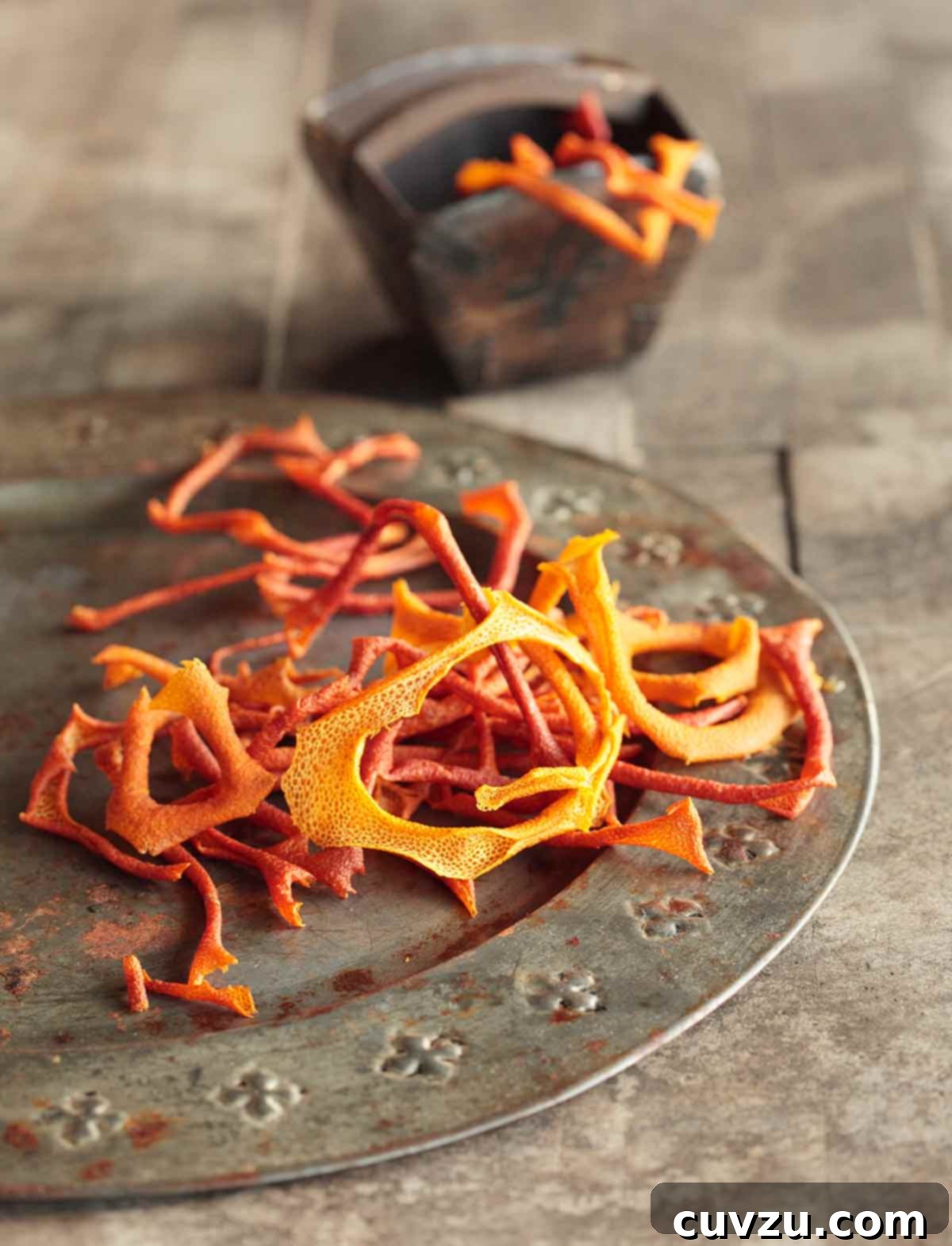
The Timeless Art of Making Dried Orange Peel: A Guide to Flavorful Citrus Preservation
Unlocking the full potential of your citrus fruits is a surprisingly simple yet incredibly rewarding endeavor. Mastering the art of making dried orange peel is an often-overlooked skill that grants you an abundant supply of dehydrated citrus zest, ready to elevate an extensive array of culinary creations. Whether used whole or finely ground, this versatile ingredient adds a sophisticated touch to everything from invigorating teas and vibrant cocktails to rich sauces, aromatic rubs, and elegant garnishes. It’s a practice that marries old-world frugality with modern gastronomic flair, ensuring that no part of your precious fruit goes to waste.
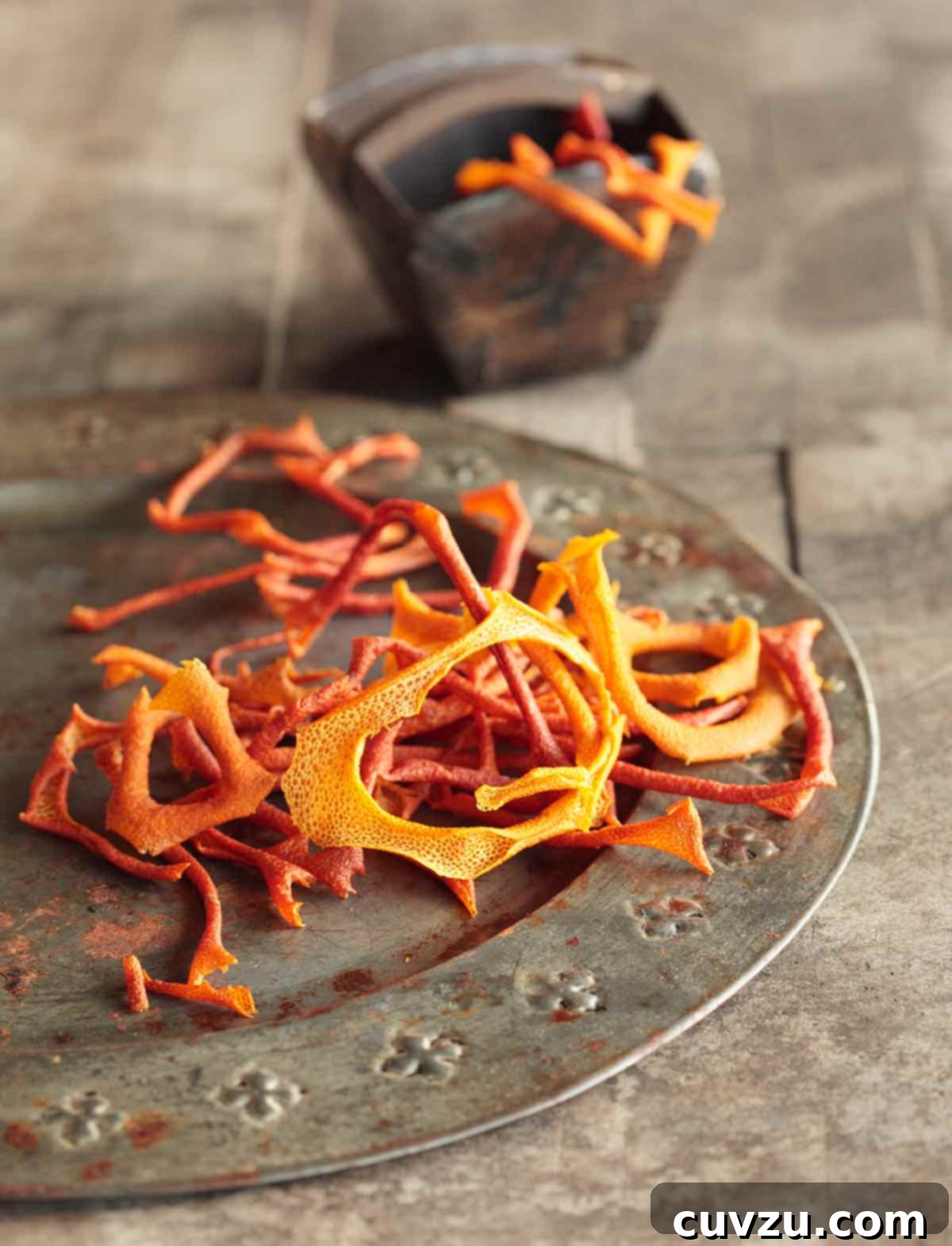
As David Leite aptly puts it, learning how to make dried orange peel embodies admirable traits: it’s both old-fashioned and remarkably frugal. Yet, the profound impact it has on cooking and baking is anything but quaint; it imparts a restaurant-worthy depth and brightness that can transform everyday dishes into extraordinary experiences. The beauty of this process lies in its simplicity. By merely allowing strips of orange peel to air dry at room temperature, you can create a bountiful stash of this potent ingredient. Keep dried orange or lemon peel readily available, and you’ll find yourself reaching for it constantly, adding a burst of concentrated citrus essence to your daily culinary adventures.
Why Embrace the Power of Dried Citrus Peel and Slices?
Beyond its undeniable charm, incorporating dried citrus into your kitchen offers a multitude of benefits. It’s a fantastic step towards a zero-waste kitchen, transforming what might otherwise be discarded into a valuable ingredient. Environmentally conscious cooks will appreciate the sustainable aspect, while budget-savvy individuals will love how it stretches their grocery dollar. But perhaps most importantly, dried citrus delivers an intensified flavor profile. The drying process concentrates the essential oils in the peel, resulting in a more potent, aromatic, and less acidic citrus kick compared to fresh zest. This makes it an invaluable tool for adding depth and complexity to both sweet and savory dishes.
The Simple Magic of Air-Drying Orange Peel for Zest
Making dried orange peel (or any citrus zest) is an exercise in patience and minimal effort, yielding maximum reward. This method focuses on drying the outer rind, making it perfect for grinding into a powder or using as small, aromatic flakes.
Ingredients:
- Mandarins or oranges, preferably organic (or substitute lemons, limes, or grapefruits for variety)
- A clean wire rack for optimal airflow
Instructions for Air-Dried Peel:
- Prepare the Citrus: Begin by thoroughly scrubbing your chosen citrus fruit under running water. It’s crucial to remove any surface dirt, wax, or pesticides, especially since you’ll be using the peel. Pat the fruit completely dry with a clean cloth.
- Peel with Precision: Using a sharp vegetable peeler, carefully remove the rind in strips. The key here is to be mindful and remove as little of the underlying white pith as possible. The pith, the spongy white layer beneath the colorful zest, contains bitter compounds that can detract from the desired flavor. Aim for thin strips of vibrant orange zest.
- Arrange for Drying: Once peeled, arrange the strips of citrus rind in a single layer on a clean wire rack. The wire rack is essential as it allows air to circulate around all sides of the peel, promoting even drying and preventing mold growth.
- Patiently Air Dry: Place the wire rack in a cool, dry room with good air circulation. Then, simply forget about them for a while! The drying time can vary significantly depending on the humidity in your environment and the thickness of your peel strips. It typically takes a couple of days, or sometimes even longer, for the peel to become completely dry and brittle to the touch. They should snap easily when bent, indicating all moisture has evaporated.
- Storage: Once the citrus peel is thoroughly dry, store the strips in an airtight jar or another resealable container. Keep the container in a cool, dark place, away from direct sunlight or heat, to maintain their potency and prevent degradation. Stored properly, these dried peels will retain their flavor and aroma for up to 12 months.
Originally published February 3, 2016.
Beyond Zest: How to Make Elegant Oven-Dried Citrus Slices
While air-drying is ideal for zest, making beautiful dried citrus slices (think lemon, orange, grapefruit, or lime) requires a slightly different approach, often utilizing the gentle heat of an oven. These slices are perfect for garnishing, infusing, or even decorative purposes.
Instructions for Oven-Dried Slices:
- Slice the Fruit: Prepare your citrus fruit by washing and drying it thoroughly. Using a very sharp knife, cut the fruit into slices no thicker than 1/4 inch. Consistency in thickness is key for even drying.
- Prepare Baking Sheets: Line baking sheets with parchment paper. This prevents sticking and makes cleanup easier.
- Low and Slow Baking: Place the citrus slices in a single layer on the prepared baking sheets. Transfer them to an oven preheated to its absolute lowest temperature setting. If your oven has a fan, turn it on to aid in moisture removal. Crucially, leave the oven door slightly ajar (a wooden spoon works well for this) to allow humidity to escape.
- Flip and Continue Drying: After about 2 hours, carefully flip the slices. Continue cooking, flipping the slices every 2 hours, until there is no visible moisture left, and the slices are dry to the touch, yet still slightly pliable. This process can take anywhere from 4 to 9 hours, varying dramatically based on the thickness of your slices and the specific temperature of your oven.
- Cooling and Storage: Once the slices are sufficiently dry, turn off the oven and let them cool completely inside the oven with the door still slightly ajar. This allows them to crisp up further as they cool. Store the cooled, dried citrus slices in an airtight jar in a cool, dark place for up to 12 months.
How to Make Dried Orange Peel – The Versatile Zest
Recipe by Meredith Kirton & Mandy Sinclair
Condiments
American
1 serving
2 kcal
5 minutes
3 days (for air drying)
Ingredients
- Mandarins or oranges, preferably organic (or substitute lemons, limes, grapefruit for different flavors).
- Wire rack, for drying.
Instructions for Dried Orange Peel
-
Scrub the citrus thoroughly and pat it dry. Using a vegetable peeler, carefully remove the rind in strips. Be meticulous to remove as little of the bitter white pith as possible, focusing only on the vibrant, aromatic outer layer.
-
Place the delicate strips of citrus rind in a single layer on a wire rack. This setup ensures maximum air circulation. Position the rack in a cool room with good airflow and let them dry naturally. This process may take a few days or even longer, depending on environmental humidity, until the peels are completely dry and brittle to the touch.
-
Once the citrus peel is perfectly dry, transfer the strips to an airtight jar or another resealable container. Store it in a cool, dark place, away from light and heat. These dried peels will retain their intense flavor for up to 12 months, ready to be used whole or ground as needed.
Adapted From
The Produce Companion
Buy On Amazon
Nutrition
Calories: 2 kcal
Carbohydrates: 1 g
Protein: 0.03 g
Sodium: 0.1 mg
Fiber: 0.2 g
Nutrition information is automatically calculated, so should only be used as an approximation.
Tried this recipe?
Mention @leitesculinaria or tag #leitesculinaria!
Creative Uses for Your Dried Citrus Peel and Slices
Once you have a stash of homemade dried citrus, the possibilities are virtually endless. Here are some inspiring ways to incorporate them into your culinary repertoire and beyond:
- Flavorful Teas and Infusions: Add a few pieces of dried orange peel to your black, green, or herbal teas for a subtle, aromatic citrus note.
- Sophisticated Cocktails: Use dried orange slices as an elegant garnish for cocktails, or infuse liquor (like gin or vodka) with dried peels for a unique homemade spirit. You can also grind the peel into a fine powder and use it to rim glasses for a zesty touch.
- Baking Brilliance: Finely ground dried orange peel can be added to cookie dough, cake batters, muffins, or even glazes for a concentrated citrus flavor. It pairs wonderfully with chocolate, vanilla, and various spices.
- Savory Enhancer: Don’t limit yourself to sweets! Dried citrus peel adds brightness to savory dishes. Use it in marinades for chicken or fish, blend it into spice rubs for roasted meats, or simmer it in stews, broths, and sauces for an underlying depth of flavor. Melissa Maedgen, one of our recipe testers, highlights how throwing dried peels into stocks adds a “bright, vibrant zing.”
- Homemade Seasoning Blends: Pulverize dried orange peel in a spice grinder and combine it with other seasonings like salt, pepper, garlic powder, and herbs to create a custom citrus-based seasoning salt or rub.
- Aromatic Potpourri: Beyond the kitchen, dried citrus slices and peels make a beautiful and fragrant addition to homemade potpourri, infusing your home with a natural, refreshing scent.
- Natural Decor: Dried orange slices can be strung together to create charming garlands, used as festive ornaments, or added to rustic centerpieces for a touch of natural beauty.
Tips for Success and Troubleshooting Your Dried Citrus
While the process is straightforward, a few pointers can ensure your dried citrus turns out perfectly every time:
- Choose Organic: Whenever possible, opt for organic citrus fruits. This minimizes your exposure to pesticides and waxes, which can be concentrated in the peel.
- Avoid Pith: The white pith is bitter. Be as meticulous as possible when peeling to get only the colorful zest. For slices, a thin layer of pith is unavoidable but won’t be as noticeable as with thick pieces of peel.
- Ensure Airflow: A wire rack is crucial for air drying. If you don’t have one, you can place peels on a clean, dry paper towel, but be sure to flip them frequently to prevent moisture buildup and potential mold.
- Humidity is the Enemy: High humidity will significantly prolong drying time and increase the risk of mold. Choose the driest spot in your house for air drying.
- Check for Dryness: The most important step for long-term storage is ensuring the citrus is completely dry. If there’s any pliability or moisture, they won’t store well and could mold.
- Consider a Dehydrator: While not necessary for peels (as Melissa Maedgen notes, they dry nicely at room temperature), a food dehydrator offers the most consistent and often fastest method for drying both peels and slices, especially if you live in a humid climate.
Recipe Testers’ Reviews
Anya L.
I ventured into drying citrus slices using oranges and tangerines. My oven’s lowest setting was 170°F, which worked perfectly. I’ve since put the dried orange peel to excellent use in various ways: adding it to tea for a fragrant boost, enhancing the flavor of a hearty stew, and even incorporating it into a seafood soup for an extra layer of zest. It’s truly a versatile ingredient!
Melissa Maedgen
There’s absolutely no longer an excuse for letting any citrus fruit—be it lemon, lime, orange, grapefruit, satsuma, citron, or clementine—harden into an unusable rock on your counter. If you’ve used the juice but have no immediate plans for the zest, go ahead and peel it as described here and allow it to air dry. I’ve often done this unintentionally after making cocktails, and the results are always great. But it’s certainly worth doing intentionally as well!
You can toss these dried orange peels into stocks, where they’ll infuse a wonderfully bright and vibrant zing. Beyond stocks, consider pulverizing them in a spice grinder. Once finely ground, they can be blended with other seasonings to create a unique citrus-based seasoning salt or a flavorful rub for meats. While a dehydrator can speed up the process, the inherent beauty of citrus peels is that it’s truly not necessary; they dry beautifully at room temperature without any risk of molding.
I also experimented with drying lemon slices in the oven. My oven’s lowest temperature is 180°F, and at this setting, the lemon slices were perfectly dried in about 2 1/2 hours, with one flip midway through. These oven-dried slices are also a delightful addition to soups or stocks and provide an excellent way to utilize excess citrus before it becomes too firm to slice effectively.
Conclusion: The Undervalued Gem of Dried Citrus
The practice of making dried orange peel, whether air-dried zest or oven-dried slices, is a testament to the enduring value of traditional food preservation techniques. It’s a skill that empowers you to reduce food waste, save money, and, most importantly, enrich your cooking with an intense burst of concentrated citrus flavor. From the simplest cup of tea to the most elaborate gourmet meal, a small piece of dried orange peel can make a significant difference, adding brightness, aroma, and a touch of sophistication. So, the next time you enjoy a juicy orange, remember that its peel holds an incredible potential just waiting to be unleashed. Embrace this easy, frugal, and flavorful habit, and transform your kitchen into a haven of citrus-infused culinary delights.