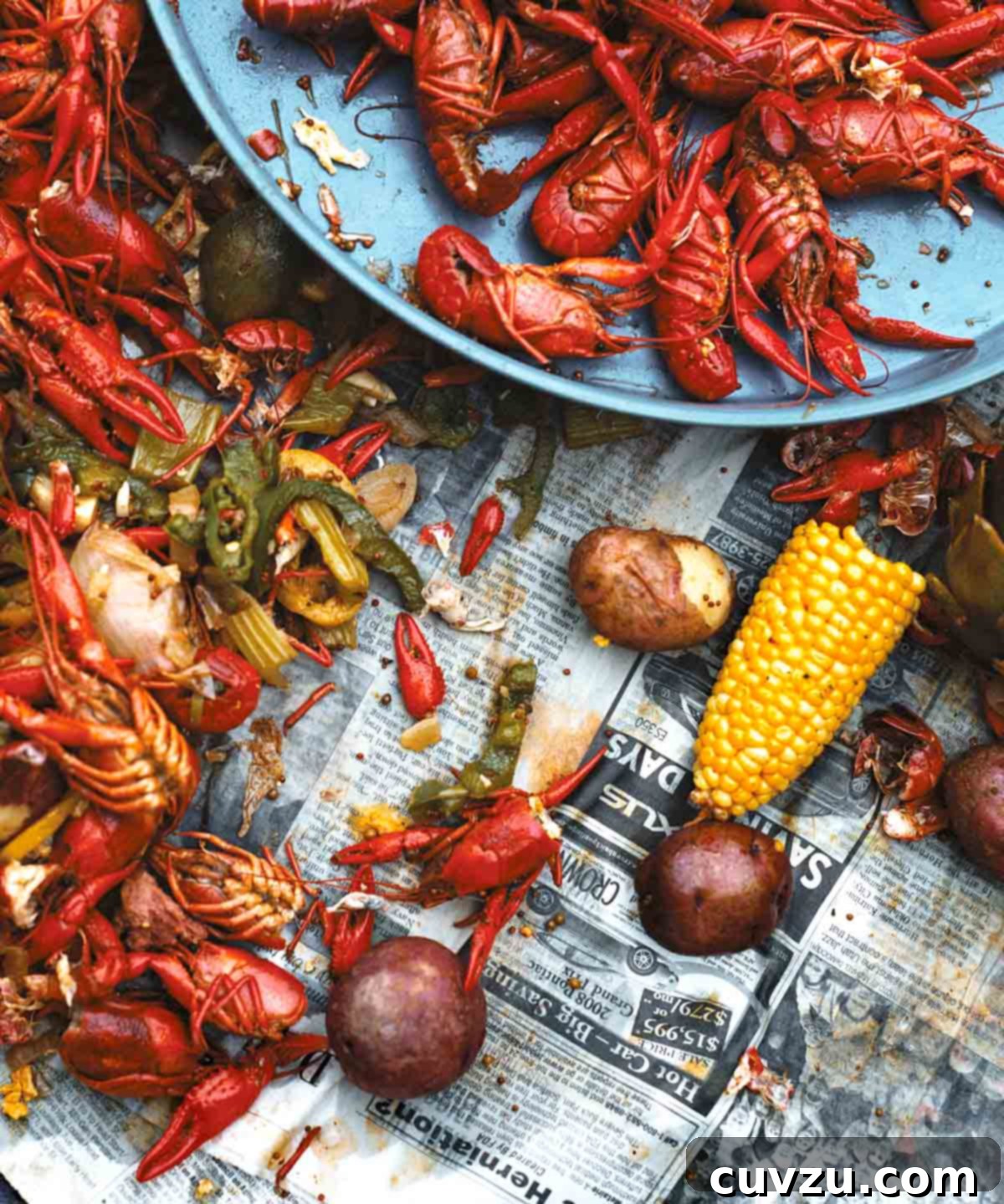
Authentic Louisiana Crawfish Boil: Your Ultimate Guide to a Southern Classic
Dive into the heart of Southern tradition with our best recipe for a Louisiana-style crawfish boil. This vibrant, flavorful dish is not just a meal; it’s a memorable event, perfect for gathering friends and family in your backyard for an unforgettable party experience. Prepare to get your hands delightfully messy as you savor every spicy, savory bite of this beloved classic.
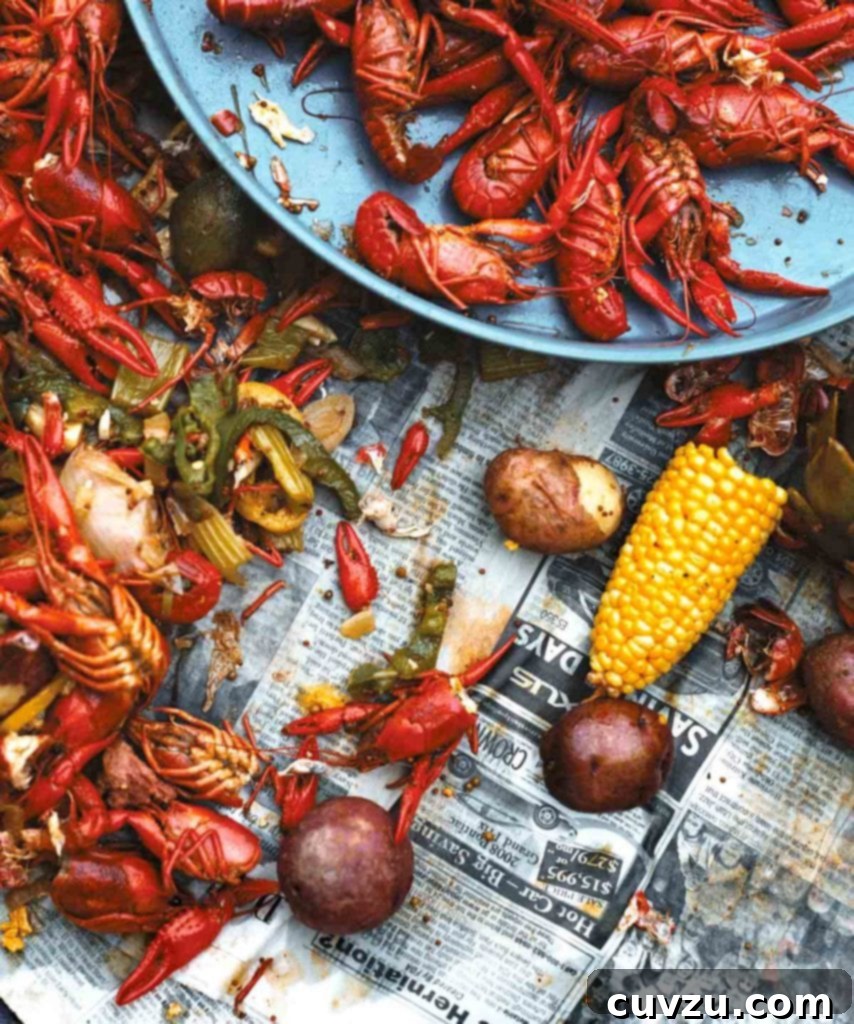
A true crawfish boil transcends the definition of a simple meal; it’s a cherished social event, a vibrant celebration of culture, flavor, and camaraderie. This recipe, inspired by the rich culinary traditions of Louisiana, provides a straightforward path to recreating this festive experience in your own home. It’s designed for those moments when you have ample time to enjoy the process and a crowd of enthusiastic friends ready to share in the delicious bounty.
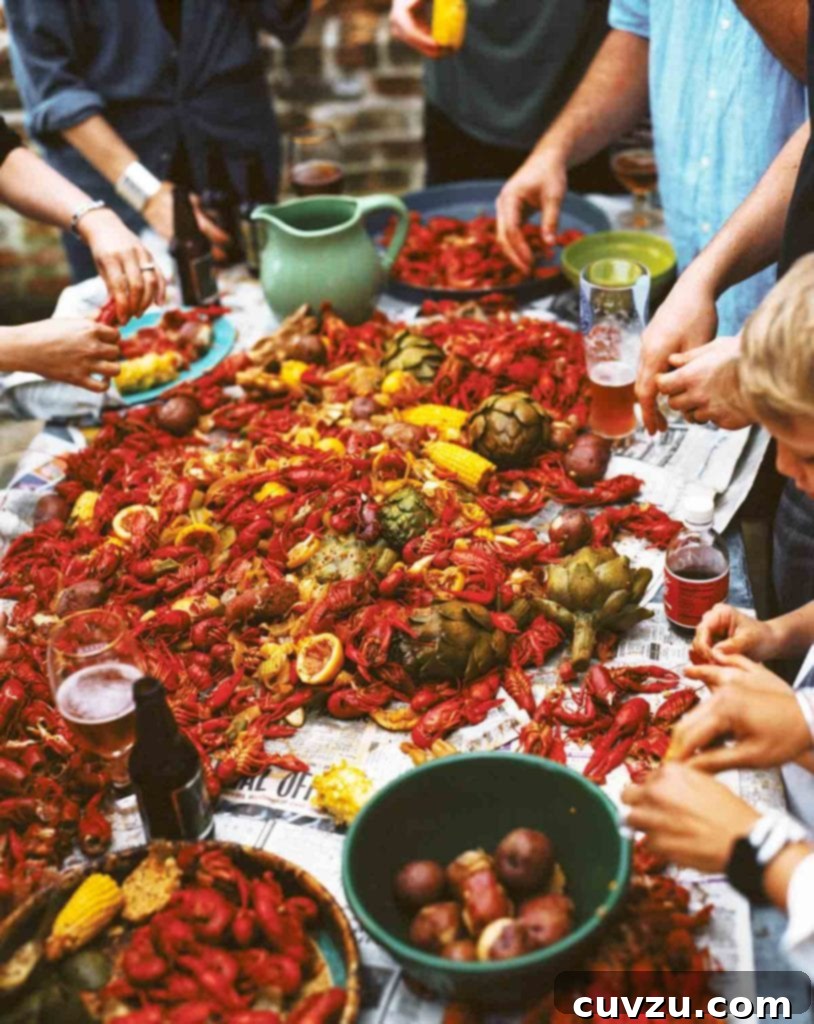
Traditionally, hosting a crawfish boil involves a wonderful communal aspect: guests often assist in peeling any uneaten crawfish. This thoughtful gesture allows the hosts to collect the succulent tail meat, which can then be transformed into other incredible Cajun and Creole dishes, such as rich étouffées, fresh salads, or savory pies. The beauty of a crawfish boil is its versatility; you can easily prepare it indoors on your stove for a cozier setting, or take the party outside by using a sturdy grill or a powerful propane-fueled burner, embracing the true spirit of an outdoor Southern feast.
The Rich History and Tradition of the Crawfish Boil
The crawfish boil is more than just a culinary tradition; it’s a cornerstone of Louisiana and Southern culture, deeply rooted in community and celebration. Originating from indigenous cooking methods, the practice of boiling local seafood with spices evolved significantly with European, particularly French and Spanish, influences. Crawfish, abundant in the bayous and swamps of Louisiana, became a staple, especially during their peak season from late winter through early summer.
These communal feasts symbolize the spirit of the South – hospitality, good food, and shared joy. Historically, they were modest affairs, utilizing whatever spices and vegetables were at hand. Over generations, the art of the boil became refined, with specific spice blends, preparation techniques, and accompanying elements becoming characteristic of the “Louisiana style.” It’s a testament to resilience and resourcefulness, transforming a humble freshwater crustacean into a culinary icon. Every boil tells a story, bringing people together around a steaming table, fostering connections that run as deep as the bayou itself.
Crawfish Boil Frequently Asked Questions (FAQs)
How much crawfish do I need for a boil?
Determining the right amount of crawfish is crucial for a successful boil. While Chef Besh’s recipe calls for 20 pounds of crawfish, a general guideline in Louisiana is to allow for approximately 5 pounds per person. This generous allowance ensures that even the most voracious eaters, often referred to as “mudbug” enthusiasts, will have plenty to peel and enjoy. However, this specific recipe cleverly balances the crawfish quantity with a plethora of other satisfying ingredients—such as tender potatoes, sweet corn, savory sausage, and even unique additions like artichokes. This comprehensive mix means that 20 pounds of crawfish can comfortably satisfy a group of eight, ensuring everyone leaves feeling full and happy without an excessive amount of seafood.
What’s the best way to eat crawfish?
Eating crawfish is undoubtedly a hands-on affair, an experience that is as much about the ritual as it is about the taste. If you’re new to the art of peeling these slippery little suckers, don’t worry—it’s a skill that comes with a little practice. The classic technique involves a “snap and twist” motion: first, grasp the head firmly in one hand and the tail in the other. Then, with a gentle yet decisive snap, twist the tail from the head. Next, peel away the first few segments of the shell from the widest part of the tail, revealing the delicious, pinkish meat. Some seasoned eaters also recommend sucking the flavorful juices from the head before discarding it! Prepare for the delicious mess by having an ample supply of paper towels—perhaps even several rolls—and a stash of Wet-Naps on hand. You’ll thank yourself later for being prepared!
What is crawfish season?
Crawfish season in Louisiana typically runs from late winter through early summer. While some crawfish can be found year-round, the peak season, when they are most abundant, largest, and most flavorful, is usually from March to May. This is the ideal time to host a crawfish boil, as fresh, live crawfish are readily available and at their best.
Can I use frozen crawfish for a boil?
Absolutely! While fresh, live crawfish are the traditional choice and often preferred for their texture and flavor, high-quality frozen whole shell-on crawfish can be an excellent alternative, especially if you’re outside of peak season or geographical areas where live crawfish are scarce. Just be sure to thaw them properly and adjust cooking times as indicated in the recipe to avoid overcooking. Many recipes, including this one, account for both fresh and frozen options, making crawfish boils accessible to more people.

Louisiana Backyard Crawfish Boil
David Leite
Mains
Southern
8
servings
1088
kcal
25
45
1
10
Equipment You’ll Need
-
A very large stockpot (at least 15-20 gallons for this recipe, or multiple smaller pots)
-
A large colander or strainer basket
-
Propane burner (for outdoor cooking) or a sturdy stovetop
-
Stirring spoon or paddle
-
Newspaper for serving
Ingredients for Your Crawfish Boil
- 2 cups kosher salt
- One packet Zatarain’s Crab Boil spices or 2 1/2 tablespoons Old Bay Seasoning, homemade or store-bought (adjust to taste for desired spice level)
- 5 lemons, halved crosswise (for flavor and acidity)
- 3 tablespoons cayenne pepper
- 5 whole heads garlic, halved crosswise (don’t peel, just cut)
- 5 small onions, halved (peeled)
- 3 stalks celery, cut into large pieces (optional, adds aromatic depth)
- 3 green bell peppers, seeded and diced (optional, for sweetness and color)
- 1/4 cup canola oil
- 3 pounds smoked sausage, cut into 4-inch (10-cm) pieces (andouille or kielbasa work well)
- 20 small red bliss potatoes, scrubbed clean (retain skin for texture)
- 8 ears corn, shucked and halved (for sweetness)
- 8 whole artichokes, untrimmed (optional, adds unique flavor and texture)
- 20 pounds whole shell-on crawfish, (fresh or frozen, or already boiled). If fresh, rinse thoroughly with cold water. If frozen, ensure they are defrosted.
- 1 pound button mushrooms, stems removed, caps halved if large (optional, soak up delicious flavors)
Step-by-Step Instructions
-
To begin your magnificent boil, fill a very large pot (at least 15-20 gallons, or use 2-3 smaller pots if necessary, distributing ingredients evenly) with approximately 10 gallons of water. Ensure there’s ample space for all the flavorful ingredients to be submerged. Bring this water to a rolling boil. Once boiling, add the kosher salt, your chosen boiling spices (Zatarain’s or Old Bay), halved lemons, cayenne pepper, halved garlic heads, peeled and halved onions, and the optional celery and bell peppers. Finally, pour in the canola oil. Reduce the heat and allow this aromatic mixture to gently simmer for 10 minutes, allowing the spices and aromatics to fully infuse the water, creating your rich boil liquid.
-
Next, introduce the more substantial ingredients to the pot. Add the smoked sausage pieces, red bliss potatoes, halved corn ears, and the optional whole artichokes. Continue to simmer this mixture for another 15 minutes. This duration allows these denser ingredients to begin cooking through and absorb the incredible flavors from the spiced broth.
-
If using fresh crawfish: Carefully add the rinsed fresh crawfish to the pot, along with the optional button mushrooms. Cover the pot and simmer for approximately 10 minutes. After 10 minutes, turn off the heat and let the crawfish soak in the hot liquid for an additional 15-20 minutes. This crucial soaking time allows the crawfish to fully absorb the spicy flavors and ensures they are perfectly cooked without becoming tough.
If using frozen or already boiled crawfish: Add the defrosted frozen crawfish or pre-boiled crawfish to the pot, along with the optional button mushrooms. Cover and simmer for 15 to 20 minutes. Since these crawfish are already cooked, this step is primarily about heating them through and infusing them with the boil flavors. Monitor closely to avoid overcooking.
-
Once everything is cooked and has had sufficient time to soak, it’s time for the grand reveal! Carefully strain all the contents from the boiling liquid. A large colander or the basket insert of your stockpot will make this process much easier, allowing you to separate all the delicious crawfish, vegetables, and sausage from the liquid. Traditionally, the strained contents are then unceremoniously dumped directly onto a picnic table covered generously with newspaper (preferably the Times-Picayune, for that authentic New Orleans touch!). Gather your friends, grab a cold Abita Amber beer (or your beverage of choice), and feast!
Tips for Hosting the Ultimate Crawfish Boil Party
A crawfish boil is more than just a meal; it’s an experience. To make your party truly spectacular, consider these hosting tips:
- Preparation is Key: Set up your serving area with plenty of newspaper beforehand. Have buckets or large trash cans readily available for discarded shells.
- Provide Plenty of Refreshments: The spices in a boil can build up a thirst! Keep coolers stocked with cold beer (like an Abita Amber, a classic Louisiana pairing), sweet tea, lemonade, and plenty of water.
- Offer Side Accompaniments: While the boil itself is a complete meal, a simple side of crusty French bread for soaking up the juices, or a refreshing green salad can be a welcome addition.
- Encourage Hand-Washing: Place hand-washing stations or plenty of wet wipes around the eating area.
- Embrace the Mess: Part of the fun is getting messy! Don’t shy away from it; encourage everyone to dive in.
- Music and Ambiance: Set the mood with some upbeat Cajun or Zydeco music. String up some festive lights for an evening boil.
Creative Ways to Enjoy Your Leftover Crawfish
Should you be so lucky as to have any crawfish left, their succulent tails are a treasure trove for future culinary delights:
- Classic Étouffée: The most iconic use for leftover crawfish tails. Sauté the meat with the Holy Trinity (onion, celery, bell pepper), a rich roux, and seasonings for a hearty, flavorful stew served over rice.
- Crawfish Salad: Lighten things up by tossing peeled crawfish tails with mayonnaise, celery, herbs, and a touch of lemon juice for a refreshing salad sandwich filling or a topping for crackers.
- Crawfish Pies: Incorporate the tail meat into savory pastry pies. Combine with a creamy, seasoned filling and bake until golden brown for a delightful appetizer or light meal.
- Crawfish Pasta: Add peeled crawfish to a creamy pasta sauce with garlic, Parmesan, and a hint of Cajun spice for a quick and satisfying dinner.
- Crawfish Omelets or Scrambles: Start your day with a taste of Louisiana by folding crawfish tails into your morning eggs.
Nutrition Information
Serving: 1 portion
Calories: 1088 kcal
Carbohydrates: 94 g
Protein: 57 g
Fat: 56 g
Saturated Fat: 17 g
Monounsaturated Fat: 26 g
Trans Fat: 1 g
Cholesterol: 307 mg
Sodium: 1815 mg
Fiber: 13 g
Sugar: 12 g
Nutrition information is automatically calculated, so should only be used as an approximation.
Tried this recipe?
Mention @leitesculinaria or tag #leitesculinaria!
Recipe Testers’ Reviews
Our dedicated team of recipe testers put this Louisiana Crawfish Boil recipe to the test, offering their insights and experiences. Their feedback ensures that you, too, can achieve a delicious and authentic result.
Lori Widmeyer
Having prepared “frogmore stew” (which this recipe refers to as “crawfish boil”) for many years, I was genuinely excited to try a fresh approach. It was clear from the first bite that this recipe was crafted by a true New Orleans chef; it packed a significantly spicier punch than my usual version, which I absolutely adored for its added depth of flavor.
All the core ingredients remained consistent, although we opted for shrimp instead of crawfish for our boil. I did adjust the quantity of shrimp, using much less per person than the recipe suggested for crawfish, as 20 pounds for eight people seemed quite substantial for shrimp. Given that I was using shrimp, I also reduced the cooking time; they were perfectly done after about 6 minutes, at which point I turned off the heat. Despite the tweaks, this remains one of my all-time favorite meals. For our next boil, I might slightly reduce the cayenne for some of our guests, though my parents and husband thoroughly enjoyed the intense spice level.
Linda Pacchiano
This crawfish boil delivers a wonderfully fun and utterly satisfying culinary experience. The careful blend of seasonings and aromatics came together flawlessly, creating a broth that was both complex and harmonious. I decided to halve all the ingredients since I was only cooking for four people. Instead of the 20 pounds of crawfish, I used 1 1/2 pounds of shrimp, which maintained an excellent proportion to the other halved ingredients. I largely adhered to the cooking steps and timings outlined in the recipe, and the results were perfect.
In keeping with the recipe’s New Orleans origins, attributed to Chef John Besh, I used andouille sausage. Its inherent heat provided just the right amount of zing to make the dish exciting without being overwhelming. I utilized a 12-quart stockpot, which, while a bit generous for my reduced quantity of ingredients, worked well for cooking the boil directly on my stovetop. I included all the listed ingredients except for the optional artichokes and mushrooms. For an added touch of visual appeal and flavor, I also incorporated a diced red bell pepper alongside the green pepper, which truly enhanced the dish’s vibrant color palette.