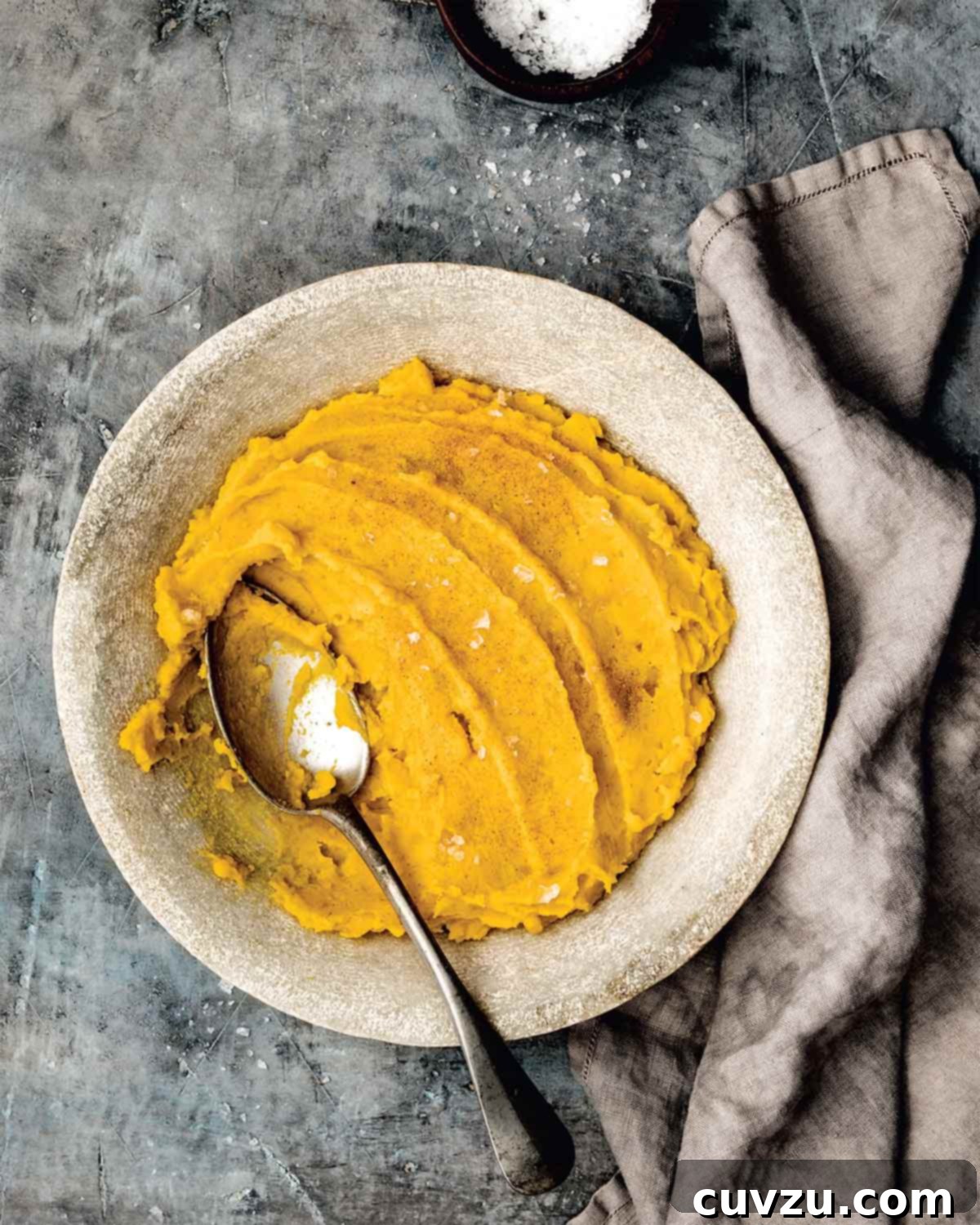
This mashed kabocha squash is an exceptionally easy and incredibly versatile vegan dish. Crafted with wholesome non-dairy milk, aromatic cinnamon, and naturally sweetened with coconut sugar, it presents a delightful balance of flavors and a wonderfully creamy texture. It’s a dish so universally appealing that it feels perfectly at home whether served as a comforting side at dinner or as a hearty, healthy start to your day.
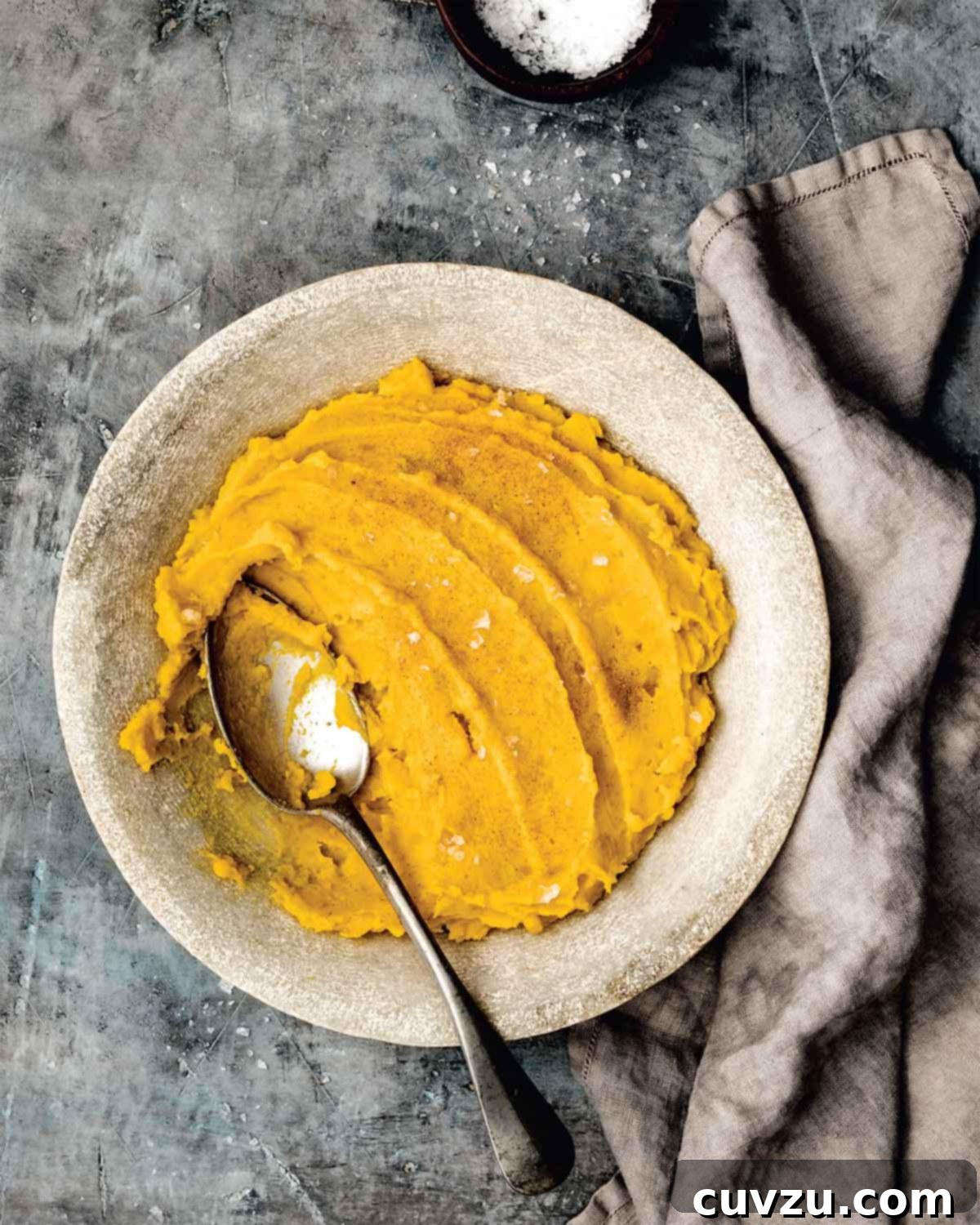
In the culinary world, sometimes the simplest preparations yield the most profound flavors. Kabocha squash, affectionately known as Japanese pumpkin, embodies this principle beautifully. Its naturally sweet, earthy essence and notably lower water content compared to many other winter squashes make it a prime candidate for uncomplicated cooking methods like oven-roasting. This recipe, inspired by renowned chef Bryant Terry, celebrates kabocha by roasting it to perfection before mashing it into a velvety consistency. Infused with the warm notes of coconut palm sugar and cinnamon, and enriched with oat milk for ultimate creaminess, this dish is a testament to the idea that doing less can indeed be more. While it frequently graces our dinner table as a cherished side, its wholesome goodness also makes it a fantastic option for a nutritious breakfast, offering a sweet and satisfying start to any morning.
The Magic of Kabocha Squash: A Deeper Dive
If you’re new to the world of kabocha squash, prepare to be enchanted. This delightful Japanese squash is easily recognizable by its squat, round shape and thin, dark green rind. Beyond its charming appearance, kabocha boasts a remarkable creamy texture and a distinctively sweet flavor profile. Many describe its taste as a delightful cross between a sweet potato and a pumpkin, offering the best of both worlds with its rich, comforting sweetness and subtle earthiness.
One of kabocha’s most appealing characteristics is its edible skin. Unlike some other squashes, the thin skin of kabocha softens beautifully during cooking, eliminating the need for tedious peeling and adding an extra layer of nutritional value. Speaking of nutrition, kabocha is a powerhouse of essential vitamins and minerals. It’s brimming with beta-carotene, a powerful antioxidant that the body converts into vitamin A, crucial for vision, immune function, and skin health. Additionally, it provides a good source of iron, vital for energy and blood health, and vitamin C, another key antioxidant supporting immunity and collagen production. Incorporating kabocha into your diet is a delicious way to boost your intake of these important nutrients.
Why This Mashed Kabocha Recipe Shines
This particular recipe for mashed kabocha squash stands out for its simplicity, robust flavor, and incredible health benefits. By focusing on minimal ingredients and straightforward preparation, it allows the natural sweetness and creamy texture of the kabocha to truly shine. Roasting the squash concentrates its flavors, bringing out its inherent sugars and creating a deeper, more caramelized taste. The addition of coconut oil contributes a subtle richness and healthy fats, while coconut palm sugar provides a gentle sweetness with a lower glycemic index compared to refined sugars.
The warming spice of cinnamon perfectly complements the squash, adding a comforting aroma and flavor that evokes autumn and cozy evenings. Non-dairy milk, such as oat milk, ensures a smooth, luscious consistency while keeping the dish entirely vegan and dairy-free. This thoughtful combination of ingredients creates a mashed squash that is both indulgent and incredibly wholesome. It’s a healthy dish that genuinely tastes like a treat, making it an excellent choice for anyone looking to incorporate more nutrient-dense vegetables into their diet without sacrificing flavor or satisfaction.
Mashed Kabocha Squash
Recipe by David Leite
Sides, Breakfast
American, Japanese-inspired
4
servings
115
kcal
20 minutes
45 minutes
1 hour
15 minutes
Ingredients
- One (1 1/2-pound) kabocha squash, quartered
- 1 1/2 tablespoons coconut oil
- 2 teaspoons coconut palm sugar
- 1/4 teaspoon ground cinnamon
- 1/4 to 1 cup unsweetened regular or non-dairy milk, warmed
- Flaky sea salt
- Honey or maple syrup, for serving (optional)
- Toasted chopped almonds or pecans, for serving (optional)
Instructions
-
Preheat the oven to 375°F (191°C).
-
Remove the seeds and strings from the squash, reserving the seeds for another use. Arrange the squash on a rimmed baking sheet, cut-side up. Add enough water to reach 1/4 inch (6 mm) up the sides of the baking sheet.
☞ TESTER TIP: Toss the seeds in coconut oil and roast until golden. Enjoy as a snack or sprinkle over the finished dish.
-
Cover with aluminum foil and bake until the squash is tender when pierced with a fork, 30 to 45 minutes. Remove from the oven and let the squash cool for 10 minutes.
-
Using a spoon, scrape the flesh of the squash from the skin and transfer it to a medium bowl. Compost the skin.
-
With a fork, mash the squash. Add the coconut oil, sugar, and cinnamon. While stirring with the fork, slowly pour in the milk and stir until the mixture is smooth and reaches your desired consistency.
☞ TESTER TIP: If the milk is not incorporating into the squash as well as you’d like, or you’d prefer a very smooth texture, use an immersion blender to puree it.
-
Sprinkle with flaky salt, and drizzle with honey or maple syrup, if using. Top with the nuts, if desired, and serve.
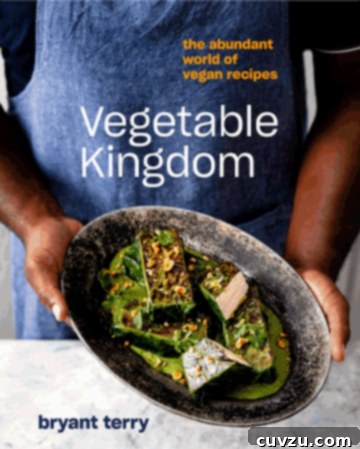
Adapted From
Vegetable Kingdom: The Abundant World of Vegan Recipes
Buy On Amazon
Nutrition
Calories: 115 kcal
Carbohydrates: 17 g
Protein: 2 g
Fat: 6 g
Saturated Fat: 4 g
Monounsaturated Fat: 0.4 g
Sodium: 18 mg
Fiber: 3 g
Sugar: 5 g
Nutrition information is automatically calculated, so should only be used as an approximation.
Tried this recipe?
Mention @leitesculinaria or tag #leitesculinaria!
Expert Tips for Perfect Mashed Kabocha
Achieving the perfect mashed kabocha squash is simple with a few key tips, many of which were highlighted by our diligent recipe testers:
- Choosing Your Kabocha: Look for a squash that feels heavy for its size, has a firm rind, and no soft spots. A darker green skin indicates ripeness and a sweeter flavor.
- Don’t Overlook the Seeds: As suggested in the recipe, roasting the kabocha seeds with a little coconut oil and salt makes for a delicious, crunchy snack or a fantastic garnish for your finished dish. It’s a great way to minimize food waste and add extra texture.
- Achieving Your Desired Consistency: While mashing with a fork creates a wonderfully rustic texture, if you prefer a silkier, utterly smooth puree, an immersion blender or food processor is your best friend. Start with less milk and gradually add more until you reach your preferred creaminess. Remember that kabocha’s unique texture makes it less stringy than other squashes, lending itself beautifully to a smooth mash.
- Adjusting Sweetness and Spice: The recipe provides a balanced starting point, but feel free to adjust the coconut palm sugar and cinnamon to your personal taste. A pinch of nutmeg or a dash of ginger could also add a delightful warmth.
- Serving Temperature: Mashed kabocha is delicious warm, straight from the pot, but several testers noted it’s also surprisingly good cold, making it ideal for meal prep or a quick breakfast on the go.
- Storage and Reheating: Store any leftovers in an airtight container in the refrigerator for up to 3-4 days. Reheat gently on the stovetop or in the microwave, adding a splash of extra milk if needed to restore its creamy texture.
Versatile Serving Suggestions
One of the true beauties of this mashed kabocha squash recipe is its incredible versatility. While it shines as a healthy side dish, its unique flavor profile allows it to adapt to various meal times and culinary contexts:
- As a Savory Side: Pair it with roasted meats like pork loin or chicken, grilled fish, or a hearty lentil loaf for a well-rounded and comforting meal. Its subtle sweetness offers a lovely contrast to savory main courses.
- A Wholesome Breakfast: Enjoy it warm, topped with an extra drizzle of maple syrup or honey, a sprinkle of toasted nuts (almonds or pecans are fantastic), and perhaps some fresh berries or a dollop of non-dairy yogurt for a truly satisfying and nutritious breakfast. It’s like a healthier, less sweet pumpkin pie filling!
- A Light Lunch or Snack: Serve a small bowl as a wholesome mid-day snack or a light lunch. It’s filling yet light, and packed with energy-boosting nutrients.
- Dessert Pudding: For a delightful, healthier dessert, serve it chilled with a sprinkle of chopped Marcona almonds, a dusting of cinnamon, or a swirl of whipped coconut cream. Its inherent sweetness and creamy texture make it surprisingly decadent.
- Flavor Variations: Experiment with different non-dairy milks (almond, cashew, or even full-fat coconut milk for extra richness). For a savory twist, consider stirring in a touch of garlic powder or fresh herbs like sage or thyme, and reduce the sugar.
Our Recipe Testers Rave About This Kabocha
This Mashed Kabocha Squash recipe has garnered enthusiastic praise from our team of dedicated recipe testers, who consistently highlighted its delightful flavor, appealing texture, and remarkable ease of preparation. Their experiences offer valuable insights and further solidify this dish’s place as a must-try.
Katie Marino, for instance, discovered a new favorite in kabocha, noting its “subtle sweetness” and “almost creamier and smoother” texture compared to other winter squashes. She found it an “easy dish with simple ingredients,” perfect for a “cozy dinner on a cold night,” and even suggested experimenting with different non-dairy milks to explore varying flavor nuances.
Heidi V. eloquently described the dish as “like pumpkin pie filling for breakfast,” appreciating its balance of sweetness – “sweet, but not cloying” – and its “smooth and gently spiced” character. She was particularly impressed by how smoothly the kabocha broke down during mashing, a testament to its unique texture that makes it ideal for this preparation.
Helen Doberstein praised it as a “simple, easy, and tasty side dish,” highlighting its “creamy in texture with a hint of cinnamon.” She successfully paired it with roasted pork and offered a practical tip for milk incorporation: adding it gradually to achieve the desired creaminess, rather than the full amount at once. Her kabocha was fork tender within 30 minutes, showing efficiency in the cooking process.
Tracey Awad was drawn to kabocha’s creamy texture and found the recipe “very friendly for a beginner cook.” While she noted that her squash took a little longer to cook (45 minutes) and initially had a “grainy texture” when mashed with a fork, finishing it with an immersion blender yielded a “velvety texture” that matched the recipe’s image, proving that a blender can achieve an even smoother result if preferred.
Perhaps the most enthusiastic review came from Jennifer Mallock, whose husband’s expletive-laden praise after his first bite (“**** that’s good!”) speaks volumes. Having never tried kabocha before, she was so captivated that she immediately bought two more. Jennifer lauded the recipe for being “sweet, but not too sweet, and super creamy,” enjoying it both warm and cold. She echoed the advice to start with half the milk and add more as needed, also assuring that solid coconut oil blends in perfectly.
Finally, Irene Seales found the method for cooking winter squash “really straightforward” and expanded her appreciation for kabocha. She experimented with serving it both as a side with roasted veggies and sausages, and for breakfast with blueberries and walnuts. Irene even envisioned it as a “dessert pudding” with Marcona almonds, showcasing its versatility. Her timing was spot on, even with a slightly larger squash, and she noted the easy adjustability of milk based on the squash’s moisture content. She also valued the recipe for being vegan, healthy, and expanding her options for a “broader rainbow of vegetables and fruit.”
Collectively, these testimonials affirm that this Mashed Kabocha Squash recipe is a home run – easy to make, deeply satisfying, incredibly flavorful, and adaptable for various tastes and dietary needs. It’s a dish that truly delights, encouraging even first-time kabocha cooks to embrace this wonderful winter squash.
Frequently Asked Questions About Kabocha Squash
What’s the difference between kabocha squash and pumpkin?
While often called Japanese pumpkin, kabocha squash differs from traditional pumpkins in several ways. Kabocha typically has a denser, less fibrous flesh and a sweeter, richer flavor that some compare to a chestnut or sweet potato. Its skin is edible when cooked, unlike many larger pumpkin varieties. Kabocha also has a lower water content, making it ideal for mashing and pureeing into creamy dishes.
Can I peel kabocha squash?
Yes, you can peel kabocha squash if you prefer, although it’s generally not necessary. The skin is thin and edible, softening beautifully during cooking and adding extra nutrients and fiber. If you choose to peel it, be aware that it can be a bit challenging due to its hard exterior, so use a sharp vegetable peeler or knife carefully.
How do I choose a good kabocha squash?
Look for a kabocha squash that feels heavy for its size, indicating dense flesh. The skin should be deep green (though some varieties are red-orange) and dull, not shiny, which suggests ripeness. It should be firm all over with no soft spots or blemishes. A firm stem is also a good sign.
Can I prepare this mashed kabocha ahead of time?
Absolutely! Mashed kabocha squash can be made a day or two in advance. Store it in an airtight container in the refrigerator. When ready to serve, gently reheat it on the stovetop over low heat, stirring occasionally, or in the microwave. If it seems too thick, add a splash of non-dairy milk or water to reach your desired consistency.
Are there any substitutions for coconut palm sugar?
Yes, if you don’t have coconut palm sugar, you can substitute it with an equal amount of brown sugar, maple syrup, or honey (if not strictly vegan). Adjust the amount to taste, as different sweeteners have varying levels of sweetness.
Can I use a different type of non-dairy milk?
Certainly! While oat milk provides a lovely creaminess, you can use any unsweetened non-dairy milk you prefer, such as almond milk, cashew milk, or even light coconut milk for a richer flavor. Regular dairy milk can also be used if you are not following a vegan diet.
Is this recipe suitable for babies or young children?
Yes, mashed kabocha squash is an excellent and nutritious food for babies and young children. Its natural sweetness and smooth texture make it very appealing. You might consider omitting or significantly reducing the added sugar for very young children. Always consult with a pediatrician for specific dietary advice for infants.