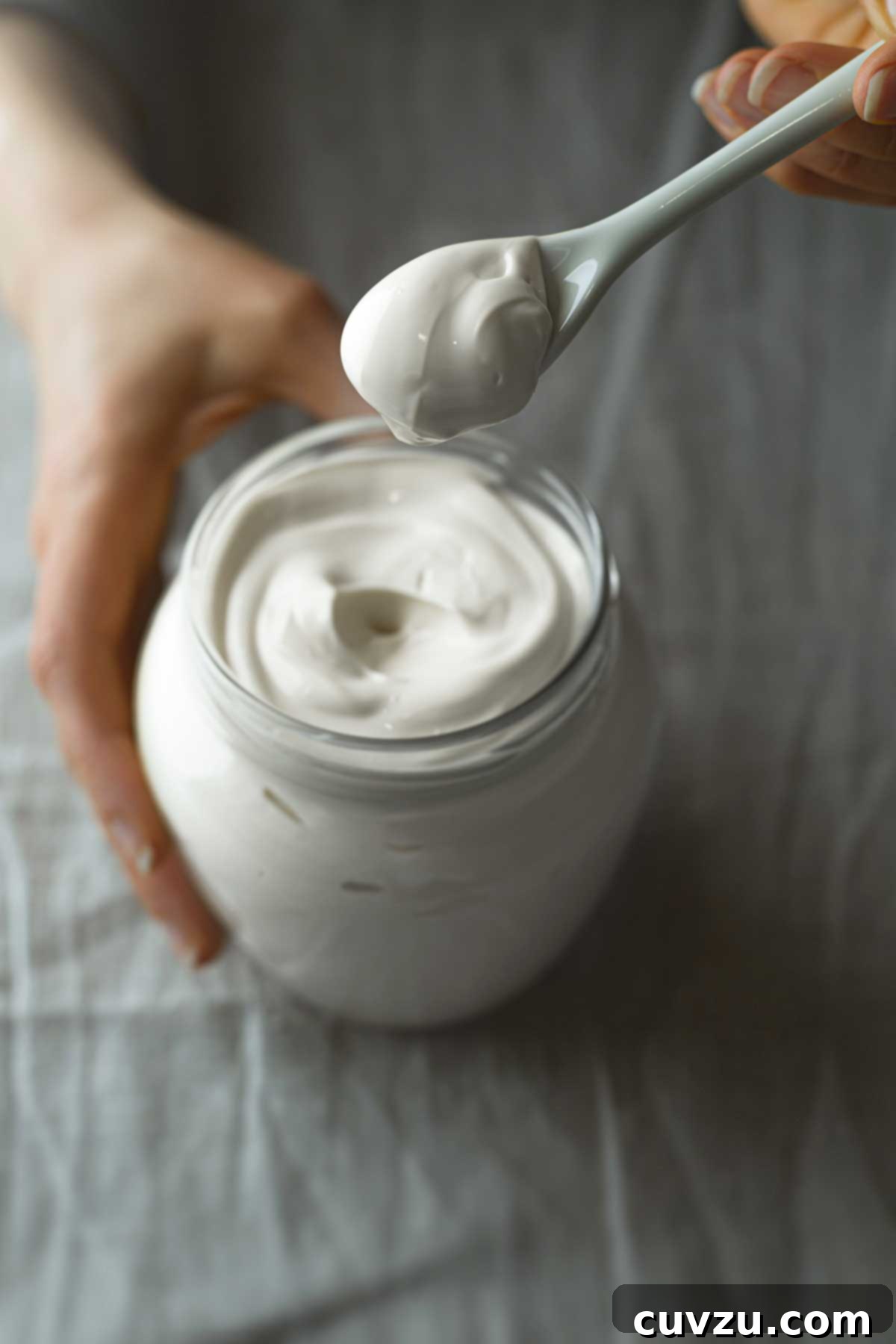
Silky Smooth Eggless Milk Mayonnaise (Maionese de Leite): A Culinary Revelation
Prepare to have your perception of mayonnaise transformed. Known as maionese de leite in Portuguese, milk mayonnaise is a culinary marvel that delivers a texture far silkier and lighter than its traditional egg-based counterpart. This isn’t just another condiment; it’s an experience of creamy perfection. The magic truly unfolds as the rich butterfat from the milk and a chosen oil meticulously collide within a high-speed blender, forming an exquisite emulsion. The thoughtful addition of garlic elevates this simple concoction, imparting both a subtle depth and an invigorating zest that harmonizes beautifully with its delicate creaminess. Forget what you think you know about mayonnaise, because this eggless wonder is about to become your new kitchen essential.
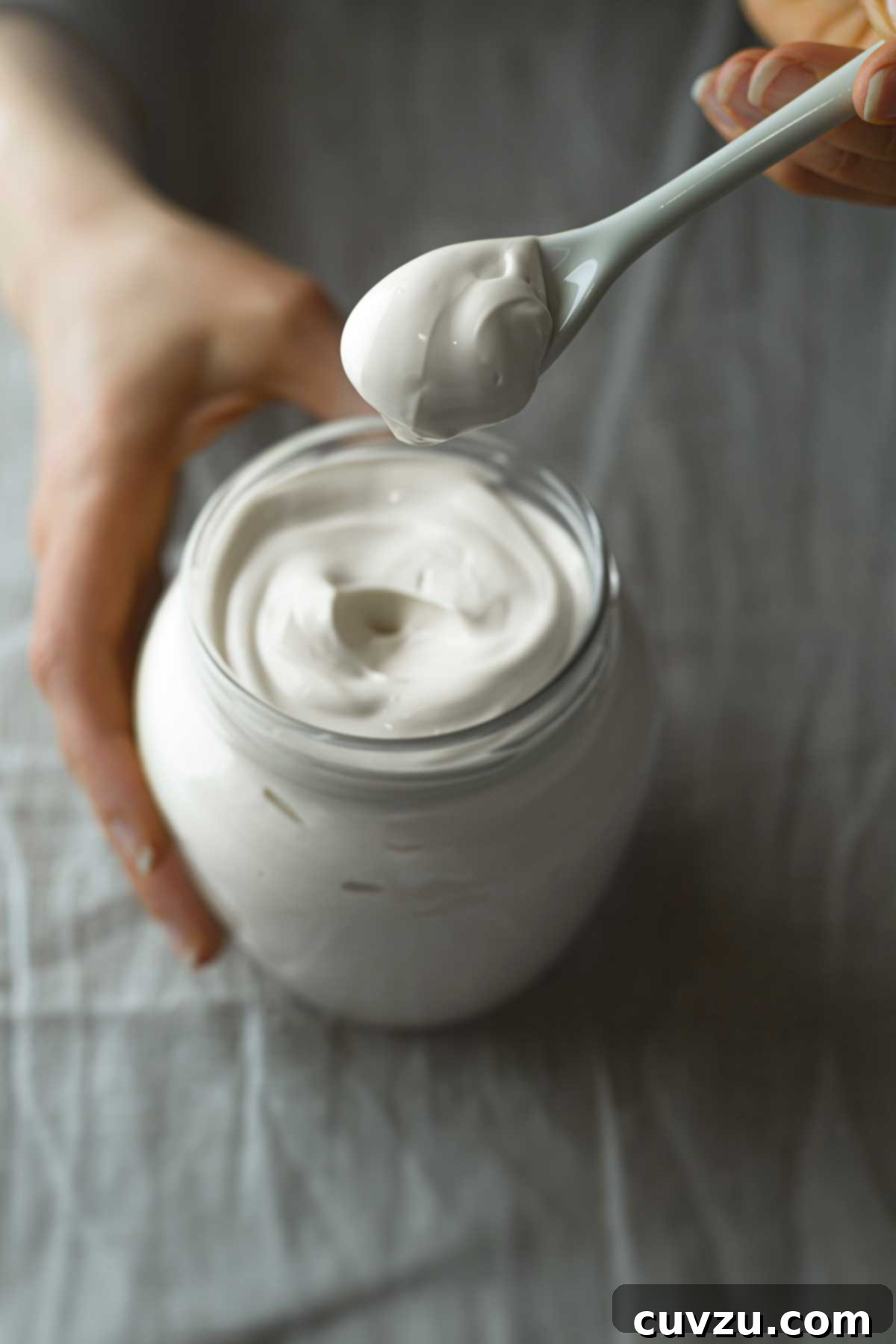
The Unique Allure of Maionese de Leite: Beyond Traditional Mayonnaise
It’s essential to understand that while we call it “milk mayonnaise,” this recipe proudly sidesteps the conventional definition. It lacks egg yolks and mustard, the typical emulsifiers found in classic mayo. Instead, it relies on a captivating emulsion of just milk and oil. This distinction isn’t mere affectation; it highlights a fundamentally different, yet equally delightful, approach to creating a creamy sauce. Originating more prominently in Brazilian culinary traditions than strictly Portuguese, this lighter, cleaner tasting alternative is now gaining well-deserved recognition across the Continent. Its subtle flavor profile is a significant advantage, as it allows other ingredients and spices to truly shine, rather than being overshadowed by the richness of egg-based mayonnaise. This makes it an incredibly versatile base for countless culinary creations.
Why Choose Eggless Milk Mayonnaise? Benefits That Go Beyond Taste
For many, the appeal of maionese de leite extends beyond its delicate flavor and silken texture. Here are compelling reasons to make this egg-free alternative a staple in your kitchen:
- Allergy-Friendly: Without eggs, this mayonnaise is a fantastic option for those with egg allergies or dietary restrictions, opening up a world of creamy goodness to more people.
- Lighter and Fresher Taste: The absence of egg yolks results in a lighter, cleaner palate, making it less heavy and allowing it to complement dishes without dominating them. It feels fresh and bright.
- Simplicity and Speed: With just a few basic ingredients and a high-speed blender, you can whip up a batch in minutes, often quicker and with less fuss than traditional mayonnaise.
- Longer Shelf Life: Generally, milk-based emulsions tend to have a slightly longer shelf life in the refrigerator compared to raw egg-based counterparts, offering more convenience.
- Versatile Base: Its neutral, clean flavor makes it an ideal canvas for an array of flavor additions, as we’ll explore later, from herbs to spices and robust savory elements.
Deep Dive: The Secret Behind Milk Mayonnaise
Since first encountering this remarkable recipe, its culinary possibilities have captivated me. The master recipe, in its pure form, acts as a pristine canvas, eagerly awaiting your creative touch. Its applications are nearly boundless. Beyond the specific suggestions outlined in this guide and in David Leite’s book, I’ve found myself generously slathering variations of this milk mayonnaise on everything from perfectly grilled meats and flaky fish to using it as a vibrant dip for fresh vegetables and crispy fries. It effortlessly transforms into the base for light dressings, becomes an irresistible spread for sandwiches, and lends its creamy charm when stirred into potato salads or coleslaws, much in the same way I would rely on classic mayonnaise. Its adaptability makes it a true kitchen chameleon.
Unleashing Its Potential: Diverse Culinary Applications for Milk Mayonnaise
The versatility of milk mayonnaise means it can enhance a wide array of dishes. Here are just a few ideas to get you started:
- Classic Accompaniment: Serve alongside grilled chicken, roasted vegetables, or as a dip for French fries and onion rings.
- Elevate Sandwiches and Wraps: Spread it on your favorite bread or tortilla for a creamy base that won’t overpower your fillings.
- Salad Dressings: Thin it slightly with a touch more lemon juice or water and use it as a base for creamy salad dressings, like a lighter ranch or a fresh herb dressing.
- Potato and Pasta Salads: Stir it into your potato salad, pasta salad, or coleslaw for a lighter, yet equally satisfying, creamy texture.
- Marinades and Glazes: Incorporate it into marinades for poultry or fish, or brush a flavored variation onto grilled items during the last few minutes of cooking for added moisture and taste.
- Sauce Base: Use it as a base for various sauces, from a simple aioli (by adding extra garlic) to more complex creations with capers, olives, or sun-dried tomatoes.
Troubleshooting Your Milk Mayonnaise: Achieving Perfect Emulsification
Like all emulsions, this milk mayonnaise recipe, while simple, can be a bit sensitive. The key to success lies in understanding the delicate balance required for the ingredients to bind properly. The most critical step is the slow and steady addition of oil. Pouring it in a thin, continuous stream, almost drop by drop initially, is paramount. Stop blending once the desired lush, soft mayonnaise consistency is achieved. Over-blending or adding oil too quickly are common pitfalls that can lead to a broken or thin emulsion.
For almost foolproof results, a handheld immersion blender (stick blender) is highly recommended. Its direct contact with the ingredients in a narrow vessel is ideal for creating the necessary shear force to emulsify effectively. A small, tall, and narrow canister blender will also work well. However, do not make the mistake many of us have—assuming that a stand mixer or food processor will yield the same results. These appliances, due to their wider bases and different blade actions, simply won’t create a stable emulsion for this particular recipe. If you’re working with an immersion blender that feels less than powerful, you might find the mayonnaise turns out thinner than anticipated. Don’t despair! You can often remedy this by slowly blending in an additional 2 tablespoons of oil, continuing to move the blender up and down. This often helps the emulsion “catch” and thicken beautifully, transforming a runny mixture into the velvety texture you desire.
Milk Mayonnaise
David Leite
Print Recipe
Ingredients
- ⅓ cup very cold milk
- ¾ teaspoon fresh lemon juice
- 1 small garlic clove, peeled
- ⅛ teaspoon white pepper
- About ¾ cup vegetable oil, or 1/2 cup (118 ml) vegetable oil plus 1/4 cup (60 ml) olive oil
- Kosher salt
Instructions
-
Combine the milk, lemon juice, garlic, and pepper in a 2-cup glass measuring cup. Using a handheld blender (or a blender), buzz on high for 30 seconds until frothy.
-
With the motor running on high, slowly pour in the oil a few drops at a time, and gradually increase this to a fine thread, moving the blender up and down, until the mixture thickens lusciously and resembles a soft mayonnaise. You may need more or less oil to achieve the perfect consistency.
-
Season with salt to taste. Transfer to an airtight container. The mayonnaise will last up to 1 week in the fridge.
Notes & Creative Variations
Milk Mayonnaise Variations: Elevate Your Maionese de Leite
The beauty of this milk mayonnaise recipe lies in its adaptability. Once you master the basic technique, you can easily infuse it with a spectrum of flavors to suit any dish or craving. The image below shows just a few possibilities, clockwise from top right: cilantro-ginger, curry, anchovy, and sun-dried tomato. Let your culinary imagination run wild!
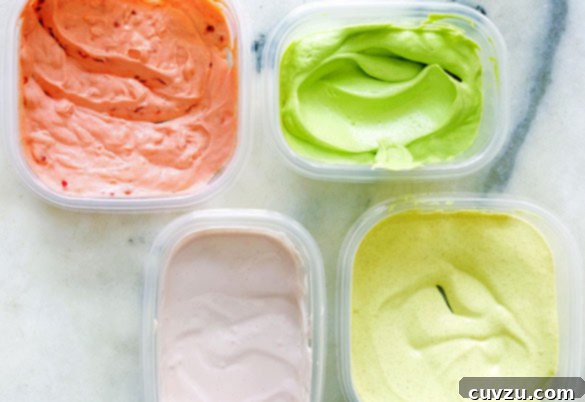
Cilantro and Ginger Milk Mayonnaise | Maionese de Leite com Coentros e Gengibre
For a vibrant and aromatic twist, add 1 loosely packed cup of well-dried fresh cilantro leaves and tender stems, along with a 1 1/2-inch piece of peeled and grated ginger, to the blender cup with the milk, 1 3/4 teaspoons of lemon juice, and the pepper. You can omit the garlic for this variation. Proceed to whir in the oil as directed above. Finish by stirring in 1 scallion, thinly sliced on the diagonal. This variation is spectacular with Asian-inspired dishes, grilled shrimp, or as a fresh dip for spring rolls.
Anchovy Milk Mayonnaise | Maionese de Leite com Anchovas
If you crave a savory, umami-rich flavor, add 6 anchovy fillets (approximately 1 generous tablespoon) packed in oil to the blender cup along with the milk, lemon juice, garlic, and pepper. Blend thoroughly and then whir in the oil as directed. Due to the inherent saltiness of anchovies, remember to omit any additional salt from the recipe. This robust mayo pairs wonderfully with roasted potatoes, hard-boiled eggs, or as a zesty spread for bruschetta.
Curry Milk Mayonnaise | Maionese de Leite com Caril
For an exotic and warm flavor, incorporate 2 teaspoons of your favorite curry powder into the blender cup along with the milk, lemon juice, garlic, and pepper. Emulsify by whirring in the oil as instructed. To allow the curry flavors to fully develop and “bloom,” let this mayonnaise sit for at least an hour (or preferably longer) in the fridge before serving. It’s an excellent companion for grilled chicken, as a dip for sweet potato fries, or in a creative sandwich filling.
Tomato Milk Mayonnaise | Maionese de Leite com Tomate
To create a rich, subtly sweet, and tangy mayonnaise, add 1 1/2 tablespoons of double-concentrate tomato paste to the blender cup with the milk, garlic, and pepper. For this variation, you will omit the lemon juice. Proceed to whir in the oil as described. After blending, stir in 1 tablespoon of finely minced oil-packed sun-dried tomatoes for an extra burst of concentrated tomato flavor. This version is fantastic on burgers, hot dogs, or as a flavorful dip for vegetable sticks.

Adapted From
The New Portuguese Table
Buy On Amazon
Explore More with AI
Nutrition
Nutrition information is automatically calculated, so should only be used as an approximation.
Frequently Asked Questions About Milk Mayonnaise
- Is milk mayonnaise suitable for vegans?
- No, this particular recipe uses dairy milk, which means it is not vegan. However, a similar emulsion can be made using plant-based milks like soy or oat milk, though the texture and flavor might vary slightly. Always ensure the milk is very cold for best results.
- What kind of oil should I use for milk mayonnaise?
- A neutral-flavored vegetable oil, such as canola, grapeseed, or sunflower oil, is generally recommended as the primary oil to ensure the milk mayonnaise has a clean taste. For a subtle flavor boost, you can use a blend of vegetable oil and a small amount of mild olive oil (as suggested in the recipe), but avoid strong-flavored olive oils that can overpower the delicate mayonnaise.
- How long does homemade milk mayonnaise last?
- When stored in an airtight container in the refrigerator, homemade milk mayonnaise typically lasts up to 1 week. Always use clean utensils when serving to prevent contamination and ensure freshness.
- Can I make this recipe without an immersion blender?
- While an immersion blender is highly recommended for its efficiency and effectiveness in creating a stable emulsion, a regular high-speed blender can also be used. The key is to ensure the blender has a narrow enough base to effectively incorporate the small amount of liquid ingredients and to add the oil very slowly. Food processors and stand mixers are generally not suitable for this recipe.
- What if my mayonnaise doesn’t thicken?
- If your mayonnaise remains too thin, it’s often a sign that the emulsion hasn’t fully formed. The most common reasons are adding the oil too quickly or the ingredients not being cold enough. To fix a runny batch, try adding another tablespoon or two of very cold milk or lemon juice to a clean blender cup, then slowly stream in the thin mayonnaise while blending on high. This can sometimes “reboot” the emulsion. Alternatively, slowly add a few more tablespoons of oil to the existing mixture while continuing to blend, as described in the troubleshooting section above.
Conclusion: Your New Favorite Condiment Awaits
Milk mayonnaise, or maionese de leite, is more than just a substitute for traditional mayo; it’s a delightful culinary discovery in its own right. Its light, silky texture and clean flavor profile make it an incredibly versatile addition to any kitchen, offering a fresh perspective on a classic condiment. Whether you’re seeking an egg-free alternative, a lighter spread, or simply a new way to explore flavors, this recipe provides endless possibilities. From enriching simple sandwiches to becoming the secret ingredient in your next gourmet dip, the ease of preparation and the delicious results will undoubtedly make this silky smooth emulsion a new favorite. So go ahead, grab your blender, and experience the magic of milk mayonnaise for yourself!