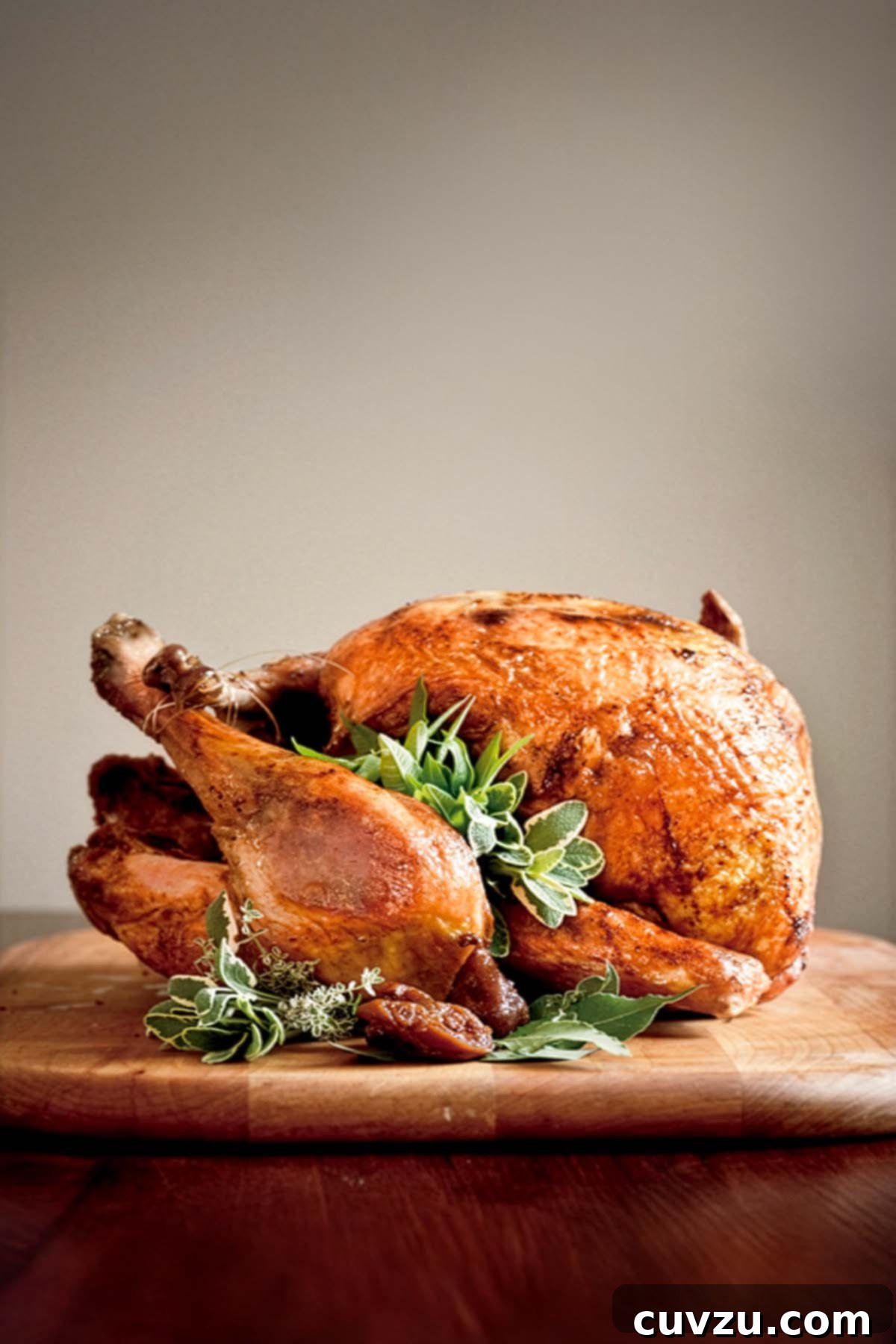
Unlock the secret to the most incredibly juicy and tender turkey you’ve ever tasted with our deep-fried turkey recipe. Forget complicated brining or injecting; this method delivers phenomenal results with a subtle Cajun twist, promising unbelievably crisp, mahogany-colored skin. And the best part? It’s faster than traditional roasting and frees up your oven for all those essential Thanksgiving side dishes. Below, we’ll guide you through making this show-stopping centerpiece—**safely and deliciously**.
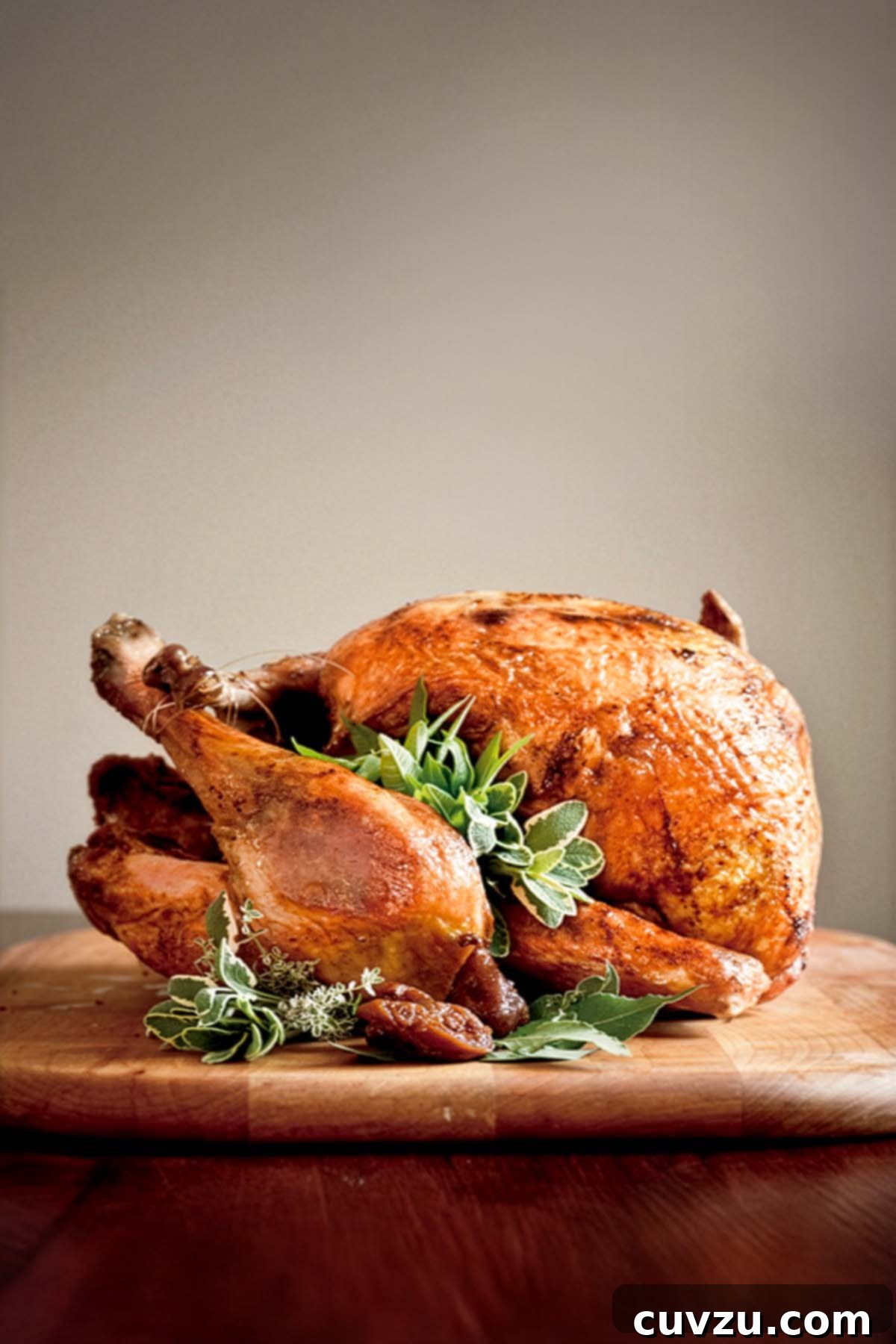
Quick Look: Deep-Fried Turkey Essentials
- What makes it special: A whole turkey, expertly fried to achieve an unbelievably crisp, richly colored skin and exceptionally moist, tender meat, infused with a subtle hint of Cajun spice.
- Why you’ll adore it: This is arguably the quickest and most efficient way to cook a whole turkey, resulting in a magnificent Thanksgiving main course that leaves your oven completely available for all your beloved side dishes. It’s a game-changer for holiday meal planning.
- How to achieve perfection: Ensure the turkey is completely dry, season it generously, then very carefully submerge it into preheated peanut oil. Fry for approximately 3 minutes per pound until perfectly golden and cooked through.
Featured Review
“An exceptionally thorough guide and recipe. This was hands down the best turkey I’ve ever had. It was not oily at all, and the meat was incredibly juicy and tender. The deep-fried turkey’s color is simply unbeatable. A crucial tip to emphasize: always turn off the burner before lowering the turkey and lower it very, very slowly. Sometimes, you might need to lower it just an inch, then pull it back up to let the bubbling settle before continuing. Highly recommend this method!”
Fryin’ Ryan
Let’s be unequivocally clear: this deep-fried turkey recipe isn’t just good; it’s quite possibly the best darn turkey most of us will ever experience. The rumors you’ve heard about the deep-fried turkey’s glorious burnished appearance, the satisfying crackle of its impossibly crisp skin, and its unbelievably tender, juicy-beyond-belief meat are all absolutely true. Beyond its incredible flavor and texture, one of the biggest benefits of deep-frying your turkey is the liberation of your oven, leaving it wide open for all those beloved side dishes (hello, potatoes Dauphinoise and classic stuffing!).
While deep-frying a turkey has gained a reputation for potential hazards, due to unfortunate accidents, these incidents are almost entirely preventable. There are specific, critical precautions that *can* and *must* be taken to make this a spectacularly safe and rewarding way to prepare your holiday bird. We’ve compiled all the essential safety guidelines and detailed instructions below the recipe. We implore you to read every single note and heed them diligently. Your safety, and the delicious success of your turkey, depend on it.
Before you even consider beginning, we strongly urge you to read our extensive notes provided within and after the recipe. They contain vital information that will ensure both your safety and the perfection of your deep-fried turkey. Please, for a truly successful and stress-free experience, heed every warning and follow every instruction carefully.
More Mouth-Watering Turkey Recipes
Turkey Leg Barbacoa
3 hrs 40 mins
Turkey Tetrazzini
1 hr
Turkey Meatloaf
1 hr 20 mins
Maple Glazed Turkey
4 hrs 30 mins
Share Your Experience
If you try this recipe, or any dish on LC, please consider leaving a review, a star rating, and your best photo in the comments below. We love hearing from you! –David
Deep-Fried Turkey: The Ultimate Guide
David Leite
- PIN
Print Recipe
Video Guide
Essential Equipment for Safe Frying
-
**Outdoor Deep Fryer:** A proper, purpose-built outdoor deep fryer (gas or electric) is non-negotiable for safety. Ensure it comes with a fry basket, or purchase one separately. Never attempt to jury-rig a frying contraption.
-
**Long-sleeved Fireproof Gloves:** Essential for protecting your hands and forearms from hot oil splashes.
-
**Heavy Apron:** Provides a crucial layer of protection against splatters and radiant heat.
-
**Safety Goggles:** Protect your eyes from any unexpected oil splashes. A clear plastic bowl can serve as a makeshift shield in a pinch, but dedicated goggles are best.
-
**Closed-toe Shoes:** Absolutely vital. Avoid flip-flops or open-toed footwear. Leather boots with steel toes offer excellent protection against dropped equipment or spilled oil.
-
**Stopwatch or Kitchen Timer:** For accurate cooking time to ensure a perfectly cooked turkey.
-
**Instant-Read Thermometer:** Specifically designed for deep-frying or candy-making, to monitor oil temperature precisely. An internal meat thermometer is also critical for checking the turkey’s doneness.
-
**Fire Extinguisher (Class K or B):** Keep a fully charged fire extinguisher specifically rated for oil fires within arm’s reach. Read the instructions beforehand – there won’t be time in an emergency!
-
**Common Sense (extra-large supply):** This is your most important tool. Stay alert, follow instructions, and prioritize safety above all else.
Ingredients
- One (12-pound) fresh turkey, preferably fresh. If previously frozen, it is absolutely crucial that it is COMPLETELY thawed, with no ice crystals remaining.
- Sea salt and freshly ground black pepper, to generously season the turkey inside and out.
- 1 stick unsalted butter, softened to room temperature (optional, for extra flavor and browning).
- 2 tablespoons ground cayenne pepper, (optional, for that signature Cajun lilt and a touch of heat).
- 2 1/2 to 3 1/2 gallons peanut oil, The exact amount depends on the size of your fryer; it’s always better to purchase slightly more than you think you need, as unused, unopened containers can usually be returned. Peanut oil is preferred for its high smoke point and neutral flavor.
- Sprigs of fresh herbs, such as sage, thyme, or bay, for an elegant garnish (optional).
- Dried figs, or cranberries, for additional festive garnish (optional).
Step-by-Step Deep Frying Instructions
-
**Prepare the Turkey (Crucial Step):** Begin by thoroughly rinsing the turkey, both inside and out. The next step is absolutely paramount for safety and success: pat the turkey completely dry with paper towels. We cannot stress this enough – it must be REALLY, REALLY dry, inside and out, with no moisture remaining. If you’re using a previously frozen turkey, ensure it is fully defrosted without any trace of ice crystals. Any water droplets or ice can cause dangerous spattering, or much worse, a fire when introduced to hot oil. Remove and discard the bag of giblets, as well as any pop-up timers or other plastic parts found within the turkey cavity.
-
**Trim and Shape:** Trim any excess fat from around the turkey neck and remove the tail. For a more compact shape that cooks evenly and fits better in the fryer, fold the wings beneath the turkey’s back, mimicking a relaxed, tucked position. Trussing the turkey with kitchen twine is an option if you prefer a very neat presentation, though it’s not strictly necessary for the deep-frying process itself.
-
**Season Generously:** Season the entire turkey generously, inside and out, with sea salt and freshly ground black pepper to taste. For an extra layer of flavor and to help achieve that beautiful golden-brown skin, rub the turkey all over with softened unsalted butter, if desired. If you’re aiming for that delightful Cajun lilt, sprinkle the turkey with ground cayenne pepper. Remember, do not, under any circumstances, attempt to stuff the turkey when deep-frying, as this can impede even cooking and pose safety risks.
-
**Set Up the Fryer (Safety First):** Position your deep fryer far away from your house, garage, any wooden structures, or overhangs. A concrete patio or driveway is an ideal flame-retardant surface. Pour peanut oil into the fryer, ensuring it reaches the designated fill line—typically found about halfway between the bottom and top of the fryer. This prevents overflow once the turkey is added. Begin heating the oil to precisely 350°F (176°C). Achieving the correct frying temperature can take an hour or more, so plan accordingly.
-
**Submerge the Turkey (Exercise Extreme Caution):** Before proceeding, put on your protective gear: apron, safety goggles, and long-sleeved fireproof gloves. Ensure your fire extinguisher is easily accessible. **CRITICALLY, turn off the burner before lowering the turkey into the hot oil.** Carefully place the seasoned turkey into the fry basket. Holding the turkey away from your body, slowly, slowly, slowly submerge it into the hot oil. The oil will begin to bubble vigorously, which is normal. However, if the bubbling oil rises too close to the top of the fryer, pause, lift the turkey an inch or two, and wait for the bubbling to subside slightly before continuing to lower it. This prevents dangerous overflow. The oil temperature will initially drop but should rebound relatively quickly once the turkey is fully submerged. Do not adjust the temperature immediately.
-
**Frying the Turkey (Maintain Vigilance):** Once the turkey is fully submerged and the oil has settled, turn the burner back on. Fry the turkey until its skin is a beautiful golden brown and an instant-read thermometer inserted into the thickest part of the thigh (without touching bone) registers between 170°F and 180°F (76°C and 82°C). As a general guide, this typically takes about 3 minutes per pound – for a 12-pound turkey, expect around 36 minutes of frying time. Begin timing the moment the turkey is fully immersed. Strive to maintain the oil temperature as close to 350°F (176°C) as possible. **Never cover the fryer at any point, and absolutely do not allow the oil temperature to exceed 360°F (182°C). Most importantly, never, ever leave the fryer unattended. Ever.** Constant supervision is essential for safety.
-
**Remove and Rest:** Once the turkey reaches the desired internal temperature, turn off the fryer. Prepare a rimmed baking sheet lined with several layers of brown paper bags to absorb excess oil, and have someone hold it steady. With utmost care and as if your life depends on it (because, in a sense, it does when dealing with hot oil), slowly and carefully lift the turkey from the fryer. Pause for a few moments, hovering the turkey just above the oil, allowing any excess oil to drip back into the fryer. Gently transfer the beautifully fried bird to the prepared baking sheet. Place it on a clean counter, loosely cover it with aluminum foil, and let it rest for a minimum of 15 to 20 minutes. This resting period is crucial for the juices to redistribute, ensuring an incredibly moist turkey. Allow the oil in the fryer to cool completely, ideally until after your meal, before handling for disposal.
-
**Carve and Serve:** Carve the deep-fried turkey and serve it as soon as possible after resting, before you “accidentally” snitch too many pieces of that irresistible crisp, crackly skin! For a beautiful presentation, garnish, if you please, with fresh sage leaves, sprigs of other herbs, dried figs, cranberries, or any festive adornments you desire. Behold the glory of your perfectly deep-fried turkey!
-
**Oil Disposal:** After dinner, once the oil has completely cooled to room temperature, carefully pour or siphon it into empty, resealable containers. Dispose of the used oil according to your local city regulations. If you’re unsure of the rules, a quick online search for “cooking oil disposal [your city]” will provide the necessary information. Proper disposal is important for environmental safety.
Important Safety Notes & Tips
*What You Need To Know About (Safely!) Making Your Deep-Fried Turkey
Deep-frying a turkey is a rewarding experience when done correctly and safely. To ensure a smooth process and a delicious outcome, you’ll need to gather a few essential items and embrace these critical insights:
- **Dedicated Outdoor Deep Fryer:** This is not a project for improvisation. Invest in a proper outdoor deep fryer, whether gas or electric. Ensure it includes a robust fry basket suitable for lowering and lifting the turkey. Never attempt to use indoor fryers or makeshift equipment.
- **Comprehensive Personal Protective Equipment (PPE):**
- **Long-sleeved Fireproof Gloves:** To protect against severe burns from hot oil splatters.
- **Heavy Apron:** Provides a barrier for your clothing and body.
- **Safety Goggles:** Essential eye protection from any unexpected splashes.
- **Closed-toe Shoes:** Protect your feet. Avoid sandals or sneakers that offer no barrier against hot oil. Leather work boots are highly recommended.
- **Emergency Preparedness:**
- **Fire Extinguisher:** A Class K or Class B fire extinguisher, designed for grease fires, must be on hand and easily accessible. Familiarize yourself with its operation *before* you start frying.
- **First Aid Kit:** Keep a well-stocked first aid kit nearby, just in case of minor burns.
- **Accurate Temperature Monitoring:** You’ll need an instant-read thermometer for both the oil (deep-fry or candy thermometer) and the turkey (meat thermometer). Consistent oil temperature is key to even cooking and crispy skin.
- **Turkey Size Matters:** Ensure your turkey is no more than 12-14 pounds. Larger turkeys are difficult to handle safely in most home fryers and increase the risk of oil overflow.
- **The Indispensable Ingredient: Common Sense:** This is your most vital tool. Stay focused, avoid distractions, and never rush any step.
**Crucial Setup and Operational Guidelines:**
**Absolutely do not even consider jury-rigging a hot-frying contraption.** Safety is paramount; pony up the money for a proper, certified outdoor deep fryer. Trust us, it’s worth every penny for peace of mind and prevention of disaster.
For the love of all things good, **be absolutely certain to actually read (and follow!) all the manufacturer’s instructions for your specific fryer model.** While you might skip the manual for an espresso maker, a deep fryer is a powerful piece of equipment that demands careful attention to its guidelines. These instructions will undoubtedly reinforce our safety advice, but it cannot be stated enough: **set up the fryer exclusively outdoors on a flat, stable, and flame-retardant surface, such as concrete.** Patios, driveways, or clear dirt areas are ideal.
**Under no circumstances should you ever fry in your house, garage, or even on a covered porch.** In fact, position the fryer at least 10 feet (3 meters) away from your home, garage, fences, wooden decks, overhanging eaves, or anything else you value and wish to protect from potential fire hazards. A clear, open space is essential.
If you are using a gas fryer, position the propane tank at least 2 to 3 feet (0.6 to 0.9 meters) away from the fryer, and ideally even further. The fryer must, must, must be situated so that any wind carries the heat emanating from the burner *away* from the gas tank, not towards it.
Now, with all safety measures in place, you can truly have fun and give thanks for a spectacular deep-fried turkey experience!

Recipe Inspiration
This exceptional recipe is adapted from the culinary wisdom found in Sara Foster’s Southern Kitchen.
Discover the Book on Amazon
Explore More with AI
Nutrition Facts
Nutrition information is automatically calculated, so should only be used as an approximation. Actual values may vary based on specific ingredients and preparation methods.
Insights from Our Recipe Testers
Dan Kraan’s Testing Notes
Deep-frying a turkey is truly a unique culinary experience. If you have the opportunity, we highly recommend visiting someone who has successfully deep-fried a turkey before. Their firsthand experience can offer invaluable practical advice and build your confidence.
The finished turkey tasted every bit as magnificent as it looked! It had a wonderfully clean flavor, subtly hinting at the deep-frying process, complemented by a beautifully browned and incredibly crisp skin. This method truly delivers on its promises of exceptional taste and texture.
There appear to be some fundamental differences in performance between electric and gas fryers. With my electric fryer, it took closer to an hour to fully cook the turkey. Throughout the process, I observed very little splatter and absolutely no flare-ups, which speaks to the safety when proper precautions are followed.
For seasoning, I opted for equal portions of fresh ground black pepper and sea salt. I’d suggest starting with a minimum of one tablespoon of each, but preparing two tablespoons should provide plenty, with a small amount likely left over, ensuring your turkey is perfectly seasoned.
Initially, the specified amount of cayenne pepper made me a little apprehensive about the heat level. However, there was surprisingly little heat on the skin and definitely no noticeable spice in the meat itself, just a wonderful, subtle Cajun nuance. The white meat turned out just a tad on the drier side, but the dark meat was exceptionally moist and tender, a truly delightful contrast.
Monitoring the internal temperature through bubbling oil proved a bit challenging, with my thermometer registering between 160°F and 180°F depending on the exact insertion point. This variation suggests it might have been slightly overcooked in some areas. Despite this, there was absolutely no greasiness to the meat at all, a testament to effective deep-frying.
I can confidently say that this roast is incredibly “pick-able”—I literally had to physically remove myself from the table to resist the temptation of overeating! It’s that good.
My 12-pound turkey would comfortably serve eight people, assuming a generous spread of other Thanksgiving fixings on the table. If you’re aiming to serve 12, make sure your side dishes are abundant!