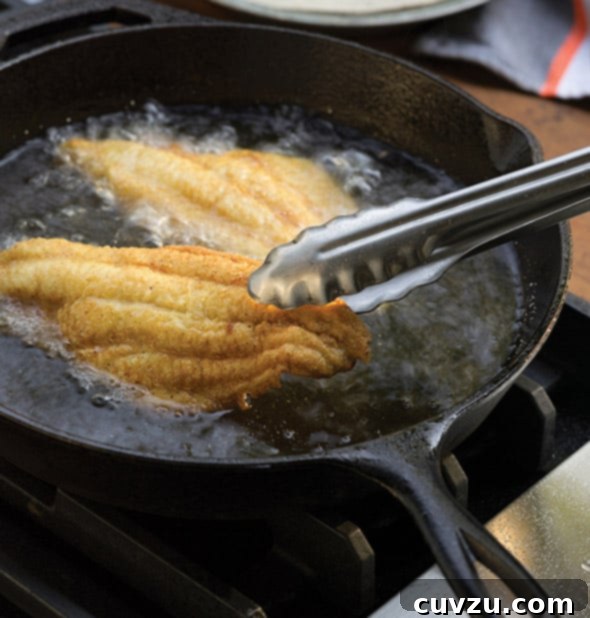
Classic Southern Fried Catfish: A Crispy, Flavorful Tradition
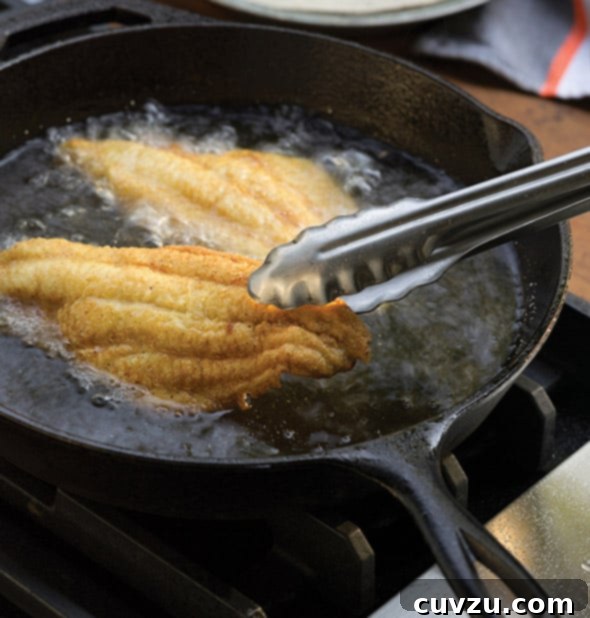
There are some dishes that transcend mere sustenance and become an integral part of a region’s identity. Southern fried catfish is undeniably one such culinary icon. It’s a dish that evokes images of family gatherings, lakeside picnics, and the comforting flavors of home. While some might shy away from seafood, for many Southerners, catfish holds a special, almost exempted status. As food writer Christy Jordan eloquently puts it, her mother always says catfish “doesn’t count because it’s pond food, not seafood.” This sentiment perfectly encapsulates the beloved, down-to-earth appeal of this crispy, cornmeal-breaded delight. It’s a dish deeply rooted in tradition, yet simple enough for any home cook to master.
This recipe for Southern fried catfish celebrates that very simplicity. It’s about achieving a perfectly crisp, golden exterior and a tender, flaky interior, allowing the natural flavor of the fish to shine through. While the choice of cornmeal might spark friendly debates across state lines – a true testament to Southern pride – the core elements remain steadfast: fresh catfish, a flavorful cornmeal coating, and the right frying technique. Don’t forget your favorite hot sauce and a generous dollop of creamy tartar sauce to complete the authentic experience.
The Enduring Appeal of Southern Catfish
Catfish has been a staple in Southern diets for centuries, long before modern aquaculture made it widely available. Native to the freshwater rivers and lakes of the American South, these resilient fish were a readily available protein source, especially for communities along waterways. The tradition of “fish fries” emerged as a communal event, bringing families and neighbors together. Large batches of freshly caught catfish would be coated in cornmeal, fried until golden, and served with an array of simple, hearty side dishes like coleslaw, hushpuppies, and beans.
What makes fried catfish so enduringly popular is its unique texture and mild, slightly sweet flavor. Unlike many saltwater fish, catfish has a firm, white flesh that holds up beautifully to frying, resulting in a satisfyingly robust bite. The cornmeal crust, a hallmark of Southern frying, adds a textural contrast that is both comforting and incredibly addictive. It’s not just a meal; it’s a culinary ritual, a taste of heritage passed down through generations.
Choosing Your Cornmeal: A Southern Debate
When it comes to breading your catfish, the type of cornmeal you choose can be a point of passionate discussion among Southern cooks. Some swear by white cornmeal, believing it yields a crisper, lighter crust that truly highlights the fish. Others champion yellow cornmeal for its slightly sweeter flavor and vibrant golden hue. There’s even a consensus, at least according to one Mississippi native, that using white cornmeal in their state is practically an invitation to be “escorted to the border!”
Ultimately, the choice is yours and can often depend on regional preferences or simply what you grew up with. For this recipe, either white or yellow cornmeal will work wonderfully. The key is to select a finely ground variety. Fine cornmeal adheres better to the fish, creating a more uniform and delicately crisp coating. Coarser grinds can sometimes lead to a slightly gritty texture, which isn’t ideal for that perfectly smooth, crunchy crust we’re aiming for. Feel free to experiment with both to discover your personal preference, or simply embrace the rebellious spirit and use whichever you prefer, state patriotism notwithstanding.
Southern Fried Catfish Recipe
5 from 1 vote
Plain and perfect – that’s how I like my fried catfish. Crispy on the outside with a lovely flakiness on the inside, it’s one of my favorite dinners that embodies true Southern comfort.
David Leite
Equipment
- Deep-fry, candy, or instant-read thermometer
- Large, heavy-bottomed skillet (preferably cast iron)
Ingredients
- Vegetable oil, for frying
- 3/4 to 1 cup white or yellow cornmeal, preferably finely ground
- 1 teaspoon sea salt, plus more to taste
- 1 teaspoon freshly ground black pepper, plus more to taste
- 4 (about 1 1/2 lbs) catfish fillets
- Lemon wedges, for serving
- Vinegar or store-bought or homemade hot sauce, for serving
- Homemade tartar sauce, for serving
Instructions
-
Pour vegetable oil into a large, heavy-bottomed skillet (like cast iron) to a depth of 1/2 inch. Place the skillet over medium-high heat and heat until the oil registers 350°F (177°C) on a deep-fry or instant-read thermometer. Ensure the oil is hot but not smoking. While the oil heats, prepare a draining station by setting a wire rack over a baking sheet, or by lining a counter with a brown paper bag or several layers of paper towels.
-
In a medium bowl, combine the cornmeal, sea salt, and freshly ground black pepper. Stir well to ensure the seasonings are evenly distributed. Thoroughly dredge each catfish fillet in the cornmeal mixture, pressing gently to ensure both sides are fully and evenly coated. Shake off any excess coating.
-
Carefully reduce the heat to medium. Gently place the breaded fillets into the hot oil. Be mindful not to overcrowd the skillet, as this can lower the oil temperature and prevent the fish from cooking evenly and becoming crisp. You may need to work in batches, depending on the size of your skillet and fillets. Cook the fillets, turning once, until they are beautifully golden brown and crispy on both sides. This typically takes 3 to 5 minutes per side, depending on the thickness of your fillets. The internal temperature of the fish should reach 145°F (63°C) and the flesh should flake easily.
-
Once cooked, carefully transfer the fried catfish fillets to the prepared wire rack or paper-lined surface to drain excess oil. Serve the fish immediately while it’s hot and crisp, accompanied by fresh lemon wedges, a splash of vinegar or your favorite hot sauce, and a generous dollop of creamy homemade tartar sauce.
Adapted From
Come Home to Supper
Buy On Amazon
Nutrition
Calories: 122 kcal
Carbohydrates: 24 g
Protein: 3 g
Fat: 2 g
Saturated Fat: 0.3 g
Monounsaturated Fat: 1 g
Cholesterol: 1 mg
Sodium: 583 mg
Fiber: 3 g
Sugar: 1 g
Nutrition information is automatically calculated, so should only be used as an approximation.
Tried this recipe?
Mention @leitesculinaria or tag #leitesculinaria!
Tips for Frying Flawless Catfish
Achieving perfectly fried catfish involves a few key considerations that can elevate your dish from good to extraordinary:
- Oil Temperature is Crucial: Maintaining the ideal oil temperature of 350°F (177°C) is paramount. If the oil isn’t hot enough, the fish will absorb too much oil and become greasy. If it’s too hot, the exterior will burn before the interior is cooked through. An instant-read thermometer is your best friend here.
- Don’t Overcrowd the Skillet: Frying too many fillets at once will drop the oil temperature significantly, leading to soggy fish. Work in batches to ensure each piece has enough space to cook evenly and get beautifully crispy.
- Pat Fish Dry: Before dredging, make sure your catfish fillets are thoroughly patted dry. Excess moisture can prevent the cornmeal coating from adhering properly and can also cause the oil to splatter more.
- Use a Cast-Iron Skillet: A heavy-bottomed pan, especially cast iron, is ideal for frying. It retains heat exceptionally well, helping to keep the oil temperature consistent even when adding cold fish.
- Draining is Essential: Once fried, immediately transfer the fillets to a wire rack set over a baking sheet, or onto a brown paper bag. This allows air to circulate around the fish, preventing steam from building up and making the crust soggy. A paper bag or paper towels will absorb excess oil, ensuring a crisp finish.
- Season Generously: Don’t be shy with the salt and pepper in your cornmeal mixture. Catfish benefits from a good seasoning, and the simple blend in this recipe perfectly complements its mild flavor. You can always add a pinch of cayenne or garlic powder if you’re feeling adventurous.
Recipe Testers’ Reviews: What They Loved
Our team of recipe testers consistently lauded this Southern fried catfish recipe for its straightforward approach and outstanding results. Here’s a summary of their key insights:
- Simplicity is Key: Many testers, like Linda Pacchiano, appreciated the “puristic” and simple nature of the recipe, proving that complicated steps aren’t always necessary for delicious results. Lou Ann Traster noted it taught her to “skip the triple-dipping, buttermilk-soaking, and ingredient-assembling and just fry the darn thing.”
- Perfect Timing: The recommended cooking times were spot on for medium-sized fillets, yielding fish that was “crisp on the outside, moist and tender inside” as noted by Ralph Knauth. Ayanna Fews suggested adjusting slightly for larger fillets, but affirmed the base timing was excellent.
- Flawless Crust: The cornmeal crust was consistently praised for its crispness and golden-brown perfection. Sandy Hill highlighted how this “basic preparation produced a crisp and delicious fried catfish.”
- Accompaniment Versatility: While hot sauce and tartar sauce were popular choices, testers enjoyed experimenting. Linda used a spicy sriracha sauce, Ralph served his with a preserved lemon and tomato relish, and Lou Ann utilized leftover dredging cornmeal to make hush puppies, showcasing the dish’s adaptability.
- Serving Sizes: For generous portions, especially for a party of four, most agreed that 1 1/2 pounds of fillets worked best. However, a pound could comfortably serve 2-3 people.
- Keeping Warm: When frying in batches, covering the first batch lightly with foil or holding it in a low oven (around 200-250°F) was suggested to keep it warm without compromising crispiness, though some found it unnecessary due to the quick cooking time.
Serving Your Southern Fried Catfish
While this recipe emphasizes the delightful simplicity of fried catfish, the accompaniments can truly elevate the experience. Lemon wedges are non-negotiable, providing a bright, acidic counterpoint to the rich fried fish. Hot sauce, whether a classic Louisiana-style variety or a homemade blend, adds a welcome kick. And for many, no fried catfish meal is complete without a creamy, tangy tartar sauce.
Beyond these essentials, consider rounding out your meal with other Southern classics: a vibrant coleslaw offers a refreshing crunch, while warm, savory hushpuppies make an excellent addition (and a great way to use up any extra cornmeal batter). A side of perfectly cooked green beans, potato salad, or even some simple white rice can complete this comforting feast. For a more adventurous twist, try a spicy salsa or a homemade relish to add an unexpected burst of flavor. This versatile dish pairs well with many flavors, making it perfect for a casual weeknight dinner or a lively weekend gathering.
Conclusion
Southern fried catfish is more than just a meal; it’s a celebration of heritage, comfort, and good, honest food. With its irresistible crispy cornmeal crust and tender, flaky interior, it’s a dish that continues to captivate palates across the globe. This recipe, designed for simplicity and maximum flavor, invites you to partake in a cherished Southern tradition. Whether you adhere strictly to traditional methods or add your own personal touch, the joy of a perfectly fried catfish fillet, hot and fresh from the pan, is an experience that truly embodies the spirit of Southern cooking. So gather your ingredients, fire up that skillet, and prepare to indulge in a truly classic and unforgettable meal.