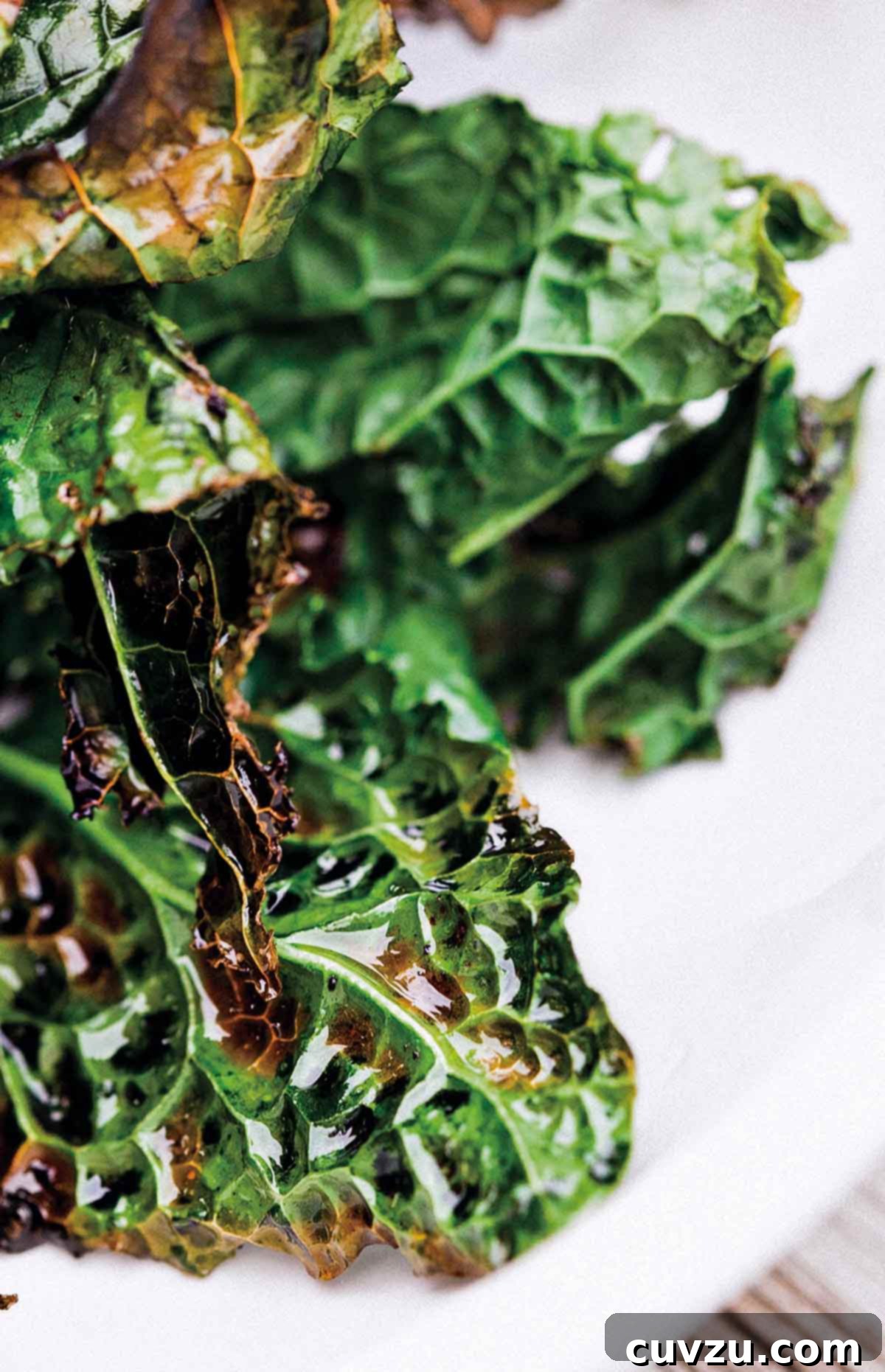
This grilled kale is compelling proof that the grill’s potential extends far beyond traditional meats, inviting a vibrant world of vegetable possibilities to your outdoor cooking repertoire.
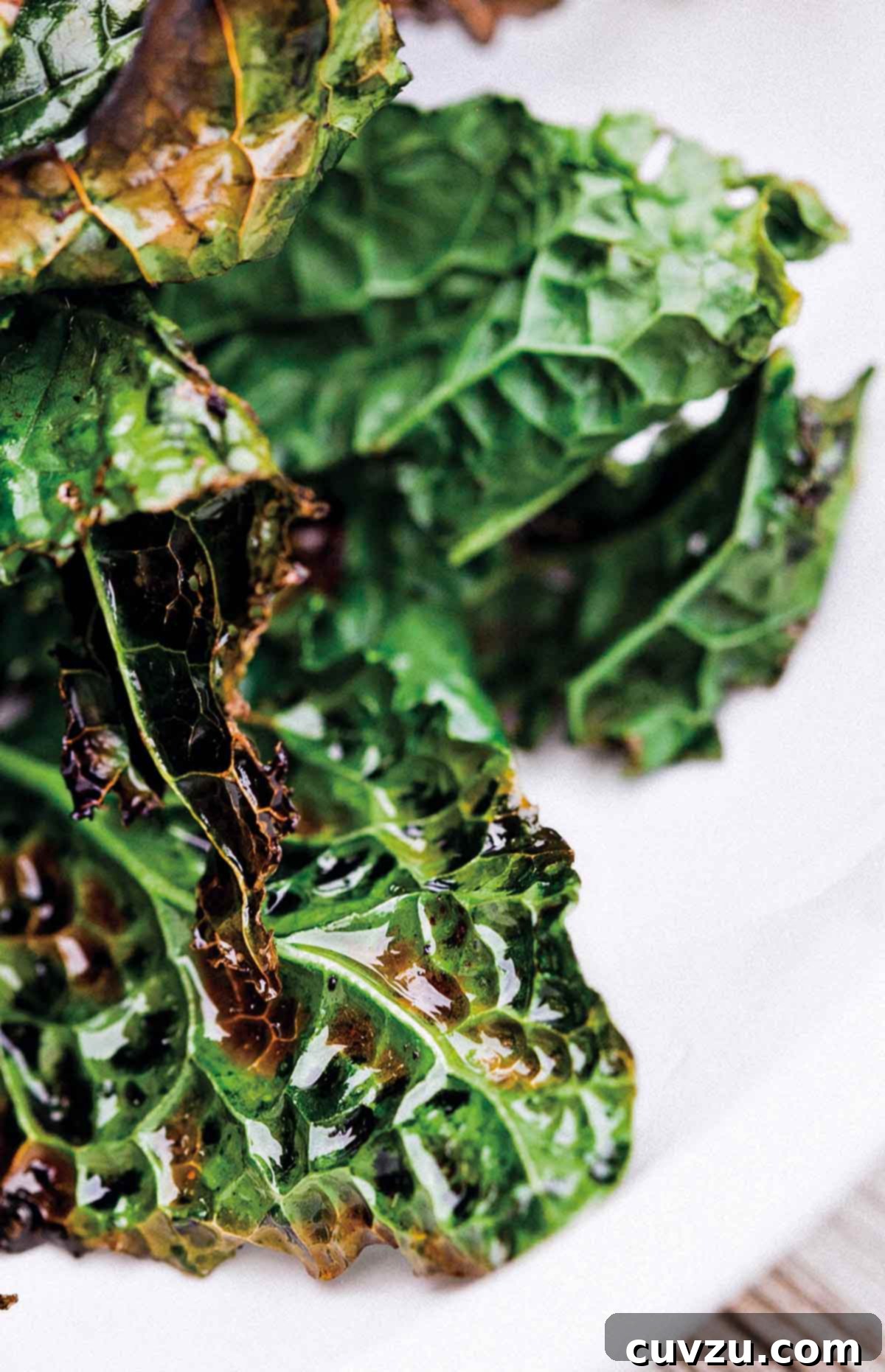
The Ultimate Guide to Perfectly Grilled Kale: Smoky, Crispy, and Irresistibly Flavorful
For many home cooks and barbecue enthusiasts, the grill is synonymous with sizzling steaks, juicy burgers, or perfectly charred chicken. However, a surprising culinary revelation awaits those willing to explore its greener side: perfectly grilled kale. This dish is not merely a side; it’s a game-changer, capable of transforming a humble leafy green into an extraordinary, highly addictive experience. The acclaimed culinary expert Barton Seaver even credits this simple preparation with a legendary place in his marriage, recounting how it converted his vegetable-averse wife:
“This is simply one of my favorite dishes, and it has a legendary place in the history of my marriage. My wife was not a fan of this vegetable—or of any vegetable. Fan might not be the right word. It’s not just that she didn’t like them; she actively campaigned against them, prosecuting them, all guilty as charged, although on scant evidence. It was this simple dish that got her to at least begin to consider laying down her sword. The crisp texture, the smoky, charred taste, the transparency of the whole process got her to let her guard down. And now it’s a staple. So you might say that this recipe is a gateway vegetable.” – Barton Seaver
Barton’s anecdote perfectly encapsulates the unexpected magic of grilled kale. Its ability to win over even the most stubborn vegetable skeptics lies in its unique characteristics: a crisp yet delightfully chewy texture, a deep nutty essence, and an irresistible smokiness imparted by the grill. This isn’t just cooked kale; it’s a revelation—a healthier, more flavorful answer to the classic kale chip, designed to be savored straight from the platter.
Why Grilling Kale is a Culinary Revelation
Grilling kale might seem unconventional, but it offers a distinct advantage over other cooking methods. The intense, direct heat of the grill performs a remarkable transformation, imbuing the kale with flavors and textures simply unattainable through steaming or sautéing. Here’s why grilled kale is a must-try:
- Unmatched Smoky Flavor: The high heat creates a beautiful char on the kale leaves, fostering the Maillard reaction. This process develops complex, savory, and smoky notes that deeply enhance the kale’s natural earthiness, moving it far beyond a simple green.
- Superior Texture: Unlike cooking methods that can leave kale soggy or overly soft, grilling strikes a perfect balance. The leaves become tender where they hit the grates, yet develop an addictive crispiness around the edges, creating a delightful chew that’s both satisfying and light.
- Quick and Easy: Kale cooks incredibly fast on the grill, making it an ideal last-minute side dish. With minimal prep and just minutes of cooking, you can have a gourmet vegetable on your table.
- Versatile Pairing: Grilled kale offers a vibrant, healthy counterpoint to richer grilled meats and barbecue staples. Its robust flavor stands up well to bold dishes, providing a refreshing contrast that elevates the entire meal.
As culinary professionals and home cooks alike have discovered, grilled kale seamlessly integrates into any outdoor cooking occasion. One of our recipe testers, chef Angie Hsing, perfectly captured its appeal at a barbecue: “What a great reprieve from all the meat here….” It’s a testament to how this simple preparation can provide a refreshing and delicious break from traditional barbecue fare, satisfying even the most dedicated carnivores with its smoky, substantial appeal.
Choosing the Ideal Kale: Lacinato for the Win
While various types of kale can be grilled, the success of this recipe largely hinges on selecting the right variety. Our recipe specifically calls for lacinato kale, also known interchangeably as black, dinosaur, or Tuscan kale. This particular variety is highly favored for grilling due to its unique physical characteristics and how it reacts to direct heat:
- Flat, Robust Leaves: Lacinato kale features long, flat, and somewhat crinkled leaves that are darker and more substantial than the curly varieties. This structure makes it less prone to excessive wilting or shriveling on the grill.
- Optimal Crispness: Unlike curly kale, which tends to soften significantly, lacinato kale crisps beautifully around the edges while maintaining a pleasant chewiness in the center. This creates a deeply satisfying texture that mimics a gourmet kale chip.
- Sweeter Flavor Profile: Lacinato kale often has a slightly milder and sweeter flavor compared to its curly counterpart, which can sometimes be more bitter. This makes it more palatable for those new to kale or vegetable-skeptics.
If lacinato kale isn’t available, curly kale can be used as an alternative, but be aware that it will likely wilt more and may not achieve the same pronounced crispiness. Regardless of the variety, always choose fresh, firm bunches with vibrant, unbroken leaves for the best possible outcome. The quality of your kale directly impacts the final dish.
The Nutritional Powerhouse: Health Benefits of Grilled Kale
Beyond its incredible flavor and satisfying texture, kale is widely recognized as one of the most nutrient-dense foods on the planet. Grilling preserves many of these vital nutrients, making it an excellent and delicious addition to a healthy diet:
- Vitamin K Champion: Kale is an outstanding source of Vitamin K, essential for blood clotting and crucial for maintaining strong bones. Just one serving can provide several times the recommended daily intake.
- Rich in Vitamins A and C: It’s packed with Vitamin A (in the form of beta-carotene), which supports vision, immune function, and skin health. It also provides a significant dose of Vitamin C, a powerful antioxidant vital for immunity, collagen production, and fighting free radicals.
- Abundant in Minerals: Kale contributes important minerals like calcium, which is vital for bone health; potassium, beneficial for blood pressure regulation; and magnesium, involved in over 300 biochemical reactions in the body.
- Antioxidant Rich: This leafy green is loaded with potent antioxidants such as quercetin and kaempferol. These compounds help protect the body’s cells from damage caused by oxidative stress, potentially reducing the risk of chronic diseases.
- High Fiber Content: The significant fiber content in kale aids in healthy digestion, promotes a feeling of fullness, and helps stabilize blood sugar levels, contributing to overall gut health.
By incorporating grilled kale into your meals, you’re not just enjoying a delightful culinary experience; you’re also making a powerful choice for your health, fueling your body with essential nutrients in the most delicious way possible.
Mastering the Grill: Essential Preparation and Techniques
Achieving perfectly grilled kale is surprisingly simple, but a few critical steps in preparation and grilling technique will ensure a consistently delicious and perfectly charred result.
Preparation is Paramount
The first rule of excellent grilled kale is thorough cleaning and drying. Begin by rinsing your kale bunches under cold running water to remove any dirt or debris. Next, and this step cannot be overstressed, pat the kale leaves absolutely dry using paper towels or a salad spinner. Any residual moisture will cause the kale to steam rather than crisp and char on the grill, preventing that coveted texture. Once dry, strip away the tough, central stems from each kale leaf; these are too fibrous to be pleasant when grilled. Finally, tear the leaves into large, bite-sized pieces. Aim for pieces that are substantial enough not to slip through your grill grates, yet manageable for eating.
Seasoning: Simple, Yet Profound
With your kale prepped, it’s time for seasoning. In a large bowl, toss the torn kale leaves generously with high-quality extra-virgin olive oil and a good pinch of kosher salt. The olive oil is essential; it not only helps the leaves cook evenly but also promotes the beautiful charring and crisping. The kosher salt, with its coarse texture, adheres well to the leaves and enhances their natural flavors without overwhelming them. This minimalist approach allows the unique smoky essence from the grill to take center stage, creating a truly memorable dish.
Grill Setup: The Foundation of Flavor
Prepare your grill for medium heat. If you’re using a charcoal grill, consider adding a few chunks of flavorful hardwoods like maple or oak to the fire. These wood chunks will impart an extra layer of authentic, aromatic smoke that elevates the kale’s flavor profile from great to truly exceptional, echoing the traditional tastes of a summer barbecue. For gas grills, a smoker box filled with wood chips can achieve a similar effect. Ensure your grill grates are clean and lightly oiled to prevent the delicate kale leaves from sticking.
The Art of the Char: Grilling for Optimal Texture
Arrange the seasoned kale leaves in a single layer directly on the preheated grill rack. You’ll immediately hear a satisfying sizzle – this is precisely what you want! Resist the urge to turn them too soon. The goal during this initial phase is to develop a deep, nutty char. As recipe tester Jo Ann Brown eloquently describes it, “The charred spots are pronounced and complex tasting.” This “burn” is not a mistake; it’s a critical component of the flavor, transforming the kale’s sugars and bitter notes into something wonderfully savory and complex. After 4 to 5 minutes, carefully use tongs to flip the leaves to their other side, allowing them to char slightly. Continue cooking for just another minute or so, until the kale is tender-crisp with beautifully blackened, crispy edges. Immediately transfer the perfectly grilled kale to a serving platter and enjoy its fresh-from-the-grill glory.
Elevating Your Grilled Kale: Creative Flavor Variations and Additions
While the classic preparation of grilled kale with olive oil and kosher salt is undeniably delicious, its versatility allows for endless customization. Our testers found the basic recipe “pretty darn good,” but you can easily introduce a “little bit of zip” to match your personal preferences or complement your main course. Here are some fantastic ways to enhance your grilled kale:
- Aromatic Garlic Infusion: Incorporate a sprinkle of garlic powder into the olive oil and kale mixture before grilling for a subtle, savory undertone. For a more pungent kick, a small amount of finely minced fresh garlic can be added.
- Cheesy Goodness: A light dusting of grated Parmesan cheese over the hot, freshly grilled kale adds a wonderful salty, umami richness that melts slightly into the leaves. For a dairy-free or vegan option, nutritional yeast provides an excellent cheesy flavor.
- Heat and Spice: For those who enjoy a bit of warmth, a pinch of freshly ground black pepper or a dash of red pepper flakes can provide a pleasant kick. Smoked paprika or a touch of chili powder can also add depth and a smoky spice dimension.
- Bright Citrus Zest: A squeeze of fresh lime juice or lemon juice over the finished kale brightens the dish with a refreshing, tangy contrast to the smoky char. A light drizzle of a lemon-herb vinaigrette after grilling also works wonders.
- Sweet & Tangy Balsamic: A delicate drizzle of high-quality balsamic glaze or a reduction after the kale comes off the grill introduces a delightful balance of sweetness and acidity, complementing the kale’s inherent bitterness beautifully.
- Fresh Herbal Touches: Sprinkle freshly chopped herbs like parsley, chives, dill, or even a hint of mint over the warm kale for an aromatic finish that adds layers of fresh flavor.
- Everything Bagel Seasoning: For a modern and savory twist, toss the kale with everything bagel seasoning before grilling. The sesame seeds, poppy seeds, dried garlic, and onion create an addictive crunchy and savory coating.
Remember to add most dry spices before grilling to allow their flavors to toast, and incorporate fresh herbs, citrus juices, or delicate glazes after grilling to preserve their vibrant character.
Serving Suggestions: More Than Just a Side Dish
The smoky, tender-crisp texture and robust flavor of grilled kale make it an incredibly versatile component that can elevate almost any meal. While it excels as a simple side, its potential stretches far beyond:
- Essential Barbecue Companion: As our testers highlighted, it’s a “perfect addition to a meat-heavy cookout,” offering a much-needed fresh, green, and flavorful counterpoint to rich grilled meats such as steak, chicken, pork chops, or sausages.
- Gourmet Burger Topper: Add a layer of smoky, crunchy grilled kale to your burgers or sandwiches for an elevated texture and a boost of nutrition that will surprise and delight.
- Hearty Grain Bowl Element: Allow the grilled kale to cool slightly, then chop and toss it into your favorite grain bowls alongside quinoa, farro, roasted root vegetables, and a protein source for a satisfying and exceptionally healthy meal.
- Creative Salad Base: Transform standard salads by using cooled, chopped grilled kale as a flavorful base. It pairs wonderfully with ingredients like roasted sweet potatoes, crumbled feta or goat cheese, toasted nuts, and a tangy vinaigrette.
- Elegant Egg Accompaniment: Serve grilled kale as a sophisticated side for scrambled eggs, omelets, or as a bed for perfectly fried or poached eggs, adding a gourmet touch to breakfast, brunch, or a light dinner.
- Soup and Stew Enhancer: Finely chop and sprinkle grilled kale over hearty soups or stews just before serving. It adds a delightful textural contrast and a layer of smoky flavor that deepens the dish.
- Unique Pizza Topping: Experiment with grilled kale as a topping for homemade pizzas. Its slight bitterness and smoky char provide a surprisingly delicious and sophisticated element.
- Irresistible Snack: Don’t underestimate its simple snackability! As one of our testers, Jo Ann Brown, enthusiastically noted, “And they’d stack up nicely next to a cold, hoppy beer.” It’s the perfect testament to their addictive qualities.
From casual weeknight dinners to impressive dinner parties, grilled kale is adaptable, impressive, and always a welcome addition to the table.
Grilled Lacinato Kale: A Smoky, Crispy Delight
Lacinato kale is the ideal choice for this recipe, as it crisps beautifully rather than merely wilting, allowing you to achieve a wonderfully satisfying and unique texture very quickly on the grill.
Recipe by David Leite
Course: Sides
Cuisine: American
Servings: 4 servings
Calories: 128 kcal per serving
Prep Time: 8 minutes
Cook Time: 7 minutes
Total Time: 15 minutes
Ingredients
- 2 bunches lacinato kale (also known as black, dinosaur, or Tuscan kale)
- 2 tablespoons extra-virgin olive oil
- Kosher salt, to taste
Instructions
- Prepare the Grill: Set up your grill for medium heat. For an authentic smoky flavor, consider adding a few chunks of maple or oak wood to the fire if you’re using a charcoal grill.
- Prepare the Kale: Rinse the kale thoroughly under cold water and then pat it completely dry. This step is crucial for achieving crispness. Strip away and discard the tough central stems from the kale leaves. Tear the leaves into large, bite-sized pieces, ensuring they are big enough not to fall through the grill grates.
- Season the Kale: In a large bowl, toss the torn kale leaves with the extra-virgin olive oil and a good pinch of kosher salt until every piece is evenly coated.
- Grill the First Side: Arrange the seasoned kale in a single layer directly on the preheated grill rack. You should hear them sizzle almost immediately. Allow them to cook undisturbed for 4 to 5 minutes. During this time, the kale will develop a desirable char – this “burn” is essential for flavor development.
- Grill the Second Side: Using tongs, carefully flip the leaves once to char the other side. Continue to cook for another minute or so, until the kale is tender-crisp with beautifully charred edges.
- Serve Immediately: Transfer the grilled kale to a platter right away and serve warm. Enjoy the smoky, crispy delight!
Adapted From
This remarkable recipe is thoughtfully adapted from “Where There’s Smoke,” a renowned cookbook by the talented Barton Seaver. To explore more of his innovative approaches to grilling and discover other captivating recipes, we encourage you to purchase his book.
Buy On Amazon
Approximate Nutrition Information
Serving: 1 portion
Calories: 128 kcal
Carbohydrates: 12 g
Protein: 6 g
Fat: 8 g
Saturated Fat: 1 g
Sodium: 51 mg
Nutrition information is automatically calculated and should be used as an approximation. Individual dietary needs may vary.
Common Questions About Grilling Kale
Can I use other types of kale for grilling?
While lacinato kale is highly recommended for its superior ability to crisp beautifully on the grill, other varieties such as curly kale can certainly be used. However, curly kale tends to be more delicate and may wilt more quickly and soften more than crisp. If you choose to use curly kale, keep a very close eye on it during cooking and consider reducing the grilling time slightly to prevent over-charring. The unique texture and often milder flavor of lacinato kale generally yield a more satisfying result for this specific grilled preparation.
What if I don’t have an outdoor grill? Are there alternative cooking methods?
Absolutely! If an outdoor grill isn’t an option, you can still enjoy delicious kale with a similar charred effect. A heavy-bottomed cast iron grill pan on your stovetop can mimic the grill’s direct heat. Heat the grill pan over medium-high heat until it’s smoking slightly, then cook the kale in batches, following similar timing to achieve char marks. Alternatively, oven roasting is another excellent method: preheat your oven to 400°F (200°C), spread the seasoned kale in a single layer on a baking sheet, and roast for 10-15 minutes, flipping halfway, until crispy and slightly browned. While these methods won’t fully replicate the distinct smoky aroma of an outdoor grill, they will still produce wonderfully crispy and flavorful kale.
How should I store leftover grilled kale?
Grilled kale is undeniably at its best when enjoyed immediately after cooking, as its crispness is most pronounced. Should you have any leftovers, store them in an airtight container in the refrigerator for up to 2-3 days. While the texture will soften considerably upon refrigeration, you can briefly reheat them in a hot pan to try and regain some of their crispness, or simply enjoy them cold as a flavorful addition to salads, grain bowls, or even as a snack.
Is the “char” always a good thing, or can I burn it completely?
The “char” is indeed a critical component of grilled kale’s appeal, as it develops those desirable smoky, nutty, and complex flavors that make the dish so special. However, there is a delicate balance to strike between a delicious char and outright burning. The key is to maintain a medium heat on your grill and monitor the kale diligently. Ensure the leaves are in a single layer for even cooking. The recommended 4-5 minutes on the first side and 1 minute on the second side are good guidelines, but always trust your eyes: the kale should have crispy, darkened edges, but still retain some vibrant green and a pleasant chewiness in the center. If you notice the leaves turning uniformly black and brittle too quickly, either reduce the heat or move them to a slightly cooler section of the grill to prevent overcooking.
Join the Grilled Kale Revolution!
Whether you’re a seasoned grill master seeking new culinary adventures or a home cook looking to transform your vegetable repertoire, grilled kale is a simple yet profoundly rewarding dish to master. Its remarkable ability to turn a typically humble green into a flavorful, smoky, and irresistibly crispy sensation makes it an absolute must-try for anyone who enjoys outdoor cooking.
This dish stands as compelling evidence that vegetables deserve a prominent and celebrated place on your grill, offering a healthy, delicious, and surprisingly addictive alternative or complement to traditional barbecue fare. So, ignite your grill, embrace the beautiful char, and prepare to experience kale in an entirely new and captivating way. We are confident that, much like Barton Seaver’s wife, you too will find yourself enthusiastically embracing this incredible “gateway vegetable” and adding it to your regular cooking rotation. We can’t wait to see your creations!
Mention @leitesculinaria or tag #leitesculinaria!