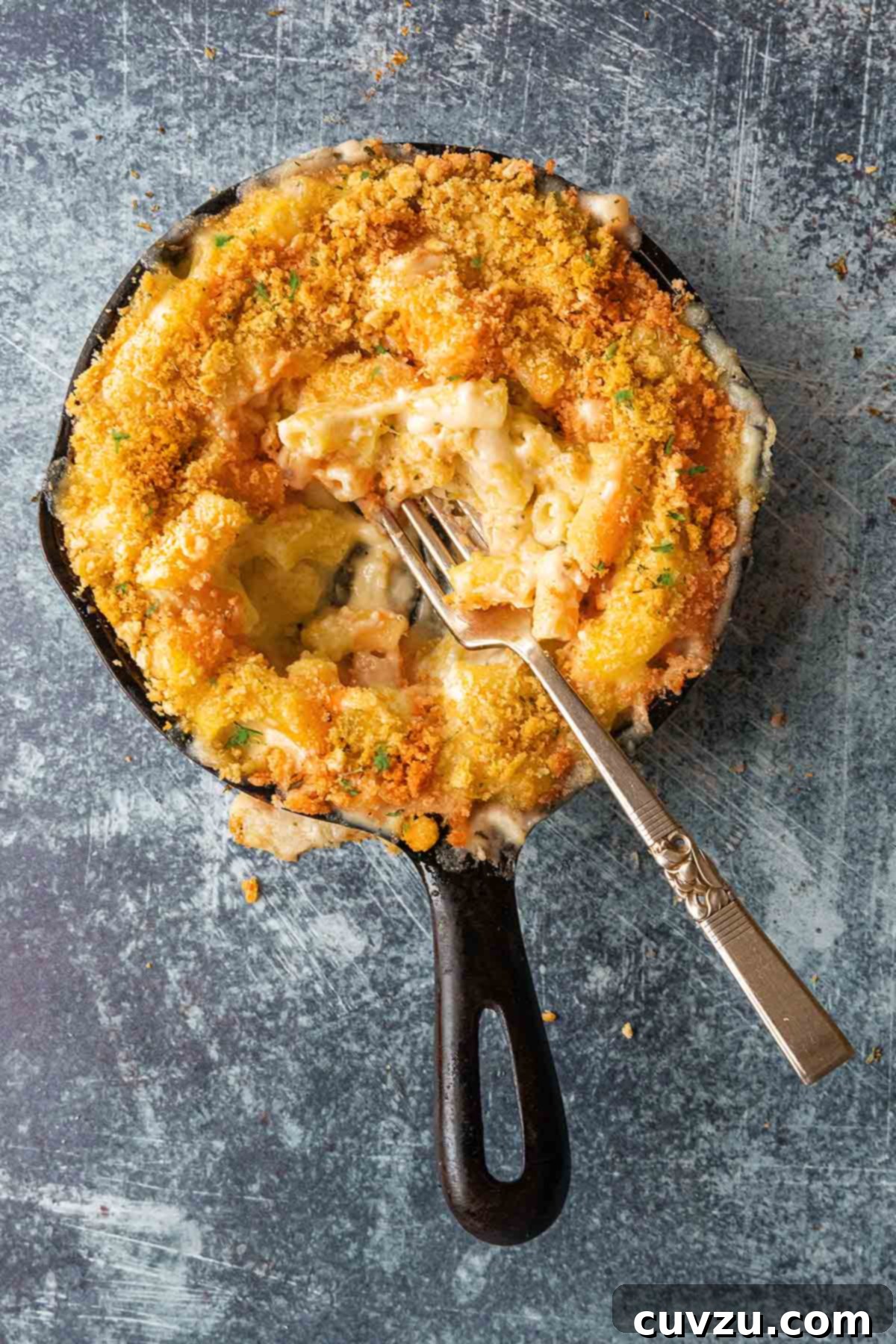
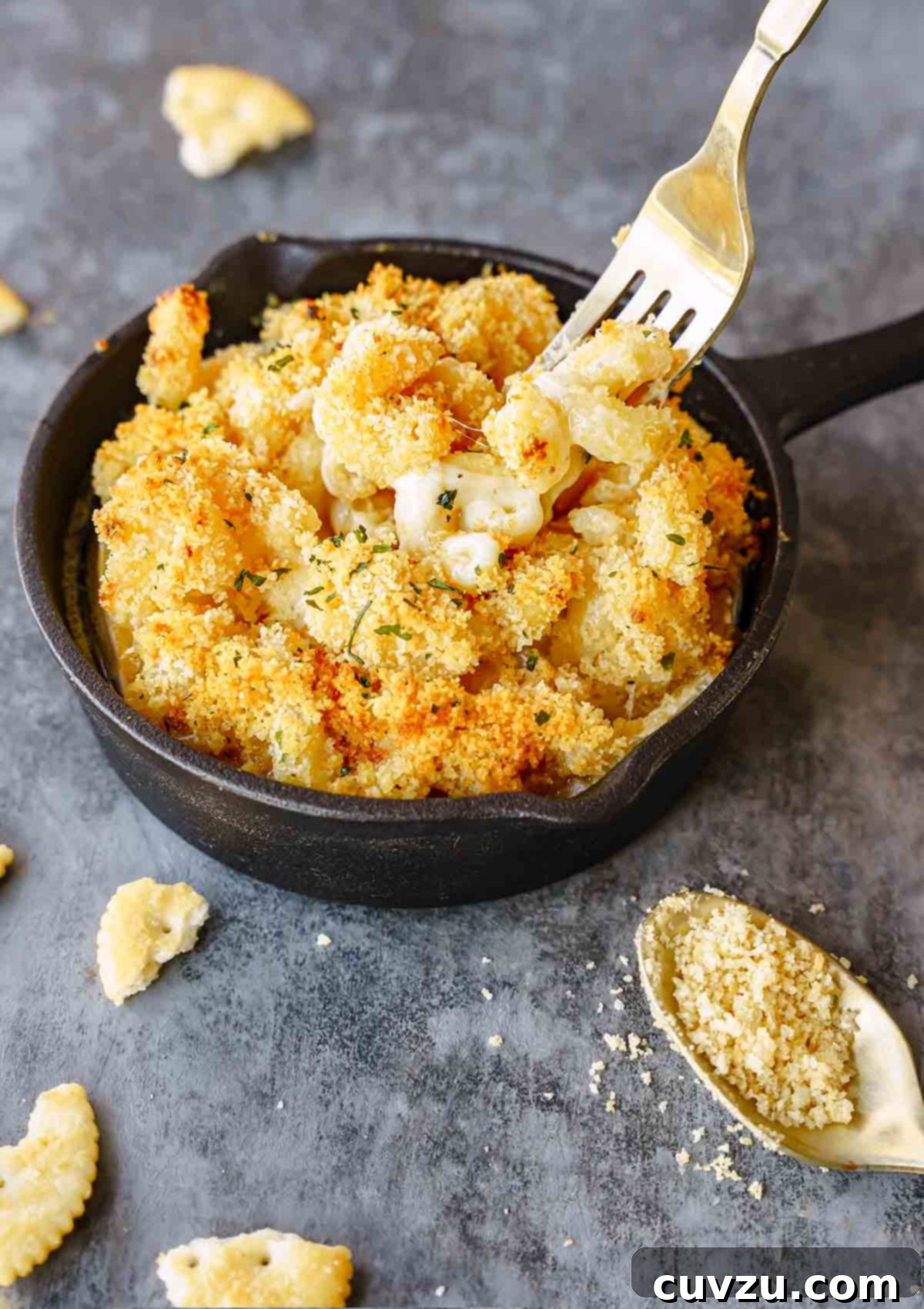
Welcome to the ultimate indulgence: Brie Mac and Cheese. This isn’t just any macaroni and cheese; it’s a spectacularly creamy, deeply flavorful, and irresistibly cheesy culinary masterpiece. Crafted with a luxurious blend of three distinct cheeses and crowned with a golden, buttery cracker crust, this dish redefines comfort food, transforming a beloved classic into an elevated gourmet experience. Prepare to add this baked delight to the very top of your list of favorite cheese recipes.
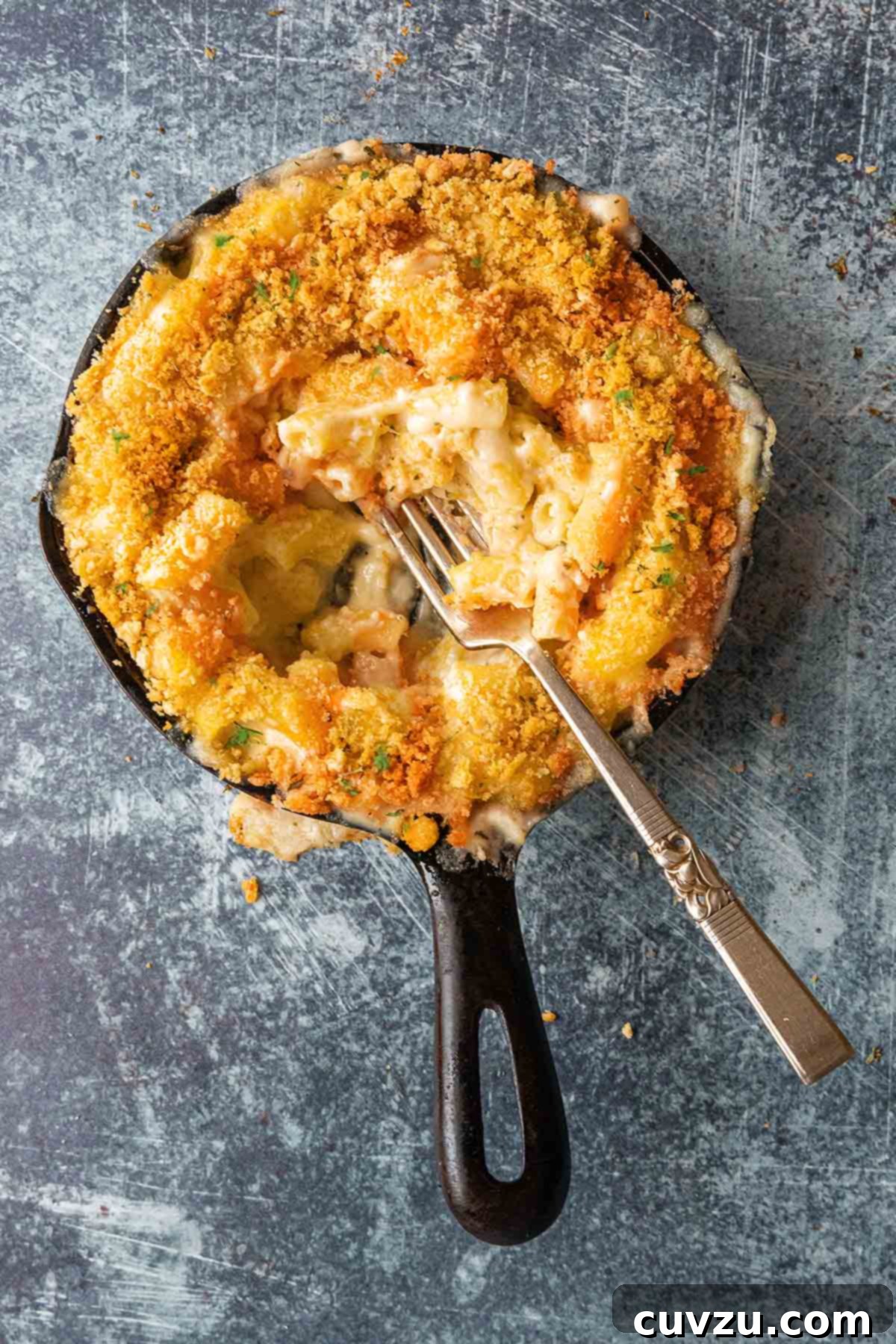
As a devoted enthusiast, I’ve journeyed through countless macaroni and cheese recipes, from the simplest three-ingredient wonders to sophisticated truffle-infused creations. Mac and cheese is, without a doubt, my ultimate comfort food – the one dish I’d choose to have with me on a deserted island. Its versatility is boundless, offering an endless array of delicious variations. However, among them all, this particular Brie Mac and Cheese recipe shines as a true standout. It’s so incredibly smooth, so rich, and so profoundly creamy that it borders on the divine. Imagine a perfect blend of three exquisite cheeses, baked to golden perfection beneath a delightful, buttery cracker topping. The result is a bubbling, golden-brown masterpiece that beckons with every spoonful.
Once you experience this indulgent dish, you’ll understand why it garners such high praise. It’s more than just a meal; it’s an experience designed to soothe the soul and tantalize the taste buds. So, join me in embracing this unparalleled culinary delight. You’ll want to frolic in the surf and savor this exquisite mac and cheese as the sun sets, truly making it an unforgettable culinary adventure.

Why Our Testers Adore This Brie Mac and Cheese
Our team of recipe testers unanimously fell in love with this “dressed-up version of the homey classic,” praising its profound richness and unparalleled creaminess. The combination of textures and flavors made it an instant favorite, pushing it to the forefront of gourmet comfort food experiences. It’s not just a dish; it’s a sensory journey that exceeds all expectations.
Barbara H., one of our seasoned testers, perfectly articulated its allure: “The deeply satisfying crunch of that top layer, followed by the umami creaminess of the sauce, had everyone eating far more of this dish than expected. It’s a revelation, and the use of Brie adds an unexpected layer of sophistication that truly elevates the entire experience.” This feedback highlights the dual appeal of this recipe: the delightful textural contrast of the golden crust against the silky-smooth pasta, and the complex, savory depth of the cheese sauce. It’s a dish designed to impress, yet it retains all the comforting qualities we cherish in a classic macaroni and cheese.
Essential Ingredients: Crafting Your Perfect Brie Mac and Cheese
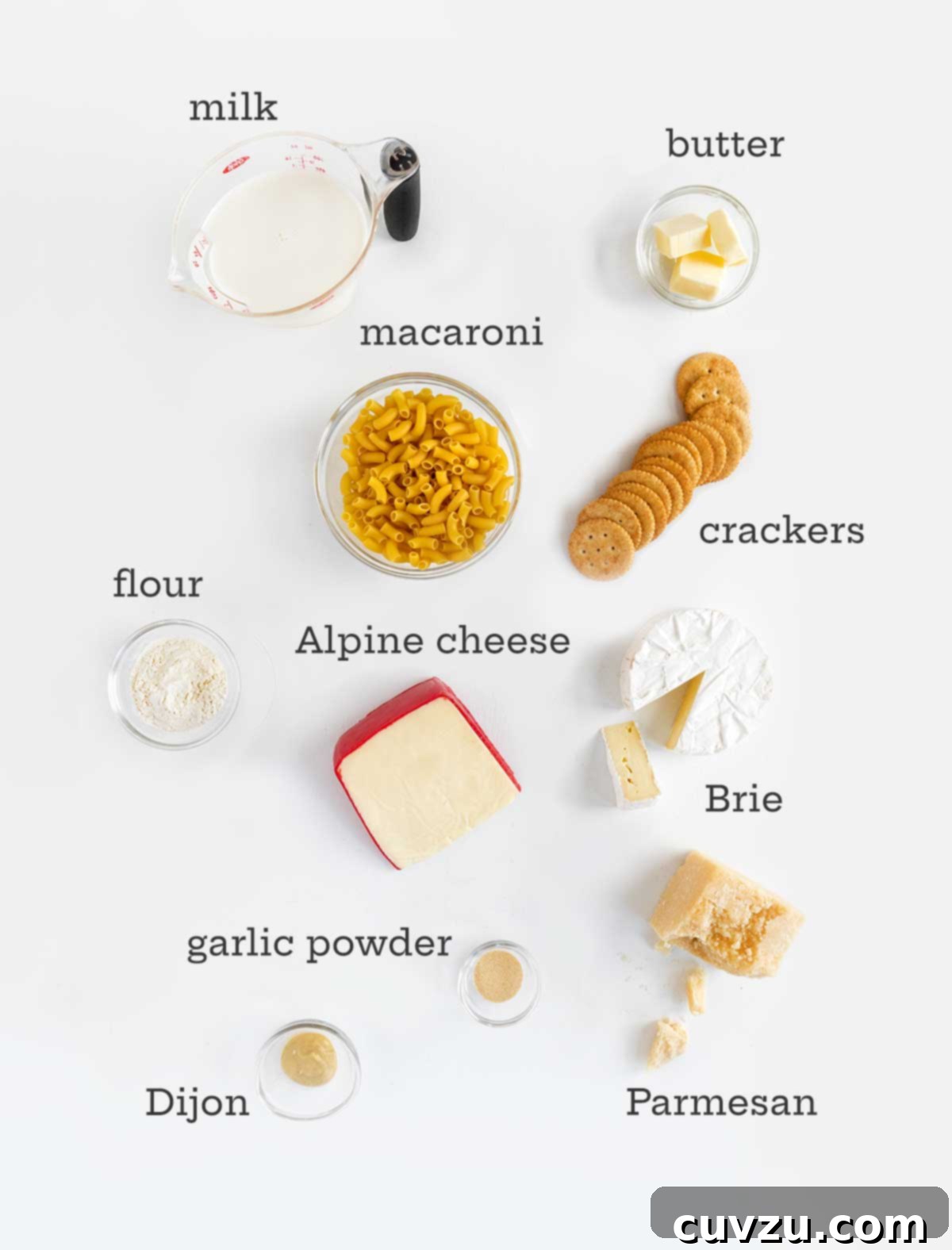
The secret to truly exceptional Brie Mac and Cheese lies in selecting and preparing the right ingredients. Each component plays a vital role in achieving that perfect balance of creaminess, cheesiness, and textural delight. Here’s what you’ll need and how to best prepare it:
- Buttery Crackers: The star of our golden crust, buttery crackers deliver an unparalleled crunch and a rich, savory flavor that perfectly complements the creamy pasta below. For best results, use classic Ritz-style crackers. To easily achieve uniform crumbs, place the crackers in a resealable plastic bag, squeeze out the air, and then gently crush them with your hands or roll over them with a rolling pin. This ensures an even crust that bakes beautifully.
- Brie Cheese: This soft, opulent cheese is the foundation of our gourmet mac and cheese. Its delicate, earthy flavor and exceptional melting qualities are key to the sauce’s silky texture. To prepare the Brie, you’ll need to remove the rind. While some prefer to leave it on, especially if they enjoy its distinct flavor, removing it ensures a smoother, more consistently creamy sauce that caters to all palates. Use a small, sharp paring knife to carefully trim around the wheel, working your way around the edges. Don’t worry if it’s not perfect; small pieces will melt seamlessly into the sauce. We recommend using double crème Brie for an extra rich experience.
- Complementary Cheeses (Parmesan and Alpine): Beyond Brie, this recipe incorporates a dynamic duo of Parmesan and Alpine cheese to build a complex flavor profile.
- Parmesan: Opt for freshly grated Parmesan cheese. Pre-shredded varieties often contain anti-caking agents that prevent them from melting smoothly, leading to a grainy sauce. Freshly grated Parmesan offers a sharp, salty, umami kick that balances the richness of the Brie.
- Alpine Cheese: As the name suggests, Alpine cheeses hail from the Alps and are renowned for their pleasant, toothsome texture (somewhere between firm and soft), marvelous nutty flavor, and exceptional melting capabilities. Popular choices that excel in this recipe include Emmenthal, Gruyère, and Comté. Each offers a slightly different nuance – Gruyère provides a deeper, more pungent note, while Emmenthal is milder and fruitier. Choose your favorite to tailor the flavor to your preference, but always ensure it’s freshly grated for the best melting performance.
- Pasta: The choice of pasta shape is crucial for mac and cheese, as it needs to hold onto that luscious sauce. Small, ridged shapes like elbows, shells (conchiglie), or cavatappi are ideal. The grooves and hollows effectively trap the creamy cheese sauce, ensuring every bite is packed with flavor. Remember that the pasta will continue to cook and absorb moisture while baking in the oven. Therefore, it’s essential to cook it only until it is barely tender – approximately 2 minutes less than the package directions suggest for al dente. This prevents it from becoming mushy during the baking process and ensures a perfect texture in the final dish.
- Other Essentials: Don’t forget the unsalted butter and all-purpose flour for creating a foundational roux, which thickens the sauce. Whole milk is preferred for its richness, providing a luxurious body to the cheese sauce. Dijon mustard, though a small amount, is vital; its subtle tang brightens the cheese flavors without making the sauce taste like mustard. Garlic powder adds a foundational layer of aromatic warmth, while fine sea salt and freshly ground black pepper are crucial for seasoning to perfection.
Crafting Your Brie Mac and Cheese: A Detailed Guide
Follow these step-by-step instructions carefully to achieve the most decadent and delicious Brie Mac and Cheese. Precision and attention to detail at each stage will ensure a perfect, creamy, and flavorful result.
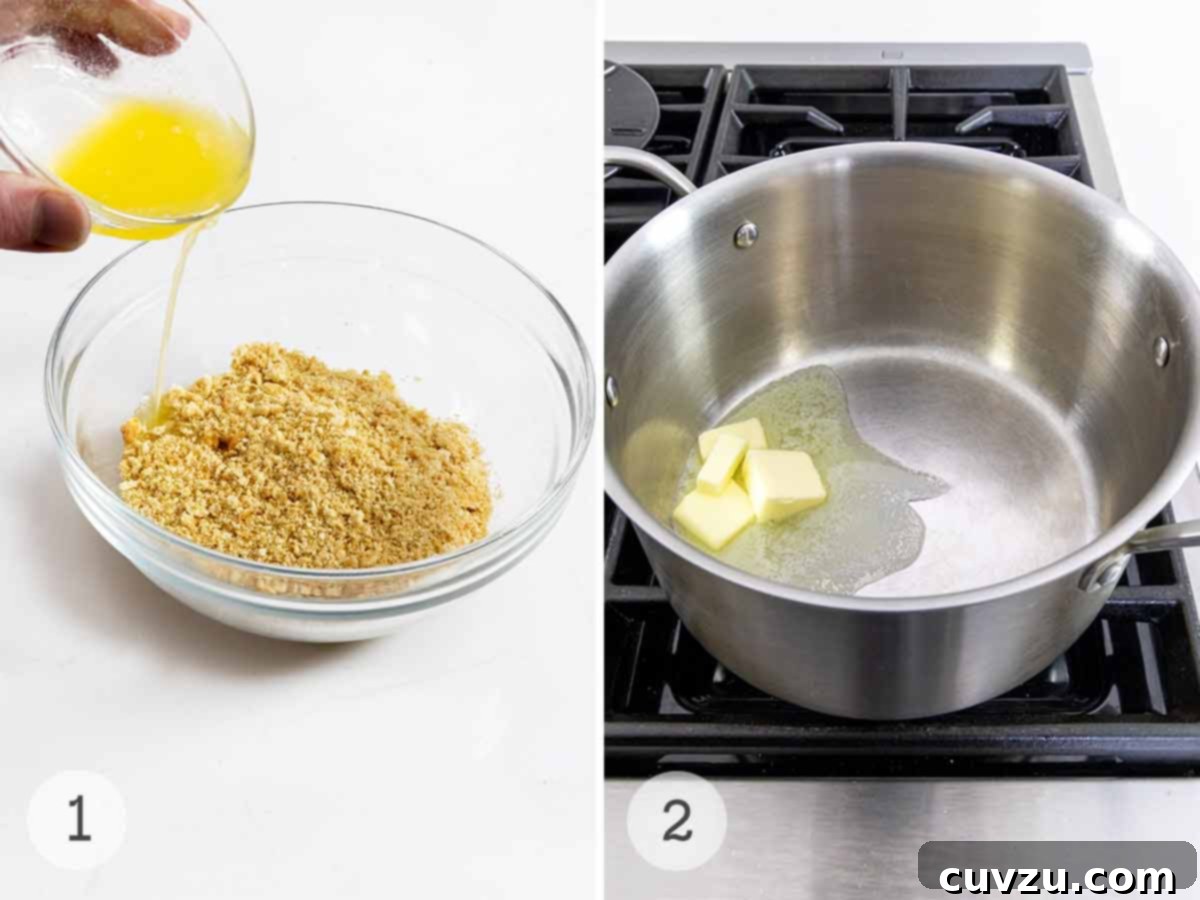
- Prepare the Cracker Crust and Cheeses: Begin by combining your crushed buttery crackers with 2 tablespoons of melted butter in a small bowl. Stir until the crumbs are evenly coated; this ensures a crispy, golden crust. Preheat your oven to 375°F (190°C) and line a rimmed baking sheet with parchment paper for easy cleanup. In a separate medium bowl, combine the prepared Brie (rinds removed and cut into small pieces), finely grated Parmesan cheese, and finely grated Alpine cheese. Toss them lightly to mix.
- Start the Roux: In a medium-sized, heavy-bottomed pot or Dutch oven, melt 3 tablespoons of unsalted butter over medium heat. Ensure the butter is fully melted and slightly shimmering, but not browning.
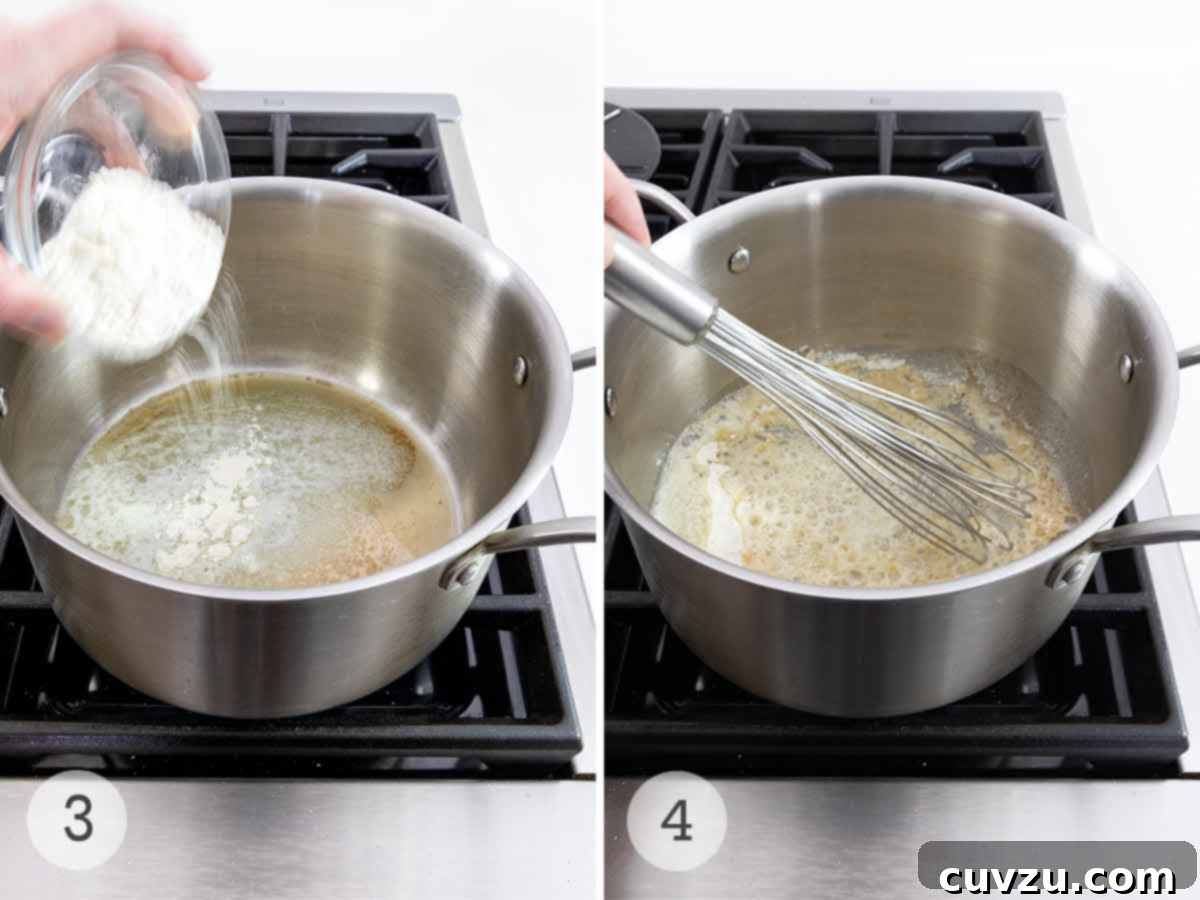
- Add the Flour: Once the butter is melted, sprinkle in the 3 tablespoons of all-purpose flour.
- Whisk and Cook the Roux: Immediately begin whisking the flour into the melted butter. Continue to whisk constantly for 2 to 3 minutes. This step is crucial for cooking out the raw flour taste, which can otherwise impart an unpleasant flavor to your sauce. The mixture will form a thick paste, known as a roux.
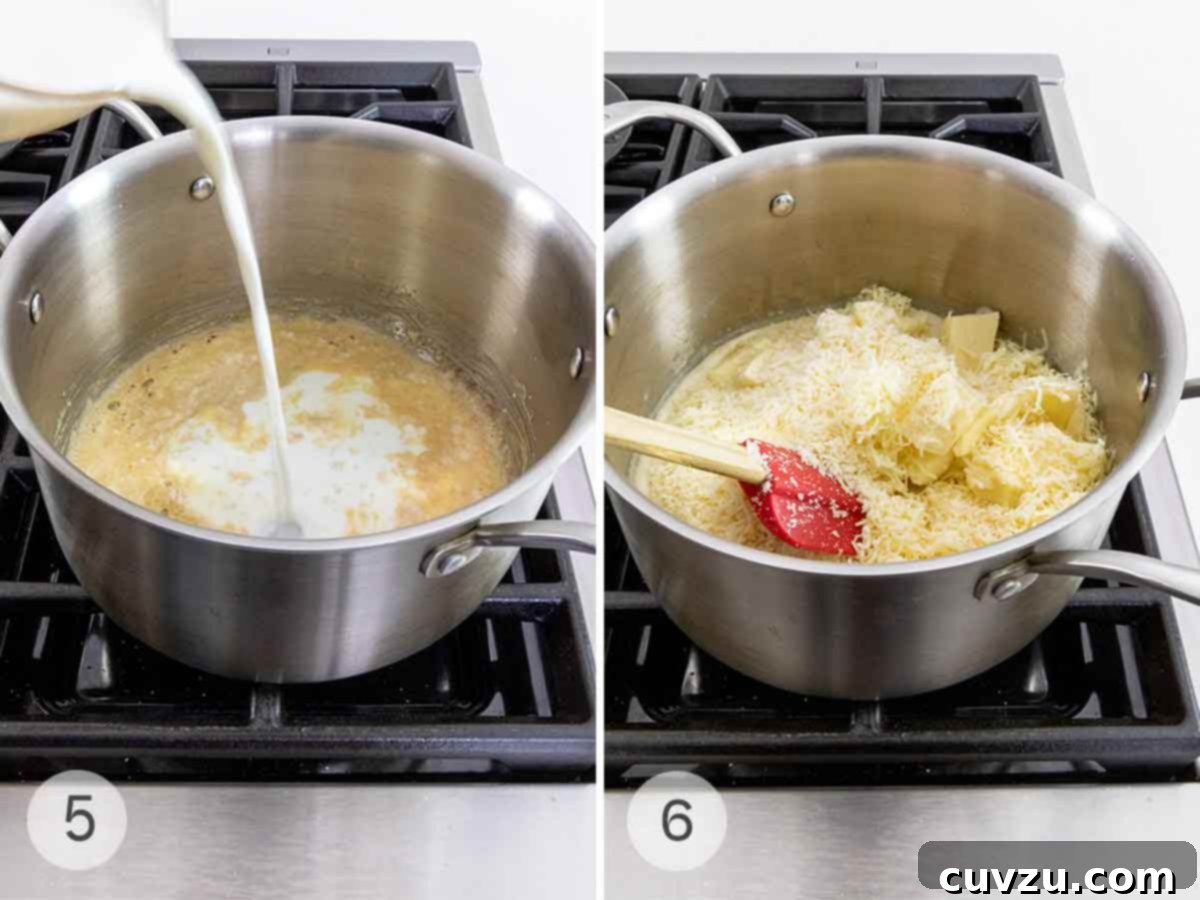
- Incorporate Liquids and Seasonings: Gradually whisk in the 1 1/2 cups of whole milk, ensuring no lumps form. Add the 1/2 teaspoon of Dijon mustard and 1 teaspoon of garlic powder. Continue to cook, stirring constantly, over medium-low heat until the sauce begins to thicken to a creamy consistency, typically taking 2 to 3 minutes.
- Add the Cheese: Reduce the heat to very low. Begin adding the combined Brie, Parmesan, and Alpine cheeses to the sauce, one large handful at a time.
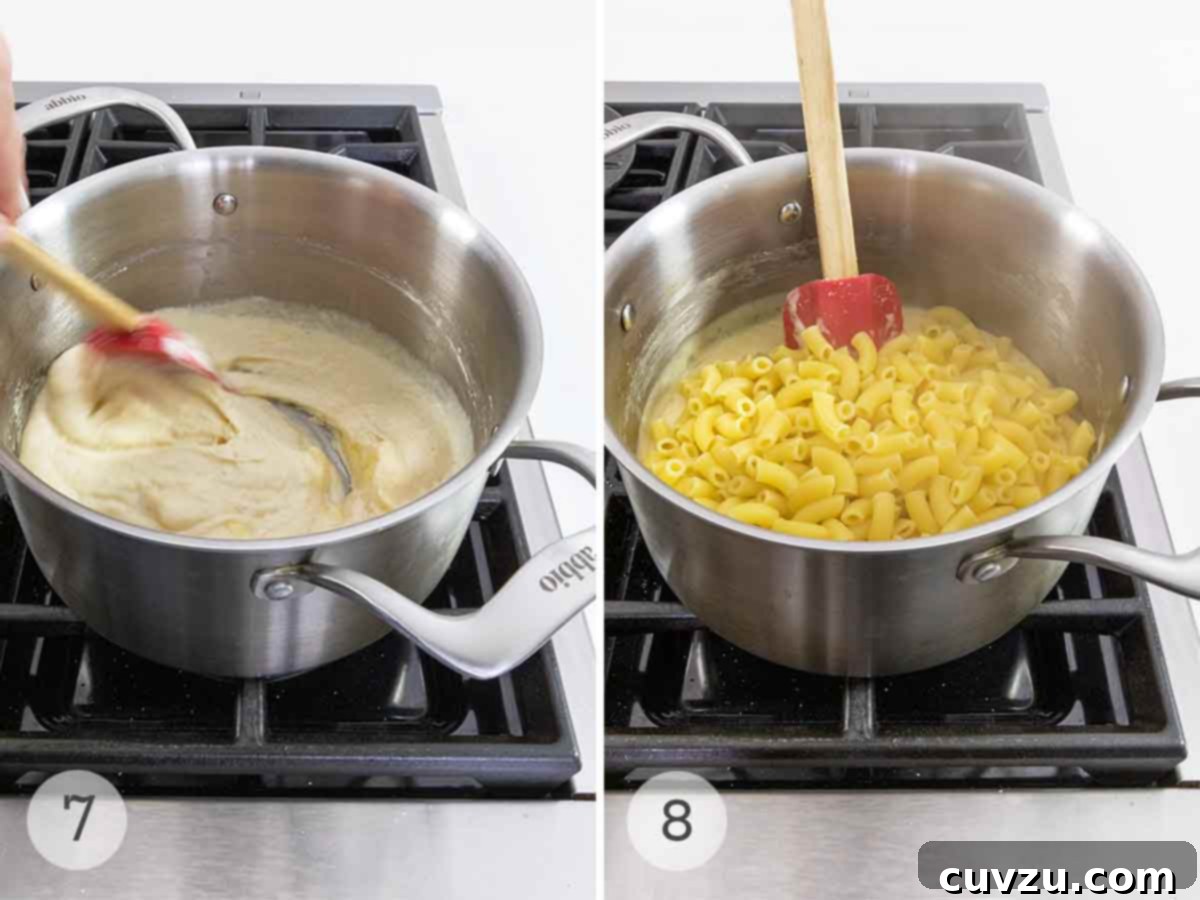
- Melt Cheese to Smoothness: Stir continuously after each addition until the cheese is completely melted and the sauce is smooth and luxurious. This gradual melting, coupled with low heat, is key to preventing a grainy sauce. Once all the cheese is incorporated and melted, season the sauce generously with fine sea salt and freshly ground black pepper to taste. If the sauce appears too thick, you can thin it by whisking in additional whole milk, 1/4 cup at a time, until your desired consistency is achieved.
- Combine with Pasta: Add the 8 ounces of cooked macaroni (or other small pasta, cooked just under al dente) directly into the pot with the rich cheese sauce.
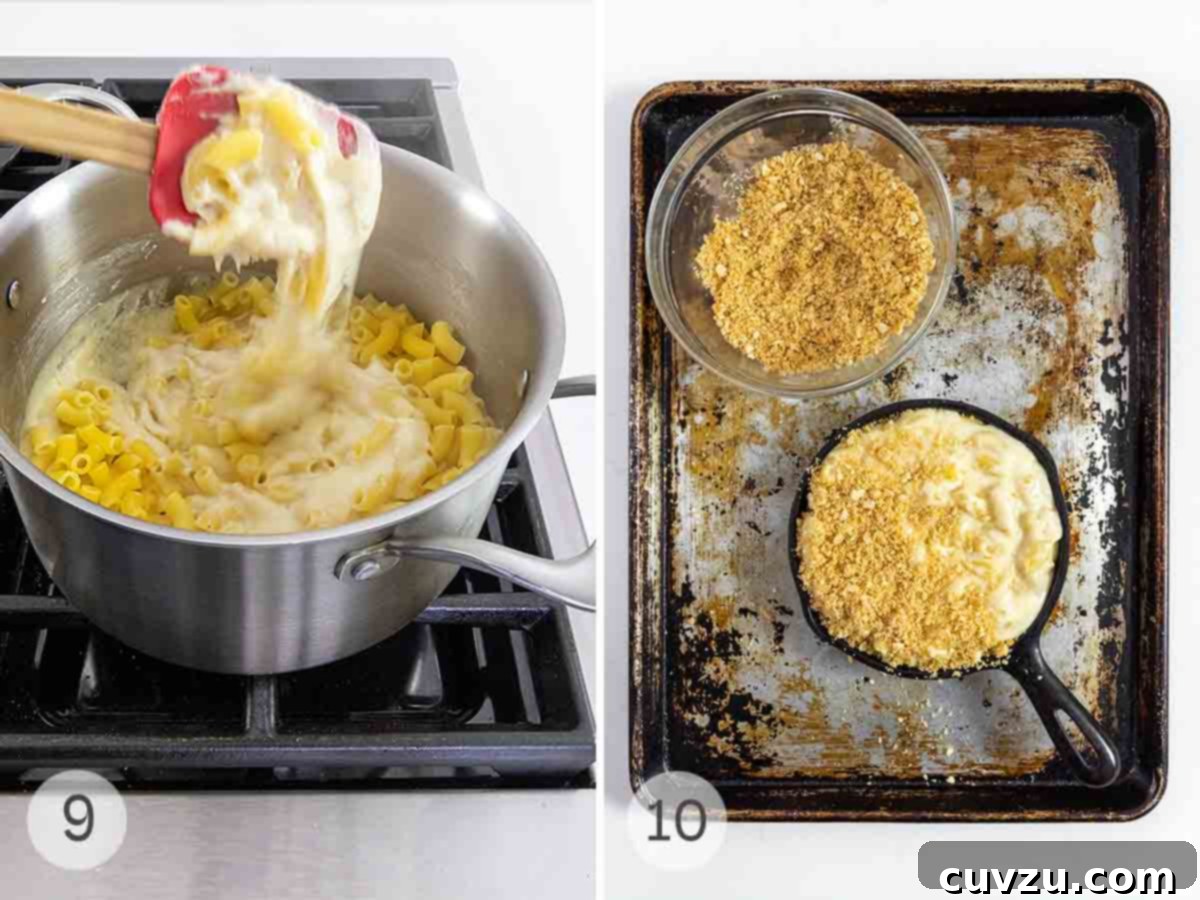
- Coat the Pasta: Gently toss the pasta until every piece is thoroughly coated in the decadent cheese sauce. Ensure an even distribution of the sauce for maximum flavor in every bite.
- Bake and Serve: Spoon the pasta mixture evenly into your chosen ovenproof baking dish (a small cast-iron skillet or a ceramic baking dish works beautifully). Evenly sprinkle the prepared buttery cracker mixture over the top, creating a generous, crunchy crust. Bake in the preheated oven for 10 to 15 minutes, or until the mac and cheese is bubbling around the edges and the cracker crust is gloriously golden brown. Remove from the oven, allow it to rest for a few minutes, garnish with fresh or dried parsley for a pop of color and freshness, and serve immediately to enjoy this ultimate comfort food experience.
Common Questions About Brie Mac and Cheese
Alpine cheese, as its name eloquently suggests, originates from the majestic Alps region of Europe. These cheeses share several desirable characteristics that make them perfect for melting into a creamy sauce. They typically possess a pleasant toothsome texture, striking a balance between firm and soft, a wonderfully nutty and often slightly sweet flavor, and, most importantly, an exceptional ability to melt smoothly without becoming greasy or clumpy. This melting quality, combined with their distinctive taste, contributes significantly to the complexity and richness of our Brie Mac and Cheese. Some of the most popular and recommended examples that work beautifully in this recipe include Emmenthal, Gruyère, and Comté. Each offers its own unique flavor nuances, allowing you to subtly alter the character of your mac and cheese.
Absolutely! This recipe is quite adaptable if you wish to serve a larger crowd or simply want more leftovers. If you prefer a slightly lighter sauce ratio, you can simply increase the amount of pasta to a full pound (16 ounces) while keeping the sauce ingredients the same. Alternatively, if you desire the same rich, saucy consistency but in a larger quantity, you can easily double the entire recipe. When doubling, we recommend baking it in a larger 9-by-13-inch baking dish to accommodate the increased volume. Just be sure to monitor the baking time, as larger batches may require a few extra minutes in the oven to achieve that bubbly, golden crust.
Achieving a perfectly smooth and velvety cheese sauce is crucial for an exceptional mac and cheese. The primary culprits behind a grainy sauce are often the temperature of your sauce and the way the cheese is added. Here are key tips to avoid graininess:
- Low Heat is Key: When adding your cheese, ensure your sauce is over very low heat. High heat can cause the proteins in the cheese to seize and separate, leading to a grainy texture. You can even pull the pot completely off the heat for a minute or two while you’re stirring the cheese in, allowing residual heat to melt it gently.
- Add Gradually: This recipe calls for a generous amount of cheese. To facilitate even melting and prevent clumping, add the cheese in one large handful at a time. Stir continuously until each addition is completely melted and incorporated before adding the next handful. This methodical approach allows the cheese to melt into the sauce gradually, contributing to a smooth, uniform consistency.
- Freshly Grated Cheese: As mentioned in the ingredients section, avoid pre-shredded cheeses. These often contain cellulose or other anti-caking agents that hinder smooth melting and can contribute to a grainy texture. Always grate your own cheese for the best results.
- Roux as a Stabilizer: The roux (butter and flour mixture) helps to emulsify the sauce, providing a stable base that prevents the cheese from separating. Ensure your roux is well-cooked and smooth before adding the milk.
Given the decadent richness of this Brie Mac and Cheese, careful pairing can enhance the overall dining experience. If you’re serving it as a main entree, we highly recommend balancing it with something fresh and vibrant. A lightly dressed arugula salad, perhaps with a zesty vinaigrette, offers a refreshing counterpoint to the creamy pasta. The slight bitterness of the arugula cuts through the richness, cleansing the palate beautifully. If you’re offering it as a luxurious side dish, keep the portions modest due to its intensity. It pairs wonderfully with classic comfort foods that benefit from a creamy accompaniment, such as crispy fried chicken, offering a delightful contrast in texture and flavor, or tender oven-baked ribs, where the mac and cheese can soak up some of the savory meat juices. Consider a crisp white wine, like a Chardonnay or Sauvignon Blanc, to complement the cheesy notes without overpowering them.
Pro Tips & Troubleshooting for Perfect Mac and Cheese
Elevate your Brie Mac and Cheese experience with these expert tips and solutions for common challenges:
- Adjusting Sauce Thickness: This recipe is designed to produce a very thick, rich, and abundantly saucy mac and cheese. If you prefer a less saucy version, you can simply add more cooked pasta (up to 12 ounces for this recipe size) to achieve your desired pasta-to-sauce ratio. Alternatively, if you find the sauce too thick after adding the cheese, whisk in extra whole milk, 1/4 cup at a time, until it reaches your preferred creamy consistency.
- Storage and Reheating Leftovers: Leftover Brie Mac and Cheese can be stored in an airtight container in the refrigerator for up to 3 days. To reheat, we recommend placing it in a baking dish and warming it in a 350°F (175°C) oven until heated through and bubbling, typically 15-25 minutes depending on the quantity. For an extra creamy refresh, you might stir in a splash of milk or cream before reheating. While microwave reheating is possible, it can sometimes alter the texture of the sauce and crust, so the oven method is preferred for maintaining quality.
- Make-Ahead Tips: You can prepare the cheese sauce a day in advance and store it, covered, in the refrigerator. When ready to bake, gently rewarm the sauce over low heat, adding a splash of milk if needed to loosen it, then stir in your freshly cooked pasta and proceed with the recipe. The cracker crust should always be added just before baking to ensure maximum crispness.
- Exciting Variations and Customizations:
- Smoky Bacon: For an irresistible savory crunch, cook and crumble 4-6 slices of bacon and sprinkle them into the pasta mixture before baking, or use them as a topping along with the cracker crust.
- Truffle Infusion: Elevate the gourmet factor by stirring in 1-2 teaspoons of high-quality white truffle oil into the finished cheese sauce for an earthy, aromatic depth.
- Herbal Freshness: Fresh herbs can add a beautiful counterpoint. Consider stirring in 2 tablespoons of finely chopped fresh chives or thyme into the cheese sauce just before combining with the pasta.
- Spicy Kick: For those who enjoy a bit of heat, a pinch of cayenne pepper or a dash of your favorite hot sauce can be added to the cheese sauce.
- Caramelized Onions: Slowly sautéed caramelized onions add a sweet, savory depth. Stir them into the cheese sauce before mixing with the pasta.
Explore More Decadent Mac and Cheese Recipes
If you’ve fallen in love with the creamy comfort of our Brie Mac and Cheese, then you’re sure to enjoy exploring other fantastic variations of this beloved dish. Macaroni and cheese is a culinary canvas with endless possibilities, from classic baked versions to creative, modern twists. Discover new favorites and broaden your comfort food repertoire with more recipes:
Share Your Experience: Write a Review
We love hearing from our culinary community! If you make this recipe, or any other dish featured on Leite’s Culinaria, please consider leaving a review, a star rating, and your best photo in the comments section below. Your feedback and creations inspire us all to keep cooking and exploring new flavors. –David
Brie Mac and Cheese: An Indulgent Three-Cheese Delight
David Leite
Ingredients
For the Cracker Crust
- 1 sleeve buttery crackers, crushed (approx. 1 1/2 cups crumbs)
- 2 tablespoons (1 oz) salted butter, melted
For the Brie Mac and Cheese
- Two (8-ounce) rounds double crème Brie, rind removed and cut into small pieces
- 1 cup finely grated Parmesan cheese
- 1 cup finely grated Alpine cheese, such as Grand Cru, Jarlsberg, Emmental, or Gruyère
- 3 tablespoons (1 1/2 oz) unsalted butter
- 3 tablespoons all-purpose flour
- 1 1/2 cups whole milk, plus more if needed for consistency
- 1/2 teaspoon Dijon mustard
- 1 teaspoon garlic powder
- Fine sea salt and freshly ground black pepper, to taste
- 8 ounces macaroni, or other small pasta, cooked just under al dente
- Dried parsley, or fresh chopped parsley, for garnish
Instructions
Prepare the Cracker Crust
-
In a small bowl, combine the crushed buttery crackers and 2 tablespoons of melted butter. Stir thoroughly until the cracker crumbs are evenly coated. Set aside.
Make the Brie Mac and Cheese
-
Preheat your oven to 375°F (190°C). Line a rimmed baking sheet with parchment paper to catch any drips and for easier handling.
-
Prepare your cheeses: Trim the rinds from the Brie cheese rounds and cut the Brie into small, manageable pieces. In a medium bowl, combine the prepared Brie with the finely grated Parmesan and Alpine cheeses. Toss lightly to ensure an even mix.
-
Begin the roux: In a medium-sized, heavy-bottomed pot or Dutch oven, melt 3 tablespoons of unsalted butter over medium heat. Once the butter is fully melted and shimmering, add the 3 tablespoons of all-purpose flour. Immediately whisk the flour into the butter and continue to cook, stirring constantly, for 2 to 3 minutes. This crucial step cooks out the raw flour taste, ensuring your sauce has a clean, rich flavor.
-
Create the sauce base: Gradually whisk in the 1 1/2 cups of whole milk into the roux until smooth and free of lumps. Add the 1/2 teaspoon of Dijon mustard and 1 teaspoon of garlic powder. Continue to cook the mixture, stirring frequently, over medium-low heat until the sauce begins to visibly thicken, which typically takes about 2 to 3 minutes.
-
Melt in the cheeses: Reduce the heat to low (or remove the pot from the heat entirely for a moment). Toss in the cheese mixture, one generous handful at a time. Stir continuously after each addition until the cheese is completely melted and smoothly incorporated into the sauce. This gradual melting on low heat prevents the cheese from becoming grainy. Season the rich cheese sauce generously with fine sea salt and freshly ground black pepper to taste. If the sauce appears too thick for your preference, gradually whisk in additional whole milk, 1/4 cup at a time, until the desired creamy consistency is achieved.
-
Combine pasta and sauce: Add the cooked pasta (8 ounces, cooked just under al dente) to the pot with the finished cheese sauce. Gently toss the pasta until every piece is thoroughly and evenly coated in the decadent sauce.
-
Bake to golden perfection: Spoon the saucy pasta mixture evenly into your prepared ovenproof baking dish (a 1.5 to 2-quart dish or small cast iron skillet works well for 4 servings). Sprinkle the buttery cracker mixture generously over the top of the pasta, forming an even crust. Bake in the preheated oven for 10 to 15 minutes, or until the Brie mac and cheese is visibly bubbling around the edges and the cracker crust has turned a beautiful golden brown. Remove from the oven, let it rest for 5 minutes, then garnish with fresh or dried parsley before serving hot. Enjoy this ultimate comfort food!
Notes
- Adjusting Pasta Quantity: This recipe yields a very thick, rich mac and cheese with an abundant amount of sauce. If you prefer a less saucy version or wish to extend the serving size, you can easily add more pasta. For example, increase the pasta to 12 ounces for a slightly less saucy dish, or double the entire recipe to use a full pound of pasta and bake it in a larger 9-by-13-inch casserole dish. Adjust baking time accordingly for larger quantities.
- Storage and Reheating: Any leftover Brie mac and cheese should be stored in a sealed, airtight container in the refrigerator for up to 3 days. To reheat, the best method is to place it in a baking dish and rewarm in a 350°F (175°C) oven until it is heated through and bubbling. For extra creaminess, you can add a tablespoon or two of milk or cream before reheating.
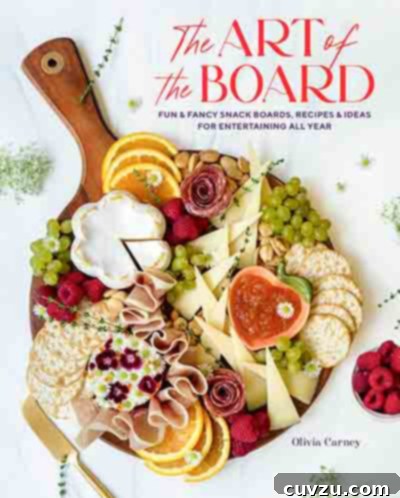
Adapted From
The Art of the Board
Buy On Amazon
Explore More with AI
Nutrition Information
Nutrition information is automatically calculated, so should only be used as an approximation and is based on estimated ingredient values.
Recipe Testers’ Reviews
Our dedicated team of recipe testers rigorously evaluates each dish, providing invaluable insights and real-world feedback. Here’s what they had to say about this luxurious Brie Mac and Cheese:
Rowan J.
This mac and cheese with Brie is really tasty due to the combination of big flavor cheeses – Brie, Parmesan, and (in our case) raclette. And it’s so rich and creamy it should come with a warning!
Small portions (3/4 cup each) were enough for us, and it would be perfect served with lightly dressed greens (think arugula). It would also work well as a side dish.
Barbara Hinde
We have yet another favorite mac & cheese recipe. The deeply satisfying crunch of that top layer followed by the umami creaminess of the sauce had everyone eating far more of this dish than expected; why we hadn’t thought to use Brie in mac & cheese before is beyond me.
Surprisingly, the rind melted right into the sauce and wasn’t noticeable by those in the family who don’t care for it. The sauce produced enough for the entire pound of pasta, especially as I had to thin it with another cup and a half of milk, so there was plenty to enjoy, and the amount of crumb crust easily covered our slightly larger than 9-by-13-inch casserole dish. I will add more Dijon in the future.
Miriam Swords Kalk
This cracker-crusted mac and Brie is a delicious, dressed-up version of the homey classic. I doubled this recipe to make enough for our family gathering (and to use up the whole pound of pasta!), I found the recipe straightforward, although the wonderfully large amount of cheese meant I spent quite a bit of time grating.
For the sake of simplicity in serving a larger crowd, I just dumped everything into a 9-by-13-inch pan to bake. At first, I worried that the ratio of cheese sauce to noodles might be high, but it turned out perfectly–creamy, sophisticated, and comforting.
To take this recipe to the next level of wow, in the future, I think I’ll:
- Lightly toast the crackers with butter and perhaps some garlic before adding them on top of the noodles
- Add in the cheese more gradually to ensure a silky sauce
- Throw a bit of hot sauce in with the cheese mixture
I’ll absolutely be making this again soon!