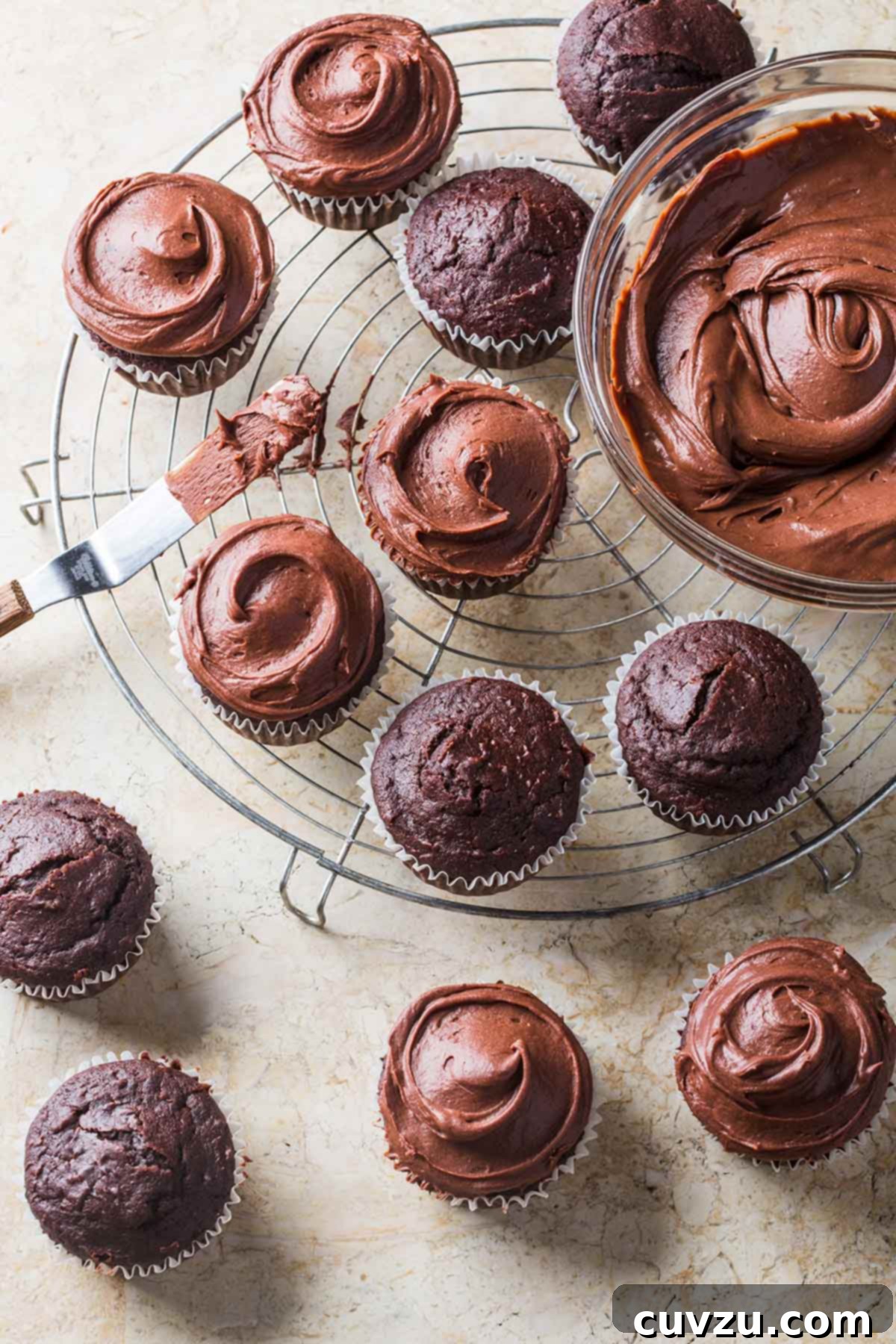
Tender vegan chocolate cupcakes are a true marvel, gaining their incredible lift and moisture from the ingenious combination of aquafaba and luscious coconut oil. Topped with a rich, creamy chocolate frosting, these treats are more decadent and intensely chocolatey than you could ever imagine from a plant-based recipe.
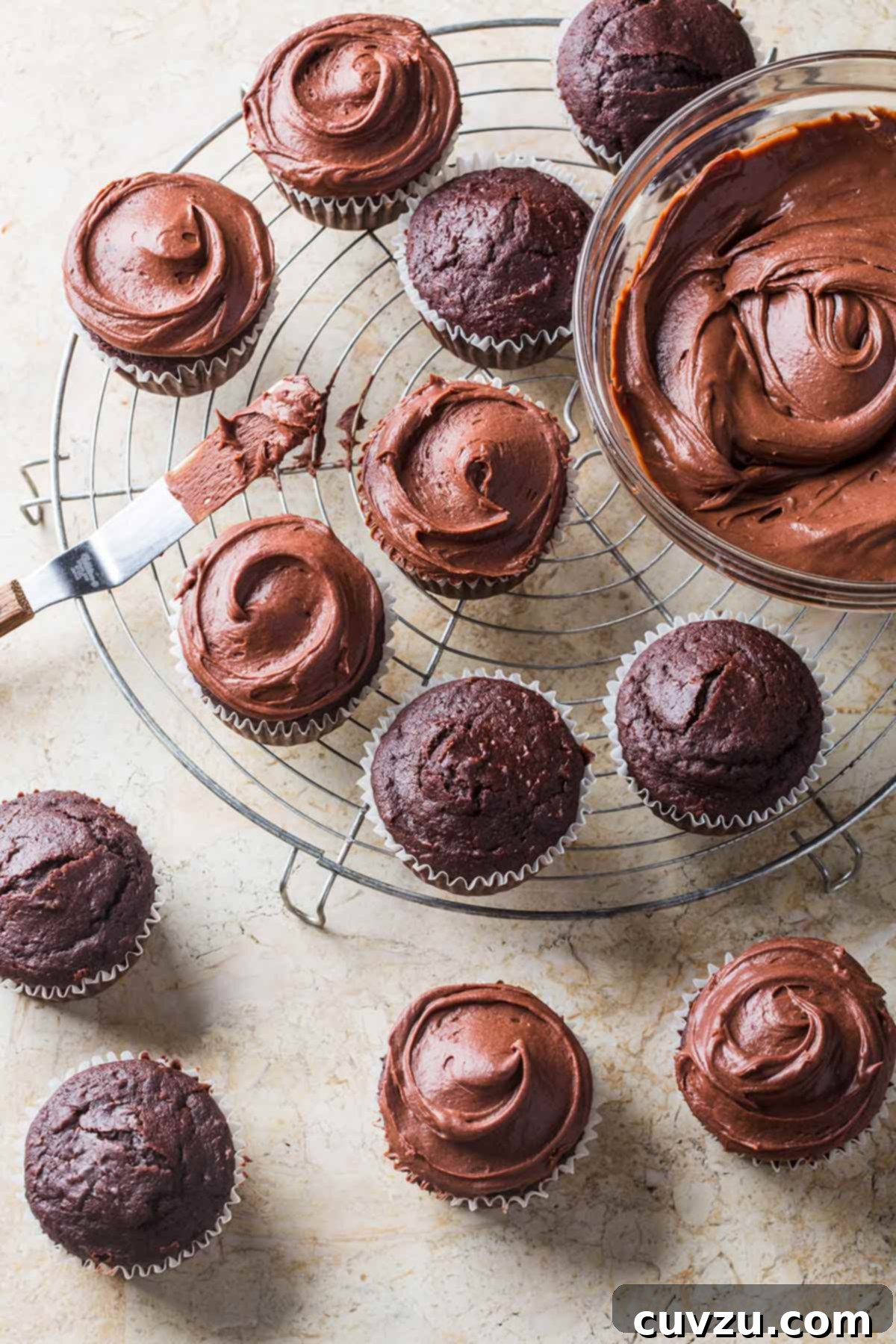
These vegan chocolate cupcakes boast such a profoundly dark chocolate flavor and an exquisitely tender crumb that it’s nearly impossible to believe they are made without traditional cake ingredients like butter and eggs. The secret to their airy, light texture lies in aquafaba, the trendy, starchy liquid derived from canned beans or chickpeas. For the past several years, aquafaba has emerged as a revolutionary ingredient in vegan baking, acting as a secret weapon that achieves remarkable results. We understand if you’re initially skeptical – the idea of bean liquid in your dessert might not sound immediately appealing. However, once you try them, we promise there isn’t a trace of “beaniness” to be found. In fact, we’re confident that most people won’t even realize they’re vegan unless you tell them. This recipe, perfected by Angie Zoobkoff, truly redefines what a vegan cupcake can be.
What is Aquafaba? Your Vegan Baking Game-Changer
Aquafaba, a term that has taken the vegan culinary world by storm, is primarily the viscous liquid found in canned chickpeas. While chickpea water is the most common source, some ingenious cooks have successfully utilized the liquid from other neutral-tasting beans, such as cannellini or soy beans, as a base. When vigorously whipped, aquafaba mimics the properties of egg whites, transforming into a stiff, airy foam. This makes it an exceptional, plant-based substitute for eggs in a wide array of recipes, particularly those requiring leavening and structure.
Beyond its remarkable whipping capabilities, the starchy liquid acts as an excellent binder directly from the can. However, its true magic shines when aerated, as it traps air, providing structure and stability to baked goods. This unique characteristic results in a fluffy crumb and an impressive lift, contributing to the light and tender texture often desired in cakes and cupcakes, without any animal products. It’s a testament to the innovation in vegan cuisine, proving that deliciousness doesn’t have to compromise on ethics or dietary choices.
How to Properly Prepare Aquafaba for Baking Success
To ensure optimal performance and achieve the best results with aquafaba in your recipes, proper preparation is key. Begin by thoroughly shaking the unopened can of chickpeas. This crucial step helps to redistribute the starches that tend to settle at the bottom of the can over time. Once shaken, drain the chickpeas through a fine-mesh strainer, allowing the liquid (aquafaba) to collect in a bowl beneath. The chickpeas can then be reserved for another culinary use, such as hummus or salads.
After draining, stir the aquafaba vigorously once more. Even if not visible to the naked eye, this agitation ensures that the starch molecules are evenly suspended throughout the liquid. Consistent distribution of these starches is vital for the aquafaba to properly bind and whip into a stable foam, which is essential for imparting the desired airy texture and lift to your vegan baked goods. By following these simple steps, you unlock the full potential of aquafaba, transforming a humble pantry staple into a powerful vegan egg substitute.
Crafting the Ultimate Vegan Chocolate Frosting
No cupcake is complete without a crown of exquisite frosting, and these vegan chocolate cupcakes demand nothing less than perfection. This recipe features a truly decadent chocolate frosting that is incredibly creamy, intensely chocolatey, and surprisingly easy to make. Utilizing canned coconut cream (or the thick cream skimmed from full-fat coconut milk), it achieves a richness and silkiness that rivals traditional buttercream, all while remaining entirely plant-based. The subtle hint of coconut is beautifully complemented by the deep chocolate flavor, creating a harmonious and addictive topping.
Tips for Flawless Vegan Chocolate Frosting
Creating this dreamy vegan chocolate frosting requires a bit of foresight but is otherwise straightforward. If you opt to use full-fat coconut milk instead of pre-made coconut cream, remember to refrigerate the unopened cans for at least 24 hours. This allows the dense coconut cream to separate and solidify at the top, making it easy to skim off. The success of the frosting heavily relies on the coconut cream being properly chilled and firm, resembling the consistency of cream cheese before whipping. If your mixture becomes too stiff after chilling, simply let it sit at room temperature for a short while to soften slightly, but ensure it remains cool to the touch. This delicate balance of temperature and consistency is crucial for achieving a light, mousse-like frosting that pipes beautifully and melts in your mouth.
The Recipe: Vegan Chocolate Cupcakes with Dreamy Frosting
Vegan Chocolate Cupcakes
Tender vegan chocolate cupcakes are given lift and moisture from aquafaba and coconut oil. The lush chocolate frosting is more creamy and chocolatey than you can imagine.
By David Leite
Dessert
American
12 to 18 cupcakes
372 kcal
45 minutes
20 minutes
4 hours (includes chilling)
Ingredients for the Vegan Chocolate Frosting
- 3/4 cup canned coconut cream or substitute two 14-ounce (415 ml) cans full-fat coconut milk (chilled overnight if using milk)
- 1 2/3 cups semisweet chocolate chips** (ensure vegan-friendly)
- 1/8 teaspoon sea salt
Ingredients for the Vegan Chocolate Cupcakes
- 1 1/3 cups all-purpose flour
- 1 cup organic or granulated sugar
- 3/4 teaspoon baking powder
- 1/4 teaspoon baking soda
- 1/2 teaspoon sea salt
- 1 cup water
- 1/2 cup Dutch-processed cocoa powder*
- 1 ounce bittersweet chocolate, chopped (ensure vegan-friendly)
- 1/4 cup coconut oil, melted
- 3/4 teaspoon vanilla extract
- 1/4 cup aquafaba (the drained liquid from one 15-ounce can of chickpeas)
- 1 teaspoon cream of tartar
Instructions: Make the Vegan Chocolate Frosting
- If using coconut cream, you can proceed directly to step 3. If using full-fat coconut milk, place the unopened cans in the refrigerator for at least 24 hours to ensure two distinct layers of cream and liquid form. This step is crucial for separating the thick coconut cream needed for the frosting.
- Carefully skim the thick cream layer from each chilled can of coconut milk. Measure out 3/4 cup of this cream. Reserve any extra cream and the milky liquid for other uses.
- In a microwave-safe bowl, combine the measured coconut cream, semisweet chocolate chips, and sea salt. Microwave in 30-second intervals at 50% power, whisking gently after each interval, until the mixture is completely melted and smooth (typically 2 to 4 minutes). Alternatively, combine ingredients in a small saucepan over low heat, stirring constantly until smooth and fully melted.
- Transfer the melted chocolate mixture to the bowl of a stand mixer. Place plastic wrap directly onto the surface of the mixture to prevent a skin from forming. Refrigerate until completely cooled and the texture resembles firm cream cheese, which usually takes about 3 hours. Stir the mixture halfway through the chilling process to ensure even cooling. If the mixture becomes too stiff after prolonged chilling, let it sit at room temperature for a short time to soften, but keep it cool.
Instructions: Make the Vegan Chocolate Cupcakes
- Adjust an oven rack to the middle position and preheat your oven to 400°F (200°C). Line a 12-cup muffin tin with paper or foil liners.
- In a large mixing bowl, thoroughly whisk together the all-purpose flour, granulated sugar, baking powder, baking soda, and sea salt. Set aside.
- In a separate microwave-safe bowl, combine the water, Dutch-processed cocoa powder, chopped bittersweet chocolate, coconut oil, and vanilla extract. Microwave in 30-second intervals at 50% power, whisking after each interval, until the mixture is completely melted and smooth (approximately 2 minutes). Alternatively, combine these ingredients in a saucepan over low heat, stirring continuously until smooth, being careful not to scorch the chocolate. Set the mixture aside to cool slightly to a warm temperature.
- While the chocolate mixture cools, prepare the aquafaba. Using a stand mixer fitted with a whisk attachment, whip the aquafaba and cream of tartar on high speed. Continue whipping until the mixture forms soft, billowy peaks, which can take anywhere from 3 to 9 minutes, depending on the aquafaba’s consistency.
- With a rubber spatula, gradually stir the slightly cooled chocolate mixture into the dry flour mixture until the batter is thoroughly combined and smooth, taking about 1 minute.
- To lighten the batter, gently fold one-third of the whipped aquafaba into the chocolate mixture. Then, carefully fold in the remaining whipped aquafaba until no white streaks are visible, ensuring a light and airy batter. Be careful not to deflate the aquafaba foam.
- Divide the batter evenly among the prepared muffin cups, filling each approximately two-thirds full. Bake for 16 to 20 minutes, or until the tops are set and spring back lightly when gently pressed. Rotate the muffin tin halfway through baking to ensure even cooking.
- Allow the cupcakes to cool in the muffin tin for 10 minutes before transferring them to a wire rack to cool completely. This cooling process typically takes about 1 hour and is essential before frosting.
- Once the cupcakes are completely cool, finish preparing the frosting. Attach the whisk attachment to your stand mixer (if not already in use for aquafaba, ensure the bowl is clean and dry) and whip the chilled chocolate mixture on high speed. Continue whipping until it transforms into a fluffy, mousse-like consistency with soft peaks, approximately 2 to 4 minutes. Scrape down the sides of the bowl halfway through whipping to ensure all ingredients are incorporated.
- Spread or pipe the luscious chocolate frosting evenly over the cooled cupcakes and serve immediately. Enjoy your homemade vegan delights!
Essential Notes for Baking Vegan Chocolate Cupcakes
Cocoa Powder Choice: For the best texture and flavor, it is crucial to use Dutch-processed cocoa powder in this recipe. Natural cocoa powder is highly acidic and will react differently with the baking soda, potentially resulting in a rubbery, spongy texture that is undesirable for cupcakes.
Vegan Chocolate Check: Always carefully check the ingredient list of your semisweet and bittersweet chocolate chips. Not all brands are vegan-friendly, as some may contain dairy. Look for certified vegan options to ensure your cupcakes remain entirely plant-based.
Adapted From
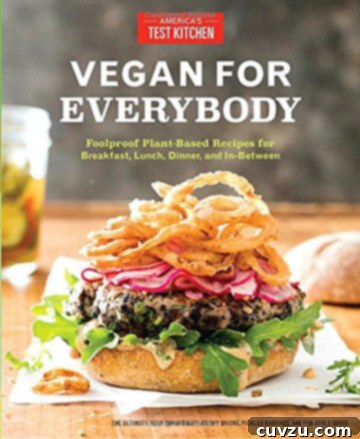
Vegan for Everybody
Buy On Amazon
Nutrition
Calories: 372 kcal
Carbohydrates: 45 g
Protein: 4 g
Fat: 21 g
Saturated Fat: 15 g
Monounsaturated Fat: 4 g
Trans Fat: 1 g
Cholesterol: 2 mg
Sodium: 150 mg
Fiber: 4 g
Sugar: 27 g
Nutrition information is automatically calculated and should only be used as an approximation.
Why You’ll Love These Vegan Chocolate Cupcakes
These vegan chocolate cupcakes are more than just a recipe; they’re an experience. Imagine a cupcake so tender it practically melts in your mouth, bursting with an intense, rich chocolate flavor that satisfies even the most fervent chocoholic. The delicate crumb, achieved through the magic of aquafaba and cream of tartar, defies expectations for egg-free baking, offering a light and airy bite without any compromise on texture. Paired with the silken, deeply chocolatey coconut cream frosting, each cupcake is a symphony of flavors and textures. Whether you’re a seasoned vegan baker or simply looking to impress friends and family with a surprisingly delicious plant-based dessert, these cupcakes are guaranteed to become a cherished addition to your recipe repertoire. Prepare for exclamations of delight – and don’t be surprised if no one believes they’re vegan!
What Our Recipe Testers Are Saying
We believe in the power of real feedback, which is why we enlist a team of dedicated recipe testers to try out our creations. Their honest opinions help us refine our recipes and assure you of their deliciousness. Here’s what they had to say about these incredible vegan chocolate cupcakes:
Jean Cameron
There are no vegans in our household, but I love a cupcake, so I decided to try this recipe. These chocolate cupcakes are excellent. They’re moist, fluffy, and very soft, with a deep chocolate-y flavor that’s just sweet enough. I never knew you could get such a great cake texture without an egg in sight!
They rose beautifully and were perfectly baked at 20 minutes. I used almond milk and included the optional espresso powder. I used store-bought frosting so can’t comment on that part of the recipe.
Shauna Hinchen-Joyal
I’ve been hearing a lot about vegan baking with aquafaba, but I’ve been a bit dubious of using that creamy substance from a can of beans in my baked goods. However, after making this recipe, I’m a convert. I thought these chocolate cupcakes were moist and had a rich flavor.
The chocolate frosting made with coconut fat was also delicious! I think you could get creative with this recipe and add some dissolved espresso powder to the frosting to make a lovely mocha flavor. Also, I filled a few of my cupcakes with raspberry jam before adding the frosting and they were delicious.
Camilla Maybee
Chickpea liquid as an egg replacement? I’ve seen a lot of vegan oddities, but I admit I’ve never even heard of this one. I was half expecting it to not even work or for the cupcakes to taste like hummus (kind of like those black bean brownies that everyone keeps telling themselves taste just like regular brownies). But I’ll be darned, the aquafaba and cream of tartar whipped up really quickly and looked just like whipped egg whites and folded right into the thick chocolate batter. They baked up just as instructed and had a lovely texture.
And the chocolate frosting…oh, this frosting. Holy moly. I love me some homemade buttercream, but this is so rich, creamy, and simple that it’ll be tempting to make again for other baked goods. I cheated a little and used Trader Joe’s canned coconut cream so that I didn’t have to refrigerate coconut milk overnight, and it worked perfectly–a can and a half was the perfect amount. You really can’t argue with something that’s just mix, nuke, mix…I had a ton left over since I made the whole recipe and I’m not ashamed to say that I ate some out of a bowl, all by itself, for dessert last night. Exquisite!
Olivia G.
This recipe was not unlike a typical chocolate cupcake recipe in terms of its process, and I doubt anyone would even notice that they’re vegan. The cupcakes are moist but not too tender or crumbly. They hold up well to being frosted and stay together when being eaten, which means your guests can eat them one-handed over the carpet without leaving too much of a literal crumb trail.
If you’re concerned about the highly polarizing flavor of coconut taking over your frosting, fear not. It’s barely detectable next to mounds of dark chocolate.
Our testers unanimously praise the moist texture, rich chocolate flavor, and surprisingly egg-like results achieved with aquafaba, cementing these cupcakes as a must-try for any dessert lover.
Frequently Asked Questions (FAQ) About Vegan Baking
What makes these cupcakes vegan?
These cupcakes are vegan because they completely avoid animal products. Instead of butter and eggs, this recipe uses plant-based alternatives like coconut oil for richness and aquafaba (chickpea liquid) as a remarkably effective egg substitute for leavening and binding. The frosting is made with coconut cream and vegan chocolate chips, ensuring a delicious dairy-free experience.
Can I substitute aquafaba with something else?
Aquafaba is quite unique in its ability to mimic egg whites, especially when whipped. While other egg substitutes exist (like flax eggs or commercial egg replacers), they might not provide the exact same lift and airy texture that aquafaba offers in this specific cupcake recipe. For best results, we highly recommend sticking with aquafaba as directed.
How should I store these vegan chocolate cupcakes?
To maintain their freshness and delicate texture, store the frosted vegan chocolate cupcakes in an airtight container at room temperature for up to 2-3 days. If your kitchen is very warm, or if you want to extend their shelf life, they can be refrigerated for up to 5 days. Just bring them back to room temperature for about 15-20 minutes before serving for the best flavor and texture.
Embrace the Delicious World of Vegan Desserts
These vegan chocolate cupcakes are a testament to how incredible plant-based baking can be. With simple ingredients and innovative techniques like using aquafaba, you can create desserts that are not only compassionate but also incredibly delicious and satisfying. We encourage you to step into the delightful world of vegan desserts and discover how easy and rewarding it is to make treats that everyone, regardless of their dietary choices, can enjoy. Give this recipe a try and share your creations!
Tried this recipe?
Mention @leitesculinaria or tag #leitesculinaria!