Ever stared blankly at a recipe, wondering what exactly a “heaping” cup or a “scant” tablespoon truly means? You’re not alone. The journey to perfect culinary creations often begins with precise measurements, and understanding these vague terms is crucial. Here, the expert Never Cook Naked guys weigh in on this common kitchen conundrum, guiding you toward greater accuracy in your cooking and baking adventures.
Demystifying Recipe Measurements: The Quest for Culinary Accuracy
Dear Never Cook Naked Guys: Every once in a while, I stumble upon a recipe that calls for a “heaping” cup of flour or a “scant” tablespoon of salt. What on earth do these terms actually mean? Are they standard? How am I supposed to measure them accurately, especially when baking?—Ill-Measured
Dear Ill: Your frustration is perfectly valid, and you’ve hit on one of the most common sources of confusion for home cooks and bakers alike. These terms, “heaping” and “scant,” are vestiges of a bygone era, deeply rooted in the history of home cooking where intuition often trumped exactitude. While they might evoke a certain rustic charm, their ambiguity can be the bane of many a culinary endeavor, particularly when precision is paramount.
Consider the stark contrast with European culinary traditions. You’d never encounter a German, Italian, or French recipe demanding a “scant” cup of flour. Instead, it would unequivocally ask for 220 grams of flour. Or perhaps 230 grams. In essence, it would specify precisely the amount you need, leaving no room for guesswork or interpretation. This metric approach, based on mass rather than volume, eliminates the variables that plague cup-based measurements and ensures consistent results every single time.
The American Measurement Anomaly: Cups, Spoons, and Historical Habits
Here in the United States, we steadfastly cling to our cups and spoons for baking and cooking. While it’s true we’ve thankfully advanced beyond archaic units like rods and hogsheads, our reliance on volume-based measurements persists. This is a significant deviation from most of the rest of the world, where ingredients are commonly weighed. Our method involves dipping, scooping, and leveling – practices that echo the kitchens of Grandma, Great Grandma, and indeed, Methuselah himself. This tradition, deeply ingrained in American culinary culture, shows little sign of an imminent revolution.
Practically speaking, the emergence of terms like “heaping” and “scant” can be traced back to a time when measuring sets were less comprehensive. In the days of culinary pioneers like Fannie Farmer, a cook might not have had a precise 2/3 cup or 3/4 cup measure. These evocative descriptors served as a sort of culinary shorthand, allowing recipes to convey a quantity that fell between standard increments without the need for fractional measurements or specialized tools.
Defining the Vague: What Do “Heaping” and “Scant” Really Mean?
Let’s attempt to define these elusive terms, acknowledging that even their definitions are inherently subjective:
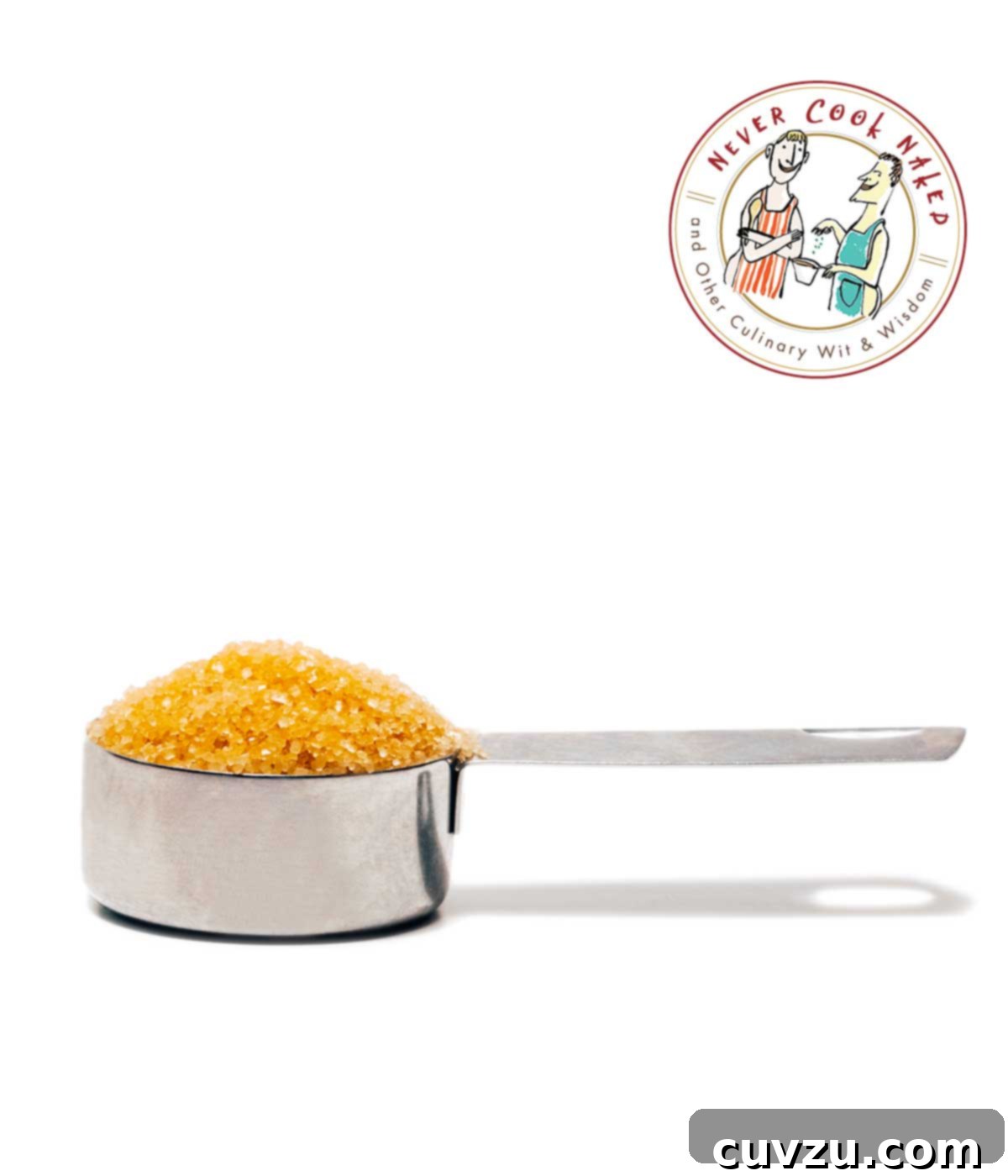
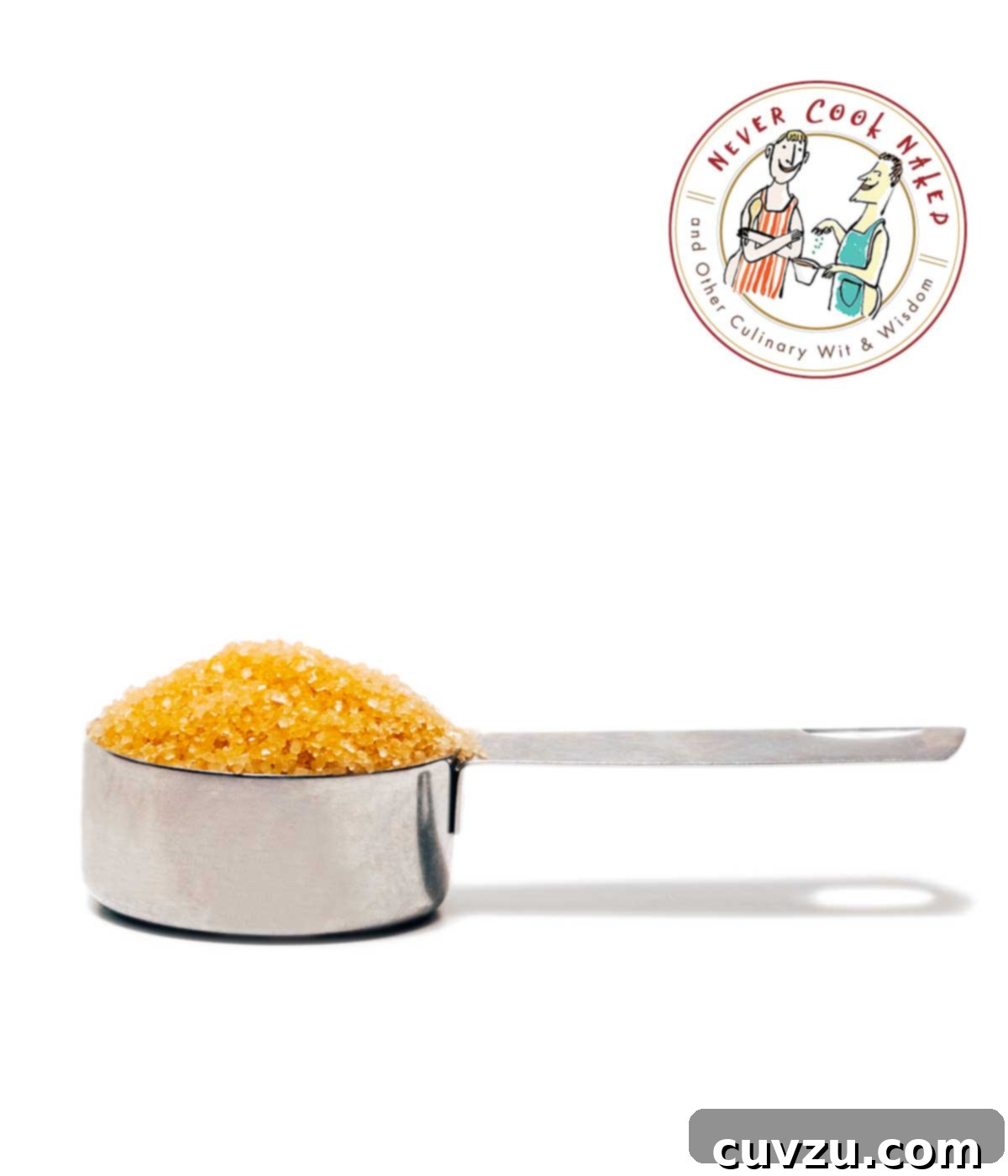
- Heaping: When a recipe calls for a “heaping” cup or spoonful, it implies that the ingredient should form a generous mound above the rim of the measuring vessel. It’s more than merely “rounded,” where the surface might form a gentle dome. A heaping measure suggests a significant overflow, a prominent hill of ingredients. The exact amount can vary wildly depending on the ingredient’s texture, density, and how enthusiastically it’s scooped. Think of flour piled high, or chopped nuts overflowing their cup. This could easily translate to 10-25% more than a level measure, a significant difference in certain preparations.
- Scant: Conversely, a “scant” measure indicates a quantity that is slightly less than a full, level measure. Instead of a precise level surface, there’s a subtle dip or a small void in the measuring cup or spoon. It’s not a half-measure, nor is it an almost-full measure; it’s just shy of what would be considered perfectly level. A scant cup might be 5-10% less than a level cup. This often comes into play with potent ingredients like spices or strong flavorings where a little less can prevent overpowering a dish.
So, where does this leave us, the earnest home cooks striving for perfection? With studied vagueness, unfortunately. The inherent imprecision of these terms means that no two cooks are likely to interpret “heaping” or “scant” in precisely the same way. This variability is the root of your dilemma, Ill-Measured.
The Impact of Imprecision: When It Matters Most
The good news is that this measurement hoopla doesn’t hold much weight when you’re engaged in most forms of stovetop cooking. Frying, sautéing, roasting, and braising are generally forgiving processes. A little extra oil in the pan won’t ruin a stir-fry; a slightly more generous pinch of herbs won’t derail a stew. These methods often allow for on-the-fly adjustments, tasting and tweaking as you go. The magic of savory cooking lies in its adaptability and the ability to course-correct based on sensory input.
However, the narrative shifts dramatically when we talk about baking. Baking, my friends, is less an art and more a science – a meticulous interplay of chemistry. Every ingredient plays a crucial role in a delicate balance of reactions. The precise ratios of flour, sugar, leavening agents, fats, and liquids dictate the final texture, structure, rise, and flavor of your baked goods. This is where “heaping” and “scant” can become saboteurs of your dessert dreams.
- Flour: Too much flour (a heaping cup) can result in dry, dense, and crumbly cakes or cookies. Too little (a scant cup) can lead to a gummy, overly moist, or structurally weak product that collapses under its own weight.
- Sugar: Affects not just sweetness but also moisture, tenderness, and browning. Imprecise sugar can alter the entire character of a pastry.
- Leavening Agents (Baking Soda/Powder): These are particularly sensitive. Too much can lead to a quick, violent rise followed by a collapse, or a soapy taste. Too little means a flat, heavy product. Even a “scant” quarter teaspoon can make a difference.
- Fats: Butter, oil, and shortening contribute moisture, richness, and tenderness. Their exact quantities are crucial for mouthfeel and crumb.
Chocolate cakes, cookies, delicate pastries, and artisanal breads that rely on such inexact measures can come out less than perfect, leaving you with disappointment instead of delight. The difference between a perfectly chewy cookie and a hard, brittle disc often lies in a mere tablespoon of flour.
Our Advice for Navigating the Measurement Minefield
So, what’s a conscientious cook to do when faced with these archaic directives? Our advice is unequivocal and twofold:
- Seek Precision: When you encounter “heaping” and “scant,” if you’re baking, your first instinct should be to put down that recipe and instead find one that’s more precise. Look for recipes that provide measurements in grams or, at the very least, specify “level” cups and spoons. (May we humbly suggest you explore the wealth of meticulously tested recipes from our favorite site, where accuracy is paramount?)
- Invest in a Kitchen Scale: This is arguably the single most impactful upgrade you can make to your kitchen arsenal, especially if you love to bake. A good kitchen scale is far more affordable than, say, immigrating to Europe to access metric recipes, and its benefits are immeasurable (pun intended!).
Why a Kitchen Scale is Your Best Friend:
- Unparalleled Accuracy: Weighing ingredients ensures the exact quantity specified, regardless of how finely ground your flour is or how densely packed your brown sugar might be. Volume measurements (cups) can vary by as much as 20% for the same ingredient, depending on how it’s scooped or sifted. Weight measurements are consistent every time.
- Consistent Results: Once you’ve achieved a perfect batch of cookies, repeating that success becomes infinitely easier when you’re weighing ingredients. It takes the guesswork out of baking.
- Easier Cleanup: Often, you can measure multiple dry ingredients into the same bowl, taring the scale between additions, which means fewer measuring cups and spoons to wash.
- Converting Recipes: A scale makes it easier to adapt recipes from metric sources or to convert existing cup-based recipes to weights once you’ve learned the approximate density of common ingredients.
Even if you’re not ready to embrace the scale for everything, understanding proper cup-and-spoon measuring techniques can still improve your accuracy:
- For Dry Ingredients (like flour): Fluff the flour in its container, then gently spoon it into your measuring cup until it overflows. Level off the excess with the flat side of a knife or a straight edge. Do not pack or tap the cup, as this can compress the flour and lead to too much being added.
- For Liquid Ingredients: Pour the liquid into a transparent measuring cup and place it on a flat surface. Bend down to eye level to ensure the liquid reaches the desired mark on the cup’s side.
- For Brown Sugar: Always pack brown sugar firmly into the measuring cup until it holds the shape of the cup when inverted.
In conclusion, while “heaping” and “scant” carry a certain old-world charm, they are the antithesis of precision. For everyday cooking, they might be tolerable. For the delicate science of baking, they are potential pitfalls. Embrace precision, invest in a kitchen scale, and you’ll elevate your culinary creations from good to consistently great. Happy cooking, and even happier baking!
Our very clever, very clothed Never Cook Naked columnists are always at your disposal, ready and able to troubleshoot everything from questionable table etiquette to the trickiest cooking techniques (as well as, natch, proper cooking attire). Don’t let your culinary curiosities go unanswered! Ask us your burning kitchen questions in a comment below, and we’ll be sure to provide our sage, nakedly honest advice!
Originally published April 19, 2012, this timeless kitchen query continues to perplex cooks today, proving the enduring relevance of accurate measurement.