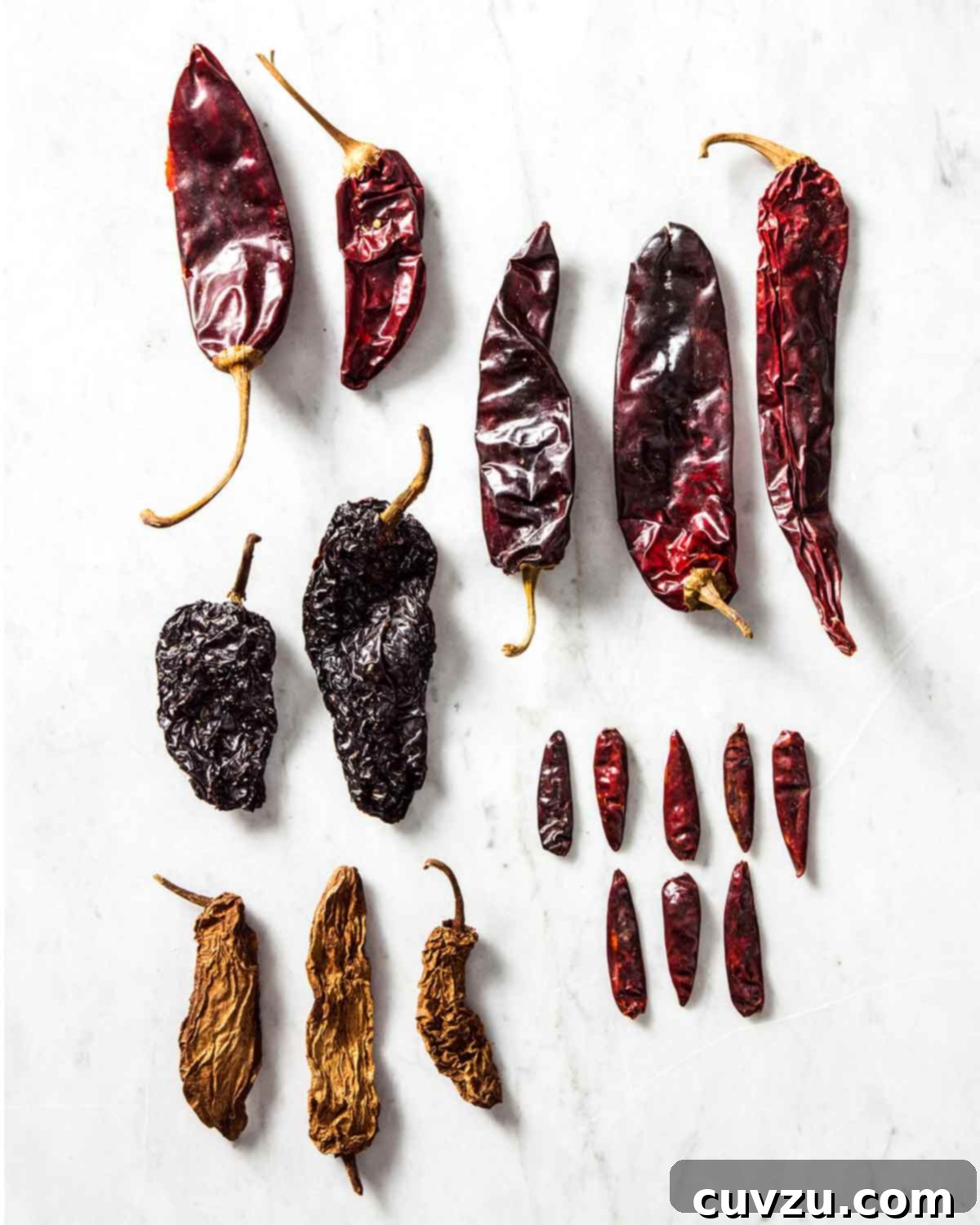
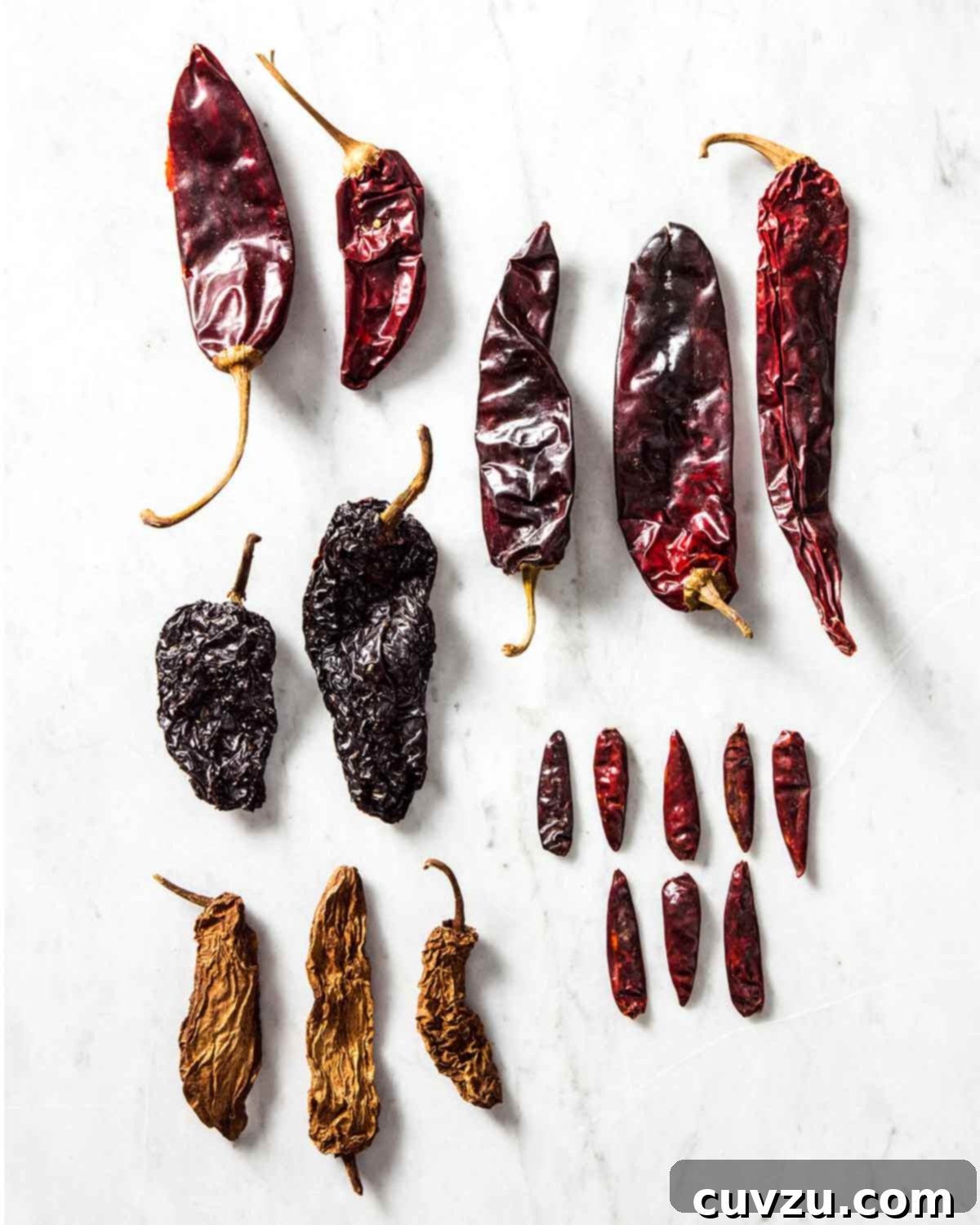
Embark on a culinary journey through the captivating world of dried chile peppers, an essential ingredient that forms the backbone of countless global cuisines. From the smoky depths of Mexican moles to the zesty kick in Italian pasta, these humble peppers offer an unparalleled spectrum of flavors, aromas, and heat levels that can transform any dish. But what happens when a recipe calls for a specific dried chile, and you find yourself without it? The dilemma of substitution can be daunting, leaving many home cooks wondering if they’re missing out on a crucial element.
Fear not, for this comprehensive guide aims to demystify the rich tapestry of dried chiles, providing clarity on their unique characteristics, ideal culinary applications, and, crucially, reliable substitutions. Drawing insights from culinary experts, including the meticulous research from America’s Test Kitchen’s recently released The Complete Plant-Based Cookbook, we’ve compiled a definitive cheat sheet. This resource will not only illuminate the distinct flavor profiles of some of the most exquisite dried peppers but also empower you to confidently navigate your spice rack, ensuring your dishes always achieve their intended deliciousness, even when a specific pepper isn’t at hand.
Dried chiles are far more than just a source of heat; they are flavor powerhouses. The drying process concentrates their natural sugars and oils, often leading to the development of complex, nuanced notes—from fruity and floral to earthy and smoky. This transformation is what makes them indispensable in many traditional recipes, providing a depth that fresh peppers simply cannot. Understanding these profiles is key to mastering their use in cooking. Whether you’re a seasoned chef or a curious home cook, this guide will serve as your essential companion in exploring the vibrant universe of dried chile peppers.
Beyond simple heat, these peppers infuse dishes with character, enhancing marinades, sauces, rubs, and stews. They are versatile, offering possibilities ranging from subtle background notes to a dominant flavor. Learning to identify their unique contributions, and knowing which alternatives best capture their essence, will elevate your cooking to new heights. Prepare to unlock the secrets of these dried treasures and bring authentic, layered flavors to your table.
Guajillo Peppers: The Smooth, Fruity Essence of Mexico
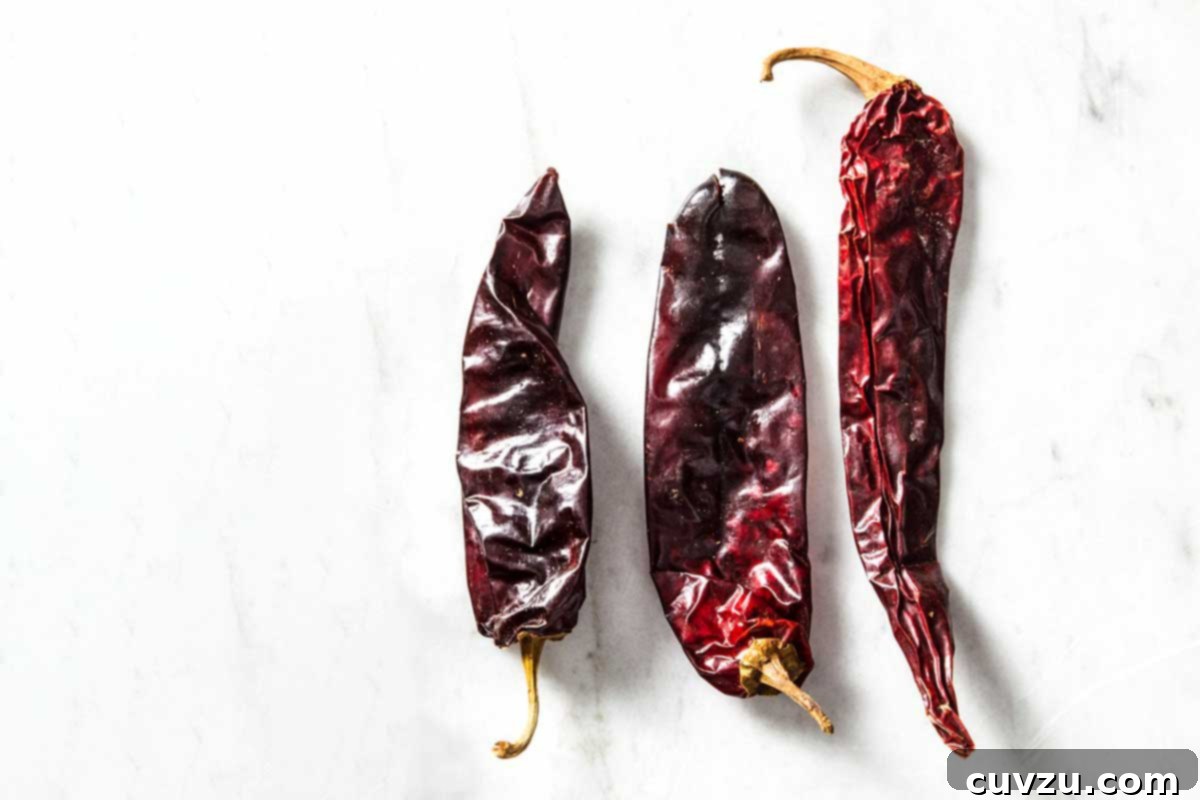
Guajillo peppers, derived from the fresh mirasol chile, are a cornerstone of Mexican cuisine, celebrated for their mild to medium-hot profile and distinctive flavor. These elegant chiles are characterized by a smooth, glossy, reddish-brown skin and a rich, fruity taste reminiscent of tart berries, green tea, and a subtle hint of pine. When dried, they develop an inherent, natural smokiness that adds complexity without overwhelming other ingredients. This unique combination makes them incredibly versatile, suitable for a wide array of dishes where a deep, yet balanced, flavor is desired.
In the kitchen, guajillos are indispensable for creating authentic moles, adobos, and salsas. Their flavor base is crucial for traditional Mexican stews, tamales, and marinades for pork and chicken. To prepare them, typically, they are rehydrated in hot water after being stemmed and deseeded. Sometimes, a light toasting in a dry pan enhances their aroma before rehydration. The resulting purée adds a vibrant color and a robust, earthy fruitiness to sauces, making them a favorite for dishes like classic red chile pork tamales, where their mild intensity truly shines.
When you’re searching for a substitute for guajillo, anchos or pasillas are often suggested. Ancho peppers, while offering a similar mild heat, possess a deeper, earthier, and sweeter flavor profile, leaning towards notes of chocolate and raisins. Pasilla chiles, on the other hand, provide a fruitier and slightly smokier note, making them a closer match in some aspects but still lacking the guajillo’s distinctive tang and green tea undertones. Understanding these subtle differences allows you to adjust your expectations and potentially incorporate other ingredients to balance the flavors. While no substitute is perfect, these alternatives allow you to capture a similar essence in your cooking.
Heat: *
With a Scoville rating generally ranging from 2,500 to 5,000 units, guajillos sit firmly in the mild-to-medium heat category, making them accessible to a broad palate. Their primary contribution is flavor rather than overpowering heat, allowing their fruity and smoky notes to truly stand out.
Ancho Peppers: The Sweet Earthiness of Dried Poblanos
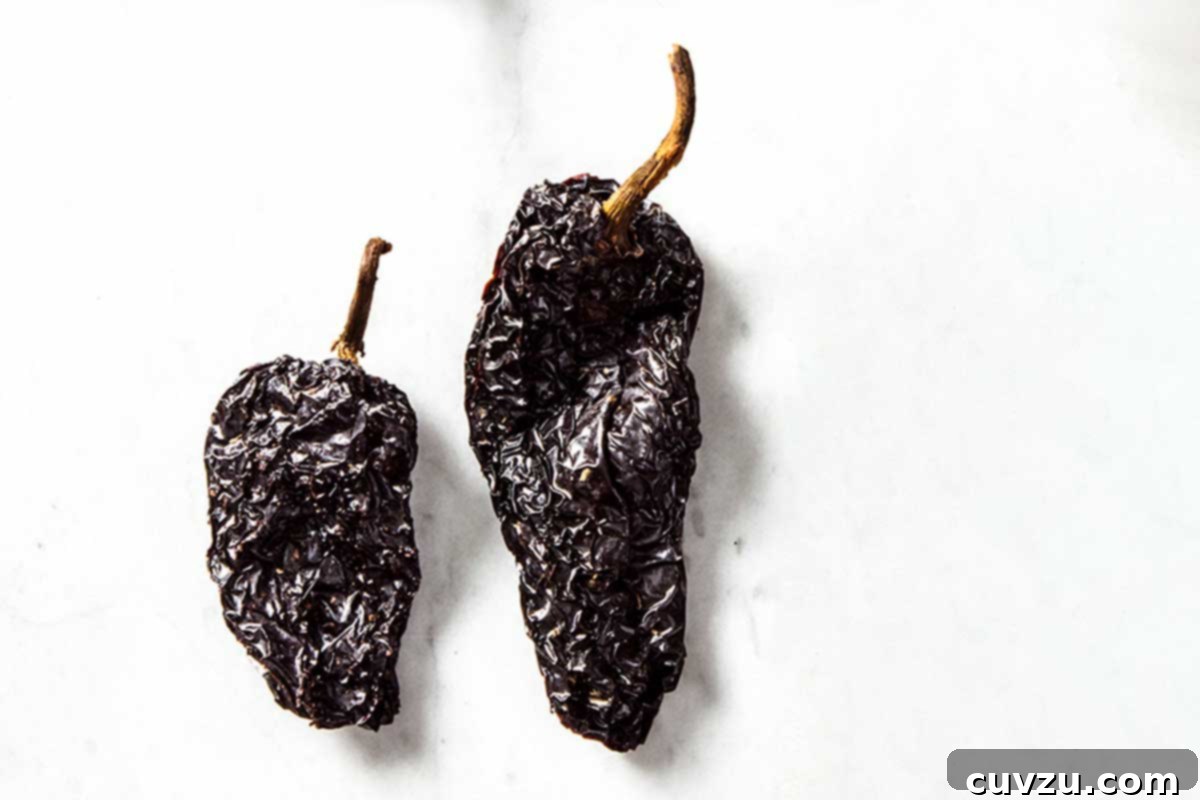
Ancho peppers are the dried form of the popular poblano chile, and they are perhaps one of the most widely recognized and utilized dried chiles in Mexican cuisine. Characterized by their dark, crinkly, heart-shaped appearance, anchos deliver a mild to medium heat profile, but their true appeal lies in their profound and complex flavor. They boast a deep, earthy sweetness with captivating notes that evoke rich chocolate, dark coffee, sweet raisins, and a whisper of licorice. This intricate blend of flavors makes them incredibly versatile and a foundational ingredient in many traditional dishes.
The rich earthiness and subtle sweetness of anchos lend themselves beautifully to a myriad of recipes. They are an absolute must for crafting the foundational flavors of classic Mexican moles, adding depth to chili con carne, and enriching the sauces for enchiladas and tamales. Beyond traditional preparations, anchos excel in innovative dishes like ancho short rib tacos, offering a robust flavor that complements savory meats. They are also perfect for spice rubs for grilled meats, enhancing everything from pork and beef to chicken with their distinctive profile. Consider recipes like ancho pork and potato tacos, or even a comforting ancho chile soup, to truly appreciate their versatility.
When selecting a substitute for ancho peppers, mulatos or pasillas are often recommended. Mulato chiles, which are also dried poblanos but typically left on the plant longer to ripen further, offer an even darker, smokier, and more pronounced chocolatey flavor, making them an excellent, albeit more intense, alternative. Pasilla chiles, while offering a similar heat level, possess a different fruitiness, often described as berry-like, and a more pronounced smoky note, diverging slightly from the ancho’s characteristic raisin and coffee undertones. While these substitutes can work, they will subtly alter the final flavor profile, underscoring the unique contribution of the ancho pepper.
Heat: *
Anchos generally register between 1,000 to 1,500 Scoville Heat Units (SHU), placing them on the milder side of the spectrum. Their heat is gentle and pleasant, allowing their rich, complex flavors to dominate the palate. This mildness makes them perfect for dishes where deep flavor is paramount and intense heat is not the primary goal.
Chipotle Peppers: The Smoky Heart of Dried Jalapeños
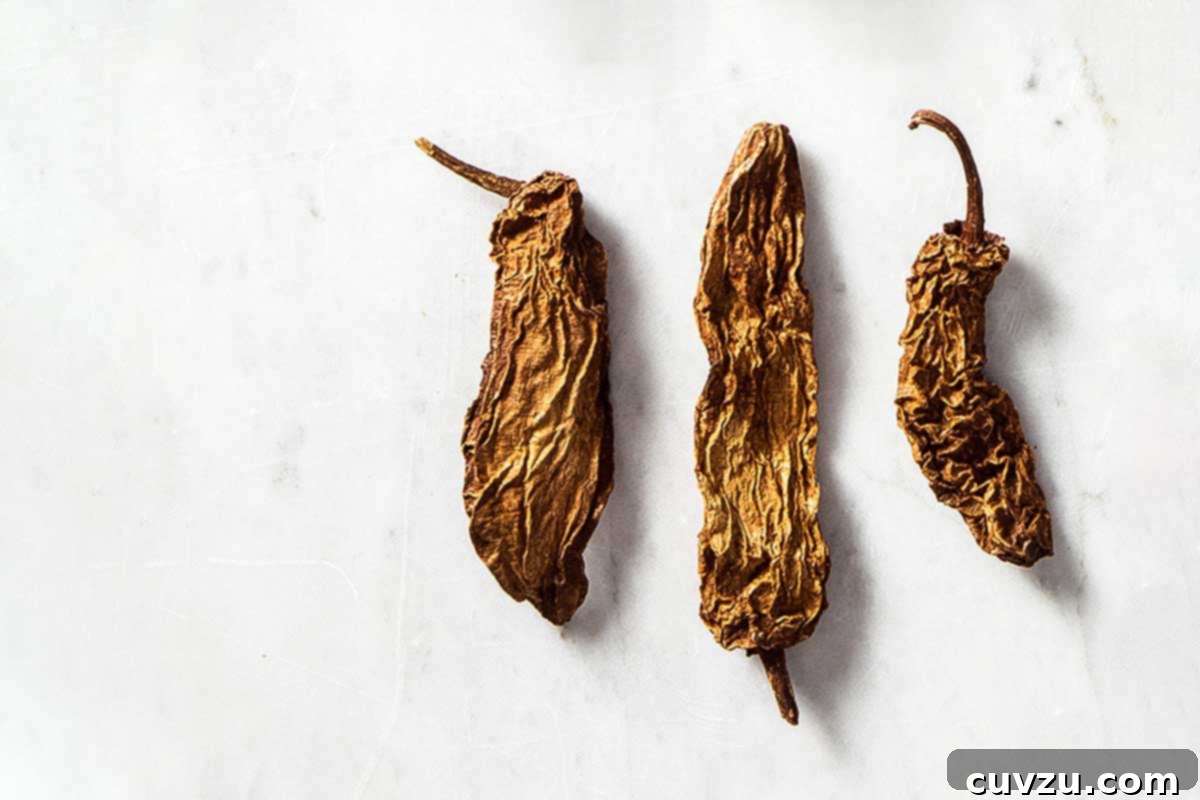
Chipotle peppers are perhaps one of the most distinct and recognizable dried chiles, famed for their intense smoky flavor and medium heat. These are essentially smoked and dried jalapeños, a process that transforms their fresh, grassy heat into a complex profile featuring charred wood, rich tobacco, and a quintessential barbecue flavor, all beautifully balanced by an underlying subtle sweetness. This unique combination makes chipotles an incredibly popular ingredient across many cuisines, particularly in dishes where a robust, smoky depth is desired.
The versatility of chipotles extends far beyond their whole dried form. They are widely available as dried whole peppers, as a fine powder, or most famously, canned in a tangy red adobo sauce. Each form offers distinct advantages in the kitchen. The whole dried chipotles can be rehydrated and puréed into sauces or ground into rubs. Chipotle powder is magnificent for dry rubs, lending its characteristic smokiness to spice-rubbed grilled pork chops, chicken, and steak. The canned chipotles in adobo sauce are a culinary shortcut, offering a convenient way to add both heat and smoky tang to marinades, stews, salsas, and dips. The balance of heat and subtle sweet in a chipotle maple barbecue sauce perfectly illustrates their remarkable flavor profile, and for those who enjoy making things from scratch, even learning how to make your own adobo sauce from dried chiles can be a rewarding experience.
When faced with the need for a substitute, anchos are often suggested for their earthy notes, but it’s crucial to acknowledge that anchos lack the signature smoke and assertive heat of chipotles. If the smoky element is paramount, a combination of ancho with a touch of smoked paprika and a very small amount of cayenne pepper might approximate the flavor profile. For heat, other medium-hot chiles could work, but replicating the distinct “smoked jalapeño” essence without an actual chipotle can be challenging. However, their availability in various forms makes them quite accessible, reducing the need for substitution in many cases.
Heat:**
Chipotles typically range from 2,500 to 8,000 Scoville Heat Units (SHU), placing them firmly in the medium-hot category. This level of heat provides a pleasant warmth and noticeable kick without being overwhelmingly spicy for most palates, allowing their complex smoky and sweet notes to truly shine.
New Mexican Chiles: The Sweet, Earthy Signature of the Southwest
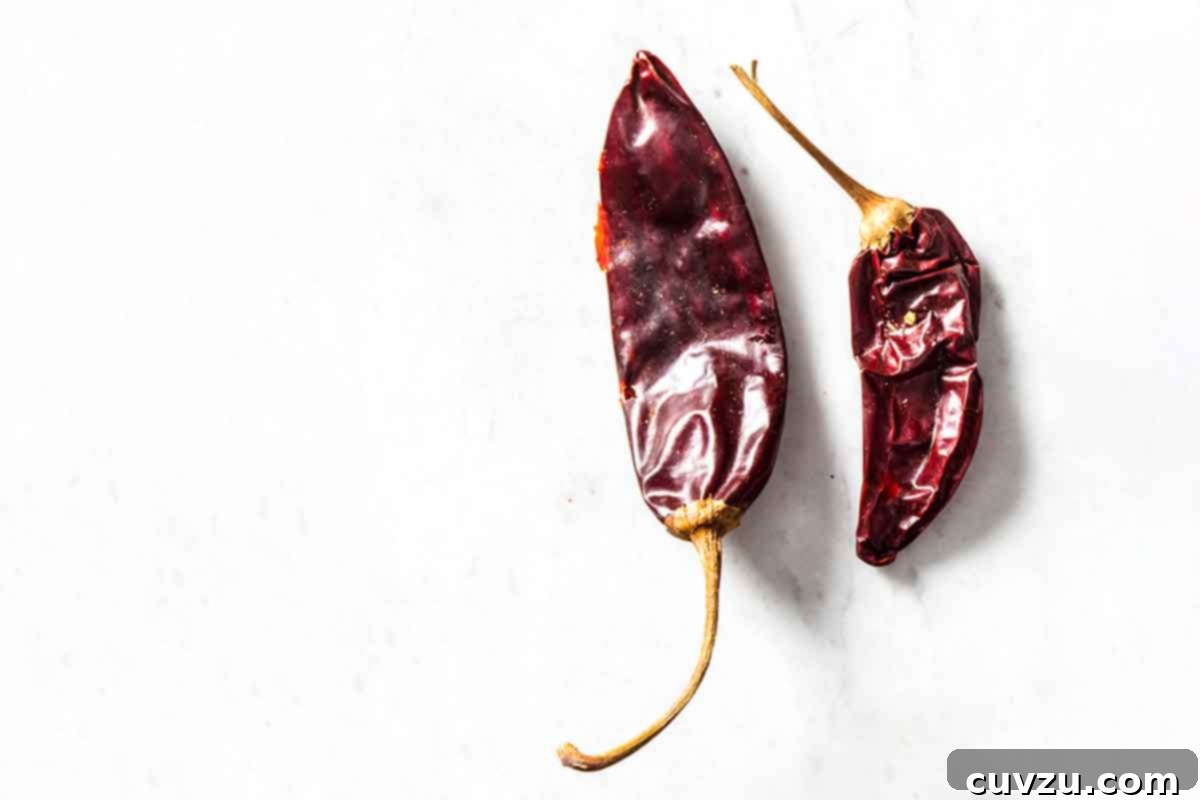
New Mexican chiles refer to a broad category of chiles, primarily Anaheim or NuMex varieties, that are cultivated in New Mexico and are central to the state’s unique culinary identity. These peppers, when dried, are characterized by their medium-hot profile and a distinctly sweet, earthy flavor. Their taste often evokes the essence of roasted red peppers, ripe tomatoes, and subtle notes of cherries, sometimes accompanied by a slightly grassy undertone. This particular flavor profile is what defines the iconic red chile sauces and stews of the American Southwest.
The culinary applications of New Mexican chiles are deeply ingrained in Southwestern cuisine. They are the essential ingredient for crafting the famous New Mexican red chile sauce, a staple that accompanies everything from enchiladas to burritos. Beyond sauces, they are frequently used in chili con carne, stews, and breakfast dishes like huevos rancheros, where their balanced flavor and heat add warmth and depth. Traditionally, these chiles are roasted, then rehydrated, stemmed, deseeded, and puréed to form a rich, flavorful base for various dishes. Their inherent sweetness makes them particularly suitable for dishes where a robust, fruity chile flavor is desired without excessive heat.
When seeking substitutes for New Mexican chiles, guajillos or cascabel chiles are often recommended. Guajillos share a similar fruity and slightly sweet profile, making them a good option for mimicking the overall flavor without the exact nuanced notes of the New Mexican variety. Cascabel chiles, which are spherical and have a nutty, earthy flavor, can also work, but their texture and shape are quite different, and their flavor leans more towards earthiness than the distinct fruitiness of New Mexican chiles. While these substitutions can provide a comparable heat level and a pleasant flavor, they may not fully capture the specific “New Mexican” character that is so beloved in regional dishes.
Heat: **
New Mexican chiles typically fall within the 500 to 2,500 Scoville Heat Units (SHU) range, placing them squarely in the medium-hot category. Their heat is noticeable but generally mild enough to be enjoyed by a wide audience, allowing their sweet, earthy, and fruity flavors to shine through as the dominant characteristic in dishes.
Calabrian Peperoncini: Italy’s Fiery, Fruity Secret
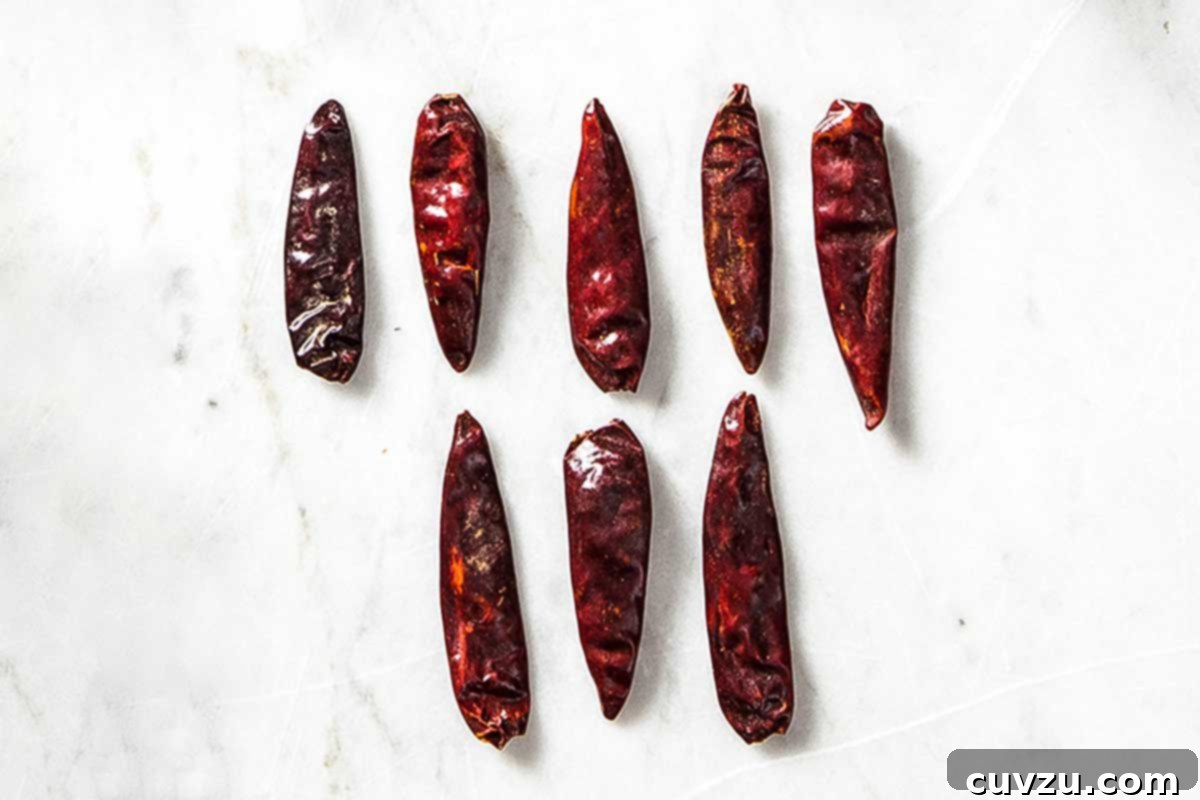
Calabrian peperoncini are the quintessential Italian hot pepper, originating from the sun-drenched region of Calabria in Southern Italy. These tiny, vibrant red chiles are renowned for their potent heat, coupled with a distinctively bright, mildly fruity flavor and a subtle underlying smokiness. They embody a savory character that makes them an indispensable ingredient in traditional Calabrian and wider Italian cuisine, offering a fiery kick that is both robust and elegantly balanced.
The culinary applications of Calabrian peperoncini are diverse, making them a beloved pantry staple. They are frequently used to infuse olive oil, creating a spicy condiment that can be drizzled over pizza, pasta, or bruschetta. Whole dried peperoncini can be added to pasta sauces like arrabbiata, stews, and seafood dishes to impart their signature heat and flavor. They are also available as flakes, which are more potent and flavorful than generic crushed red pepper flakes, ideal for sprinkling over dishes or incorporating into marinades and dressings. Their bold yet nuanced flavor profile elevates simple ingredients, transforming them into dishes with depth and character, from rustic peasant fare to sophisticated culinary creations.
When a recipe calls for Calabrian peperoncini and you need a substitute, arbol chiles are often a better alternative than regular crushed red pepper flakes. Arbol chiles offer a similar sharp heat and a clean flavor, although they may lack the specific fruity undertones and the subtle savory complexity of the Calabrian variety. While standard crushed red pepper flakes provide heat, they typically fall short in delivering the layered flavor and distinctive character that Calabrian peperoncini bring to a dish. It’s the unique combination of heat, fruitiness, and savory notes that truly sets these Italian chiles apart, making them worth seeking out for authentic flavor.
Heat: ***
Calabrian peperoncini are considered hot, typically ranging from 25,000 to 40,000 Scoville Heat Units (SHU). This higher heat level provides a significant and satisfying kick, making them suitable for those who appreciate a fiery dimension in their food. Despite their intensity, their flavor profile remains complex, ensuring that the heat complements rather than overshadows the dish’s overall taste.