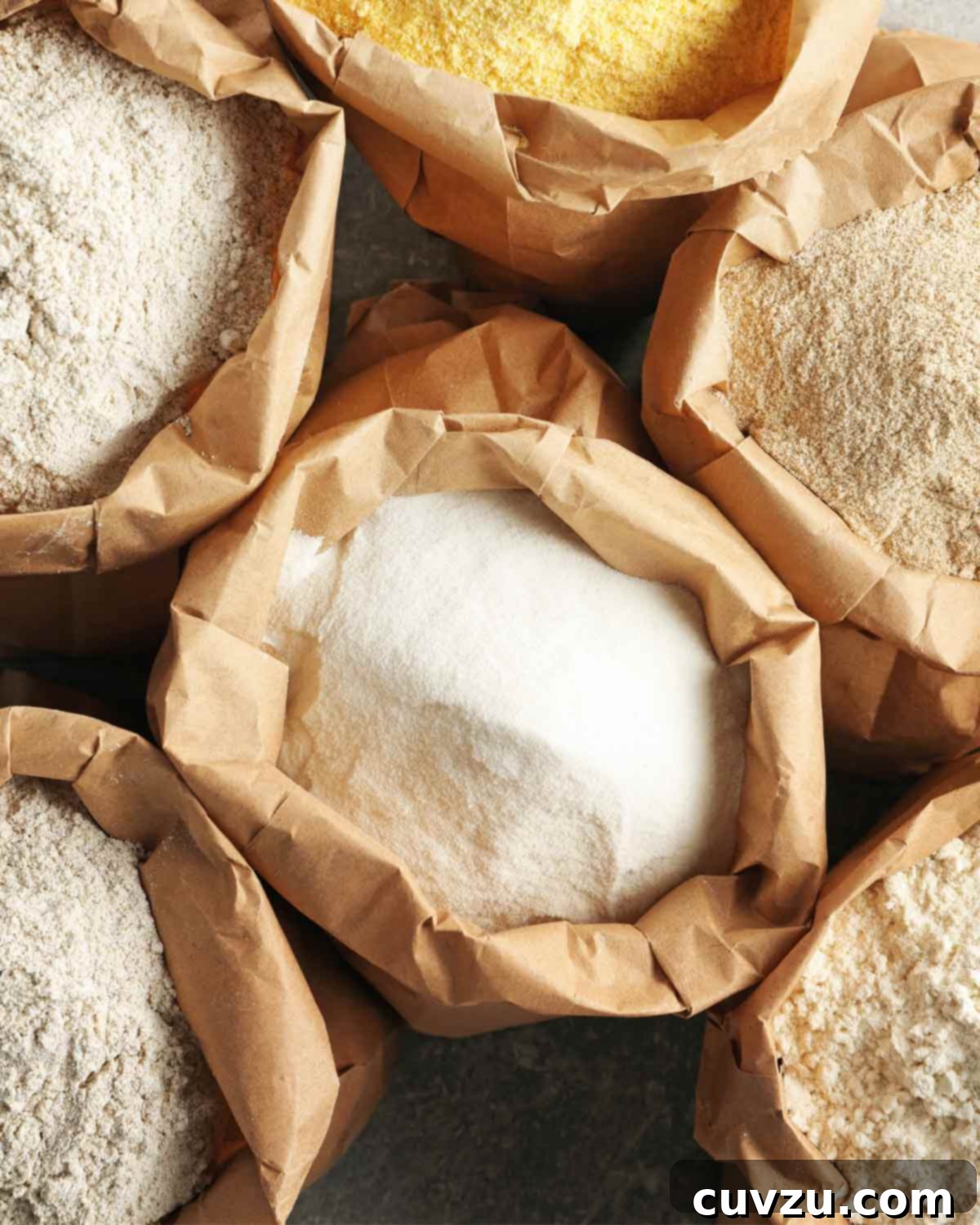
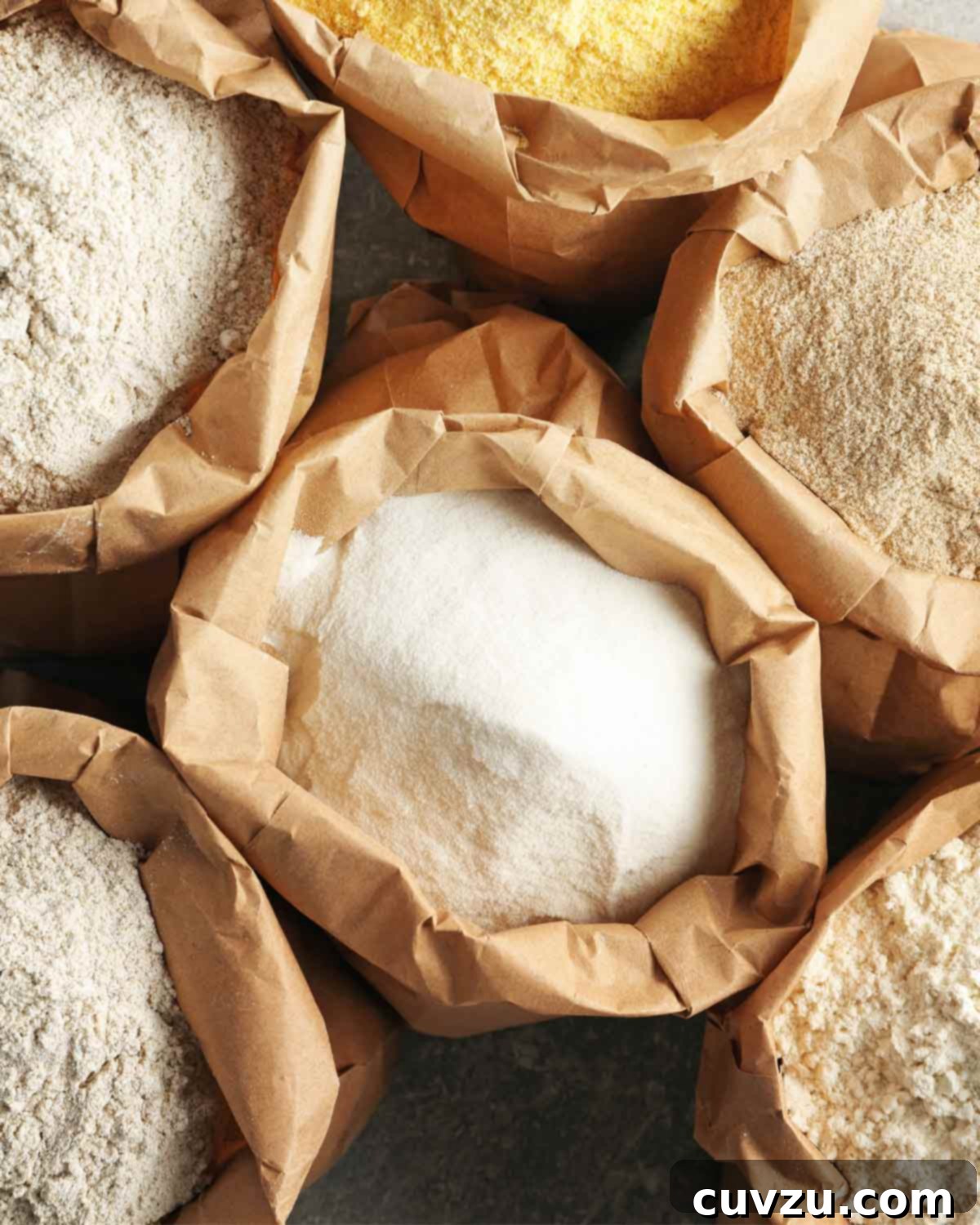
Have you ever found yourself in the middle of a recipe, only to realize you don’t have the exact type of flour on hand? The common question that often follows is, “Does it really make that much of a difference?” This comprehensive guide explores the distinctions between various flour types, delving into their unique characteristics and offering practical advice on when and how to confidently make substitutions. Understanding your flour is key to unlocking consistent baking success, transforming potential kitchen conundrums into culinary triumphs.
Chat with Us: Your Baking Questions Answered!
Do you have a burning cooking question, a baking query, or a kitchen quagmire you’d like our expert team to tackle? Simply click on that inviting big-mouth button to the right to leave us a recorded message. It’s quick, easy, and personal! Just input your name and email address, hit record, and share your thoughts. We promise to get back to you with helpful insights and solutions. And who knows? Your question might even be featured right here on our pages, or perhaps even on our popular podcast, “Talking With My Mouth Full.” We’re always eager to connect with our community and help you navigate the wonderful world of cooking and baking!
“Can I Substitute a Different Kind of Flour in This Recipe?” Unpacking the Core Question
This is a question we hear frequently, especially in times when specific ingredients might be less readily available in stores. Before diving into the specifics of substitution, it’s crucial to understand why flour types differ so significantly from one another. The secret lies primarily in the type of wheat berry used and its inherent protein content, which directly impacts the gluten-forming potential of the flour. Gluten is the elastic protein network that gives baked goods their structure and texture, from the airy crumb of a cake to the chewy resilience of a crusty loaf of bread. Recognizing that baking is a fairly precise science—more akin to chemistry than free-form cooking—will help you appreciate why these distinctions matter. Don’t worry, you don’t need a lab coat to master flour; just a little bit of knowledge and guidance!
The Profound Impact: Is There a Big Difference Among Types of Flours?
In short, absolutely. The type of flour you end up with is influenced by a confluence of factors, chiefly the specific kind of wheat berry from which it’s milled. However, the milling process itself, and even the harvesting time (e.g., winter wheat vs. spring wheat), also play significant roles in the flour’s final characteristics. We talk about “hard wheat” and “soft wheat,” and these classifications are fundamental to understanding flour’s behavior.
The golden rule in flour science is this: the higher the protein percentage in a particular grain, the greater its potential for developing gluten. This gluten content is the single most critical factor determining how elastic your dough will be, how well your bread and other baked goods will rise, and how effectively they will hold their shape throughout the baking process. Gluten provides the structural integrity, trapping gases produced by leavening agents (like yeast or baking powder) and creating that desirable rise and texture.
- Hard Wheat: Typically boasts a higher protein content, ranging from 11% to 18%. This robust protein profile is ideal for recipes requiring a strong gluten network, leading to hearty, dense, and wonderfully crusty loaves of bread, as well as chewy pasta.
- Soft Wheat: Characterized by a lower protein content, usually between 8% and 11%. Flours milled from soft wheat result in baked goods that are light, tender, fluffy, and enticingly crumbly. Think delicate cakes, melt-in-your-mouth cookies, and tender pastries.
Rest assured, you don’t need to pursue a master’s degree in agronomy or wheat varieties to become a confident baker. All you need is the practical information presented below to help you choose the right flour or successfully swap one for another when necessary.
Navigating Flour Substitutions: Can You Really Swap Them Out?
The concise answer is: it’s often tricky, but not impossible. The longer, more nuanced answer is that successful substitutions hinge on comparing the protein content of the flour your recipe specifies with that of the flour you have available. Ideally, you want these protein percentages to be within one to three percentage points of each other to achieve comparable results. Diverging too much can significantly alter the texture, rise, and overall outcome of your baked goods.
Another crucial consideration is that the exact protein content can vary slightly depending on the brand of flour and its country of origin. This variability means that while our guidelines provide excellent starting points, a little experimentation and attention to your specific ingredients can go a long way. Below, we provide specific recommendations for common flour types. Consider this your permission slip for smart substitutions! [Spoiler alert: If you choose to deviate significantly, be aware that you are increasing your risk for unexpected results, so understand your risk-taking tolerance in the kitchen!]
All-Purpose Flour: The Kitchen Workhorse
All-purpose flour truly lives up to its name, serving as the dependable staple that has graced kitchens for generations. It’s typically milled from a balanced blend of both hard and soft wheat varieties, achieving a versatile protein content that usually ranges from 10% to 12%. This moderate protein level means it can develop a sufficient gluten structure for sturdy breads, yet remain tender enough for delicate cakes and pastries. It is, without a doubt, the most common flour called for in recipes and acts as a caped crusader in terms of its ability to perform admirably in nearly any standard baking application.
You’ll find all-purpose flour at the heart of countless recipes, from fluffy pancakes and chewy cookies to fudgy brownies, flaky pie crusts, moist cakes, quick breads, and many types of yeasted breads. Its versatility makes it an indispensable ingredient for home bakers.
Substitution Guidelines for All-Purpose Flour:
- If you don’t have all-purpose flour:
- 1 cup bread flour = 1 cup all-purpose flour. *Note: Your final baked goods may be slightly denser or chewier due to bread flour’s higher protein content. This is often acceptable in recipes like cookies or some quick breads, but might affect the lightness of cakes.*
- 1 cup plus 2 tablespoons cake flour = 1 cup all-purpose flour. *Note: Cake flour has a lower protein content, so you need a bit more volume to compensate for the difference in density and moisture absorption. Expect a slightly more tender crumb, which can be lovely in muffins or biscuits.*
- If all you have is all-purpose flour:
- 1 cup all-purpose flour = 1 cup bread flour. *Note: The resulting bread might be slightly less chewy or have a less robust rise compared to using true bread flour. It will still work, but the texture won’t be as intensely developed.*
- 1 cup all-purpose flour minus 2 tablespoons + 2 tablespoons of cornstarch = 1 cup cake flour. *This is a fantastic hack to mimic cake flour. The cornstarch helps reduce the protein content and softens the gluten development, leading to a more tender and delicate texture, ideal for cakes and muffins.*
Bread Flour: The Architect of Chewy Loaves
As its name suggests, bread flour is purpose-built for creating exceptional breads. Milled exclusively from hard wheat berries, it stands as the “strongest” of all flours, boasting an impressive protein content typically ranging from 12% to 14%. This is the highest gluten content of virtually any flour you’ll encounter, which is why it’s often referred to as “strong flour” in the UK and other regions. Why is this high protein and robust gluten development so advantageous? Because all that strength enables your bread dough to form an incredibly elastic and extensible network, crucial for trapping the gases produced by yeast. This leads to a superior rise, a satisfyingly chewy texture, and a robust structure that holds its shape beautifully after baking.
Reach for bread flour when your craving calls for yeasty breads, where a substantial crumb and good chew are paramount. Think artisan sourdough loaves, perfectly formed bagels, classic pizza dough, and old-fashioned pretzels. Its strength is unmatched for these applications.
Substitution Guidelines for Bread Flour:
- If you don’t have bread flour:
- 1 cup all-purpose flour = 1 cup bread flour. *Note: While it will work, your bread will likely be slightly less chewy and might not achieve quite the same lofty rise or open crumb structure as with true bread flour. For certain recipes, like quick yeast rolls or simpler loaves, this substitution is perfectly acceptable.*
- If all you have is bread flour:
- 1 cup bread flour = 1 cup all-purpose flour. *Note: Substituting bread flour for all-purpose will often result in a slightly denser and chewier final product. This can be desirable in some cookies for added chewiness, but might make cakes or muffins a bit tougher if not carefully managed.*
Cake Flour: The Secret to Tender Crumb
Cake flour is the connoisseur’s choice for achieving truly delicate and tender baked goods. Milled from soft wheat, it holds the distinction of having the lowest percentage of protein among common flours, typically between 5% and 8%. Consequently, it develops the least amount of gluten, which is precisely its superpower. Recipes that specifically call for cake flour promise rewards of exceptionally soft, light muffins, crumbly biscuits, and, as its name suggests, exquisitely tender cakes.
An added benefit of cake flour is its tendency to absorb more liquid than regular all-purpose flour. This higher absorbency contributes to a moister crumb, helping to prevent your baked creations from ending up disappointingly dry. The fine texture and low protein of cake flour are crucial for achieving that signature melt-in-your-mouth quality in delicate desserts.
Substitution Guidelines for Cake Flour:
- If you don’t have cake flour:
- 2 tablespoons of cornstarch + enough all-purpose flour to make 1 cup = 1 cup cake flour. *To do this, measure 1 cup of all-purpose flour, then remove 2 tablespoons. Replace those 2 tablespoons with cornstarch and whisk well. This mixture effectively lowers the overall protein content, mimicking the delicate properties of cake flour, making it suitable for most cake and muffin recipes.*
- If all you have is cake flour:
- You can attempt to substitute cake flour for all-purpose flour in certain, more delicate applications like muffins, biscuits, and indeed, cakes. Keep in mind that the texture will be notably softer and more delicate than if you had used all-purpose flour. However, **do not try to use cake flour in place of all-purpose for recipes requiring significant gluten development, such as hearty breads or pizza dough.** The lack of sufficient gluten will result in a weak structure and a flat, dense product.
Pastry Flour: The Artisan’s Choice for Flakiness
Often confused with cake flour, pastry flour is actually a distinct type, occupying a unique niche in the baking world. While the name “pastry” might suggest extreme delicacy, it possesses a surprising protein content, typically ranging from 8% to 9%. This places its gluten potential somewhere between that of all-purpose and cake flours, offering a beautiful balance. Pastry flour is celebrated for its ability to produce final products that are supremely tender and exquisitely flaky, making it a favorite for professional and home bakers alike.
Its balanced protein content allows for just enough gluten development to provide structure without creating excessive chewiness. This makes it perfect for classic pastries like pie crusts and tarts, but also shines in biscuits, light muffins, crisp cookies, tender pancakes, and certain types of cakes where a slightly firmer crumb than cake flour would provide is desired.
Substitution Guidelines for Pastry Flour:
- If you don’t have pastry flour:
- 1 1/3 cups all-purpose flour + 2/3 cup cake flour = 2 cups pastry flour. *This blend cleverly combines the higher protein of all-purpose with the lower protein of cake flour to approximate pastry flour’s ideal medium protein level. This substitution is highly effective for achieving that coveted tender and flaky texture.*
- If all you have is pastry flour:
- 1 cup pastry flour = 1 cup all-purpose flour. *However, this swap is best reserved for recipes where a delicate touch is preferred, such as muffins, biscuits, scones, cakes, and quick breads. For heartier recipes that rely on robust gluten development, like most yeast breads or dense cookies, pastry flour won’t provide the necessary structure, leading to potentially crumbly or weak results.*
Mastering the Art of Flour Measurement
(Video Placeholder: A detailed tutorial on the spoon and level method for measuring flour accurately. This video explains why precise measurement is crucial for baking success, demonstrating the difference between scooping and properly leveling flour.)
Achieving consistent results in baking isn’t just about using the right type of flour; it’s also about measuring it correctly. Many baking failures can be traced back to inaccurate flour measurement. Flour, especially when packed down, can add significantly more weight and volume to your recipe than intended, leading to dense, dry, or crumbly baked goods. Here’s how to measure flour properly using the widely recommended “spoon and level” method:
- Fluff the Flour: Before measuring, use a fork or whisk to aerate the flour in its container. Flour can settle and become compacted, especially after transport or storage. Fluffing it up ensures a lighter, more accurate scoop.
- Spoon into Measuring Cup: Gently spoon the fluffed flour into your dry measuring cup. Do not use the measuring cup itself to scoop directly from the bag, as this can compact the flour and lead to over-measurement.
- Level Off: Once the measuring cup is slightly overfilled, use the straight edge of a knife or an offset spatula to level off the excess flour. Simply slide the edge across the top of the cup, allowing the excess to fall back into your flour container.
- Avoid Tapping or Packing: Resist the urge to tap the measuring cup on the counter or pack the flour down. This defeats the purpose of fluffing and will result in too much flour.
For the most precise results, especially in sensitive recipes like cakes or pastries, using a kitchen scale to measure flour by weight is highly recommended. Recipes often provide weights in grams, which eliminates the variability of volume measurements entirely. A gram of flour is always a gram of flour, regardless of how tightly it’s packed.
Self-Rising Flour: The Convenient Shortcut
Self-rising flour offers a convenient shortcut for certain baking projects, as it comes with leavening agents already incorporated. It is typically made from soft wheat berries and has a protein content of 8% to 9%. During the milling process, baking powder and salt are added in precise proportions, eliminating the need to add these ingredients separately. This makes it perfect for easy, stir-em-up, and get-em-on-the-table kinds of recipes that don’t require complex chemistry, such as quick pancakes, tender muffins, fluffy biscuits, and simple dumplings.
The pre-mixed nature of self-rising flour makes it wonderfully convenient but also less flexible for substitutions. Its balanced leavening and seasoning are designed for specific applications, and altering those proportions can easily upset the delicate balance of other ingredients in a recipe.
Substitution Guidelines for Self-Rising Flour:
- If you don’t have self-rising flour:
- 1 cup all-purpose flour (or pastry flour) + 1 1/2 teaspoons baking powder + 1/4 teaspoon salt = 1 cup self-rising flour. *This is a reliable homemade substitute. All-purpose flour is generally fine here, as recipes calling for self-rising flour (like pancakes) are often less particular about protein content compared to yeast breads. Ensure you whisk these dry ingredients thoroughly before adding wet ingredients to distribute the leavening evenly.*
- If all you have is self-rising flour:
- It’s important to understand that self-rising flour does not play well with others. It should generally **not** be used as a substitute in recipes that don’t specifically call for it. The pre-added baking powder and salt will significantly alter the equilibrium of the recipe’s leavening and seasoning, potentially leading to overly salty results, excessive rise, or a collapsed structure. Stick to recipes formulated for self-rising flour for the best outcome.
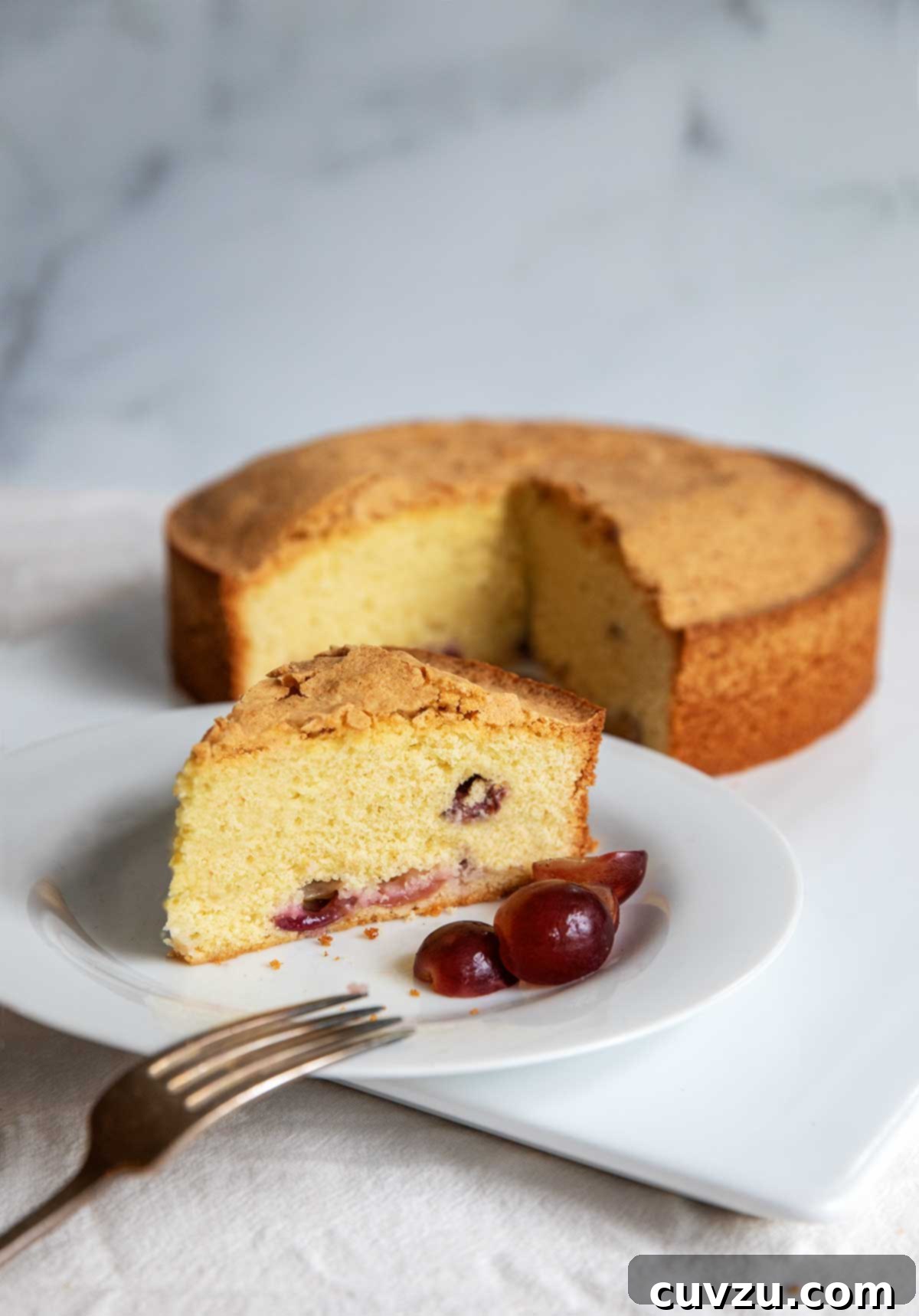
Semolina Flour: The Foundation of Authentic Pasta
Semolina flour is a unique and indispensable ingredient, particularly in Italian and Middle Eastern cuisine. It is made from hard durum wheat, a robust variety known for its strength and resilience. While it has a protein and gluten content similar to all-purpose flour, semolina is ground more coarsely, giving it a distinctive granular texture. This coarser grind imparts a somewhat sturdier and more al dente texture to anything made with it, which is precisely why it’s the flour of choice for creating traditional dried Italian pasta and authentic Moroccan couscous.
A characteristic feature of semolina flour is its beautiful yellow hue. This vibrant color comes from the presence of carotenoids, natural pigments found in the outer layers of the durum wheat kernel that are typically not included in other, more finely milled flours. This color adds to the aesthetic appeal of fresh pasta and other dishes.
Substitution Guidelines for Semolina Flour:
- If you don’t have semolina flour:
- There isn’t an exact, perfect substitute for semolina flour because its unique coarse texture is difficult to replicate. All-purpose flour comes closest in terms of protein content, and it can be used for some fresh pasta recipes, but be warned: the texture of whatever you make will be considerably less durable, less chewy, and won’t have the characteristic “bite” that semolina provides. For dishes like gnocchi or specific cakes that rely on semolina’s texture, a different flour won’t yield the same results.
- If all you have is semolina flour:
- We generally advise against substituting semolina for other types of flour in most recipes. Its coarser texture and high gluten strength can wreak havoc on the delicate balance of cakes, cookies, or quick breads, leading to dense, gritty, or overly tough results. It’s best reserved for recipes specifically developed to highlight its unique properties, such as pasta and couscous.
“00” Flour: The Italian Secret for Pizza and Pasta
Also known as Doppio Zero, Italian-style flour, or “0” flour, “00” flour is a staple in Italian kitchens and highly prized for specific applications. Most “00” flour found in the United States is milled from durum wheat, similar to semolina. What truly sets it apart, however, is its incredibly fine grind. Despite being milled to a texture far finer than all-purpose flour—almost like talcum powder—it maintains a nearly identical protein content, typically around 11% to 12%. This unique combination of high protein and ultra-fine milling creates a super elastic dough that is remarkably easy to roll out into the impossibly thin sheets coveted for authentic New York Style Pizza crusts and exquisite fresh pasta.
The “00” designation refers to the fineness of the grind in the Italian milling system, with “00” being the finest. This flour develops a very smooth, silky dough that is a dream to work with by hand or machine, yielding a perfectly tender yet resilient bite in pasta and a beautifully crisp-chewy crust in pizza. It’s also an excellent choice for crafting traditional flatbreads.
Substitution Guidelines for “00” Flour:
- If all you have is “00” flour:
- While “00” flour can technically be used in place of all-purpose or bread flour in many recipes, we generally don’t encourage it for everyday baking. The primary reason is cost; “00” flour is significantly more expensive than its conventional counterparts (e.g., about $8.64 a pound versus $1.03 a pound for all-purpose flour). From a practical standpoint, it simply doesn’t make economic sense for most common baking. If cost isn’t a factor for you, however, you can certainly experiment, keeping its protein content in mind. In such cases, 1 cup “00” flour ≈ 1 cup bread flour or all-purpose flour, and it will generally produce a very tender and fine-textured result.
- If you don’t have “00” flour:
- You can usually substitute all-purpose flour, cup for cup, in recipes calling for “00” flour, especially for pizza dough or fresh pasta. However, be aware that the resulting texture will be noticeably different. All-purpose flour will create a dough that is less elastic and may be slightly tougher or harder to roll out to the same thinness as “00” flour, affecting the final chewiness and crispness of your dish. Bread flour can also be a good alternative, providing more strength, though still lacking the distinct fine texture of “00” flour.
Empowering Your Baking Journey: A Final Flour Flourish
Understanding the nuances of different flour types is a fundamental step toward becoming a more confident and successful baker. Each flour, with its unique protein content and milling characteristics, plays a specific role in dictating the texture, rise, and overall quality of your baked goods. While precise substitutions can be challenging, knowing the “why” behind flour’s behavior empowers you to make informed decisions in the kitchen. Don’t be afraid to experiment, guided by the principles of protein and gluten development. With this knowledge, you’re now equipped to tackle recipes with greater confidence, adapt when supplies are short, and consistently achieve delicious results, whether you’re aiming for a crusty artisan loaf, a delicate celebration cake, or the perfect homemade pasta.