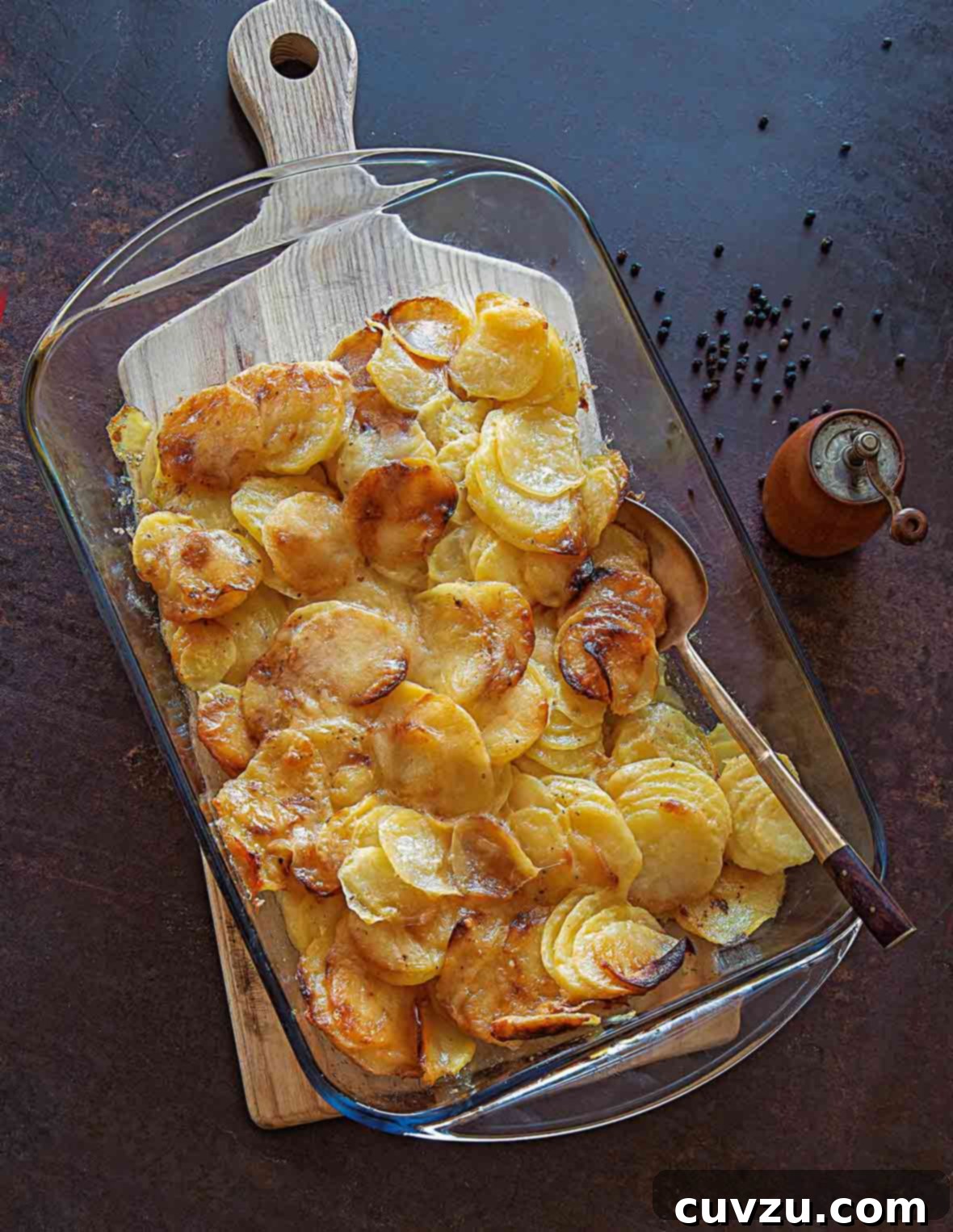
Easy scalloped potatoes, made with rich cream and savory cheese, are a classic comfort food that comes together with surprising ease. This delightful side dish promises to be the perfect accompaniment to almost any meal, offering a heartwarming and satisfying experience with every spoonful. Here’s how to master this beloved recipe from scratch, transforming simple ingredients into an extraordinary culinary delight.
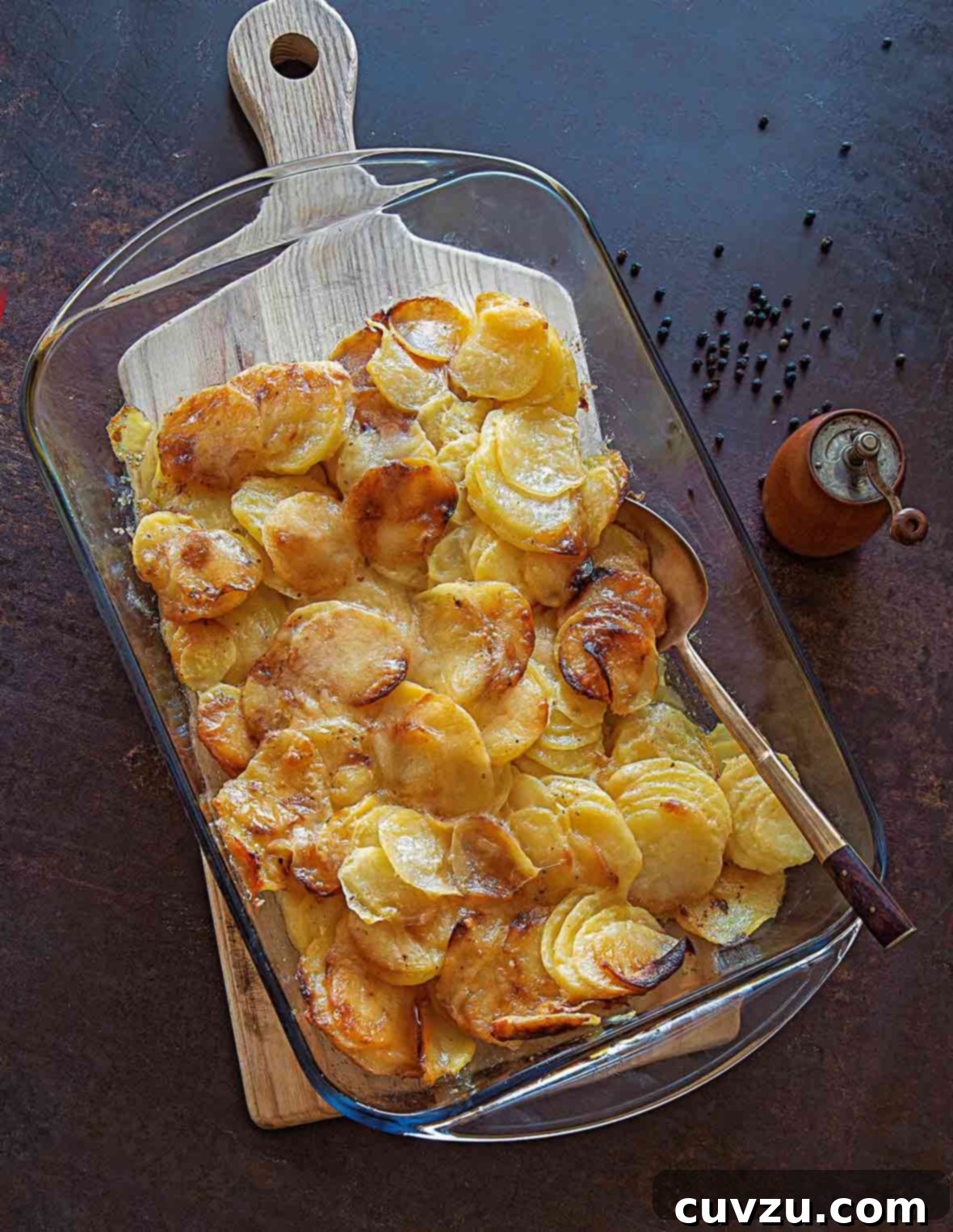
Craving that deeply satisfying, cheesy, and creamy scalloped potato dish that tastes just like Grandma used to make? Look no further. Our recipe for these thinly sliced spuds, bathed in a luscious butter and cream mixture, then generously smothered with perfectly melted cheese, delivers an authentic, unforgettable experience. This isn’t just a side; it’s a star.–Angie Zoobkoff
Why Scalloped Potatoes Are The Ultimate Comfort Food
There’s something uniquely comforting about a dish of scalloped potatoes. Perhaps it’s the tender, thinly sliced potatoes layered together, creating a beautiful mosaic. Or maybe it’s the rich, creamy sauce that infuses every bite with a luxurious feel. Then there’s the golden-brown, cheesy crust that adds a delightful texture and an extra layer of savory flavor. This classic German-inspired side dish transcends ordinary meals, bringing warmth and a sense of nostalgia to any table. Whether it’s a weeknight dinner or a special holiday gathering, scalloped potatoes effortlessly elevate the dining experience, making them a perennial favorite for families and food enthusiasts alike.
Common Pitfall: Why Are My Scalloped Potatoes Watery?
One of the most common issues home cooks face with scalloped potatoes is a watery end product. The secret to a perfectly creamy, not soupy, casserole lies primarily in your choice of potatoes. Scalloped potatoes should always be made from starchy potatoes, such as Yukon Gold or Russet varieties. These types of potatoes contain a higher starch content which, when cooked, helps to naturally thicken the cream sauce, creating that desirable rich and cohesive texture.
In contrast, waxy potatoes like red potatoes are too low in starch for this kind of preparation. They tend to hold their shape well but release more water during cooking, leading to a thin, watery sauce that doesn’t properly cling to the potato slices. Our recipe expertly avoids this by relying on the inherent starchiness of Yukon Gold potatoes, eliminating the need for additional thickening agents like flour or cornstarch and ensuring a consistently creamy result.
Easy Scalloped Potatoes Recipe
Recipe by David Leite
Print Recipe
Ingredients
- 3 tablespoons (1 1/2 oz) unsalted butter
- 1 1/2 cups heavy cream
- 1 teaspoon salt
- 1/4 teaspoon freshly ground black pepper
- Pinch grated nutmeg
- 2 1/2 pounds Yukon Gold potatoes, peeled and cut into slices 1/8 inch (3 mm) thick
- 1 cup grated Emmental, Gruyère, or Comte cheese
Essential Equipment & Preparation Tips
Before diving into the cooking, gathering your tools and preparing your ingredients properly will ensure a smooth and successful experience:
- Baking Dish: An 8-by-8-inch (20-by-20-cm) or 7-by-10-inch (18-by-25-cm) baking dish or a 2-quart casserole is ideal for this recipe. A ceramic or glass dish works beautifully for even cooking and presentation.
- Mandoline or Food Processor: To achieve consistently thin potato slices (1/8 inch or 3 mm), a mandoline slicer is highly recommended. If you don’t have one, a food processor with a slicing blade is an excellent alternative. While a sharp knife works, consistency is key for even cooking and texture.
- Preheating: Ensure your oven is accurately preheated to the specified temperatures. This consistency is crucial for the potatoes to cook through properly and for the cheese to melt and brown beautifully.
- Potato Prep: Peel your Yukon Gold potatoes just before slicing to prevent discoloration. Once sliced, don’t rinse them unless absolutely necessary, as you want to preserve the starch that helps thicken the sauce.
Instructions
-
Preheat your oven to 350°F (180°C). Prepare your chosen baking dish or 2-quart casserole by generously buttering it with 1/2 to 1 tablespoon of unsalted butter. This helps prevent sticking and adds flavor to the crust.
-
In a small saucepan, combine the heavy cream, salt, freshly ground black pepper, and a pinch of grated nutmeg. Place the saucepan over medium-high heat and bring the mixture to a gentle simmer. Be careful to monitor it closely to prevent it from boiling over. Once it reaches a gentle simmer, immediately reduce the heat to low and continue to simmer for just 1 minute. This infuses the cream with the seasonings and starts the thickening process.
-
Carefully arrange the thinly sliced potatoes in an even layer in your prepared casserole dish. You can overlap them slightly to create a beautiful pattern. Once all potatoes are arranged, pour the warm cream mixture evenly over them. Don’t worry if the cream doesn’t completely cover the potatoes; they will steam and soften during baking, and the exposed layers will later get a delicious cheesy crust.
-
Bake the potato casserole in the preheated oven for 55 to 60 minutes, or until the potato slices are tender and can be easily pierced with the tip of a knife. The cream should be bubbly and slightly thickened.
-
Remove the dish from the oven and increase the oven temperature to 400°F (200°C). Generously sprinkle the grated cheese (Emmental, Gruyère, or Comte) over the top of the potatoes. Dot the surface with the remaining 2 tablespoons of unsalted butter. Return the baking dish to the hotter oven and bake for another 10 to 15 minutes, or until the top of the scalloped potatoes is beautifully golden brown and the cheese is melted and bubbly.
-
Once baked to perfection, remove the scalloped potatoes from the oven and let them rest for at least 10 minutes before serving. This crucial resting period allows the sauce to set further, preventing it from being too runny and ensuring the potatoes are easier to portion. Originally published February 22, 2019.
The Perfect Potato Choice and Cheese Variations
Choosing Your Potatoes: Yukon Gold for Supreme Creaminess
As highlighted, the foundation of outstanding scalloped potatoes lies in using the right kind of potato. Yukon Gold potatoes are often considered the gold standard for this dish. Their medium-starch content and naturally buttery flavor make them ideal. They hold their shape relatively well when sliced thin but also break down slightly during baking, contributing to the creamy texture of the sauce without turning mushy. Russet potatoes are another excellent high-starch option, though they might yield a slightly drier result if not balanced with enough cream. Avoid waxy varieties like red or new potatoes, as they will release too much moisture and result in a disappointing, watery casserole.
Cheese Selection: Elevating Flavor and Texture
The cheese component is where your scalloped potatoes truly sing. While the recipe suggests Emmental, Gruyère, or Comte, each brings its unique profile:
- Emmental: A classic Swiss cheese known for its mild, nutty flavor and excellent melting properties. It provides a beautiful, bubbly crust without overpowering the delicate potato and cream flavors.
- Gruyère: Another Swiss cheese, Gruyère offers a richer, more complex nutty flavor, sometimes with earthy undertones. It melts beautifully and browns wonderfully, adding a sophisticated depth.
- Comte: A French semi-hard cheese from the Jura region, Comte is similar to Gruyère but often boasts more fruity and savory notes, depending on its age. It’s a fantastic choice for a nuanced flavor profile.
Don’t hesitate to experiment with a blend of cheeses! A combination of Gruyère for depth and a touch of sharp cheddar for a tangy kick can create an exciting twist. For a slightly bolder flavor, a sprinkle of grated Parmesan or Pecorino Romano mixed with your primary cheese can also be a wonderful addition, though use sparingly to maintain balance.
Expert Tips for Scalloped Potato Success
- Consistent Slicing: Using a mandoline or food processor is crucial for uniform potato slices. This ensures even cooking and a beautiful layered presentation. Uneven slices will cook at different rates, leading to some potatoes being undercooked while others are mushy.
- Don’t Skimp on the Cream: Heavy cream is essential for the rich, luxurious texture. While some recipes call for milk or half-and-half, they won’t provide the same decadence or thickening power.
- Seasoning is Key: Don’t forget the salt, pepper, and especially the nutmeg. Nutmeg is a traditional complement to potato and cream dishes, adding a subtle warmth that enhances the overall flavor without being overtly detectable.
- Resting Period: Allowing the casserole to rest for 10-15 minutes after baking is vital. This allows the hot cream sauce to fully settle and be reabsorbed by the potatoes, preventing a watery dish when served and making it easier to portion.
- Golden Crust: The final blast of high heat is for achieving that irresistible golden-brown, bubbly cheese crust. Keep an eye on it to prevent burning, but don’t pull it out too early!
Serving Suggestions and Perfect Pairings
Easy scalloped potatoes are incredibly versatile and can be the star side dish for a wide array of main courses. Their rich, creamy nature pairs beautifully with:
- Roasts: Classic pairings include roast chicken, pork loin, beef roast, or even a holiday turkey. The tender potatoes soak up the pan juices, making for an unforgettable meal.
- Simple Meats: Grilled steaks, pan-seared pork chops, or baked salmon benefit from the hearty and comforting contrast of scalloped potatoes.
- Vegetarian Mains: Serve alongside a vibrant green salad, roasted asparagus, or a lentil loaf for a satisfying vegetarian dinner.
- Holiday Feasts: A staple for Thanksgiving, Christmas, or Easter, these potatoes are always a crowd-pleaser and often disappear quickly!
Consider serving them with a light, crisp salad, like the Fennel, Orange, and Watercress Salad mentioned by one of our testers, to balance the richness. A simple vinaigrette on green beans or broccoli can also provide a refreshing counterpoint.
Adapted From
German Meals at Oma’s
Buy On Amazon
Nutrition Information
Calories: 709 kcal
Carbohydrates: 53 g
Protein: 16 g
Fat: 50 g
Saturated Fat: 31 g
Monounsaturated Fat: 12 g
Trans Fat: 0.4 g
Cholesterol: 150 mg
Sodium: 674 mg
Fiber: 6 g
Sugar: 5 g
Nutrition information is automatically calculated and should only be used as an approximation.
Insights from Our Recipe Testers
Our team of dedicated recipe testers put this easy scalloped potatoes recipe to the test, and the consensus is clear: it’s a resounding success! Their invaluable feedback offers practical tips, serving ideas, and highlights the dish’s undeniable appeal. Below, we’ve compiled their experiences and suggestions to help you achieve perfect results every time.
Joe Pascoa’s Experience
Joe Pascoa raved about the universal appeal of this dish, noting it received the “highest praises” among all the recipes he’s tested for Leite’s Culinaria. He highlighted its simplicity, requiring “very little preparation and hands-on time,” yet yielding a “tasty dish with a beautiful appearance that elevated the rest of the meal.” Joe enjoyed it so much that he made it two days in a row, serving it with roasted chicken quarters and pan-seared cauliflower florets. His experience reinforces that this recipe is a consistent winner for both ease and impressive results.
Patty Fabian’s Review
“Easy breezy” is how Patty Fabian described this recipe, emphasizing how quickly it comes together before the oven takes over. She praised the perfectly melted and nicely browned cheese top. Patty also offered a practical tip for entertaining: topping the dish with foil after baking kept it “piping hot” until the rest of dinner was ready. For an extra layer of flavor, she “smashed 4 roasted garlic cloves around the buttered casserole dish before adding the potatoes” and used Gruyère when Emmental wasn’t available, confirming the flexibility of cheese choices. Her table agreed—this dish was “a huge hit.”
Trisha T.’s Thoughts
Trisha T. perfectly captured the essence of this dish, noting how it feels “homey, just like something Grandma would make, while also tasting luxurious and decadent.” She found it versatile enough for both family meals and company, attributing its richness to the “simply spiced cream sauce” that complements the potatoes and cheese. Trisha highlighted the efficiency of using a food processor for “very quick and easy” potato prep. She also provided reassurance regarding the cream level: “My cream sauce didn’t completely cover the potatoes and it still worked great, so don’t fret if a layer of your potatoes is above the sauce. Those potatoes will be covered in delicious cheese later anyway.” She opted for Comte cheese, finding it a “nice, light, flavorful choice.”
Wendy Falzarano’s Takeaway
Even a self-professed non-fan of scalloped potatoes like Wendy Falzarano was “pleasantly surprised by how tasty this was.” She used Gruyère, which she had on hand, and raised an interesting point about the butter quantity. While she enjoyed the flavor, she questioned if 1 cup of cheese and the full amount of butter might be slightly excessive, leading to “too much oil floating around the edges and then pooling in casserole bottom.” She suggested reducing the cheese by 1/4 to 1/2 cup to balance the richness, and looked forward to making it again with a “nice roast.” This feedback provides a valuable point for those who prefer a slightly less rich version or are sensitive to excess fat.
Susan Bingaman’s Expert Opinion
Susan Bingaman declared these scalloped potatoes “damn good” and “super easy to make if you have a slicer.” She acknowledged that the “copious amounts of heavy cream make them an occasional side,” emphasizing their decadent nature. Susan used a Wisconsin-made Gruyère clone, which “melted and browned gloriously.” Like Wendy, Susan also suggested a reduction in butter, recommending cutting it in half. She noted that greasing the baking dish takes about 1/2 tablespoon, and “dotting the top with about a tablespoon would be more than enough,” observing “a fair amount of butter sitting on top” after baking. For “maximum cheese brownage,” she even mused about skipping the final butter dots entirely. She also reiterated that it’s “ok” if the cream doesn’t fully cover the potatoes initially. Crucially, Susan advised that “these potatoes are best eaten the day they’re made,” as they “become a greasy mess when reheated,” a vital tip for meal planning.
Chiyo Ueyama’s Creative Additions
Chiyo Ueyama appreciated the “tender potatoes in bubbly cream topped with golden brown cheese,” finding every bit of the casserole “delicious and comforting.” She highlighted its potential as a “good jumping-off-point recipe that you can build upon to make it your own.” Her suggestions included adding chopped herbs to the cream or sprinkling grated pecorino for “a bit of sharpness in addition to the nutty Emmental.” Chiyo noted the gratin was “evenly cooked,” perhaps crediting the pre-heating of the cream. She enjoyed the scalloped potatoes as a main dish with a Fennel, Orange, and Watercress Salad, substituting arugula for watercress, a testament to the dish’s flexibility with complementary sides.
Ellen Ciarimboli’s Family Favorite
Ellen Ciarimboli confirmed that these scalloped potatoes “taste just like something your old world grandmother would put on the table.” Her father, who grew up on scalloped potatoes in Minnesota, found them “fantastic, super creamy, and very well received.” Ellen emphasized the recipe’s ease, noting it took “no time at all to get prepped and ready for the oven,” which is a significant “win” for busy hosts. She provided practical advice on serving sizes: while it yields 4 if it’s the main dish, it comfortably serves 6 as a side, especially when paired with a Spanish pork loin roast and salad. She also adapted cooking time for a larger Le Creuset pan, reducing initial bake time to 45 minutes before adding cheese, showing how adaptable the recipe is to different bakeware.
Lisa Ward’s Weekend Indulgence
Lisa Ward described this as a “great, rich Sunday dinner side dish,” acknowledging that its longer cooking time makes it ideal for “weekend cooking, but it’s worth it.” She noted that even after accidentally letting the cream boil over, the finished sauce was “thick and flavorful.” Lisa strongly advocated for Yukon Golds, stating they are “a much better fit for this dish” than Russets, reinforcing the importance of potato choice. She found Gruyère “perfect” and served the dish with oven-fried chicken and vinaigrette-marinated cabbage, offering another excellent pairing suggestion. Her experience underscores the robust nature of the recipe, even with minor kitchen mishaps.