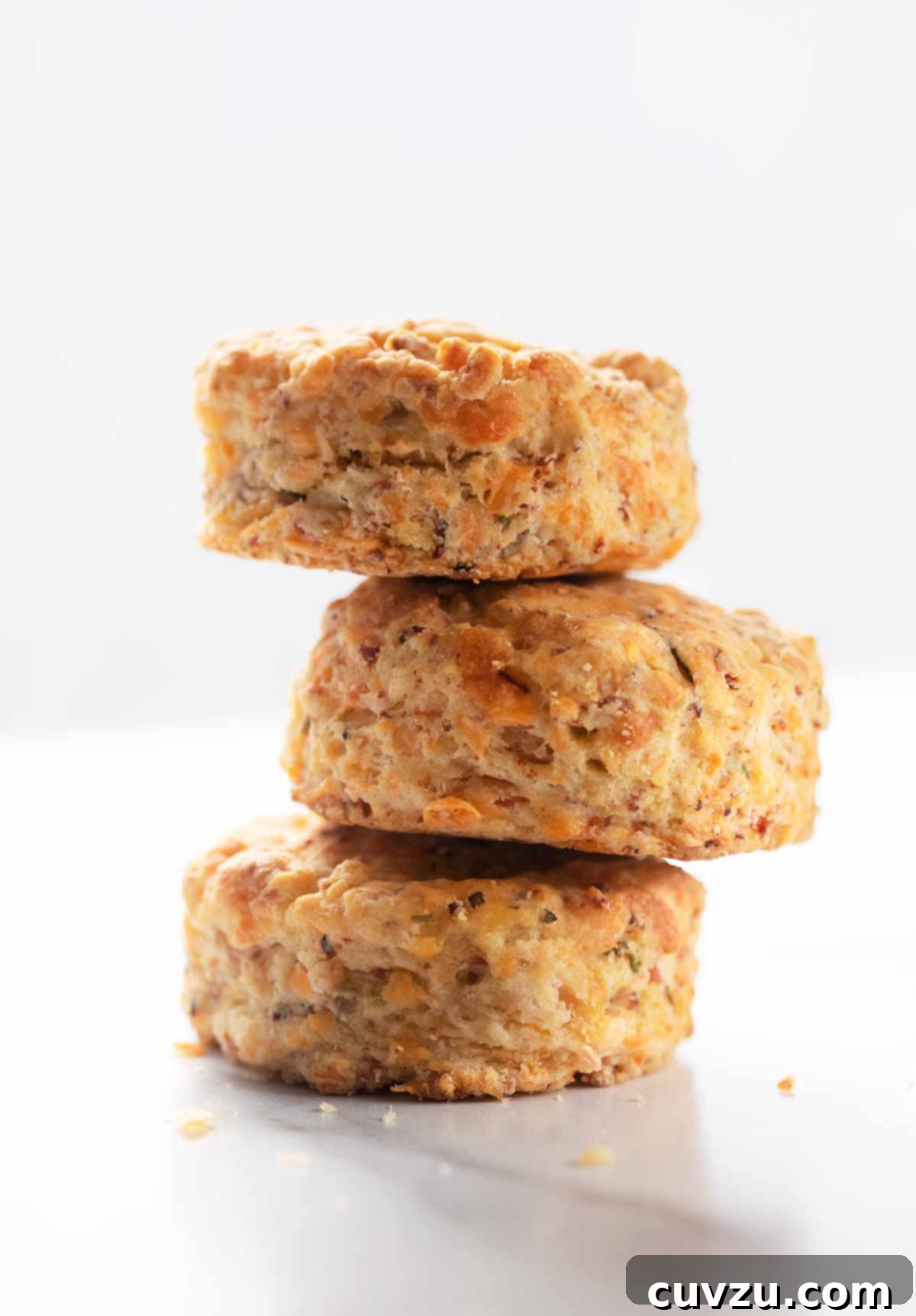
Mastering the Art of Easy Homemade Biscuits: Your Ultimate Guide to Flaky Perfection
Craving the comforting warmth of easy homemade biscuits? You’ve come to the right place. For many, the thought of baking biscuits conjures images of complex techniques and unpredictable results. But what if we told you that achieving light, flaky, and utterly delicious biscuits is not only possible but surprisingly simple? We’ve gathered an unparalleled collection of quick, fuss-free recipes that promise perfect results every time. Whether you seek the sheer simplicity of just three ingredients, prefer the rustic charm of dropped biscuits, the classic elegance of rolled and cut varieties, or desire to elevate your baking with savory additions like gilded cheese, this guide has you covered.
For a lot of bakers, pie crusts are their ultimate challenge, their formidable foe. Their great undoing in the kitchen. For me, that nemesis was biscuits. The anxiety I once felt when faced with a biscuit recipe was almost comical. Would they rise? Would they be flaky, light, and beautifully layered, towering proudly on the plate, or would they deflate into dense hockey pucks? This common apprehension is precisely why we embarked on a mission: to curate and rigorously test some of the absolute best biscuit recipes available today.
Our quest for biscuit perfection led us to baking royalty and revered culinary institutions. These proven recipes come from the likes of Nathalie Dupree, Kelly Alexander, David Muniz and David Lesniak, the esteemed team at Southern Living, and the culinary connoisseurs at Saveur. And, with a touch of humble pride, I’ve added my own contribution to this distinguished list, having dedicated myself to perfecting Southern-inspired ham-and-cheese biscuits that I believe can truly hold their own among the greats.
So, fear not, ye biscuit lovers and aspiring bakers! Put away your anxieties and embrace the joy of homemade baking. We’ve got your back with a comprehensive collection of recipes and tips that will transform your biscuit-making journey from daunting to delightful. Get ready to experience the unparalleled satisfaction of pulling a pan of golden, fluffy biscuits from your oven.

Why Bake Your Own Biscuits? The Unrivaled Joy of Homemade
In a world of convenient store-bought options, there’s something truly magical about homemade biscuits. The aroma wafting from your oven, the warmth in your hands as you break one open, and the melt-in-your-mouth texture are experiences that simply cannot be replicated. Beyond the sensory delight, baking your own biscuits offers several compelling advantages:
- Unbeatable Freshness and Flavor: Store-bought biscuits, while convenient, often lack the nuanced flavors and textures of freshly baked ones. Homemade means vibrant, pure taste.
- Control Over Ingredients: You decide what goes into your biscuits, allowing you to tailor them to dietary needs or personal preferences, whether it’s organic flour or a specific type of butter.
- A Therapeutic Process: The act of mixing, kneading (lightly!), and shaping dough can be incredibly meditative and rewarding. It’s a culinary craft that engages your senses and soothes your soul.
- Versatility for Every Meal: Biscuits aren’t just for breakfast! They can be a hearty side for dinner, a sweet treat for dessert, or a comforting snack any time of day.
The Secrets to Biscuit Perfection: Tips for Flaky, Tender Results
Achieving those coveted flaky layers and tender interiors isn’t as mysterious as it seems. By following a few key principles, you can consistently bake perfect biscuits:
- Keep Ingredients Cold: This is arguably the most crucial tip. Cold butter, buttermilk, or cream creates pockets of steam in the oven, which leads to flaky layers. Use chilled butter cut into small pieces, or even grated, and handle the dough as little as possible to prevent it from warming up.
- Don’t Overwork the Dough: Over-mixing develops gluten, resulting in tough, dense biscuits. Mix just until the ingredients are combined. A shaggy, slightly crumbly dough is ideal.
- Fresh Leavening Agents: Baking powder and baking soda lose their potency over time. Always check the expiration date and ensure your leaveners are fresh for maximum rise.
- Gentle Handling: Whether you’re patting out drop biscuits or folding and cutting rolled ones, be gentle. A light touch is essential for a tender crumb.
- High Heat: Biscuits love a hot oven (usually 400-450°F / 200-230°C). The high temperature helps them rise quickly and achieve a golden crust before drying out.
- Avoid Twisting the Cutter: When using a biscuit cutter, press straight down and lift straight up. Twisting the cutter can seal the edges of the biscuit, preventing it from rising properly.
A Collection of Our Favorite Biscuit Recipes

Cheddar Biscuits: Savory, Cheesy Perfection
Like all the testers said, this quick-and-easy recipe makes tip-top biscuits that filled the kitchen with delicious aromas. I did these on the spur of the moment, and they made the perfect breakfast. I forced myself to stop at two!
I had some bites plain and some dipped in spicy honey. Yum!
greg

Southern Buttermilk Biscuits: Fluffy, Traditional, and Effortless
These biscuits have changed my life. Strong comment, I know, but hear me out. I am a 50-year-old man who loves to make biscuits and gravy, but I’ve never been able to make an edible biscuit. My gravy is great (thanks Alton Brown), but I’ve always had to settle for frozen biscuits. They aren’t great, but were a thousand times better than my attempts…until today.
I made a batch of these biscuits and a tear came to my eye. I realized that I am now complete. These biscuits rose wonderfully while baking. I took them out of oven when lightly brown. They were crusty on the outside, yet lightly layered on the inside. Wonderful flavor.
I’ve been told that making biscuits is easy, now I believe, finally. Thank you!
travis d.
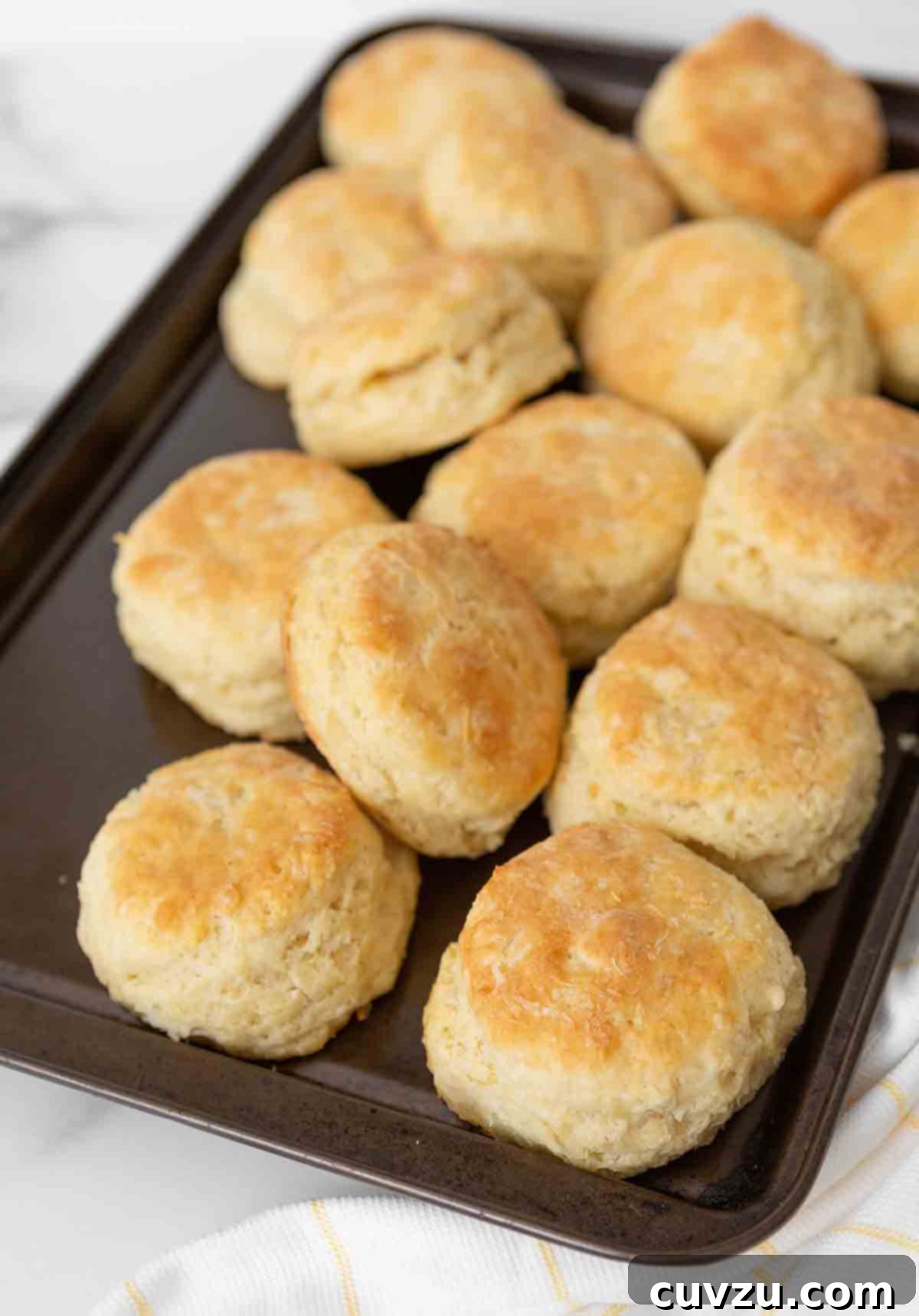
Easy Cream Biscuits: Simple, Tender, and Beginner-Friendly
This recipe is a perfect example of why one never needs to buy a tube of dough in a grocery store ever again. With only two ingredients, a few minutes, and minimal fuss, you can have a pan of tender, soft biscuits that’ll please any biscuit lover.
These were a revelation to me–with a very different, more delicate texture than my usual tea biscuits. They’d be perfect as a base for a creamy chicken stew or seafood stew, or (with a little sugar added), a berry shortcake.
sherry b.

Sweet Potato Biscuits: A Southern Delight for Any Occasion
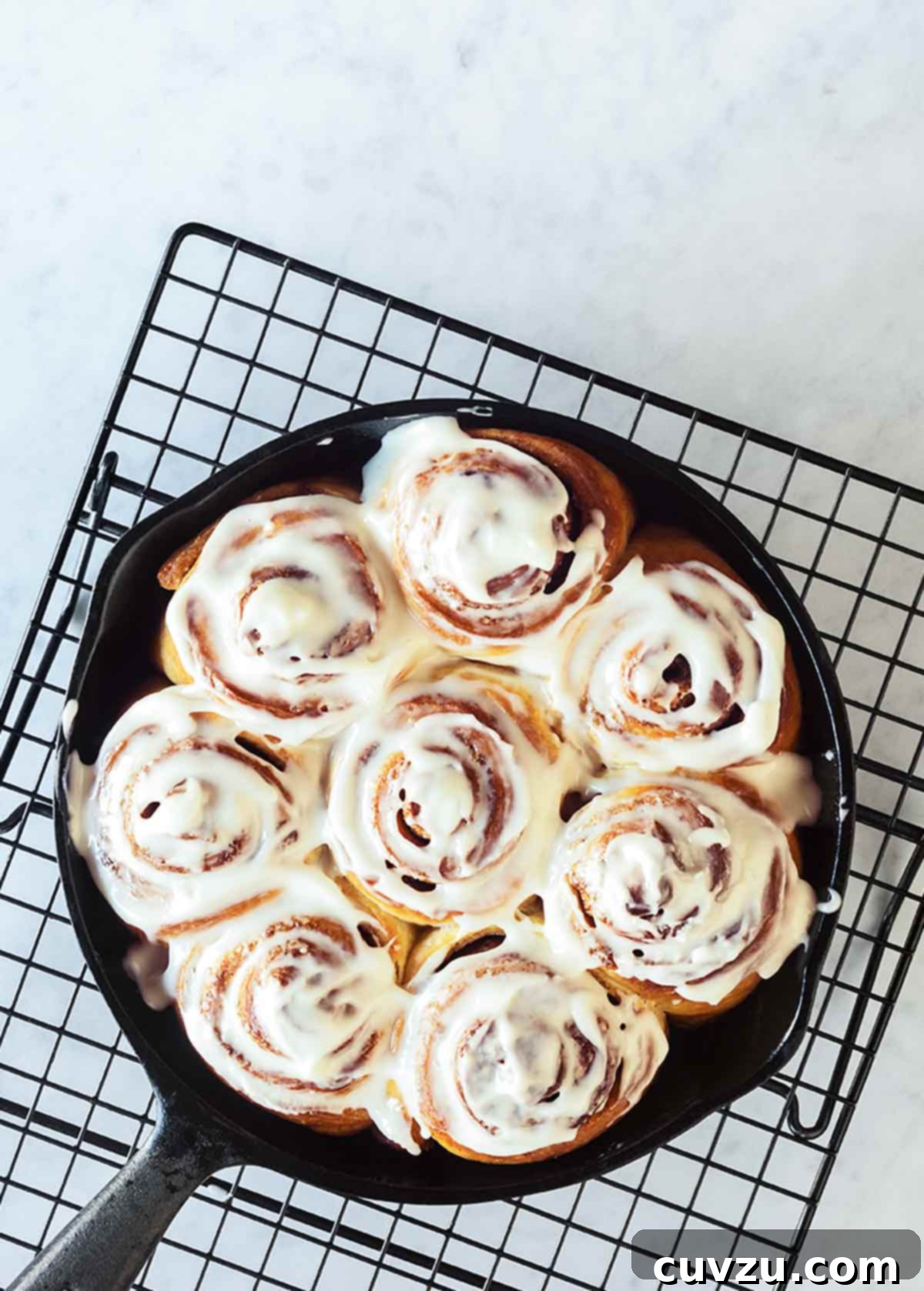
Biscuit Cinnamon Rolls: A Speedy Sweet Treat
These biscuit cinnamon rolls were fabulous. I made them right before a meeting in which everyone was on a diet, and they were gone in seconds. This is the perfect cinnamon roll recipe for people who don’t have time to let them rise, and they’re so good!
paige g.

Ham and Cheddar Biscuits: Hearty and Flavorful
These are excellent! I subbed chipotle powder for the cayenne and make a batch just about every weekend to have with morning coffee.
lisa
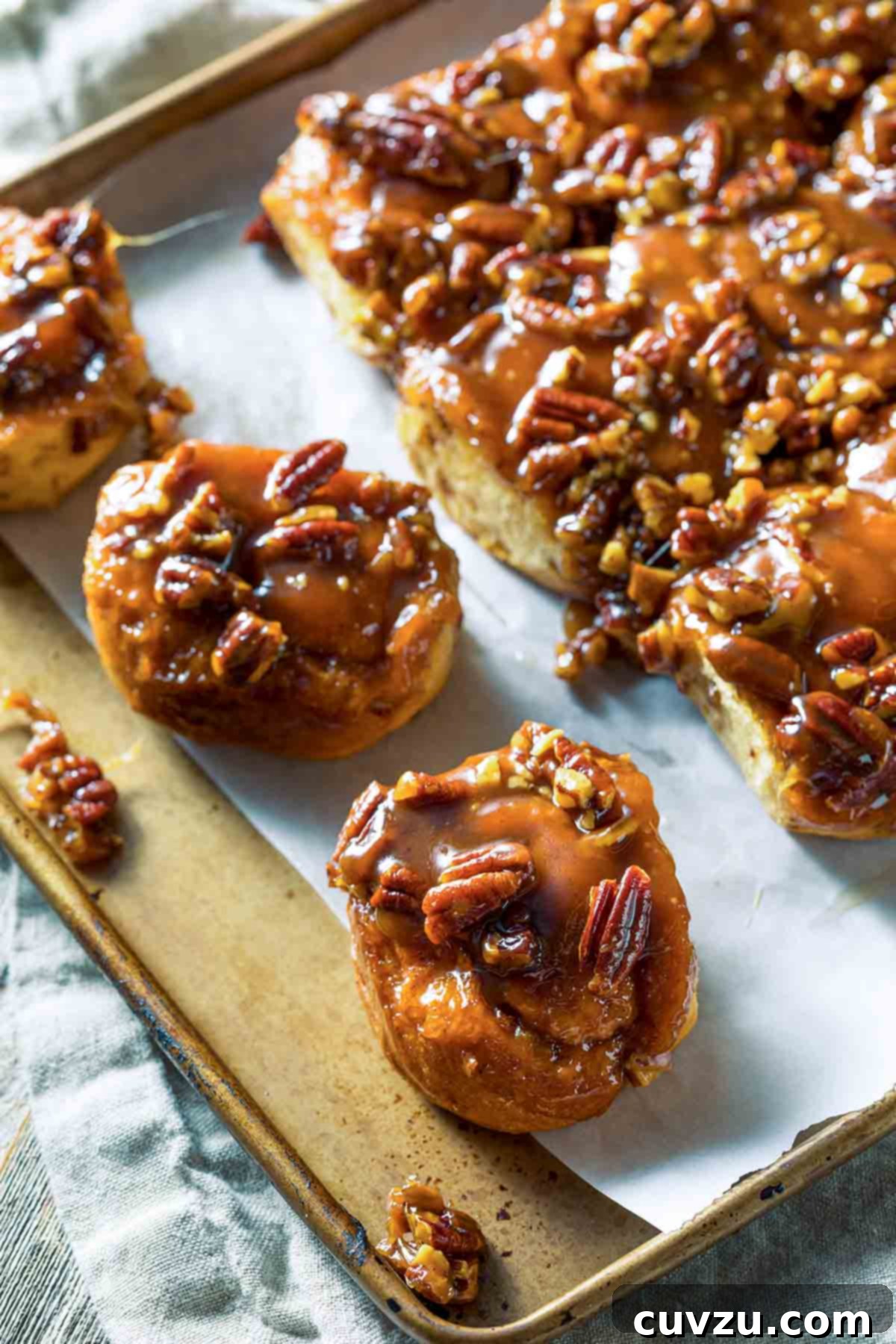
Quick Sticky Biscuits: Instant Indulgence
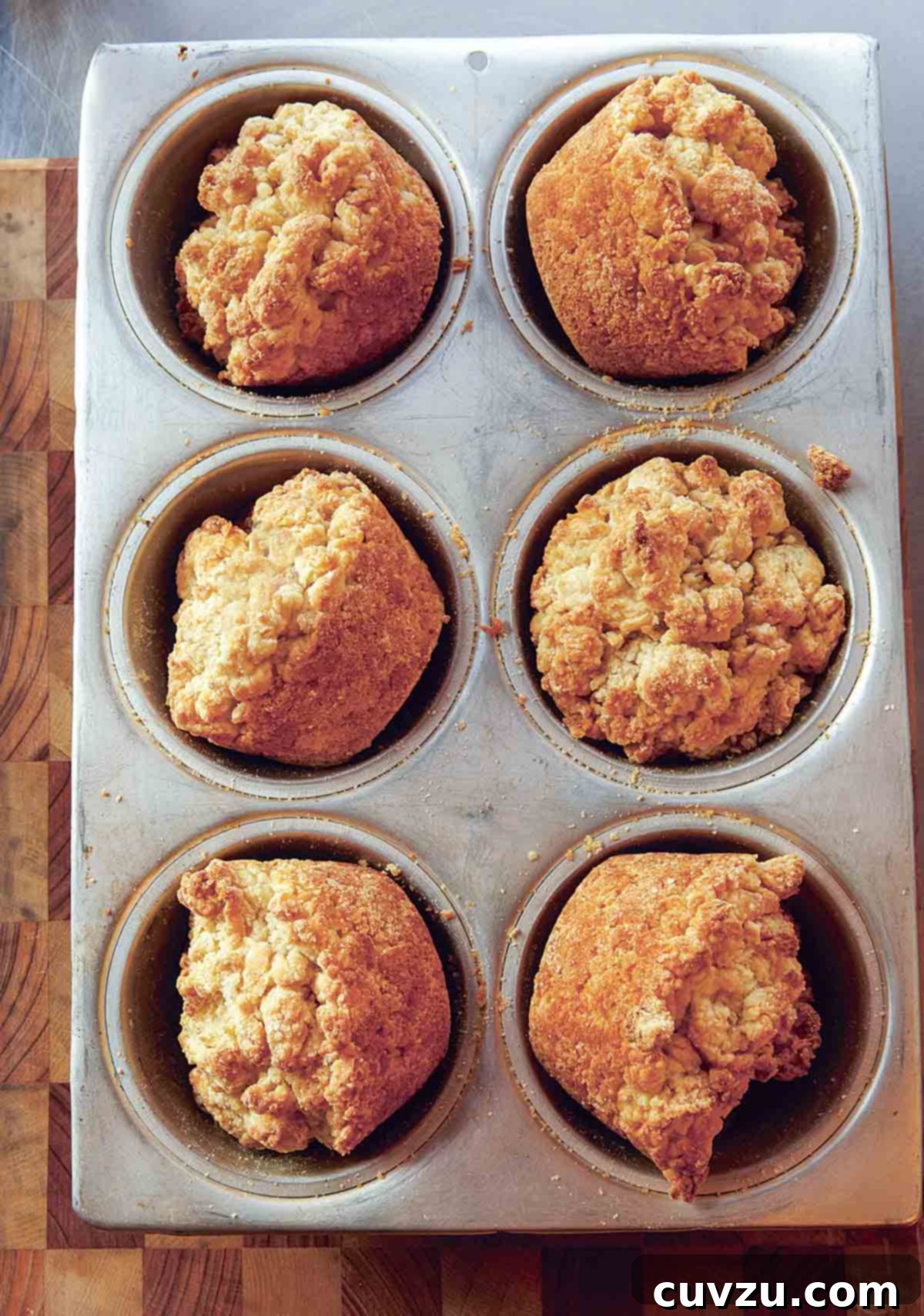
Alabama Muffin Biscuits: The Best of Both Worlds
I made these tonight for my sister and her husband and four boys, and they were a hit! I made the standard 12 muffins, and we had to bake them much longer, but of course, that may be due to my sister’s oven.
My sister and I decided that these would make an excellent base for our strawberry shortcake. We usually use the recipe from Saveur, but I think we will be using this recipe from now on.
jenn
Biscuit FAQs: Your Questions Answered
The magic of light and fluffy biscuits lies in creating distinct layers within the dough that puff up beautifully during baking. To achieve this ethereal texture, always begin with very cold ingredients, especially butter and any liquid components like buttermilk or cream. The cold fat creates steam as it melts in the hot oven, pushing the layers apart. Crucially, resist the urge to overwork the dough; excessive handling develops gluten, which can lead to tough, dense biscuits. Instead, mix just until combined. Lastly, ensure your baking powder or other leavening agents are fresh and active, as they are responsible for much of the biscuit’s rise and airy texture.
Biscuits are incredibly diverse, with different ingredients and preparation techniques yielding a range of textures and flavors. A few popular types include:
- Drop Biscuits: These are celebrated for their rustic charm and ease of preparation. The dough, which is typically softer and wetter, is simply dropped by spoonfuls onto a baking sheet before baking. This eliminates the need for rolling and cutting, making them incredibly quick and perfect for beginners.
- Rolled Biscuits: Often considered the classic biscuit, these are made from a firmer dough that is rolled out and then cut into shapes using a knife or a specialized biscuit cutter. Techniques like folding the dough (laminating) can enhance their flakiness and create multiple tender layers.
- Buttermilk Biscuits: A beloved staple, especially in the Southern US, buttermilk biscuits are known for their distinctive tangy flavor and exceptionally light, tender crumb. The acidity of the buttermilk reacts with baking soda to create a superior rise and contributes to the biscuit’s soft texture.
- Cream Biscuits: These biscuits are exceptionally rich and tender, relying on heavy cream for both their fat and liquid content. They typically require only two ingredients (self-rising flour and cream), making them wonderfully simple and quick to prepare.
- Savory Biscuits: Beyond plain butter biscuits, this category includes varieties infused with cheese (like Cheddar biscuits), herbs, or even meats (such as ham and cheese biscuits), perfect as a side dish or light meal.
- Sweet Biscuits: These often incorporate sugar, fruits, or glazes, making them ideal for breakfast, dessert, or a sweet snack, like the sweet potato biscuits or cinnamon roll biscuits featured in our collection.
To ensure your biscuits rise tall and maintain their shape rather than spreading excessively, several factors are key. First and foremost, consistently use cold ingredients, especially your butter. Chilling the prepared biscuit dough for at least 15-30 minutes before baking helps solidify the fat, which in turn reduces spreading. Additionally, avoid overworking the dough, as this can warm the butter and develop too much gluten, both contributing to spread. If using a biscuit cutter, press straight down without twisting; twisting can seal the edges, hindering rise and encouraging sideways spread. Baking at a slightly higher temperature can also help set the biscuit structure quickly, promoting upward rise.
Absolutely! Freezing biscuit dough is a fantastic way to enjoy fresh, homemade biscuits any time with minimal effort. Simply prepare the dough according to your chosen recipe, cut out the biscuits, and arrange them on a baking sheet lined with parchment paper. Freeze until solid (about 1-2 hours), then transfer the frozen biscuits to an airtight freezer bag or container. They can be stored for up to 2-3 months. When ready to bake, you can typically bake them directly from frozen, adding a few extra minutes to the baking time, or let them thaw slightly on the counter before baking as usual. This makes spontaneous biscuit cravings a breeze to satisfy!
For classic, tender Southern-style biscuits, a soft winter wheat flour or a specially formulated “self-rising” flour with a lower protein content is ideal. The lower protein results in less gluten development, contributing to a more tender and delicate crumb. If you don’t have self-rising flour, you can easily make your own by combining all-purpose flour with baking powder and a pinch of salt. While all-purpose flour works, opting for a brand known for lower protein (around 10-11%) can make a noticeable difference in the final texture of your biscuits.
With such a bounty of biscuit types to explore, the possibilities for enjoyment are virtually endless. Whether you love them schmeared generously with sweet butter or vibrant jam, drizzled with golden honey, smothered in rich sausage gravy, or creatively stuffed with succulent fried chicken for an unforgettable sandwich, biscuits bring comfort and joy to any table. We hope this comprehensive guide inspires you to roll up your sleeves and dive into the wonderful world of homemade biscuits.
Which of these easy homemade biscuit recipes will you try first? What are your all-time best-loved ways to enjoy these flaky delights? Share your thoughts, tips, and favorite serving suggestions with us in the comments below – we’d love to hear from you!