Autumn has officially arrived, painting landscapes in hues of gold and rust, and bringing with it the beloved pumpkin. This quintessential fall ingredient isn’t just for carving; it’s a culinary marvel that graces our tables with warmth, comfort, and incredible flavor. Whether you’re captivated by the irresistible aroma of pumpkin spice infusing baked goods, or you cherish the subtle sweetness and creamy texture that roasted pumpkin imparts to savory creations, our curated collection promises a pumpkin recipe tailored just for you. Dive into this vibrant orange winter squash and explore our favorite ways to transform it into delectable dishes that celebrate the season.
The pumpkin, a member of the squash family, offers incredible versatility in the kitchen. Its mild, earthy flavor pairs beautifully with a wide array of spices, from cinnamon and nutmeg to chili and sage. Beyond its delicious taste, pumpkins are packed with nutrients, including Vitamin A, Vitamin C, and potassium, making them a wholesome addition to any meal. This roundup isn’t just a list of recipes; it’s an invitation to experience the full spectrum of pumpkin’s culinary potential, guiding you through a journey of sweet indulgence and savory satisfaction. From hearty meals perfect for a chilly evening to delightful desserts that will become your new autumn traditions, prepare to fall in love with pumpkin all over again.
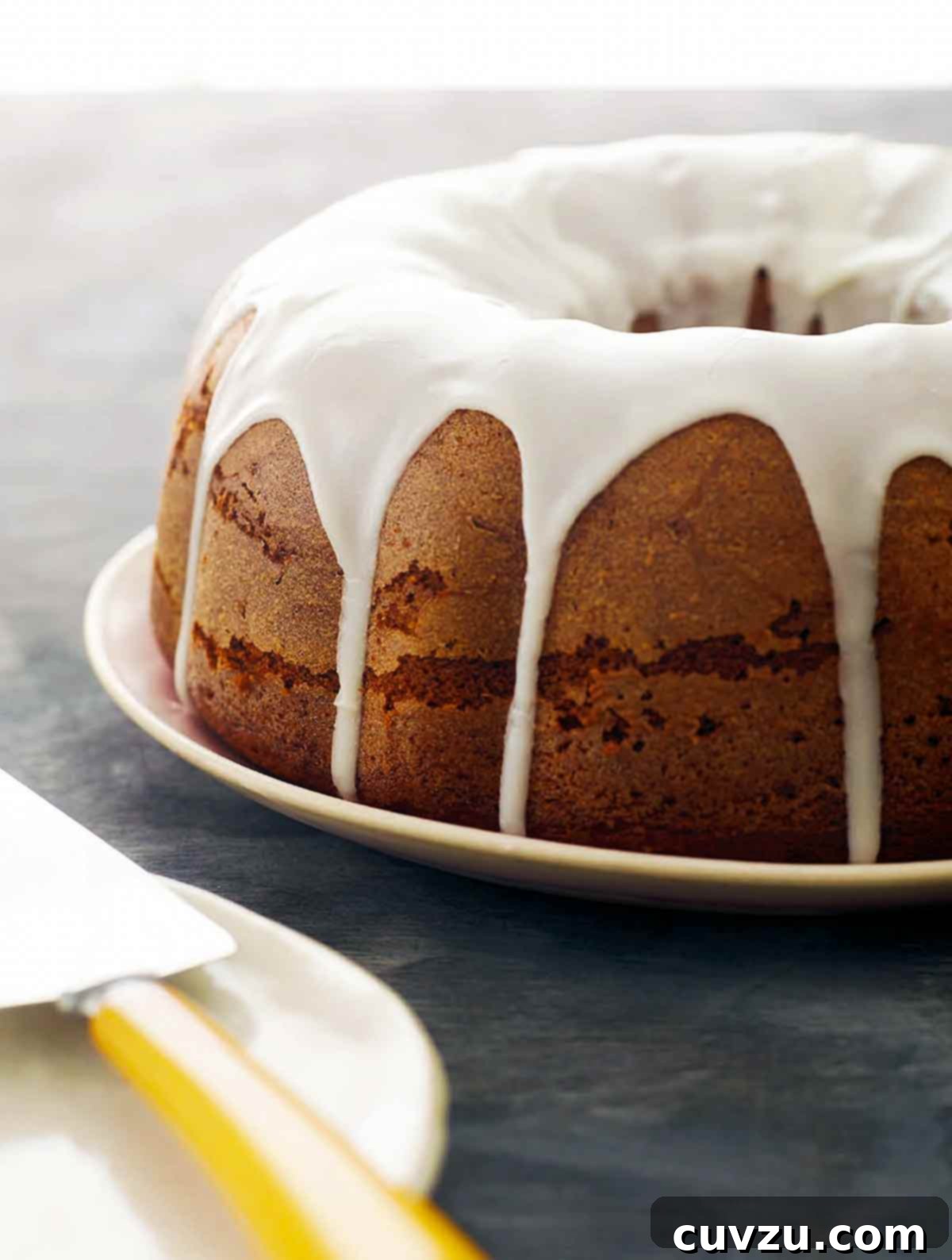
Glazed Pumpkin Pound Cake: A Moist Autumnal Treat
“Downright delicious! This is the best pumpkin cake I have ever made. The spices are the perfect combination and measurements to give each bite a pop of flavor. The icing was delicious and not overpowering.”
april
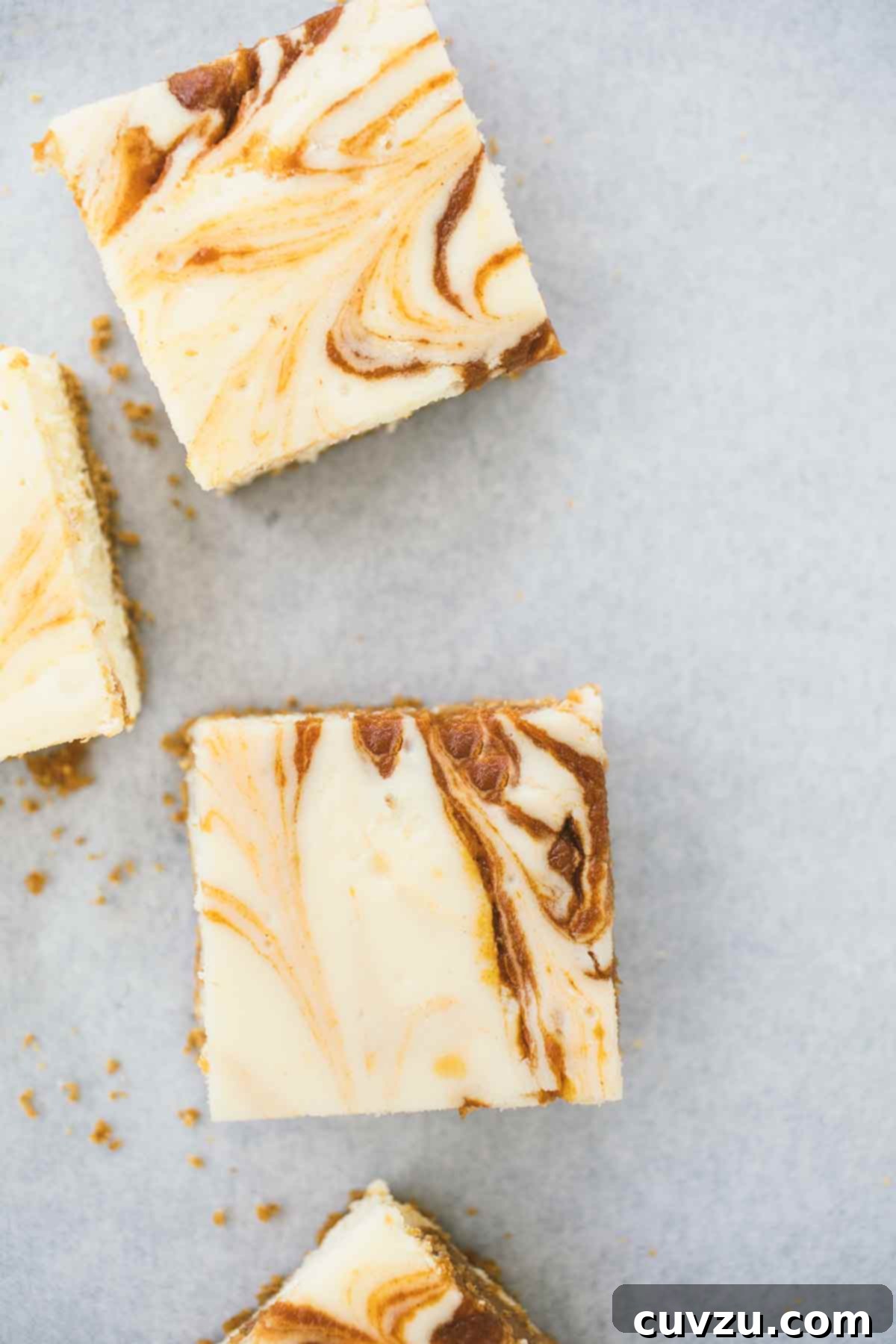
Pumpkin Swirl Cheesecake Bars: The Best of Two Worlds
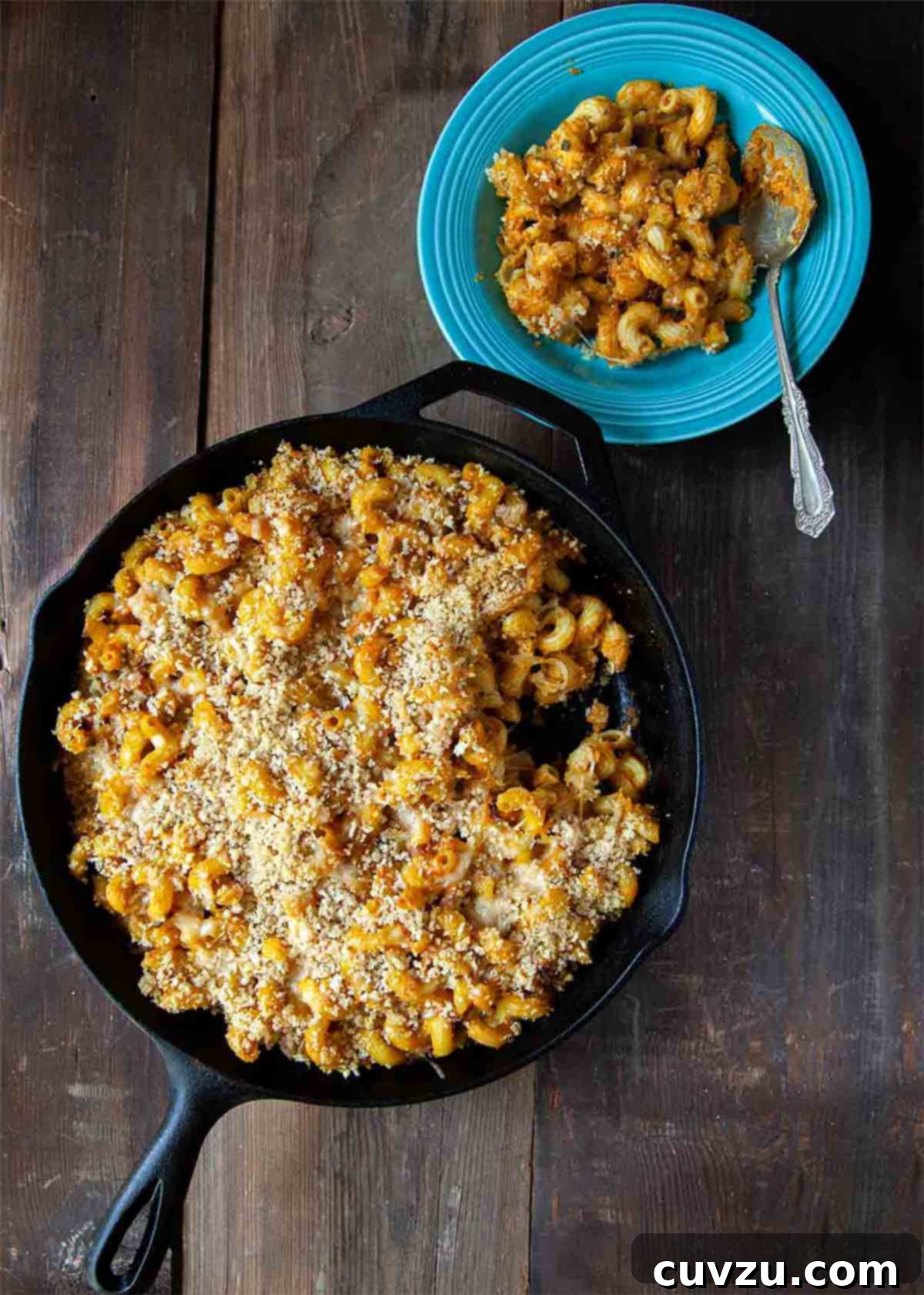
Pumpkin Macaroni and Cheese: Ultimate Comfort Food
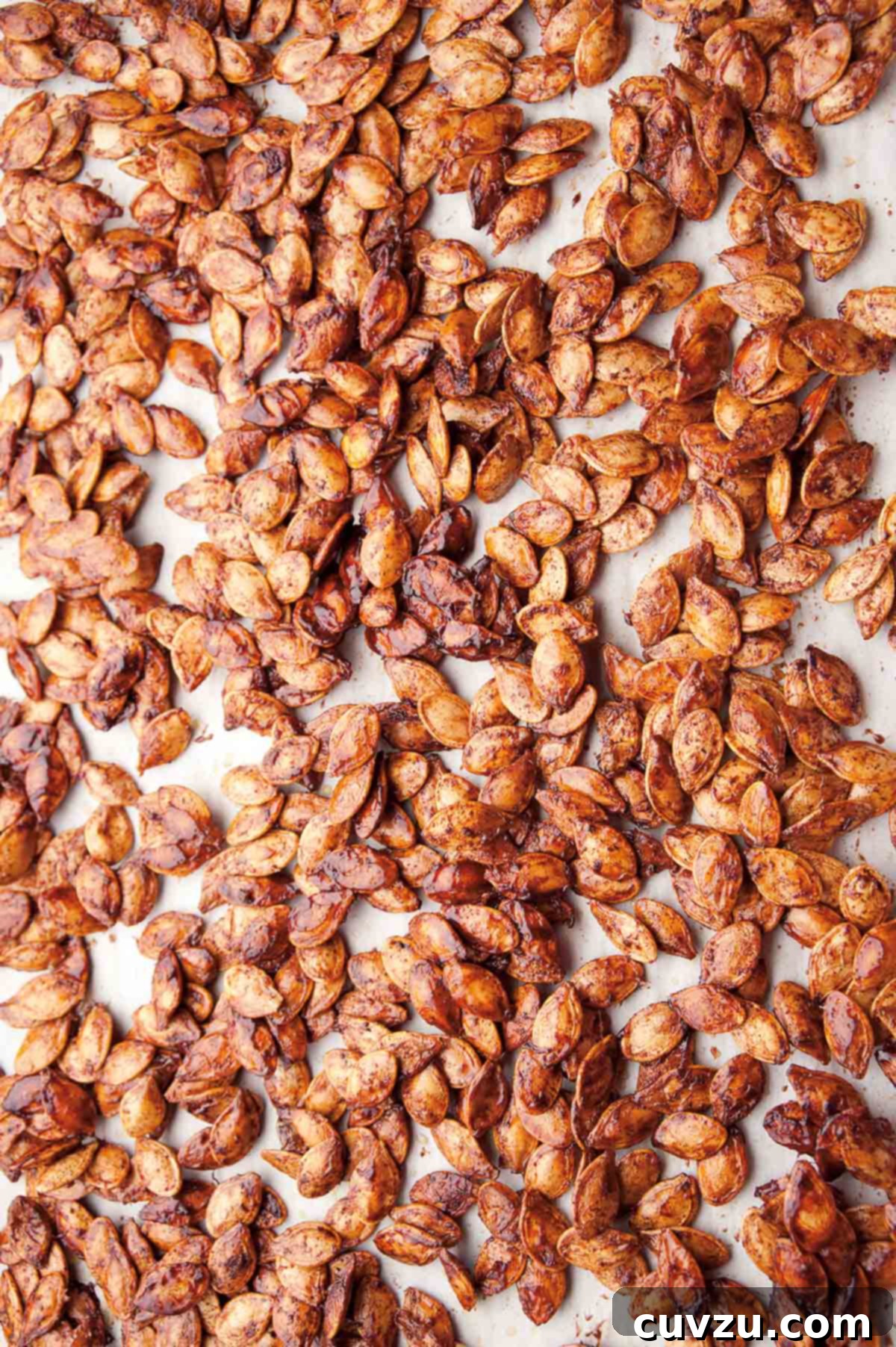
Spiced Pumpkin Seeds: The Addictive Autumn Snack
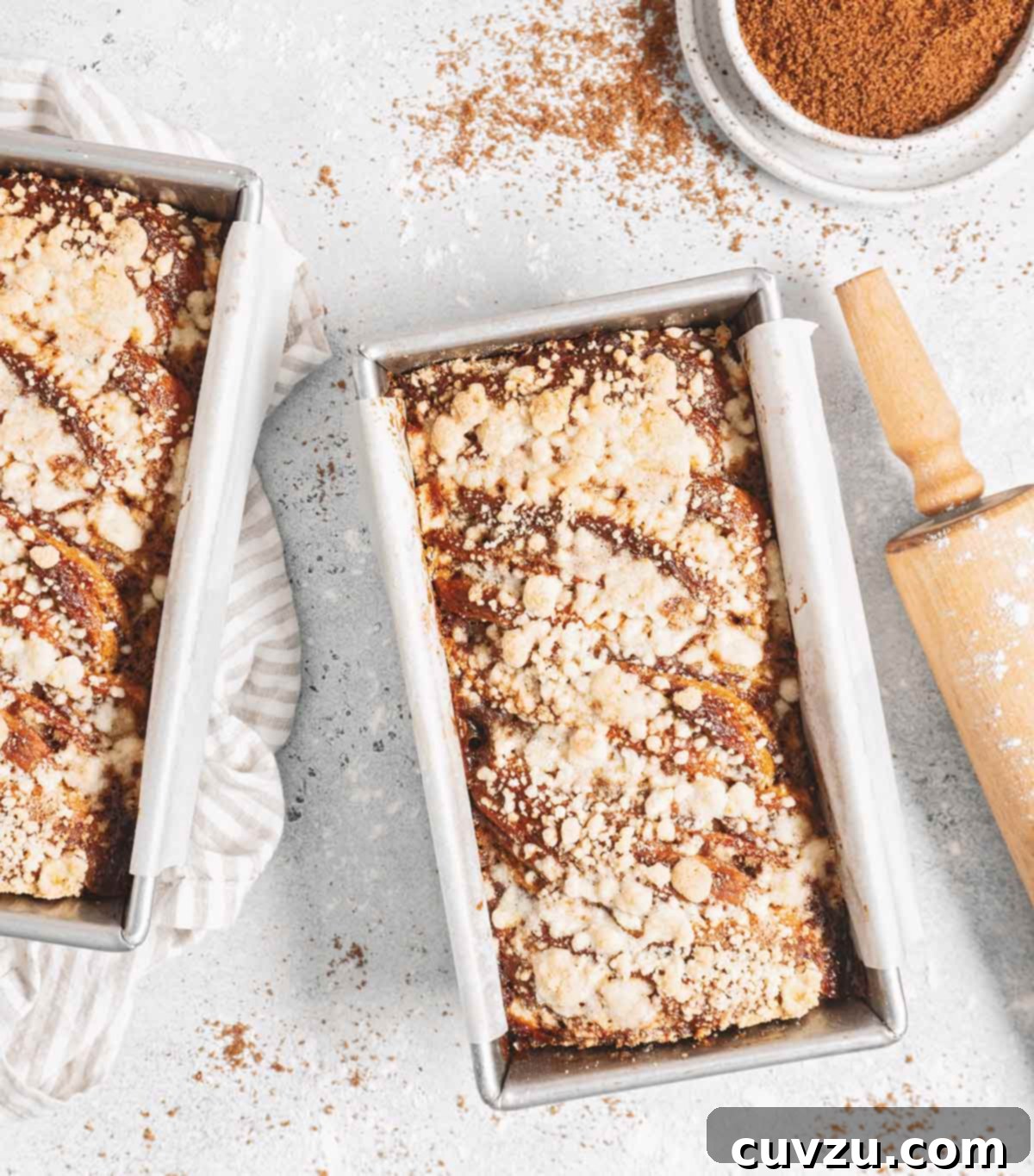
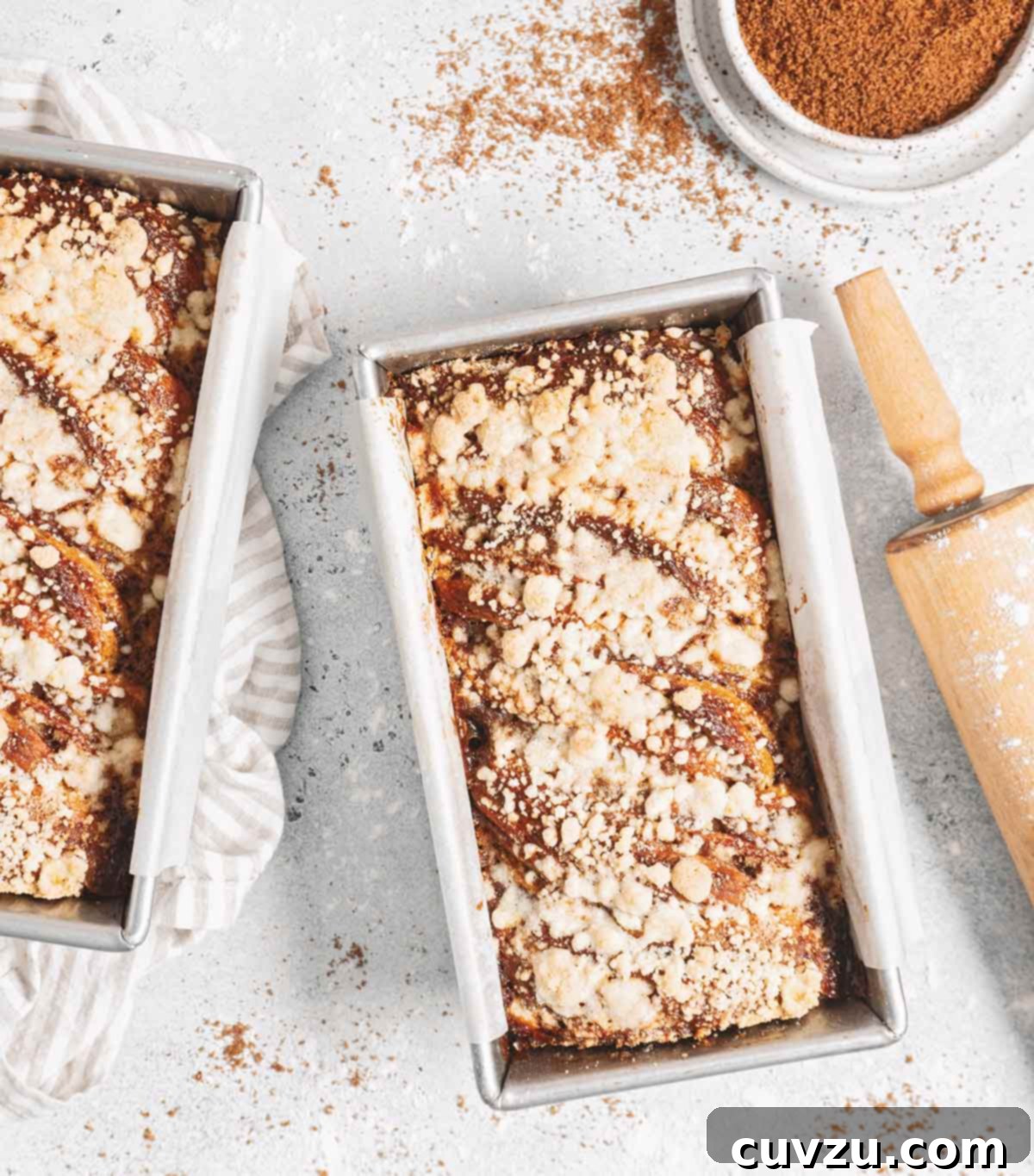
Pumpkin Pie Babka: A Swirled Masterpiece
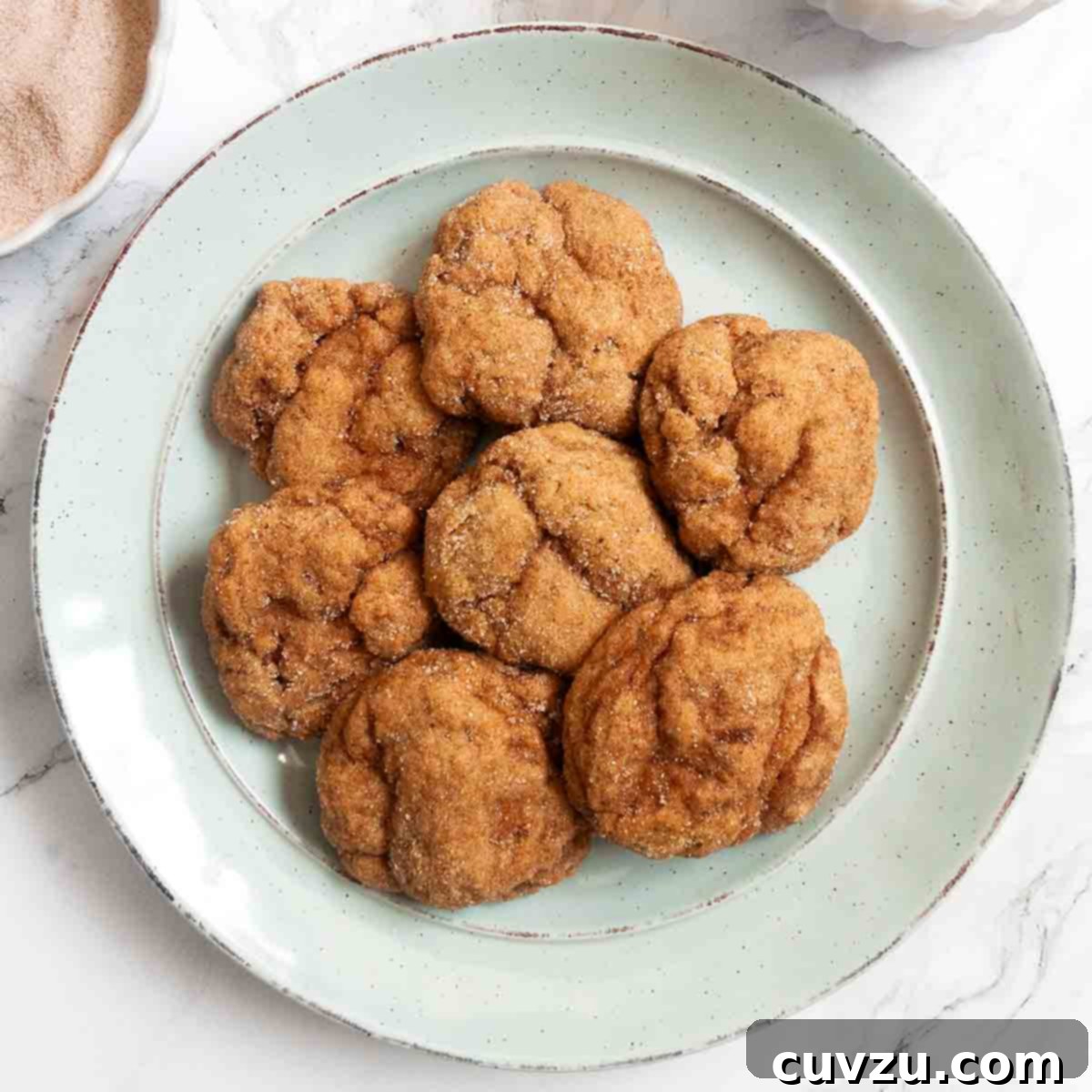
Pumpkin Spice Cookies: Your New Favorite Fall Treat
“Pumpkin pie spice ANYTHING—sign me up! These pumpkin spice cookies exceeded my expectations. The rest of my family loved them, too, including my beagles. The dogs went crazy over them.”
mike p.
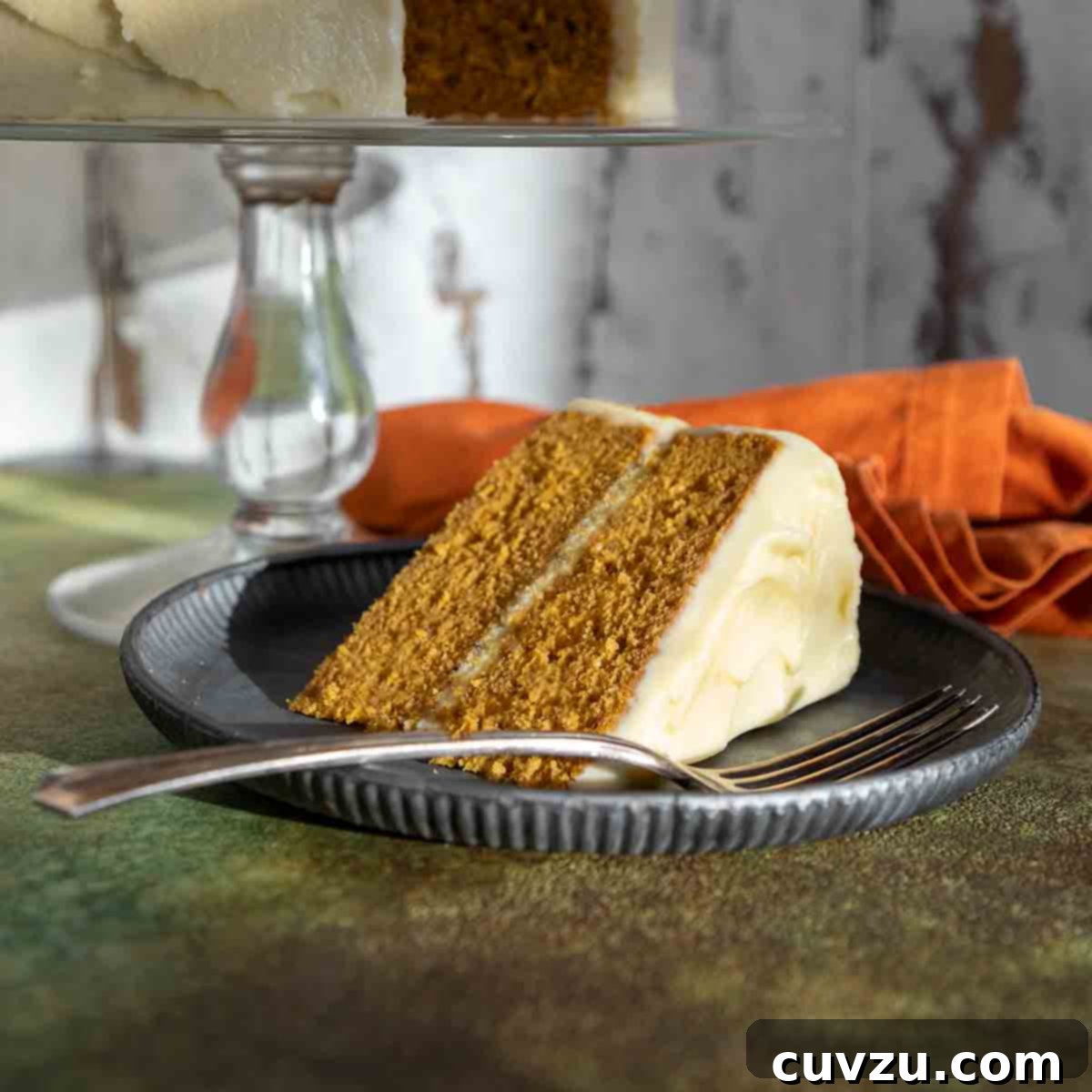
Pumpkin Cake with Maple Cream Cheese Frosting: The Crowd-Pleaser
Why We Love Pumpkins: More Than Just a Fall Symbol
Pumpkins are synonymous with autumn, yet their appeal extends far beyond their festive appearance. Nutritionally, these vibrant squashes are powerhouses, low in calories but rich in essential vitamins and minerals. They are an excellent source of beta-carotene, which the body converts to Vitamin A, crucial for vision, immune function, and skin health. Pumpkins also provide a good amount of Vitamin C, potassium, and fiber, contributing to heart health and digestive wellness.
Beyond their health benefits, pumpkins offer an unparalleled versatility in the kitchen. Their naturally sweet, earthy flavor can be adapted to almost any culinary application, from comforting savory stews and creamy pasta dishes to decadent pies, cakes, and even refreshing beverages. Whether you’re roasting them for a simple side dish, pureeing them for a velvety soup, or incorporating them into your favorite baked goods, pumpkins bring a distinct depth of flavor and a beautiful golden hue to your cooking. This season, let’s truly appreciate the pumpkin for its culinary prowess and nutritional value, making it a star ingredient in our autumn kitchens.
Tips for Cooking with Fresh and Canned Pumpkin
Working with pumpkin in the kitchen can be incredibly rewarding. If you’re using fresh pumpkin, opt for “sugar” or “pie” pumpkins, which are smaller, sweeter, and less fibrous than the larger carving pumpkins. To prepare fresh pumpkin, halve it, scoop out the seeds and stringy bits, then roast or steam until tender. Once cooked, the flesh can be easily pureed for use in recipes.
For convenience, canned pumpkin puree is a fantastic pantry staple. Always ensure you’re buying 100% pure pumpkin puree, not pumpkin pie filling, which is pre-sweetened and spiced and not interchangeable for most recipes. When opening a can, remember that any unused portion can be stored in an airtight container in the refrigerator for up to a week, or frozen for longer. These tips will help ensure your pumpkin dishes turn out perfectly every time, maximizing both flavor and ease of preparation.
Pumpkin FAQs
When you picture a pumpkin in October, you’re likely envisioning the large, robust varieties often found at grocery stores, perfect for carving intricate jack-o’-lanterns. While these are visually impressive, their flesh tends to be quite fibrous, watery, and less flavorful, making them less ideal for culinary purposes, though their seeds are excellent when roasted and spiced. In contrast, “sugar pumpkins,” also known as “pie pumpkins,” are significantly smaller, typically weighing between 2 to 8 pounds. Their flesh is sweeter, denser, and less stringy, making them the superior choice for cooking and baking everything from pies to savory purees. Always look for these smaller, denser varieties if you plan to cook with fresh pumpkin.
This is a crucial distinction for successful pumpkin recipes! Pumpkin puree is simply cooked pumpkin flesh that has been blended until smooth. It contains no added ingredients—just pure pumpkin. Its neutral flavor makes it a versatile base for both sweet and savory dishes, allowing you to control the seasoning. Pumpkin pie filling, however, is a ready-to-use mixture that combines pumpkin puree with sugar, spices (like cinnamon, nutmeg, ginger, and cloves), and sometimes other ingredients. While it’s perfect for quickly making a traditional pumpkin pie, it is absolutely *not* interchangeable with plain pumpkin puree in recipes unless explicitly stated, as the added sugars and spices will significantly alter the flavor profile and sweetness of your dish.
Yes, absolutely! Freezing pumpkin puree is an excellent way to prevent waste and ensure you always have this versatile ingredient on hand. Many recipes only call for a portion of a can, leaving you with extra. To freeze, simply transfer the leftover pumpkin puree into a freezer-safe container or a resealable plastic bag, ensuring to remove as much air as possible to prevent freezer burn. It can be stored this way for up to 3 months. When you’re ready to use it, simply thaw it in the refrigerator overnight. For added convenience and pre-portioned amounts, you can spoon the puree into 1/2-cup muffin tin wells or into ice cube trays for handy 1-tablespoon portions. Once frozen solid, pop them out and store them in a larger freezer bag.
When selecting a pumpkin for cooking, whether it’s a sugar pumpkin or another culinary variety, look for one that feels heavy for its size. The skin should be firm, smooth, and free of any soft spots, bruises, or cuts. A dull, dark orange color typically indicates ripeness. Give it a gentle tap; a hollow sound suggests a good, ripe pumpkin. Also, check the stem—it should be firmly attached and ideally dark green or brown, not shriveled or moldy. Avoid pumpkins with shiny skins, as this often means they were picked too early and haven’t fully ripened, potentially resulting in less flavor and a tougher texture. A perfectly ripe pumpkin will offer the best flavor and texture for your culinary creations.
While pumpkin shines in pies, soups, and lattes, its versatility extends to many unexpected and delightful applications. Consider adding pumpkin puree to your morning smoothie for a creamy texture and nutritional boost, or mix it into pancake or waffle batter for a festive breakfast. It can be incorporated into hummus for a unique fall dip, or even used in homemade dog treats (in moderation and without spices) for your furry friends. For a savory twist, try blending pumpkin puree into a béchamel sauce for a richer, autumnal pasta dish, or folding it into chili for added depth. The subtly sweet and earthy notes of pumpkin can truly enhance a wide array of dishes, inviting creativity in the kitchen.