As the calendar page turns and a fresh new year unfurls before us, the air buzzes with anticipation, resolutions, and the enduring human desire for a better tomorrow. While some may jot down ambitious goals or embark on new ventures, countless cultures worldwide engage in a more delicious and ancient practice: eating specific foods to usher in good fortune. Forget complex rituals or far-flung quests for mystical artifacts; the secret to writing your own prosperous future might just be nestled in your pantry. Join us as we explore the rich tapestry of global New Year’s food traditions, revealing which auspicious ingredients can pave the way for longevity, wealth, happiness, and even heightened vitality in the year ahead. And, just as importantly, we’ll uncover the few culinary culprits you’ll want to steer clear of to avoid inadvertently inviting misfortune. Here’s to your best possible year yet – a journey that, delightfully, often begins in the heart of your kitchen and, of course, in your belly.
Are you typically skeptical about superstitions? Perhaps the tumultuous events of recent times have subtly shifted your perspective, leading you to ponder the significance of a lucky penny, delve into a Tarot reading, or even pay closer attention to the cryptic messages found in fortune cookies after a takeout meal. If you’ve found yourself more open to the whims of chance, we propose a simpler, more delectable path to influencing your destiny. What if the key to a fortunate year ahead isn’t about chasing luck, but embracing time-honored traditions? Many cultures across the globe have long believed that certain foods, steeped in history and symbolism, possess the power to draw specific blessings into your life. These are not mere culinary preferences but culinary prayers, revered for centuries for their auspicious and, thankfully, delicious powers. Let’s explore these cherished ingredients, many of which are likely already gracing your kitchen, ready to transform your New Year’s Day meal into a potent ritual for prosperity and joy.
Slurp Your Way to Longevity: The Timeless Tradition of New Year’s Noodles
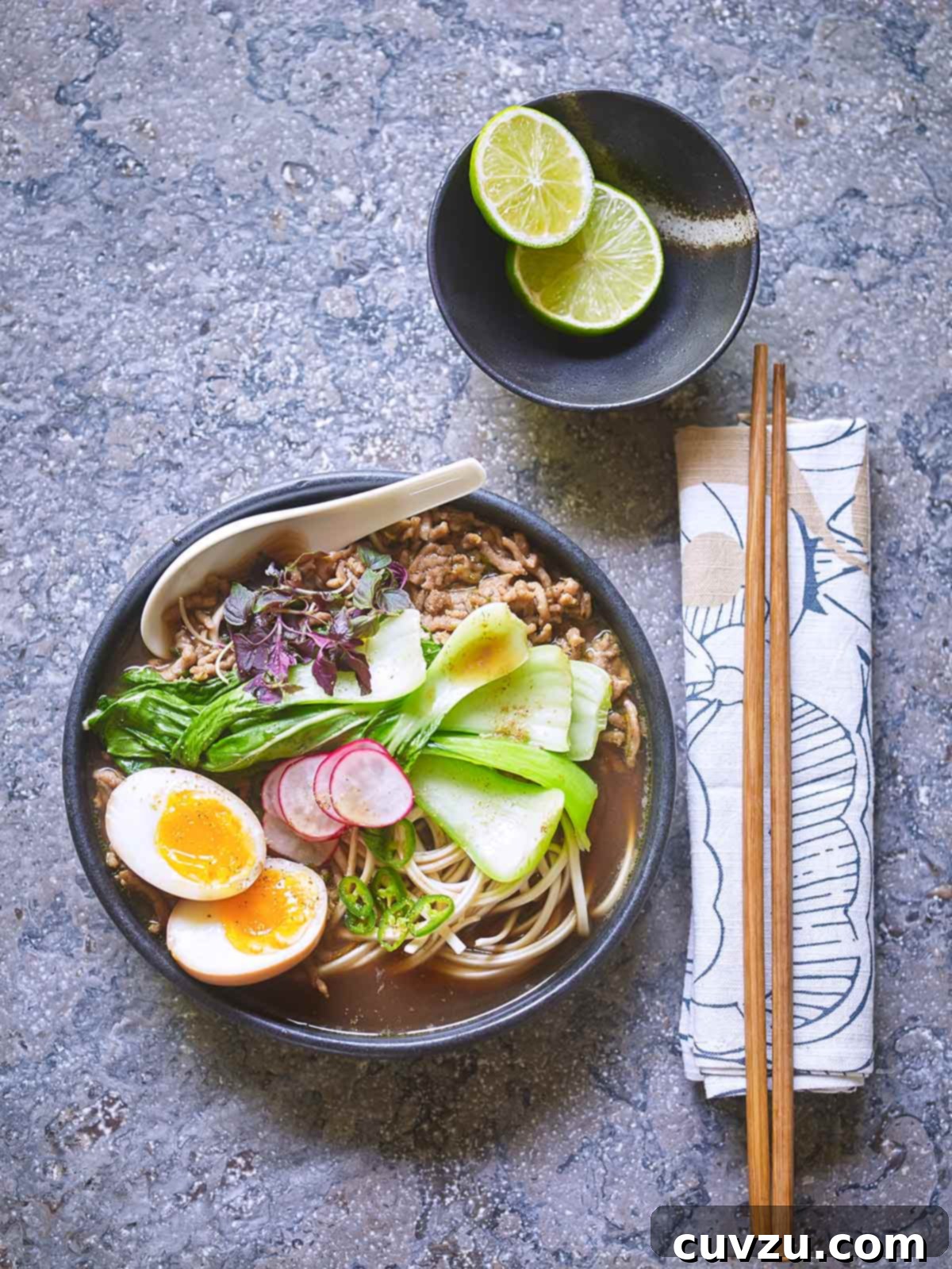
If your idea of culinary bliss involves happily slurping down bowls of savory noodles, you’re in luck – especially if you cherish the prospect of a long and healthy life. Across numerous Asian cultures, the consumption of long noodles on New Year’s Day is a deeply revered tradition, symbolizing longevity. The belief is beautifully simple: the longer the noodle you eat without breaking it, the longer your life will be. This culinary practice is observed with particular fervor during Lunar New Year celebrations in China, South Korea, Taiwan, and Vietnam, though its popularity has increasingly extended to January 1st festivities as well. Each culture brings its unique twist to this tradition, featuring distinct noodle dishes that are believed to add years to one’s life.
In Chinese culture, for instance, longevity noodles (长寿面, chángshòu miàn) are often thinner and exceptionally long, sometimes served uncut to emphasize their symbolic meaning. Cookbook author and “wok therapist” Grace Young’s recipe for her Mama’s Noodles perfectly embodies this auspicious combination. It’s considered triply lucky: the lengthy noodles signify longevity, the scallions represent intelligence and clarity, and the mushrooms symbolize prosperity and good fortune. Eating this dish is a flavorful wish for a year filled with wisdom, wealth, and many happy returns.
The Japanese tradition offers a slightly different, yet equally poignant, take on New Year’s noodles. Instead of solely focusing on “long life noodles” for extended years, they prepare Toshikoshi soba, literally “year-crossing noodles,” on New Year’s Eve. Soba noodles, made from buckwheat, are notably delicate and easy to bite through. This characteristic is central to their symbolism: by eating them, one symbolically breaks away from the hardships, misfortunes, and lingering attachments of the past year. It’s a culinary act of letting go, cleansing oneself for a fresh start. The ease of breaking the noodles signifies an easy transition and a clean break from the old to the new, ensuring that any lingering bad luck doesn’t carry over into the nascent year.
With such a delectable array of choices, the biggest challenge might just be deciding which lucky noodle dish to indulge in. Will it be the rich and comforting flavors of our Mapo Tofu Ramen, known for its fiery kick and satisfying texture? Or perhaps the aromatic and herbaceous depths of Vietnamese Pho, a broth-based masterpiece that warms both body and soul? For those craving a sweet and savory experience, Pad Thai offers a symphony of flavors and textures, symbolizing interconnectedness and abundance. And let’s not forget the timeless appeal of our Tuna and Tomato Spaghetti, a comforting classic that transcends cultural boundaries. Whichever you choose, remember to slurp with purpose, embracing the promise of a long and fulfilling year ahead.
Feasting for Fortune: Foods That Symbolize Wealth and Abundance
The universal aspiration for prosperity finds delicious expression in culinary traditions worldwide. Nearly every culture attributes auspicious qualities to foods that visually or symbolically represent money, thereby inviting wealth and abundance into the new year. This category often includes vibrant leafy greens, golden-hued breads, and plump, abundant legumes. Consider the rich green of collard greens, kale, or cabbage, which visually evoke stacks of paper money or crisp banknotes. These are not merely healthy additions to your plate; they are edible symbols of financial growth and solvency, particularly cherished in the American South, where they are often cooked with pork for an extra layer of luck.
The allure of gold, an enduring symbol of riches, is beautifully captured in dishes like Dorie Greenspan’s cornbread. Its perfectly burnished golden hue mirrors the gleam of gold coins, making it a powerful emblem of incoming wealth. Beyond its color, cornbread often accompanies another cornerstone of Southern New Year’s fare: Hoppin’ John. This iconic dish, a stew of black-eyed peas and rice, holds deep cultural significance with roots firmly planted in the West African community and is a staple for Southern cooks on New Year’s Day. The specific appeal of Hoppin’ John lies in its star ingredient – black-eyed peas. These humble legumes are believed to signify increasing abundance and future prosperity, not least because they plump up significantly during cooking, growing in volume and flavor, almost to the point of bursting with potential. This expansion is a direct metaphor for the growth of your financial standing in the coming year.
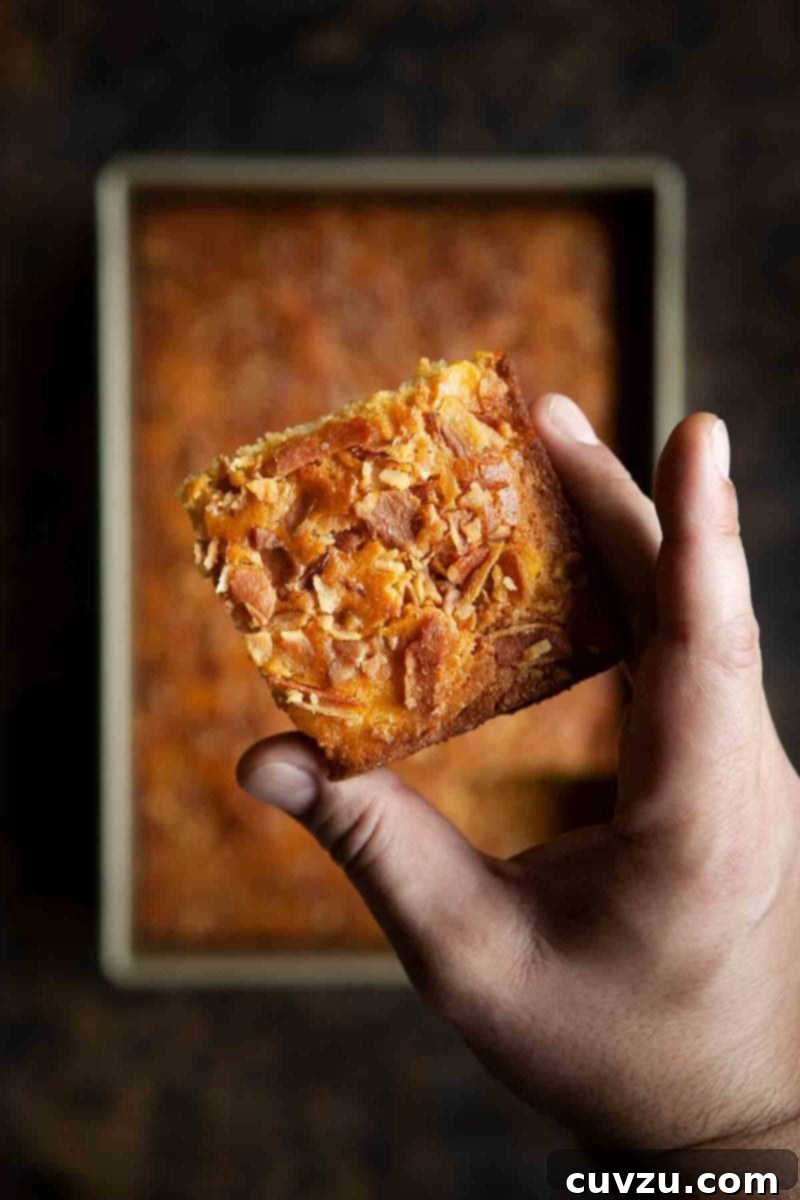
Beyond plant-based symbols, animals also play a significant role in New Year’s prosperity rituals. In many European and Latin American countries, particularly Italy, Cuba, Hungary, and Portugal, pigs are revered as powerful harbingers of fortune and progress. The symbolism is rooted in their natural behavior: when foraging for food, pigs steadfastly keep their feet planted firmly on the ground while pushing their snouts forward. This action is seen as a direct representation of moving forward, signifying progress, future prosperity, and unwavering stability. Unlike chickens, which scratch backward, pigs embody a forward-moving momentum crucial for a successful year. You can amplify your chances of luck by incorporating pork into your New Year’s meal, perhaps with our Black-Eyed Pea Stew, which thoughtfully calls for ham or sausage, doubling your luck with two potent symbols of abundance. Furthermore, the inherent richness of pork fat isn’t just delicious; it practically screams luxury and wealth, reinforcing the desired opulence for the year ahead. Germany and Austria take this porcine reverence a step further, adorning their festive tables with tiny, charming marzipan pigs, often exchanged as gifts to wish friends and family good luck.
Another ingredient that promises better days ahead is fish. Given their inherent traits of constantly moving forward (never backward, save for bottom feeders!) and traveling in large, cohesive schools, fish are a perennially popular choice worldwide for embodying progress, abundance, and unity. Their scales, often shimmering and plentiful, resemble coins, further cementing their association with wealth. Herring, in particular, holds a special place in the New Year’s culinary traditions of Scandinavian, Dutch, Nordic, German, Polish, Baltic, and Jewish cuisines. Traditionally pickled to preserve them through the long, harsh winter months, herring’s appearance on the New Year’s table acts as a small, heartfelt prayer for the next year’s catch – a fundamental element of survival and prosperity in maritime communities. The unpredictable migrations of herring made each catch a blessing, and eating them on New Year’s Day was a hopeful gesture for continued good fortune. Their glinting silver scales, more than any other fish, bear a striking resemblance to a cascade of shiny coins, making them an undeniable symbol of monetary gain.
Sweeten Your New Year: Foods for Happiness and Good Fortune
Sometimes, all you’re truly seeking is a general uplift in your luck, a touch of sweetness to ensure the year ahead is filled with joy and pleasant experiences. In such cases, the answer is often found in foods that are inherently sweet, symbolizing the delightful experiences you wish to attract. These sweet traditions are not just about indulging; they are about setting a joyful tone for the upcoming twelve months.
One of the most widely recognized sweet traditions hails from Spain and Mexico, where revelers meticulously consume 12 grapes (or raisins, in Portugal) at each stroke of midnight on New Year’s Eve. Each grape represents a month of the coming year, and with every grape eaten, a wish is made. This “las doce uvas de la suerte” (the twelve grapes of luck) ritual is a race against the clock, a fun and frantic scramble to swallow all twelve before the final chime, ensuring good luck for every month. In China, vibrant mandarin oranges symbolize happiness, wealth, and celebration. Their golden-orange hue is reminiscent of gold, and their round shape signifies completeness and abundance. Whether enjoyed fresh out of hand, adorning a festive table, or baked into a delightful dessert like a clementine cake, these citrus fruits are potent symbols of good fortune. Similarly, Filipino families incorporate apples into their New Year’s celebrations, with red apples signifying luck and green apples symbolizing prosperity and financial growth.
Indeed, sneaking in more sweetness is a prominent theme in New Year’s traditions globally, with many cultures embracing dessert as a powerful symbol of the sweetness and joy of the coming year. Cakes and pastries with a distinct ring shape are particularly favored, as their circular form represents a full circle, completeness, and the cycle of life returning to a state of wholeness without end. Iconic examples include King Cakes, especially popular in Mardi Gras celebrations in the Southern United States, where a tiny baby figurine or coin is hidden within the cake. Finding it bestows extra luck and blessings upon the finder (provided they don’t accidentally swallow it!). Similarly, elegantly sculpted Bundt cakes and comforting donuts, with their inviting central holes, echo this potent symbolism. These delectable treats are not just a festive indulgence; they are an edible promise that the year ahead will come full circle, bringing with it happiness, prosperity, and endless sweet moments.
An Unconventional Duo: Green Grapes and Red Underwear for Ultimate Good Luck
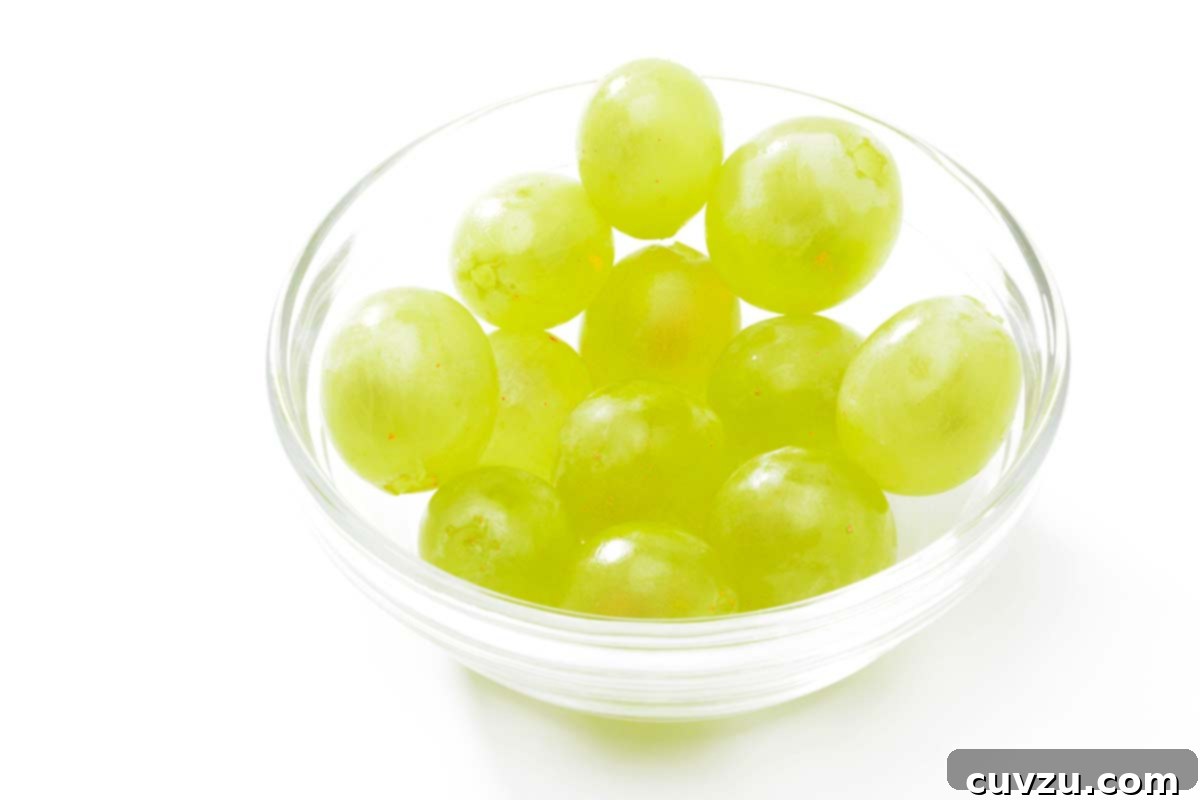
As the final seconds of the old year tick away and the festive countdown to midnight begins, many traditions focus on specific actions to guarantee good fortune. While most people are busy toasting with Champagne and watching the dazzling ball drop, you could be securing your prosperity for the entire year ahead with a more distinctive and colorful ritual. The Spanish tradition, dating back to 1909, offers a fascinating and somewhat challenging path to ensuring luck: eating one green grape at each of the twelve chimes of the midnight clock. Successfully consuming all twelve grapes before the last chime is believed to bring good luck for each of the twelve months to come. However, as with many compelling superstitions, there’s a captivating catch – and it involves a splash of color and a touch of intimacy.
To truly unlock the full potency of this grape-eating ritual, you must be wearing red underwear while performing the feat. This isn’t just any red underwear, mind you; to maximize its lucky potential, it’s often believed that the crimson unmentionable should ideally have been gifted to you. The color red is universally associated with passion, vitality, good luck, and warding off evil spirits. When combined with the grapes, it creates a powerful synergy for a year filled with love, energy, and unwavering good fortune. So, this New Year’s Eve, consider embracing this vibrant and playful tradition – just be sure to practice your rapid grape consumption beforehand!
Ignite Your Year: Pomegranates, Eggs, and Scallions for Fertility and Vitality
As we delve deeper into the realm of lucky New Year’s foods, some traditions focus on more intimate and profound aspects of life, particularly fertility, vitality, and rebirth. If your wishes for the new year include an increase in personal energy, creative spark, or perhaps even expanding your family, certain ingredients are believed to be potent catalysts. Among these, the pomegranate stands out with undeniable allure and ancient symbolism. Few other lucky foods on this list boast as much inherent “sex appeal” as the garnet-hued, sweet-tart pomegranate. Its vibrant color, jewel-like seeds, and slightly mysterious nature have made it a symbol of fertility, abundance, prosperity, and passion across numerous cultures for millennia, from ancient Greece to Persia. Though its extraction can sometimes be a labor of love, the reward is a burst of delicious flavor and a wealth of symbolic meaning, making it a perfect, visually stunning addition to your New Year’s feast – perhaps in a vibrant pomegranate roasted beet salad with goat cheese.
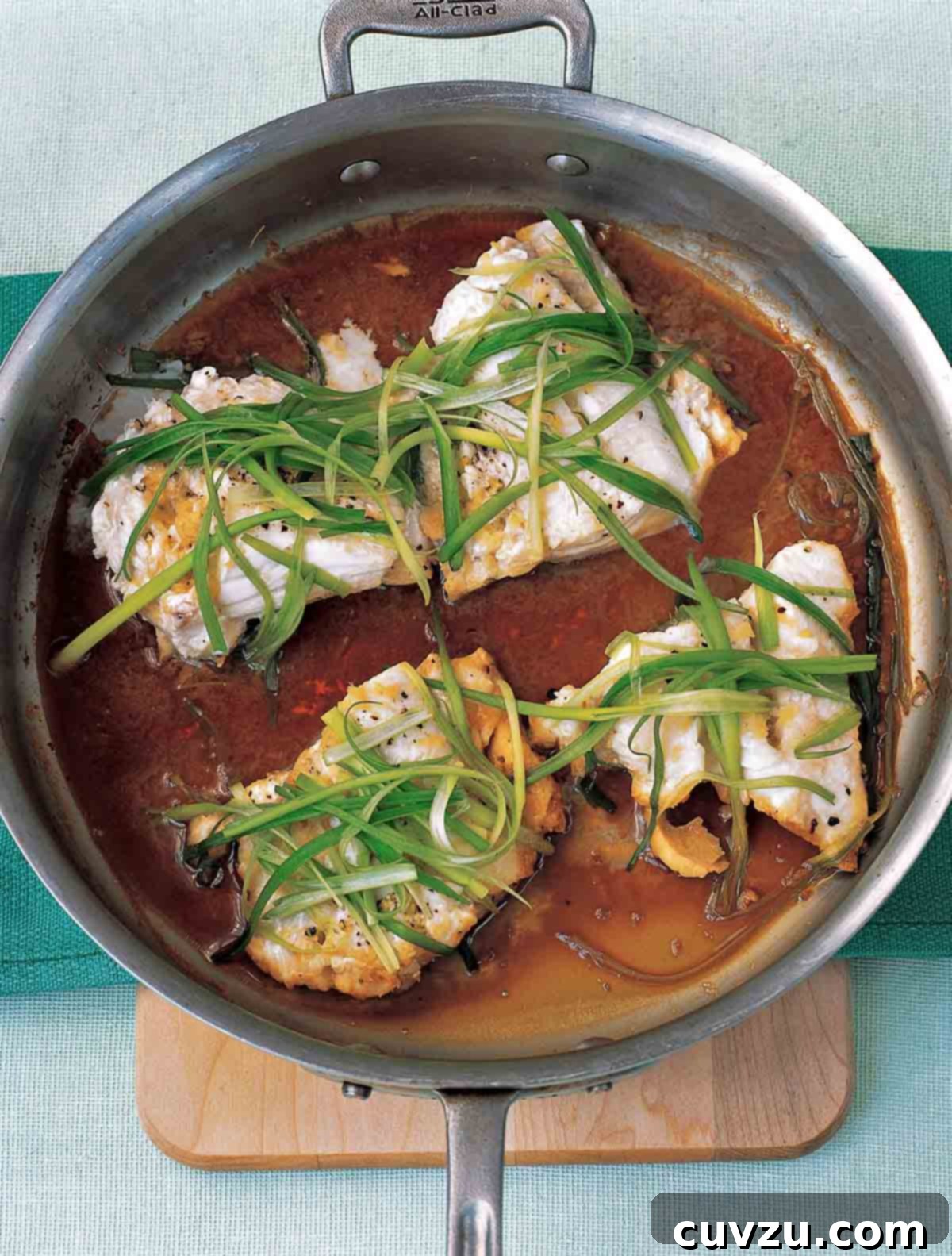
Beyond the luscious pomegranate, other humble yet powerful ingredients are reputed to be fertility fire-starters, making it easier to increase your chances for new beginnings. Eggs, for what we consider obvious reasons, are a universal symbol of new life, rebirth, potential, and the continuous cycle of creation. Their perfect oval shape encapsulates the promise of future growth. Onions, and their more delicate relatives like scallions, might require a little more imagination to grasp their symbolic power, but it’s equally profound. Consider a single scallion: its slightly bulbous base firmly rooted, giving rise to vibrant green shoots that reach upwards. This imagery powerfully conveys growth, resilience, and the ability to put down roots and sprout anew. In Greece, for example, it’s a centuries-old custom to hang onions on the front door on New Year’s Day to promote rebirth, new beginnings, and good health for the household. Incorporating these into your meals is simple and delicious; why not try pairing steamed cod with ginger and scallions in a simple yet elegant Asian-inspired dinner, blending flavors with powerful symbols?
Rice, a staple food for over half the world’s population, also carries deep symbolism for fertility and abundance, particularly in Southeast Asian and Eastern cultures. Its prolific nature, with each grain representing potential, makes it a natural choice for welcoming new life and prosperity. New Year’s Day is frequently ushered in with various rice dishes, embodying wishes for a bountiful future. A prime example is a Persian Rice Pilaf, a culinary masterpiece that cleverly combines several symbols of good fortune: the abundant grains of rice for fertility, the vibrant scallions for growth and rebirth, and the jewel-like pomegranate seeds for passion and abundance. This dish transforms a simple meal into a powerful declaration of hope and aspiration for the year ahead.
The Taboo Table: Unlucky Foods to Steer Clear Of on New Year’s Day
While the focus is often on what to eat for good luck, it’s equally important to be aware of the culinary pitfalls that, according to tradition, can invite misfortune. If you’re determined to avoid any bad luck or unwelcome regressions in the coming year, it’s best to keep certain foods off your New Year’s Day menu until at least January 2nd. Fortunately, this list is mercifully short, allowing you more time to strategize how to stay awake until midnight without culinary worries!
Chicken and Other Winged Fowl: Don’t Let Your Luck Fly Away
A cardinal rule in many New Year’s food traditions is to avoid chicken and any other winged fowl. The rationale behind this superstition is straightforward: chickens, turkeys, and other birds instinctively scratch backward in the dirt when foraging for food. This backward motion is widely interpreted as a symbol of regression, stagnation, or even a reversal of fortunes. Eating such birds on New Year’s Day is believed to invite a hardscrabble year ahead, one where progress is hindered, and you might find yourself moving backward rather than forward. This prohibition extends even to seemingly innocuous dishes like chicken wings; the concern is that, quite literally, your good luck and hard-earned prosperity might “fly away” with the wings. To ensure your year is characterized by forward momentum and progress, opt for foods that embody moving ahead.
Bottom Feeder Fish: Avoid Scuttling Backward
While most fish are considered a highly fortuitous feast for the New Year, symbolizing progress and abundance, a crucial distinction must be made regarding bottom feeders. Creatures such as catfish, clams, and especially lobsters should be conspicuously absent from your New Year’s Eve or New Year’s Day menu. The reason is similar to that of winged fowl: these animals forage or move along the bottom, often in a backward or stagnant motion. Lobsters, in particular, carry a double dose of negative vibes. Their notorious tendency to scuttle backward when threatened makes them a powerful symbol of regression, taking steps backward in life, or experiencing setbacks. To avoid inviting such reversals into your year, it’s wise to stick to fish that swim forward and actively symbolize progress, leaving the bottom dwellers for another time.

If All Else Fails: Embrace the Spirit of the New Year
Perhaps strict adherence to culinary superstitions isn’t your style, or a last-minute trip to the grocery store for specific “lucky” ingredients simply isn’t feasible. Fear not, for the spirit of hope and renewal is the most powerful ingredient of all. You can always embrace a touch of sweetness by drizzling yourself (or at least your breakfast!) in honey, a universal symbol of sweetness and good fortune, hoping that good luck begins to stick to you like, well, honey. Ultimately, the New Year is about embracing optimism, setting intentions, and finding joy in shared traditions, whether ancient or newly adopted.
Leite’s Culinaria is not responsible for your upcoming year’s luckiness nor do we guarantee that these ingredients eaten on New Year’s Day will exponentially enhance your prosperity, health, or reproductive success. We DO, however, stand by how damn delicious these recipes are!
Originally published December 31, 2020. Updated for the New Year with additional insights and culinary inspiration.